
Digestive Rest: How Zero-Fiber Affects IBS Symptoms and Management
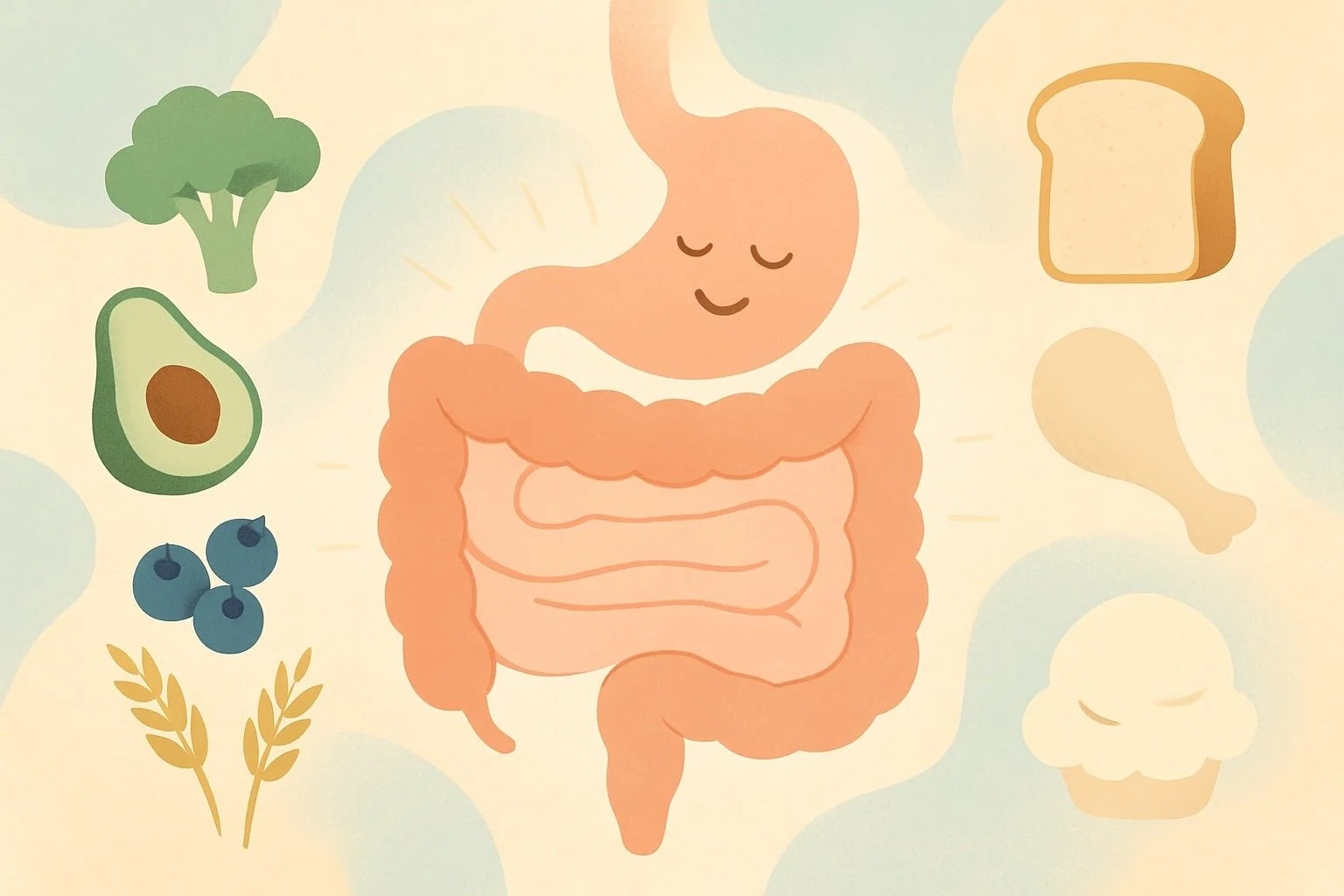
Digestive rest, or minimizing dietary fiber, can significantly affect how people with IBS experience their symptoms. Some individuals with irritable bowel syndrome find that taking a break from fiber helps reduce bloating, pain, and discomfort, especially during flare-ups when the digestive system is particularly sensitive. Reducing fiber may make it easier for some to manage unpredictable bowel habits and abdominal discomfort.
However, fiber plays an important role in digestive health, and a zero-fiber diet is not a one-size-fits-all solution. The effects of cutting out fiber vary: some people feel better, while others see no improvement or even a worsening of symptoms. Understanding how digestive rest impacts IBS can help individuals make informed choices about their diets and symptom management strategies.
Understanding Digestive Rest
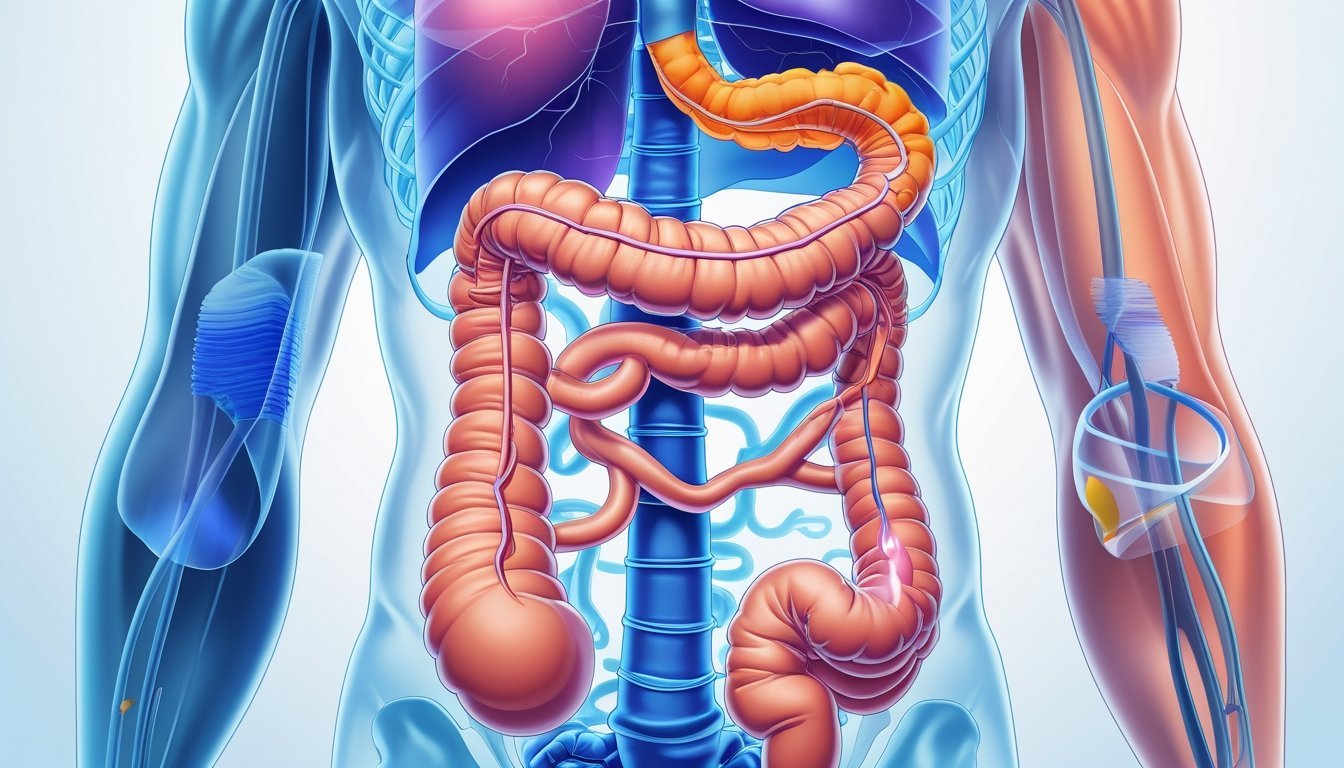
Digestive rest involves minimizing the workload on the digestive system. This state can affect how the gastrointestinal tract processes food, especially for those with conditions like IBS.
What Is Digestive Rest?
Digestive rest refers to periods when the digestive system is given minimal material to process. This often means reducing fiber intake so that less indigestible matter passes through the digestive tract.
A zero-fiber approach removes plant-based fibers that are normally not broken down by the body. This reduction leads to lower stool volume and fewer demands on the colon. People with digestive disorders, such as IBS, may consider digestive rest to temporarily reduce irritating symptoms like bloating, pain, or altered bowel movements.
During digestive rest, the gut experiences a decrease in the mechanical stimulation caused by bulky or fibrous foods. This can provide the large intestine with time to recover and reduce inflammation or irritation in the bowel.
The Role of Rest in the Digestive System
Resting the digestive system means reducing the amount of fiber and other substances that are difficult to digest. With less fiber and residue, the bowel produces less gas and stool bulk, taking pressure off the irritated regions of the digestive tract.
For people with IBS, digestive rest can be beneficial during acute symptom flares. Fewer bowel movements and lighter stools may help manage discomfort or urgency. However, the approach should be closely monitored to avoid negative effects on long-term digestive health.
The gastrointestinal tract relies on periods of rest to heal from inflammation or stress. A short break from fibrous foods helps some individuals reduce symptoms and support a healthier environment in the bowel, but the absence of fiber should only be temporary unless supervised by a healthcare professional.
IBS and Fiber: The Complex Relationship
People with irritable bowel syndrome (IBS) often react differently to fiber. The effects may depend on the type of fiber consumed and an individual’s symptoms, such as constipation or diarrhea.
How Fiber Affects IBS Symptoms
Fiber can change the frequency, form, and ease of bowel movements for those with IBS. Some individuals experience relief from constipation when increasing fiber intake, while others may develop more bloating, gas, or cramping. In some cases, too much fiber can worsen diarrhea and abdominal discomfort.
For many, the type and amount of fiber needs to be adjusted carefully to avoid symptom flare-ups. Both fiber deficiency and excess have been linked to negative outcomes, so ongoing attention to symptoms is important when adjusting fiber intake.
Differences Between Soluble and Insoluble Fiber
Soluble fiber forms a gel when mixed with water and is found in foods like oats, apples, and carrots. It can help soften stool and make bowel movements easier to pass, which may benefit people with IBS-related constipation.
Insoluble fiber does not dissolve in water and is present in foods like whole wheat, nuts, and raw vegetables. While it can speed up intestinal transit, it may contribute to increased gas and bloating, particularly in those sensitive to it.
This distinction is important because many with IBS tolerate soluble fiber better. Foods rich in soluble fibers are commonly recommended to minimize gastrointestinal discomfort compared to higher insoluble fiber options.
Fiber Intake In Irritable Bowel Syndrome
Establishing the optimal amount of dietary fiber for IBS can be challenging. Most guidelines encourage a gradual increase in soluble fiber rather than a sudden, high intake of all fiber types. Starting with small amounts allows the digestive system to adapt, reducing the risk of sudden bloating, pain, or changes in bowel habits.
Patients are often advised to monitor their symptoms and fiber sources closely. Low-FODMAP fibers may be preferred, as they are less likely to ferment in the gut and cause irritation. Each case of IBS is unique, so tailoring fiber intake to individual tolerance is critical.
Zero-Fiber Diets: Principles and Types
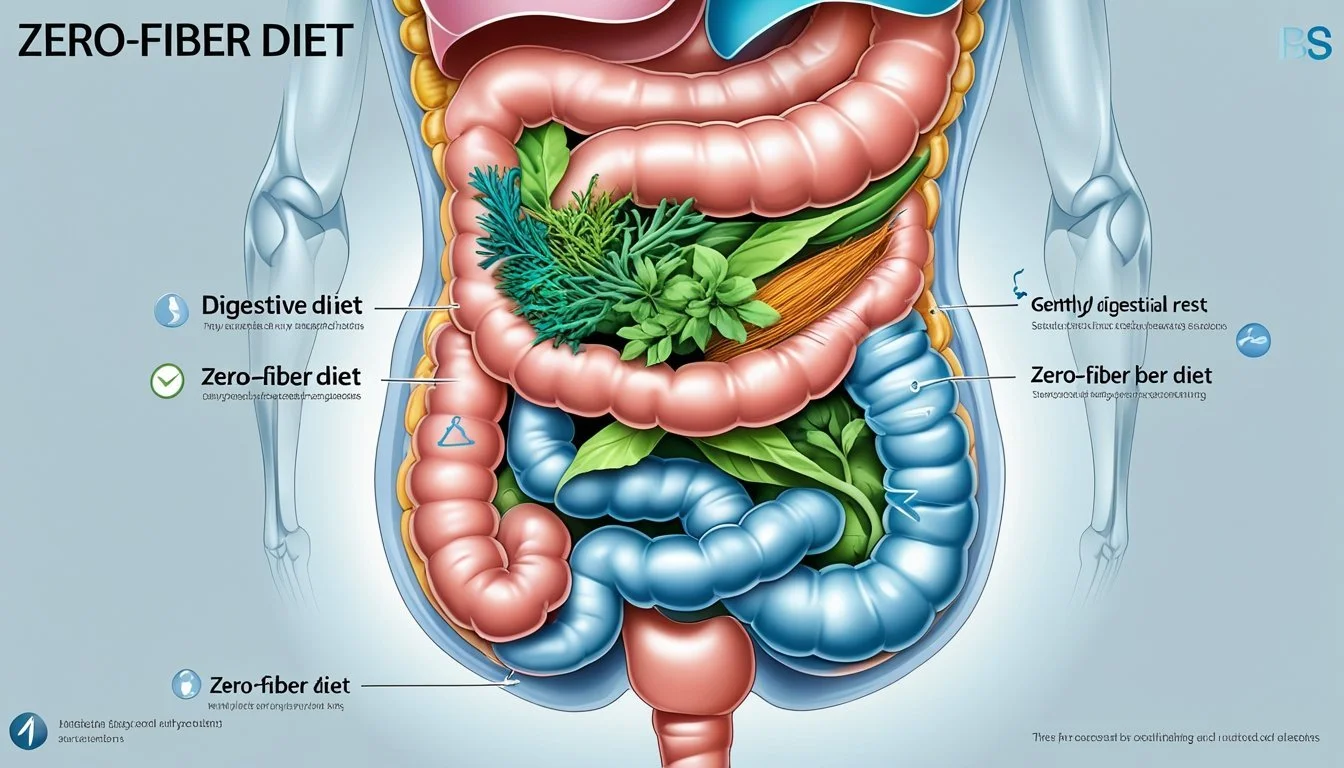
Zero-fiber diets remove all sources of dietary fiber to reduce bowel stimulation and minimize digestive residue. These diets are distinct from low-fiber approaches, requiring careful selection of foods and strict avoidance of plant fibers.
What Defines a Zero-Fiber Diet?
A zero-fiber diet contains no soluble or insoluble dietary fiber. This means it excludes all plant-based foods that contain even minimal fiber content, such as grains, legumes, fruits, and most vegetables.
The primary goal is to eliminate undigestible plant material that can trigger symptoms in people with sensitive digestive systems, such as those with IBS. This approach also limits foods that could ferment in the colon and cause gas or bloating.
Because some foods labeled “low-fiber” may still provide small amounts of fiber, anyone following a zero-fiber diet must avoid these as well. Only foods that have absolutely no fiber content should be included.
Low-Fiber vs. Zero-Fiber: Key Differences
A low-fiber diet typically allows up to 10–15 grams of fiber daily. It is designed to reduce stool bulk but does not aim for total fiber elimination. Common foods include refined grains, peeled potatoes, canned fruit, and some tender meats.
A zero-fiber diet is stricter, allowing only foods that contain zero grams of fiber per serving. This often means focusing on refined animal-based proteins, certain dairy products, clear broths, and oils.
A low-residue diet is also different; it focuses on minimizing undigested food in stool, but might permit some fiber. The zero-fiber diet is the most restrictive in terms of plant material. Medical supervision is strongly recommended due to potential nutrient shortfalls.
Common Zero-Fiber Foods
Foods allowed on a true zero-fiber diet include plain meats (beef, chicken, fish), eggs, and most dairy products such as cheese and yogurt (as long as they contain no added fiber or plant ingredients). Refined oils and fats, like butter or olive oil, are also acceptable since they contain no fiber.
Zero-Fiber Food Examples:
Category Examples Meats Chicken, beef, fish Dairy Cheese, yogurt, milk Fats & Oils Butter, olive oil, lard Eggs Scrambled, boiled, poached
Processed foods, like sausages or breaded meats, may still have added fiber ingredients and should be checked carefully. Fruits, vegetables, grains, and legumes are excluded completely. Only pure, unprocessed animal products and plain fats meet zero-fiber criteria.
Impact of Zero-Fiber on IBS Symptoms
A zero-fiber diet can produce rapid changes in digestive symptoms for people with irritable bowel syndrome (IBS). The effects span from potential symptom relief to new gastrointestinal issues, strongly depending on the individual's IBS subtype and digestive sensitivities.
Reducing Bloating and Gas
Eliminating dietary fiber often leads to a reduction in intestinal gas for many with IBS. Fiber, especially the fermentable types found in beans, whole grains, and certain vegetables, is broken down by gut bacteria, producing gas as a byproduct. Without fiber, there is less substrate for fermentation.
Several patients experience noticeably less bloating when they cut fiber, particularly soluble fiber, from the diet. However, a zero-fiber approach may not address bloating caused by other triggers, such as lactose intolerance or stress.
Key points:
Less fiber = less gas production for most people with IBS
Bloating may decrease, but other factors can still contribute
Relief can be significant for those especially sensitive to fermentation
Managing Diarrhea and Constipation
Fiber helps form and move stools by increasing bulk and water content. On a zero-fiber diet, stool volume often decreases, which may help those with frequent diarrhea by reducing urgency and frequency.
For IBS sufferers who struggle with constipation, removing fiber can make stools hard and difficult to pass, possibly increasing discomfort. Over time, a lack of fiber can worsen constipation in some and offer temporary relief from diarrhea in others.
Effects based on stool type:
IBS Type Zero-Fiber Impact Diarrhea May decrease stool output Constipation Can worsen hard stools Mixed Results will vary
Effects on Abdominal Pain and Cramping
Some people with IBS notice that abdominal pain and cramping decrease with a zero-fiber approach, mainly due to reduced gut distension from less gas and bulk. Without fiber, there is less mechanical stretching of the bowel, which can mean fewer spasms or sharp pains for certain individuals.
However, the absence of fiber may reduce beneficial short-chain fatty acids in the colon, which are thought to support gut health. For a subset of IBS sufferers, zero-fiber can actually lead to more discomfort because of harder stools or disrupted gut motility.
Individual response is highly variable, and patients with a history of slow transit or constipation-predominant IBS may require careful monitoring if fiber is eliminated.
Potential Risks and Long-Term Effects

A zero-fiber approach for irritable bowel syndrome (IBS) can cause notable impacts on nutrition, bowel habits, and digestive health. Eliminating dietary fiber from the diet may alleviate some acute IBS symptoms but can introduce other health challenges due to the crucial roles fiber plays.
Nutrient Deficiencies
Fiber-rich foods like whole grains, fruits, and vegetables are key sources of essential vitamins and minerals, including B vitamins, vitamin C, potassium, and magnesium. Omitting fiber often means missing out on these nutrients, which support the immune system, metabolism, and energy levels.
Long-term fiber restriction can increase the risk of deficiencies in iron, calcium, and antioxidants. These nutrient gaps may eventually impact bone health, red blood cell production, and resistance to illnesses. People following a zero-fiber plan might require careful monitoring and potentially supplementation to maintain balanced nutrition.
Reduced Stool Bulk and Bowel Function
Dietary fiber increases stool bulk and helps move waste through the intestines. Without fiber, stools often become smaller, harder, and more difficult to pass. This can lead to increased risk of constipation, even among individuals with IBS.
Prolonged low-fiber intake may slow bowel transit time, resulting in discomfort and a higher chance of developing hemorrhoids or anal fissures. Reduced stool bulk can also affect the gut’s cleansing mechanism, potentially permitting a buildup of toxins or harmful bacteria.
Digestive Health Concerns
Removing fiber alters the gut environment and the balance of intestinal bacteria. Fiber feeds beneficial gut microbes, which in turn produce short-chain fatty acids important for colon health.
Low fiber intake is linked to an increased risk of colorectal cancer and may compromise gut barrier function. Evidence also suggests that diets lacking fiber can negatively impact cardiovascular health, increasing the risk of heart disease over time.
Key points:
Fiber deprivation may disrupt the gut microbiome.
Lack of short-chain fatty acids can harm the intestinal lining.
The risk of long-term digestive and systemic disease rises with prolonged dietary fiber elimination.
Comparing Diet Options for IBS
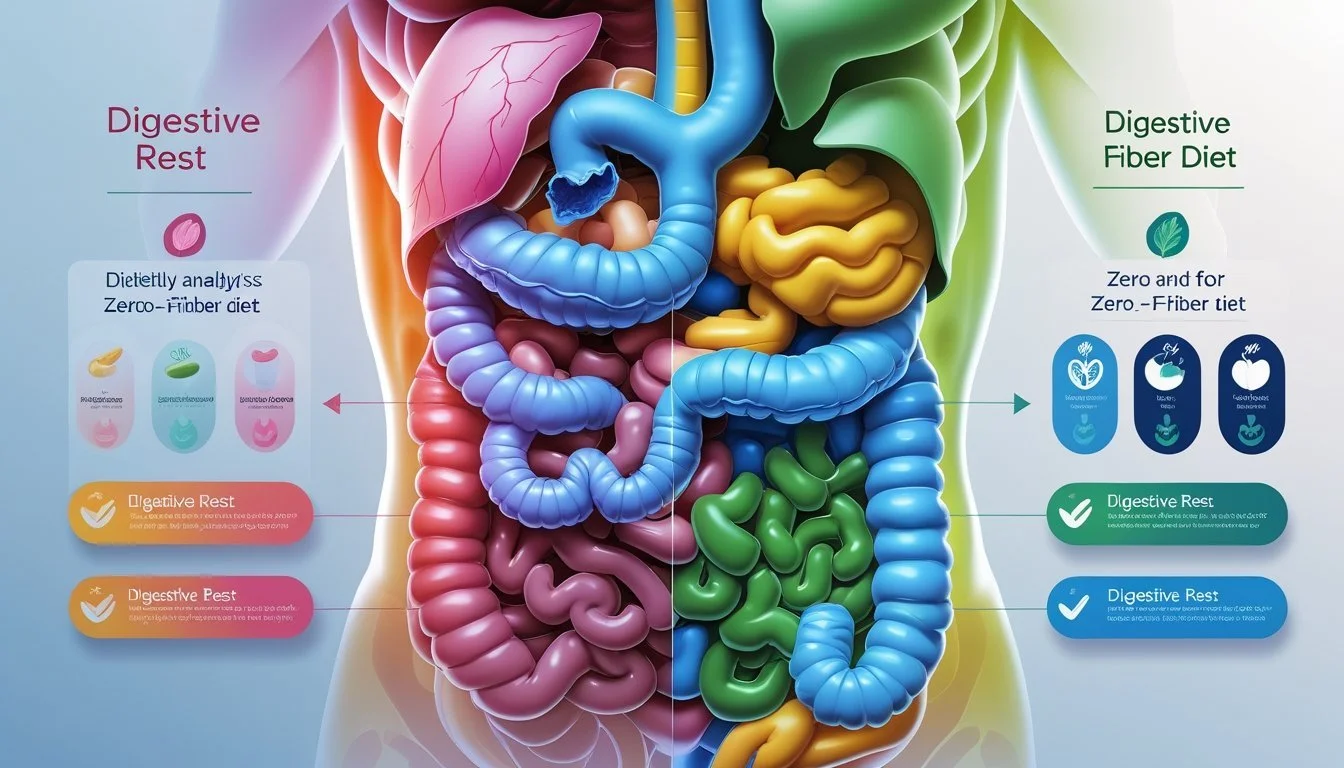
Individuals with IBS often experience distinct responses to different dietary patterns. Examining the impacts of fiber intake levels and comparing zero-fiber with low-residue approaches can help clarify which diets may provide symptom relief and why.
Low-Fiber vs. High-Fiber Diets
A high-fiber diet is commonly recommended for digestive health, but it can cause issues for people with IBS. Foods rich in fiber—such as whole grains, seeds, nuts, cereals, dried beans, peas, and many fruits and vegetables—may trigger bloating, pain, or gas in sensitive individuals.
Doctors may sometimes advise monitoring fiber intake and focusing on low-fiber fruits and low-fiber vegetables. Nutrition labels can help identify foods that are lower in fiber. Some individuals note improvements with reduced fiber, but for others, certain soluble fibers may ease constipation.
Adjusting the type and amount of fiber, rather than completely removing it, is often suggested. The balance between fiber intake and symptom management varies based on individual tolerance and IBS subtype.
Diet Typical Foods Potential Effects on IBS High-Fiber Whole grains, beans, many fruits & vegetables May increase bloating or gas Low-Fiber White bread, peeled fruits, refined grains Often reduces irritation or pain
Zero-Fiber vs. Low-Residue Diets
A zero-fiber diet excludes all fiber-containing foods, aiming to reduce bowel irritation and minimize stool bulk. This involves avoiding high-fiber foods entirely, which can be challenging as many staples—such as fruits, vegetables, legumes, and whole grains—naturally contain some fiber.
The low-residue diet is less restrictive. It limits fiber to a low daily amount but allows some low-fiber foods. For example, it may permit peeled fruits, white bread, and certain cooked or canned vegetables. Food labels and dietary guidelines assist with choosing suitable items.
A zero-fiber approach might lead to nutritional deficiencies if not carefully managed. In contrast, a low-residue diet allows slightly more variety and maintains a minimal fiber intake, reducing risks associated with total fiber elimination. Both diets should be considered with guidance from a healthcare professional.
Who Should Consider a Zero-Fiber Approach?
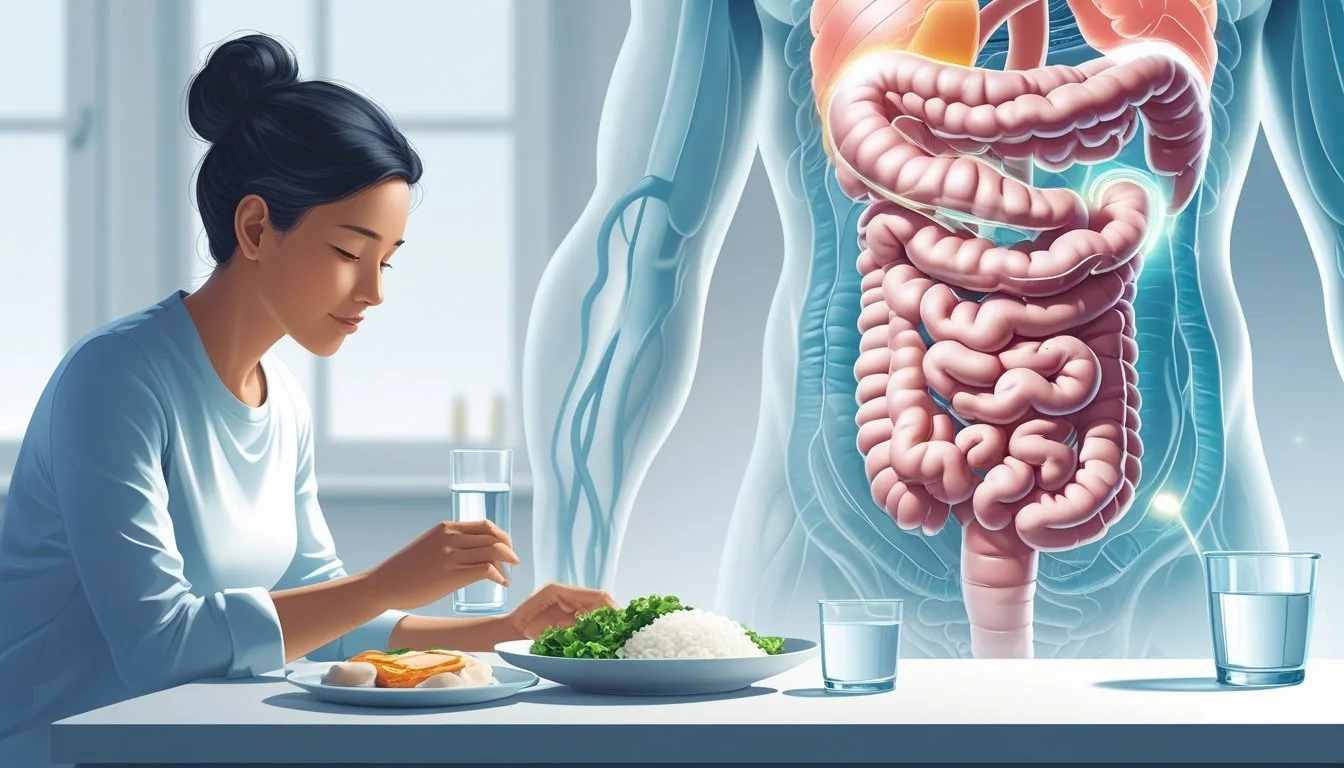
A zero-fiber diet may help certain people manage symptoms like abdominal pain, bloating, and diarrhea. Candidates for this approach often have medical conditions that require minimizing food residue and irritation in the digestive tract.
Individuals with Severe IBS
People with severe Irritable Bowel Syndrome (IBS) who experience persistent or intense symptoms may be advised to try a zero-fiber approach. For some, even small amounts of fiber can cause cramping, gas, or diarrhea. Eliminating fiber helps reduce stool bulk and limits gut fermentation, leading to fewer digestive disturbances.
Short-term zero-fiber diets are sometimes used when other dietary changes fail to control symptoms. Medical supervision ensures that patients maintain adequate nutrition. It is essential for patients to monitor any changes in symptoms and work closely with their healthcare team, as a zero-fiber diet may not be suitable for all cases of IBS.
Other Health Conditions and Digestive Diseases
A zero-fiber diet might also benefit individuals dealing with certain gastrointestinal diseases and conditions. These include inflammatory bowel disease (IBD), ulcerative colitis, Crohn’s disease, diverticulitis, diverticular disease, gastroparesis, and recent bowel surgery. These situations often require reduction of fiber to lower irritation or to facilitate healing.
For example, during active flare-ups of ulcerative colitis or Crohn’s disease, fiber can worsen inflammation or block narrowed bowel segments. Similarly, gastroparesis patients may have slow stomach emptying, so fiber could further delay digestion. In cases like acute diverticulitis or post-surgery recovery, zero-fiber intake helps rest the bowel and prevent complications. Always, this approach should be monitored and limited to periods when medical benefit outweighs risk.
Transitioning Safely: Guidance and Meal Planning

Moving from a zero-fiber regimen back to regular eating requires gradual steps, professional input, and careful food selection. Each factor supports gut health and helps prevent digestive flare-ups as the body adapts.
Working with a Dietitian or Healthcare Professional
Consulting a registered dietitian or healthcare professional ensures the transition plan fits individual needs and medical conditions. These experts assess symptoms, track progress, and identify potential food triggers specific to each person’s IBS profile.
Dietitians may suggest starting with low-residue, easily digested foods, and slowly introducing more complex carbohydrates and fiber-rich options. Their guidance includes monitoring nutrient intake, staying hydrated, and avoiding foods that are likely to irritate the gut, such as high-fat or highly processed items.
Routine check-ins may be recommended to adjust the meal plan, address nutrient deficiencies, or manage unexpected reactions. This professional oversight helps minimize discomfort and supports long-term digestive stability.
Developing a Safe Meal Plan
A safe meal plan for transitioning typically begins with simple, bland foods such as white rice, poached chicken, or clear broths. New foods are introduced one at a time over several days to monitor tolerance.
Protein sources like eggs, fish, and tofu are often included early due to their gentle nature. Cooked, peeled vegetables—such as carrots or zucchini—may be tried before raw or fibrous options. Fruit choices often start with low-residue options like ripe bananas or canned peaches (in juice, not syrup).
Sample gradual meal progression:
Stage Food Examples Day 1-2 Clear broth, white rice, poached chicken Day 3-4 Scrambled eggs, ripe banana, mashed potato Day 5-7 Steamed carrots, baked fish, plain yogurt
This staged approach reduces the risk of symptoms returning and allows the gut to adapt at a controlled pace.
Reading Food and Nutrition Labels
Examining food and nutrition labels is essential to avoid unwanted fiber, added sugars, or other gut irritants during transition. The Nutrition Facts panel lists fiber content by serving, which helps in choosing low-fiber options until the gut is ready for more.
Look for terms like “dietary fiber,” “whole grain,” or “bran” and avoid products high in these until safe to reintroduce. Watch for other components such as sugar alcohols, gums, and artificial sweeteners, which can also trigger IBS symptoms.
Ingredient lists can show hidden sources of fiber or irritants—pay particular attention to inulin, chicory root, or psyllium. Staying informed with label-reading helps prevent accidental setbacks and supports a smoother transition.
Special Situations: Medical Procedures and Recovery
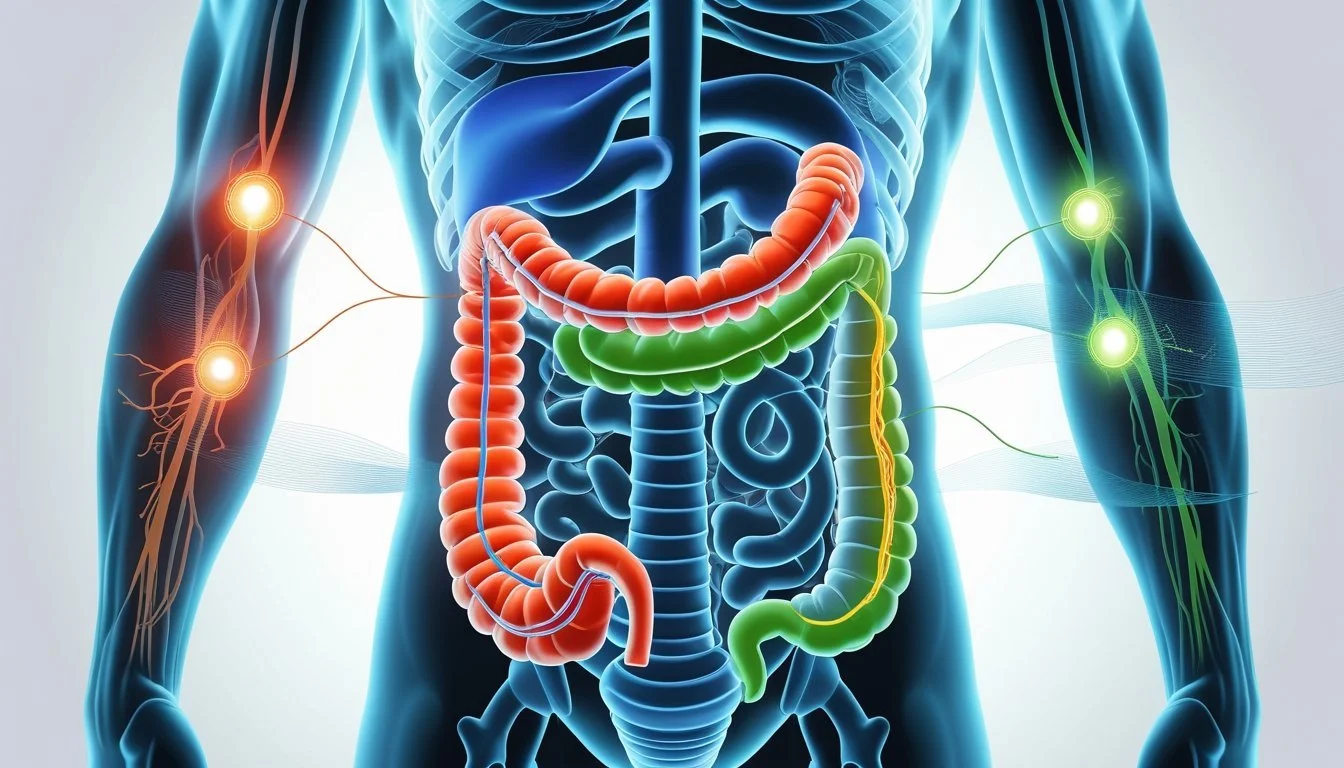
Some gastrointestinal treatments and procedures require strict short-term dietary modifications. For those with IBS, a zero-fiber or extremely low-fiber diet may be critical during these times to reduce complications, promote healing, and maintain comfort while the body recovers or is prepared for intervention.
Zero-Fiber Before and After Bowel Surgery
Before bowel surgery, a zero-fiber or very low-fiber diet helps to minimize stool bulk. This reduces the risk of bowel contents complicating the surgical field and allows for a cleaner intestine, which is especially important for those with pre-existing digestive issues like IBS.
Post-surgery, the gut is allowed to rest to prevent irritation of the surgical site. Zero-fiber foods—such as clear broths, plain gelatin, and strained juices—are typically introduced first. Gradually, foods with low residue are added as tolerated.
Close monitoring of hydration is vital, and patients are encouraged to avoid raw fruits, vegetables, whole grains, and nuts. The return to a normal diet happens in stages, based on recovery progress and absence of complications like bloating or pain.
Colonoscopy and Digestive Rest
A colonoscopy requires a clean bowel for accurate examination. Physicians often instruct patients to follow a clear liquid or zero-fiber meal plan for 24-48 hours before the procedure. This includes only transparent beverages, broth, and certain gelatins.
Common zero-fiber foods before colonoscopy:
Beverage Foods Water Clear broths Plain tea/coffee Plain gelatin Apple juice Honey
No solid or opaque liquids are allowed. After the procedure, most people slowly reintroduce foods, with a focus on bland, low-residue choices to avoid bowel irritation or discomfort.
Managing Diet After Colostomy or Ileostomy
After colostomy or ileostomy surgery, the digestive tract is altered, affecting nutrient absorption. The immediate post-op meal plan typically avoids fiber entirely, allowing the bowel to heal. Hydration and electrolyte balance are key since fluid loss can increase.
Dietitians may recommend eating small, frequent meals and thoroughly chewing food. Foods are reintroduced gradually, with fiber and hard-to-digest foods introduced in later stages. Patients should avoid stringy vegetables, seeds, nuts, popcorn, and foods that swell in water, as these can block the stoma.
Tracking symptoms and stool output helps tailor the diet. Some foods can increase gas or odor, so guidance on food selection is important during recovery.
Radiation Therapy and Digestive Health
Radiation for abdominal or pelvic cancers can damage the gut lining, making fiber less tolerable. A zero-fiber or low-residue diet can reduce mechanical irritation and gastrointestinal symptoms such as diarrhea, cramping, or urgency.
Patients might be advised to avoid raw produce, bran, skins of fruits, and fibrous meat. Instead, options like plain pasta, eggs, and smooth dairy may be better tolerated. Some people experience lactose intolerance during or after therapy, so low-lactose choices might be helpful.
Close monitoring for dehydration is required, as radiation can exacerbate fluid loss. Adjustments to the meal plan are often necessary throughout treatment, depending on individual tolerance and side effects.
Practical Tips for Zero-Fiber Living
Adopting a zero-fiber approach for IBS management requires careful attention to ingredient labels, food preparation methods, and potential sources of hidden fiber. Making informed choices allows individuals to reduce fiber intake while still meeting nutritional needs.
Grocery Shopping and Food Choices
When shopping for zero-fiber foods, choose refined grain products such as white bread, white rice, and regular pasta, as these have most of the fiber removed during processing. Seek out plain dairy products like milk, cheese, yogurt, and eggs, which naturally contain little or no fiber and provide high-quality protein and calcium.
For fruits and vegetables, select options that are naturally very low in fiber, such as peeled cucumbers, well-cooked carrots, and ripe bananas. Canned fruit packed in juice or syrup with the skins removed can also be included. Avoid whole grains, beans, lentils, seeds, and nuts, as these are high-fiber choices.
Cooking Methods and Meal Preparation
Proper food preparation can further lower fiber content and make meals easier to digest. Remove skins, peels, and seeds from fruits and vegetables before cooking. Steaming, boiling, or baking until foods are soft will help break down plant fibers.
Pureeing or straining cooked produce eliminates most residual fiber. Choose clear broths, tender cuts of meat, and eggs prepared by scrambling, poaching, or boiling. Use minimal seasonings and avoid adding bran, whole grains, or high-fiber garnishes. Preparing smaller portions can further reduce digestive workload and help minimize IBS symptoms.
Identifying Hidden Sources of Fiber
Fiber is sometimes added to processed foods for texture or health claims, so reading ingredient labels is essential. Look for terms such as "inulin," "chicory root," "cellulose," "guar gum," and "psyllium," as these add fiber content.
Some low-fiber foods may still contain traces of fiber from added thickeners or stabilizers, especially in yogurts, puddings, and processed cheeses. Breaded meats, canned soups, and flavored dairy can also harbor hidden sources. When in doubt, check nutritional labels and opt for products with little to no listed dietary fiber per serving.
Balancing Zero-Fiber with Optimal Nutrition
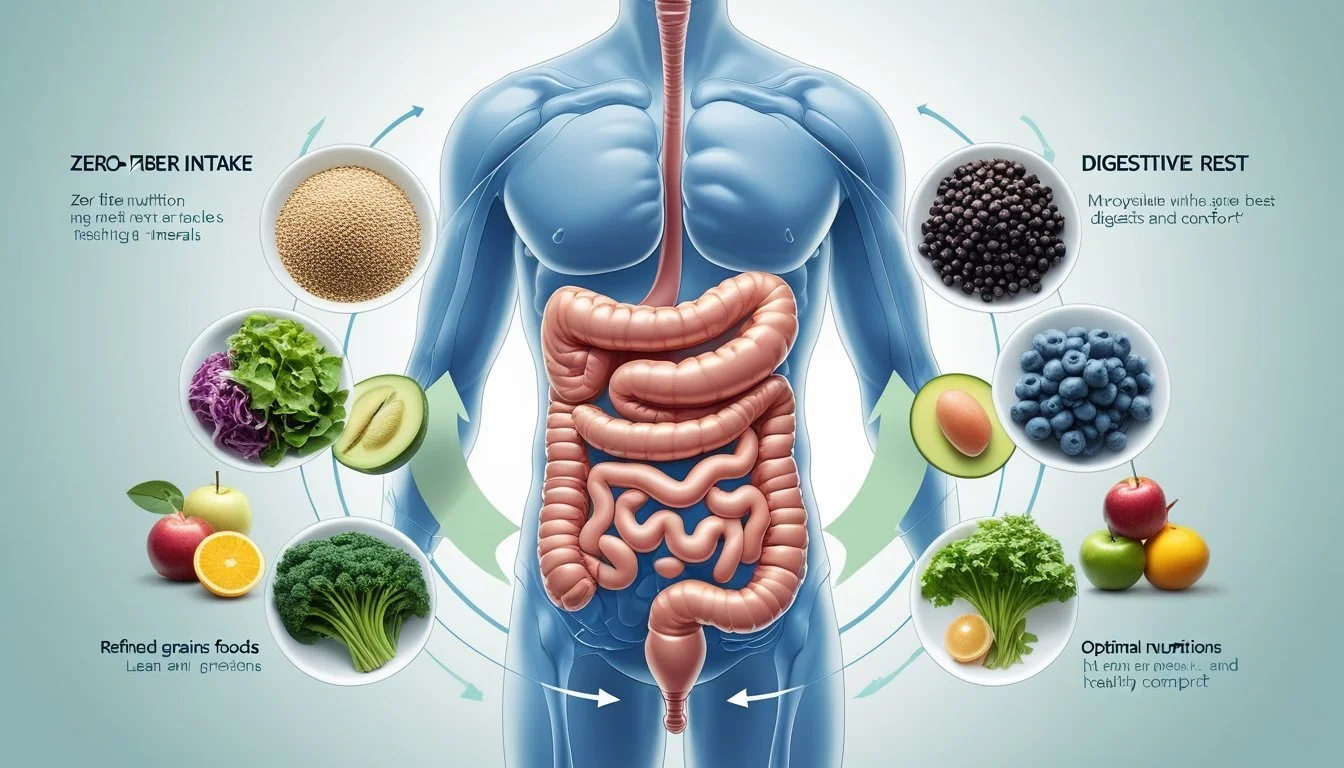
A zero-fiber diet can pose challenges for meeting daily nutritional requirements. Careful planning helps ensure that essential vitamins, minerals, and other nutrients are maintained without the inclusion of fiber-rich foods.
Ensuring Adequate Intake of Essential Nutrients
Eliminating fiber means cutting out many fruits, vegetables, and whole grains that supply key nutrients. Individuals must prioritize foods that are low in fiber but dense in essential vitamins and minerals.
Proteins like eggs, fish, chicken, and tofu offer iron, zinc, and B vitamins without adding fiber. Dairy supplies calcium and vitamin D. Cooked, peeled vegetables (such as carrots or squash) and simple starches like white rice or pasta can be tolerated by some people with IBS when prepared properly.
It's vital to track nutrition, paying special attention to potential gaps in vitamin C, folate, and antioxidants. A sample daily plan can help:
Food Group Example Foods Key Nutrients Protein Eggs, poultry, fish, tofu B12, iron, zinc Starch White rice, pasta, potatoes Carbohydrates, B vitamins Dairy Milk, cheese, yogurt Calcium, vitamin D Vegetables (peeled, cooked) Carrots, squash Beta-carotene, potassium
Supplements and Fortified Foods
To fill nutritional gaps from a fiber-free approach, supplements and fortified foods often become necessary. Multivitamins can help cover vitamin C, folate, and other micronutrients lost when fruits and vegetables are restricted.
Iron, calcium, and vitamin D may also require supplementation, especially for those limiting both plant and dairy products. Choosing fortified products—such as enriched breads, cereals, and non-dairy milks—can further support daily requirements.
Read labels for added nutrients and track micronutrient intake with guidance from a healthcare professional or dietitian. Proper dosing is important, as excessive intake of fat-soluble vitamins (A, D, E, and K) can have adverse effects.
Long-Term Nutritional Strategies
Sustaining a zero-fiber regimen over time requires ongoing adaptation and assessment. Routine blood tests can help monitor for early signs of deficiencies in vitamins (like B12 or C), minerals (such as magnesium or potassium), and other critical nutrients.
Meal planning should emphasize variety in permitted foods. Regularly rotating protein sources and including different types of prepared vegetables can help reduce nutritional monotony. Low-fiber fruits (like peeled apples or canned peaches) may fit into some versions of the diet if tolerated.
A structured schedule for reviewing nutrition with a qualified professional ensures individual needs are met as circumstances or health conditions change. This approach helps balance digestive rest with optimal wellness.
Emerging Research and Perspectives
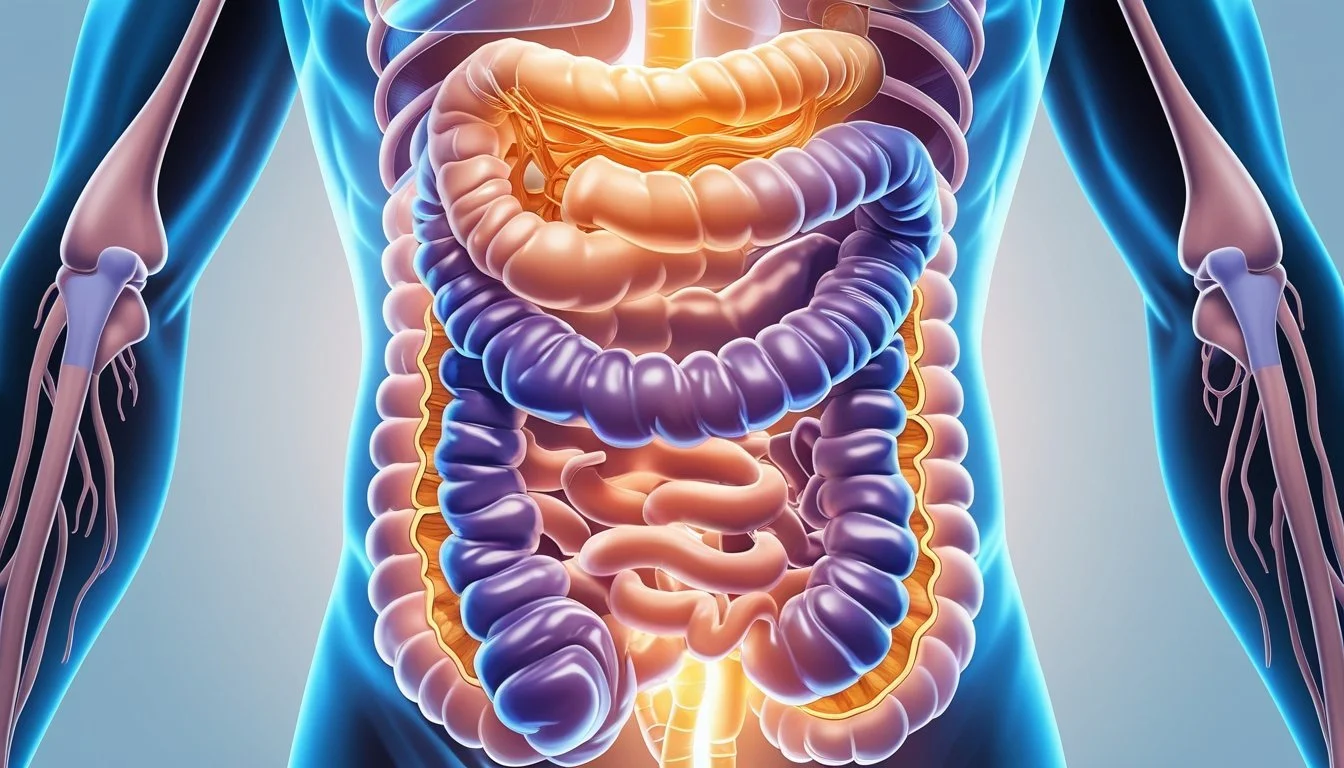
Recent research highlights that not all fibers act the same way in irritable bowel syndrome (IBS), and emerging studies are reassessing the impact of low- and zero-fiber diets. Both the amount and type of fiber—such as oligofructose—play key roles in digestive symptoms and gut health.
New Studies on Fiber and IBS
Clinical trials show that fiber restriction, around 10 grams of fiber daily, has been used in some IBS studies. These low-fiber diets are often recommended to manage flare-ups or to diagnose sensitivity to specific fiber types. However, not all fibers trigger IBS symptoms.
Data from recent meta-analyses indicate soluble fiber—such as psyllium—can reduce abdominal pain and discomfort in IBS patients. Insoluble fiber, like wheat bran, does not always offer the same benefit and sometimes worsens symptoms. These findings reinforce that the kind of dietary fiber consumed can be just as important as the total amount.
Role of Oligofructose and Other Fibers
Oligofructose, a type of soluble prebiotic fiber found in foods like chicory root, is being studied for its impact on the gut microbiome and IBS. Some studies suggest that oligofructose may increase beneficial gut bacteria but can also cause gas and bloating in sensitive individuals.
Not all fibers cause the same symptoms. For IBS patients, the distinction between fermentable fibers like oligofructose and others such as psyllium is crucial. Careful introduction and monitoring of different fibers are often necessary. Research aims to identify which individuals might benefit from specific fibers and which should avoid them for digestive rest.
Conclusion

Studies suggest that fiber affects individuals with IBS differently. Some may find symptom relief when reducing or eliminating fiber, while others notice no significant benefit or may even feel worse. Digestive rest through a zero-fiber diet can temporarily reduce stool volume and frequency.
IBS patients often seek approaches that provide relief from bloating, discomfort, and irregular bowel habits. A zero-fiber diet might help reduce mechanical irritation for select individuals, especially during acute symptom flares.
Important Points:
Not all fibers are the same—soluble and insoluble fibers can have varied effects on IBS.
Digestive rest periods may help certain patients, but these are generally short-term strategies.
Long-term avoidance of fiber can impact gut health and nutrition, as fiber supports healthy gut bacteria.
Patients with IBS should consult with a healthcare professional before making major dietary changes. Monitoring symptoms during dietary adjustments can assist in identifying triggers and effective management strategies.
Here is a brief comparison:
Approach Potential Benefits Considerations Zero-Fiber Diet May reduce irritation, bloating Not suitable long-term, watch nutrition Fiber Inclusion Supports gut health, regularity May trigger symptoms in some
Every IBS case is unique. Finding the right balance between fiber intake and digestive rest can require a personalized, cautious approach guided by clinical advice.

