
Eating Carnivore in a Vegan Household:
Practical Tips for Harmonious Living
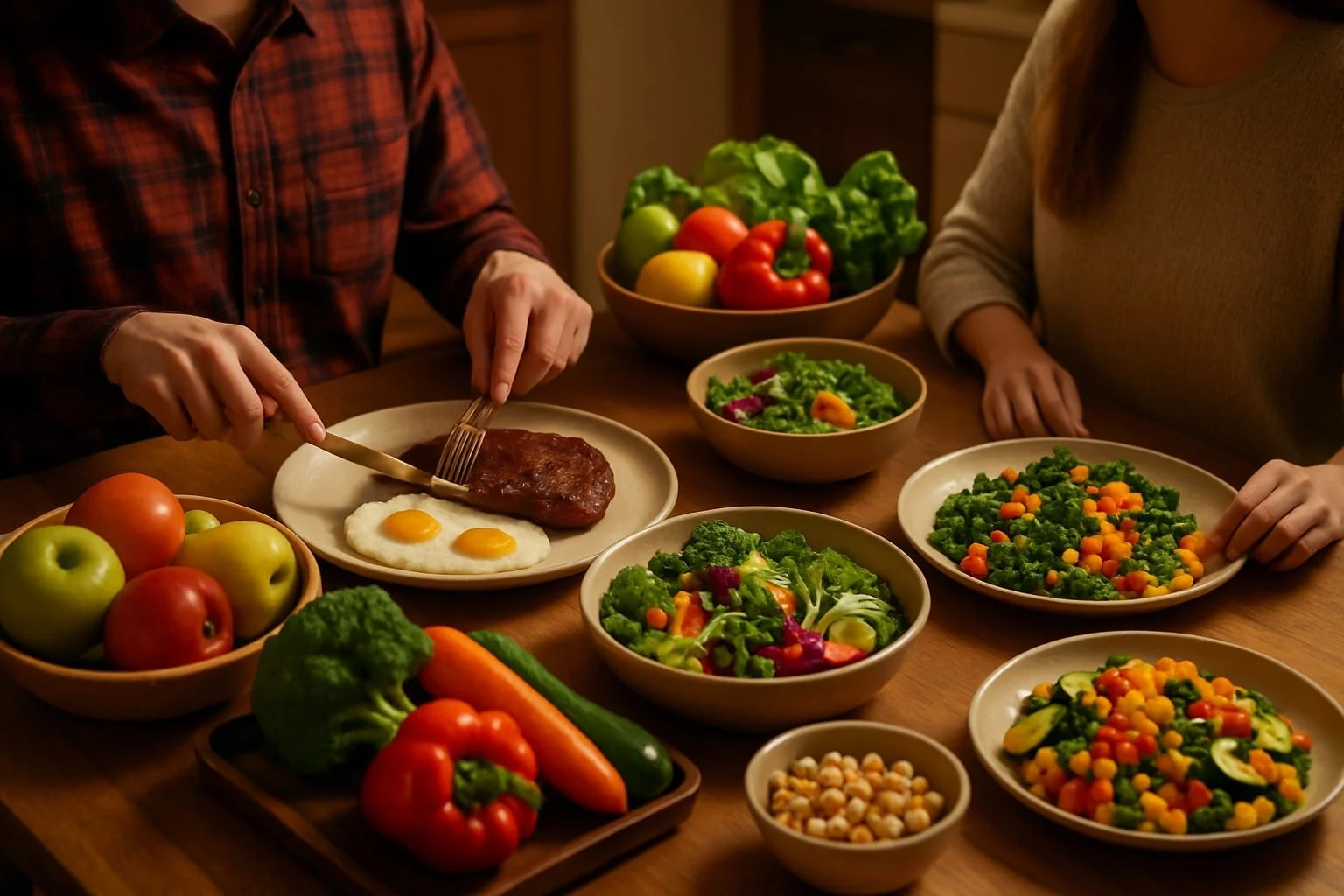
Living as a carnivore in a vegan household can present unique challenges, from grocery shopping to meal planning and maintaining harmony at mealtimes. Food preferences and beliefs about nutrition often differ widely between those following a strictly animal-based carnivore approach and others who embrace veganism, which centers on excluding all animal products. Balancing these two contrasting diets under one roof requires clear communication, thoughtful compromise, and practical strategies.
Some may worry that maintaining a carnivore diet around vegans could lead to friction or inconvenience. However, with the right boundaries and mutual respect, it is possible to coexist and thrive despite opposing dietary choices. Readers can expect tips and insights for managing daily routines, meal prep, and shared spaces while honoring both carnivore and vegan lifestyles.
Understanding Carnivore and Vegan Diets
A carnivore diet and a vegan diet represent two opposite ends of the dietary spectrum, each with distinct foods, beliefs, and nutritional guidelines. Their approaches to nutrition, sources of essential nutrients, and impact on day-to-day meals are markedly different.
Principles of the Carnivore Diet
The carnivore diet is centered around the exclusive consumption of animal products. Individuals following this approach eat foods such as red meat, poultry, fish, eggs, and sometimes limited dairy like cheese or butter.
No plant-based foods—such as grains, legumes, fruits, or vegetables—are included in a true carnivore regimen. This results in a diet that is extremely low in carbohydrates and naturally high in protein and fats.
Supporters often pursue this diet for reasons related to digestive comfort, reduced inflammation, or simplicity in meal planning. Critics are concerned about potential deficiencies in fiber, vitamin C, and phytonutrients that are mostly found in plants.
Nutritional intake is more predictable but may lack variety. Below is a sample list of typical foods:
Allowed Foods Excluded Foods Beef, Pork Grains, Beans Chicken, Fish Vegetables, Fruits Eggs, Some Dairy Nuts, Seeds
Core Values of a Vegan Lifestyle
Veganism is defined by the complete exclusion of animal products for ethical, environmental, and health reasons. A vegan diet relies exclusively on plant-based foods, including vegetables, legumes, grains, fruits, nuts, and seeds.
Ethics play a key role; vegans avoid foods and products derived from animals out of concern for animal welfare. Many also cite environmental motivations, aiming to reduce the carbon and water footprint associated with animal agriculture.
Vegans focus on foods that provide necessary proteins, vitamins, and minerals without using any animal ingredients. Supplementation of nutrients like vitamin B12 and omega-3 fatty acids is often necessary.
Key elements of a vegan’s grocery list include:
Whole grains (rice, quinoa, oats)
Legumes (lentils, beans, chickpeas)
Leafy greens and colorful vegetables
Nuts and plant-based milks
Differences Between Plant-Based and Animal-Based Diets
A plant-based diet, common in veganism, excludes all animal-derived foods, while animal-based or carnivore diets eliminate all plant sources. This leads to sharp contrasts in nutrient content, meal structure, and cooking habits.
Meat eaters depend on animal products for their protein, iron, and vitamin B12 needs. In contrast, vegans derive protein from plants and may need to seek fortified foods for certain nutrients.
Fiber intake is a key difference: vegan diets are high in fiber from whole plants, while carnivore diets have none. Certain micronutrients—like vitamin C and potassium—are easily found in plant-based foods, whereas animal-based diets offer more heme iron and complete proteins.
The table below outlines select nutrient sources:
Nutrient Carnivore Diet Source Vegan Diet Source Protein Meat, Fish, Eggs Legumes, Tofu, Nuts Vitamin B12 Animal Products Fortified Foods/Supplements Fiber Not present Vegetables, Whole Grains Iron Red Meat (Heme) Spinach, Beans (Non-heme)
Both diets require careful planning to avoid deficiencies and ensure all essential nutrients are included.
Navigating Food Choices in a Vegan Household

Finding balance between a carnivore diet and a vegan household requires clear boundaries, consistent meal planning, and mutual respect. Small adjustments in how shopping, storage, and meal prep are handled make it possible for those with differing diet preferences to share a kitchen without constant friction.
Meal Planning and Allocation
Meal planning becomes essential so that everyone’s dietary needs are met without overlap or conflict. Designating specific meals or times when animal products like beef, chicken, eggs, or salmon can be prepared reduces misunderstandings.
Setting up a shared meal calendar, either on paper or digitally, helps clarify who will use the kitchen when. Carnivore meals may be batch-cooked, cooled, and stored quickly to minimize strong scents, which prevents discomfort for vegan members. By preparing vegan dishes—such as rice, lentils, or soy-based foods—for group meals, everyone can eat together periodically without stress.
Clear labeling of prepared meals in the fridge, using color-coded containers or masking tape, prevents accidental consumption and helps everyone stick to their own food preferences.
Kitchen Organization for Mixed Diets
A well-organized kitchen is key to peaceful coexistence. Separate storage is helpful, especially for meat, eggs, dairy, and distinctly non-vegan foods: use a designated shelf or drawer in the fridge and mark it accordingly.
Utensils, cutting boards, and pans for animal products can be color-coded or labeled to prevent cross-contamination. Vegan household members may appreciate a separate sponge for washing non-vegan cookware.
Cleaning routines need to be reliable and consistent. After cooking animal products such as chicken, beef, or salmon, surfaces and utensils should be sanitized to remove residues and odors. This practice respects vegan sensitivities and keeps the kitchen environment comfortable for all.
Shopping Strategies for Diverse Diets
Shopping lists should be created with everyone’s diet in mind, ensuring there’s no overlap or confusion at the store. Meat, eggs, dairy, and carnivore staples can be grouped on one side of a list, while vegan foods such as rice, lentils, and soy go on the other.
Bulk purchasing can save time and money, but separate storage on return helps maintain boundaries. Some households use baskets or bins labeled by person or diet to keep beef, chicken, or other non-vegan items away from plant-based groceries.
When shopping together, staying on budget sometimes means agreeing on shared items that meet both diets, like spices or oils, and separately purchasing specialty products. Communication about which brands or types of food are acceptable (e.g., choosing plant-based butters instead of dairy) reduces last-minute conflicts at checkout.
Respect and Communication Around Food Choices
Living as a carnivore in a vegan or vegetarian household involves clear communication and respect for all dietary preferences. Practical approaches to discussions and boundary-setting can reduce misunderstandings and help establish harmony at mealtimes.
Discussing Dietary Preferences
Open and honest conversations about dietary choices are essential. Each member of the household should express their reasons for following carnivore, vegetarian, or vegan diets, whether they are ethical, health-related, or cultural.
It is valuable to use neutral and non-judgmental language. Avoid pressuring others to adopt or abandon particular food choices. Creating a space for questions helps clarify differences—such as the ethics of veganism or the health focus of carnivore diets—without debate.
It helps to agree on shared vocabulary and understanding. For example, using clear terms like "plant-based" or "animal products" reduces confusion, especially when planning meals together.
Listing favorite foods or dietary restrictions in writing—such as a chart or spreadsheet—can make shopping, cooking, and eating together more efficient.
Setting Boundaries and Expectations
Setting boundaries minimizes conflict in mixed-diet households. This starts with decisions about food storage, preparation areas, and cleanup routines.
A practical approach is labeling shelves or containers in shared spaces. For example, using separate utensils or cookware for meat versus vegan food prevents cross-contamination, addressing common concerns for vegetarians and vegans.
Discuss expectations for shared meals and events. Some households rotate meal planning or designate specific nights for separate cooking. Negotiating these details ahead of time makes social gatherings less stressful.
Respect for boundaries extends beyond the kitchen. For instance, avoid preparing animal products when a vegan or vegetarian roommate is hosting guests, unless everyone is comfortable. Mutual consideration fosters an environment where all can enjoy their food choices.
Meeting Nutritional Needs on a Carnivore Diet

A carnivore diet consists entirely of animal-based foods, which impacts the intake of specific nutrients. Careful food choices are required to cover daily requirements for nutrition and long-term health.
Key Nutrients in Animal-Based Diets
A well-planned carnivore diet typically provides high amounts of protein, iron, vitamin B12, and zinc. These nutrients support muscle maintenance, blood health, and immune function. Animal foods such as beef, liver, and eggs also supply selenium, phosphorus, and vitamin A in forms that the body absorbs efficiently.
Table: Common Nutrients in Animal Foods
Food Source Key Nutrients Beef Protein, iron, zinc, B12 Liver Vitamin A, B vitamins, selenium Eggs Protein, vitamin D, choline Fish Omega-3 fats, vitamin D, selenium
However, animal-only diets lack fiber and plant-based antioxidants. This can affect digestive health and gut microbiota over time. Some individuals report improvements in joint pain or autoimmune conditions, such as rheumatoid arthritis, when following a carnivore diet, but scientific evidence remains limited.
Managing Vitamins and Micronutrient Intake
Meeting vitamin C and magnesium needs is more challenging on a strict carnivore diet. While organ meats like liver contain trace amounts of vitamin C, they may not provide enough for everyone. Dairy and seafood can help with calcium and magnesium intake, but variety within animal foods is important.
Supplements may sometimes be needed to avoid deficiencies, especially for people at risk for heart disease or those with increased energy demands. Blood tests can help track levels of essential vitamins and micronutrients, including those linked to diabetes risk or metabolic health. Regular monitoring allows dietary adjustments to maintain optimal nutrition and health outcomes.
Addressing Ethical and Environmental Considerations
Balancing a carnivore diet with vegan perspectives involves addressing sensitive issues related to animal rights and the environmental impact of meat production. Decisions about what to eat often reflect ethical priorities, practical concerns, and social influences.
Animal Rights Concerns
Animal rights organizations such as PETA and advocacy documentaries like Earthlings frequently highlight the ethical problems involved in eating animals. The core issue is the belief that animals have a right to live free from harm, which conflicts directly with consuming animal-derived foods.
Vegans in the household may view meat consumption as supporting unnecessary suffering. Some carnivore dieters respond that sourcing from ethical, small-scale farms that prioritize animal welfare can reduce harm, though this does not entirely resolve the underlying moral disagreement.
Clear communication about food choices can help households establish respect for differing ethical positions. It is helpful to be aware that even well-sourced animal foods remain controversial from an animal rights standpoint.
Understanding Factory Farming
Factory farming is a widespread method of raising animals for meat, eggs, and dairy. It often involves practices widely criticized for causing significant animal suffering and environmental harm.
Large-scale facilities prioritize high output and efficiency, often at the expense of animal welfare. Problems include cramped living conditions, use of antibiotics, and stressful slaughter processes. These practices are common targets for organizations like PETA and documentaries such as Earthlings.
Choosing meat from local, pasture-based, or regenerative farms can address some welfare and environmental concerns. However, it is important to recognize that the industrial meat industry dominates the market, and not all meat comes from more humane sources.
Navigating Social Pressures and Activism
Individuals eating carnivore in a vegan household may face strong social and ideological pressures. Activist groups and family members may emphasize the environmental and ethical drawbacks of meat consumption, citing data about greenhouse gas emissions and land use associated with livestock.
Social situations may include direct questions, debates, or passive resistance around meat-based meals. It’s useful to approach these interactions with transparency, stating the reasons for choosing the carnivore diet, while also listening respectfully to concerns about animal rights and the wider impacts of the meat industry.
Open conversations can reduce tension. A focus on sourcing practices, personal health needs, and shared values—like reducing waste or choosing whole foods—may foster coexistence in mixed-diet households.
Eating Out and Social Situations
Navigating restaurants and social gatherings as a carnivore in a vegan household involves forethought and understanding of both dietary needs. Maintaining respect for plant-based choices while sticking to animal-based preferences can minimize stress and foster cooperation.
Choosing Restaurants with Mixed Options
Selecting a restaurant with a diverse menu is critical. Carnivores and vegans often find it challenging to dine together if the establishment specializes in only one dietary style. Look for restaurants that offer customizable dishes, such as places with build-your-own bowls, grill spots with simple meats, or mainstream diners with both meat and plant-based entrees.
Here’s a quick comparison for reviewing menus:
Restaurant Type Carnivore Options Vegan Options Vegan Restaurant Rare, usually not available Extensive Mainstream Diner Steak, eggs, grilled meats Salads, veggie sides Grill/Steakhouse Steaks, burgers, seafood Limited salads/veggies Fusion/International Varies by cuisine Varies by cuisine
It’s helpful if both parties preview menus online, set expectations, and ask about substitutions. If necessary, carnivores can request steak, grilled chicken, or eggs without sides, while vegans focus on dedicated plant-based items.
Handling Social Gatherings and Events
Social events often feature buffet-style meals or set menus, which may pose limitations. Planning ahead is the most effective strategy. Carnivores can discreetly contact the host to ask about menu items or offer to bring a simple dish like sliced roast beef or grilled chicken.
For larger gatherings, carrying ready-to-eat protein (like jerky or cooked meat) can help. Open communication is important, but participants should avoid making their preferences the main topic of discussion. Vegans and carnivores should find neutral ground, such as sharing a non-food-related activity or focusing conversation on mutual interests.
Respecting shared kitchen or dining space in a vegan household also extends to social settings. Cleaning up after cooking or eating animal-based foods and minimizing odors shows thoughtfulness towards vegan roommates or hosts. Adaptability and tact go a long way in mixed-diet environments.
Tips for Long-Term Success in Mixed-Diet Households
Communication and flexibility help maintain stability in households where both carnivore and vegan lifestyles coexist. Meal routines, shopping habits, and nutrition choices need to be continually adjusted to fit everyone’s preferences and needs.
Adapting Over Time
Mixed-diet households benefit from an evolving approach rather than rigid routines. Household members often develop meal plans that accommodate both vegan and carnivore needs, such as using base dishes (grains, veggies) and adding proteins separately.
Over time, grocery lists and pantry organization often change. It’s common to dedicate separate refrigerator or pantry spaces to prevent cross-contamination and keep both groups comfortable. Adapting kitchen equipment—like having separate cutting boards—can also help.
Nutritional needs must be monitored regularly. Carnivores may need reminders about fiber intake, while vegans track protein and vitamin B12. Checking in periodically allows everyone to make necessary adjustments for health and satisfaction.
Supporting Each Other’s Choices
A respectful attitude is essential when household members follow different diets. Refraining from criticism and focusing on support reduces tension during meal preparation and mealtime.
Households often establish clear guidelines, such as who cooks, how often shared meals happen, and what substitutions are acceptable. For example:
Issue Carnivore Approach Vegan Approach Meal Prep Adds animal protein Adds plant-based protein Shopping Buys meat and eggs Focuses on dairy, legumes Nutrition Prioritizes iron, B12 Monitors protein, calcium
Occasional discussion about values and nutrition allows everyone to feel heard. Both sides benefit from patience as habits and preferences sometimes shift with time.

