
Firefighters, Cops, and Carnivore Nutrition
Dietary Strategies for First Responders

Firefighters and police officers face demanding physical and mental challenges every shift. Nutrition plays a critical role in their ability to perform and recover, with increasing interest in specialized diets like carnivore among first responders. The carnivore diet, which focuses exclusively on animal products and removes all plant-based foods, is being explored by some in these professions as a potential way to meet intense energy and protein needs.
While research on this diet in emergency services is limited, some practitioners believe animal-based nutrition may help support muscle maintenance and simplify meal planning in unpredictable work environments. However, careful consideration is needed, as not all dietary strategies are suitable for the unique demands and long-term health of first responders.
Understanding how carnivore nutrition fits—or doesn’t fit—into active-duty life is key for anyone in firefighting or law enforcement looking to optimize their health and job performance.
Understanding Firefighters And Cops' Physical Demands

Both firefighters and police officers face intense job requirements that test their bodies and minds daily. They must maintain high physical performance to respond effectively to emergencies, cope with hazardous environments, and handle job-related stressors.
Daily Occupational Challenges
Firefighters regularly confront tasks such as climbing ladders, operating heavy equipment, and hauling hoses—some activities requiring exertion equivalent to 8-12 METs (Metabolic Equivalents). Police officers, meanwhile, may need to engage in sudden foot pursuits, physically restrain suspects, or move large objects during critical incidents.
The unpredictable nature of emergency calls means first responders often shift quickly from long periods of inactivity to high-intensity bursts of action. Their physical activity levels can vary widely within a single shift, demanding both endurance and strength.
Both jobs also involve long hours, irregular schedules, and interruptions to sleep, which can impact recovery and physical readiness. Physical fatigue is a constant risk, particularly during extended incidents or back-to-back calls.
Tactical Athletes: A Unique Population
Firefighters and police officers are often described as "tactical athletes" due to the need for functional strength, power, and agility under unpredictable and dangerous conditions. They must be prepared to handle variable loads, sudden physical exertion, and complex problem-solving under pressure.
Key attributes that support performance in these roles include cardiovascular endurance, muscular strength, speed, and flexibility. Successful first responders train for realistic scenarios, prioritizing functional movements over traditional gym routines.
Physical performance in the fire service and law enforcement typically involves:
Role Strength Endurance Agility Firefighter High High Medium Police Medium Medium High
The need for rapid decision-making in high-stress environments puts additional cognitive demands on this population, elevating mental as well as physical stress.
Impacts Of Stress And Heat Exposure
First responders experience significant work-related stress from exposure to trauma, life-threatening situations, and the expectation of constant readiness. Chronic stress can reduce energy levels and heighten risk for health issues such as cardiovascular disease.
Firefighters, in particular, are subjected to extreme heat during fire suppression. Exposure to high temperatures raises the core body temperature, increases sweat loss, and can accelerate dehydration. Heat stress also impairs muscular performance and can compound fatigue.
Personal protective equipment (PPE) adds further physical burden by trapping heat and restricting movement. This combination of heat exposure, intense physical activity, and operational stress requires tailored strategies for recovery, hydration, and nutrition.
Nutrition Needs Of Firefighters And Police Officers

Firefighters and police officers frequently encounter intense physical and mental demands. Their dietary habits play a direct role in performance, recovery, and long-term health.
Macronutrient Requirements
These professionals rely heavily on adequate macronutrient intake to sustain energy and muscle function. Carbohydrates serve as the primary energy source, especially during high-intensity emergencies. Sources such as whole grains, fruits, and vegetables supply both fuel and essential fiber—important, as fiber intake is often low among first responders.
Protein intake should be prioritized to support muscle repair and recovery. Lean meats, dairy, eggs, fish, and plant-based proteins are recommended. The target is generally 1.2–1.7 grams of protein per kilogram of body weight per day.
Fats provide a concentrated source of energy and support cognitive health. Emphasis should be placed on unsaturated fats from sources like nuts, avocados, and olive oil. Saturated fats and trans fats should be minimized to reduce cardiovascular risk.
A typical macronutrient distribution for firefighters and police officers may resemble:
Macronutrient Percentage of Calories Carbohydrates 45–55% Protein 15–25% Fat 25–35%
Micronutrient Demands
Adequate intake of vitamins and minerals is essential to meet increased physiological stress. Higher physical activity and exposure to heat elevate the need for certain micronutrients, especially electrolytes like sodium, potassium, and magnesium.
Vitamin D and calcium are crucial for bone health, particularly for those working long shifts indoors. B vitamins (found in grains and meats) help with energy metabolism. Vitamin C and E contribute to immune support and cellular repair.
Hydration is equally critical. Regular intake of water and, when sweating heavily, drinks containing electrolytes helps replace losses and maintain performance. A balanced diet is the best way to meet these vitamin and mineral needs, though supplementation may be considered when dietary gaps are identified.
Energy Intake And Expenditure
Job-related tasks—such as carrying equipment, running, or enduring prolonged alertness—cause significant fluctuations in energy expenditure. Underestimating caloric needs can result in fatigue, slower reaction times, and impaired decision-making.
Calorie requirements range widely but are commonly higher than average due to variable workloads. Ensuring sufficient caloric intake from nutrient-dense foods helps maintain steady energy levels and supports optimal body composition. This often includes regular meals and accessible healthy snacks during shifts.
Hydration and regular electrolyte replenishment are essential, especially with extended work in hot conditions. Some may benefit from targeted supplements like creatine for strength and recovery, though this should be considered on an individual basis after assessing dietary adequacy.
Carnivore Nutrition: Fundamentals And Variations

Carnivore diets center on consuming only animal products and avoiding plant foods. This dietary pattern is distinct in its focus on protein and fat, contrasted with more common eating approaches that include plant sources.
What Is The Carnivore Diet?
The carnivore diet is a dietary approach based exclusively on animal products such as beef, pork, poultry, eggs, and fish. Plant-based foods, including vegetables, fruits, grains, and legumes, are completely excluded.
Followers believe this diet provides all necessary nutrients from animal sources. Fuel typically comes from proteins and fats rather than carbohydrates. The diet is seen as a stricter form of low-carb eating compared to ketogenic or paleo diets.
While some choose the diet for claimed benefits in energy and focus, many health authorities express concerns about its long-term impact, especially due to the absence of fiber and certain micronutrients usually found in plant foods.
Typical Foods And Macronutrient Split
Common foods on a carnivore diet include steak, ground beef, poultry, eggs, bacon, fish, sausage, and organ meats. Dairy, such as cheese and heavy cream, may be included if tolerated, but milk and yogurt are often limited due to lactose.
The macronutrient breakdown is typically high in protein (30–40% of daily calories) and very high in fat (60–70%). Carbohydrates are nearly eliminated. Saturated fat intake is significant due to the reliance on red meat and full-fat animal products.
Amino acids are obtained in complete forms from animal sources. Because carbohydrates are so low, energy must come from fat and protein. Calorie density can be high, so portion control is important, especially for those not seeking weight gain.
Comparison To Other Diets
The carnivore diet is different from the Mediterranean diet, which emphasizes vegetables, whole grains, olive oil, fish, and moderate wine consumption. Mediterranean patterns are associated with a lower intake of saturated fat and higher fiber.
Compared to the ketogenic diet, which allows non-starchy vegetables and some plant fats, carnivore eating eliminates all plant-based foods. The ketogenic diet also provides some dietary fiber and a broader range of micronutrients.
While both diets rely on fat for energy, the source of fat and micronutrient profile are major differences. Scientific studies generally favor the Mediterranean diet for long-term cardiovascular health. The carnivore approach is more restrictive, which may impact nutrient variety and digestive health over time.
Potential Health Benefits Of Carnivore Nutrition
Firefighters and police officers often need strategies that optimize body composition, manage inflammation, support mental sharpness, and reduce potential digestive problems. The carnivore diet, focused on animal-based foods, may provide relevant effects in each of these areas.
Weight Loss And Body Composition
The carnivore diet is high in protein and low in carbohydrates. For many, this results in natural appetite control and lower daily caloric intake. Satiety from protein can lead to reduced snacking and fewer cravings.
Some evidence indicates that people following a carnivore diet may lose weight and maintain muscle mass, which is vital for physically demanding jobs. High protein intake supports muscle recovery and reduces muscle loss during calorie restriction. In physically active professions, maintaining lean tissue is a priority.
Compared to standard high-carbohydrate diets, a carnivore approach tends to stabilize blood sugar, which may further help with fat loss and limit weight regain. Tables summarizing macronutrient differences may look like:
Diet Type Protein (%) Carbohydrate (%) Fat (%) Carnivore 25-45 0-2 55-75 Standard Western 12-18 45-65 20-35
Energy And Mental Performance
Stable and sustained energy is important for first responders. Carnivore nutrition eliminates most processed sugars and refined carbohydrates, reducing spikes and crashes in blood glucose. This can result in more predictable energy across long shifts.
A diet centered on animal proteins and fats may also support cognitive health. Some individuals report improved focus, faster reaction times, and reduced "brain fog" compared to high-carbohydrate diets.
B vitamins, iron, and omega-3s from animal foods are vital for neurotransmitter balance and overall brain function. For those working in high-stress roles, mental clarity and alertness are critical.
Anti-Inflammatory Effects
Chronic inflammation can hinder recovery and increase health risks. Many people experience a reduction in markers of inflammation after switching to a carnivore diet, especially those with previously inflammatory diets.
Elimination of certain plant-based compounds, such as lectins or processed seed oils, may benefit those sensitive or reactive to these ingredients. High intake of omega-3 fatty acids from fatty fish and red meats, as well as zinc and carnosine, contribute to the anti-inflammatory profile.
This reduction in inflammation can aid recovery from physical exertion and lower injury risk, which is essential for law enforcement and fire service personnel.
Reduction Of Digestive Issues
Some individuals encounter digestive problems with fiber, gluten, or certain plant components. The carnivore approach removes these elements, often resulting in fewer complaints of bloating, gas, or discomfort.
Foods allowed on a carnivore diet are generally low in FODMAPs, which are sugars known to worsen symptoms for those with irritable bowel syndrome (IBS). Simplifying the diet pattern can make it easier to identify and manage individual intolerances.
Firefighters and officers working long unpredictable hours may benefit from fewer digestive disruptions, enhancing both comfort and job performance.
Risks And Controversies In Carnivore Nutrition
Firefighters and police officers face unique health challenges due to their demanding roles. The effects of the carnivore diet on heart health, disease risk, and nutrient intake are important considerations.
Heart And Cardiovascular Health
A diet composed mainly of animal products can significantly impact heart and cardiovascular health. Research indicates that diets high in saturated fats and cholesterol, often found in red and processed meats, may raise blood cholesterol levels. Elevated cholesterol is a known risk factor for heart disease and stroke.
Obesity rates are higher among emergency responders, further elevating the risk for cardiovascular disease. Factors such as high blood pressure and reduced fiber intake—common in the carnivore diet—compound these risks. Sudden cardiac events remain one of the leading causes of line-of-duty deaths among firefighters and police.
Reducing dietary fiber, which helps regulate cholesterol and blood pressure, may increase the likelihood of cardiovascular complications. For personnel already at elevated risk, careful dietary planning and regular health monitoring are essential.
Cancer And Disease Risks
High red meat consumption, especially processed meats, is linked in several studies to increased cancer risk. A diet low in plant-based foods often means reduced intake of antioxidants and fiber, both known to protect against certain types of cancer.
For first responders, both cancer and heart disease represent major occupational health threats. Adopting a carnivore diet may double down on these threats by removing foods that are associated with decreased risk.
A low-fiber diet also raises concerns for digestive health, including higher risks of colon cancer. Balancing any animal-based nutrition approach with regular screenings and physician guidance is recommended to address these concerns.
Concerns Around Nutrient Deficiencies
Excluding fruits, vegetables, grains, and legumes can lead to several potential nutrient deficiencies. Firefighters and police officers following a carnivore diet may fall short on:
Vitamins: such as vitamin C, folate, and vitamin E
Minerals: like magnesium, potassium, calcium, and zinc
Fiber
A 2023 study found firefighters consuming fewer calories and lower levels of essential vitamins and minerals compared to recommended standards. Over time, these deficiencies can impact energy, bone health, immune function, and even blood pressure control.
Without well-designed supplementation or careful food selection, the risk of long-term health implications may increase. Periodic nutritional assessments and individualized plans are strongly advised for those considering this type of nutrition.
Practical Dietary Strategies For First Responders
First responders often work long hours in unpredictable conditions, making nutrition planning essential for sustained energy, alertness, and recovery. The following strategies focus on meal planning, hydration during shifts, and making informed decisions regarding supplements and whole foods.
Meal Planning And Food Choice
Meal planning is key for firefighters and law enforcement officers facing time constraints and irregular schedules. Preparing meals in advance, such as grilled meats, boiled eggs, or pre-cooked vegetables, provides steady nutrition even when duty calls. Prioritizing protein-rich foods—like beef, chicken, eggs, or fish—helps support muscle repair and satiety.
Whole foods should make up the majority of the daily diet. Red meat, poultry, and fish on a carnivore diet provide vital nutrients like iron and B vitamins. Simple side options such as raw veggies, cheese, or fresh fruit can be packed for on-the-go eating. It is useful to avoid highly processed foods with excess sugar, as these lead to energy crashes later in a shift.
A sample daily plan could look like:
Meal Example Foods Breakfast Eggs, steak, black coffee Lunch Chicken thighs, cheese, apple Dinner Ground beef, sautéed spinach Snacks Jerky, boiled eggs, berries
Variety prevents palate fatigue, and prepping meals at the start of the week ensures there is always a nutritious choice available during emergencies.
Shifts, Hydration, And Caffeine
Long shifts and unpredictable breaks can lead to dehydration. Water should be accessible at all times, aiming for clear urine as a practical hydration check. Electrolyte-rich beverages, such as mineral water or electrolyte powders, help when sweating is excessive—common for firefighters in high-heat environments.
Coffee and caffeinated drinks are popular for night shifts or early mornings, but moderation is advised. Too much caffeine can lead to jitters, insomnia, or elevated stress. A reasonable guideline is no more than 400 mg caffeine per day, preferably before mid-afternoon.
Tips for optimal hydration:
Keep a reusable water bottle on hand
Sip fluids steadily instead of drinking a lot at once
Limit soda and energy drinks due to added sugar
Eating hydrating foods, like fruits or broth, can also contribute to daily fluid needs.
Balancing Supplements And Whole Foods
Supplements often appeal to first responders for convenience, but the primary focus should stay on whole foods. Protein powders or electrolytes can fill gaps during busy shifts, but should not replace real meals whenever possible.
Vitamin D, magnesium, and omega-3 fatty acids are among the few supplements that may benefit those with limited sun or nutrient intake. However, quality matters—choose products tested for purity, especially for those subject to department drug testing policies.
Simple supplement guidelines:
Use protein shakes only when real food is unavailable
Choose single-ingredient supplements (e.g., pure creatine, magnesium glycinate)
Consult a healthcare provider before starting new supplements, particularly for those on medication
The best outcomes are seen when supplements support, not substitute, a well-planned diet based on nutritious whole foods.
Weight Management Approaches

Weight management in public safety roles requires precise strategies. Programs must address calorie control, macronutrient balance, and rising obesity rates in these professions.
Monitoring Calories And Macronutrients
Effective weight management begins with careful monitoring of calorie intake and macronutrient distribution. Firefighters and police officers often work long hours with unpredictable schedules, which can make healthy eating challenging.
Tracking daily calories helps individuals avoid excessive energy intake, which can lead to gradual weight gain. Many departments emphasize education around protein, fat, and carbohydrate needs, with some personnel experimenting with high-protein or reduced-carb diets such as the carnivore diet.
Below is a simplified table showing recommended daily intakes for adults, according to general guidelines:
Nutrient Recommended Range* Calories 2,200–3,000 kcal Protein 46–56 g (min) Carbohydrate 130–300 g Fat 70–90 g
*Actual needs vary based on activity, age, and sex.
Consistency in tracking and adjusting intake to match physical demands improves both weight outcomes and job performance.
Tackling Obesity In Public Safety Roles
Obesity is a significant concern among firefighters and police. Studies indicate that over 40% of firefighters may be overweight or obese, putting them at risk for heart disease and limiting operational effectiveness.
Public safety agencies are responding with structured wellness programs, offering nutrition counseling, fitness assessments, and behavioral support. These efforts focus on practical lifestyle changes, not quick fixes.
Success often relies on combining regular physical activity with dietary adjustments, emphasizing whole foods over processed items. Programs that tailor interventions to shift schedules and high-stress environments tend to show better adherence and long-term results.
Dietary Patterns Compared: Carnivore, Mediterranean, And Traditional Guidelines
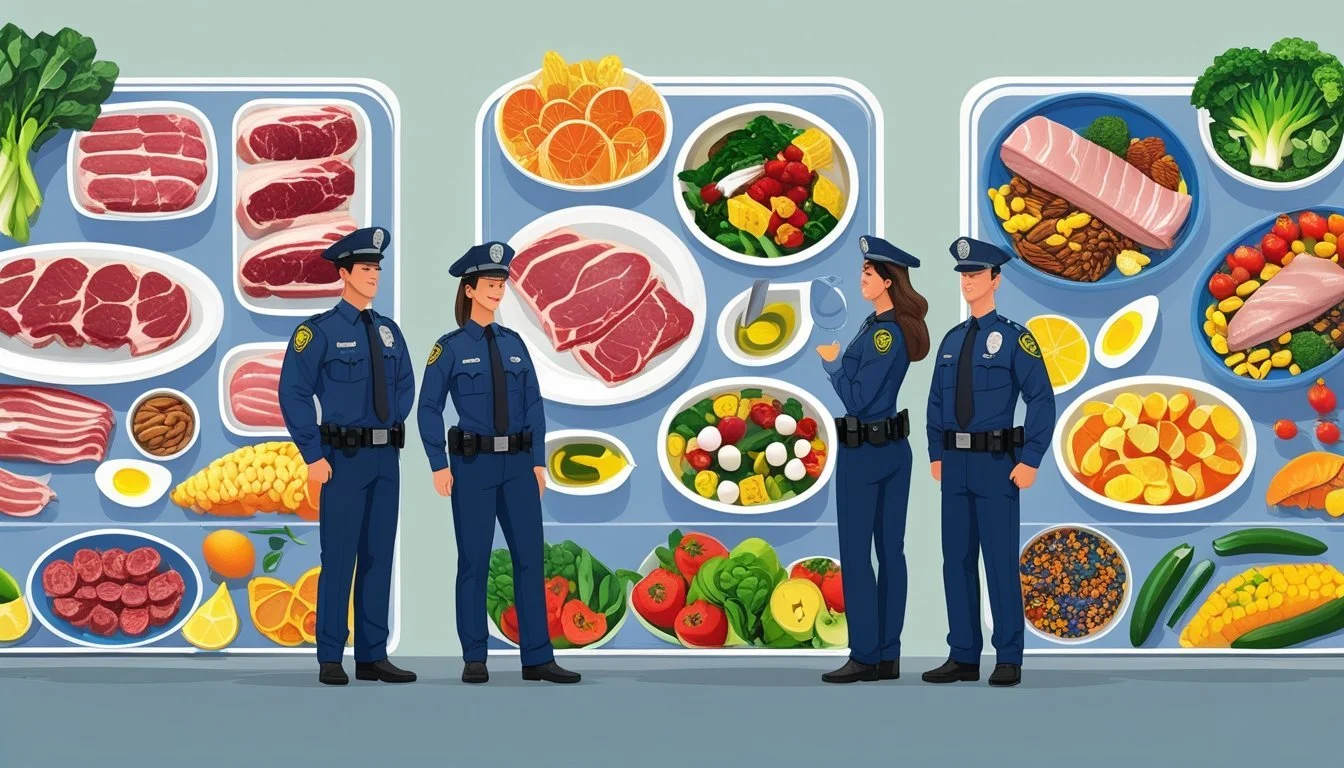
Firefighters and police officers often seek nutrition strategies that support energy, focus, and long-term health. Understanding how the carnivore, Mediterranean, and more conventional dietary patterns differ can help guide individualized choices based on specific demands.
Key Differences In Macronutrient Profiles
The carnivore diet is based nearly entirely on animal foods. It provides very high protein and fat, with minimal or no carbohydrates. Typical foods include beef, eggs, fish, and organ meats. Fiber, fruits, and grains are absent.
The Mediterranean diet emphasizes a balance of macronutrients. Carbohydrates are sourced from whole grains, fruits, and legumes. Fats are largely unsaturated, especially from olive oil and fish, while protein comes from fish, poultry, dairy, and some lean meats. This pattern includes vegetables, nuts, and seeds.
Traditional dietary guidelines often recommend a mix of 45-65% carbohydrate, 10-35% protein, and 20-35% fat. Carbohydrates mainly come from grains, fruits, and vegetables. Protein includes both animal and plant sources. Fats are limited in saturated fat and higher in unsaturated fats.
Pattern Carbs Protein Fats Carnivore Very low (0-5%) High High Mediterranean Moderate (35-55%) Moderate Moderate* (focus on unsaturated) Traditional Guidelines High (45-65%) Moderate Moderate
Health Outcomes Across Patterns
Research consistently links the Mediterranean diet to lower rates of heart disease, improved metabolic health, and reduced all-cause mortality. Population studies suggest regular consumption of fruits, vegetables, whole grains, and healthy fats support long-term cardiovascular health.
The carnivore diet’s health outcomes are less established in research. High intakes of saturated fat and the exclusion of fiber may pose heart health concerns for some. Short-term effects often include weight loss and improved blood glucose, though long-term data on safety are limited.
Following traditional dietary guidelines is associated with varied outcomes depending on food choices. Diets high in refined carbs or processed foods can increase chronic disease risk, while those more plant-based with healthy fats are linked to better health markers.
Ketogenic diets have some overlap with the carnivore approach in macronutrient distribution but usually include limited non-starchy vegetables and nuts, potentially offering more diversity in nutrient intake.
Optimizing Recovery And Performance
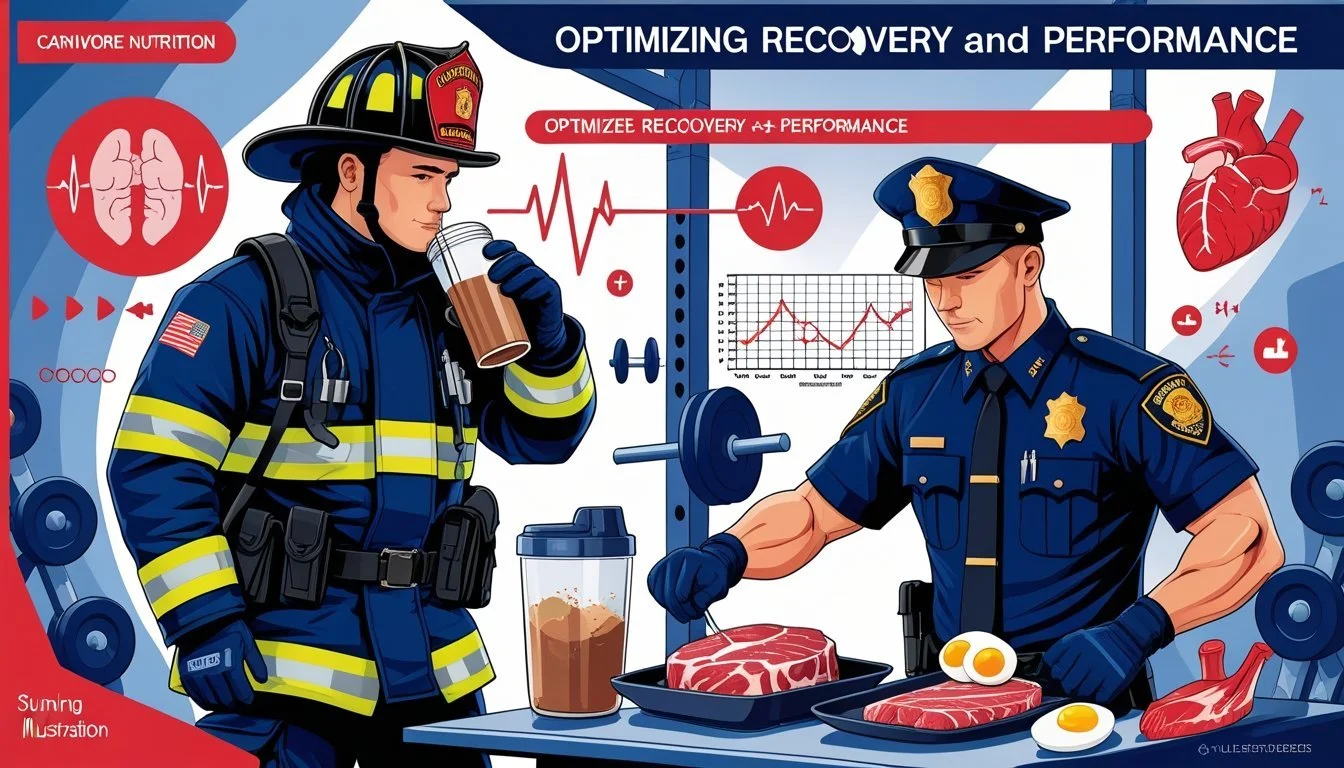
Recovery is essential for firefighters and police officers who follow a carnivore nutrition plan. Proper sleep, stress management, and targeted nutrition play crucial roles in maintaining performance and reducing the risk of injury.
Role Of Sleep And Stress Management
Adequate sleep is vital for physical and mental recovery, especially after shift work or intense exercise. Research shows that adults need at least 7-8 hours of sleep to support muscle repair, hormonal balance, and the reduction of oxidative stress. For first responders, unpredictable schedules can disrupt sleep quality, making routines and sleep hygiene particularly important.
Stress management also impacts recovery. Prolonged stress increases cortisol, which impairs muscle growth, immune response, and recovery speed. Even short periods of napping or meditative breathing between calls can help regulate stress responses. Keeping a regular sleep schedule, limiting caffeine at night, and practicing relaxation techniques can improve both recovery and performance.
Post-Exercise Nutrition
After training or emergency calls, the body requires specific nutrients to initiate muscle repair and replenish energy stores. A carnivore diet—rich in animal protein—supplies all essential amino acids needed for muscle rebuilding and reduces muscle soreness. These amino acids, such as leucine, play a key role in repairing damaged muscle fibers.
Rapid post-exercise nutrition also helps to reduce oxidative stress resulting from strenuous activity. A simple meal of lean beef, eggs, or fish within an hour after exertion provides not just protein, but minerals like zinc and iron that are crucial for enzyme functions and recovery. Some may consider hydrolyzed protein supplements for faster absorption, though whole-food options suffice for most. Hydration remains essential; water or electrolyte-rich fluids should not be overlooked.
Addressing Nutrient Deficiencies And Health Maintenance

Firefighters and police officers demand optimal nutrition to support intense shifts, physical exertion, and cognitive performance. Proper intake of specific nutrients, including essential fats and micronutrients, is crucial for reducing health risks and supporting recovery.
Omega-3 Fatty Acids And Healthy Fats
Omega-3 fatty acids play a vital role in heart health, cognitive function, and inflammation control. On a carnivore diet, sources include fatty fish (such as salmon and sardines), grass-fed meats, and eggs. Incorporating these foods can help reduce the risk of cardiovascular disease and support mental clarity.
Healthy fats also contribute to energy levels and hormone balance. Animal-based diets provide saturated and monounsaturated fats, which are important for cell structure and fuel. It is essential to choose a variety of animal products to maintain a balanced intake of fats, especially if plant oils are avoided.
Table:
Fat Source Omega-3 Content Other Benefits Salmon High Heart, brain, anti-inflam. Grass-fed beef Moderate Zinc, iron, vitamin B12 Eggs Variable Protein, choline, vitamin D
Vitamins, Minerals, And Antioxidants
Animal products offer key vitamins and minerals such as vitamin B12, heme iron, zinc, and selenium, which support immunity, energy metabolism, and oxygen transport. For first responders, a diet rich in organ meats can boost intake of vitamins A, D, and K2—nutrients that play a role in immune function and bone health.
However, some antioxidants and phytochemicals are mainly found in plant foods. While a strict carnivore diet may lack compounds like vitamin C and polyphenols, careful selection of organ meats and fresh animal products can help cover most micronutrient needs. Blood tests can identify deficiencies early for timely correction.
Special Considerations For Tactical Athletes

Firefighters and police officers have unique nutrition needs due to their unpredictable schedules and intense job demands. Both performance and health are directly affected by dietary choices and monitoring strategies.
ISSN Recommendations For Police And Fire Service
The International Society of Sports Nutrition (ISSN) emphasizes the importance of developing a consistent, nutritious eating plan for tactical athletes. Regular meals that include a balance of macronutrients—especially lean proteins, healthy fats, and complex carbohydrates—are advised to help maintain sustained energy and support recovery.
ISSN suggests that tactical athletes such as firefighters and police officers avoid fad diets or unnecessary restrictions, as these can hinder both cognitive and physical performance. Hydration is stressed as critical, particularly during periods of high physical exertion or exposure to high temperatures while in gear.
Key points include:
Consistent meal timing to support metabolic function.
Adequate protein intake to help maintain muscle mass.
Emphasizing fresh, minimally processed foods for cardiovascular and general health.
Structured nutrition education tailored to the realities of shift work is also endorsed.
Monitoring Health Status And Performance
Tracking health and performance indicators is vital for tactical athletes. Routine assessment of body composition, cardiovascular health, and physical fitness can help identify early risks and support lifelong wellness.
Firefighters and law enforcement officers benefit from regular check-ups, biometric screenings, and tracking hydration status. Using wearable technology or simple logs can assist individuals in monitoring sleep patterns, diet, and recovery trends. This helps pinpoint where adjustments are needed.
Implementing simple self-assessments—such as monitoring fatigue, alertness, or grip strength—can indicate whether current nutrition and hydration strategies are effective. Adjustments based on these findings are essential for optimizing job readiness and resilience.

