
Being a Chef on a Carnivore Diet
Insights and Real-Life Experiences

Navigating the professional kitchen as a chef on a carnivore diet presents unique challenges and opportunities. While most chefs are known for tasting a wide range of dishes, those committed to an animal-based approach must adapt their daily routines and find ways to maintain their diet without compromising their craft. A chef can successfully follow a strict carnivore diet while delivering quality and creativity in a culinary career.
Balancing the expectations of a diverse clientele with personal dietary choices often requires creative solutions, clear boundaries, and solid planning. Whether preparing dishes for others or handling the hectic pace of the kitchen, chefs on a carnivore diet rely on practical methods and a deep understanding of both nutrition and cooking techniques.
These confessions from industry professionals shed light on real experiences, strategies, and insights for anyone curious about how the carnivore lifestyle works behind the scenes in a modern professional kitchen.
What Is the Carnivore Diet?
The carnivore diet is a strict approach to eating that focuses entirely on animal-based foods. Unlike diets that emphasize balance among food groups, this diet centers on meat and other animal products with little to no plant intake.
Core Principles
The carnivore diet restricts all foods except those derived from animals. Permitted foods include:
Beef, pork, chicken, lamb, and other meats
Fish and seafood
Eggs
Limited dairy like cheese or butter (if tolerated)
Carbohydrates are nearly eliminated. There are no fruits, vegetables, grains, or processed foods. Most versions avoid even low-carb plant-based oils and seasonings.
Some people on this diet stick to only ruminant meats (like beef or lamb) for simplicity or personal preference. Others include a wider selection of animal foods. A high intake of protein and fat is typical, supporting satiety and energy needs for those who follow it.
Origins and History
Animal-based diets are not new. Historically, populations such as the Inuit or Maasai relied largely on animal foods for centuries. These groups lived in regions with limited access to plants, so meat, fish, and animal fat provided nearly all of their daily nutrition.
The modern carnivore diet started gaining more attention around the late 2010s. Public figures and doctors began sharing their personal results and observations, which increased interest. Online communities and social media accelerated the spread and development of different approaches within the diet.
Though still controversial, the diet draws on the idea that the human body can thrive without plant foods—at least for some individuals over certain periods.
Comparisons to Keto and Other Diets
Keto and carnivore diets both focus on low carbohydrate intake, but there are major differences. Keto allows non-starchy vegetables, nuts, and certain dairy products, while carnivore eliminates all plant foods entirely.
Diet Allowed Foods Carbohydrate Limit Carnivore Only animal-based (meat, eggs, dairy, seafood) Nearly zero (0–5g) Keto Animal foods + low-carb plants (leafy greens, nuts, seeds, some dairy) Typically <50g/day
Other animal-based diets, like paleo or primal, include both plant and animal foods, focusing mostly on whole, unprocessed ingredients. The carnivore diet is the most restrictive among popular animal-focused eating patterns, with ketogenesis a likely result due to its exclusion of most carbohydrates.
Life as a Chef Embracing Carnivore

Adopting the carnivore diet as a chef brings practical challenges and new perspectives to daily work life. Navigating culinary creativity and professional identity while following a meat-based lifestyle often requires careful adaptation.
Daily Challenges in a Professional Kitchen
Chefs on a carnivore diet find most kitchens revolve around varied foods, including grains, vegetables, and plant-based oils. This makes it tough to taste test dishes containing non-carnivore ingredients without breaking dietary rules.
Staying true to the carnivore approach, they sometimes skip tasting sauces, sides, or desserts. This can lead to uncertainty about a dish's final flavor and balance. Managing cross-contamination is another issue, especially when prepping plant-based ingredients alongside meats.
Meal planning for breaks or long shifts requires extra effort. Many default staff meals are off-limits, so they often bring cooked meats or rely on quick-to-cook cuts. Maintaining energy levels on a meat-only regimen, especially during intense service times, is a priority.
Balancing Culinary Creativity with Dietary Restrictions
Limiting oneself to animal products can seem restrictive, but chefs on this diet often discover inventive ways to showcase flavor and texture within those boundaries.
Instead of the usual mix of produce or grains, they experiment with different cuts, curing techniques, aged meats, and offal for variety. They use animal fats and bone broths for deeper flavor, and incorporate methods like dry-aging, smoking, or slow-roasting to enhance interest.
Here's a sample strategy table:
Technique Example Foods Purpose Curing Pork belly, beef Adds flavor/texture Smoking Brisket, ribs Develops aroma Sous-vide Lamb chops, organ meats Tenderizes
Despite restrictions, a chef can still create diverse meals that fit carnivore guidelines, learning to appreciate simplicity and precision.
Confessions: Social and Career Impacts
Social interactions shift due to the diet. Colleagues may question food choices, or managers could express concerns about a chef's ability to participate in menu development that involves non-meat items.
Networking events, tastings, and chef competitions often center around dishes with plant-based components, so participation is sometimes limited. Some chefs find themselves explaining their dietary approach regularly, which can be exhausting.
Career opportunities might change direction. While some move toward steakhouses, BBQ joints, or grills—where carnivore eating is more accepted—others use their experience to educate teams on alternative food philosophies and showcase meat preparation expertise.
Navigating Carnivore Menu Planning

Developing a carnivore menu in a professional kitchen requires detailed attention to both product selection and creative adaptation. Chefs must prioritize high-quality animal foods and find ways to keep recipes interesting within a strict animal-based diet.
Ingredient Selection and Sourcing
Choosing ingredients for a carnivore menu means focusing on animal products like beef, lamb, pork, poultry, organ meats, fish, shellfish, and animal fats such as butter or tallow. Sourcing becomes crucial, as flavor and texture can vary widely between breeds, cuts, and aging methods.
Chefs often work with local butchers or directly with farms to secure grass-fed meats or heritage breeds. Seasonality affects availability, especially for items like wild game or specific seafood. To avoid monotony, rotating cuts—like using brisket one week and short ribs the next—keeps the menu appealing.
Basic animal-based pantry staples include eggs, aged cheeses, and bone broth. A simple sourcing chart may look like:
Ingredient Source Notes Beef Ribeye Local farm Dry-aged for depth of flavor Duck Breast Specialty vendor Preferred for rich taste Pork Belly Heritage breed Ideal for slow braising
Adapting Classic Dishes
Reimagining well-known recipes for a carnivore diet calls for omitting all plant-based ingredients and focusing on animal foods. Many classic preparations, like stews or roasts, can be recreated using only meat, fats, bones, and seasonings derived from animals.
For instance, lasagna can be transformed by layering thin slices of beef or pork instead of pasta, and using cheese or egg for binding. French onion soup becomes a rich bone broth with slow-cooked beef shank, eliminating the onions but keeping depth with collagen and marrow.
Main adjustments chefs make:
Swapping breading or flour with whipped egg coatings or crushed pork rinds.
Using rendered fat instead of oils for searing and roasting.
Balancing rich flavors with salt or aged cheeses to enhance complexity.
With careful attention, familiar comfort foods can be made entirely animal-based while still delivering a satisfying dining experience.
Signature Carnivore Recipes from the Kitchen
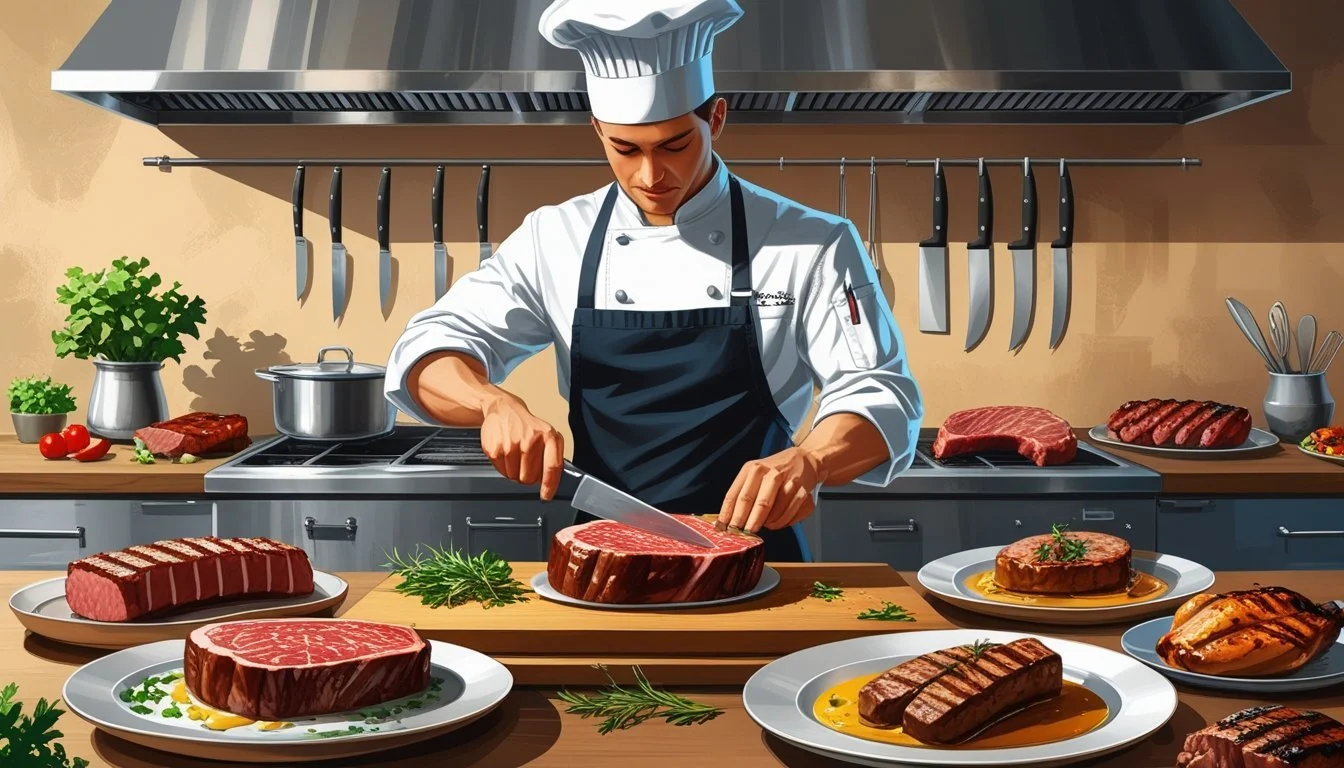
A chef on a carnivore diet relies on resourcefulness and culinary experience to maximize flavor and variety from animal-based foods. This approach highlights protein-rich breakfasts, creative main courses, nutrient-dense organ selections, and practical snacks or sides. Using simple methods, every dish can be nourishing, satisfying, and entirely meat-focused.
Breakfast Innovations
Carnivore breakfasts go beyond basic eggs and bacon by focusing on variety and efficiency. Popular options include omelets made with only eggs and heavy cream, filled with ground beef or shredded roast. Scrambled eggs cooked in beef tallow deliver richness, and incorporating cured meats like prosciutto or bresaola adds depth.
A favorite dish is steak and eggs cooked in clarified butter for maximum flavor and satiety. Carnivore pancakes—made with pork rinds, eggs, and cream cheese—create a filling meal without carbohydrates.
Hard-boiled or soft-boiled eggs are included for quick mornings. Beef bone marrow, roasted in the oven with salt, offers a nutrient-dense breakfast high in healthy fats and minerals. Deviled eggs made strictly with egg yolk and beef dripping instead of mayonnaise are another unique, creamy option.
Protein-Packed Main Courses
Carnivore chefs prioritize quality cuts and simple preparations. Ribeye steaks, seasoned only with salt and reverse-seared in a cast-iron pan, stand out as a staple. Slow-roasted brisket or pork belly, basted with its own fat, makes for a rich and satisfying dinner.
Roast chicken with the skin left crispy is frequently featured. Grilled lamb chops provide variation in both flavor and nutrition. Venison and bison patties, simply seasoned and broiled, offer lean protein and a different nutrient profile compared to beef.
A table of favorite proteins and basic methods:
Protein Method Seasoning Ribeye Steak Reverse sear Salt Pork Belly Slow roast Salt, beef tallow Chicken Thighs High heat roast Salt, ghee Lamb Chops Grill Salt Venison Patty Broil Salt, bone marrow
Organ Meat Dishes
Organ meats provide essential vitamins and minerals absent from muscle meat. Beef liver, packed with iron and vitamin A, is often sliced thinly, soaked in milk or cream, and quickly pan-fried to avoid bitterness. Chefs may serve it with crispy bacon or a soft-poached egg for extra satiety.
Heart and kidney are typically stewed slowly in beef stock to enhance tenderness and flavor. Tongue, simmered until soft, is peeled and sliced for warm, fatty sandwiches using egg-based “bread.” Many chefs create pâtés from chicken liver blended with rendered duck fat and salt, ideal for spreading or dipping.
Crispy fried sweetbreads dusted with salt are another nutrient-rich delicacy. Regular rotation of organs ensures a broad micronutrient spectrum and adds culinary interest. Eating liver once or twice a week is a common practice to maintain optimum health on a carnivore diet.
Carnivore Snacks and Sides
Snacks and sides on a carnivore diet remain entirely animal-based. Homemade beef jerky, made from thinly sliced, salted flank steak dried in a low oven or dehydrator, offers protein on the go. Pork cracklings and crispy chicken skins satisfy cravings for crunch without any added carbs.
Carnivore cheese chips use aged Parmesan—baked until crisp—for a salty treat. Soft or hard-boiled eggs, kept chilled, work as quick snacks throughout the day. Mini meatballs, seasoned only with salt and baked, are easy to prepare and transport.
Bone broth is both a side dish and a snack, providing hydration and minerals between meals. Slices of cold roast beef or ham are used for wraps or finger food, delivering protein and fat without fillers or additives. All these options ensure flavor and satiety while sticking strictly to carnivore ingredients.
Physical and Mental Health Transformations
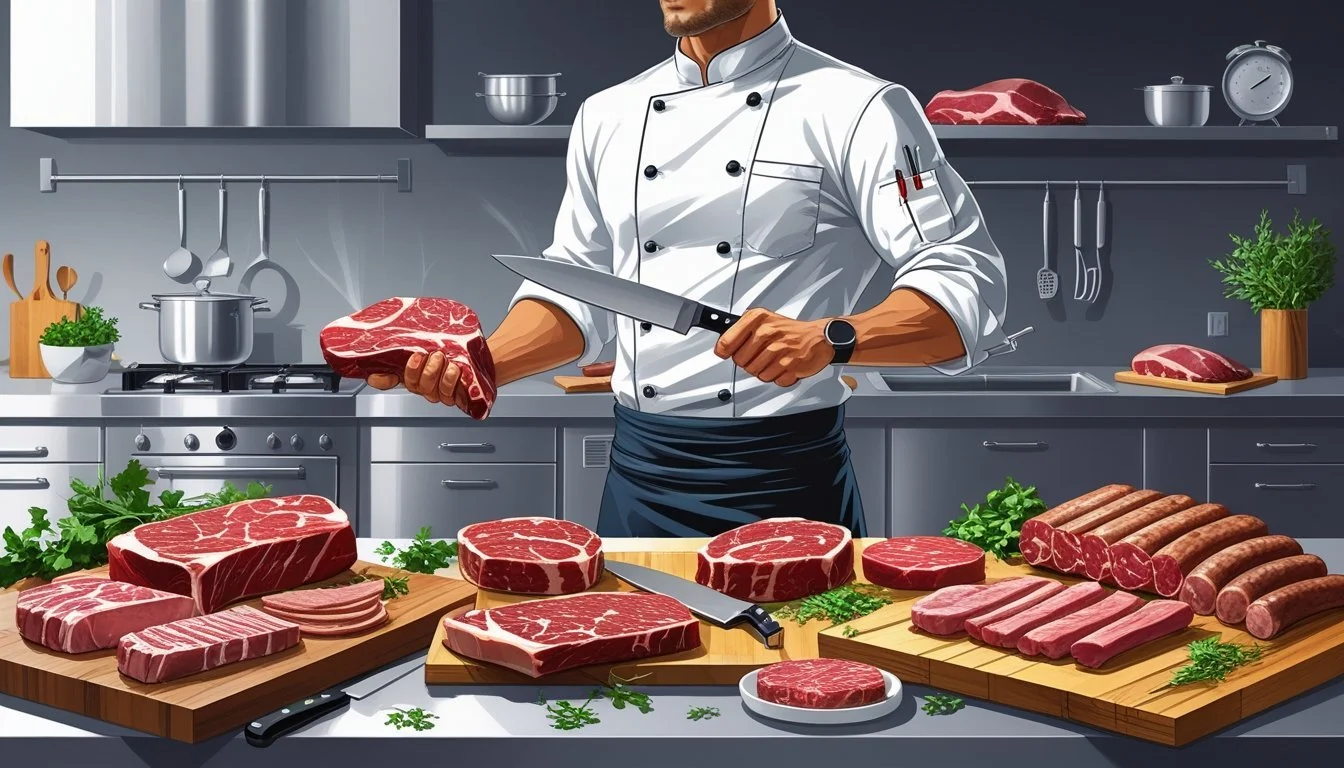
Chefs following a carnivore diet often report changes that impact both body composition and mindset. These experiences include visible changes in weight as well as shifts in mood, focus, and daily stress levels.
Weight Loss Journeys
Weight loss is one of the most noticeable effects chefs observe after transitioning to a carnivore diet. Many chefs note that cutting out carbohydrates and focusing exclusively on animal-based foods leads to steady drops in weight.
Some incorporate comparisons or track changes over months. For example, several individuals share their before and after photos, documenting reductions of 20, 50, or even over 100 pounds.
A simplified daily eating pattern also helps with portion control:
Before Carnivore After Carnivore Frequent snacking 2-3 meals daily Processed foods Animal proteins
For chefs, the new energy and less fluctuation in hunger often support longer, more demanding kitchen shifts.
Improvements in Mental Health
Shifts in mental health are frequently discussed among chefs on the carnivore diet. Many report improved mood stability, increased concentration, and reduced feelings of anxiety or depression.
Anecdotal reports include descriptions like "clearer thinking" and "better focus during busy services." Some chefs with prior depressive symptoms or mood swings suggest that eliminating sugars and plant foods may play a role in their symptom reduction.
Jordan Peterson and his daughter have publicly discussed personal transformations in mental health after adopting a carnivore lifestyle, citing reduced depression and anxiety. Some chefs find these changes especially valuable in high-pressure kitchens, where mental clarity and resilience are critical for performance.
Culinary Techniques and Cooking Tips for Carnivores
Cooking meat on the carnivore diet involves more than just grilling steaks. The right equipment and thoughtful methods can boost both flavor and texture, even when using only animal-based foods.
Essential Equipment and Methods
A well-equipped kitchen supports consistent results with meat-centric meals. Key tools include a cast-iron skillet for searing, a grill for smoky flavor, and a slow cooker for tender cuts. Pressure cookers speed up cooking tougher pieces, while sous vide allows precision with steak doneness.
Common cooking methods are:
Pan-frying: Quick, maintains juiciness
Grilling/Broiling: Adds char and flavor
Braising/Stewing: Ideal for tougher cuts
Roasting: Best for large roasts
Blanching or boiling: Useful for organs
A thermometer helps prevent overcooking and preserves the food’s texture. For storage and meal prep, a vacuum sealer keeps meat fresh longer and supports sous vide cooking.
Maximizing Flavor Without Plants
Meat-only cooking emphasizes natural flavors, but a few techniques can enrich taste and variety. Using a mix of beef, pork, poultry, and seafood creates contrast in both texture and flavor. Dry brining with salt can draw out moisture and enhance the crust when searing.
Fat trimmings or tallow can be used for basting or pan-frying, adding moisture and richness. Smoking meat or using different heat levels changes the flavor profile noticeably.
For those who tolerate minor additions, options like freshly ground black pepper, or a small amount of garlic or hot sauce, are sometimes used. Most, however, rely on temperature control, dry aging, or mixing fatty and lean cuts to achieve variety and depth in their carnivore meals.
Common Misconceptions and Criticisms
Many who observe chefs or others following a carnivore diet have strong opinions, often influenced by persistent myths and ethical debates. Misunderstandings about nutrition and social concerns frequently overshadow actual experience and scientific evidence.
Nutritional Myths
A frequent misconception is that a carnivore or animal-based diet is inherently deficient in essential nutrients. Some believe followers risk missing out on fiber, vitamins, and antioxidants found in plants. In practice, many nutrients—like vitamin B12, iron, and zinc—are more bioavailable from animal products than plant sources.
Another widespread belief is that an all-meat diet will automatically increase LDL cholesterol and cause heart disease. Studies and anecdotal reports suggest outcomes can vary; some experience stable or improved markers, while others may need to monitor lipid changes. The assumption that digestive health is harmed is also often overstated—multiple individuals notice improvement in bloating, gas, and other symptoms after eliminating plant foods.
Key Facts Table:
Myth Reality Lacks all vitamins and minerals High in B12, iron, zinc, and some fat-soluble vitamins Hazardous for gut health May reduce digestive discomfort for some Worsens cholesterol and heart risk Effects vary; requires individual monitoring
Addressing Ethical and Social Concerns
The carnivore diet raises concerns about animal welfare, sustainability, and cultural acceptance. Critics often question the morality of eating only animal products, as well as the environmental impact of meat production. Chefs report navigating these debates in both professional kitchens and personal life.
Social interactions can become complicated. Diners and colleagues may challenge the choice, prompting frequent explanations about the practical and health motivations behind the diet. Sustainability is often discussed, yet supporters point to regenerative agriculture and responsible sourcing as ways to address environmental concerns.
Some chefs emphasize transparency in sourcing meats and highlight nose-to-tail eating to minimize waste. Open dialogue, backed by clear information, helps address skepticism and fosters more constructive conversations.
Advice for Aspiring Carnivore Chefs
Navigating a professional kitchen as a chef following a carnivore diet introduces both unique challenges and opportunities. Building a foundation of support and staying engaged with the latest culinary trends ensures continued growth and satisfaction in daily work.
Building Supportive Kitchen Environments
Chefs on a carnivore diet often face skepticism or misunderstanding from colleagues. Open communication about dietary choices can help create mutual respect and understanding among team members. It is recommended to discuss food preferences and dietary restrictions early with management and coworkers to avoid confusion during meal times or staff events.
Keeping a designated area for preparing carnivore recipes, such as separate boards and knives, reduces cross-contamination risks. Having quick-access to staple ingredients like beef, lamb, poultry, and fish streamlines daily meal prep. Some chefs may create sample menus or a recipe list to simplify decision-making and demonstrate carnivore-friendly dishes to the team.
For those working in restaurants or catering, transparency with clients about menu options can strengthen trust and open possibilities for signature carnivore offerings.
Staying Inspired and Informed
Chefs benefit from continuous learning, especially on niche diets like carnivore. Seeking out reputable resources, such as books, podcasts, or online forums, can provide new recipe ideas and technical tips.
Testing diverse cooking techniques—grilling, sous-vide, roasting—adds variety to meal planning and showcases the full potential of animal-based ingredients. Regularly reviewing scientific literature and chef-focused websites helps chefs stay updated on health considerations and innovations specific to a carnivore lifestyle.
Networking with other professionals who follow or specialize in the carnivore diet fosters knowledge-sharing. Joining culinary groups, attending workshops, or participating in online communities can inspire new approaches and refine classic recipes.
The Future of Carnivore Cuisine
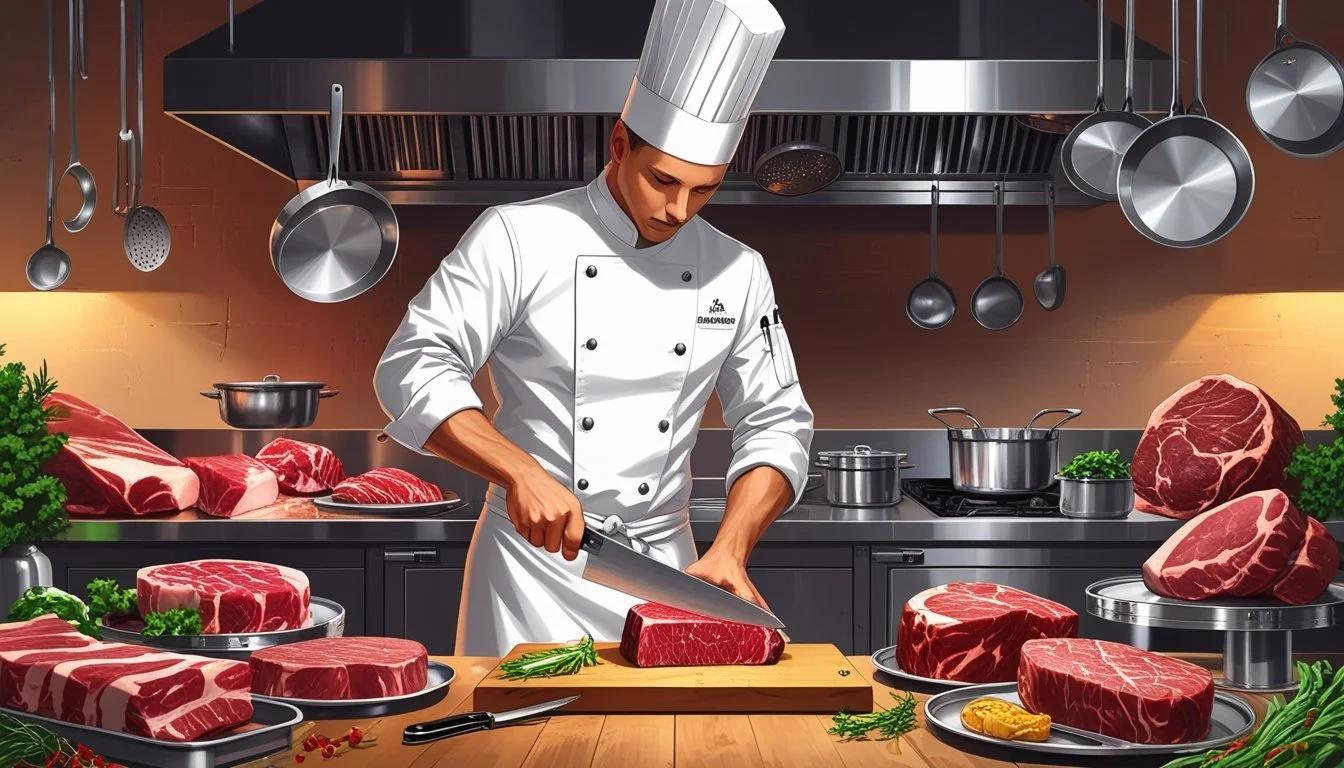
The landscape of animal-based cooking is changing rapidly, driven by both dietary trends and new culinary innovation. Chefs are adapting to evolving customer interests while navigating the challenges and creative boundaries of a carnivore approach.
Trends in Animal-Based Dining
Interest in the carnivore diet has increased, with diners seeking menus focused exclusively on animal products. Restaurants and food events are featuring nose-to-tail cooking, which emphasizes using all parts of the animal. This approach supports sustainability and allows chefs to showcase lesser-known cuts.
Harvard University and other institutions have begun publishing research into the effects of an animal-based diet. This has contributed to more nuanced public discussions and fueled curiosity among health-conscious consumers.
Some chefs are experimenting with dry-aging, curing, and offal-based preparations. These methods increase variety, flavor, and nutrition while staying within a strict carnivore philosophy. Dishes such as beef heart tartare and lamb liver pâté are becoming more common on high-end menus.
Menu design is also evolving. Simple presentations, tasting menus, and cutting-edge techniques—like sous vide for tougher cuts—are helping to elevate animal-based cuisine.
Opportunities for Chefs
The move toward carnivore and animal-based dining creates specific career opportunities for chefs. Becoming an expert in butchery, aging meats, and preparing offal can distinguish a chef in a competitive market.
Educational content is growing, with references and cookbooks like Carnivorous Chef and Carnivore in the Kitchen that provide practical guides and recipes. Chefs interested in the carnivore diet can learn specialized culinary skills and techniques unique to this field.
Networking is another valuable avenue. Online communities and professional groups allow chefs to share recipes, kitchen experiences, and emerging trends, helping them stay informed.
Table: Core Skills for Carnivore Chefs
Skill Description Butchery Precision in breaking down meats Preservation Techniques Skills in dry-aging, curing Offal Preparation Safe, delicious use of organ meats
Expertise in the animal-based diet can lead to unique dining concepts and positions chefs as innovators within the evolving world of carnivore cuisine.

