
Carnivore in the Military: Performance and Rations Impact on Soldier Readiness
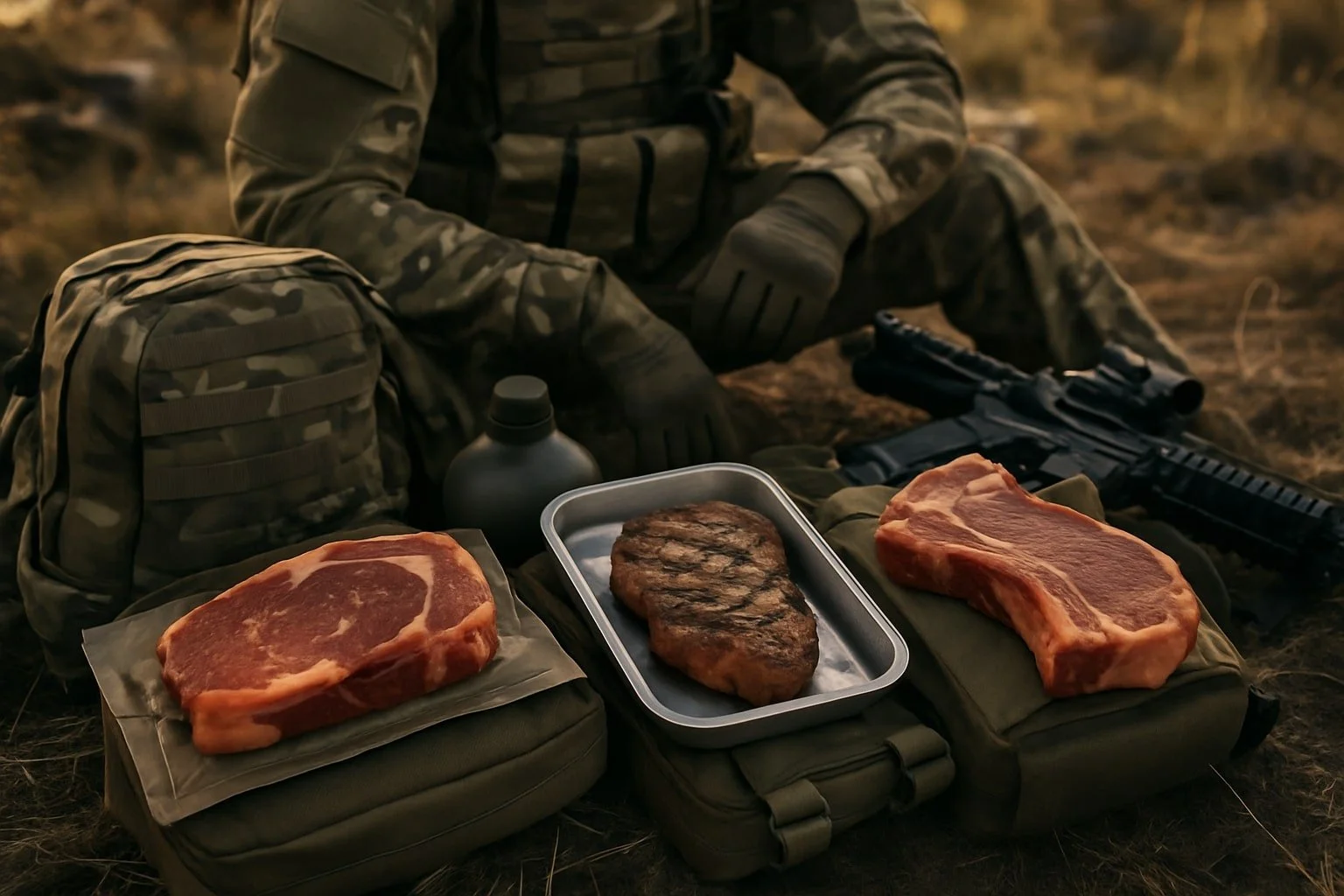
Adopting a carnivore diet in the military can have both performance benefits and logistical challenges, especially when considering endurance and the realities of field rations. Some military units have incorporated more animal-based nutrition to support demanding physical tasks, aiming to boost strength, recovery, and mental clarity. However, strict adherence to a carnivore diet may not always align with what is available in standard-issue rations or during prolonged missions.
Traditional military rations, such as MREs, rarely meet the nutrient profile of a purely animal-based diet, leading some service members to seek alternatives like shelf-stable, high-protein options. Products like pemmican and specialized meat bars are sometimes used for their portability and nutrient density in the field. Whether the carnivore approach fully supports long-term endurance, or how practical it is during deployment, remains a topic of ongoing experience and adjustment among military personnel.
Understanding the Carnivore Diet
The carnivore diet is built around exclusive consumption of animal-based foods such as meat, fish, eggs, and dairy. This style of eating emphasizes protein intake, healthy fats, and nutrient-dense sources, while purposefully removing plant-derived foods and carbohydrates.
Basic Principles of Animal-Based Nutrition
The carnivore diet relies solely on animal products for nutrition. All meals are centered around foods like beef, pork, poultry, fish, eggs, and dairy, often including organ meats for variety and nutrient density.
Unlike omnivorous or plant-rich diets, it excludes vegetables, grains, fruits, legumes, and most processed ingredients. This approach aims to simplify dietary choices and focus on essential nutrients available in animal foods.
Advocates suggest that focusing only on animal-based foods may reduce exposure to potential plant antinutrients. Bone broth and organ meats are included to increase the diversity of micronutrients provided. There is usually no deliberate intake of dietary fiber, as proponents argue that animal products contain all necessary nutrients required for health and performance.
Nutritional Composition and Key Nutrients
Below is an overview of the nutritional profile central to a carnivore diet:
Component Common Sources Importance Protein Muscle meats, eggs, fish Essential for muscle repair, performance, and satiety Animal fats Fatty cuts, butter, tallow Provides energy, supports hormone function Omega-3 fats Oily fish, grass-fed beef Supports brain and cardiovascular health Cholesterol Eggs, meats, organ meats Key for cell membranes and hormone production Vitamins (A, B12, D, K2) Liver, eggs, fatty fish Required for energy, immunity, bone, and nerve health Minerals (Zinc, Iron, Selenium) Red meats, liver Important for oxygen transport, antioxidant defense
Organ meats, such as liver and kidney, are consumed to cover micronutrient needs like vitamin A and iron. Bone broth is used to provide additional minerals and collagen. The absence of fiber distinguishes this diet from conventional diets, though supporters claim it is nonessential when eating only animal foods.
Comparison With Standard Military Diets
Typical military rations, such as Meals Ready-to-Eat (MREs), deliver carbohydrate-rich, shelf-stable foods designed for long-term storage and energy supply in the field. These meals usually include grains, legumes, processed meats, and bars, sometimes resulting in high sugar and fiber content.
In contrast, a carnivore diet prioritizes high protein and animal fat intake, completely removing plant-derived foods. Military rations often focus on caloric needs and carbohydrate loading for short-term energy, but the carnivore approach focuses on satiety and micronutrient density by using organ meats and animal fats.
Table: Key Differences
Aspect Carnivore Diet Standard Military Diet Main Macronutrient Protein, animal fat Carbohydrates Fiber None or negligible Moderate to high Core Foods Meat, fish, eggs, dairy Grains, legumes, processed meats Key Micronutrients Iron, B12, zinc, omega-3 Fortified vitamins/minerals Shelf Stability Limited Designed for long storage
Military personnel on a carnivore diet need to adapt standard issue rations for adequate protein and fat intake, as conventional military supplies rarely focus on animal-based nutrition.
Performance Impact for Soldiers
Diet choices in the military are closely tied to key measures such as endurance, strength, and weight management. Nutrient intake, meal composition, and caloric sufficiency significantly affect operational ability and resilience during missions.
Physical Performance and Endurance
Physical endurance can decline when soldiers experience a chronic caloric shortfall or underconsume operational rations. Lower energy intake impairs stamina, resulting in increased fatigue and reduced ability to sustain intense efforts.
High-protein, animal-based diets may support metabolic health by maintaining stable energy levels for longer durations. Some reports suggest that increased ketone production from such diets could benefit endurance by providing an alternate fuel source during extended activities.
For cadets and active personnel, energy-adjusted meals that prioritize nutrient density have the potential to reduce body weight loss during challenging periods. Strategies to optimize energy intake include prioritizing shelf-stable, high-nutrient foods that meet the physiological demands of field operations.
Strength and Body Composition
Adequate protein intake is essential for preserving and building lean muscle mass, especially when physical demands are high. Military trainees who consume sufficient animal protein often see better outcomes in muscle maintenance and strength performance compared to those with lower intakes.
Maintaining or gaining body weight can be difficult in training environments due to high energy expenditure and limited appetite. Soldiers following a meat-based diet may find it easier to sustain or improve body composition by consuming calorie-dense, protein-rich meals.
Key factors influencing strength and body composition include:
Total energy intake
Macronutrient balance
Frequency of meals
Intensity of physical activity
Supporting metabolic health with protein-focused rations can help minimize unwanted weight loss and optimize physical capabilities throughout military training and deployments.
Nutritional Status and Health Considerations
Military personnel following a carnivore diet can face specific nutritional challenges that affect performance, health, and readiness. Animal-based diets supply high levels of certain nutrients but may be low or imbalanced in others, especially compared to standard military rations.
Micronutrients: Iron, Zinc, Magnesium, and B Vitamins
Red meat and organ meats are rich sources of heme iron, which is efficiently absorbed and helps prevent iron-deficiency anemia. This is critical for maintaining energy and stamina during missions. Zinc is also plentiful in meat, supporting immune function and wound healing.
Magnesium, though present in some meat, is lower compared to plant-based foods and can be a concern if intake of organ meats or seafood is limited. Magnesium plays a role in muscle function and energy metabolism. B vitamins, especially B12, are abundant in animal products and support cognitive and nervous system health.
Below is a table comparing common nutrient content in 100g of beef liver:
Nutrient Beef Liver Iron 6.5 mg Zinc 4.0 mg Magnesium 18 mg B12 83.1 mcg
Attention to food variety on a carnivore diet can help reduce risk of deficiencies, but magnesium may still need to be addressed.
Hydration and Electrolyte Balance
Carnivore diets can influence hydration and electrolyte status due to increased protein intake and often lower carbohydrate consumption. Glycogen stores in muscle hold water, and their depletion on very low-carb diets can increase fluid loss.
Service members may need to compensate with increased sodium, potassium, and magnesium intake to maintain optimal performance. Military environments—especially hot climates—can exacerbate losses of sodium and potassium through sweat. Symptoms of electrolyte imbalance include fatigue, confusion, muscle cramps, and decreased endurance.
Practical actions include salting food to taste and considering supplemental potassium or electrolyte mixtures, especially during intense activity or in the field where standard rations may not meet these needs.
Gut Health and Fiber Intake
Animal-based diets typically lack dietary fiber, which is important for gut health and regularity. Fiber helps maintain healthy gut bacteria, prevent constipation, and may reduce long-term risk of chronic diseases such as colorectal cancer.
Without plant foods, there may be increased risk for digestive disturbances and altered gut microbiome. Some individuals adapt without significant issues, but others may experience ongoing constipation or discomfort. This is particularly important for service members who rely on operational readiness and cannot afford gastrointestinal problems.
Military rations traditionally include some fiber to support digestive health. When following a strict carnivore diet, use of animal-sourced collagen or small amounts of dairy may offer limited benefit, but fiber intake will remain very low.
Bone and Metabolic Health
Bone health depends on more than adequate protein; calcium, vitamin D, vitamin K2, magnesium, and phosphorus are also critical. Meat diets are rich in phosphorus and protein, which support muscle and bone mass, but strict carnivore diets may fall short in calcium unless dairy or bones (such as bone-in fish or broth) are consumed.
Vitamin D is mostly obtained from sunlight, but in limited light environments, deficiency risk rises. Low intake of magnesium and vitamin K2, if not addressed by eating organ meats or dairy, can affect both bone and metabolic health.
Excess protein and phosphorus without adequate calcium can increase urinary calcium loss and may, over time, impact bone density. Monitoring intake and supplementing when needed supports long-term skeletal strength and helps manage risk factors for osteoporosis and metabolic disorders.
Military Rations: Past and Present
Military rations have evolved to address the specific needs of soldiers, adapting to advances in nutrition, technology, and logistics. The composition and delivery of military food have changed over time, with a focus on shelf life, portability, and nutritional adequacy.
Traditional Combat Rations: K Ration, C Rations, and MREs
Early combat rations, such as the K ration and C rations, prioritized portability and caloric content. The K ration, used during World War II, was designed for short-term use and included canned meats, biscuits, and dried fruit. C rations came later and were more substantial, offering tinned meats, crackers, and accessories like cigarettes and gum.
In the 1980s, the military introduced Meals Ready to Eat (MREs), a self-contained meal that required no refrigeration and minimal preparation. MREs are vacuum-sealed in pouches, with each unit providing about 1,200 calories. MREs remain a standard combat ration, offering entrees, snacks, and beverage powders, with a shelf life of several years.
Below is a quick comparison of key rations:
Ration Type Era Typical Contents Shelf Life K Ration WWII Canned meat, biscuit, candy ~1 year C Ration WWII-Vietnam Tinned meat, crackers, sweets ~2 years MRE 1980s-Present Main, side, dessert, snacks 3-5 years
Current Military Dining Facilities and Food Options
Modern military dining facilities (DFACs) serve a wide range of meals, including hot entrees, salads, breakfast options, and specialty diets. These facilities provide consistent access to balanced nutrition for troops stationed on bases or in garrisons.
In addition to standard fare, DFACs often offer vegetarian, vegan, and allergy-friendly meals. Efforts are ongoing to improve taste, nutritional value, and accommodate varying dietary restrictions. Soldiers can select from prepared meals, salad bars, and grab-and-go items.
Operational rations such as Unitized Group Rations (UGRs), First Strike Rations, and enhanced MRE varieties are available for field settings. These options maintain energy and nutritional requirements for different operational demands, ensuring that ration consumption can meet both logistical and health needs in diverse situations.
Carnivore Diet Applications in Military Settings
Implementing the carnivore diet in military contexts raises important questions about food logistics, nutrient preservation, and its impact on physical readiness. Focused on animal-based nutrition, soldiers require rations that maintain shelf life and support demanding activities.
Feasibility in Demanding Environments
Military operations often occur in extreme conditions, such as deserts, arctic zones, and jungles. These environments require food that is lightweight, stable, and resistant to spoilage.
Traditional military rations, like MREs, are designed for durability but often contain high levels of carbohydrates and processed ingredients. A strict carnivore option would need to provide essential nutrients—such as protein, fat, vitamins, and minerals—while minimizing bulk and maximizing shelf life.
Maintaining sensory quality is a challenge. Animal-based rations must stay palatable and safe to eat after extended storage. Freeze-drying, curing, and vacuum-sealing are among the methods used to preserve meat-based foods for field use.
Examples: Carnivore Bar and Nutrient-Dense Rations
The Carnivore Bar is an example of a nutrient-dense, meat-based ration created to address gaps in traditional military food. It is made from beef, fat, and salt, offering a shelf-stable source of calories and protein.
Such products prioritize macronutrient density and simplicity of ingredients, reducing the risk of spoilage and allergen exposure. They are designed to fit easily into soldiers’ packs, delivering concentrated nutrition without unnecessary additives.
Comparisons to standard MREs highlight trade-offs in diet quality and sensory appeal. While MREs meet caloric needs, nutrient-dense carnivore options may better support physical endurance in soldiers sensitive to processed foods. Sensory quality and shelf life remain top priorities for future field rations.
Optimizing Soldier Nutrition for Performance Outcomes
Soldiers require carefully managed nutrition to maintain physical and cognitive performance under demanding conditions. Achieving the right balance of energy, macronutrients, and micronutrients can directly impact endurance, alertness, and readiness in both training and operational settings.
Energy Intake and Energy Deficit Management
Military personnel often face substantial energy expenditures due to sustained physical activity, particularly in field operations or during training. Insufficient energy intake can result in a negative energy balance, leading to weight loss, fatigue, and reduced physical performance.
Careful calculation of total daily energy requirements is critical. For most active soldiers, energy needs range from 3,000 to 4,000 kilocalories per day, or more during intense activity. Restricted rations or operational constraints can place service members at risk for prolonged energy deficits.
Monitoring changes in body mass, physical performance, and mood can help identify when adjustments to food intake are necessary. Effective energy deficit management preserves lean mass and reduces risks for musculoskeletal injuries and impaired decision-making.
Activity Level Approximate kcal/day* Base Operations 2,800–3,400 Field Training 3,600–4,500+
*Estimates vary by body size and operational tempo.
Protein and Fat Intake for Sustained Energy
A strict carnivore eating pattern relies heavily on protein and fat sources. Protein intake supports muscle repair, preservation, and immune function, while fat provides a dense and sustained energy source, especially when carbohydrates are limited or absent.
Military recommendations often suggest a protein intake of 1.2–2.0 grams per kilogram of body weight. Higher intake may be warranted during extreme exertion. Adequate fat intake is necessary to meet energy demands and maintain hormonal balance.
On a carnivore diet, meats, eggs, and organ meats supply both macronutrients. Soldiers should distribute protein and fat sources evenly across meals to promote stable energy throughout work periods. Special consideration is needed to avoid excessive saturated fat, and dietary reference intakes (DRIs) should be used as guidance.
Key Carnivore Sources:
Protein: Beef, poultry, fish, eggs
Fat: Animal fats, fatty cuts, whole eggs
Addressing Nutrient Deficiencies
A carnivore diet excludes plant foods, increasing risk for certain micronutrient gaps. Folate, vitamin C, fiber, and some electrolytes may be insufficient if diet is animal-only and lacks organ meats or supplemental sources.
Soldiers following carnivore patterns should prioritize inclusion of organ meats such as liver and kidney for vitamins A, D, B12, and folate. Monitoring nutrient intake is important, especially during periods of restricted rations or limited food variety.
Potential Deficiency Risks:
Vitamin C (unless consuming raw organ meats)
Folate
Magnesium and potassium
Fiber (not present in animal foods)
If operational rations do not provide adequate micronutrient coverage, targeted supplementation or periodic reintroduction of specific plant foods may be necessary to reduce deficiency-related performance declines.
Psychological and Cognitive Aspects
Military environments expose personnel to unpredictable stress and high cognitive demands. Diets like carnivore may interact with these conditions by affecting mood, mental stamina, and focus.
Mental Resilience Under Stress
Psychological stress is a constant factor during deployments and operations. Soldiers face mental fatigue from sleep deprivation, uncertainty, and extended physical exercise. Some research suggests that diet composition can influence psychological responses to these stressors.
A carnivore diet is high in protein and fat, which are critical for neurotransmitter production and hormonal balance. These nutrients help support stable mood and can reduce large blood sugar swings that sometimes contribute to anxiety or irritability. However, fiber and certain micronutrients, which may be lower on carnivore diets, are also associated with stress mitigation and brain health.
Maintaining mental resilience under stress requires balancing nutrient intake, sleep, and physical activity. The potential for heightened alertness or improved mood on a carnivore diet in military settings may depend on individual differences and how other lifestyle factors are managed.
Cognitive Function During Operations
Cognitive function in the field includes attention, memory, and rapid decision-making. High-stress environments, such as combat zones, can impair these abilities, especially when combined with fatigue or poor nutrition.
Military research highlights the importance of rations that preserve or enhance cognitive performance during operations. The macronutrient profile of a carnivore diet—high protein and fat, minimal carbohydrates—may support steady energy levels and reduce cognitive "crashes" associated with blood sugar drops.
There is limited direct evidence on carnivore diets in military populations, but some findings suggest that adequate fat and amino acid intake may help sustain attention and memory during prolonged operations. Monitoring biomarkers and adjusting dietary protocols could optimize cognitive readiness, especially in high-stress contexts.
Institutional and Regulatory Considerations
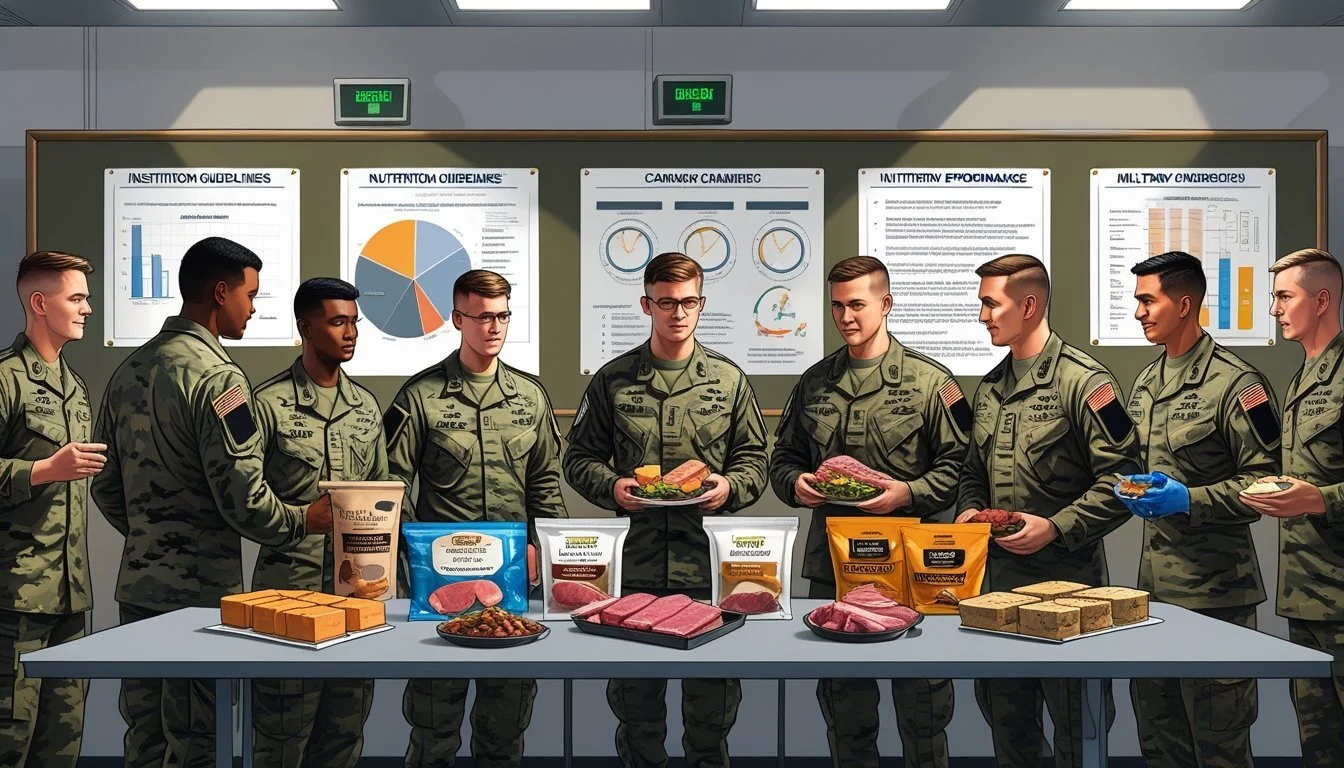
Military nutrition policy must follow established guidelines that balance operational needs, health, and dietary requirements. Both the Department of Defense and the Institute of Medicine play essential roles in shaping these standards, affecting how rations are formulated and distributed.
Department of Defense Guidelines
The Department of Defense (DoD) regulates military ration development through strict policy and science-based standards. Rations are formulated to meet the nutritional needs of service members under a variety of environmental and operational conditions. The DoD emphasizes practical considerations such as shelf life, portability, and caloric density.
For the carnivore diet, these regulations present challenges. Standard military rations are typically carbohydrate-heavy and plant-based, as this simplifies logistics and ensures broad acceptability. The DoD does not officially endorse any specific diet, including carnivore diets centered around animal-sourced foods only. Their focus remains on ensuring every ration delivers adequate macronutrients and micronutrients based on mission demands, not individual dietary preferences.
Institute of Medicine Recommendations
The Institute of Medicine (IOM), now known as the National Academy of Medicine, establishes the Dietary Reference Intake (DRI) values used by the military. These DRIs include recommendations for protein, fats, carbohydrates, vitamins, and minerals that are applied to ration design and assessment.
IOM recommendations underline the importance of a balanced intake from multiple food sources. High-meat or exclusive carnivore rations risk falling short in some nutrients, such as vitamin C and fiber, outlined in the DRI tables. Military planners must ensure rations meet IOM thresholds for all nutrients, leading to rations that are intentionally varied, rather than exclusively meat-based.
Key DRI Focus Areas:
Protein: Sufficient for muscle repair and operational energy
Micronutrients: Vitamin and mineral benchmarks to prevent deficiency
Carbohydrates: Ensured for rapid energy, regardless of diet preferences

