
How Big Pharma Benefits from Plant-Based Narratives in Modern Healthcare Marketing
Big Pharma strategically benefits from plant-based narratives by leveraging public interest in natural and alternative health solutions to expand markets and influence consumer perception. As plant-based diets and products grow in popularity, pharmaceutical companies have increasingly aligned themselves with these trends—investing in plant-derived biologics or highlighting plant-based components in drug development to appeal to health-conscious consumers.
Companies may publicly support plant-based products while remaining focused on their established production models, using the narrative to demonstrate innovation and social responsibility. This approach helps them capture new market segments, foster trust, and respond to shifts in consumer values without necessarily making substantial changes to their business practices. Readers interested in the interplay between food, health, and industry power will find this exploration insightful.
The Rise of Plant-Based Narratives in Big Pharma
Pharmaceutical companies are increasingly leveraging plant-based narratives to align with changing consumer values and shifting market dynamics. These shifts are reshaping not only drug development but also how health benefits and industrial practices are communicated to the public.
Historical Context and Industry Shifts
Historically, Big Pharma has relied heavily on animal-derived protein sources and synthetic processes for drug development. Over the past two decades, advancements in biotechnology and molecular farming have enabled production of medicines using plants instead.
Icon Genetics and other companies are developing vaccines and pharmaceuticals using tobacco and other plant sources, pointing to a gradual industry pivot. This shift is partly driven by the limitations of traditional methods, supply chain complexity, and rising production costs with animal-based ingredients.
The push towards plant-based drug components reflects broader trends seen in food production—mirroring the rise of plant-based meat as an alternative to conventional protein sources. Companies such as Bayer straddle both pharmaceutical and agricultural sectors, highlighting the growing connection between public health and food systems.
Key Drivers for Adoption
There are several key drivers for plant-based adoption in pharmaceutical production:
Cost Efficiency: Growing plants for drug production can be cheaper than traditional manufacturing, reducing costs in the long term.
Scalability: Plants can be quickly scaled up for large production runs, especially during health crises like pandemics.
Consumer Demand: A shift in public preference toward “natural” and sustainable products creates pressure for Big Pharma to adapt.
Regulatory Dynamics: Some nations are updating regulations to speed up approvals for plant-based drugs and APIs (active pharmaceutical ingredients).
This multifaceted approach allows companies to reduce dependency on the animal-industrial complex and respond to increased scrutiny over environmental and ethical concerns.
Public Perception and Marketing Strategies
Big Pharma companies are adapting marketing strategies to emphasize the health benefits and sustainability of plant-based drugs. Messaging often features keywords such as “clean,” “natural,” and “eco-friendly.”
Surveys and consumer trends show that a significant portion of the public views plant-based pharmaceuticals as safer or more desirable. This perception is shaped by parallels to plant-based meat and wellness movements.
Leading pharmaceutical firms actively promote transparency around sourcing and benefits, appealing to a demographic that values ethical considerations in public health. This targeted communication bolsters corporate reputation and drives product adoption, while distinguishing these companies from competitors reliant on animal-derived ingredients.
Plant Molecular Farming: Transforming Drug Development
Plant molecular farming applies biotechnology tools to produce pharmaceutical proteins more efficiently. Advances in genetic engineering now enable plants to serve as biofactories for recombinant proteins, vaccines, and diagnostics. The technology promises changes to production costs and manufacturing logistics.
Molecular Farming Techniques and Technologies
Molecular farming uses genetic engineering in plants to synthesize high-value molecules such as therapeutic proteins and vaccines. Both transient expression and stable transformation approaches are widely used.
Transient expression, especially in Nicotiana benthamiana, enables rapid, scalable production of recombinant proteins in just weeks. Stable transformation involves incorporating genes into the plant genome, allowing for continuous protein harvest from multiple generations.
Plant cell culture systems and hydroponic platforms allow for contained, GMP-compliant production, boosting product purity and biosafety. Innovations in downstream processing streamline the extraction and purification of pharmaceutical compounds, resulting in greater yield and consistency.
Major Plant Systems Used in Production
Nicotiana benthamiana is the most common plant system due to its susceptibility to genetic modification and fast growth. It supports both transient and stable expression strategies, favored for vaccine and antibody development.
Other systems include tobacco (other than N. benthamiana), rice, corn, sunflower, and even lettuce. Each species offers specific traits—such as biomass yield, protein content, and suitability for large-scale factory farming. While Escherichia coli and mammalian cells remain in use for recombinant protein production, plant-based systems are gaining favor for proteins requiring complex post-translational modifications.
Some processes utilize plant cell suspension cultures rather than whole plants. These cultures allow for precise control of the growth environment and reduce variability, which is essential for compliance with regulatory standards.
Advantages Over Traditional Cell Culture
Plant molecular farming reduces production costs by eliminating the need for expensive bioreactors and sterile fermentation used in mammalian and bacterial (e.g., E. coli) systems. Plants can be grown at agricultural scales with simple greenhouse infrastructure.
Production in plants lowers the risk of contamination from human or animal pathogens and often requires less downstream processing for purification. This can shorten manufacturing timelines and facilitate rapid response to emerging health threats.
Plant-based systems can also be adapted more quickly to produce new or variant pharmaceutical proteins, which is critical for responding to disease outbreaks or shortages in traditional supply chains. Compliance with GMP standards is increasingly feasible with plant cell culture and advanced automation.
Biopharmaceuticals and Key Products Manufactured from Plants
Plant-based production is gaining traction in biopharmaceutical manufacturing. Plants are now being used to produce vaccines, therapeutic proteins, and even antibodies, offering both scalability and lower manufacturing costs for the pharmaceutical industry.
Plant-Made Vaccines and Therapeutics
Biopharmaceutical companies use plants such as tobacco, rice, and maize to produce therapeutic proteins and vaccines at scale. Molecular pharming utilizes genetic engineering to enable plants to produce proteins used in medicines for diseases like influenza, cancer, and HIV.
Plantibodies—antibodies produced in plants—have shown promise for treating autoimmune diseases and cancers.
Edible vaccines, created in crops like potatoes or tomatoes, aim to provide immunization without needles, making distribution easier in low-resource settings.
Plants have been leveraged for rapid vaccine production in response to outbreaks, notably for Ebola and influenza, helping reduce global vaccine shortages.
The safety profile of plant-derived biologics is notable, with studies highlighting their reduced risk of unwanted immunogenicity compared to animal-derived products. This approach also simplifies the downstream purification process, reducing complexity and production costs.
Notable Plant-Derived Drugs and Success Stories
Several success stories underline the pharmaceutical value of plants. Artemisinin, derived from sweet wormwood, is a first-line treatment for malaria. The drug Paclitaxel (Taxol), sourced from the Pacific yew tree, remains a cornerstone in cancer therapy.
Plant-made insulin and human growth hormone are under development, offering the potential for more affordable biologics.
Plant-produced diagnostic reagents and antibiotics have found widespread use due to cost and safety advantages.
Research continues into plant-derived treatments for Alzheimer's disease, HIV, and autoimmune disorders.
A table of key products:
Product Plant Source Application Artemisinin Sweet wormwood Malaria treatment Paclitaxel (Taxol) Pacific yew tree Cancer therapy Plantibodies Tobacco, others Autoimmune/cancer Edible vaccines Potatoes/tomatoes Immunization Diagnostic reagents Various Disease detection
Case Studies: Plant-Based Pharmaceutical Innovations
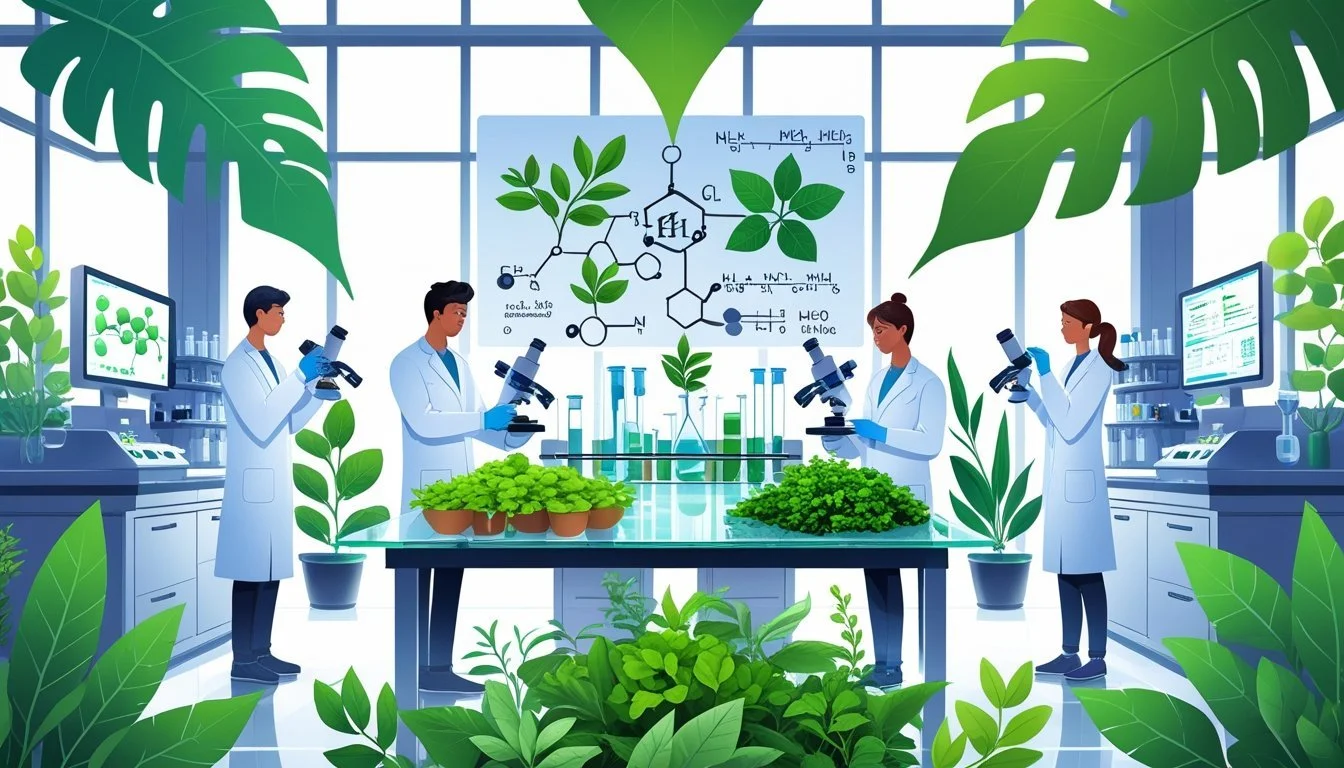
Several plant-based pharmaceutical advances have demonstrated the feasibility and value of botanic systems in drug manufacturing. Specific companies and products illustrate both the innovation in this sector and the commercialization of plant-derived medicines.
Elelyso™ and Gaucher Disease
Elelyso™ (taliglucerase alfa) is a notable example of a plant-based biologic approved for treating Gaucher disease. This enzyme replacement therapy is produced using genetically modified carrot cells rather than mammalian cell cultures.
Carrot cell expression offers a scalable and potentially cost-effective way to manufacture complex proteins. Patients with Gaucher disease who use Elelyso™ benefit from a treatment that avoids animal-derived materials and may result in reduced risks of viral contamination.
Elelyso™ was the first plant-made pharmaceutical to gain regulatory approval from the U.S. Food and Drug Administration (FDA). This milestone demonstrated that plant systems could meet strict regulatory standards for biologic drug production.
Protalix BioTherapeutics’ Contributions
Protalix BioTherapeutics developed Elelyso™ and has become a leader in the use of plant cell culture technology for the production of recombinant therapeutic proteins. The company's ProCellEx® platform leverages plant cells to express and assemble human proteins required for various treatments.
Their approach allows for precise glycosylation, enhancing protein efficacy and safety. Protalix's technology has enabled reliable large-scale production while offering potential economic advantages over traditional cell culture systems.
In addition to taliglucerase alfa, Protalix has advanced other candidates using the same plant-based technology, targeting diseases such as Fabry disease and cystic fibrosis. This speaks to the versatility and scalability of their manufacturing process.
Kentucky BioProcessing and Emerging Players
Kentucky BioProcessing (KBP) is recognized for developing plant-based methods to rapidly manufacture complex pharmaceuticals, including vaccines and therapeutic proteins. KBP gained media attention for its role in using Nicotiana benthamiana (a tobacco relative) to produce experimental COVID-19 vaccine candidates.
Their facility highlights the technical flexibility of plant-based biomanufacturing, especially for products that require fast scale-up. KBP and similar firms are working to lower production costs while providing alternatives to mammalian cell-based systems.
Other emerging players have expanded plant-based pharmaceutical production into new therapeutic categories, such as monoclonal antibodies and virus-like particles. This ongoing innovation demonstrates the growing acceptance of botanical platforms in modern drug manufacturing.
Regulatory Landscape and Quality Control in Plant-Based Pharma
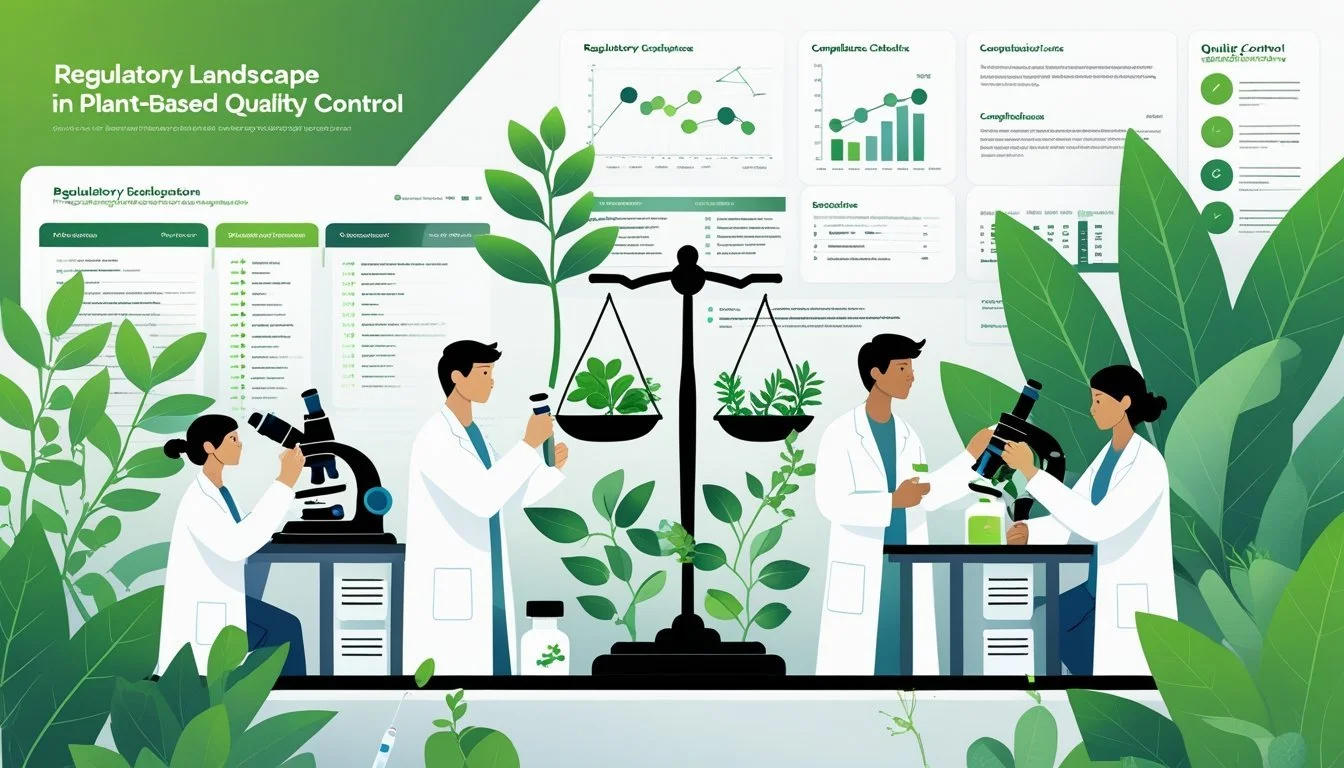
Plant-based pharmaceuticals must meet rigorous legal and scientific standards before reaching the market. Regulatory agencies use specialized guidelines, quality metrics, and compliance frameworks to ensure safety, efficacy, and consistency of these products.
FDA and International Agency Oversight
The U.S. Food and Drug Administration (FDA) requires plant-derived drugs to follow the same approval process as synthetic drugs under the New Drug Application (NDA) framework. Products making therapeutic claims must pass through stringent clinical trials and safety assessments.
Agencies such as WHO, European Medicines Agency (EMA), and India’s AYUSH and DCGI set additional requirements for safety, labeling, and efficacy, especially for traditional herbal medicines. The EU Directive 2004/24/EC mandates that all manufactured medicinal plant products must be licensed before sale.
International harmonization efforts are underway through organizations like the International Council for Harmonisation (ICH). This improves consistency in regulatory standards, reducing barriers for global market entry while maintaining product safety.
Biosafety and Good Manufacturing Practices
Biosafety protocols are enforced at every step, from raw material harvesting to final product formulation, to mitigate risks of contamination and adulteration. Quality assurance relies on Good Manufacturing Practices (GMP), which are mandatory for all plant-based pharmaceutical manufacturers.
GMP standards address issues such as:
Controlled sourcing of plant material
Facility hygiene
Batch traceability
Documentation and staff training
Adherence to GMP is closely monitored by agencies, including the FDA and USDA, through inspections and compliance audits. Products that do not meet these guidelines face recalls, penalties, or removal from the market. Implementation of digital tracking systems aids in maintaining rigorous quality control.
Approval Processes and Market Challenges
Obtaining regulatory approval for plant-based drugs is complicated by several factors. Standardizing the active pharmaceutical ingredients (APIs) in plants is more difficult than for synthetics due to biological variability.
Companies must provide detailed data on safety, efficacy, and reproducibility. This includes preclinical research, clinical trials, and validated manufacturing processes. Agencies like the FDA demand extensive documentation and post-market surveillance.
Challenges include:
Variability in plant compounds
Complex supply chains
Meeting different international standards
Despite these hurdles, investment in advanced production technologies and quality control systems is growing. This supports compliance with global regulatory expectations, helping plant-based pharmaceuticals gain broader acceptance.
Environmental and Economic Impacts
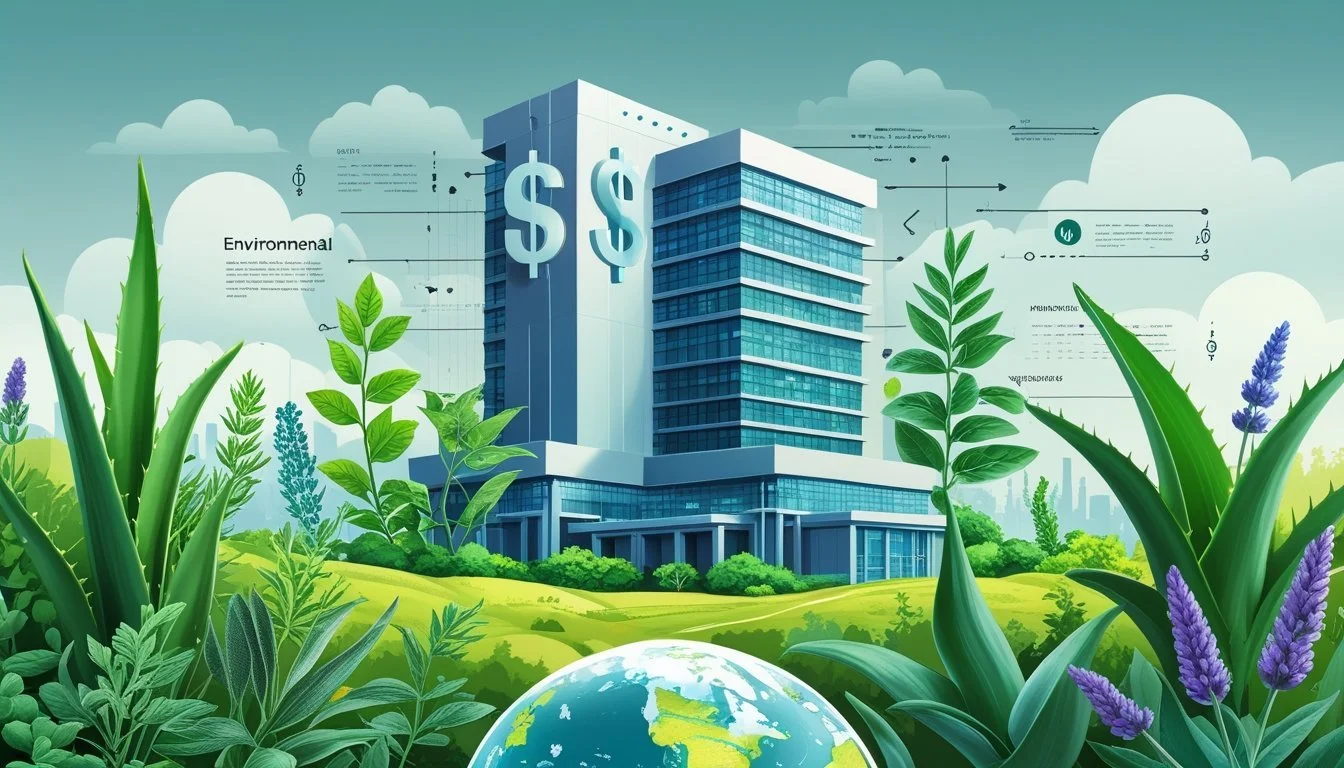
Big pharma's engagement with plant-based narratives is closely tied to sustainability trends, cost structures, and regulatory pressures. The environmental impact of food and pharmaceutical production is drawing greater scrutiny, along with concerns about resource use, emissions, and factory farming practices.
Sustainability and Climate Neutral Initiatives
Pharmaceutical companies have increasingly aligned with climate neutral goals to meet stakeholder and policy expectations. By supporting plant-based products and alternatives, they can highlight reduced environmental impacts over traditional models reliant on animal ingredients.
Plant-based formulations often require fewer inputs like water and land, appealing to sustainability benchmarks. Companies may also address the negative image associated with animal-sourced ingredients, such as concerns about animal health and welfare within factory farming.
Initiatives often include commitments to lower carbon footprints, utilize renewable energy in production, and transparently report progress in these areas. This approach helps companies position themselves as leaders in environmental responsibility while adapting to evolving regulations and consumer priorities.
Lower Production Costs and Resource Use
Manufacturing plant-based pharmaceuticals or supplements typically presents opportunities for lower production costs. Plant-derived compounds generally have simpler supply chains and shorter development cycles compared to animal-derived ingredients.
Key advantages in resource use include:
Lower water consumption
Reduced land requirements
Minimal waste output
These efficiencies can drive down overall costs. Reduced reliance on farmed animals not only cuts expenses related to animal care but also decreases biosecurity risks—a concern for both economic and public health outcomes.
A shift to plant-based sourcing helps companies manage supply chain volatility and reduce exposure to fluctuations in livestock and feed prices. It also enables compliance with global trends favoring sustainable manufacturing.
Greenhouse Gas Emissions and Factory Farming Alternatives
The livestock and factory farming sectors are major contributors to greenhouse gas emissions and environmental degradation. Plant-based narratives offer pharmaceutical companies a path to distance their operations from these impacts.
Transitioning to plant-derived ingredients can support significant emissions reductions. For example, the replacement of animal source materials often leads to a substantial decrease in CO₂ and methane output.
Companies leverage this transition to address public criticism and regulatory demands associated with factory farming. Additionally, promoting plant-based alternatives aligns with broader public health initiatives, as these alternatives typically avoid the environmental burdens of intensive animal agriculture.
Challenges and Limitations of Plant-Based Pharmaceuticals
Plant-based pharmaceuticals offer several advantages, but the technology is not without significant hurdles. Key challenges include differences in protein processing, risks related to biosafety, and technical issues in product extraction and purification.
Post-Translational Modifications and Plant Glycosylation
Plants and mammals differ in how they modify proteins after translation, especially when it comes to glycosylation. Plant-produced proteins often carry different sugar groups compared to those from animal cells, which can affect the protein’s structure and function.
Plant glycosylation may result in immunogenic responses in humans or reduce therapeutic efficacy. Synthetic biology and genomics tools have improved the ability to engineer plant lines for more “human-like” glycosylation. However, these modifications are not always precise or comprehensive, and differences can persist.
Pharmaceutical developers may need to screen for unwanted glycoforms or invest in further proteomics analysis. This adds complexity, time, and cost to the drug development process.
Biosafety and Containment Risks
The use of transgenic plants for pharmaceutical production raises several biosafety concerns. Unintentional release of modified plants or genes into the environment could impact local ecosystems or non-target organisms.
Containment strategies, such as greenhouses, dedicated growth chambers, or the use of non-food crops, are required. Yet, containment systems come with high operational costs and logistical challenges, especially at large scale.
There are also regulatory requirements to prevent cross-contamination with the food supply. This can delay approvals, add ongoing compliance costs, and limit which plant species can be used for pharmaceutical production.
Downstream Processing Complexities
Extracting and purifying pharmaceuticals from plant tissues is often more challenging than from mammalian cell cultures. Differences in plant matrices, the presence of secondary metabolites, and variable protein yields can complicate purification.
Standard protocols may not apply, and each plant system may require tailored downstream processing methods. This involves selecting specific solvents, optimizing extraction conditions, and removing plant-derived impurities.
Table: Key Factors Impacting Downstream Processing
Factor Impact Plant matrix complexity Difficult protein recovery Metabolites Extra purification steps Yield variability Scale-up challenges
These technical hurdles can increase production costs and time-to-market, limiting the economic efficiency of plant-based biopharmaceuticals compared to traditional systems.
Future Trends and Research Directions
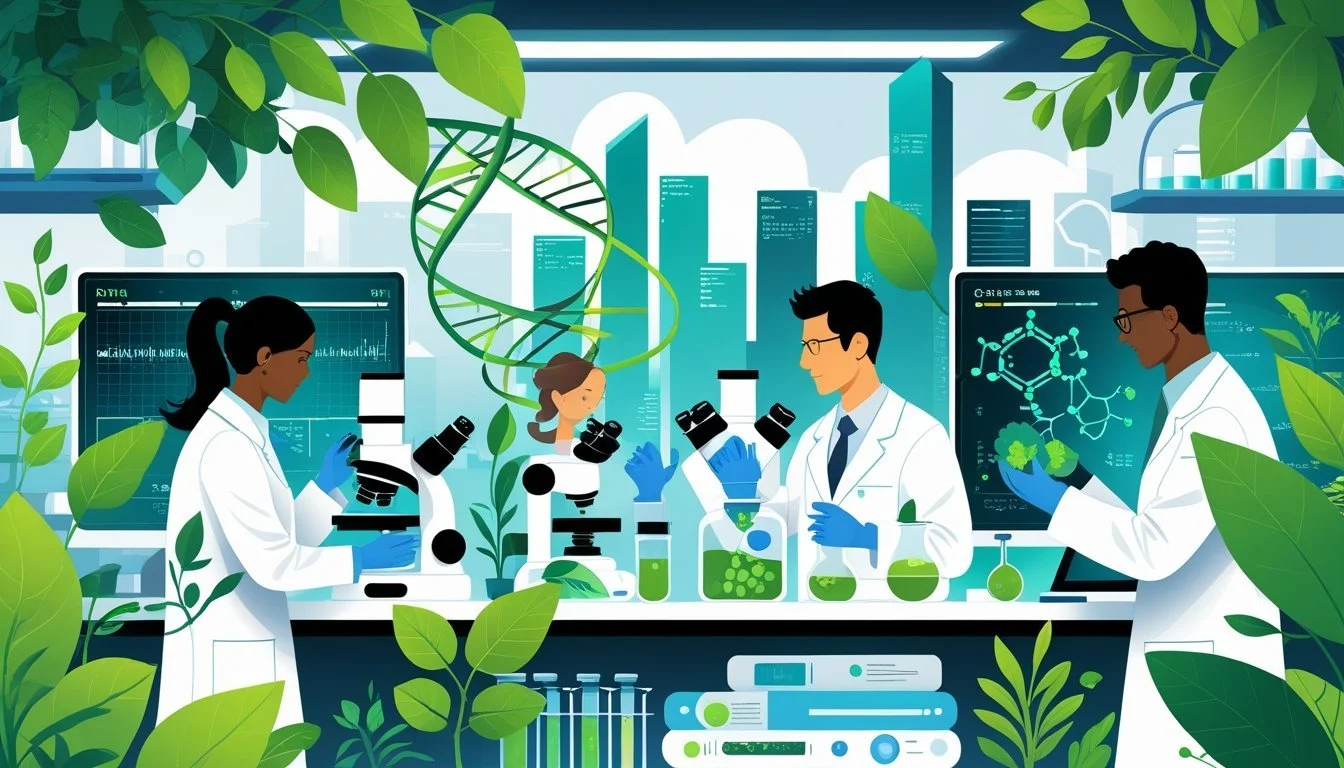
Innovations in plant-based pharmaceuticals are shaping drug discovery, new therapeutic approaches, and interdisciplinary collaborations. Developments in biotechnology, nutrition science, and manufacturing efficiency drive these changes.
Protein Engineering and Synthetic Biology
Advances in protein engineering allow researchers to design plants that produce customized pharmaceutical proteins. Synthetic biology enables the assembly of genetic components in plants to express complex therapeutic molecules including monoclonal antibodies and vaccines.
Plant-based biomanufacturing offers scalability and cost reductions, helping address supply challenges for essential medicines. Techniques such as transient gene expression and CRISPR gene editing improve yield and safety profiles in plant-derived drugs.
Table: Notable Techniques in Plant-Based Protein Engineering
Technique Application Transient Expression Rapid vaccine and antibody production CRISPR Gene Editing Targeted genetic improvements Metabolic Pathway Design Enhanced biosynthesis of novel therapies
Research and development efforts focus on optimizing expression systems and enhancing plant resilience to ensure consistent pharmaceutical outputs.
Expanded Therapeutic Applications
Plant-based approaches are broadening the range of treatable conditions. Scientists are exploring plant-derived molecules for oncology, rare genetic diseases, and metabolic disorders.
Clinical trials increasingly test plant-produced therapies for both acute and chronic diseases. The field is moving beyond traditional herbal medicines toward precise, standardized pharmaceutical agents that comply with international safety standards.
There is also a growing interest in using plants for the development of biosimilar medicines. These innovations have the potential to increase access to expensive biologics and open new markets for global pharmaceutical companies.
Collaboration with Food and Nutrition Sectors
Synergies between pharmaceutical and food sectors are expanding as boundaries between therapies and nutrition blur. Partnerships enable the integration of bioactive plant compounds into functional foods, dietary supplements, and even fortified staple crops.
Joint research aims to deliver evidence-based products that support both disease management and preventive health. Pharmaceutical companies now work with nutrition scientists to ensure substantiated health claims and robust regulatory compliance.
A multidisciplinary approach leverages agricultural technology, nutritional biochemistry, and pharmaceutical formulation. This collaboration creates new opportunities for product innovation in both medicine and wellness markets.

