
From Vegan to Carnivore: Exploring the Health Impacts of Extreme Dietary Changes

Switching from a vegan to carnivore diet represents a significant dietary change, often spurred by the search for better health or unresolved wellness issues. This journey moves someone from completely plant-based eating to a routine where all plant foods are excluded, and only animal products are consumed. Individuals making this change are typically motivated by personal health experiences, hoping that shifting their dietary choices will offer new benefits.
Real-life testimonials highlight that some people have experienced noticeable improvements in mental clarity, energy, and relief from chronic symptoms after adopting a carnivore lifestyle. The dramatic reversal from vegan to carnivore is not without its challenges, but for those who felt limited by plant-based options, it has been described as transformative.
This article explores the journey of going from vegan to carnivore, the reasons behind such a switch, and what potential changes to expect in health and wellbeing along the way.
Understanding the Vegan Diet
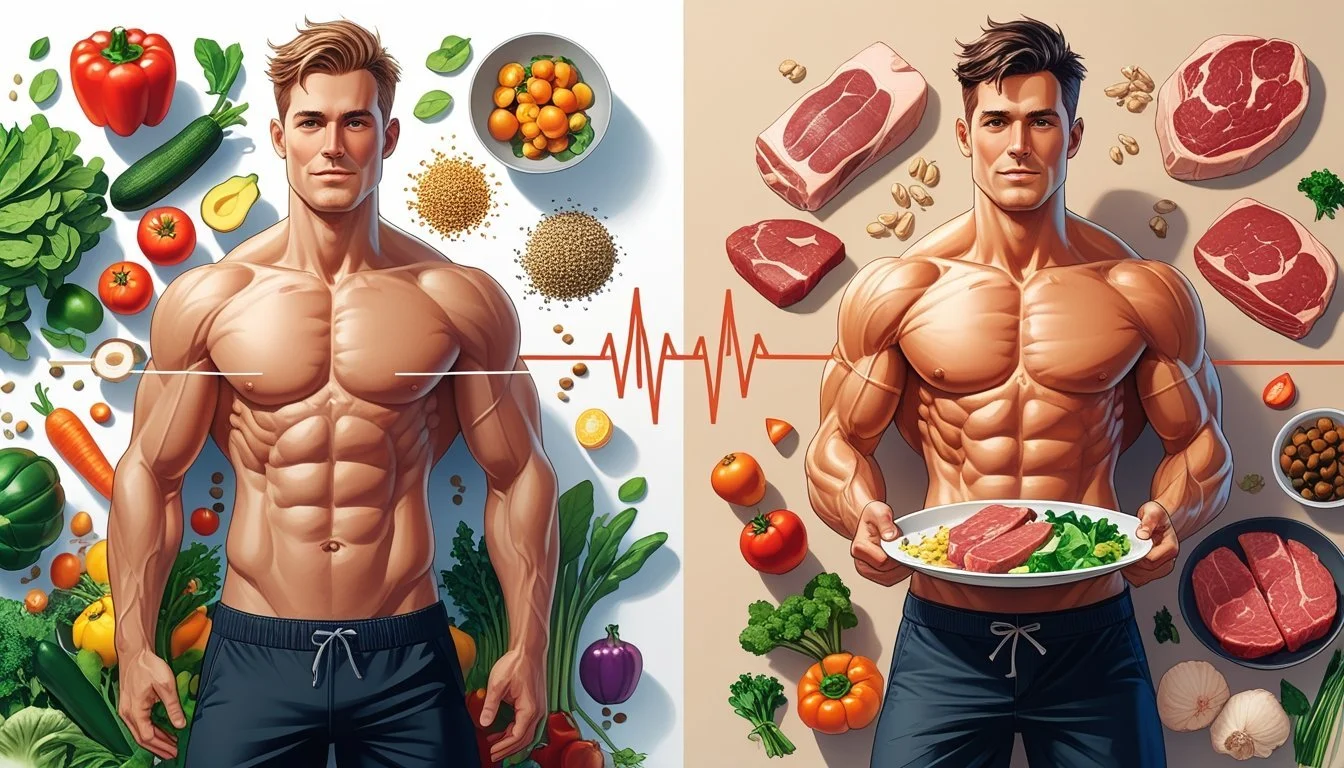
A vegan diet excludes all animal products and relies exclusively on plants, including fruits, vegetables, legumes, grains, and nuts. Many people are attracted to this way of eating for reasons that include potential health benefits, personal ethics, and environmental concerns.
Core Principles of Plant-Based Eating
Vegan diets are centered around whole, minimally processed plant foods. Staples include legumes, whole grains, nuts, seeds, fruits, and vegetables. This way of eating excludes any source derived from animals, such as meat, dairy, eggs, and honey.
Adherents to plant-based lifestyles often plan meals to ensure a balanced diet by combining different plants to meet protein, fat, and carbohydrate needs. Cooking methods often focus on steaming, baking, or raw preparations to retain nutrients. Label reading is essential to avoid hidden animal ingredients in processed foods.
Common motivations include concerns for animal welfare, environmental sustainability, and perceived health advantages.
Potential Nutrient Deficiencies
While a well-constructed vegan diet can meet most nutritional needs, there are common nutrients to monitor. Vitamin B12 is a primary concern, as it is naturally found in animal products. Deficiencies can lead to neurological issues if not addressed through fortified foods or supplements.
Iron intake is another area to consider since plant-based iron (non-heme iron) is absorbed less efficiently than the heme iron found in animal foods. Combining iron-rich plants with vitamin C sources (like citrus or bell peppers) can improve absorption. Protein intake requires some attention, but varied sources such as beans, lentils, tofu, and whole grains can supply essential amino acids.
Other nutrients to watch include omega-3 fatty acids, calcium, and zinc. Regular nutritional screening is recommended.
Typical Health Benefits and Challenges
People on vegan diets often experience increased fiber intake from fruits, vegetables, and grains, which supports digestive health. Studies show plant-based diets may aid in weight loss and contribute to lower cholesterol and improved heart health.
However, some individuals may face challenges such as difficulty maintaining muscle mass or experiencing low energy if meals are not well planned. Restrictive food choices can also make social situations or travel more complicated.
Table: Key Pros and Cons
Benefit Challenge High fiber for gut health Possible B12 deficiency Lower cholesterol levels Difficult protein intake Environmental sustainability Risk of iron deficiency
A balanced approach and careful meal planning are crucial for obtaining all essential nutrients on a vegan diet.
Exploring the Carnivore Diet
The carnivore diet is built around the exclusive consumption of animal products. It focuses on foods such as red meat, fish, eggs, and dairy, excluding all plant-derived items to create a nutrient-rich, simple dietary pattern.
Carnivore Diet Basics
The carnivore diet eliminates all plant foods, including vegetables, grains, legumes, nuts, and fruit. Followers eat only animal-derived products, either from land or sea. There are no carbohydrates aside from trace amounts found in certain dairy products or eggs.
This diet centers largely on ruminant animal meats such as beef and lamb, as well as pork and poultry like chicken. Fish and seafood are usually included, alongside selected animal byproducts. The approach often highlights pasture-raised or grass-fed sources for higher nutrient density.
Strict carnivore protocols exclude all processed items, while more flexible versions might allow for salt, limited spices, or a small amount of honey. The rationale is to simplify the diet and potentially reduce gut irritation or inflammatory responses for some individuals.
Common Foods and Animal Products
A typical carnivore meal plan includes a variety of meats and animal-based foods:
Red Meat: Beef (steak, roast, ground), lamb, goat
Pork: Chops, bacon, ham
Poultry: Chicken, turkey, duck
Fish and Seafood: Salmon, sardines, shrimp, mackerel
Eggs: Chicken eggs are most common, but duck and quail eggs are also popular
Dairy: Cheese, butter, heavy cream—optional, as some avoid dairy due to lactose intolerance or personal preference
Some adopt a focus on ruminant animals for their nutrient profile and higher fat content. Pasture-raised meats are often chosen for ethical and health reasons. Certain versions permit honey, but it remains controversial due to its plant origin and sugar content.
Organs like liver, kidney, and heart are consumed for micronutrients. Animal fats such as tallow or lard often replace plant oils for cooking. Water, bone broth, and sometimes black coffee are common beverages.
Nutritional Profile and Macronutrients
The carnivore diet is almost entirely free of plant carbohydrates. Macronutrient intake is dominated by animal proteins and fats, especially saturated fat from red meat, dairy, or animal oils.
A sample nutritional breakdown is typically:
Macronutrient Percentage Range Protein 25–35% Fat 65–75% Carbohydrates <2%
This allocation varies depending on cuts of meat chosen and dairy consumption. Nutrient intakes often include high levels of vitamin B12, iron, zinc, and other micronutrients from animal sources. Plant-based fibers, phytonutrients, and most vitamins coming from plants are entirely absent.
Supporters claim this diet can offer steady energy, stable blood sugar, and ease of meal planning. Critics point to concerns over potential deficits in vitamin C, fiber, and plant-derived compounds. Individual responses vary, and medical guidance is often recommended before starting.
Reasons for Transitioning from Vegan to Carnivore
Individuals often change their diets to address persistent health concerns or unresolved symptoms. These choices may be motivated by a search for symptom relief, improved mental clarity, or better energy levels.
Health Motivations
Some people report that after following a vegan diet, they continue to experience low energy, difficulty concentrating, or unresolved health issues. Specific goals such as reducing joint pain, improving mental clarity, and stabilizing mood can drive the switch to a carnivore diet.
Health improvements, including consistent energy and reduced symptoms of anxiety or depression, are frequently cited. For those with autoimmune diseases, anecdotal cases suggest symptom reduction when switching to an all-animal food plan. While scientific evidence is still evolving, individual experiences highlight persistent personal health goals as key motivations for making this change.
Addressing Nutrient Deficiencies
Vegan diets sometimes result in deficiencies in nutrients like vitamin B12, iron, and certain amino acids, particularly for those who do not carefully supplement or plan their meals. These deficiencies can manifest as fatigue, reduced cognitive performance, and sleep disturbances.
The carnivore diet is high in bioavailable nutrients that are primarily found in animal products. Notably, animal-sourced iron (heme iron), vitamin B12, and complete proteins become readily available. Some individuals report improved energy levels and mental clarity when nutrient intake is corrected by emphasizing animal-based foods. The shift may provide a targeted way to improve these specific deficiencies without relying solely on supplements.
Digestive Issues and Symptom Relief
Digestive problems like bloating, constipation, and general stomach discomfort are common reasons for diet changes. Plant-based foods, while rich in fiber, can sometimes exacerbate these symptoms for sensitive individuals due to the presence of certain fibers, lectins, or phytates.
The carnivore diet serves as an elimination approach, removing many vegetables, grains, and legumes that can trigger digestive distress. Many who transition report fewer episodes of bloating and improved digestion. This straightforward diet reduces food variables and may help identify foods that negatively impact gut health, offering relief from chronic digestive issues.
The Transition Journey: Step-by-Step
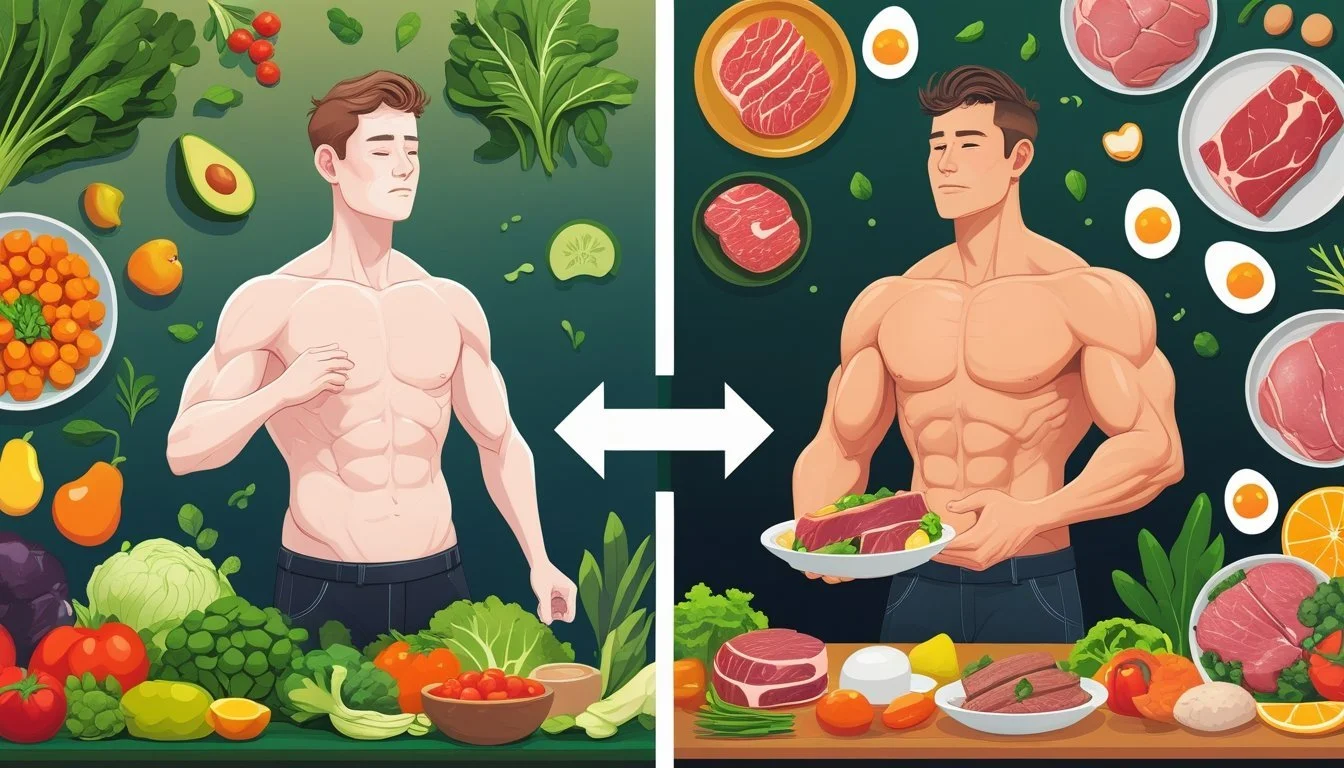
Changing from a vegan to a carnivore diet requires careful planning. Individuals must consider nutrient needs, how to phase out plant foods, and strategies for introducing animal products to support energy and metabolic health.
Planning Your Dietary Change
A successful transition begins with clear goals and an understanding of dietary requirements. Tracking current intake, especially protein levels and micronutrient consumption, helps identify gaps that may need addressing.
Talking with a healthcare provider or registered dietitian is wise, as they can advise on managing deficiencies or potential health concerns during the shift.
Creating a detailed shopping list of animal foods, like eggs, beef, chicken, and fish, streamlines the process. Meal planning for each week helps maintain consistency and ensures that nutrient needs are met each day.
Gradual Elimination of Plant Foods
Gradually phasing out plant foods allows the digestive system to adapt and reduces discomfort. Most people start by removing grains and legumes, then cut out vegetables, fruits, nuts, and seeds over weeks.
A typical elimination plan might span 2–6 weeks. Monitoring symptoms, energy levels, and metabolic changes during this phase is important. Individuals often keep a food journal to note reactions or shifts, such as changes in digestion or mood.
Hydration remains crucial, as plant foods are a source of water and fiber. Increasing salt and electrolyte intake can ease common issues, like headaches or fatigue.
Introduction of Animal-Based Foods
Introducing animal-based foods supports higher protein intake and a metabolic shift toward fat adaptation. Many start with easily digestible items, such as ground beef or eggs, and gradually include fattier cuts, organ meats, poultry, and seafood.
Eating a variety of animal products helps meet vitamin and mineral needs, especially for nutrients like vitamin B12, iron, and zinc. Cooking methods can be simple: grilling, baking, or slow-cooking minimize added ingredients.
Careful observation of energy levels and digestive responses is essential. Adjusting portion sizes and meal frequency can enhance satiety and support the transition to a carnivore way of eating.
Physical and Mental Health Reversals
Many individuals who have transitioned from a vegan to a carnivore diet report significant changes in both physical and mental health. This shift often impacts key health markers, symptoms of inflammation, and body composition in measurable ways.
Improvements in Health Markers
A change from a plant-based to a meat-based diet has been associated with altered cholesterol profiles, especially in LDL cholesterol and total cholesterol levels. Some people observe that, although cholesterol levels may rise, other cardiovascular markers such as triglycerides and HDL cholesterol can improve.
Digestive issues like bloating or discomfort, common on vegan diets for some, often resolve or lessen with the introduction of animal-based foods. Reports also highlight increased mental clarity and stabilization of mood, with reductions in symptoms of depression and anxiety for some individuals.
Blood panels may show changes in markers such as iron, vitamin B12, and D, which are nutrients sometimes lacking in vegan diets. These changes reflect improved nutrient status and are often associated with better overall energy and concentration.
Reduction in Inflammation
Many proponents of a carnivore diet report reduced inflammatory symptoms, such as joint pain, skin irritations, or digestive complaints. Intake of animal-based foods and elimination of certain plant compounds—like lectins or oxalates—are believed to contribute to lower systemic inflammation.
Reported benefits:
Reduced joint pain
Improvements in autoimmune symptoms
Calmer skin (less eczema or acne flare-ups)
Clinical data is limited, but anecdotal reports point to better recovery from exercise and generally improved comfort in daily life. These changes are more pronounced in those who previously experienced chronic inflammation on a vegan diet.
Weight Loss and Body Composition
A common observation during this dietary transition is a noticeable decrease in body weight and body fat percentage, sometimes occurring rapidly within the first few months. The high protein and fat content of a carnivore diet often leads to greater satiety, reducing overall caloric intake without deliberate restriction.
Key changes include:
Loss of fat mass, especially around the abdomen
Maintenance or increase of lean muscle mass with adequate protein intake
Changes in body composition also impact metabolic health, sometimes resulting in stable blood sugar levels and reduced cravings. For many, these physical shifts contribute to improved self-esteem and daily functioning.
Potential Risks and Controversies
Switching from a vegan to a carnivore diet brings significant dietary changes that can carry health risks. These concerns often center on processed meats, saturated fat, and the unknowns surrounding long-term outcomes.
Concerns Around Processed Meat and Saturated Fat
Processed meats like bacon, sausages, and deli slices are a common feature in many carnivore diets. Leading health organizations consistently associate these foods with increased risk of colorectal cancer and higher overall mortality rates. This is due to preservatives such as nitrates and nitrites, as well as the formation of potentially harmful compounds during cooking.
High intakes of saturated fat are another consideration. Saturated fat, abundant in fatty cuts of beef and pork, can raise LDL cholesterol levels. Elevated LDL cholesterol is linked to an increased risk of heart disease. The lack of fiber and antioxidants, which are present in plant foods, may further compound these risks.
Food Component Associated Health Concern Processed Meat Colorectal cancer, mortality rates Saturated Fat Raised LDL cholesterol, heart disease Lack of Fiber Digestive issues, cholesterol control
Heart Disease Risk Factors
Adopting a meat-only diet can influence several heart disease risk factors. Cholesterol levels, particularly LDL (often referred to as “bad” cholesterol), frequently rise with high intake of animal fats. While some claim that other markers like HDL or triglycerides can improve, large-scale studies have historically favored diets lower in saturated fat for heart health.
Carnivore diets often exclude sources of plant fiber, phytonutrients, and antioxidants, all shown to help protect the heart. The absence of these nutrients may remove protective effects that reduce inflammation and arterial plaque formation. Some case studies and clinical reports document increased blood pressure, higher cholesterol, and other cardiometabolic changes during strict carnivore adherence.
It is worth noting that heart disease remains a leading cause of death. Factors such as high saturated fat and cholesterol intake can increase heart disease risk, making dietary pattern an important part of prevention strategies.
Long-Term Health Questions
There are open questions about the long-term effects of exclusive carnivore eating. Scientific research on this diet is limited, and major health authorities warn against excluding entire food groups for extended periods. Concerns extend to possible nutrient deficiencies, including lack of dietary fiber, vitamins C and E, and certain antioxidants.
Epidemiological evidence links regular consumption of red and processed meat with increased rates of certain cancers, reduced life expectancy, and higher mortality from cardiovascular causes. Long-term effects may also include changes in gut microbiome, which could affect immunity, digestion, and even mood.
Clinical experiments and diet swaps have shown that cholesterol levels, systemic inflammation, and other metabolic markers often change quickly on an all-meat diet. However, there is not yet enough data to support claims of long-term safety or to rule out increased chronic disease risk.
Nutrients Unique to Animal-Based Diets
Animal-based diets contain distinct nutrients that often cannot be fully replaced by plant sources. These include essential fatty acids, bioavailable vitamins, and certain types of proteins.
Bioavailability of Vitamins and Minerals
Nutrients such as iron, zinc, and vitamin B12 are present in animal products in highly bioavailable forms. Heme iron from meat is much more easily absorbed by the body than non-heme iron from plants.
Animal proteins also contain all essential amino acids in sufficient amounts, which helps optimize protein intake. This makes it less challenging to meet required protein levels for muscle mass and maintenance.
Vitamin B12 stands out as it is naturally found only in animal foods. Deficiency in B12 can lead to anemia and neurological problems, making regular consumption of animal products a reliable way to prevent such issues.
Role of EPA, Vitamin D, and B12
Eicosapentaenoic acid (EPA) is an omega-3 fatty acid found mainly in fatty fish and other animal sources. While some plant foods contain ALA, the body’s conversion of ALA to EPA is inefficient.
Vitamin D is found in significant amounts in animal-based foods like eggs, fish, and liver. While sunlight produces vitamin D in the skin, dietary sources can be crucial—especially in areas with limited sun exposure or for individuals indoors.
Vitamin B12 is entirely absent from plant-based foods and must be obtained from animal products or supplements. Long-term vegan diets without supplementation can result in B12 deficiency, while carnivore diets provide it naturally, reducing the risk of deficiency.
Practical Tips for Sustaining a Carnivore Lifestyle
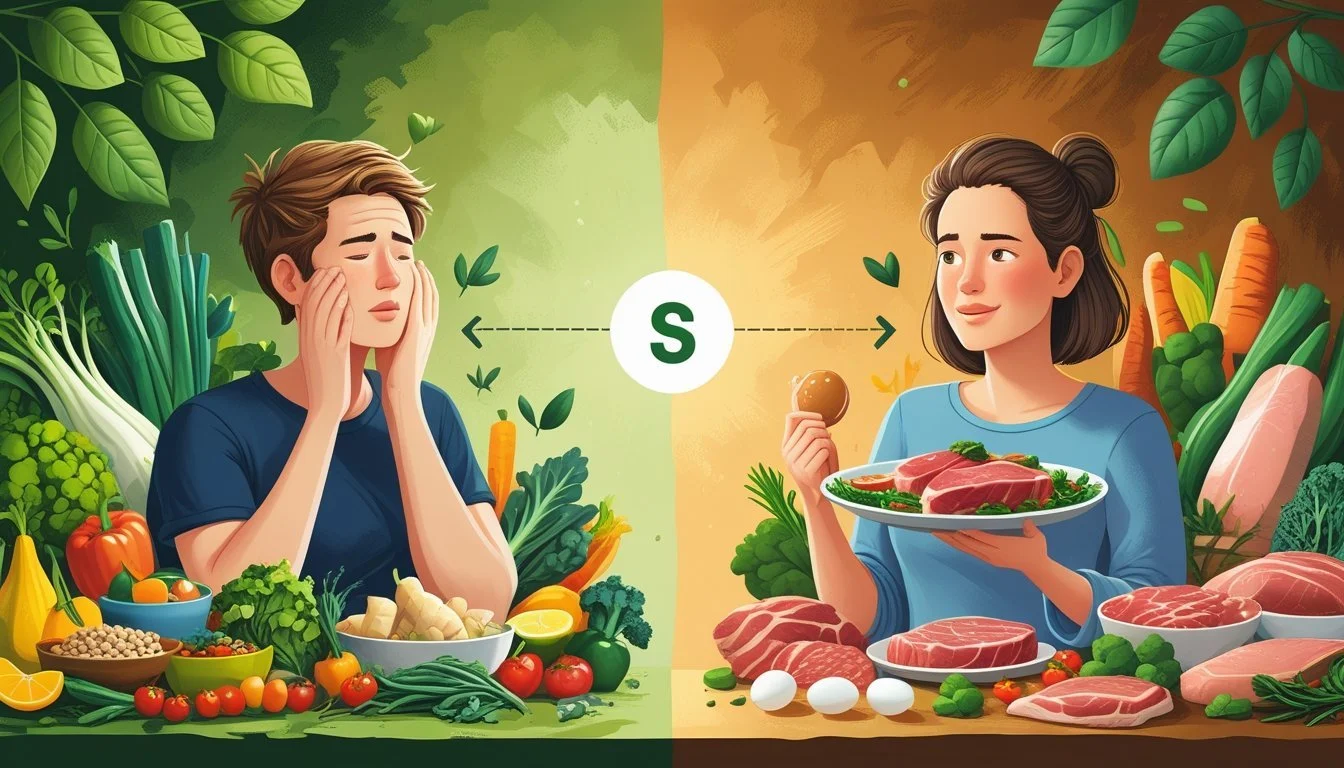
Adopting a carnivore diet requires thoughtful planning across food selection, routine monitoring, and adaptations to maintain optimal health. Clear strategies around meals, tracking progress, and modifying dietary choices help ensure consistency and well-being.
Meal Planning and Food Sourcing
Successful carnivore meal planning centers on high-quality animal foods with minimal processing. Many choose options such as beef, lamb, pork, fish, and eggs. Prioritizing cuts from ruminant animals—especially pasture-raised or grass-fed beef—adds nutritional value and supports ethical sourcing.
For variety, including organ meats like liver and heart can boost micronutrient intake. Rotating types of fish, including salmon and sardines, expands the range of omega-3 fatty acids. Sticking to simple preparation methods—pan-searing, grilling, or boiling—streamlines the process and preserves nutrients.
A basic sample weekly meal plan might look like:
Day Breakfast Lunch Dinner Monday Eggs, bacon Ribeye steak Salmon fillet Tuesday Beef patties Pork chops Beef liver Wednesday Sardines Roast lamb Chicken thighs
Purchasing in bulk or seeking local butchers may reduce costs. Freezing portions maintains freshness and convenience throughout the week.
Monitoring Progress and Health Markers
Tracking health indicators is essential for individuals following a strict carnivore approach. Routine blood tests can measure cholesterol, triglycerides, blood glucose, liver enzymes, and more. Monitoring these markers provides objective data on how the body is responding.
Regularly noting changes in energy, mood, digestion, and sleep quality helps detect subtle improvements or issues. Some may benefit from periodic check-ins with healthcare professionals familiar with low-carb or animal-based diets. Documenting weight, body composition, and blood pressure can also reveal trends over time.
Using a dedicated health journal or mobile tracking app improves consistency. Prompt adjustment in response to unusual lab results or symptoms is recommended to safeguard long-term health.
Adapting for Optimal Health
Flexibility in dietary choices supports long-term sustainability. While most carnivore adherents eat primarily beef, variety is beneficial. Incorporating fish—such as mackerel and salmon—adds essential fatty acids. Eggs provide complete protein and valuable micronutrients like choline and vitamin B12.
Listening to hunger signals and adjusting portion sizes helps maintain stable energy. If energy dips or cravings occur, experimenting with different cuts of meat or incorporating more fat from sources like beef tallow may be advantageous.
Those who experience persistent symptoms should review food quality, total calorie intake, and potential sensitivities. Periodic reassessment ensures alignment with personal health goals and desired outcomes.
Ethical and Social Considerations

Changing from a vegan diet to a carnivore diet can raise significant questions about animal welfare, environmental impact, and interpersonal dynamics. These factors often influence motivations, provoke self-reflection, and can present unique challenges during the transition.
Animal Welfare and Personal Ethics
Individual views on animal welfare are a core motivation for many who choose veganism. A plant-based diet is commonly adopted to avoid participating in factory farming and the use of animals for food.
Switching to a carnivore diet requires a personal reassessment of previous ethical beliefs. Some people justify this shift by choosing animal products from sources they consider more humane, such as local farms that prioritize animal welfare or certified humane operations.
Ethical considerations often extend beyond personal health to issues such as the use of antibiotics, hormones, and the treatment of animals during transport and slaughter. These concerns can drive individuals to seek transparency in how their food is produced or to set stricter personal standards around sourcing animal foods.
Environmental Concerns
Dietary choices can have notable environmental consequences. Plant-based diets generally require less land, water, and energy than diets centered on animal products.
When moving toward a carnivore diet, environmental concerns may increase, as livestock farming tends to have a higher carbon footprint and uses more natural resources. Some carnivore diet adherents try to minimize this impact by selecting products from regenerative agriculture or pasture-raised animals, which may offer improved land management or soil health.
Key environmental points to consider include greenhouse gas emissions, water usage, and the sustainability of local ecosystems. Individuals may decide to review the practices of producers and weigh environmental impact as part of their decision-making process.
Navigating Social Situations
Social dynamics can shift considerably after transitioning from a plant-based diet to a carnivore one. Changing dietary identity may evoke responses ranging from curiosity to strong opposition, especially among friends or family who adhere to vegan or vegetarian values.
This change can affect how someone navigates meals in group settings, needs to explain food choices at gatherings, or deals with questions about animal welfare and ethics. Strategies that some adopt include proactive communication, bringing their own meals, or choosing venues with diverse menu options.
In some cases, joining online forums or in-person groups with shared dietary philosophies can help manage challenges and provide a sense of support. Social adaptation is often ongoing, and clear articulation of personal choices can reduce misunderstandings.
Notable Figures and Examples
Several prominent health advocates and many individuals have shifted from vegan to carnivore eating patterns after experiencing health issues. Their stories often highlight specific improvements in digestion, energy, and well-being following the dietary change.
Influence of Dr. Paul Saladino
Dr. Paul Saladino is widely acknowledged for popularizing the carnivore diet, especially among those dissatisfied with plant-based nutrition. He transitioned from a vegan diet due to persistent health concerns, including energy fluctuations and gut discomfort. Saladino’s clinical background as a physician lends credibility to his dietary recommendations.
Through podcasts, books, and social media, Saladino frequently addresses nutrient density and the potential pitfalls of strict vegan diets. He often points out deficiencies in essential nutrients such as vitamin B12, iron, and omega-3s, which some encounter on plant-based diets. Saladino advocates for animal-based eating as a way to address these gaps.
He engages with both research and anecdotal evidence to explain why some people thrive after making the switch. Many followers credit his guidance with significant improvements in symptoms ranging from autoimmune issues to fatigue.
Personal Experiences and Case Studies
A growing number of people report benefits after moving from vegan to carnivore diets. For example, actress Jenny McCarthy stated in an interview that she experienced negative health effects on a vegan diet, feeling close to collapse, until switching to carnivore helped manage her celiac disease.
Online testimonials frequently mention relief from digestive issues, improved oral health, and more stable energy levels. Table: Commonly Reported Health Changes
Issue on Vegan Diet Improvement on Carnivore Fatigue Increased energy Gut problems Better digestion Dental issues Improved oral health
Online forums, podcasts, and clinical anecdotes all document such experiences. Some cite the diet as life-changing after years of unresolved health problems on vegan or vegetarian regimens.

