
Zero Carb, Zero Acne: How a Carb-Free Diet Cleared My Skin

Many people struggle for years with persistent acne, trying countless products and treatments with minimal success. After switching to a zero-carb diet, some individuals have reported a noticeable reduction in breakouts and a significant improvement in skin clarity. A diet completely free of carbohydrates can help minimize acne in certain cases by reducing insulin spikes and hormone fluctuations that contribute to skin issues.
While the connection between diet and skin health is still being researched, personal experiences with a zero-carb approach show promising results for those who have not found relief through traditional methods. Readers who have battled with stubborn acne may find valuable insight by exploring how dietary changes, rather than topical solutions, can impact their skin.
This transformation wasn’t instant, but steady changes emerged as the body adjusted to a new way of eating. Those curious about how eliminating carbohydrates could influence their own skin may discover practical guidance and honest accounts from real-world experiences.
The Link Between Diet and Acne
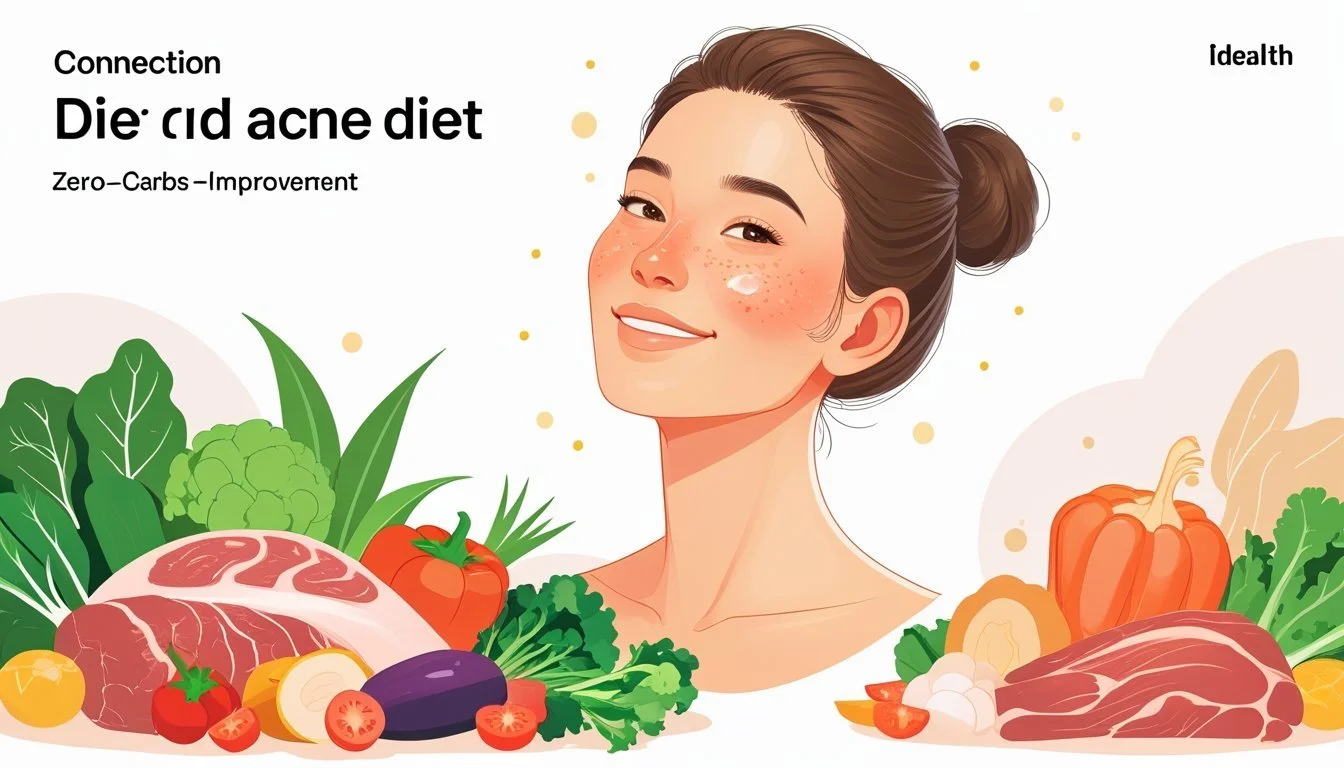
Recent research shows a clear association between what people eat and the development or severity of acne. Specific nutrients and food choices, especially carbohydrates and foods that may trigger inflammation, play significant roles in skin health and acne formation.
How Carbohydrates Impact Skin
High intake of carbohydrates—particularly refined varieties such as white bread, sweets, and sugary drinks—has been linked to higher levels of acne. Foods with a high glycemic index cause spikes in blood sugar and insulin, stimulating sebum production and clogging pores.
Key influences of refined carbohydrates on acne-prone skin:
Increased insulin levels
Hormonal fluctuations
Excess oil (sebum) production
Studies reviewed by dermatologists show that high-glycemic diets are often associated with a higher prevalence and severity of acne. Switching to a low or zero-carb diet may help reduce these triggers, leading to fewer breakouts for some individuals.
Inflammation and Acne-Prone Skin
Inflammation is a root contributor to many skin issues, including persistent acne. When the immune system responds to irritation or bacterial buildup, it can cause redness, swelling, and pus-filled lesions.
Diets high in sugar and processed foods are known to promote inflammation, potentially worsening acne symptoms. Conversely, some evidence suggests that a diet low in inflammatory foods—such as a zero-carb or anti-acne diet—can decrease inflammatory markers in the skin.
Key factors in reducing inflammation include avoiding high-glycemic foods and focusing on nutrient-rich options. Attention to these dietary changes has been observed to help support clearer, healthier skin in acne-prone individuals.
My Zero Carb Journey
Eliminating all carbohydrates led to some unexpected obstacles, but also brought measurable changes in daily energy, appetite, and skin clarity. Adjusting to this restrictive way of eating required focus, perseverance, and careful attention to physical responses.
Initial Challenges and Adjustments
Adjusting to a zero carb diet was not straightforward. Early days brought strong cravings for bread, fruit, and other familiar carbohydrates. Processed foods, which are common triggers for many, had to be cut out completely.
Many people find it difficult to resist snacks or sugary treats, especially when first starting. Meal planning became essential. Each meal consisted of animal-based foods, such as beef, eggs, or fish, making variety a challenge.
Withdrawal symptoms sometimes occurred—these included headaches, irritability, and fatigue. Tracking meals and symptoms helped identify what worked and what didn’t. Over a span of two weeks, the cravings slowly diminished.
Changes in Energy and Cravings
Once the initial adjustment period passed, energy levels started to stabilize. Instead of the sharp energy spikes and crashes common with processed foods, there was a steady, more predictable sense of alertness throughout the day.
A list of observed changes:
Reduced urge to snack
Consistent energy without sugar highs or midday crashes
Fewer thoughts about food
Sugar and carb cravings became less noticeable. Hunger cues became less urgent, with large, protein-rich meals keeping them at bay for hours. Weight loss was gradual but steady, further motivating adherence to the diet.
Visible Improvements in My Skin
After several weeks without carbohydrates, visible changes appeared in skin clarity. Breakouts decreased in frequency and severity. Redness and inflammation were less noticeable, especially on the cheeks and forehead.
A simple before-and-after table for reference:
Time Period Acne Severity Skin Redness Notes Pre-diet High Noticeable Regular breakouts After 6 weeks Low Mild Occasional minor spots
Clear skin became one of the most motivating factors to continue. There was a new sense of confidence seeing fewer blemishes. Reducing processed foods and sugar intake appeared closely tied to these improvements.
Zero Carb Diet for Clear Skin
A zero carb diet emphasizes lean protein, healthy fats, and nutrient-dense foods that can support skin clarity. Proper hydration and effective digestion are also critical for healthy skin, while the choice of ingredients directly impacts inflammation and breakouts.
Nutrients Essential for Skin Health
Clear skin relies on a steady intake of essential nutrients, including zinc, vitamins, and adequate protein. Zinc is known to help regulate oil production and support skin repair. Many animal-based foods rich in protein, such as beef, lamb, and eggs, contain significant levels of zinc and vitamin B12.
Vitamin C, though less abundant in a strict zero carb diet, can be sourced from organ meats like liver. These nutrients aid collagen production and cell turnover. A balanced intake of these micronutrients helps the skin resist stress, inflammation, and breakouts, even when carbohydrates are eliminated.
Lean protein also plays a vital role by supplying amino acids necessary for tissue repair and the synthesis of skin structural components. Deficiencies in any of these components may lead to dryness, delayed healing, or increased irritation.
Hydration and Digestion
Maintaining good hydration is necessary for skin elasticity, texture, and natural detoxification. On a zero carb diet, water intake should be closely monitored because the body stores less water without carbohydrates. Drinking adequate water, and supplementing with electrolytes, will offset this effect.
Effective digestion promotes absorption of key nutrients and the removal of waste products, reducing the risk of skin congestion or dullness. Foods that support gut health—such as bone broth—can be included, as they provide amino acids and trace minerals.
Proper hydration also assists the body's natural detox systems, allowing the skin to remain clear. Bloating, indigestion, or sluggish digestion can sometimes contribute to acne flare-ups, while efficient digestion encourages a balanced gut microbiome and healthier skin appearance.
Choosing Whole Foods and Healthy Fats
Eating whole, minimally processed animal products ensures maximum nutrient density and reduces potential inflammatory triggers. Fatty fish, pasture-raised meats, and eggs deliver key fatty acids—like omega-3—that are shown to reduce skin inflammation.
Diets based on healthy fats support hormone balance and skin membrane integrity. Fats from grass-fed butter, tallow, and certain cuts of meat are preferred over refined oils and processed fats, which can disrupt cellular function.
A focus on high-quality, nutrient-rich whole foods helps maintain a stable blood sugar and reduces the likelihood of acne flare-ups. Choosing these foods over processed options limits exposure to additives that may contribute to breakouts or irritation, emphasizing skin health from the inside out.
Transforming My Skincare Routine
Clear skin is closely tied to the right skincare routine, focusing on effective cleansing, targeted actives, and daily self-care. The most successful approach involves choosing simple products, using clinically proven ingredients, and maintaining consistency.
Cleansers and Exfoliation
Daily cleansing removes dirt, oil, and debris that can worsen acne. The author used a gentle, fragrance-free cleanser in both the morning and evening. They avoided harsh soaps that can disrupt the skin’s barrier or increase dryness.
Exfoliation played a key role in preventing clogged pores. They limited manual exfoliation to once a week, using a soft washcloth rather than abrasive scrubs. Chemical exfoliants, when used sparingly, provided a smoother texture and helped fade old acne spots.
Table: Cleansing Routine
Step Frequency Product Type Cleanser AM/PM Gentle, fragrance-free Exfoliation 1x/week Soft cloth or mild acid
Incorporating Salicylic Acid and Glycolic Acid
The integration of specific acids transformed their skincare regime. Salicylic acid, a beta-hydroxy acid (BHA), penetrates deep into pores to clear excess oil and prevent new breakouts. They selected a leave-on treatment with a 2% concentration, applying it to problem areas after cleansing.
Glycolic acid, an alpha-hydroxy acid (AHA), assisted in gentle exfoliation of the skin’s surface. This smoothed rough patches and helped reduce post-acne marks over time. Application was limited to twice a week to avoid irritation, and sunscreen was always used in the mornings to protect newly exfoliated skin.
Self-Care and Consistency
Long-term improvements in the author’s skin were rooted in daily self-care. They ensured that their skincare routine was realistic and manageable, sticking to the same basic steps every day. Skipping steps or changing products frequently set back their progress.
List: Tips for Consistency
Keep products visible and easy to access.
Set reminders for nighttime skincare.
Track reactions to new products in a simple journal.
They also emphasized stress management, hydration, and adequate sleep, which are all linked to clearer skin. By staying consistent and prioritizing both product use and lifestyle, their results with acne steadily improved.
Addressing Hormonal Fluctuations and Genetics

Hormonal changes and genetic traits are two major factors that influence the persistence and severity of acne. Some people are more likely to deal with breakouts due to shifts in hormone levels, while others may inherit a genetic tendency toward more stubborn or severe forms of acne.
Understanding Hormonal Breakouts
Hormonal fluctuations play a significant role in the development of acne, especially cystic and severe forms. Changes in hormones such as androgens, estrogen, and progesterone can trigger increased sebum (oil) production, making the skin more prone to clogged pores and inflammation. This often occurs around puberty, menstruation, pregnancy, or due to conditions like polycystic ovary syndrome (PCOS).
Symptoms of hormonal acne tend to cluster along the jawline, chin, and lower face. Individuals might notice breakouts that coincide with their menstrual cycle or times of increased stress. A diet high in refined carbohydrates may also influence insulin and other hormone levels, making breakouts worse. Consistent skincare, hydration, and stress management may help, but diet can also play a role for some people.
Genetic Factors in Severe Acne
Genetics can have a direct impact on the severity and persistence of acne. If one or both parents experienced severe or cystic acne, there is a higher likelihood that their child will face similar challenges. This genetic predisposition affects how skin produces oil, how it heals, and its immune response to bacteria.
While hormonal management and diet are helpful for many, those with a strong genetic basis for acne might require more intensive dermatological interventions. Common treatments for genetically influenced acne include topical retinoids, oral medications, and sometimes hormonal therapy. Genetics can also influence the likelihood of acne scarring, making early and effective intervention important for at-risk individuals.
Beyond Acne: Additional Skin and Health Benefits
A zero carb approach may support skin health beyond simply reducing acne. Evidence and user reports show potential advantages for complexion, aging, inflammatory conditions, and even digestive comfort.
Youthful Complexion and Collagen Production
Low-carb diets, especially zero carb, may help maintain a more even skin tone and youthful complexion. By avoiding excess sugar and refined carbohydrates, glycation—where sugar molecules bind to collagen and weaken skin structure—is reduced. This can help preserve skin elasticity and firmness.
Some research suggests a low glycemic load supports collagen synthesis. Collagen is essential for smooth, resilient skin and helps reduce the appearance of fine lines. Diets high in protein, common in zero carb routines, supply amino acids needed for collagen formation.
A focus on high-quality animal products can also increase intake of vitamin C, zinc, and other micronutrients critical for skin renewal. People often report brighter skin and a more “glowing” look after transitioning to very low or zero carb eating patterns.
Reducing Premature Aging and Psoriasis Risk
Premature skin aging is closely linked to chronic inflammation, oxidative stress, and dietary triggers. Reducing carbohydrate intake, particularly from processed foods, may help minimize inflammation markers that contribute to visible aging of the skin.
A zero carb lifestyle often leads to lower levels of insulin and reduced inflammation. These factors are important because chronic inflammation has been associated with the acceleration of fine lines, wrinkles, and loss of skin tone.
Psoriasis is an immune-related skin disorder that worsens with systemic inflammation. Some evidence and case reports suggest that a low or zero carb diet may decrease flare-ups and severity of psoriasis due to lowered inflammatory signals in the body.
Managing Eczema and Bloating Effects
Eczema is a common skin condition characterized by redness, itching, and irritation. Flare-ups can be worsened by food sensitivities and blood sugar instability. Zero carb diets eliminate many common dietary triggers, which can support eczema management.
Improved gut health from reduced carb intake is reported by many. Lower fermentation and less gut irritation can help alleviate bloating and discomfort often tied to dietary carbs.
Clearer skin and reduced swelling are frequently observed. For those dealing with persistent eczema and bloating, adopting a zero carb lifestyle may offer relief by minimizing inflammation and potential allergenic foods.
Professional Guidance and Lifestyle Support

Medical support can play a crucial role in addressing acne. Non-dietary strategies, such as medication and routines, may also help manage skin health while supporting overall well-being.
Consulting a Dermatologist
A dermatologist can assess individual cases of acne and recommend tailored treatments. They use patient history, skin analysis, and lab tests to inform decisions, offering professional advice based on medical evidence rather than guesswork.
For some, dietary changes alone are not enough to clear skin. Persistent acne may signal underlying hormonal imbalances or conditions that only a dermatologist can diagnose. They can also monitor for unwanted side effects, like weight gain from certain medications, and adjust treatments accordingly.
Dermatologists provide access to therapies unavailable over the counter, including prescription creams and procedures. This expert input is especially important when trying new diets, as some dietary changes can affect metabolism and skin conditions in unpredictable ways.
Role of Antibiotics and Non-Dietary Treatments
Antibiotics are frequently prescribed for moderate to severe acne, especially when inflammation is widespread. These medications work by reducing bacteria and calming irritation, but are usually a short-term solution to avoid resistance and side effects.
Non-dietary treatments also include topical retinoids, hormonal therapy, and sometimes light therapy. Each approach targets different elements of acne development, such as excess oil or clogged pores, allowing for a more flexible and combination-based strategy.
Table: Common Non-Dietary Acne Treatments
Treatment Typical Use Notes Oral Antibiotics Short-term flare Monitor for resistance Topical Retinoids Ongoing care May cause dryness Hormonal Therapy Hormonal imbalance Used in specific cases Light Therapy Adjunct option Clinic-based
Close medical supervision is key with these approaches, as some medications can impact metabolism or cause side effects like dryness or changes in weight.
Exercise and Support Systems
Regular exercise can help manage acne in several ways. By reducing stress hormones and supporting healthy metabolism, exercise may lower inflammation and contribute to balanced skin.
However, not all exercise routines are equally beneficial. Excessive or very intense workouts may increase sweating, which can clog pores if skin is not cleansed properly. Choosing a moderate exercise routine and maintaining good hygiene helps reduce this risk and supports long-term results.
Support systems also make a difference. Joining online communities, working with fitness trainers, or partnering with friends creates accountability and encouragement during lifestyle changes. Shared experiences, especially when adapting to a new diet or workout plan, provide practical advice and reduce feelings of isolation.

