
How I Quit Sugar Without Withdrawal
Proven Strategies for Success

Quitting sugar doesn’t have to mean suffering through cravings, headaches, or mood swings—there are practical ways to avoid withdrawal altogether. Many people struggle with the idea of giving up sugar because they expect uncomfortable symptoms. With the right approach, it is possible to make the transition smooth and manageable.
By gradually reducing added sugars, making thoughtful food swaps, and focusing on balanced meals, anyone can break their sugar habit without feeling deprived. This method supports steady changes that keep withdrawal symptoms at bay and make long-term success more likely.
Readers interested in a realistic path to less sugar and better well-being will find actionable steps and honest tips here, based on both personal experience and expert-backed advice.
Understanding Sugar and Its Impact
Sugar is found in many foods people eat every day, from obvious treats like candy to hidden sources like sauces and salad dressings. Its effects on physical health, mental well-being, and chronic disease risk can be wide-ranging and significant.
What Is Sugar?
Sugar is a type of carbohydrate that comes in several forms, including glucose, fructose, and sucrose. Natural sugars occur in fruits, vegetables, and dairy. Added sugars are present in processed foods and drinks.
Table: Common Types of Sugar
Name Source Glucose Plant foods, blood Fructose Fruits, honey Sucrose Table sugar (beets, cane)
The body breaks down most starches and sugars into glucose, which it uses for energy. Some forms, like fructose, are metabolized in the liver. Regular consumption of high amounts of added sugars can contribute to health problems.
How Sugar Affects the Body
Eating sugar triggers the body's reward system, causing the brain to release dopamine and endorphins. This gives a temporary feeling of pleasure, which can encourage people to eat more sugar.
Sugar also raises blood glucose levels quickly, especially sucrose and other added sugars. Rapid rises and drops in blood sugar can lead to cravings, mood swings, and fatigue. Over time, frequent consumption of high-sugar foods may increase cortisol, the stress hormone, which can affect metabolism.
Consuming excess sugar is linked to weight gain and increased fat storage. High sugar intake can also affect insulin sensitivity, eventually raising the risk for metabolic disorders.
Links Between Sugar, Obesity, and Diabetes
A diet high in added sugars, especially in sugary drinks and processed foods, often leads to increased calorie intake. Excess calories can result in weight gain and obesity.
Obesity is a major risk factor for type 2 diabetes. High sugar consumption, especially fructose, can contribute to insulin resistance, making it harder for the body to regulate blood sugar.
Studies have shown that populations with greater access to sugary foods and drinks have higher rates of type 2 diabetes. Limiting added sugars reduces the risk of both obesity and diabetes, supporting a healthier body weight and improved blood glucose control.
My Motivation to Quit Sugar

Understanding both the psychological drivers behind sugar cravings and the direct effects of excess sugar on health informed the decision to eliminate added sugar. Identifying personal patterns of sugar consumption was essential for setting realistic goals and minimizing discomfort during withdrawal.
Recognizing Sugar Addiction
For many people, sugar moves beyond a simple treat and becomes a daily necessity. The drive to seek out sugary foods can mimic addiction, resulting in cravings that trigger binge eating or frequent snacking.
Research indicates that added sugars activate reward pathways in the brain much like other addictive substances. This leads to a feedback loop—consume sugar, feel a temporary boost, then experience a subsequent crash and renewed craving. Such cycles often increase overall sugar consumption, with many unaware just how much they rely on these foods for an energy or mood lift.
Common signs of sugar dependence include:
Craving sweets after meals
Difficulty reducing portion sizes
Feeling lethargic or irritable without sugar
Recognizing these patterns was crucial. It allowed a clear connection between sugar intake and the urge for immediate comfort, clarifying the need to break the habit for lasting health benefits.
Personal Health Concerns
Watching for negative effects from regular sugar consumption was a wake-up call. While sugar adds calories, it rarely adds nutrients, and its impact can appear in unexpected ways.
Some specific concerns included frequent energy dips and trouble concentrating during the day. Small changes, like switching from soda to water or herbal tea, led to steady improvements in mental clarity and mood. Noticing fewer sore throats, fewer skin issues, and more restful sleep became ongoing motivators.
Health benefits experienced after reducing sugar intake:
Before Quitting Sugar After Reducing Sugar Afternoon fatigue Stable energy Mood swings Improved mood Sugar cravings Reduced cravings These positive health changes made the commitment feel worthwhile, replacing old habits with healthier alternatives that support long-term wellness.
Recognizing Withdrawal Symptoms
Symptoms of sugar withdrawal include a combination of physical and psychological effects that can start within the first days of significantly reducing sugar intake. Awareness of these symptoms helps individuals prepare and respond effectively when making dietary changes.
Common Physical Symptoms
Physical withdrawal from sugar often presents itself quickly. Headaches are frequently reported and can range from mild tension to more persistent discomfort.
Some experience bloating or mild stomach upset during the initial adjustment period. Nausea, though less common, may also occur as blood sugar levels stabilize.
Changes in energy are typical. Many people feel fatigued or sluggish for several days. Disrupted sleep patterns sometimes follow, with some reporting trouble falling or staying asleep.
Appetite changes happen as the body adjusts. Cravings for sweets or refined carbs may intensify, and it's common to feel hungrier than usual despite eating regular meals.
A table showing physical symptoms:
Symptom Description Headache Mild to persistent pain Bloating Feeling of stomach fullness Fatigue Low energy or tiredness Nausea Mild, short-lived discomfort Sleep issues Insomnia or restless sleep
Mental and Emotional Challenges
Sugar withdrawal also brings a set of mental and emotional effects. Irritability and mood swings are common, sometimes leading to increased frustration with everyday situations.
Some people notice a spike in anxiety or feelings of stress, especially if sugar was previously used to cope with emotional ups and downs. Temporary depressive feelings have been reported, though these usually subside as the body adapts.
Difficulty concentrating and lower motivation are typical mental symptoms. Tasks that usually seem easy can feel more taxing.
A list of psychological effects includes:
Irritability
Mood swings
Anxiety
Depressive feelings
Poor concentration
Recognizing these patterns helps distinguish withdrawal from other causes and reinforces that these symptoms are temporary and expected during a significant dietary change.
How I Prepared to Quit Sugar
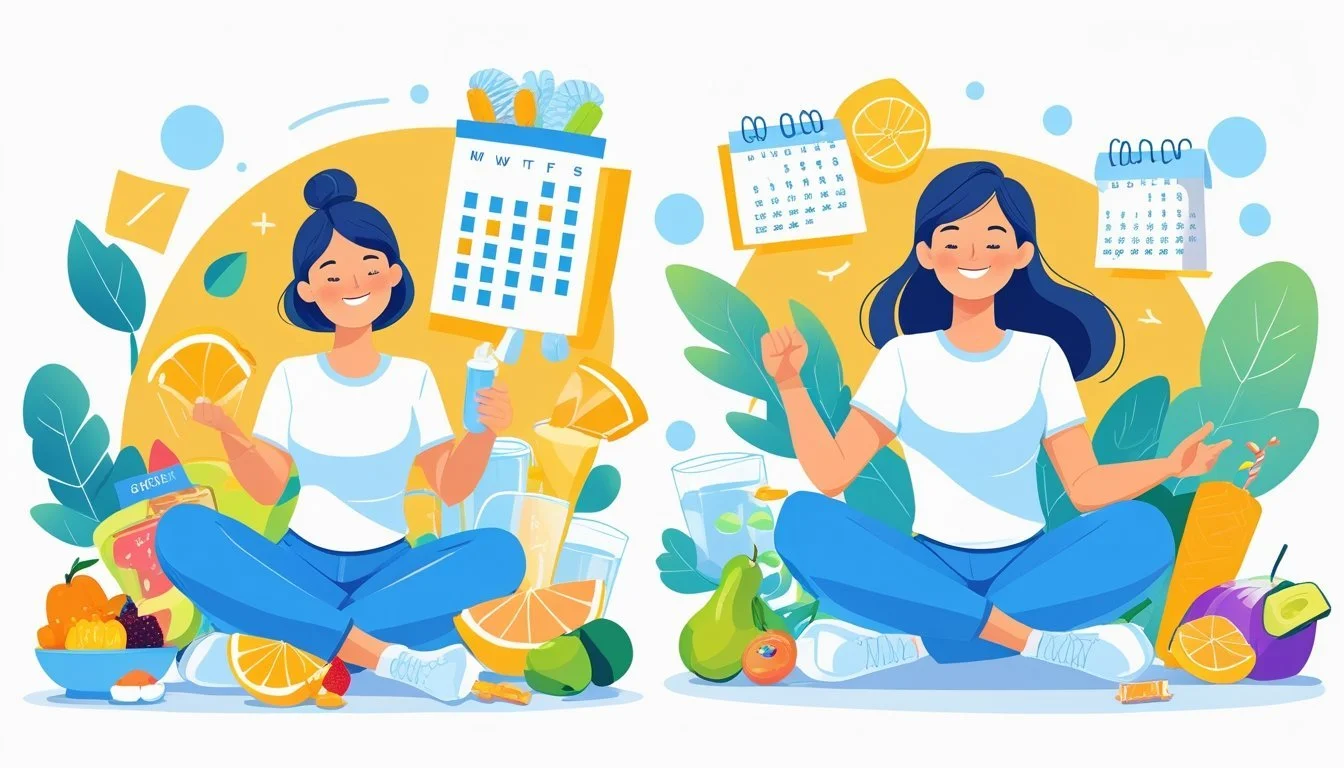
Preparation played a crucial role in easing the transition away from sugar. Their strategy included identifying hidden sugars in foods and making whole foods the foundation of every meal and snack.
Eliminating Hidden and Added Sugars
Hidden sugars often appear in foods that do not taste sweet, such as salad dressings, breads, sauces, and even some yogurts. Reading every food label quickly became a habit, with close inspection for ingredients like glucose, fructose, syrup, maltose, and juice concentrate.
They compiled a list of code words for sugar to watch out for in ingredient lists:
Common Names for Sugar Sucrose Glucose High-fructose corn syrup Maltose Dextrose Honey Agave nectar Barley malt
Checking the added sugar content in grams helped avoid products with surprisingly high sugar levels. She also set limits for daily added sugar intake, replacing processed foods with natural alternatives when possible.
Stocking Up on Whole Foods
To reduce cravings and provide good nutrition, the kitchen was stocked with whole foods, such as fresh vegetables, fruits low in sugar (like berries), plain nuts, seeds, and legumes. Whole grains, like quinoa and brown rice, replaced refined grains.
Fiber-rich foods took priority, since they help regulate blood sugar and keep fullness lasting longer. She also included antioxidant-rich produce, such as leafy greens and colorful peppers, to support overall health.
Healthy snack alternatives included:
Sliced vegetables with hummus
Plain Greek yogurt with cinnamon
Hard-boiled eggs
Fresh berries or a small apple
Keeping these choices visible and ready made it easier to ignore sugary snacks during cravings. Each item was chosen to minimize added sugars and maximize nutrients.
Step-By-Step Approach to Quitting Sugar
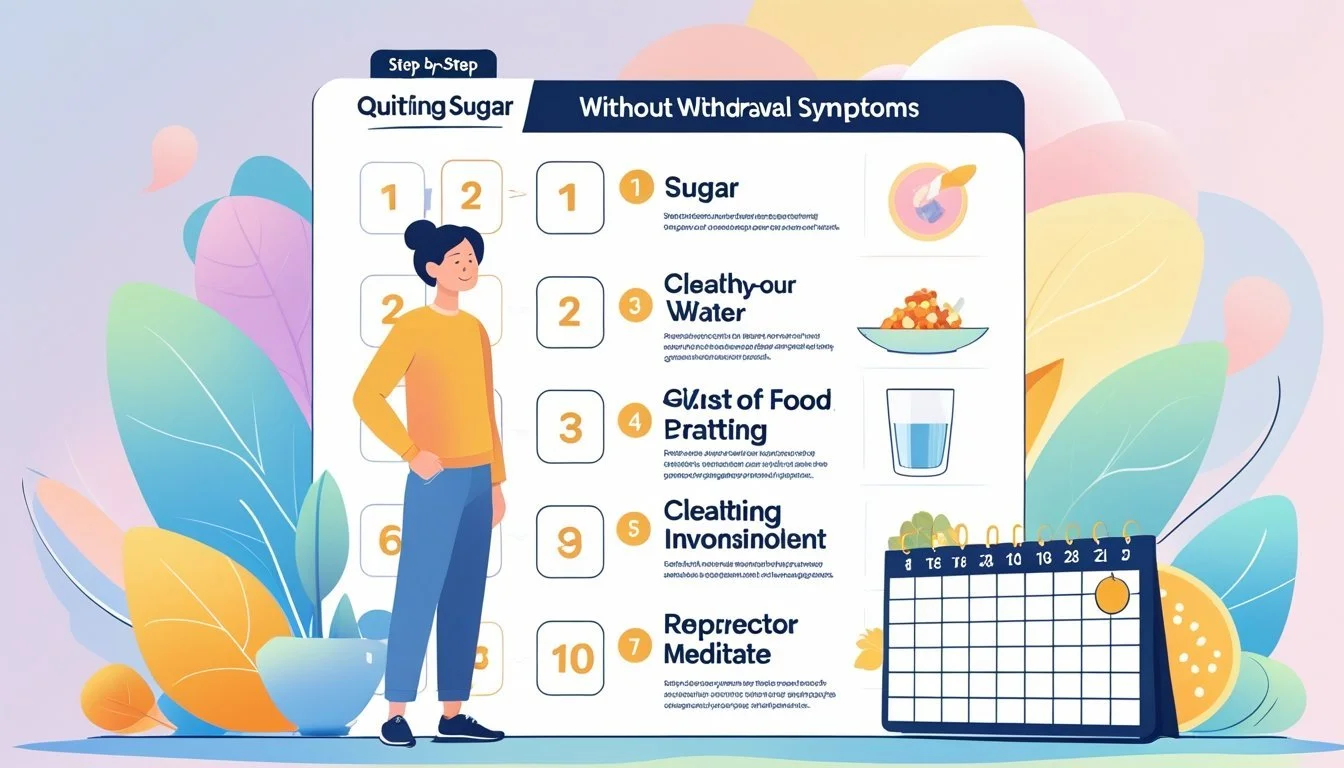
Reducing sugar consumption is most sustainable when done methodically and paired with nutritious replacements. Addressing cravings and making thoughtful food swaps eases the transition and supports both energy levels and mood during the sugar detox process.
Gradually Reducing Sugar Intake
A gradual reduction makes quitting sugar easier for most people and helps to minimize withdrawal symptoms. They can begin by identifying all sources of added sugar in their diet, such as sodas, processed foods, flavored yogurts, and sauces. It is helpful to use food labels and ingredient lists to spot hidden sugars like dextrose, maltose, or high-fructose corn syrup.
Small, consistent changes are effective. Start by cutting back on one high-sugar food or drink each week. For example, choose unsweetened beverages instead of soda, or mix sweetened yogurt with plain yogurt to reduce sugar content. This gradual process allows taste buds to adjust and makes the new, lower-sugar habits stick.
Tip: Keeping a simple daily log of sugar intake can help track progress and maintain motivation. Over time, cravings tend to lessen, making the process more manageable.
Replacing Sugar With Healthy Alternatives
Replacing sugar with healthy alternatives is a key factor in maintaining energy and preventing feelings of deprivation during a sugar detox. Focus on whole foods that offer natural sweetness, such as fresh berries, sweet potatoes, and even a small piece of fruit at meals.
Substituting sugar with nutrient-dense options like nuts, seeds, or unsweetened coconut provides both healthy fats and protein, helping to reduce cravings. Incorporate more healthy fats—such as avocado or ghee—and protein-rich foods like eggs or lean poultry, as these support steady blood sugar levels.
The following table provides quick swap ideas:
Instead of... Try... Candy/chocolate Handful of nuts, berries Flavored yogurt Unsweetened Greek yogurt + fruit Sweetened cereal Oats with cinnamon and nuts
Making these swaps consistently helps reduce sugar dependence while keeping meals satisfying and balanced.
Managing Cravings and Avoiding Relapse
Staying off sugar requires practical methods and self-awareness. Key approaches include specific strategies to handle cravings and clear ways to deal with stress and emotions that can lead to relapse.
Coping Strategies for Sugar Cravings
To reduce sugar cravings, timing and meal composition are important. Eating small, balanced meals with adequate protein, healthy fat, and fiber helps keep blood sugar levels steady. This prevents spikes and crashes that often lead to sugar urges.
Drinking water can sometimes curb cravings, as thirst is easily mistaken for hunger. Keeping nutritious snacks nearby—such as nuts, plain yogurt, or cut vegetables—makes it less likely to reach for sweets during a craving.
Making a list of alternative activities, like going for a walk, calling a friend, or reading, provides distractions when the urge for sugar strikes. For quick reference, see the table below:
Craving Situation Healthy Response Afternoon slump Drink water, walk Late night urge Nuts, herbal tea Stress at work Deep breaths, stretch
Handling Emotional Triggers
Stress, boredom, sadness, or anger can act as triggers for sugar use or binge eating. Recognizing emotional patterns helps build better self-control and prevents automatic sugar habits.
Strategies include practicing relaxation techniques such as deep breathing, mindfulness, or light exercise. Some find it effective to keep a journal of emotions and cravings, noting patterns and making adjustments as needed.
Seeking social support is often helpful. Talking with a friend or joining a group can provide reassurance and accountability during moments of vulnerability. Addressing emotions directly, rather than using sugar to cope, improves long-term stability and reduces the risk of relapse.
Long-Term Results and Health Benefits
Eliminating added sugars can produce lasting changes in both physical and mental well-being. Readers can expect shifts in energy, cravings, and overall health by focusing on a diet rich in whole foods.
Physical and Mental Health Improvements
Switching to a sugar-free diet often results in more stable blood sugar levels, which can reduce the frequency of energy crashes and mood swings. Those following this lifestyle might notice improved concentration and fewer feelings of fatigue.
Weight management tends to become easier, since added sugars are frequently linked with increased calorie intake. People also tend to experience clearer skin due to the reduction of inflammation and lower production of harmful compounds like advanced glycation end products (AGEs).
A diet centered on whole foods increases intake of fiber and antioxidants. These elements help support the digestive system, boost immune health, and moderate inflammation.
Maintaining a Sugar-Free Lifestyle
Consistency is essential for sustaining the benefits of a sugar-free approach. Choosing whole foods—such as fruits, vegetables, nuts, and lean proteins—helps minimize reliance on processed foods with hidden sugars.
Reading nutrition labels, planning meals, and carrying healthy snacks are practical steps. Many find it helpful to use food swaps, like opting for berries instead of pastries, to satisfy sweet cravings without added sugars.
Building meals around foods naturally packed with fiber and antioxidants not only supports gut health but also helps maintain stable blood sugar over time. This approach encourages long-term adherence and reduces the risk of cravings returning.

