
Hosting a Carnivore Potluck: Tips and Recipes for a Meaty Gathering
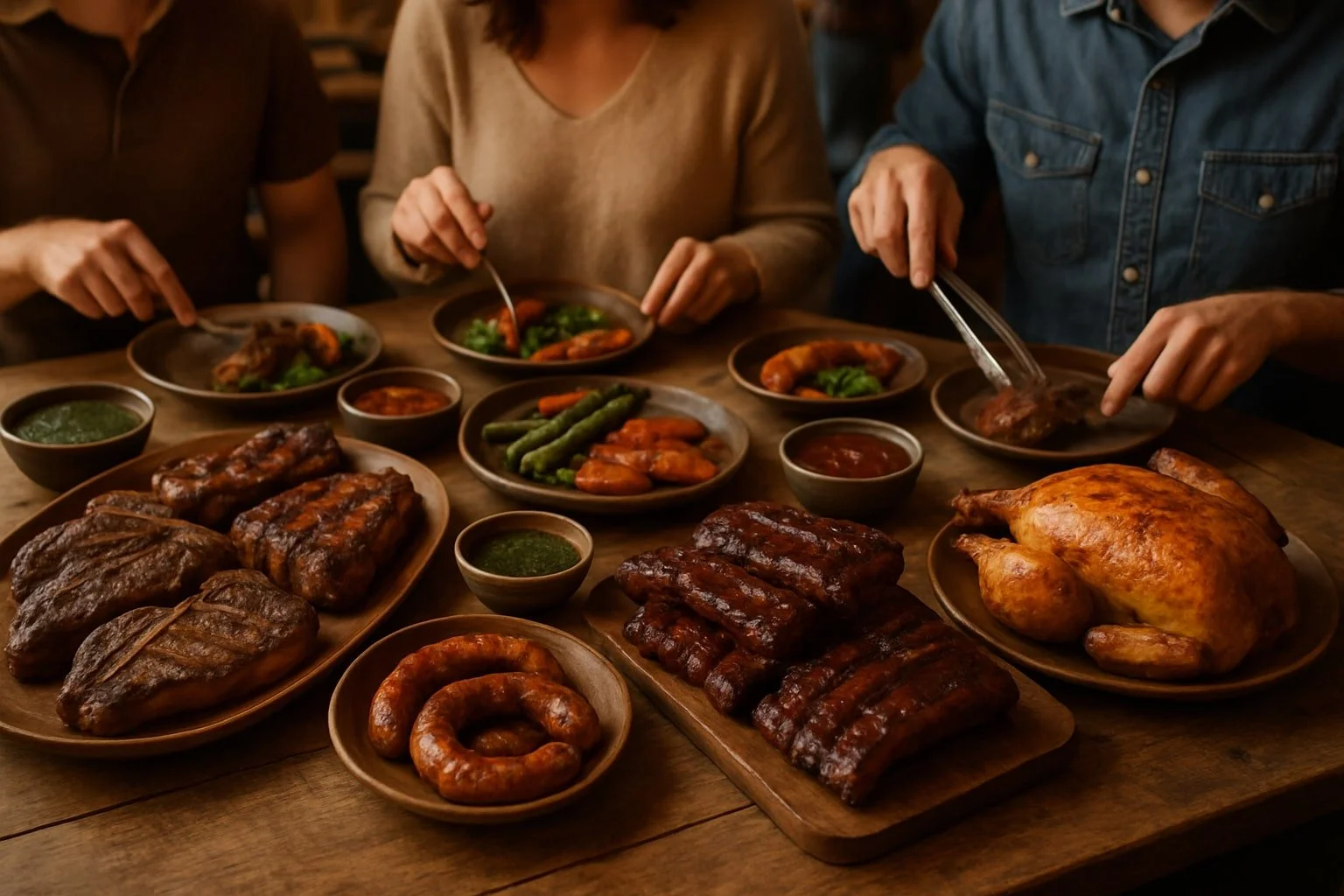
Hosting a carnivore potluck offers a simple and satisfying way to bring together friends and family who enjoy animal-based dishes. A successful carnivore gathering depends on well-chosen recipes, effective planning, and clear communication about dietary restrictions to ensure every guest can participate comfortably.
With many delicious options ranging from slow-roasted meats to easy appetizers, everyone can contribute a dish that aligns with the carnivore diet. Simple tips and practical recipes can help create a memorable event that's both flavorful and enjoyable for newcomers and experienced carnivores alike.
Planning Your Carnivore Potluck

Setting up a successful carnivore potluck means carefully choosing meat-based dishes, organizing contributions, and ensuring everyone’s needs are respected. The focus remains on protein-rich, low-carb foods made from simple ingredients, making it easy to plan a satisfying and inclusive event.
Selecting a Carnivore-Friendly Menu
A strong menu is built around staple carnivore diet foods such as beef, pork, chicken, fish, eggs, and limited animal-based fats. Guests may appreciate variety—grilled steaks, roast chicken, smoked ribs, shrimp, bacon-wrapped scallops, and deviled eggs are all popular options.
For easy planning, consider these categories:
Course Example Dishes Main Protein Ribeye steak, roast pork loin Sides Beef bone broth, hard-boiled eggs Appetizers Salami slices, cheese (optional)
Opt for simple, unprocessed meats and classic seasoning—salt, pepper, and herbs. Minimize sauces with added sugars or starches. Cooking methods like grilling or roasting keep prep straightforward and maintain diet integrity.
Coordinating Guest Contributions
Clear communication is essential to avoid duplicate dishes and ensure a diverse spread. Create a shared sign-up sheet or group chat so guests can list the protein they plan to bring (e.g., brisket, lamb chops, smoked salmon).
Encourage guests to label their contributions, especially if they include extras like butter, cheese, or spices. To keep things simple:
Assign specific categories (mains, appetizers) or proteins.
Share a list of approved simple ingredients for reference.
Remind guests to prepare enough for group tasting portions.
Make space on the invitation for ingredient disclosure. This keeps everyone informed and supports those with dietary needs.
Managing Dietary Restrictions
Though the carnivore diet is focused and excludes most plant foods, some attendees may have further restrictions or personal preferences—such as avoiding dairy, eggs, or needing low-sodium options. Gathering this information early helps tailor the menu.
Request that guests alert organizers about allergies or limitations in advance. When needed, provide alternatives like plain meats without seasoning or separate dishes for those avoiding butter or cheese.
Posting an ingredient sheet at the event allows for easy review. Being mindful of restrictions ensures everyone enjoys the potluck and feels included.
Essential Ingredients for Carnivore Recipes

Successful carnivore recipes rely on quality meats and a careful selection of animal-based ingredients. The right combination brings variety, flavor, and nutrient density to any potluck menu.
Choosing the Right Cuts of Meat
Selecting the proper cuts is key to both taste and nutrition. Prime choices include beef ribeye, pork belly, lamb chops, and chicken wings. These cuts offer balanced fat content and are easy to prepare in bulk for gatherings.
For richer flavor and tenderness, opt for cuts with visible marbling. Beef short ribs and ribeye steaks are classic for their juiciness and deep taste. Pork belly is popular for its crisp texture after roasting or frying, while lamb chops add a mild, slightly sweet profile. Chicken wings deliver crowd-pleasing options, especially when seasoned simply with salt.
Sourcing from quality butchers ensures freshness and traceable origins. A simple table for quick reference:
Meat Type Popular Cut Best Cooking Method Beef Ribeye, Short Ribs Grilled, Braised Pork Belly, Ribs Roasted, Fried Lamb Chops Grilled, Pan-seared Chicken Wings Roasted, Fried
Dairy and Animal-Based Products
Alongside meat, animal-based ingredients like eggs, butter, and certain dairy products are staples in carnivore recipes. Eggs are versatile—scrambled, fried, or baked into frittatas—making them ideal for group servings.
Butter enhances flavor and adds fat, especially important for leaner meats. It can be used for basting, sautéing, or as a table condiment. Cheese (when tolerated) brings variety; hard cheeses like cheddar or parmesan and soft options like cream cheese can be included in casseroles or served sliced.
Stick to full-fat, minimally processed dairy to keep recipes consistent with carnivore principles. Common choices include heavy cream, plain cream cheese, and aged cheeses. Always check labels to avoid unnecessary additives.
Designing a Crowd-Pleasing Carnivore Appetizer Spread
Meat-centric appetizers can be both varied and satisfying, especially when combining robust flavors and different textures. Simple assembly and minimal ingredients help ensure all dishes are easy to prepare and share.
Charcuterie Board Ideas
A carnivore-friendly charcuterie board often goes beyond traditional cured meats. Sliced beef, pork belly, smoked salmon, prosciutto, and dry sausages form the base. Organ meats, such as thinly sliced pâté, offer nutrient variety.
Add-ins like hard-boiled eggs and deviled eggs bring both protein and visual contrast. For crunch, pork rinds and cheese chips keep everything in line with a strict animal-product theme. Crumbled bacon, grilled or cold, can be served as a snackable topping or side.
When assembling, group similar textures and flavors together for easy selection. Use small bowls for dips like sour cream, buffalo chicken dip, or butter mayo. A sample charcuterie setup might look like this:
Meat/Fish Cheese/Dip Crunchy Sides Smoked Salmon Cheese Ball Pork Rinds Prosciutto Buffalo Chicken Dip Cheese Chips Sliced Beef Chicken Liver Pate Bacon Bits
Arrange the board so guests can graze and mix flavors.
Savory Bite-Sized Carnivore Starters
Bite-sized options are essential for mingling and ease of eating. Mini meatballs, bacon-wrapped shrimp, and sausage-stuffed mushrooms focus on pure protein and rich taste without added carbs.
Hot appetizers—such as served-warm hot buffalo chicken dip with pork rinds or cheese chips—bring a hearty, comforting touch. Sliced hard cheeses formed into chips can serve as edible scoops for dips.
Cheese balls, made with cream cheese and shredded sharp cheddar, are easy to prep ahead and portion into small bites. Chicken liver pâté on sliced egg rounds offers umami and a smooth texture.
Keep temperatures in mind, using slow cookers or warming trays to serve dips hot. For cold starters, chilling the plates preserves freshness and flavor.
With these options, any crowd can enjoy sampling multiple appetizers without missing out on variety or satisfaction.
Highlight Recipes for Main Dishes
Selecting the right dishes will ensure everyone at the table enjoys satisfying, protein-rich flavors. It’s helpful to offer both showstopping cuts of meat from the grill or oven and easy-to-share favorites that appeal to a range of carnivore eaters.
Grilled and Roasted Meat Selections
Popular cuts like ribeye steak and lamb chops offer depth of flavor and are easy for guests to serve themselves. Ribeye steaks can be grilled simply with salt, or finished with a pat of butter right before serving for extra richness. Lamb chops are excellent with just a sprinkle of sea salt, then roasted to medium rare.
Roasted bone marrow is a nutrient-dense appetizer or side dish. Arrange the bones cut-side up, season lightly, and roast until the marrow is soft and bubbly. This dish works well paired with small spoons so guests can scoop and enjoy.
Beef heart offers a bolder taste and is often grilled or pan-seared in slices. Marinate briefly with salt and a touch of pepper for best results. For something more casual, steak bites—cubed sirloin or ribeye cooked quickly on high heat—are both convenient and satisfying.
Dish Main Ingredient Cooking Method Ribeye Steak Beef Ribeye Grilled Lamb Chops Lamb Roasted or Grilled Bone Marrow Beef Bones Roasted Steak Bites Ribeye/Sirloin Pan-seared/Grilled Beef Heart Beef Heart Grilled/Pan-seared
Classic Carnivore Favorites
For a potluck, familiar comfort foods adapted to carnivore eating often go quickly. Pork belly bites—crispy cubes of roasted pork belly—are easy to prep in advance and stay flavorful at room temperature. A basic salt-and-pepper seasoning is all that’s needed.
Carnivore pizza is a creative main dish. It uses a base made from ground beef or chicken, often combined with eggs, then topped with cheese and pepperoni or bacon. Slice into squares for a main dish that pleases guests who want something familiar yet fully meat-based.
Smoky slow-cooked beef dishes, such as short ribs or brisket, hold up well on a buffet. Season generously, cook low and slow until tender, then cut into serving portions. These dishes are easy to prepare ahead and remain juicy and appealing throughout the potluck.
Presenting several of these options allows every guest to try both traditional and inventive meat-based dishes, keeping the spread abundant and varied.
Unique Sides and Dips for Carnivore Gatherings

Offering a mix of rich sides and hearty dips can add variety to a carnivore spread. Organizers have plenty of options to keep the menu flavorful and exciting—with nutrient-dense organ spreads and creamy, savory dips made from animal fats.
Beef and Chicken Liver Spreads
Beef liver pâté is a classic choice for a carnivore appetizer table. It provides a velvety texture, deep flavor, and delivers a notable nutrient boost from its high vitamin and mineral content. Chicken liver can be blended with egg yolks and ghee for a smoother, milder version that pairs well with thinly sliced steak or pork rinds.
For service, spreads like these are best when chilled and offered with small spoons, or piped onto crispy pork belly bites. Season simply with salt and herbs such as thyme, but avoid plant-based thickeners to keep them carnivore-friendly. Slicing bacon into small bits and mixing into the spread can add extra richness.
A sample ingredient list for a basic spread:
Ingredient Portion Notes Beef/chicken liver 500g Fresh or thawed Butter/ghee 100g Melted Hard-boiled egg 1 For creaminess Bacon 50g Optional, chopped Salt/pepper To taste
Delicious Animal Fat-Based Sauces
Animal fat-based sauces offer both simplicity and tremendous flavor. Bacon mayo, made from rendered bacon fat emulsified with egg yolk, is a crowd-pleasing dip that works well with grilled meats and eggs. It’s rich, salty, and can be whipped up in minutes with an immersion blender.
Melted butter infused with herbs or garlic powder makes a versatile and delicious dipping sauce for seafood or bite-sized steak. For variety, serve clarified butter alongside smoked brisket or as a drizzle over pork belly cubes. Both bacon mayo and melted butter can be presented in small ramekins for easy dipping.
Keep sauces warm and stir before serving to keep fats from separating. Diners can even use these dips to boost flavor and fat content of leaner cuts of meat, making them especially practical for a zero-carb, high-fat gathering.
Protein-Packed Carnivore Breakfast Ideas

Carnivore breakfasts often center on high-protein ingredients like eggs and various meats. Practical, satisfying recipes can be assembled quickly and are ideal for feeding a group with different taste preferences.
Egg-Based Breakfast Dishes
Eggs are a foundation for many carnivore breakfast recipes. Scrambled eggs cooked in butter remain a classic, offering both protein and flavor in a straightforward way.
For variety, baked egg muffins filled with bacon, ground beef, or sausage can be made ahead of time and served warm or at room temperature. This format allows for bulk preparation and flexible serving sizes.
A carnivore frittata is another option. To prepare, whisk eggs with crumbled cooked bacon or shredded beef, pour into a buttered dish, and bake until set. Adding cheese is optional but provides extra richness. These dishes adapt well to large pans, making them suitable for potlucks.
Simple Meat-First Breakfasts
Meat-first breakfasts focus on high-quality proteins. Sliced steak, grilled sausage links, and ground beef patties are popular choices. Many hosts pre-cook meats like sausage or bacon and reheat before serving.
Sample Simple Meat Breakfast Table:
Meat Preparation Method Sausage Links Grill or Pan-Fry Ground Beef Patties Sear in Butter Bacon Oven-Baked Steak Slices Pan-Seared
Combining eggs over ground beef, finished with a pat of butter, makes for a filling dish. These options hold well at room temperature and appeal to guests seeking minimal-ingredient, protein-forward foods. Including small bowls of melted butter on the side lets guests add extra flavor and fat as desired.
Serving and Presentation Tips

Proper serving and presentation help ensure guests enjoy a smooth potluck experience while keeping foods fresh and appetizing. Setting up an inviting layout for protein-packed dishes and maintaining proper temperatures are key for a successful event.
Setting Up a Carnivore-Friendly Buffet
Arrange all meats, eggs, cheeses, and animal-based appetizers on sturdy serving platters or trays. Use separate utensils for each dish to avoid mixing flavors or allergens.
Consider grouping foods by type, such as grilled meats, roasted cuts, sausages, and cold items like cured meats or deviled eggs. This helps guests quickly identify options. Use small signs or labels to clearly display the name of each dish and any key ingredient notes, such as "pork belly," "ribeye," or "smoked salmon."
Place sauces, compound butters, and dips in small bowls with spoons at the end of the buffet. Stack plates, forks, and napkins at the beginning of the line. For variety and visual appeal, use cutting boards or tiered stands to add dimension. Ensure there is enough serving space between dishes to prevent crowding.
Maintaining Food at the Right Temperature
Keep hot foods such as roasted beef, baked chicken, or seared scallops in chafing dishes, slow cookers, or warmers. Check that heated elements are set to a safe serving temperature—generally 140°F (60°C) or higher—to prevent bacterial growth.
For cold options like sliced cheeses, shrimp, or ham rolls, use shallow trays set over ice or cooling packs. Replace or replenish cold items as needed to keep them at or below 40°F (4°C).
Monitor food temperatures periodically throughout the event using a food thermometer. Remove and replace any item that falls out of the recommended temperature range. Remind guests not to leave perishable foods out on tables for longer than 2 hours.
Promoting Social and Health Benefits

Hosting a carnivore potluck can foster a sense of belonging among attendees by emphasizing both community engagement and evidence-based health advantages. Such gatherings are an opportunity to enjoy animal-based meals while also supporting individual well-being.
Building Community Around Shared Foods
Sharing a meal built around the carnivore diet can reduce feelings of isolation. Participants bond over similar dietary choices, which may ease social pressures and make everyone feel more understood and accepted.
Group meals encourage conversation about food choices, preparation, and health experiences. This can help guests exchange recipes, tips, and resources. Hosting potlucks also introduces individuals to new people with shared interests, promoting ongoing social support beyond the event itself.
Including everyone in meal prep or bringing their own carnivore dishes further engages attendees. Consider simple ways to get guests involved, such as beef-only platters or an egg-focused breakfast station. Social connections formed around shared eating habits may help sustain dietary changes and provide encouragement.
Highlighting Nutritional Advantages
The carnivore diet focuses on nutrient-dense animal foods, such as beef, eggs, and organ meats. These provide high-quality protein, essential fats, and micronutrients including iron, zinc, and B vitamins.
Sharing information about nutritional content at the potluck can help guests make informed choices. A simple nutrition comparison table might look like this:
Food Key Nutrients Beef Protein, Iron, B12, Zinc Eggs Protein, Choline, B2, Selenium Chicken Protein, Niacin, B6 Lamb Iron, Zinc, Omega-3s
Encouraging guests to try a variety of dishes highlights the diversity of nutrients available, supporting immune health, energy levels, and muscle maintenance. Group discussions about personal health benefits, such as improved digestion or stable energy, help reinforce the positive aspects of the diet in a supportive environment.
Drink Pairings and Finishing Touches

Choosing the right drinks and finishing touches can enhance a carnivore potluck by complementing the robust flavors of meat dishes. Simple yet thoughtful options can make the meal feel special and complete.
Carnivore-Compatible Drinks
For a true carnivore focus, beverages should be free from added sugars and sweet mixers. Sparkling water and mineral water are refreshing choices, especially when served with a twist of lemon or lime.
Dry red wines such as Cabernet Sauvignon or Malbec pair well with grilled meats, steaks, and pan-seared scallops. These wines highlight umami flavors and don’t overpower subtle additions like mushrooms or garlic.
Those preferring non-alcoholic drinks might enjoy unsweetened iced tea or hot herbal teas. Black coffee also works well, adding a roasted note that fits a hearty meat spread.
A Carnivore Electrolyte Cocktail—typically made with sparkling water, a pinch of salt, and lemon—offers a savory, hydrating option. This can be especially good for those following the carnivore lifestyle more strictly.
Garnishes and Optional Extras
Garnishes add both flavor and visual appeal to a potluck table. Fresh herbs like parsley or rosemary can be sprinkled on top of meats, including dishes featuring garlic or mushrooms.
A platter can include roasted garlic cloves, sautéed onions, or grilled mushrooms as side accents. These options stay close to the carnivore approach while introducing extra richness and aroma.
Finishing with a drizzle of rendered beef tallow or clarified butter can give meats and pan-seared scallops an appealing sheen. For guests who enjoy simple condiments, offer small bowls of coarse salt or freshly cracked pepper for seasoning at the table.
Optional Extras Table:
Extra Best Use Roasted Garlic Steak, pork, chicken Sautéed Mushrooms Beef, scallops, lamb Clarified Butter All meats, seafood Coarse Salt Table seasoning Fresh Herbs Garnish for any entree

