
Meat-Based Meal Planning for Elderly Care
Nutrition Strategies for Seniors

Meat-based meal planning for elderly care focuses on providing high-quality protein, essential vitamins, and minerals that are important for older adults’ health. Including a variety of meats such as poultry, fish, and lean red meat helps support muscle maintenance, energy levels, and nutrient intake as people age. This approach can be especially beneficial for seniors, as their bodies may require more protein and key nutrients to maintain strength and manage common age-related changes.
Balancing meals with properly portioned meats, along with fruits, vegetables, and whole grains, supports overall wellness and helps address specific dietary needs in elderly care. Careful meal planning ensures that meals are easy to prepare, enjoyable to eat, and aligned with any medical recommendations. This guide shares practical tips and considerations to make meat-based meal planning both nutritious and manageable for older adults.
Understanding Nutritional Needs of Older Adults
Older adults face evolving nutritional needs that influence how they should approach meal planning. Aging changes calorie requirements, nutrient absorption, and can increase the risk of health challenges related to diet and malnutrition.
Unique Dietary Requirements for Seniors
Seniors typically need fewer calories due to a slower metabolism, but their requirements for certain nutrients such as protein, calcium, vitamin D, and B vitamins often increase. Portion control becomes important to avoid overeating while still meeting essential nutrient needs.
A balanced diet for this age group should include lean meats, fruits, vegetables, whole grains, and low-fat dairy. Foods rich in dietary fiber and healthy fats are also recommended. Hydration is another key point, as the sense of thirst decreases with age.
Adjustments may be necessary for chewing or swallowing difficulties. Selecting tender meat cuts or ground meats can make meals easier to consume while supporting muscle maintenance with adequate protein intake.
Common Nutrient Deficiencies
Older adults are more prone to deficiencies in protein, vitamin B12, vitamin D, calcium, iron, and fiber. Factors like reduced appetite, medication side effects, diminished taste, and dental issues can limit dietary intake or absorption.
Common deficiencies include:
Protein: Muscle loss with age increases protein needs; aim for 1.2–1.5g/kg body weight/day, especially in the presence of illness.
Vitamin D and Calcium: Necessary for bone health; often require increased intake through diet and/or supplements.
Vitamin B12: Absorption can decline, making supplementation or animal-based foods important.
Iron: Risk increases with restrictive diets or chronic conditions.
Fiber: Supports digestion and helps prevent constipation, which is more common in seniors.
Meat-based meals can address some of these deficiencies, particularly protein, iron, and B12.
Health Considerations in Aging
Chronic diseases such as heart disease, diabetes, and hypertension are prevalent among older adults and require specialized meal planning. Many seniors benefit from lower sodium diets, controlled saturated fat intake, and the inclusion of more fiber for cardiovascular and digestive health.
Special attention should be given to portion size, as overconsumption can contribute to weight gain or exacerbate chronic conditions. Dental issues and medical treatments may also necessitate softer or pureed foods.
It's essential to regularly review an older adult's diet with healthcare professionals, including dietitians, to ensure that dietary guidelines are met, malnutrition is prevented, and individualized needs are accommodated.
Benefits of Meat-Based Diets for Seniors

A meat-based diet can provide critical nutrition for seniors, supporting muscle maintenance, delivering important micronutrients, and helping prevent malnutrition. Attention to lean, nutrient-dense foods is essential to meet their unique dietary needs.
Protein and Muscle Maintenance
Meat is a primary source of high-quality, complete protein, which is crucial for muscle health in older adults.
As people age, muscle mass naturally declines, increasing the risk of weakness and falls. Including lean proteins such as chicken, turkey, and fish in healthy meals helps maintain strength and mobility. Red meat, while higher in calories, also supplies dense protein that supports muscle repair and daily activity needs.
Consistent protein intake from meat helps seniors avoid sarcopenia, a condition involving loss of muscle, which can lead to reduced independence. Choosing a mix of lean meats and varying portion sizes based on dietary recommendations can optimize protein benefits.
Iron and Other Essential Micronutrients
Meat is rich in heme iron, a form that is better absorbed by the body compared to non-heme iron from plant sources. This makes meat especially valuable for seniors, who may be at higher risk for iron deficiency and anemia.
In addition to iron, meat contains other important micronutrients such as zinc, vitamin B12, and selenium. These nutrients help support cognitive function, immune health, and energy levels in older adults. For example:
Meat Type Key Micronutrients Beef Iron, B12, Zinc Poultry Niacin, B6, Selenium Fish Omega-3, B12, Vitamin D
Including a variety of meats in meal planning helps ensure seniors get a broad range of essential nutrients important for overall health.
Role in Preventing Malnutrition
Seniors are at an increased risk of malnutrition due to appetite loss, dental problems, and chronic illness. Meat provides a dense source of calories, protein, and vital nutrients in smaller portion sizes, making it suitable for those with reduced appetite.
Meals featuring lean meats can be tailored to meet specific dietary requirements and preferences. Nutrient-dense foods, such as fish and poultry, can be prepared gently for easy chewing and digestion.
A well-planned meat-based diet contributes to better weight maintenance, higher energy, and improved recovery from illness or surgery in elderly individuals. Regularly including meat in healthy meals can make a significant difference in nutritional status.
Balanced Meal Planning Strategies
Balanced meals for elderly care should feature a thoughtful combination of protein, vegetables, grains, and fruits. Prioritizing both nutrition and enjoyment improves meal satisfaction and helps meet daily dietary requirements.
Incorporating Meat with Vegetables and Grains
A balanced meal plan often starts with a lean protein, such as chicken, turkey, fish, or lean cuts of beef or pork. Pairing meats with a variety of vegetables—like spinach, carrots, broccoli, or green beans—adds essential vitamins, minerals, and fiber.
Whole grains, such as brown rice, barley, whole-wheat pasta, or quinoa, offer complex carbohydrates and additional nutrients. Incorporation can be approached through dishes like stir-fries, stews, or casseroles where meats are cooked with generous portions of vegetables and a serving of grains.
Combining different food groups on a single plate ensures each meal meets a range of nutritional needs. A sample plate might include 3 ounces of baked salmon, half a cup of steamed broccoli, and half a cup of brown rice.
Portion Sizes and Serving Recommendations
For elderly individuals, portion size is critical for maintaining a healthy weight and supporting metabolic needs. Recommended serving sizes often include 2-3 ounces of cooked meat per meal, half a cup of cooked grains, and at least one cup of assorted vegetables.
Overly large portions can lead to digestive discomfort, while portions that are too small may not provide adequate nutrition. Visual guides, such as using the palm of the hand to judge meat portions or a measuring cup for grains, can support accurate serving sizes.
Meals should aim to be easily chewable and digestible. Cutting meats into small pieces and cooking vegetables to a soft texture makes meals safer and more enjoyable, especially for those with chewing challenges.
Ensuring Variety and Balanced Nutrition
Rotating different types of meats—poultry, fish, lean beef, and pork—throughout the week ensures exposure to a variety of proteins and micronutrients like iron, zinc, and vitamin B12. Including a wide array of vegetables, such as leafy greens, root vegetables, and legumes, widens the spectrum of vitamins and antioxidants.
Adding fresh fruits, either as a side or dessert, contributes vitamin C, fiber, and natural sweetness to meals. Planning meals ahead and using a weekly schedule can help include each food group regularly.
A sample weekly plan might look like the following:
Day Meat Vegetables Grain Fruit Monday Grilled chicken Green beans, carrots Brown rice Apple slices Tuesday Baked fish Broccoli, spinach Quinoa Fresh berries Wednesday Lean beef stew Mixed root veggies Barley Pear wedges
This approach keeps meals interesting and ensures necessary nutrients are consistently included.
Choosing the Right Meats
Selecting appropriate meats for elderly care means prioritizing protein while being mindful of cholesterol, sodium, and unhealthy fats. Lean options can help meet nutritional needs without increasing health risks like heart disease or high blood pressure.
Selecting Lean Protein Sources
Lean protein supports muscle maintenance and overall health in seniors. Examples include skinless poultry, lean cuts of beef such as sirloin or tenderloin, and fish like salmon, trout, and tilapia. These options provide protein with less saturated fat than fatty or processed meats.
Fish, especially salmon and mackerel, not only offer lean protein but also supply healthy fats, such as omega-3 fatty acids, which support heart and brain health. Beans, lentils, and eggs can further round out protein sources. Including a variety ensures a broader spectrum of nutrients and may help prevent deficiencies.
When preparing meat, using methods like baking, grilling, or steaming helps limit the use of added fats. The following table compares common protein sources:
Meat/Fish Lean Protein Healthy Fats Saturated Fat Chicken Breast Yes Low Low Salmon Yes High Low Ground Beef (80%) No Low High Pork Tenderloin Yes Low Low
Health Risks of Processed and Fatty Meats
Processed meats, including sausages, deli slices, bacon, and hot dogs, pose significant health concerns for the elderly. These products are often high in sodium and saturated fats, increasing the risk of hypertension, heart disease, and, in some cases, certain cancers.
Fatty cuts of red meat, like ribeye steak and ground beef with high fat percentages, contain elevated levels of saturated fat and cholesterol. Regular consumption of these meats may contribute to clogged arteries and other cardiovascular issues.
Trans fats, which are sometimes found in processed meats, further raise health risks by lowering “good” HDL cholesterol and increasing “bad” LDL cholesterol. Limiting these meats and prioritizing lean, minimally processed options supports healthier aging and reduces preventable health complications.
Meal Preparation and Cooking Methods

Selecting proper meal preparation and cooking methods can improve nutrition for older adults while ensuring meals are safe, flavorful, and easy to manage. Using a variety of simple approaches helps accommodate dietary needs, reduce effort, and encourage regular meat-based meal consumption.
Healthy Cooking Techniques
Steaming, baking, poaching, and grilling are preferred for meat-based dishes. These methods reduce added fat compared to frying and help retain the nutrients in meats and accompanying vegetables.
Slow cookers and pressure cookers can make tougher cuts tender with minimal effort, which is useful for those with chewing difficulties. Roasting meat with vegetables in the same pan helps simplify prep and cleanup.
Cutting meats into smaller, bite-size pieces or shredding can make meals easier to eat. Using lean cuts, draining excess fat, and trimming visible fat before cooking lowers saturated fat content. Cooking at lower temperatures prevents meat from becoming too tough or dry.
Flavoring Options: Herbs, Marinades, and Sauces
Herbs, spices, and homemade marinades provide flavor without excess salt or sugar. Basil, thyme, rosemary, garlic, and parsley enhance the taste of chicken, beef, or pork.
A simple marinade of olive oil, vinegar, and lemon juice can help tenderize and flavor meat naturally. Marinades should soak meat for at least 30 minutes in the refrigerator to maximize taste and tenderness.
Sauces prepared at home with fresh ingredients, such as tomato-based pasta sauce, can add flavor and moisture. Choosing low-sodium stocks, unsalted butter, and limiting store-bought sauces helps control sodium content. A table of common flavoring combinations can support meat-based meal planning:
Meat Type Suggested Herbs/Spices Marinade Ideas Chicken Rosemary, oregano Yogurt, lemon Beef Thyme, black pepper Red wine, garlic Pork Sage, mustard Apple cider, honey
Meal Prep for Convenience and Safety
Preparing meals in advance lowers daily cooking time and supports consistent healthy eating. Batch-cooking, portioning meals into individual containers, and freezing leftovers allow older adults to access ready-made options with little effort.
Arranging kitchen tools and ingredients within reach can minimize bending or standing for too long. Using adaptive utensils or a comfortable chair during meal prep helps maintain safety and independence.
It is important to monitor food safety by promptly refrigerating meats, cooking to safe internal temperatures, and labeling reheated meals with dates. Involving caregivers or family in prepping meals, or cooking together, can provide both support and social interaction, making meal preparation safer and more enjoyable.
Supporting Special Dietary Needs

When planning meat-based meals for elderly care, it is essential to consider individual health conditions and challenges. Adjustments may be needed to ensure meals are safe, nutritious, and suitable for each person.
Managing Food Allergies and Sensitivities
Older adults often have food allergies or sensitivities such as to gluten, dairy, or specific types of meat. Identifying these issues early helps prevent adverse reactions. For those with gluten sensitivity, avoid processed meats with added gluten or fillers.
Use simple, unseasoned cuts like grilled chicken breast or lean beef to minimize risk. Always verify ingredient lists and cross-contact risks, especially with packaged or prepared meats. Label meals clearly, and keep a record of intolerances for caregivers.
For residents with documented food allergies, communicate clearly with all kitchen staff. A standardized checklist or allergen chart can be a helpful tool.
Adapting for Swallowing or Dental Issues
Many elderly individuals experience swallowing issues (dysphagia), tooth loss, or rely on dentures. Protein intake remains important, but meat dishes must be adapted for safety and comfort.
Prepare meats by slow-cooking, shredding, or pureeing. Examples: Minced chicken in mild broth, slow-cooked beef stew with tenderized meat, or pureed turkey with savory gravy. Avoid tough cuts and foods with sharp edges that might cause discomfort or choking.
Texture modification improves both safety and taste. Offer soft, moist meat options and serve with sauces or gravies to make chewing and swallowing easier.
Addressing Chronic Health Problems
Chronic health conditions such as diabetes, heart disease, or high blood pressure are common in older adults. Choose lean meats—such as turkey or chicken breast—and limit processed or high-sodium options like sausage, bacon, or deli meats.
Fat and salt content should be monitored carefully. Table: Lean Meats vs. High-Fat Meats
Meat Type Fat Content Sodium Content Chicken Breast Low Low Turkey Low Low Beef (lean cuts) Moderate Low Sausage High High Bacon High High
Adjust serving sizes for those with kidney issues, as protein needs may differ. Consult with dietitians to tailor plans, especially for residents managing multiple conditions.
Reducing Sugar, Salt, and Unhealthy Fats

Older adults benefit from limiting added sugars, sodium, and unhealthy fats to help manage blood pressure, heart health, and blood sugar levels. Incorporating meat into meals requires careful ingredient choices and cooking methods that support these dietary goals.
Lowering Sodium Intake
Reducing salt can lessen the risk of high blood pressure and cardiovascular concerns. Lean meats like chicken, turkey, or fish should be prepared without added salt. Instead, seasoning with fresh herbs, garlic, lemon, or pepper adds flavor without increasing sodium.
Processed and cured meats, such as bacon, ham, and sausage, often contain high amounts of sodium. Limiting these foods helps keep daily intake below the recommended 2,000 mg per day for older adults.
Tips for lowering salt:
Choose "low-sodium" or "no salt added" versions of broths and sauces.
Rinse canned meats or beans before using to remove extra salt.
Avoid adding salt at the table.
Managing Sugar Consumption
Controlling intake of added sugars is crucial for stabilizing blood sugar levels and avoiding unnecessary calories. While plain meats contain virtually no sugar, marinades, sauces, and pre-made meat dishes can be sources of hidden sugars.
Reading ingredient labels helps identify and avoid items high in sugars such as barbecue sauce, ketchup, and sweet glazes. Opt for homemade seasonings or sauces using vinegar, mustard, or spices without added sugar.
Common sources of added sugar in meat-based meals include:
Bottled salad dressings
Sweet marinades
Commercial sauces
Meat-based meals should be paired with fiber-rich vegetables, which support more stable blood glucose after eating.
Choosing Healthy Fats Over Saturated and Trans Fats
Selecting healthy fats and reducing saturated and trans fats can protect heart health. Meats such as skinless poultry and fish are lower in saturated fat compared to fatty cuts of beef or pork.
Suggestions for healthier fat choices:
Prepare meats by grilling, baking, or broiling instead of frying.
Use small amounts of olive oil or canola oil rather than butter or lard.
Trim visible fat from meat and remove poultry skin before cooking.
Highly-processed meats and fried foods are often sources of trans fats. These should be limited or avoided in elderly care meal planning. Focusing on lean protein with beneficial fats, paired with vegetables and whole grains, creates a balanced and healthier plate.
Meal Planning and Grocery Shopping Tips
Consistent meal planning and mindful grocery shopping are essential for meeting nutritional needs, managing budgets, and simplifying meal prep for elderly care. Focusing on whole foods, appropriate portion sizes, and nutrient-dense protein sources helps ensure balanced, meat-based meals.
Creating Weekly Meal Plans
Weekly meal plans promote dietary variety and prevent repetitive meals. Start by listing favorite, easy-to-eat meats such as chicken, turkey, beef, fish, or eggs. Adjust recipes to accommodate chewing or digestion needs, using ground meats or tender cuts if necessary.
Incorporate side dishes rich in fiber such as cooked vegetables, legumes, and whole grains. Balance each day’s menu to cover key food groups. Use the following table as a sample template:
Meal Example Protein Side Dish Breakfast Scrambled eggs Whole wheat toast, fruit Lunch Baked chicken Cooked carrots, brown rice Dinner Lean ground beef Mashed potatoes, peas
Plan meals around sales and seasonal produce to maximize freshness and savings. Prepare a shopping list with all needed ingredients for each meal to streamline trips and reduce forgotten items.
Smart Grocery Shopping Strategies
Shop with a detailed list to prevent impulse buys and stick to the plan. Choose whole foods and unprocessed meats when possible, such as skinless poultry or lean beef, to promote health and ease portion control.
Pay attention to portion size by purchasing family packs and dividing them into smaller, freezer-safe portions at home. Avoid bulk buying perishable items that may spoil before use. Compare prices across store brands, look for specials on meat, and use coupons or loyalty programs to manage costs.
Selecting easy-prep items like pre-chopped veggies and ready-to-cook lean meats can help save time, especially for busy caregivers. Check nutrition labels and opt for lower-sodium and unseasoned options to keep meals healthier.
Addressing Common Challenges for Caregivers

Caregivers must balance seniors’ dietary preferences and their health requirements. Individual needs, such as maintaining a healthy weight and managing appetite, add complexity to meal planning, especially when preparing meat-based meals.
Supporting Independence in Food Choices
Promoting independence lets elderly individuals remain engaged with food decisions. Caregivers can present protein options such as poultry, lean beef, or fish, along with simple sides, helping seniors make their own selections at each meal. This approach respects personal tastes while increasing meal satisfaction.
When organizing potluck meals with family or friends, caregivers can allow seniors to bring or choose a favorite meat dish. This can reinforce social connections and enable seniors to feel included.
Using choice boards or printed menus can make decision-making easier for individuals with cognitive challenges. Family caregivers may find it helpful to list a few curated meal choices for each day, balancing preferences and nutrition.
Overcoming Appetite and Food Intake Issues
Loss of appetite and reduced food intake are common among the elderly. Caregivers can serve smaller, more frequent meals using appetizing meats like baked chicken or ground turkey, emphasizing flavor and smell.
Offering healthy snacks such as turkey slices, hard-boiled eggs, or cheese between meals helps increase daily protein intake without overwhelming the individual. For those at risk of weight loss, calorie-dense meats and incorporating healthy fats can be beneficial.
If obesity is a concern, lean meats and portion control can help prevent further weight gain while meeting protein needs. Adjusting meal textures, like using tender stews or minced meats, can also address chewing or swallowing difficulties and improve intake.
Hydration and Complementary Foods
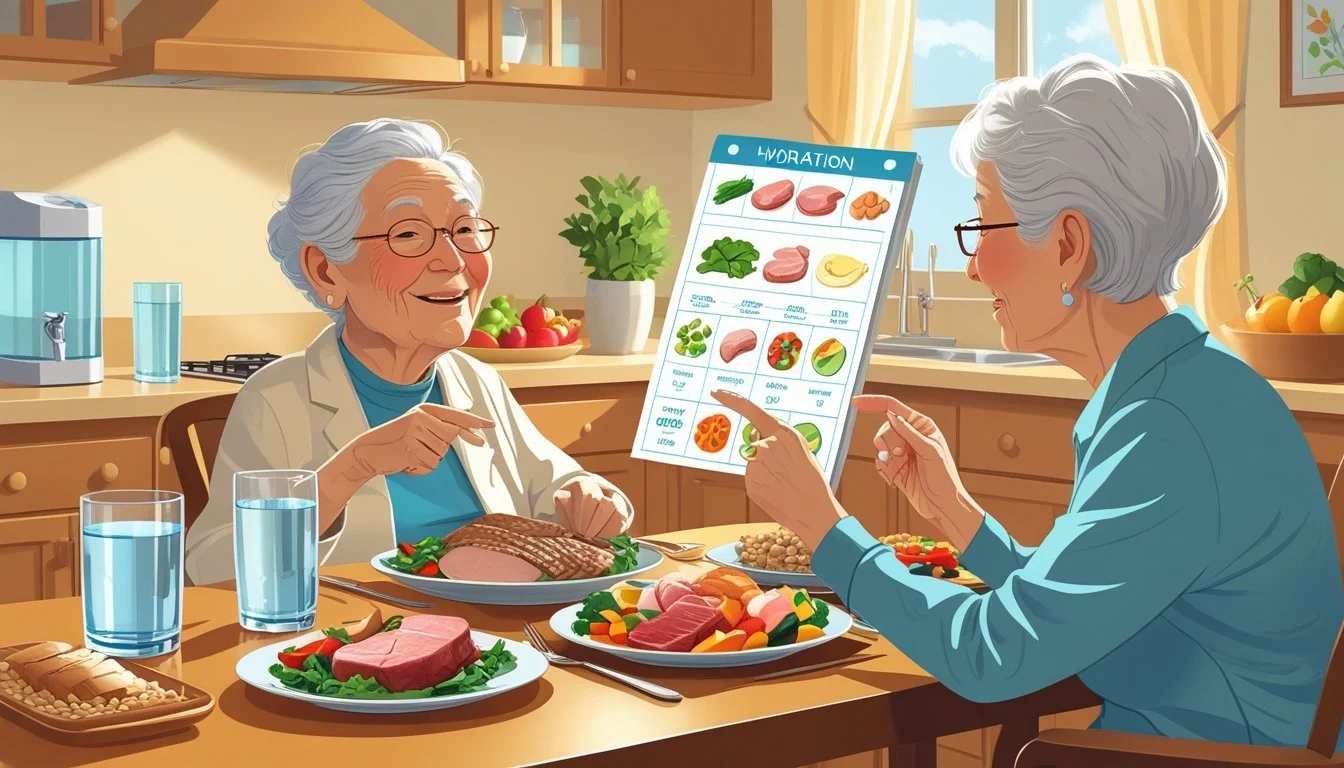
Maintaining hydration is as crucial as planning balanced meals. Complementary foods, including nutrient-rich sides and snacks, support overall health and help meet daily nutritional needs.
Ensuring Adequate Fluid Intake
Older adults are at a greater risk of dehydration due to decreased thirst sensation and medical conditions that affect fluid balance. Clear water should be the main drink at meals and between them.
Milk is a good option because it not only hydrates but also provides calcium, protein, and potassium. Herbal teas and diluted fruit juices can offer variety and encourage regular fluid intake. Fluids can also come from foods; soups, stews, and high-moisture fruits and vegetables, such as watermelon and spinach, are effective options.
A sample daily fluid intake plan for an elderly person may include:
Time Beverage Amount Breakfast Water/Tea 1 cup Mid-morning Milk 1 cup Lunch Water 1 cup Afternoon snack Diluted juice ½ cup Dinner Water/Herbal tea 1 cup Evening Water ½ - 1 cup
Regular reminders and serving fluids in easy-to-hold cups can help improve hydration compliance.
Adding Nutrient-Dense Sides and Snacks
Pairing meat-based meals with nutrient-dense sides enhances overall nutritional intake. Eggs provide protein and are versatile—boiled, scrambled, or added to salads and casseroles. Starchy vegetables, such as sweet potatoes or peas, supply carbohydrates and fiber for energy and digestion.
Nut butters like peanut butter deliver healthy fats and protein with minimal prep, making them a smart snack choice on whole-grain bread or paired with fruit. Dark leafy greens, especially spinach, are rich in vitamins and minerals, including potassium, which supports muscle and heart health.
Healthy snacks may include:
Hard-boiled eggs
Whole-grain crackers with cheese or nut butter
Steamed spinach or mixed greens
Slices of banana with peanut butter
Offering a variety of these foods throughout the day encourages both appetite and nutritional adequacy. Short, frequent meals and snacks can help accommodate changing appetites and support steady energy.
Following Dietary Recommendations and Guidelines

Nutritional needs in elderly care require careful consideration, especially when planning meat-based meals. It is essential to follow established guidelines and adjust approaches to suit personal health requirements, taste, and daily routines.
Government and Medical Dietary Guidance
Official dietary guidelines, such as the Dietary Guidelines for Americans 2020-2025, set specific recommendations for older adults. These include limiting saturated fat intake to less than 10% of daily calories and controlling added sugars to the same percentage, which supports heart health and reduces chronic disease risk.
The plate method is often recommended for visual meal planning. This method suggests filling half the plate with vegetables and fruits, one-quarter with lean protein (such as poultry, fish, or lean cuts of beef), and one-quarter with whole grains. This ensures meals meet basic nutrient needs while controlling portion sizes.
A balanced diet should also consider vitamin and mineral intake. For the elderly, protein remains important for muscle maintenance, but meals should include fiber-rich foods, calcium, and vitamin D sources. Monitoring sodium is critical, especially in processed and cured meats, to help control blood pressure.
Adjusting for Individual Needs and Preferences
Diet plans must be adapted for each person’s health status, activity level, and dietary preferences. Some elderly individuals require high-energy diets or have conditions like diabetes, kidney disease, or chewing difficulties that may limit certain meat choices or preparation methods.
Cultural and personal preferences can influence protein sources. For example, some may favor fish or poultry over red meat for taste or digestion. Texture modifications, such as ground meats, may help those with dental problems, while seasoning adjustments can accommodate low-sodium requirements without sacrificing flavor.
A food diary or consultation with a registered dietitian helps identify individual needs. Adjustments may include smaller, more frequent meals, pureed meats, or fortified side dishes to address nutrient gaps. Flexibility and variety are key to maintaining both nutritional value and meal enjoyment.
Conclusion

Careful meal planning with meat as a component can help elderly individuals meet their nutritional needs. Incorporating options such as lean poultry, fish, and ground meats provides variety, flavor, and key nutrients like protein and iron.
Proper portion sizes and balancing with fruits, vegetables, and whole grains are essential. Using diverse cooking methods—such as baking, steaming, or grilling—can help retain nutrients and cater to different texture preferences.
Key points to remember:
Choose lean meats like chicken, turkey, and fish
Include ground meats for easier chewing and digestion
Combine with a variety of plant foods for a balanced plate
Adjust seasoning and preparation for individual health needs and preferences
Monitoring intake, hydration, and any difficulty with chewing or swallowing is important for meal effectiveness and safety.
A simple table can aid in planning:
Meat Option Nutritional Benefits Preparation Tips Chicken breast High protein, low fat Bake or grill, slice thin Ground beef Protein & iron source Choose lean, cook thoroughly Fish Omega-3 & vitamin D Steam or bake, remove bones Turkey Low fat, high in protein Roast, mince or slice
Supporting healthy meals with a variety of nutrient-rich foods helps maintain wellness and enjoyment of eating for older adults.

