
How to Build a Carnivore-Friendly Community
Essential Steps for Success
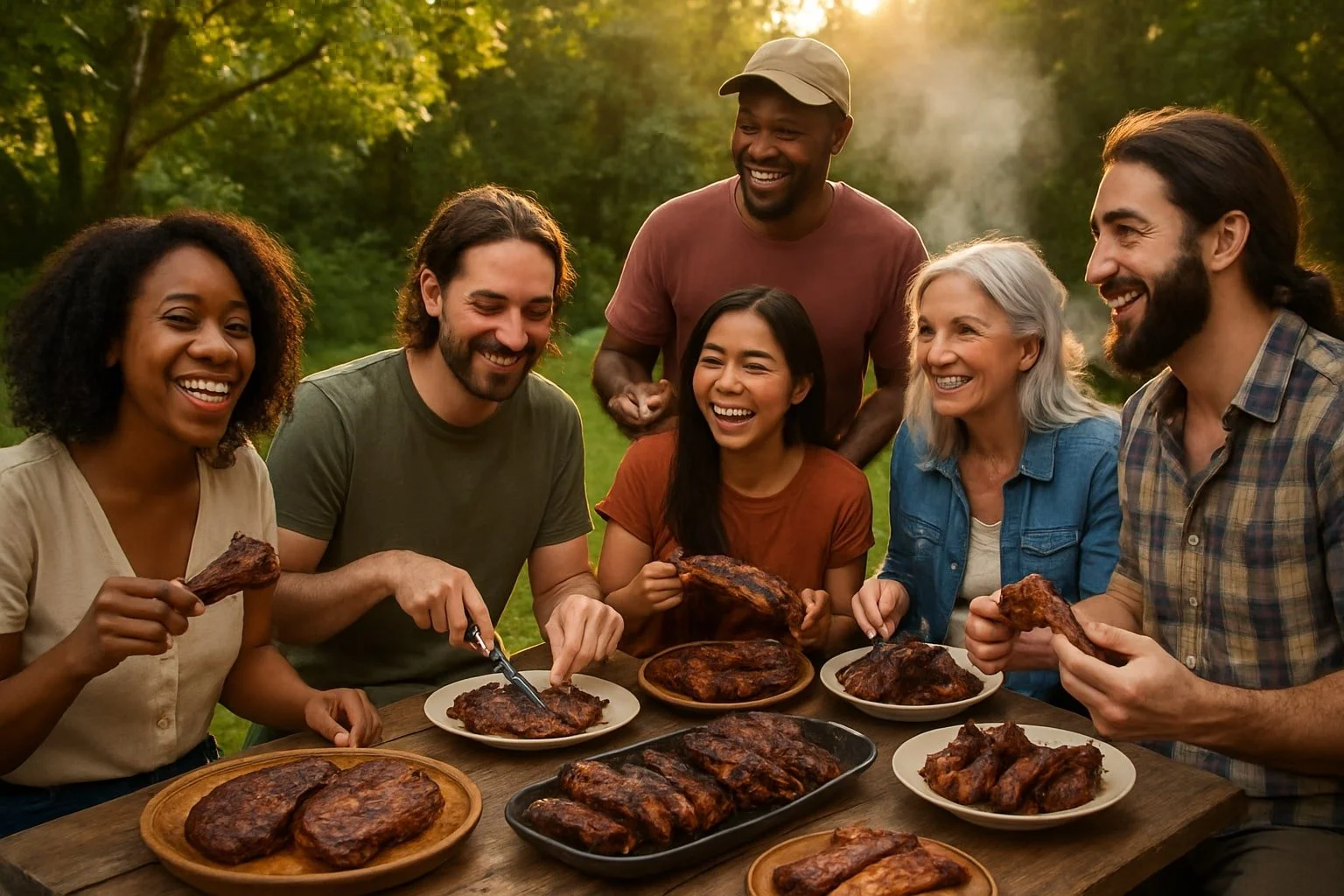
Building a carnivore-friendly community can make it easier for individuals to stay motivated, share tips, and access valuable support as they follow the carnivore diet. Creating a network of like-minded people, both online and offline, helps members exchange reliable information and maintain momentum on their nutritional journey. This sense of belonging can reduce isolation and encourage long-term success.
Connecting with others who understand the unique challenges of the carnivore lifestyle is possible through local groups, online forums, and social media communities. Whether someone is looking for practical advice, personal stories, or accountability, a strong support system is available to those who seek it.
Understanding The Carnivore Diet
The carnivore diet focuses on animal-based foods, minimizing or eliminating plant foods entirely. It emphasizes simplicity in meal planning, specific food choices, and clear boundaries regarding dietary restrictions.
Core Principles Of Carnivore-Friendly Eating
The foundation of the carnivore diet is consuming only animal-sourced foods. Typical meals include beef, lamb, pork, poultry, and fish. Eggs and animal fats such as tallow or lard are commonly included.
Many adherents use salt as a seasoning, but exclude most spices and sauces because they often contain plant-based ingredients or added sugars. Water is the primary beverage, with some allowing black coffee or plain tea, but others choosing a stricter approach.
There is a focus on nutrient density and avoiding processed foods. Processed meats should be minimal, favoring whole cuts of meat to ensure the highest nutritional value.
Key Health Benefits And Dietary Choices
The carnivore diet is reported by some followers to help with weight management, improved mental clarity, and reduced inflammation. Many also find relief from autoimmune symptoms or digestive discomfort when eliminating plant foods.
Dietary choices center around ruminant meats, such as beef and lamb, as these are rich in essential nutrients including iron, zinc, and vitamin B12. Fatty cuts are preferred for those seeking stable energy and satiety, as fat becomes a primary fuel source.
Other dietary choices can include fish and shellfish, organ meats for added vitamins, and bone broth for minerals. The simplicity of permitted foods removes the need to track macros or count calories, which appeals to many adherents.
Common Dietary Restrictions
This way of eating involves strict avoidance of all grains, fruits, vegetables, legumes, nuts, and seeds. Any foods containing carbohydrates, such as sugar or starch, are generally eliminated.
Below is a quick-reference table:
Allowed Avoid Meat (beef, lamb, pork) Vegetables, fruits Fish and seafood Grains, legumes, nuts, seeds Eggs Processed sugars, sweets Animal fats & organs Added fiber, vegetable oils
Some versions of the carnivore diet restrict dairy, while others allow it if well-tolerated. Processed or cured meats may be minimized due to additives or sugars. Every member of a carnivore-friendly community should understand these common restrictions to support shared goals.
Identifying Like-Minded Individuals

Forming a supportive community begins with finding others who share the same commitment to a carnivore lifestyle. Individuals can discover these connections through both online platforms and in-person activities.
Connecting Through Online Communities
Online carnivore communities are often the quickest way to meet like-minded individuals. Platforms such as Reddit, Facebook Groups, and independent forums host large, active user bases dedicated to the carnivore diet.
Members regularly share recipes, meal prep tips, and success stories. They also offer troubleshooting advice for challenges, from dietary adjustments to overcoming cravings. Regular discussions keep the environment engaging and educational.
Many groups provide structured resources, such as FAQ documents and science-based articles. New members can browse pinned posts, use group search functions, and join live Q&A sessions. Moderators often maintain respectful and focused discussions, promoting a supportive atmosphere.
Online connection tips:
Introduce yourself with a brief background.
Ask specific questions to initiate conversation.
Respect differing levels of experience.
These communities allow for round-the-clock engagement, enabling individuals to connect across time zones and locations.
Finding Local Carnivore Groups
Local carnivore groups offer face-to-face support and the opportunity to form deeper relationships. Meetups can be discovered through websites like Meetup.com, Facebook local events, or community bulletin boards.
Meetings are often held at restaurants that cater to animal-based diets, or at members’ homes. Members might organize activities such as group shopping trips, potlucks, or guest talks from nutrition professionals. Occasional outdoor activities—like hikes or BBQs—further strengthen group bonds.
Joining a local group gives individuals access to tailored advice for their region, such as recommended butchers or grocers. Newcomers benefit from observing how others manage social settings and challenges unique to their area.
Tips for local engagement:
Attend as a guest before committing.
Offer to help organize or host events.
Exchange contact details to stay informed.
Creating A Supportive, Carnivore-Friendly Space
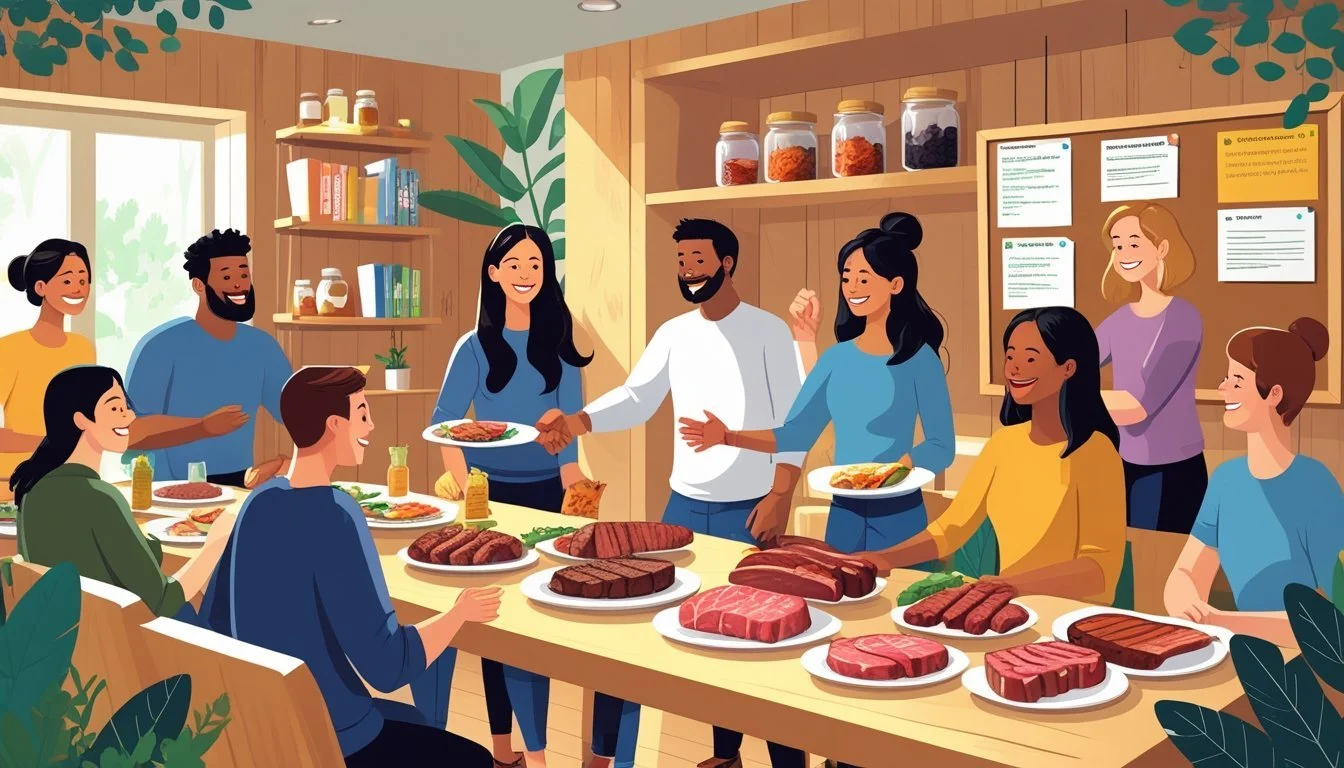
Building a carnivore-friendly space involves setting clear expectations and highlighting opportunities for members to share their progress. A well-structured environment makes it easier for everyone to participate and feel supported in their journey.
Establishing Community Guidelines
Community guidelines are essential for maintaining a respectful, helpful, and positive atmosphere. They set the tone for interaction, ensuring that all members feel welcome regardless of their experience level or reasons for choosing the carnivore diet.
Clear rules may cover appropriate language, respect for differing opinions, and prohibitions against personal attacks or shaming. Moderators should enforce these guidelines consistently.
A list of suggested guidelines may include:
No derogatory or inflammatory language
Encourage questions and constructive feedback
Respect individual dietary choices and experiences
Share credible information and cite sources if possible
Posting these rules in a visible spot, such as a website header or pinned post, sets expectations upfront. Regular reminders help keep everyone on track and reinforce a supportive community.
Encouraging Personal Success Stories
Personal success stories serve as motivation and proof of real-world results. Members who share their experiences—such as improved health markers, lifestyle changes, or overcoming challenges—help create a culture of encouragement.
To facilitate sharing, create dedicated threads or channels for personal stories. Highlighting different journeys—weight loss, improved mental clarity, or family support—shows the diverse benefits and approaches within the carnivore community.
Featuring select stories in newsletters or on the main page recognizes personal achievements. Consider using short interviews, before-and-after photos, or Q&A formats to make stories engaging and relatable.
The goal is to support each member’s progress while providing inspiration and practical advice for others. This peer-driven framework can foster long-lasting connections and a stronger supportive community.
Organizing Meetups And Events
Meetups and events help people on the carnivore diet connect, share experiences, and support each other. Choosing the right settings and planning carefully are essential for a positive experience.
Planning Carnivore-Themed Gatherings
Organizing a carnivore-themed gathering starts with selecting a date, time, and location that are easily accessible for participants. Smaller groups may prefer a home setting, while larger events work better at community venues or rented spaces.
When planning the menu, focus on meats such as steak, ground beef, chicken, pork, and fish. Offer a variety of protein options to suit different preferences or dietary restrictions within the carnivore approach.
Example menu ideas:
Protein Preparation Ideas Ribeye Steak Grilled, broiled Chicken Thighs Oven-roasted, grilled Pork Belly Slow-cooked, baked Salmon Baked, pan-seared
Provide guidelines so guests know it's a meat-centered gathering. Group activities, like shared cooking or butchery demonstrations, can add value.
Encourage open discussions about challenges and successes on the diet. Ask for feedback after each event to improve future meetups.
Recommending Meat-Based Restaurants
Selecting appropriate restaurants makes it easier for carnivore followers to enjoy meals together without compromise. Choose venues that specialize in grilled meats, steakhouses, Brazilian churrascarias, or barbecue joints.
When making recommendations, check if the restaurant offers all-meat dishes with minimal sauces or sides. Call ahead to confirm they can accommodate group reservations and dietary needs.
Compile a list of carnivore-friendly restaurants in the area and share it with attendees:
Local Steakhouses: Known for high-quality beef options.
Brazilian BBQ (Churrascaria): Offers continuous tableside meat service.
Barbecue Restaurants: Provide smoked meats and meat platters.
For group meetups, request large tables or private rooms to foster interaction. Make sure participants know what to expect regarding menu options and pricing before the event.
Navigating Social Situations And Interactions

Building a carnivore-friendly community often brings social challenges, especially at gatherings or shared meals. Being prepared, practicing clear communication, and anticipating common hurdles can help maintain both social comfort and dietary needs.
Explaining Your Diet To Others
When someone follows a carnivore diet, explaining dietary choices clearly and simply helps set expectations and reduces confusion.
A straightforward statement like, “I only eat animal-based foods for health reasons,” is often effective. Short explanations avoid overwhelming details while still informing others about key reasons or benefits motivating the choice.
It helps to answer common questions briefly. For example:
Question Sample Response Why do you eat only meat? It helps my energy and digestion. Is it hard to avoid other foods? It gets easier with routine and planning. Are you getting all nutrients? I focus on variety in animal products.
Using “I” statements keeps conversations less confrontational. Sharing positive outcomes or personal experiences, if asked, often makes the topic less divisive.
Handling Misunderstanding And Criticism
Misunderstandings can occur when others assume the carnivore diet is extreme or unsafe. Calm responses and a non-defensive attitude foster better discussions.
If someone expresses concern, responding factually—*“I’ve done my own research and consulted with my doctor”—*shows personal responsibility. It helps to avoid debates and focus instead on sharing individual experiences if interest continues.
Criticism may come from genuine worry or skepticism. Staying polite and demonstrating respect for other viewpoints encourages mutual understanding. Redirecting the conversation when needed can also prevent unnecessary conflict.
Support from others who understand the diet—by joining online forums or local meetups—makes it easier to handle repeated doubts or negative comments.
Managing Social Pressure
Social pressure, especially at events like parties or family meals, is common for those on restrictive diets. Planning ahead is the most effective approach.
Bringing a personal dish or choosing meat-friendly food options minimizes temptations and questions. Practicing simple, firm responses—such as “No thank you, I’m full”—reduces attention and repetition.
If someone insists or jokes, keeping a neutral tone and repeating the preference is often enough. It can help to offer to bring additional protein-rich options to share, making participation easier without drawing unwanted focus.
In some settings, excusing oneself from food-centric activities or arriving after meals avoids awkward moments. Setting these boundaries consistently builds mutual understanding and reduces future social pressure.
Meal Planning And Preparation For Groups

Preparing meals for groups on a carnivore diet requires attention to sourcing quality animal foods and streamlining the process with the right kitchen tools. Emphasizing simplicity and consistency can help keep both meal prep and cleanup straightforward for everyone involved.
Animal-Based Foods And Animal Products
Meal planning for carnivore groups centers around meat, seafood, and animal-derived products. Popular protein sources include beef, pork, lamb, poultry, and fish. Organ meats, such as liver and heart, offer essential nutrients and variety. Many prefer ruminant meats like beef and lamb for their nutrient density and satiety.
Full-fat dairy (cheese, butter, cream) and eggs can be served to those who tolerate them. Fresh or frozen cuts make it easier to cook in large batches. For cost efficiency, consider bulk purchasing and choosing economical cuts, such as ground beef or whole chickens. Simple seasonings like salt, pepper, and animal fats suffice for flavor and cooking.
A sample group meal plan may look like this:
Breakfast Lunch Dinner Extras Eggs + bacon Ground beef patties Roasted pork shoulder Cheddar cheese Scrambled eggs Grilled steak Baked salmon Butter
Essential Kitchen Tools For Carnivore Meal Prep
The right kitchen tools make preparing animal-based meals for a group much more manageable. A reliable meat thermometer ensures proper doneness and safety. Heavy-duty skillets, roasting pans, and grill pans allow for batch cooking. Large cutting boards and quality chef’s knives are essential for efficient prep.
Slow cookers and pressure cookers offer hands-free cooking for tougher cuts, while air fryers and broilers can crisp up fats and skin for texture. Meat grinders are valuable for processing bulk cuts into ground meat or patties. Multiple tongs, spatulas, and sturdy serving platters help with both cooking and serving larger portions.
Storing leftovers requires air-tight containers and sufficient refrigerator or freezer space to maintain freshness and reduce waste. Careful planning of kitchen workflow, such as prepping meats in advance or cooking in bulk, also streamlines group meal preparation.
Seeking Expert Guidance And Recommendations
Professional input ensures a carnivore-friendly community relies on sound advice and up-to-date information. Accurate recommendations from qualified sources help maintain both safety and long-term adherence.
Consulting Nutritionists And Health Professionals
Nutritionists and health professionals provide evidence-based information on the carnivore diet's risks and benefits. They can help individuals tailor their meal plans, monitor nutrient intake, and identify potential deficiencies. Regular consultations reduce confusion from conflicting online advice.
Qualified experts also assist in interpreting lab tests and tracking health markers. This preventive approach helps detect early signs of nutrient imbalances or health issues.
Recommendations from nutritionists may include checklist tools, structured meal plans, or ongoing support. Some offer group workshops or Q&As to address community questions. Seeking guidance from health professionals can improve community trust, safety, and engagement.

