
How Medieval Knights Ate and Fought on Meat
Diet, Battle Readiness, and Daily Life
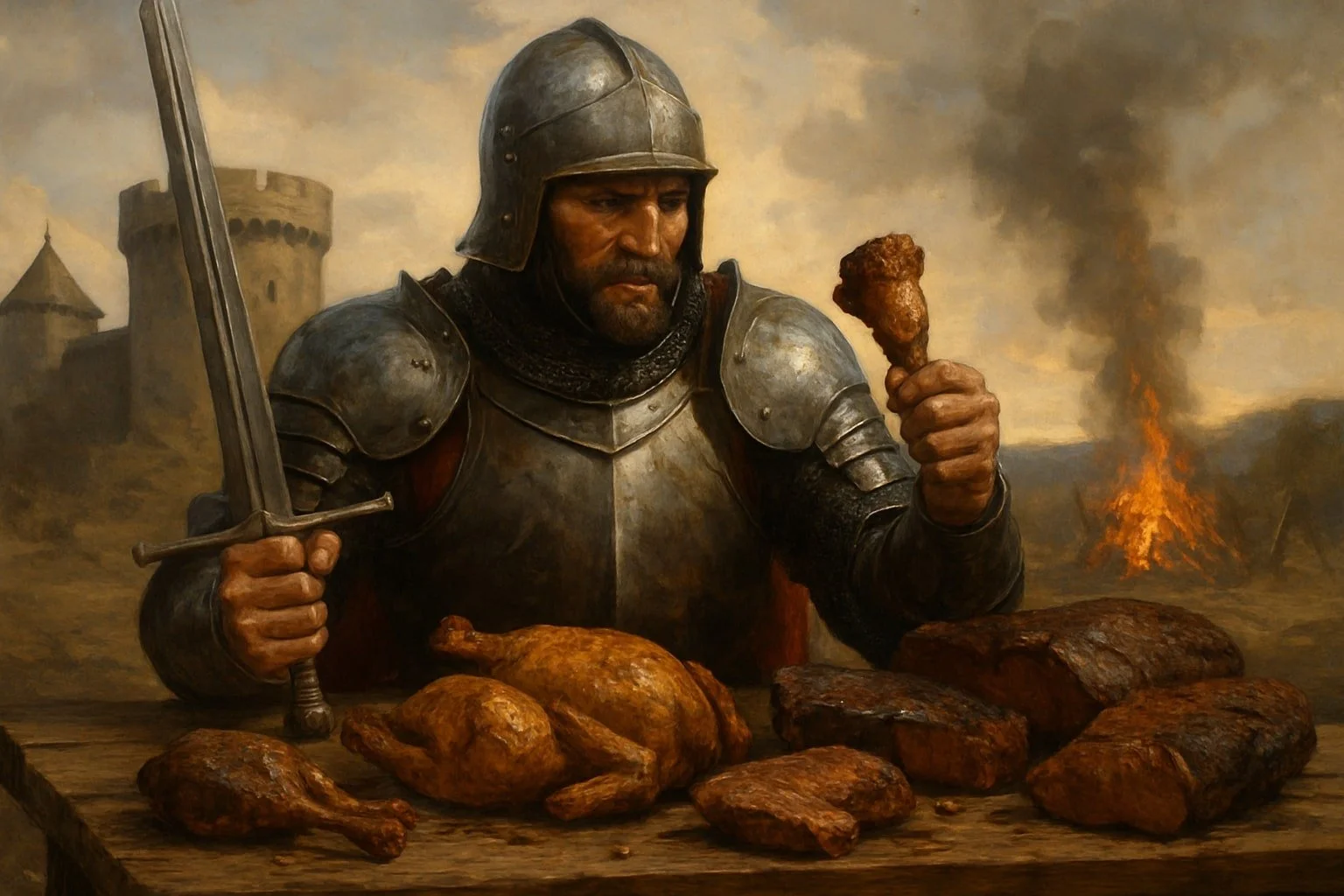
Medieval knights relied heavily on meat as a key part of their diet, using it to fuel the strength and stamina required for battle. Whether at home in the castle or marching on campaign, knights often ate roasted meats such as chicken, pork, and rabbit, along with hearty vegetables like carrots and onions. Meat was valued not only for its taste and status, but also for its contribution to a diet meant to keep warriors fighting fit.
Bread, barley, beans, and peas were common staples, but for knights, meat often took center stage, especially on campaign when energy needs were high. Dried meats and stews provided portable, durable options during battles and long patrols, ensuring knights had access to protein even in harsh conditions.
Despite the challenges of storage and supply, access to meat and richer foods marked a clear difference in the diets of knights compared to the common foot soldier. This robust intake of meat helped support the demanding physical lifestyle and combat needs of medieval mounted warriors.
The Role of Meat in Medieval Knights’ Diets
Meat was not just a staple for nourishment but also signified status among medieval knights. The selection, source, and preservation of meat on the knightly table reflected both the practical demands of their active lives and the social structure of the medieval world.
Types of Meat Consumed by Knights
Knights had access to a variety of meats, far beyond what was available to common peasants. Venison, wild boar, and rabbit were highly valued and often hunted on noble estates. Poultry — especially goose, chicken, and sometimes swan or peacock — also featured in wealthier households.
Among preserved options, salted pork and beef provided sustenance during periods when fresh meat was scarce. Game meats were associated with status and could include more exotic animals depending on wealth and occasion. Meat consumption was shaped by both religious fasting periods and availability rather than constant feasting.
Below is a table showing some typical meats:
Meat Type Common Sources Notes Venison Noble hunting High status, prized Boar Forest hunts Symbol of nobility Rabbit Warrens, wild Stews, pies Poultry Manor farms Daily meals, festive dishes Salted Pork Domestic animals Staple preserved meat Beef Cattle, salted Less common than pork
Fresh Versus Preserved Meats
Access to fresh meat depended on location and season. Freshly slaughtered venison, rabbit, or bird was ideal but not always feasible, especially during winter or military campaigns. Preserving meat extended its shelf life and allowed knights to maintain protein intake year-round.
Most meat preservation relied on salting, smoking, or drying. Salted pork and beef were common rations, especially in castles and during travel. Smoked meats added flavor and longevity. Preserved meats ensured that noblemen could support their active lifestyles, even during sieges or on lengthy journeys.
Fresh meats were still preferred for feasts and when hosting important guests. Servants and cooks used herbs, vinegar, and spices to make preserved meats more palatable.
Sources of Meat: Hunting and Rearing
Much of the meat eaten by knights came from organized hunting parties on their own or their lord’s lands. Hunting was an activity reserved for the nobility and reinforced class divisions in the feudal system. It was not just a food source but a statement of power and privilege.
Rearing domestic animals — such as pigs, chickens, and cattle — supplemented the knight’s meat supply, especially for day-to-day meals. Manor farms managed by stewards or servants raised animals near the estate, providing variety and stability in the diet.
Wild game was central to displays of hospitality and status. The combination of hunting and animal rearing made it possible for medieval knights to secure both quality and quantity of meat, reflecting the complex networks of land, labor, and privilege in the Middle Ages.
Daily Meals and Eating Habits of Knights
Medieval knights followed a structured eating routine based on social class and strict codes of behavior. Their diet, table manners, and access to food all reflected their noble status and role in society.
Meal Structure and Frequency
Knights usually ate two main meals each day: dinner (the largest meal, served around midday) and a lighter supper in the evening. Breakfast was not a routine meal, though it might be taken before or after morning training or combat.
Their meals often included bread, pottage, and a variety of meats such as beef, pork, and game. Hunting provided fresh venison or wild boar, while preserved meats like ham or bacon were served more frequently on ordinary days.
Vegetables, while available, were less prominent than meat and grains in a knight’s diet. Feasts and banquets at the royal court or noble estates offered a wider selection, such as roast swan or peacock, but these were reserved for special occasions.
Eating Etiquette and Table Manners
Knights observed formal eating etiquette influenced by courtly customs and church guidelines. Food was often eaten with fingers or knives, as forks were rare. Washing hands before meals was customary to maintain personal hygiene and display respect for others.
Seating arrangements at the table reflected strict social hierarchy. A knight’s position at a banquet table indicated his rank or favor with the host. Sharing trenchers (thick slices of stale bread used as plates) was common practice.
Silence or polite conversation was encouraged during meals. Leaving leftovers was considered impolite, as food waste was discouraged. Eating with decorum upheld the knightly image of discipline and self-control.
Social Status and Food Privileges
A knight's social status granted access to foods unavailable to lower classes. Only lords, noblemen, and those with hunting rights could legally hunt game, making venison, boar, and rabbit exclusive to the upper classes.
Many food items—such as imported spices, sugar, and rare wines—were available only to wealthier knights or those serving in royal courts. The average knight’s daily fare differed greatly from that at grand medieval feasts, where luxury dishes celebrated victories or major events.
Privileges extended to the quality and variety of bread, meats, and drink. Lower-ranked knights ate more basic fare, but all enjoyed higher calories and nutrition compared to peasants, which contributed to greater physical resilience in battle.
Other Key Foods in a Knight’s Diet
A medieval knight’s daily meals were balanced with staples beyond meat. These foods provided crucial energy, nutrients, and variety, helping sustain knights through both training and battle.
Bread, Grains, and Porridge
Bread was a cornerstone of the medieval knight’s diet. Wealthier knights preferred white bread made from fine wheat flour, which was softer and easier to digest. For others, loaves made from rye or barley were more common due to cost and availability.
Grains such as wheat, rye, oats, and barley played a major role, often served as hearty porridge at breakfast or supper. Porridge could be savory or sweetened with honey or dried fruits. These foods supplied carbohydrates for energy and were consumed daily.
Meals frequently included trenchers—thick slices of stale bread used as plates that soaked up gravies and sauces. Breads varied in texture and taste depending on regional grains, with denser loaves in the north and lighter versions in the south.
Vegetables, Fruits, and Nuts
Vegetables formed an essential part of a knight’s meals, especially in stews and pottages. Beans and peas were cheap, filling, and protein-rich. Cabbage, onions, leeks, and turnips were common additions to soups and broths.
Fruits like apples, pears, and plums were eaten fresh in season or preserved as jams and pastes for later use. Dried fruits such as dates and raisins, often imported, offered natural sweetness and could be mixed into porridge or baked goods.
Nuts like almonds complemented both savory and sweet dishes. Almond milk was sometimes used as a substitute for dairy or to thicken sauces. The combination of fresh and dried produce helped keep diets varied through the year.
Cheese, Eggs, and Sweet Treats
Dairy products such as cheese and butter were regular features at the knight’s table. Hard cheeses were favored for their long shelf life and were eaten alone or with bread. Soft cheeses, while less common, found their place in richer households.
Eggs were accessible and provided a reliable protein source. Knights consumed them boiled, poached, or baked in pies and tarts. They often appeared at breakfast or as a component of larger meals.
Sweet foods were a luxury but not absent. Honey was the primary sweetener, used in desserts and drinks. Pastries and sweet treats sometimes included nuts, dried fruits, and spices, providing a welcome break from heavier fare.
Fish and Seafood
Fish was an important part of the diet, especially during fasting periods when meat was prohibited for religious reasons. Knights ate both river fish, like trout and pike, and saltwater varieties, including herring and cod.
Fresh fish was available to those living near rivers or coasts, while preserved fish—salted or smoked—could be transported over great distances. Meals might feature fish pies, stews, or fried fillets.
Shellfish such as oysters and mussels were consumed when available. Fish offered essential nutrients and added protein variety, making it a vital alternative to meat during many weeks of the year.
Spices, Flavors, and Beverages
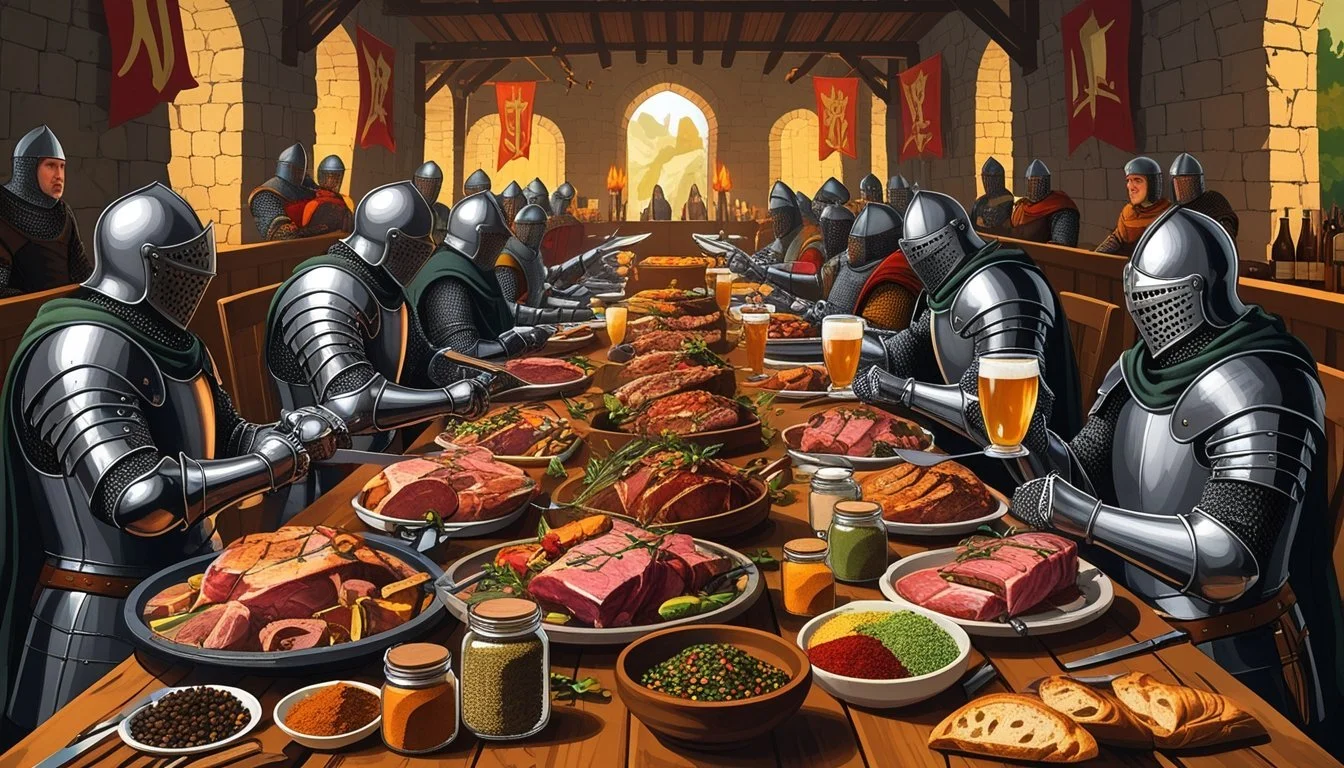
Medieval knights experienced a diverse array of tastes in their meals, influenced heavily by their access to trade and status. Meals featured not only local ingredients but also prized spices from distant lands and a selection of drinks to accompany rich or simple foods.
The Use of Spices and Herbs
Knights valued spices such as pepper, cinnamon, nutmeg, and ginger, which were imported across long trade routes and often signified wealth. Pepper was particularly prized and could be worth more than gold in some cases. Cinnamon and nutmeg were used to enhance both savory and sweet dishes.
Herbs like parsley, sage, and thyme grew locally and added freshness to recipes. Caraway seeds and other aromatic herbs were frequently incorporated into meats, stews, and sauces.
Spices sometimes masked the taste of preserved or less-than-fresh meat. They also created combinations of sweet and savory by blending items like honey or dried fruits with spices, creating flavor profiles considered sophisticated for the era.
Wine, Ale, Mead, and Water
The choice of beverage depended on social rank, meal, and occasion. Knights at noble feasts might drink imported wine, which was a symbol of status and often spiced or mulled for added flavor. Wine was expensive, so lesser ranks more commonly drank ale or mead.
Ale, a staple, provided calories and was consumed daily, often at every meal. Mead, made from fermented honey, was enjoyed during holidays and celebrations.
Water was usually consumed only if other options were unavailable, as it was often unsafe in medieval towns. Buttermilk could also be found, especially in rural households, valued for its nutritional content and refreshing taste.
Flavors in Medieval Cuisine
The medieval palate included a mix of intense and subtle flavors. Knights’ meals often combined spices with rich cuts of meat, while sauces might feature ginger or pepper alongside honey for sweetness.
Dishes regularly merged sweet and savory. Roast meats could be glazed with honey or fruits, and sauces might include vinegar as well as caraway or herbs.
A flavor table from the period would show meat paired with pepper and ginger, while sweetened dishes could feature nutmeg or cinnamon. These combinations shaped a cuisine that was both diverse and heavily influenced by both local growth and global trade.
Food Preservation and Medieval Cooking Methods
Meat was a crucial part of a knight’s diet, but keeping it edible was a challenge without refrigeration. Salt, smoke, and a range of cooking methods shaped both the taste and texture of medieval cuisine.
Salting, Drying, and Smoking Meats
Salting was the most common way to preserve meat for knights and their households. Salt drew out moisture, making it difficult for bacteria to grow. Large joints of beef or pork were packed in barrels with coarse salt, then stored for months.
Drying was used for smaller cuts, sausages, and fish. Air-drying removed water content, often by hanging meat in a well-ventilated place or over a low fire. Smoking added both flavor and extended shelf life. Meat was hung in smokehouses, allowing smoke from burning wood to penetrate the flesh.
Preserved meats were often very salty and tough, so they had to be soaked or boiled several times before eating. Knights traveling to battles or tournaments relied heavily on these preserved foods for sustenance.
Cooking Techniques and Recipes
Medieval cooks adapted their methods to fit preserved meats. Boiling was the most reliable technique, especially for salted or dried cuts. Meat was often simmered for hours to soften the texture and leach out excess salt. Cooking also reduced the risk of spoilage.
Whole animals were sometimes roasted over open fires for feasts, but this method could leave the inside tough if not done carefully. In daily life, stews were common. Meat was combined with grains, root vegetables, or beans in thick pots, enhancing flavor and nutrition.
Spices such as pepper, ginger, and cloves were added when available, both for taste and to offset the strong flavor of preserved meat. Written recipes from the Middle Ages show considerable variety, but most aimed for simplicity and practicality using available ingredients.
Knights at War: Eating and Fighting on Meat
In the midst of medieval warfare, knights relied on both strategy and sustenance. Their diets, shaped by logistics and available resources, influenced how effectively they fought and endured the hardships of military campaigns.
Provisioning During Campaigns
Knights on campaign faced complex challenges in sourcing food. Fresh meat was highly valued but difficult to maintain, as large armies quickly depleted local supplies. Salted and cured meats such as bacon, ham, and preserved beef were staples due to their long shelf life and ease of transport. When possible, knights hunted game or consumed fish from rivers near their camps.
Meal preparation during war was simple and practical. Open fires, cast iron pots, and spits were used to prepare whatever food was available. Bread, hard cheese, and dried legumes often appeared alongside meat. Quality varied based on rank and success in securing provisions.
The Primitive Rule of the Templars set guidelines for the diet of the knightly orders. Even these rules permitted meat on specific days, and emphasized modesty over luxury in eating—contrasting with peacetime feasts.
Impact of Diet on Physical Endurance
Eating meat provided critical protein and fat that supported muscle strength and immune function. For knights in the Middle Ages, a meat-based diet contributed to physical endurance, helping them withstand the rigors of prolonged battle and demanding travel.
However, access to meat was inconsistent during extended campaigns. Periods of shortage could lead to fatigue or malnutrition if diets became too reliant on dried bread or legumes. The inclusion of preserved meats helped mitigate these risks but could not fully substitute for fresh meat.
The balance between energy needs and available food impacted a knight’s ability to fight effectively. Orders like the Knights Templar regulated meat consumption not just for health, but for discipline and morale—ensuring that rations suited their spiritual and physical obligations.
Fasting, Religious Orders, and Dietary Restrictions
Medieval knights, especially those in religious military orders, followed structured dietary rules that shaped both their daily lives and their conduct in battle. Observance of fasting periods and adherence to strict codes like the Primitive Rule of the Templars influenced what knights ate and how they prepared for combat.
Fasting Practices Among Knights
Fasting was mandated by the Church and observed by knights across Europe. Lent and other holy periods required abstention from meat, dairy, and eggs. This created a dietary cycle that alternated between periods of feasting and strict fasting.
During fast days, knights typically ate only one simple meal, often based on vegetables, bread, and fish. Not all knights embraced fasting with equal rigor, but those in religious orders complied closely with Church regulations.
Fasting aimed to foster humility and discipline. Knights saw it as part of their spiritual preparation and penitence, which was considered vital for those who regularly faced the dangers of battle and lived under the scrutiny of religious authorities.
Knights Templar and the Primitive Rule
The Knights Templar followed a document called the Primitive Rule, which strictly outlined their diet. According to the Rule, meat was limited to three days a week, while on other days, Templars ate vegetables, legumes, and fish.
Key aspects of the Templar dietary routine:
Meat: Only permitted on Sundays, Tuesdays, and Thursdays.
Fasting: Mandatory during Lent and on specified days throughout the year.
Portion control: Meals were simple and often eaten in silence, reflecting both discipline and humility.
The Primitive Rule also restricted excess, forbidding indulgence even during feast days. These dietary measures helped distinguish the Templars from secular knights and reinforced their commitment to religious life and military service.
Knights, Chivalry, and Food Symbolism
Medieval knights’ meals were more than sustenance; they reflected status, social values, and codes of behavior. Feasting and food choices reinforced chivalric ideals as much as any code of honor or military ritual.
Feasts and Chivalric Rituals
Feasts played a vital role in the social life of knights. Lavish gatherings celebrated military victories, holidays, and notable knighthoods. The service of food followed a precise hierarchy, symbolizing the knight's place in medieval society.
During these feasts, certain food—especially roasted meats—were reserved for those of noble or knightly status. Bread, wine, and spices further marked the wealth of the gathering. Guests witnessed rituals, such as the dubbing of new knights or oaths of loyalty, set against a backdrop of abundant meat and ceremonial dishes.
Meals often incorporated symbolic gestures. For example, knives might be placed at specific settings to represent readiness and valor. The act of sharing meat also demonstrated fraternity among knights and loyalty to their lord.
Banquets at the Royal Court
Banquets at the royal court surpassed even the wealthiest manorial feasts in complexity and spectacle. Tables featured an array of foods—boar, venison, swan, and game birds—signaling the reach and prosperity of the crown.
The court’s chivalric culture dictated strict etiquette. Knights and nobles were assigned seats by rank, and elaborate table settings reflected their prestige. Unique dishes, such as meat pies decorated with heraldic symbols, turned food into a visual marker of allegiance.
Ceremonial aspects included toasts to monarchs and the reading of chivalric poetry or tales. These moments reinforced the idea of the knight as both a warrior and a cultured member of the court. The integration of food, ritual, and chivalry elevated banquets from simple meals to political and social events of great importance.

