
Testing Fasting Glucose and Insulin on Carnivore
What to Expect and How to Interpret Results
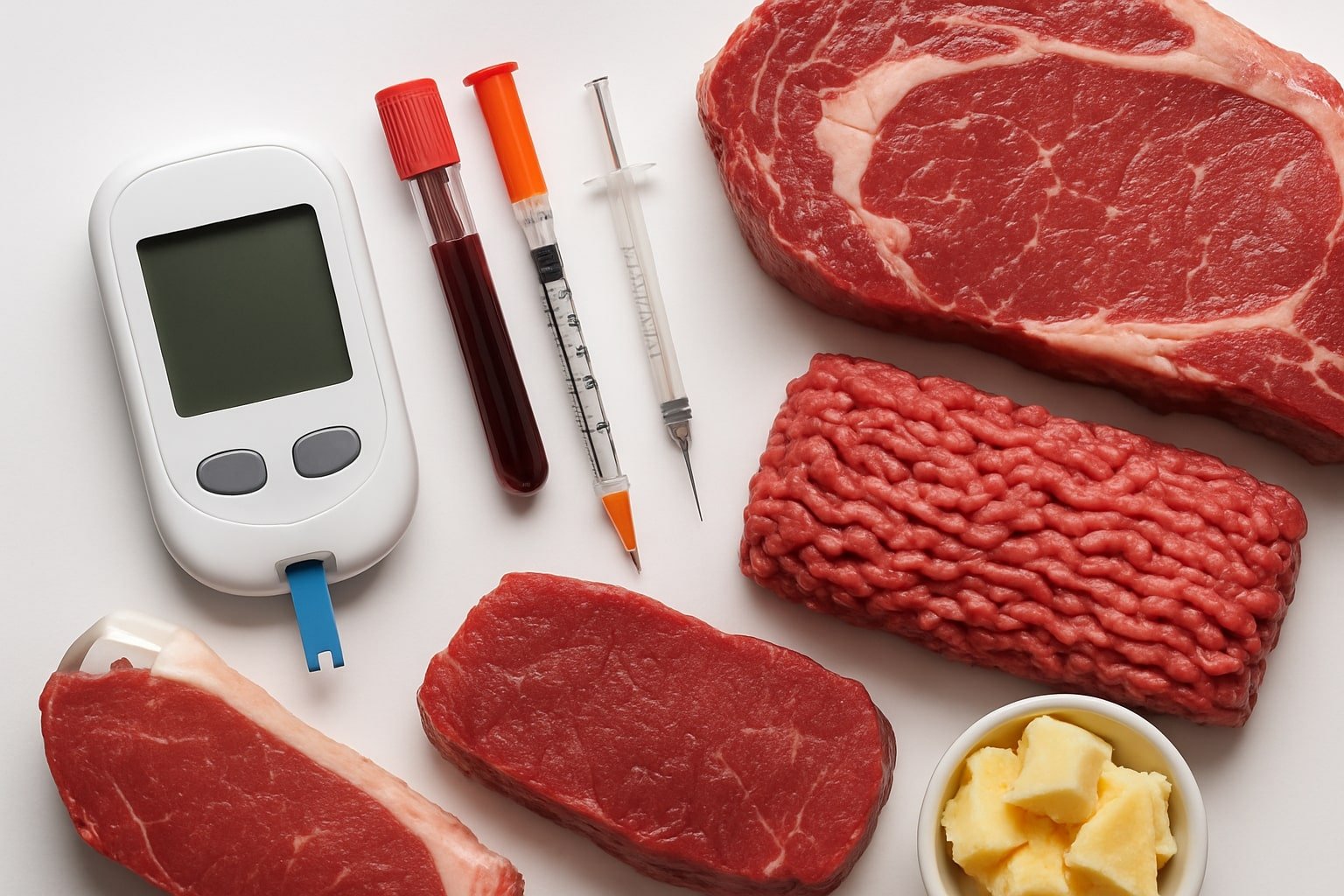
Testing fasting glucose and insulin on a carnivore diet gives valuable insights into how this way of eating affects metabolic health and blood sugar control. Monitoring these markers helps individuals and healthcare providers understand their risk for conditions like insulin resistance or diabetes, even when following a diet that is nearly or entirely free of carbohydrates.
Many people choose to track fasting glucose and insulin as part of routine blood work, especially when transitioning to or maintaining a strict carnivore approach. Results from these tests can reveal whether the diet is supporting healthy metabolic function or if adjustments may be needed.
Understanding these lab results is essential, as the carnivore diet can lead to changes in fasting glucose and insulin compared to mixed or plant-based diets. With research still emerging, practical testing offers a reliable way to assess individual metabolic response and make informed decisions about dietary choices.
Understanding Fasting Glucose and Insulin
Fasting glucose and insulin are key indicators of blood sugar regulation and metabolic health. Accurate understanding of their roles helps interpret test results, identify insulin resistance, and evaluate the effectiveness of different diets such as carnivore.
What Is Fasting Glucose?
Fasting glucose refers to the concentration of glucose in the blood after not eating for at least 8 hours. This measurement provides insight into how the body regulates blood sugar without the influence of recent food intake.
Glucose is a primary source of energy for cells, but its level in the bloodstream must be carefully controlled. High fasting glucose may suggest impaired glucose regulation or the early stages of insulin resistance.
On a carnivore diet, some individuals may notice their fasting glucose remains stable, while in others it may increase slightly due to changes in glucose metabolism. Monitoring fasting glucose helps assess metabolic adaptation and detect potential disturbances in glucose control.
Significance of Fasting Insulin Levels
Fasting insulin levels reveal how much insulin the pancreas secretes to maintain normal blood sugar during fasting. Measuring fasting insulin, along with fasting glucose, provides a more comprehensive picture of metabolic health.
Elevated fasting insulin can be an early sign of insulin resistance, even if fasting glucose remains within normal range. Consistently high fasting insulin often precedes visible changes in blood sugar and may increase long-term risk for type 2 diabetes.
For those on a carnivore diet, fasting insulin may decrease as carbohydrate intake is limited, potentially improving insulin sensitivity. Testing fasting insulin can help track changes in metabolic status and evaluate risk factors related to blood sugar regulation.
Relationship Between Glucose and Insulin in the Body
Glucose and insulin work together to maintain stable blood sugar levels. When blood glucose rises after eating, the pancreas releases insulin to help cells absorb and use glucose.
In healthy metabolism, this process keeps blood sugar within a narrow range. If cells become less responsive to insulin (insulin resistance), the pancreas produces more insulin, which can eventually lead to elevated fasting glucose.
Both fasting glucose and fasting insulin readings are crucial for assessing glucose control and insulin sensitivity. Changes in diet, such as switching to a carnivore pattern, may alter this relationship, making it important to monitor and understand both markers for comprehensive health assessment.
The Carnivore Diet and Metabolic Health
The carnivore diet is centered almost exclusively on animal products and is increasingly popular among those experimenting with low-carbohydrate eating. Its impact on metabolic health, especially fasting glucose and insulin, has become a focus for people monitoring long-term wellness.
Key Principles of the Carnivore Diet
The carnivore diet is defined by the exclusion of plant foods, focusing on eating meat, fish, eggs, and some animal-based fats. This approach eliminates grains, sugar, legumes, fruits, and vegetables entirely. Some people on this diet include dairy, often in limited amounts.
Carbohydrate intake on a strict carnivore diet is extremely low, typically less than 10 grams per day, primarily from trace amounts in eggs or dairy. Meals often consist of unprocessed cuts of meat or fish, but individuals may also consume processed meats such as bacon or sausage, which can alter nutrient intake and sodium levels.
Adaptation to the carnivore diet often involves a period of dietary transition. During this time, some may experience changes in digestion, energy, and appetite as the body shifts from a mixed or plant-heavy dietary pattern to an animal-based nutrition model.
Impact on Insulin and Glucose
A primary interest for many following a meat diet is the effect on blood glucose levels and insulin response. With virtually no dietary carbohydrate, the body relies on gluconeogenesis—producing glucose from protein and fat—to maintain basic needs.
Fasting blood glucose readings on a carnivore diet can be slightly higher than expected, often in the 90–100 mg/dL range. HbA1c (glycated hemoglobin) typically remains below 5.7% for most, indicating non-diabetic glucose metabolism. Fasting insulin levels on a carnivore diet are generally stable and may fall within or just below the standard reference range.
These metabolic adjustments may differ from traditional low carbohydrate diets due to the absence of plant fiber and the exclusive reliance on animal products. Monitoring glucose and insulin markers through blood testing allows for the identification of trends that could indicate improving or declining insulin sensitivity.
Potential Health Benefits and Risks
Some individuals report benefits such as more stable mood, appetite regulation, and weight loss after transitioning to animal-based nutrition. By eliminating ultra-processed foods and most dietary carbohydrates, the diet can produce lower triglycerides and improved HDL cholesterol in some people.
Potential health risks include deficiencies in certain micronutrients, such as vitamin C, fiber, or magnesium, especially if dietary variety within animal products is limited. Processed meats can introduce excess sodium and preservatives, potentially increasing cardiovascular risk over time.
Continuous glucose monitoring and regular blood tests help to identify abnormal patterns early, ensuring that dietary adjustments can be made. Those with pre-existing health conditions or who are at risk of heart or kidney problems should approach the carnivore diet with close medical supervision.
Why Test Fasting Glucose and Insulin on a Carnivore Diet
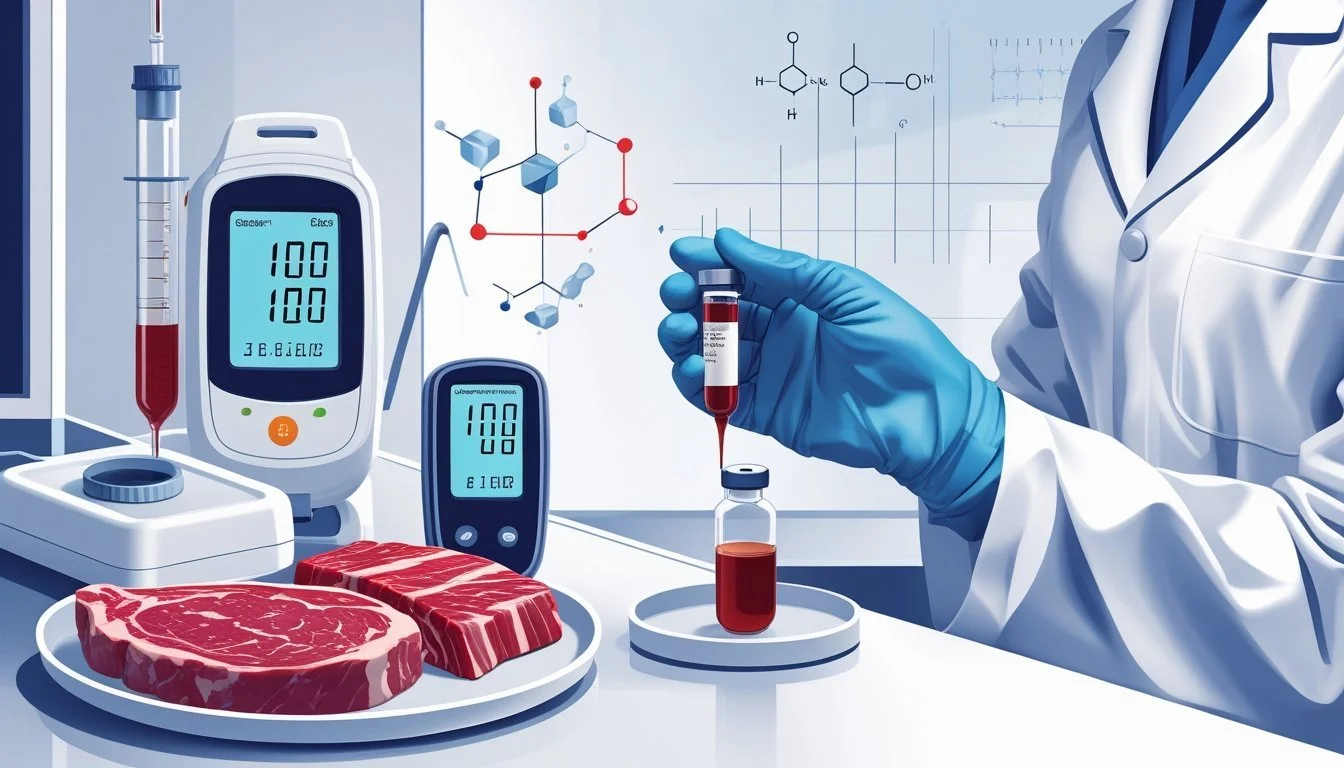
Testing fasting glucose and insulin levels provides clear data about how the carnivore diet may impact metabolic health and disease risk. These measurements help track important health markers that can reveal subtle changes in blood sugar regulation and insulin function over time.
Evaluating Baseline Health Markers
Fasting glucose and insulin are essential markers for understanding an individual's metabolic state on a carnivore diet. Routine blood work can identify current blood sugar levels and insulin concentrations, which serve as baseline references for future testing.
Healthy fasting glucose values typically range from 70 to 100 mg/dL. Insulin is usually measured in the context of fasting, and optimal fasting insulin values often fall between 2 and 6 µIU/mL. Consistently monitoring these numbers helps determine if dietary changes are benefiting or impairing glucose control.
Documenting these metrics early in the diet provides objective benchmarks. Over time, any shifts can be compared to these initial readings to assess trends, catch irregularities, or demonstrate improved metabolic function.
Detecting Insulin Resistance and Sensitivity
Tracking fasting glucose and insulin is crucial for uncovering insulin resistance or sensitivity. Insulin resistance, when cells do not respond properly to insulin, often develops gradually and can lead to higher levels of both fasting glucose and insulin.
Blood work can reveal rising insulin requirements even when glucose stays in range, signaling the onset of resistance. Conversely, low fasting insulin with stable glucose may indicate improved insulin sensitivity, which is often a goal for those on a low-carbohydrate or carnivore diet.
Key indicators include the Homeostatic Model Assessment of Insulin Resistance (HOMA-IR), calculated from fasting glucose and insulin values. Elevated HOMA-IR suggests higher insulin resistance and increased risk of type 2 diabetes and pre-diabetes.
Identifying Early Signs of Metabolic Dysfunction
Regular testing helps identify early metabolic changes before overt symptoms develop. Individuals may experience subtle elevations in fasting glucose (hyperglycemia), low glucose episodes (hypoglycemia), or unexplained shifts in insulin levels.
Early detection is vital for preventing chronic conditions like diabetes, hyperinsulinemia, or other metabolic disorders. Tracking trends can catch minor abnormalities, such as persistent elevations in blood sugar or insulin, which signal that further evaluation may be needed.
For those with risk factors like obesity or a family history of diabetes, early and ongoing measurement of these markers increases the likelihood of timely intervention and better long-term metabolic health outcomes.
Preparing for Fasting Glucose and Insulin Testing

Proper preparation for fasting glucose and insulin blood tests is essential to ensure accurate readings. Adhering to specific dietary guidelines, understanding when to schedule the test, and knowing what factors might skew results can all reduce the risk of misinterpretation.
Guidelines for Accurate Fasting
A true fasting state requires not eating or drinking anything except water for at least 8 hours before the blood draw, though many providers recommend 10–12 hours for the most accurate fasting blood glucose and fasting insulin levels.
Food or drinks (except plain water) during this window can disrupt results and make it difficult to interpret blood glucose and insulin levels reliably. Alcohol and caffeine should also be avoided, as they may impact metabolism and fasting measurements.
Medications should be taken as prescribed unless told otherwise by a healthcare provider. If unsure, patients should consult their doctor in advance. It’s important to inform the laboratory or clinician of any supplements, recent illnesses, or deviations from dietary guidelines in the days leading up to testing.
Timing and Scheduling of Blood Draws
Blood tests measuring fasting blood glucose and insulin are typically scheduled in the morning. Overnight fasting is easiest to achieve and helps reduce the impact of circadian fluctuations on insulin sensitivity and glucose metabolism.
Scheduling the test as early as possible in the day is recommended. This minimizes fasting discomfort and lessens the chance of accidental non-adherence to fasting requirements. Disruptions to regular sleep patterns can also influence fasting values, so maintaining a consistent sleep schedule before the test is helpful.
For individuals on a carnivore diet, it is suggested to keep the timing of the blood draw consistent with previous tests to allow for more meaningful comparisons over time. If a complete blood count (CBC) or other tests are included, these are often performed at the same visit.
Factors Affecting Test Results
Physical and psychological stress, acute illness, and poor sleep can all influence fasting glucose and insulin levels. Infections can temporarily increase blood sugar and impact test reliability.
Strenuous exercise within 24 hours before testing may also raise or lower insulin and glucose values unpredictably. Any recent changes in diet, especially carbohydrate intake, can affect test interpretation—on a strict carnivore diet, note any deviations from usual dietary guidelines.
A table of factors to monitor before testing:
Factor Effect on Results Recommendation Acute illness May increase glucose Reschedule if sick Medications Can skew results Discuss with provider Poor sleep May raise blood sugar Aim for 7-9 hours of rest Exercise Alters insulin/glucose briefly Avoid strenuous activity Diet changes Impacts baseline levels Stay consistent with guidelines
By controlling these variables, patients increase the likelihood of obtaining a true baseline for fasting blood glucose and fasting insulin.
Interpreting Test Results
Fasting glucose and insulin tests offer direct insight into blood sugar control and metabolic health on the carnivore diet. Accurate interpretation helps identify signs of pre-diabetes, insulin resistance, and potential diabetes, as well as healthy patterns in blood markers.
Normal and Abnormal Fasting Glucose Values
Fasting blood glucose levels reflect how well the body regulates sugar after an overnight fast. Normal fasting glucose for adults generally falls between 70–99 mg/dL. Readings above 100 mg/dL may indicate impaired glucose tolerance or pre-diabetes, while values over 126 mg/dL on more than one occasion suggest diabetes.
Consistently low fasting glucose, especially below 70 mg/dL, may point to hypoglycemia. Most people on a carnivore diet observe stable or slightly lower fasting glucose levels due to reduced carbohydrate intake.
Tests like HbA1c (glycated hemoglobin) provide the average blood glucose over 2-3 months. A1c values under 5.5% are typically considered optimal. Elevated levels indicate chronic high blood sugar, a risk factor for diabetes and vascular disease.
Meaning of Fasting Insulin Levels
Fasting insulin measures how much insulin the pancreas releases to keep glucose in check. Reference levels are commonly 2–6 mU/L. Higher results, known as hyperinsulinemia, suggest the pancreas is working harder to control blood sugar.
Profiles for those on a carnivore diet tend to show lower fasting insulin compared to higher-carb diets, reflecting improved insulin sensitivity. Persistent elevation above the normal range can signal early insulin resistance, even if glucose stays normal.
Doctors sometimes also evaluate fasting C-peptide alongside insulin to assess pancreatic function. Both values offer insights into metabolic state and diabetes risk.
Signs of Insulin Resistance and Metabolic Disorders
Insulin resistance develops when cells stop responding to insulin efficiently, leading to rising insulin and sometimes glucose levels. Hallmarks include:
Fasting insulin above 6 mU/L
Fasting glucose consistently over 99 mg/dL
A1c at or above 5.7%
These markers are often seen in early type 2 diabetes and pre-diabetes. Persistent insulin resistance increases the risk of heart disease, fatty liver, and other metabolic problems.
Testing multiple markers together—glucose, insulin, A1c—gives a clearer picture of actual metabolic health. If results are outside the normal ranges, medical advice is recommended to reduce health risks.
Supporting Tests and Comprehensive Blood Work
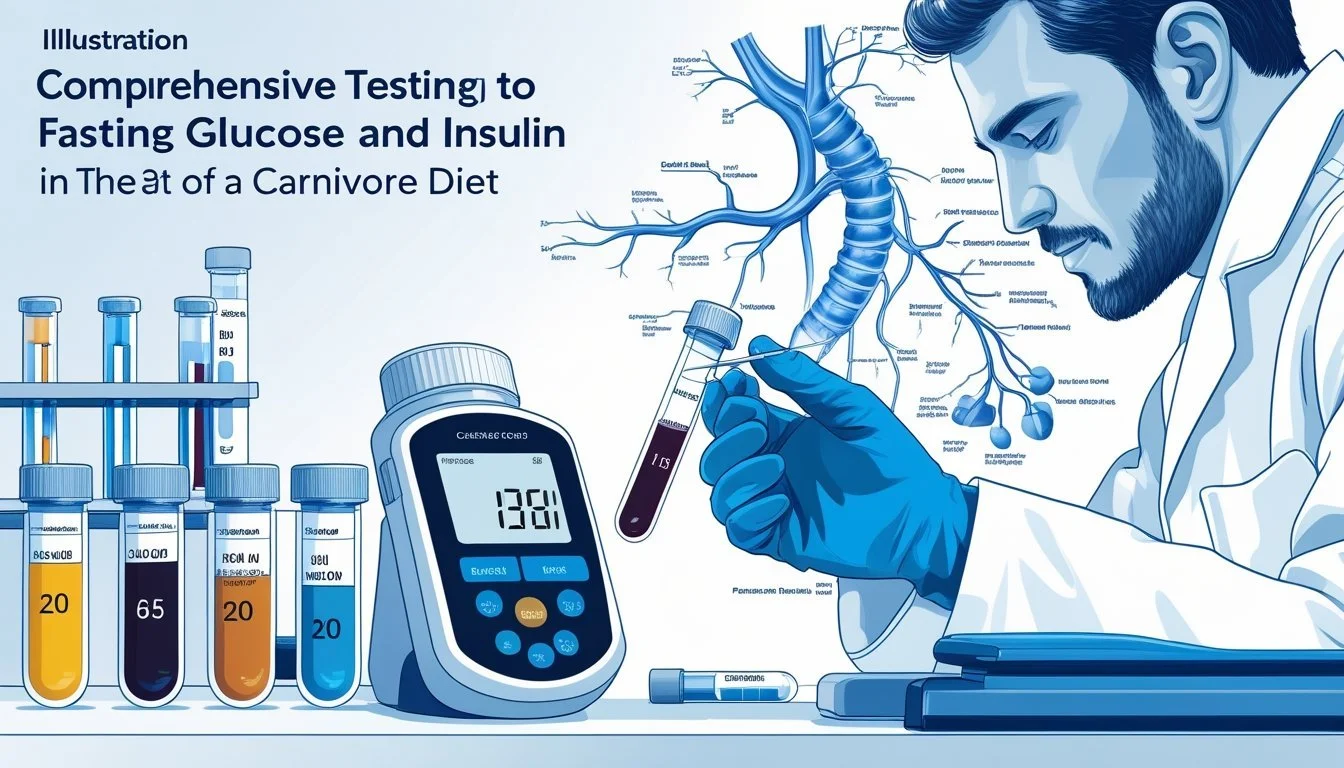
Routine blood work plays a crucial role in assessing health on the carnivore diet. In addition to fasting glucose and insulin, several targeted tests provide insight into blood health, organ function, and cardiovascular risk.
Complete Blood Count (CBC)
A CBC measures major blood components, including red blood cells, white blood cells, and platelets. This test helps detect anemia, infections, and blood disorders. Hematocrit and hemoglobin levels assess oxygen-carrying capacity, vital for identifying macrocytic anemia, which may occur from B12 or folate deficiencies.
White blood cell counts give information on immune health. Significant changes may indicate inflammation or infection. Platelet levels contribute to evaluating blood clotting function. Repeating the CBC over time helps spot trends and catch emerging deficiencies, which can occasionally develop with strict dietary regimens.
Liver and Kidney Function Tests
Liver function tests are essential because liver health impacts metabolism and overall well-being. Alanine aminotransferase (ALT), aspartate aminotransferase (AST), and alkaline phosphatase are key markers. Elevated ALT levels may signal liver stress or damage, which should be promptly investigated.
Kidney function tests include serum creatinine, blood urea nitrogen (BUN), and estimated glomerular filtration rate (eGFR). Monitoring creatinine levels can help detect early signs of kidney dysfunction or chronic kidney disease. Testing for microalbumin in the urine is important for identifying early diabetic nephropathy, even if blood glucose appears normal.
Lipid Profile and Cardiovascular Markers
A lipid profile evaluates triglycerides, total cholesterol, HDL cholesterol, and LDL cholesterol. Tracking these markers helps determine cardiovascular risk while on the carnivore diet. High triglyceride levels or increased LDL cholesterol may warrant closer monitoring.
A complete lipid panel, including ratios of HDL to total cholesterol and triglycerides to HDL cholesterol, offers additional insight. Persistent abnormalities may require further assessment and adjustments to dietary fat intake. Elevated cardiovascular risk markers should prompt discussion with a healthcare provider to optimize dietary strategies.
Tracking Health Outcomes and Adjustments
Consistent tracking of fasting blood glucose and insulin is important for anyone on a carnivore diet. Careful monitoring allows for informed dietary adjustments and helps identify how specific choices affect metabolic health.
Monitoring Changes Over Time
Regular monitoring of fasting blood glucose and insulin provides essential feedback. Most individuals will use lab tests or home blood glucose meters. Tracking results weekly or monthly gives insight into trends rather than relying on a single measurement.
A personal health log or spreadsheet makes it easier to spot patterns. Important markers to record include:
Fasting glucose (mg/dL)
Fasting insulin (µIU/mL)
HbA1c (%) if possible
Gathering these numbers over time helps identify if glucose control is improving, remaining stable, or deteriorating. For those with diabetes or signs of insulin resistance, this process is critical to evaluate the diet's effectiveness.
Continuous Glucose Monitoring for Deeper Insights
Continuous glucose monitors (CGMs) offer far more detail than periodic fingerstick measurements. CGMs track glucose values throughout the day and night, capturing fluctuations that standard fasting measurements can miss.
Wearing a CGM for a few weeks can reveal:
How stable glucose levels remain during fasting and after meals
Responses to specific foods or physical activity
Nighttime glucose patterns
Individuals may notice sharper dips or spikes from particular food choices or stressors that would not be detected with once-daily testing. Using CGM data, one can create targeted adjustments for better blood sugar stability and optimal metabolic health.
Adapting Dietary Strategies Based on Blood Work
Blood work provides an objective basis for making dietary changes. If fasting glucose or insulin levels are drifting outside recommended ranges, individuals can adjust:
Meal timing (e.g., earlier dinners to improve morning glucose)
Carnivore food choices (selecting fattier or leaner cuts)
Portion sizes and eating frequency
Changes should be made one at a time and verified by subsequent blood testing. Consultation with a healthcare professional is advised, especially for those with diabetes or complex medical backgrounds. Tracking these changes in relation to health outcomes enables personalized, data-driven decisions for ongoing dietary success.
Addressing Inflammatory and Metabolic Markers
Fasting glucose and insulin are crucial, but other health markers—like inflammatory and metabolic markers—also provide critical insights into how a carnivore diet affects the body. Monitoring these markers helps detect early changes related to systemic inflammation and metabolic health.
Assessing Inflammatory Responses
Chronic inflammation is linked to many health conditions. On a carnivore diet, tracking inflammatory markers such as C-reactive protein (CRP) can help assess systemic inflammation. CRP is widely used due to its sensitivity to subtle inflammatory changes in the body.
Other important tests include erythrocyte sedimentation rate (ESR) and interleukin-6 (IL-6), though CRP remains the most accessible. A consistently low CRP suggests minimal inflammation and could indicate positive immune and metabolic responses.
It is also valuable to monitor for unexpected increases in these markers, as elevated CRP levels can signal underlying issues even if fasting glucose and insulin are in a healthy range.
Implications for Long-Term Health
Metabolic markers—including fasting insulin, blood glucose, triglycerides, and liver function tests—give a broader picture of metabolic health on the carnivore diet. Persistently high insulin or glucose may point to insulin resistance, even when weight is stable.
Table: Key Metabolic and Inflammatory Markers to Monitor
Marker What It Indicates Fasting Glucose Blood sugar stability Fasting Insulin Insulin sensitivity CRP Systemic inflammation Triglycerides Cardiometabolic health Liver Enzymes (ALT, AST) Liver function and stress
Tracking these values at regular intervals can help reveal trends and potential health risks. Significant changes or abnormal values should prompt further investigation by a healthcare professional.
Special Considerations and Common Pitfalls

Interpreting fasting glucose and insulin results on a strict meat diet involves several caveats. Diet composition, testing context, and individual health status can all impact how results are understood and acted upon.
Potential Issues with Interpretation
Many people on a carnivore or animal-based nutrition plan may see fasting glucose levels that differ from population averages. Low dietary carbohydrate intake can lower blood sugar, but fasting insulin may not always decrease in parallel due to gluconeogenesis from protein.
A common pitfall is comparing results to reference ranges developed for mixed or plant-based diets, which may not apply. Elevated fasting glucose can sometimes reflect a physiological adaptation rather than pathology, especially if overall health markers are stable.
Checklist for accurate interpretation:
Confirm fasting status (at least 8–12 hours overnight).
Note recent intake of processed meats, which may affect results.
Consider repeating tests for consistency.
Unique Factors in Animal-Based Diets
Meat diets prompt the body to rely on fat metabolism and gluconeogenesis. This can create different metabolic signatures compared to high-carbohydrate diets.
Animal products may result in higher ketone production, affecting insulin signaling and sometimes lowering fasting insulin. However, high intakes of processed meats can alter results due to additives, preservatives, or sodium content, potentially skewing both glucose and insulin values.
Strict carnivore patterns often lead to vitamin or micronutrient shifts, which can indirectly influence glucose metabolism. Tracking health status with regular blood work is important to distinguish between expected adaptations and emerging health risks.
When to Consult a Healthcare Professional
Certain test results or symptoms warrant professional evaluation. These include:
Fasting glucose >126 mg/dL (7.0 mmol/L) on more than one occasion
Persistently high or low insulin outside standard ranges
Unexplained fatigue, excessive thirst, or significant unintentional weight changes
Those with a known medical condition, or who are taking glucose or lipid-lowering medications, should review test results with their provider. A healthcare professional can help interpret values in the context of dietary guidelines, lifestyle, and overall health status rather than relying only on standardized charts.
Frequent or major dietary shifts, especially toward exclusive animal products, should involve periodic medical oversight to detect health risks early.

