
Examining Nutritional Paradigms
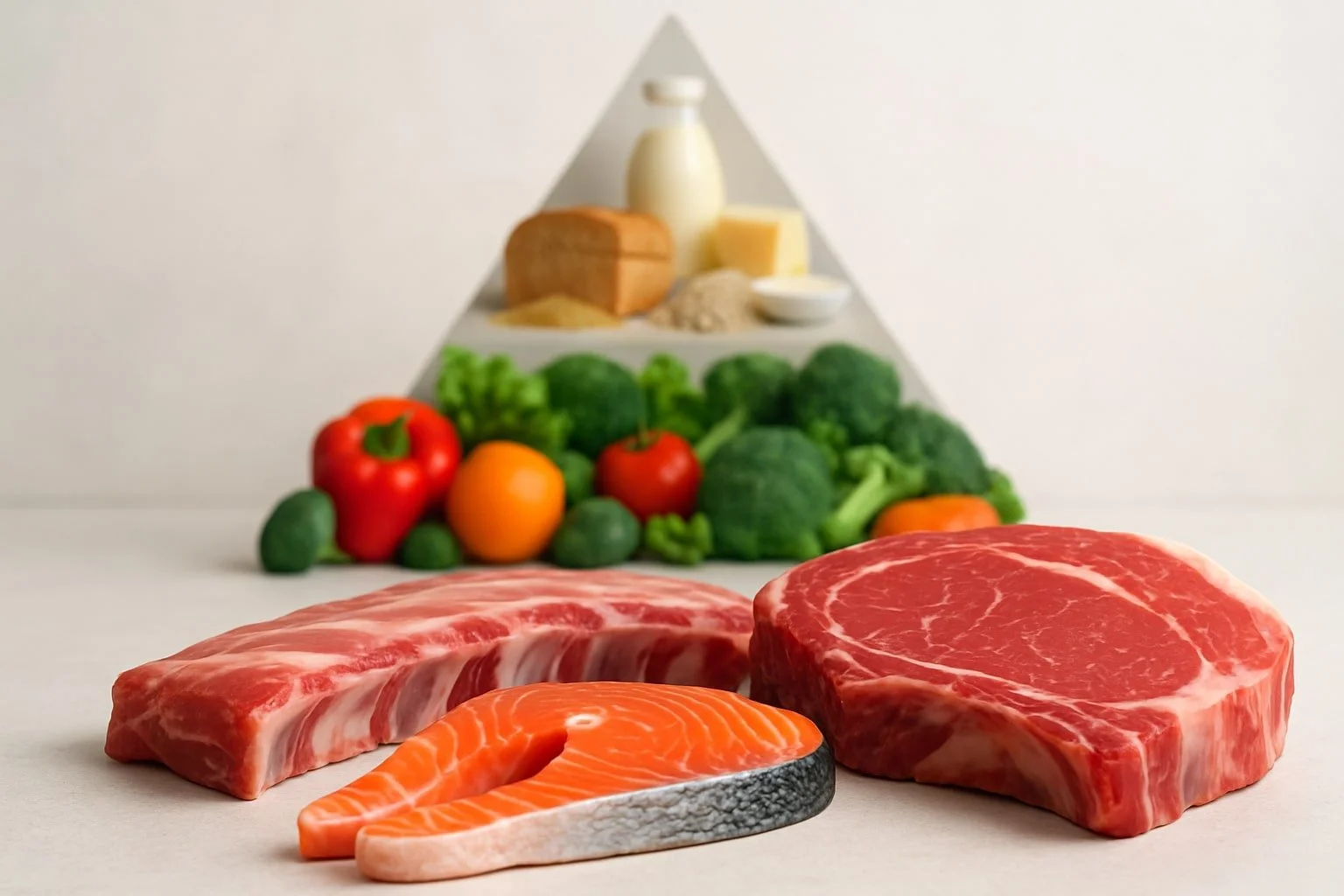
The carnivore diet stands in direct contrast to the traditional food pyramid by focusing almost entirely on animal-based foods and excluding plant-based groups altogether. While the food pyramid encourages a varied intake of grains, fruits, and vegetables, advocates of the carnivore diet consume mainly meat, eggs, and some dairy, emphasizing nutrient density and simplicity.
This fundamental difference challenges long-standing assumptions about what constitutes a balanced diet. As interest in the carnivore diet grows, more people are questioning whether the food pyramid's recommendations fit everyone’s needs or if an alternative, animal-based approach could offer unique health benefits.
Understanding how the carnivore diet disrupts mainstream dietary guidelines sheds light on ongoing debates in nutrition and highlights the evolving nature of dietary advice. Readers interested in nutrition trends and the science behind them will find valuable insights in this discussion.
Understanding the Food Pyramid
The food pyramid was designed as a visual guide to promote healthy dietary patterns and help people choose foods that supply essential nutrients. Its influence on public nutrition policy and daily meal choices has shaped how many view balanced eating.
Structure and Guidelines
The food pyramid arranges foods in a layered structure, starting with the most recommended foods at the base and narrowing to those suggested in smaller amounts at the top.
Base: Grains like bread, pasta, and rice take up the largest section.
Middle layers: Vegetables and fruits, then dairy and protein sources such as meat, eggs, and beans.
Top: Fats, oils, and sweets, recommended sparingly.
Each level suggests serving sizes and consumption frequency. The pyramid’s format was intended to ensure intake of all essential nutrients, promote variety, and reduce chronic disease risk. Visual cues help users quickly grasp what portions of their diets should look like.
Role in Mainstream Nutrition Advice
The food pyramid has served as the cornerstone of mainstream nutrition advice in several countries since its introduction in the early 1990s.
National health agencies and schools have adopted it in educational materials, influencing millions in daily menu planning. By emphasizing plant-based items like grains, fruits, and vegetables, the pyramid encouraged a diet high in fiber, vitamins, and minerals, while still allowing for moderate servings of animal products.
This approach reflects official guidelines on calorie balance, macronutrient distribution, and prevention of nutrition deficiencies. The food pyramid also shapes public health campaigns and is often referenced in dietary recommendations by healthcare professionals.
Criticisms and Limitations
Despite its widespread use, the food pyramid has faced regular criticism from nutrition experts and researchers.
One main issue is its heavy emphasis on grains and carbohydrates, which some believe may contribute to excess calorie intake or nutritional imbalances. Critics argue that it oversimplifies dietary patterns, neglecting the unique needs of certain populations or individual metabolic differences.
Another limitation is that the pyramid does not address food quality, such as refined vs. whole grains or processed foods. Its structure can mislead users about the roles of fats, proteins, and certain micronutrients, raising concerns that following the pyramid strictly might not always provide optimal levels of all essential nutrients for everyone.
Fundamentals of the Carnivore Diet
The carnivore diet restricts intake to animal-derived foods and avoids all plant-based products. It emphasizes foods such as beef, eggs, fish, and dairy, supporting high protein and fat consumption while excluding dietary fiber and most micronutrients found in plants.
Core Principles
The carnivore diet is based on the consumption of exclusively animal-sourced foods. All fruits, vegetables, grains, legumes, nuts, and seeds are eliminated. This pattern is sometimes called a meat only diet or animal-based diet.
Protein and fat from animals serve as the main sources of energy. The diet centers around ruminant meat like beef and lamb but often includes pork, poultry, seafood, eggs, fatty fish, and full-fat dairy as permitted options. Some advocates recommend the inclusion of organ meats for their nutrient density.
Supporters claim this approach leads to better satiety and may reduce food intolerances or digestive complaints. The diet removes fiber, plant anti-nutrients, and all processed carbohydrates. Water is the primary beverage, and other drinks are rarely allowed.
Typical Foods Consumed
Most meals focus on red meat, especially beef, lamb, and other ruminant meats, which are noted for their complete protein and fat content. Poultry (like chicken and turkey) and pork are also included, though some followers prioritize beef or lamb for their nutrient density.
Eggs and seafood (including fatty fish such as salmon and sardines) are commonly eaten to provide additional nutrients. Organ meats—such as liver, kidney, and heart—are encouraged for their rich supply of vitamins and minerals. Full-fat dairy products like cheese and heavy cream may be consumed by those who tolerate them.
Table: Common Foods in the Carnivore Diet
Food Group Examples Ruminant Meat Beef, lamb Pork Pork chops, bacon Poultry Chicken, turkey Seafood Fish, shellfish, fatty fish Eggs Chicken eggs, duck eggs Dairy Cheese, heavy cream, butter Organ Meat Liver, kidney, heart Bone Broth Broth made from animal bones
Herbs, spices, and condiments are usually limited or avoided.
Nutrient Profile Overview
A carnivore or animal-based diet supplies high levels of protein and animal fat. Red meats provide all essential amino acids, making them a source of complete protein. The exclusion of plant foods means the diet contains negligible fiber and limited vitamin C.
Organ meats contribute critical micronutrients—including vitamin A, B vitamins (like B12), iron, zinc, and copper—that may otherwise be lacking in muscle meats alone. Fatty fish offer omega-3 fatty acids, which support heart and brain health.
This diet is rich in saturated fat and cholesterol. Calcium, potassium, and magnesium are present in varying amounts, often depending on inclusion of dairy or bone broth. The absence of certain vitamins (mainly C and folate), antioxidants, and fiber can be significant, making careful food selection important for those following this pattern.
Direct Contradictions: Carnivore Diet vs. Food Pyramid
The carnivore diet sharply diverges from the food pyramid, especially in its approach to carbohydrates, food group emphasis, and foundational dietary principles. These differences result in significant changes to nutritional intake, daily meal structure, and overall guidance for food choices.
Carbohydrate Exclusion
The traditional food pyramid places a strong emphasis on grains, breads, cereals, and other carbohydrate-rich foods as its base. These foods are recommended to be consumed in the largest quantities, serving as the cornerstone of daily nutrition.
In contrast, the carnivore diet eliminates all plant-based carbohydrates, including grains, fruits, and vegetables. Followers avoid breads, pasta, rice, and even high-fiber foods, focusing exclusively on animal products.
This exclusion leads to a dramatic drop in daily carbohydrate intake, often reducing it to near zero. The resulting shift forces the body to rely on fats and proteins for energy rather than glucose from starches or sugars.
Emphasis on Animal Products
The food pyramid traditionally places meats and other animal products in a higher, more restricted section. It advises moderate consumption of these foods, focusing instead on plant-based foods, with stronger emphasis on variety and balanced group intake.
The carnivore diet reverses this structure. It prioritizes meats, fish, eggs, and sometimes dairy, making these the primary sources of both calories and nutrients. There are no recommendations for moderation regarding animal products; rather, they make up virtually the entire diet.
This shift in focus causes notable changes in dietary fat, cholesterol, and protein intake. Standard portions are replaced with larger servings of red meat, organ meats, and fatty cuts, which would be discouraged in the food pyramid framework.
Shifting the Foundation
At its base, the food pyramid encourages diversity by recommending multiple food groups—especially grains—as dietary staples. Plant foods are fundamental in its design, and the largest caloric share is intended to come from these sources.
The carnivore diet fundamentally alters this structure by removing plant-based food groups from the foundation altogether. Animal products become not just one component, but the sole basis of daily intake.
This results in a dramatic reduction in dietary fiber, phytochemicals, and micronutrients unique to plants. Protein and fat from animal sources replace the variety once depicted at the base of the food pyramid, focusing nutritional intake in a completely different direction.
Essential Nutrients in the Carnivore Diet
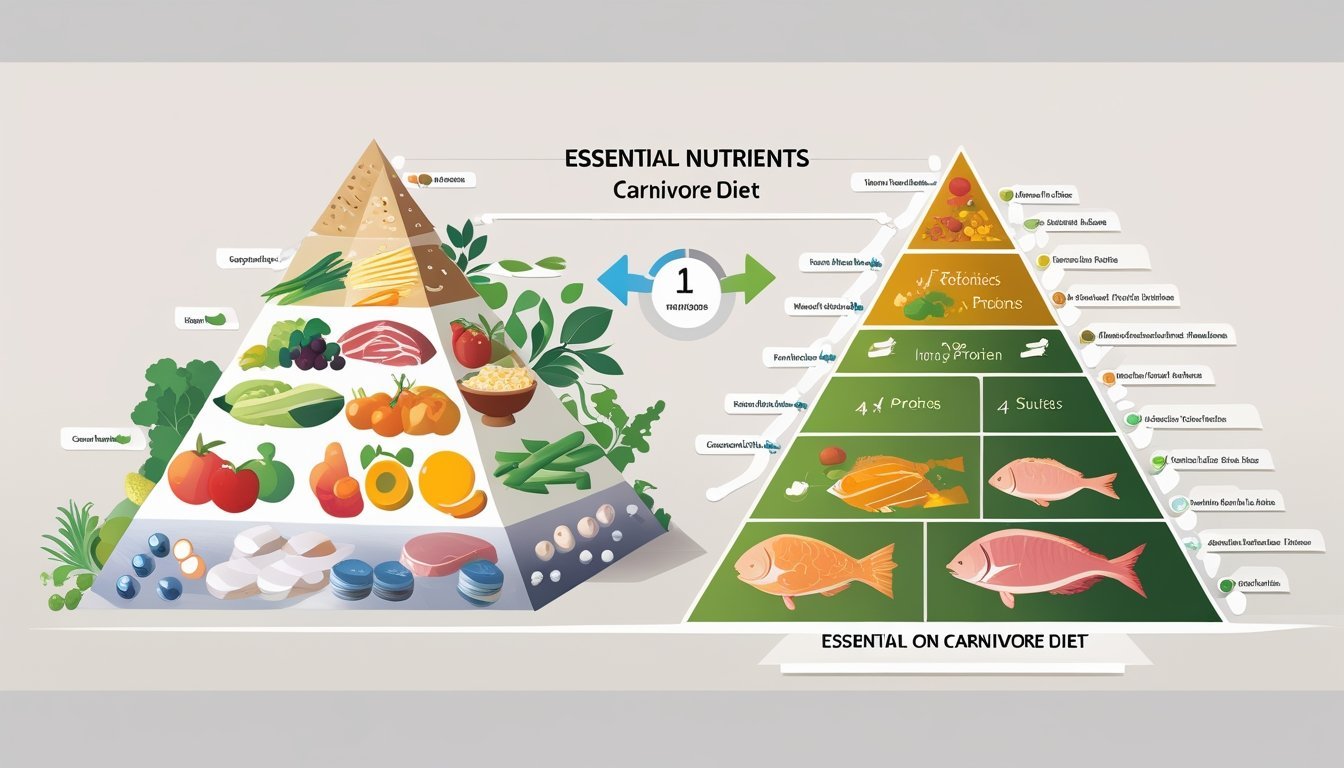
Animal-based diets are rich in essential nutrients that contribute to daily needs for protein, vitamins, and minerals. These foods provide high concentrations of nutrients such as vitamin B12, iron, zinc, and fat-soluble vitamins, supporting general metabolic functions and cellular health.
High-Quality Protein
Ruminant meats like beef, lamb, and goat serve as primary protein sources in the carnivore diet. These proteins are considered complete, since they supply all essential amino acids in optimal ratios for human health.
Eggs, fish, and organ meats such as heart and kidney add diversity and nutrient density. Protein from animal sources aids muscle maintenance, hormone production, and immune function.
Animal proteins also deliver important micronutrients for health. Beef, for example, is high in zinc, iron, and B vitamins, including B12 and folate. These nutrients help with energy metabolism, red blood cell formation, and neurological health.
Fat-Soluble Vitamins and Minerals
A carnivore diet emphasizes foods rich in fat-soluble vitamins A, D, E, and K. Beef liver supplies a concentrated source of vitamin A, which supports vision and immune health. Egg yolks and fatty fish contribute vitamin D, important for bone strength and calcium regulation.
Many animal foods provide iron and zinc, both essential for oxygen transport and immune support. Heart and kidney also contain magnesium and potassium, which play roles in muscle function and fluid balance.
Dairy foods, when included, offer calcium for bone maintenance. Although vitamin C is less abundant, organ meats do supply some, and the reliance on animal foods does not prevent absorption of most key vitamins and minerals needed for everyday function.
Nutrient Density and Satiety Compared to the Food Pyramid
The carnivore diet alters the approach to nutrient density and satiety by relying exclusively on animal-based foods, which contrasts sharply with the mixed macronutrient focus of the Food Pyramid. This change affects how individuals meet essential nutrient requirements and manage hunger.
Animal Foods for Satiety
Animal-based foods, especially fatty meats and organs, offer a high concentration of essential nutrients such as vitamin B12, iron, zinc, and omega-3 fatty acids. Unlike the traditional Food Pyramid, which emphasizes grains, fruits, and vegetables, the carnivore diet derives almost all nutrients from animal sources.
Protein and fat from animal foods tend to promote longer-lasting satiety. A typical carnivore diet may provide 60–80% of calories from fat and 20–40% from protein, with carbohydrates kept to minimal levels. This macronutrient profile can lead to steadier blood sugar and less frequent hunger.
Since satiety is regulated in part by protein intake and the absence of rapid blood sugar fluctuations, those following a carnivore diet may feel full for longer periods after meals compared to diets higher in refined carbohydrates.
Cravings and Caloric Control
The focus on nutrient-dense animal foods is argued to help reduce cravings, as people receive adequate amounts of essential amino acids, vitamins, and minerals from a smaller volume of food. There is evidence that vegetarian or legume-heavy meals can produce comparable satiety under certain conditions, but animal-based meals appear to sustain fullness similarly or sometimes more effectively.
By removing most sources of refined carbohydrates and sugars—often a significant part of the Food Pyramid—carnivore diets may limit the spikes and crashes that contribute to increased appetite and recurring cravings. In practice, some individuals on all-meat diets report a noticeable reduction in urge to snack between meals, which may assist with caloric control and weight management over time.
Types of Foods Featured in the Carnivore Diet
The carnivore diet centers on a range of animal-based foods, with most daily intake coming from meats and seafood. Different cuts, organs, and types of animal protein are selected for variety and to maximize nutrient intake.
Muscle Meats
Muscle meats form the foundation of the carnivore diet. Common choices include beef, lamb, pork, and various types of poultry such as chicken and duck. Cuts like ribeye, sirloin, brisket, and ground beef are popular for their combination of protein and fat.
Beyond beef, meats from goat and venison offer additional options. Many prefer fattier cuts, as animal fat is a significant source of energy on this diet. Utilizing a range of meats can help provide different amino acids and micronutrients.
Muscle meats are usually prepared by grilling, roasting, or pan-frying with minimal seasoning. Processed meats, such as sausages and deli meat, are sometimes included but often avoided due to additives. Many advocates recommend prioritizing unprocessed, grass-fed, or pasture-raised meats.
Organ Meats
Organ meats are viewed as some of the most nutrient-dense foods available in the carnivore diet. Liver, heart, and kidney are among the most frequently consumed. Liver, in particular, is valued for its high levels of vitamin A, iron, folate, and B vitamins.
Other organs, including spleen and brain, may also be eaten for their unique nutrient profiles. Organ meats provide essential micronutrients that may be hard to obtain from muscle meats alone. They are especially rich in minerals like copper, zinc, and selenium.
Many who follow the carnivore diet try to eat organ meats weekly, if not daily, in small portions. Proper preparation, such as soaking or gentle cooking, helps improve flavor and texture.
Seafood and Shellfish
Seafood and shellfish are important in the carnivore diet for variety and to supply omega-3 fatty acids. Fatty fish such as salmon, sardines, and mackerel are prime options due to their high EPA and DHA content.
A broad selection of shellfish can also be included, such as shrimp, crab, lobster, oysters, and mussels. These foods offer iodine, zinc, selenium, and other trace minerals that can be underrepresented in land-based meats.
Including seafood several times per week helps ensure a broader nutrient intake. Both wild-caught and farmed options are used, but wild-caught is often preferred for nutrient density and lower contaminant risks. Shellfish are typically steamed, boiled, or lightly grilled without added sauces.
Health Benefits and Reported Outcomes
Many people have turned to the carnivore diet in search of specific health improvements. Research and self-reported data highlight consistent themes related to weight management, energy, inflammation, and mental health.
Weight Loss and Energy Improvements
Individuals following the carnivore diet often report significant weight loss, especially those with previous issues maintaining a healthy weight. This dietary pattern restricts carbohydrates entirely, leading to lower insulin levels, reduced appetite, and naturally fewer daily meals.
Anecdotal and survey data suggest most people on the carnivore diet eat only once or twice each day. They often feel full for extended periods, which helps reduce overall calorie intake. Some studies and practitioners note that this way of eating may support better blood sugar control and reduce cravings.
Athletes and fitness enthusiasts claim enhanced and more stable energy throughout the day. While research is ongoing, early evidence indicates participants experience fewer energy crashes compared to higher-carb diets. Reported increases in endurance and stamina are commonly attributed to consistent fat and protein intake.
Reduced Inflammation and Improved Mental Clarity
Reports from both patients and healthcare providers frequently mention a decrease in symptoms linked to inflammatory or autoimmune conditions. Individuals with chronic diseases such as inflammatory bowel disease or rheumatoid arthritis sometimes observe less joint pain and fewer flare-ups.
Mental clarity and improved mood are regularly highlighted in self-reported experiences. Many followers describe a clearer mind, better focus, and more stable moods since removing plant-based foods and processed carbohydrates. Some even note benefits for anxiety and depression, although evidence is mostly anecdotal.
A reduction in overall inflammation is considered a likely contributor to these cognitive and mental health changes. The diet excludes common irritants and allergens, which may account for reported improvements in both physical and mental symptoms.
Micronutrient Considerations and Potential Deficiencies
The carnivore diet, which excludes plant-based foods, may lead to gaps in key micronutrients. Deficiencies in vitamin C, magnesium, potassium, calcium, and folate are among the primary concerns due to limited food variety.
Vitamin C and Scurvy
Vitamin C is almost entirely obtained from fruits and vegetables, which are excluded on a strict carnivore diet. This creates a risk for deficiency, which can lead to scurvy. Scurvy symptoms include fatigue, gum disease, and poor wound healing.
Animal foods like liver contain small amounts of vitamin C, but not always enough to meet recommended daily intake levels. Some proponents argue that reducing carbohydrate intake lowers the body's vitamin C needs, but there is limited clinical evidence to support this claim.
Table: Estimated Vitamin C Content
Food Source Vitamin C per 100g Beef Liver 27 mg Ribeye Steak 0 mg Orange (for reference) 53 mg
While mild supplementation or occasional inclusion of vitamin C-rich animal organs can help, there is still a tangible risk of deficiency if not carefully managed.
Magnesium and Electrolytes
Magnesium, potassium, and calcium are critical electrolytes involved in nerve and muscle function. The exclusion of plant-based foods, which are major sources of magnesium and potassium, puts individuals at risk for imbalances. Symptoms of magnesium deficiency can include muscle cramps, weakness, and irregular heartbeat.
Key minerals at risk on carnivore diet:
Magnesium: Largely found in nuts, seeds, and leafy greens.
Potassium: Abundant in fruits and vegetables.
Calcium: Present in dairy; strict meat-only diets may fall short.
Folate: Absent in meat; primarily in leafy greens and legumes.
Without careful planning or supplementation, prolonged deficiency can contribute to long-term health issues. Regular monitoring of blood levels and working with health professionals is advised for individuals adhering to an all-animal products dietary pattern.
Fats and Cholesterol in the Carnivore Diet
The carnivore diet places animal fats at the center of its food choices. This shift from plant oils to animal-derived fats and the diet's impact on blood cholesterol are among its most discussed features.
Healthy Fats and Cooking Fats
Animal fats are a main energy source on the carnivore diet, replacing carbohydrates. Notable fats include tallow (beef fat), lard (pork fat), and ghee (clarified butter).
These fats are commonly used for cooking because they remain stable at high temperatures and have a neutral or pleasant flavor. Ghee stands out for its low lactose and casein content, making it suitable for those avoiding dairy proteins.
Some animal fats contain small amounts of monounsaturated fats, which research associates with improved blood lipid markers. Essential fatty acids like omega-3s can also be present, particularly in the fat from grass-fed animals and fatty fish.
Common cooking fats in the carnivore diet:
Fat Type Source Notable Features Tallow Beef High-heat stability, neutral Lard Pork Mild flavor, semi-soft texture Ghee Butter Low lactose/casein, aromatic
Saturated Fat and Heart Health
Red meats, eggs, and animal fats are high in saturated fats. Traditional guidelines have linked saturated fat to increased cholesterol and higher risk of heart disease, but recent research offers a more nuanced view.
Studies show that while some individuals see an increase in total and LDL ("bad") cholesterol on high-saturated fat diets like carnivore, others experience minimal changes. Triglycerides may decrease because of lower carbohydrate intake.
The carnivore diet excludes plant oils and processed foods, which alters the dietary fat profile compared to standard diets. Some findings suggest improvements in HDL ("good") cholesterol and reduced inflammation for certain people, though responses vary.
It remains important for anyone considering the carnivore diet, especially individuals with heart disease risk factors, to monitor their blood lipids and consult with a healthcare provider.
Comparisons to Ketogenic and Other Elimination Diets
Shifts from traditional eating guidelines often raise questions about how diets like carnivore and keto differ in philosophy, nutrient focus, and their use for health conditions. Understanding these distinctions is important for anyone evaluating dietary changes that limit certain food groups.
Key Differences From Keto
The ketogenic diet includes high fat, moderate protein, and very low carbohydrates—typically under 50 grams per day—to induce a state of ketosis where the body burns fat for fuel. Foods such as non-starchy vegetables, nuts, dairy, and healthy oils are permitted.
In contrast, the carnivore diet is much more restrictive. It allows only animal-derived foods—primarily meat, fish, eggs, and some dairy. All plant-based foods, even low-carb vegetables and nuts, are excluded.
This difference impacts the nutrient profile. While keto provides fiber, select vitamins, and variety via permitted plant foods, carnivore eliminates those sources. The table below illustrates the fundamental contrasts:
Aspect Keto Diet Carnivore Diet Carbs <50g/day, some plants allowed Nearly zero, no plants Protein Moderate Moderate to high Food Variety Broad (plants + animals) Only animal foods
Role as an Elimination Diet
The carnivore diet acts as a complete elimination diet by cutting out all foods except for animal products. This approach aims to remove potential dietary triggers, such as plant-derived allergens, anti-nutrients, or compounds that may affect sensitive individuals.
Some people use this diet temporarily to identify foods that cause gastrointestinal distress, autoimmune flare-ups, or skin problems. After a period, individuals may reintroduce specific foods to observe any symptom return.
Compared to other elimination diets—like the autoimmune protocol or standard elimination diets that remove just a few food groups—the carnivore diet takes a maximalist, clear-cut approach. This can make it appealing for those seeking straightforward guidelines but may also pose challenges related to nutrient variety and taste preferences.
Digestive Health and Gut Impacts
The carnivore diet notably alters the digestive system due to its exclusion of plant-based foods and fiber. These changes influence both gut microbiome balance and inflammation in the digestive tract.
Effects on Digestive Systems
Those following a carnivore diet eliminate all dietary fiber by avoiding plant foods. This can have several effects on digestion. Short-term impacts often include reduced bloating and fewer occurrences of gas, since many fermentable plant fibers are removed.
However, fiber absence may also slow bowel movements. Some people report constipation after switching to only animal products, especially during the early transition phase. Others experience softer stools as their gut adapts.
The carnivore diet's simplicity reduces the variety of substrates for gut bacteria. This often leads to lower gut microbiome diversity. While some individuals report improvements in symptoms connected to irritable bowel syndrome or SIBO, the long-term effects of a fiber-free diet on digestive health, including possible impacts on colon health, still require more research.
Inflammation and Gut Health
A major rationale for the carnivore diet is its potential to lower gut and systemic inflammation. By removing grains, legumes, and other foods that may irritate the gut in sensitive people, some report relief from chronic digestive inflammation and corresponding symptoms.
Animal foods are low in antinutrients and allergens found in many plants, possibly minimizing immune system activation in the gut. For those with autoimmune or inflammatory bowel conditions, this reduction in dietary triggers can result in fewer symptoms.
Despite anecdotal benefits, scientific evidence on long-term inflammation control with the carnivore diet remains limited. The lowered microbiome diversity due to lack of plant fibers could pose risks for gut health resilience over time. Researchers suggest further investigation to assess sustained impacts on both gut function and inflammation.
Practical Implementation and Dietary Adaptation
Adopting a carnivore diet involves notable shifts in dietary patterns and meal structure. Adapting successfully requires understanding how to navigate the transition and knowing what foods work best for a meat-based regimen.
Transitioning to the Carnivore Diet
Switching to the carnivore diet can result in temporary adaptation symptoms such as digestive discomfort or low energy as the body adjusts to a high-protein, low-carbohydrate intake. Gradually eliminating plant-based foods and focusing on ruminant meats, animal fats, and organ meats can help ease this process.
Many find it useful to include bone broth or fatty cuts to support electrolyte balance. Sticking to simple meals at first—such as steak, ground beef, or eggs—streamlines adaptation. Some individuals choose to test dairy, pork, or poultry later, especially if sensitivities exist. Monitoring energy levels and hydration is key, as rapid changes may signal a need for more electrolytes or dietary fat.
Sample Recipes and Meal Ideas
Daily meals on the carnivore diet often revolve around whole animal products. Common options include ribeye steaks, roasted chicken thighs, or beef liver. Adding eggs or fish, such as salmon, provides variety in both nutrients and taste.
Below is a simple meal plan:
Meal Example Breakfast Scrambled eggs & bacon Lunch Grilled steak Dinner Pan-fried salmon & bone broth
Seasonings are usually limited to salt and pepper, though some include minimal herbs. Cooking methods such as grilling, roasting, or pan-searing help keep meals straightforward yet palatable. Rotating protein sources and incorporating organs ensures a broader nutrient intake within the carnivore framework.
Potential Risks and Controversies
The carnivore diet has generated concerns about nutrient deficiencies, toxin exposure, and its effects on long-term health. Many experts point to the lack of plant foods as a central source of risks associated with this eating pattern.
Toxins and Food Safety
Eating a diet composed almost solely of animal products increases certain food safety risks. Pathogens such as Salmonella and E. coli can be present in undercooked or improperly handled meat, leading to foodborne illness. High intake of processed or charred meats has also been linked to carcinogenic compounds like nitrosamines and polycyclic aromatic hydrocarbons (PAHs).
Some animal organs and fatty cuts may accumulate heavy metals or environmental pollutants, especially in older or farmed animals. Unlike plant-based foods, meat and animal fats do not provide fiber, which helps bind and eliminate some toxins from the digestive tract.
A diet lacking in plant foods means missing out on antioxidants and other plant compounds that can help the body detoxify harmful substances. Regular consumption of only animal-based products can make it harder for the body to counteract or remove certain toxins over time.
Long-Term Health and Chronic Disease Concerns
Several studies highlight a possible link between high red meat consumption and increased LDL cholesterol levels, which is a known risk factor for heart disease. The carnivore diet’s exclusion of fruits, vegetables, legumes, and grains leads to deficiencies in essential nutrients such as vitamin C, potassium, and various antioxidants.
Fiber is absent from all-animal food plans, which increases the risk of digestive problems, such as constipation and possibly colorectal cancer. The lack of phytonutrients, found only in plants, removes substances shown to reduce inflammation and contribute to metabolic health.
There are also concerns about the impact on chronic diseases like type 2 diabetes, as evidence suggests high intake of certain animal products may worsen insulin resistance. Health organizations generally advise balanced diets that incorporate both plant and animal foods to reduce the risk of long-term health conditions.
Sustainability and Ethical Considerations
A carnivore diet presents complex challenges and raises questions about environmental sustainability and animal welfare. Practices involved in meat production directly influence greenhouse gas emissions, land use, and ethical sourcing concerns.
Environmental Impact
Livestock farming, especially for beef and dairy, accounts for about 14.5% of global greenhouse gas emissions according to the FAO. The carnivore diet, with its heavy reliance on animal products, increases the demand for meat and intensifies this impact.
Large-scale animal agriculture often leads to significant land use changes, such as deforestation and habitat loss. Biodiversity suffers as land is repurposed for grazing or feed crops. Compared to plant-based diets, a carnivore diet demands more natural resources per calorie produced.
Sustainable practices, like regenerative grazing or integrated crop-livestock systems, can reduce some negative effects. However, these methods are not widely adopted globally, and most animal products still come from conventional, resource-intensive systems.
Animal Welfare and Sourcing
Animal welfare varies greatly based on sourcing and farming methods. Intensive, conventional operations frequently raise concerns about crowded conditions, routine use of antibiotics, and animal stress or suffering.
Ethical carnivore advocates often suggest sourcing meat from grass-fed, pasture-raised, or certified humane farms. These practices tend to offer better animal welfare outcomes through improved living conditions and more natural behaviors.
Consumers play a role by choosing producers with transparent animal welfare standards. However, ethical sourcing is not always accessible or affordable for everyone, and the overall market for high-welfare meat remains limited compared to conventional supply chains.
Notable Advocates and Community Perspectives

Several respected professionals and a vocal online community are central to the rise of the carnivore diet. Their experiences, research, and outreach efforts have shaped how the diet is viewed and practiced.
Influential Figures
Dr. Shawn Baker is one of the most prominent proponents. As an orthopedic surgeon, he has brought widespread attention to the carnivore diet through books, interviews, and social media. He often discusses the diet’s effects on fitness, inflammation, and chronic health conditions.
Dr. Ken Berry is another key advocate. A family physician, he uses his clinical background to share stories of patients who report improvements in metabolic health and autoimmune symptoms after adopting a meat-based diet. He is widely known for his educational videos that challenge the conventional food pyramid.
Dr. Kevin Stock adds a dental and scientific perspective. His focus on body composition and oral health highlights potential benefits often excluded from mainstream dietary discussions.
Community Reports and Popularity
The carnivore diet community is active on forums, social media, and podcasts. Many participants share self-reported health status improvements, such as more stable energy, better digestive health, and reduced joint pain.
Anecdotal reports often highlight benefits related to autoimmune disorders and weight management. Common platforms include Reddit threads, Facebook groups, and dedicated websites where users post before-and-after photos, lab results, and daily food logs.
Support networks have emerged to address challenges like meal planning, social situations, and the diet’s restrictive nature. Community-driven resources often provide practical tips, product reviews, and encouragement based on personal experience rather than solely scientific studies.

