
Exploring Nutritional Sufficiency and Potential Risks
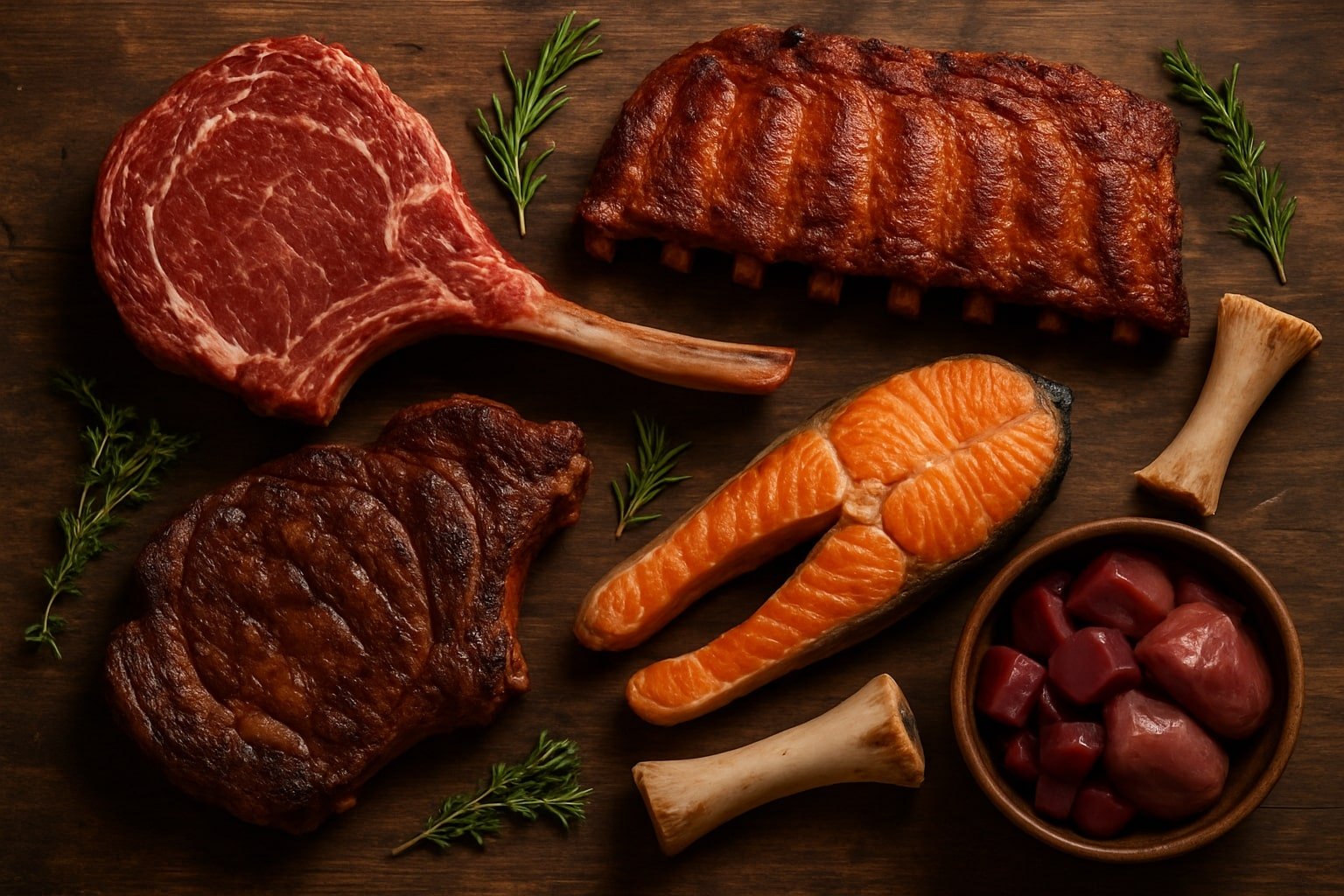
Many people are drawn to the carnivore diet because of its simplicity—focusing purely on animal-based foods while cutting out plants, grains, and processed ingredients. This raises a key question: can someone truly meet all their nutritional needs on meat alone for the long term? Most healthy adults can follow a long-term carnivore diet without supplements, but certain groups—such as pregnant women, older adults, or athletes—may need extra support.
The answer isn't universal for everyone. While meat provides a broad range of essential nutrients, individual requirements, health conditions, and dietary habits can make a difference. Some people may experience deficiencies or need to add specific vitamins and minerals, especially as life circumstances change. This article explores who can thrive without supplements on a carnivore plan, who should be cautious, and what factors influence these needs.
Understanding the Carnivore Diet
The carnivore diet is a restrictive eating pattern focused exclusively on animal-based foods, primarily meat. Unlike other diets, it allows few if any plant-derived ingredients, and approaches to this diet can vary in food choice and strictness. Key differences exist compared to other animal-based diets, especially in its exclusion of dairy and plant foods by some followers.
What Is a Meat-Only Diet?
A meat-only diet, commonly known as the carnivore diet, consists almost entirely of animal-based products like beef, pork, poultry, fish, and sometimes eggs. Followers avoid fruits, vegetables, grains, legumes, and all processed foods from plant sources. The diet is sometimes called a zero-carb diet, as carbohydrates are nearly eliminated.
Most people on a meat-only diet focus on unprocessed cuts of meat. Some individuals incorporate organ meats for additional micronutrients. The central idea is that humans can get all essential nutrients from animal sources if they consume a wide enough variety.
Essential Nutrients Obtained from Animal Sources
Animal-based foods contain a wide range of essential nutrients, offering highly digestible protein, complete amino acids, and critical vitamins and minerals. The nutrient profile in meat, organ meats, eggs, dairy, and seafood can meet most—or all—nutritional needs when carefully chosen and consumed in an appropriate variety.
Key Vitamins and Minerals in Meat and Organ Meats
Muscle meats provide significant amounts of essential nutrients such as iron, zinc, selenium, phosphorus, and B vitamins (especially B12). Beef, pork, poultry, and fish deliver all nine essential amino acids, which are necessary for healthy body function and maintenance.
Organ meats, particularly liver, stand out for their nutrient density. Beef liver is a concentrated source of vitamin A (retinol), B12, folate, choline, copper, and riboflavin. Kidneys and heart offer additional B vitamins, coenzyme Q10, and minerals. Regular inclusion of small portions of organ meats in the diet can cover many nutritional requirements that muscle meat alone may not provide.
Eggs and full-fat dairy add vitamin D, calcium, and healthy fats to an animal-based diet. Seafood like salmon, sardines, and oysters contribute essential omega-3 fatty acids (EPA and DHA), iodine, and selenium.
Bioavailability of Nutrients in Animal-Based Foods
One of the main advantages of animal foods is the high bioavailability of their nutrients. Heme iron from red meat is more readily absorbed compared to non-heme iron from plants. Vitamin B12, found only in animal products, is efficiently utilized by the body with minimal loss.
Absorption of fat-soluble vitamins such as A, D, K2, and E is enhanced by the natural fat content in animal foods. Zinc, calcium, and magnesium from animal sources are better absorbed because they are not bound to plant antinutrients like phytates or oxalates.
Nutrient bioavailability comparison:
Nutrient Animal Source Plant Source Iron Heme (high) Non-heme (low) Vitamin A Retinol (usable) Carotenoids B12 Abundant None
Comparing Nutrient Density Across Animal Foods
Not all animal foods are equally nutrient-dense. Organ meats—particularly liver—are among the most nutrient-dense foods available, offering far higher concentrations of key vitamins and minerals than most muscle meats. For example, three ounces of beef liver can exceed daily requirements for vitamin A and B12.
Grass-fed beef provides higher amounts of omega-3 fats, vitamin E, and certain antioxidants compared to conventionally raised beef. Seafood varies in nutrient content, with oysters and mussels high in zinc, iron, and B12, and fatty fish rich in omega-3s and vitamin D.
Eggs contain a balanced profile of protein, choline, selenium, and fat-soluble vitamins. Dairy products, especially full-fat and fermented varieties, also contribute substantial calcium, vitamin K2, and additional protein. Strategic inclusion of a variety of these foods maximizes nutrient density and reduces the need for supplementation.
Potential Nutrient Deficiencies Without Supplements
Long-term adherence to a strict carnivore diet may expose individuals to specific nutritional gaps. While animal foods are dense in many nutrients, some vitamins, minerals, and other dietary components may remain suboptimal without supplementation or careful food selection.
Common At-Risk Nutrients
Certain vitamins and minerals are less abundant or less bioavailable in a diet lacking plant foods. For example, vitamin C levels in meat are generally low, with organ meats providing more but still not matching fruit and vegetable sources. Folate (vitamin B9) can also be limited, as it is found predominantly in liver and not in muscle meat.
Magnesium and potassium may be insufficient for some, as these are more concentrated in plant foods. Vitamin K2 and vitamin E are present in animal foods but at varying and sometimes low levels, especially if the diet excludes grass-fed or organ meats. Calcium intake can be reduced unless bone-in fish or bone broth are consumed regularly.
Other nutrients of concern include fiber, which is entirely absent from animal products, and omega-3 fatty acids if seafood is not included. Sodium and other electrolytes can be depleted with high-protein, zero-carb diets, making monitoring intake essential.
Nutrient Potential Issue Vitamin C Low in muscle meat Folate Low except for organ meat Magnesium Often suboptimal Potassium Often suboptimal Vitamin K2 Variable, may be low Calcium Can be low without bones Fiber Absent Omega-3s Low without seafood Vitamin E Sometimes insufficient
Symptoms of Nutritional Deficiencies
Deficiencies in key nutrients can manifest in a range of noticeable symptoms. Low vitamin C may eventually lead to gum issues or fatigue, although outright scurvy is rare. Folate deficiency can result in macrocytic anemia, which brings symptoms like persistent tiredness and weakness.
Magnesium and potassium shortages often cause muscle cramps, irregular heart rhythms, and general irritability. Inadequate vitamin K2 can impact blood clotting and bone health. Calcium deficiency manifests in brittle nails, bone pain, and potential osteoporosis over time.
With omega-3 fatty acids lacking, dry skin and cognitive difficulties may develop. The absence of fiber can contribute to digestive irregularities, including constipation. Electrolyte imbalances from losing sodium, potassium, and magnesium may cause headaches, confusion, and poor physical performance.
Factors Influencing Deficiency Risk
The risk of deficiency is influenced by food choices, meal variety, individual metabolism, and underlying health conditions. A carnivore diet that includes organ meats, fatty fish, bone-in cuts, and various animal fats tends to reduce the risk of many deficiencies compared to a diet limited to lean muscle meat alone.
Genetic factors can affect the absorption and utilization of nutrients, making some people more prone to deficiencies even with similar intakes. Physical activity, age, and medical conditions like digestive disorders influence how effectively nutrients are absorbed and used.
Environmental factors such as sun exposure impact vitamin D status, meaning people with low sun exposure may need to pay closer attention to vitamin D3 intake through foods like egg yolks or fatty fish. Finally, the exclusion of salt or failure to adjust electrolyte intake to meet higher needs from low-carb diets can raise the risk of symptoms linked to sodium and potassium depletion.
Strategies for Meeting Nutritional Needs on a Carnivore Diet
The carnivore diet can meet most nutritional requirements by including a variety of animal foods, attention to mineral balance, and by using traditional preparation methods. Choosing nutrient-dense options and being aware of potential dietary gaps helps support long-term health.
Nose-to-Tail Eating and Organ Meats
Nose-to-tail eating prioritizes the use of all edible parts of the animal—muscle meat, fat, connective tissue, and especially organ meats. Organ meats such as liver, kidneys, and heart are rich sources of vital nutrients often less abundant in muscle meat alone.
Liver provides high amounts of vitamin A, B12, folate, copper, and iron. Kidney offers selenium, B vitamins, and zinc, while heart contains coenzyme Q10, B vitamins, and magnesium. Consuming organ meats 1–2 times per week helps prevent deficiencies, particularly in micronutrients that might fall short on a muscle-meat-exclusive diet.
Organ meats are also efficient sources of choline, vitamin K2, and vitamin C (mainly in raw or lightly cooked form), which are otherwise limited in a strict carnivore regimen. Rotating different organ meats can help cover a broader range of micronutrients.
Inclusion of Dairy, Eggs, and Seafood
Adding eggs, seafood, and select dairy products helps cover nutritional bases that pure red meat may lack. Eggs provide complete protein, choline, selenium, and fat-soluble vitamins such as A, D, and E.
Seafood (oily fish, shellfish) enhances intake of omega-3 fatty acids (EPA and DHA), iodine, zinc, and selenium—all important minerals that support thyroid and brain function. Shellfish like oysters and mussels contain high levels of zinc and copper.
Fermented and full-fat dairy (e.g., cheese, yogurt) may supply calcium, vitamin K2, and additional B vitamins. However, dairy tolerance varies, and some individuals may need to choose lactose-free or aged options. Including a variety of these foods improves nutrient diversity on a carnivore diet.
Managing Electrolyte Intake and Salt
Electrolytes—sodium, potassium, magnesium, and calcium—are critical for nerve, muscle, and cellular function. A carnivore diet can naturally provide sodium, primarily from adding salt to food, but potassium and magnesium may be less abundant, raising the risk of deficiencies.
Salt should be added liberally, especially at the start of the diet. Individuals can use mineral-rich salts (such as sea salt or Himalayan salt) for extra trace minerals. For potassium, including organ meats and seafood helps, as does using the cooking liquid from meats (meat drippings and juices).
Magnesium may be one of the harder electrolytes to obtain solely from meats, so regular inclusion of heart, kidney, and shellfish is beneficial. Symptoms of low electrolytes—muscle cramps, irregular heartbeat, or fatigue—indicate a need to boost intake through food or, if required, supplements.
Bone Broth and Nutrient Absorption
Bone broth is made by simmering bones, cartilage, and connective tissue, which releases minerals and collagen into a digestible, liquid form. Bone broth provides calcium, magnesium, phosphorus, and trace amounts of other minerals. The gelatin and collagen in bone broth support gut health and joint function.
Regular consumption of bone broth can help address the low calcium content sometimes seen with strict meat-only diets. It also aids in the absorption of minerals thanks to its amino acid profile. Bone broth is especially valuable for individuals not eating dairy.
To maximize benefits, use a mix of marrow bones, joint bones, and meaty bones, and simmer for at least 12–24 hours. Straining and drinking the broth delivers minerals in a bioavailable state, supporting overall nutrient absorption.
Health Effects and Risks of a Long-Term Carnivore Diet
Long-term adherence to a carnivore diet can impact multiple aspects of physical health, ranging from nutrient levels to the risk of developing chronic diseases. Specific risks and changes relate to the absence of plant foods, high intake of animal products, and lack of certain dietary components such as fiber.
Possible Health Issues and Chronic Conditions
Following a strict carnivore diet may increase the risk of certain chronic diseases due to the exclusion of plant-based foods. Diets dominated by red and processed meat have been linked to higher rates of heart disease, some cancers (especially colorectal), and type 2 diabetes. The absence of fruits, vegetables, and whole grains eliminates many protective nutrients such as antioxidants, vitamin C, and phytonutrients.
Nutrient deficiencies are also possible, including low levels of vitamin C, vitamin E, magnesium, and certain B vitamins commonly found in plant foods. Over time, deficiencies may lead to fatigue, impaired immunity, or poor cognitive function. The restricted variety of the diet is also associated with increased risks of bone health issues due to lower intake of calcium and vitamin K.
Digestive Function and Gut Health
A key concern with a long-term carnivore diet is the total lack of dietary fiber. Fiber is only found in plant foods and is essential for maintaining regular bowel movements, stool consistency, and overall gut health. Without it, issues such as constipation and altered digestive function are common.
The gut microbiome is also impacted by the absence of fermentable fibers. A thriving gut microbiome relies on diverse plant fibers to support beneficial bacteria. Over time, a lack of these fibers may reduce microbial diversity, impair immune balance, and potentially contribute to inflammation or other digestive disorders.
Summary Table: Effects on Gut Health
Factor Plant-Based Diet Carnivore Diet Fiber Intake High None Microbiome Diversity High Reduced Risk of Constipation Low Increased
Cardiovascular and Heart Health
High intake of saturated fat and cholesterol, common in carnivore diets, may impact blood pressure and cardiovascular disease risk. Excluding plant foods also means missing out on proven heart-protective nutrients like potassium, soluble fiber, and antioxidants.
Several studies associate heavy red meat consumption with higher risks for heart disease and hypertension. Processed meats are particularly linked to increased risk of cardiovascular problems. Furthermore, lack of plant nutrients may make it more difficult to manage cholesterol and blood sugar levels, indirectly affecting heart health.
Key points:
Increased intake of saturated fat and sodium may elevate blood pressure.
Low intake of plant nutrients is associated with higher risk of chronic heart conditions.
Absence of dietary fiber can negatively affect cholesterol regulation and vascular health.
Weight Management and Energy Levels

Weight management and energy on a carnivore diet often lead to noticeable physical and mental shifts. Effects can include changes to body composition, blood sugar stability, and day-to-day performance.
Weight Loss and Well-Being
Many individuals report significant weight loss when following a strict carnivore diet. The diet’s high protein and fat content increases satiety, often leading to a natural reduction in calorie intake. Protein’s thermic effect also modestly boosts calorie burning during digestion.
Eliminating carbohydrates can reduce water retention, causing an initial rapid drop in weight. For some, this leads to improved body composition and a sense of well-being associated with steady weight changes. However, the lack of dietary fiber may impact gut health, and long-term well-being can vary based on genetic and health factors.
Evidence also indicates improved body image and reduced food cravings due to the limited food choices and focus on nutrient-dense animal products. Yet the restrictive nature of the diet can pose challenges to mental health and social life for certain individuals.
Blood Sugar Regulation and Ketosis
A carnivore diet is very low in carbohydrates, driving the body into a metabolic state called ketosis. In ketosis, the body relies on fat rather than glucose for energy, which can stabilize blood sugar levels.
Stable blood sugar decreases the risk of spikes and crashes in energy and mood. People with insulin resistance or type 2 diabetes often find their blood sugar easier to manage due to the minimal carb intake. However, this increase in fat metabolism means the body must efficiently process fats for energy over the longer term.
There are potential risks, especially for those with underlying metabolic or kidney issues. Regular monitoring of blood sugar is recommended, especially during the early phases of dietary transition.
Energy and Performance Considerations
After adaptation, most report sustained energy levels without the ups and downs linked to high-carb meals. The reliance on fat and protein for fuel allows for steady physical and mental output across the day. Fat-adapted individuals tend to avoid the typical afternoon energy slump.
However, a transition phase—sometimes called the “keto flu”—can cause fatigue, headaches, and irritability while the body adjusts to new energy sources. Improved mental clarity and physical stamina are common reports after this period, but not everyone experiences ongoing benefits to performance.
Athletes or those engaged in high-intensity exercise may notice reduced peak performance if fast carbohydrates are required. Long-term energy sustainability varies by the individual's metabolism, underlying health, and activity level.
Factors Influencing Long-Term Sustainability
Maintaining a carnivore diet for an extended period depends on consistent access to high-quality animal-based foods, attention to micronutrient intake, and careful consideration of what foods are included or avoided. Individual factors such as food variety and reliance on processed products play a significant role in meeting nutritional needs and ensuring overall sustainability.
Nutrient Diversity and Food Choices
A strictly carnivore diet relies heavily on animal-based foods such as beef, pork, poultry, seafood, and eggs for nutrition. Meat provides ample protein and essential micronutrients, but some nutrients—like vitamin C, magnesium, and certain fatty acids—are less abundant, particularly if the diet lacks organ meats and a variety of cuts.
Including different types of meat, fish, shellfish, and organ meats helps increase nutrient diversity and reduce the risk of deficiencies. Organ meats, such as liver, are especially rich in vitamins A, B12, and minerals that muscle meats lack. A limited selection of animal products narrows nutrient intake and may increase the necessity for supplementation over time.
Eating a repetitive selection of the same animal foods can lead to gaps in micronutrients, even if macronutrient needs are met. Rotating between various sources is recommended for those seeking a more balanced nutrient intake from animal foods alone.
Sustainability and Access to Quality Meat
Long-term adherence to a carnivore diet depends on consistent access to diverse, high-quality meats. Geographic location, economic factors, and local food systems influence the availability and affordability of such products.
Grass-fed, pasture-raised, and wild-caught options are often preferred for their nutrient profiles and lower risk of added hormones or antibiotics. However, these can be cost-prohibitive or limited in certain regions, making long-term sustainability challenging for some individuals.
The environmental impact of increased meat consumption is debated. While some argue that regenerative agriculture can align with ecological sustainability, others note concerns about greenhouse gas emissions and land use. Access to fresh meat also depends on supply chain reliability, which can fluctuate seasonally or with economic shifts.
Excluding Plant-Based Foods and Antinutrients
Eliminating plant-based foods removes a primary source of fiber, vitamin C, and certain phytonutrients from the diet. Meat supplies certain nutrients efficiently, but does not fully replace all vitamins and antioxidants found in fruits, vegetables, and grains.
Plant-based foods can also contain antinutrients such as phytates and oxalates, which may interfere with mineral absorption. A carnivore diet avoids these compounds, potentially improving the bioavailability of some nutrients like iron and zinc from animal sources.
Individuals with sensitivities to antinutrients or digestive issues related to plant foods sometimes report benefits from exclusion. However, the absence of dietary fiber may affect gut health in some people. The body’s adaptation to using animal sources for nutrients varies, and some may require monitoring for deficiencies over time.
Processed Foods in a Carnivore Diet
Many processed meats—like bacon, sausage, and deli cuts—are commonly consumed in carnivore diets for convenience and variety. These foods often contain additives such as sodium, preservatives, and flavor enhancers. High intake of processed meats is associated in some studies with increased risks for certain health conditions, including colorectal cancer and cardiovascular disease.
Choosing unprocessed, whole cuts of meat is generally recommended for minimizing additive exposure and maintaining better nutrient integrity. Processed foods may also include hidden sugars, fillers, or plant-based thickeners, which are not in line with a strict carnivore approach.
Relying on processed animal-based products can also reduce the intake of beneficial nutrients found in organ meats and seafood. To optimize long-term sustainability, individuals are encouraged to focus on minimally processed foods whenever possible.

