
Common Misconceptions and Evidence
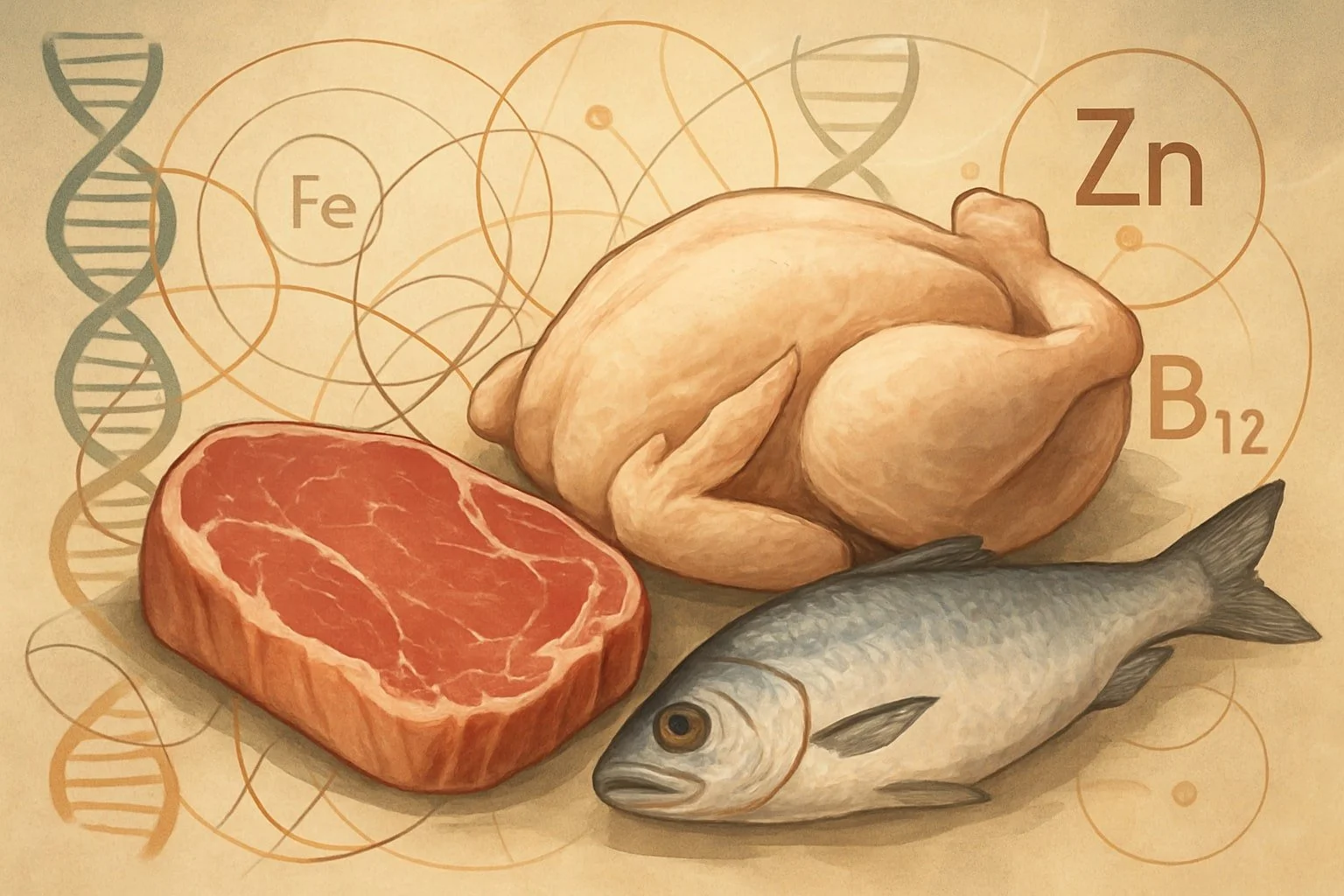
Nutrition science often struggles to give clear answers about meat because research methods in this field are uniquely challenging and often produce conflicting results. Changing headlines about whether red meat is harmful or harmless aren’t just confusing—they highlight deeper issues with how nutrition research is done.
Much of the confusion comes from how studies rely on self-reported food diaries, which are known to be inconsistent and biased. People tend to misreport what they eat, and it’s difficult for even the best studies to control for the many variables in diets and lifestyles.
Experts point out that the ongoing debates and reversals in recommendations reveal that nutrition science is much more complicated than most people realize. The result is a field where evidence changes rapidly and messages about foods like meat are often unclear.
The Foundations of Nutrition Science
Nutrition science has evolved from identifying essential nutrients to analyzing complex dietary patterns. As scientific techniques advanced, so did researchers' understanding of how food affects human health.
Early Nutrition Research
Early nutrition research was rooted in solving acute dietary deficiency diseases. The work of James Lind, who tested citrus fruits' effects on sailors with scurvy in the 18th century, stands as a classic example of clinical intervention trials.
Researchers relied mostly on straightforward cause-and-effect relationships, such as the link between vitamin C deficiency and scurvy or vitamin B1 and beriberi. These studies provided clear, measurable health outcomes.
Many early discoveries led to the identification of essential vitamins and minerals. This approach was effective at the time because diseases from single-nutrient deficiencies were widespread and easily reversed with dietary changes.
The focus on single nutrients made experimental design relatively simple. Controlled settings and rapid results supported the growth of nutrition science as a respected field of medical research.
Key Nutritional Concepts
Nutrition science developed several fundamental concepts, including the classification of macronutrients (proteins, fats, carbohydrates) and micronutrients (vitamins, minerals). Researchers also quantified daily requirements for nutrients, resulting in guidelines like Recommended Dietary Allowances (RDAs).
Energy balance—calories consumed versus calories expended—formed another core principle. This idea aimed to explain weight gain, obesity, and metabolic disorders using quantifiable measurements.
Key Concepts Table
Concept Description Macronutrients Proteins, fats, carbohydrates Micronutrients Vitamins, minerals Energy Balance Calories in vs. calories out RDAs Recommended intake to prevent deficiency
This shift from acute deficiencies to chronic diseases, such as heart disease and diabetes, added complexity. Multi-factorial conditions required more sophisticated methods, making clear conclusions harder to reach.
Role of Public Health
Public health initiatives greatly influenced the direction of nutrition research. Scientists and government agencies developed dietary guidelines to address widespread health issues, including malnutrition and later, chronic disease.
Policies such as food fortification—adding iodine to salt or vitamin D to milk—successfully reduced nutrient deficiencies at the population level. These actions were often based on rigorous research and large-scale data analysis.
As societies shifted to addressing obesity, diabetes, and cardiovascular disease, the goals of public health moved beyond preventing deficiencies. Researchers began investigating dietary patterns, food environments, and socioeconomic factors influencing eating habits.
Public health messaging faced challenges as study results grew more complex and sometimes contradictory, particularly around controversial foods like red and processed meats. This complexity underscores the importance of continued, nuanced research to inform effective policies.
Limitations of Nutrition Research Methods
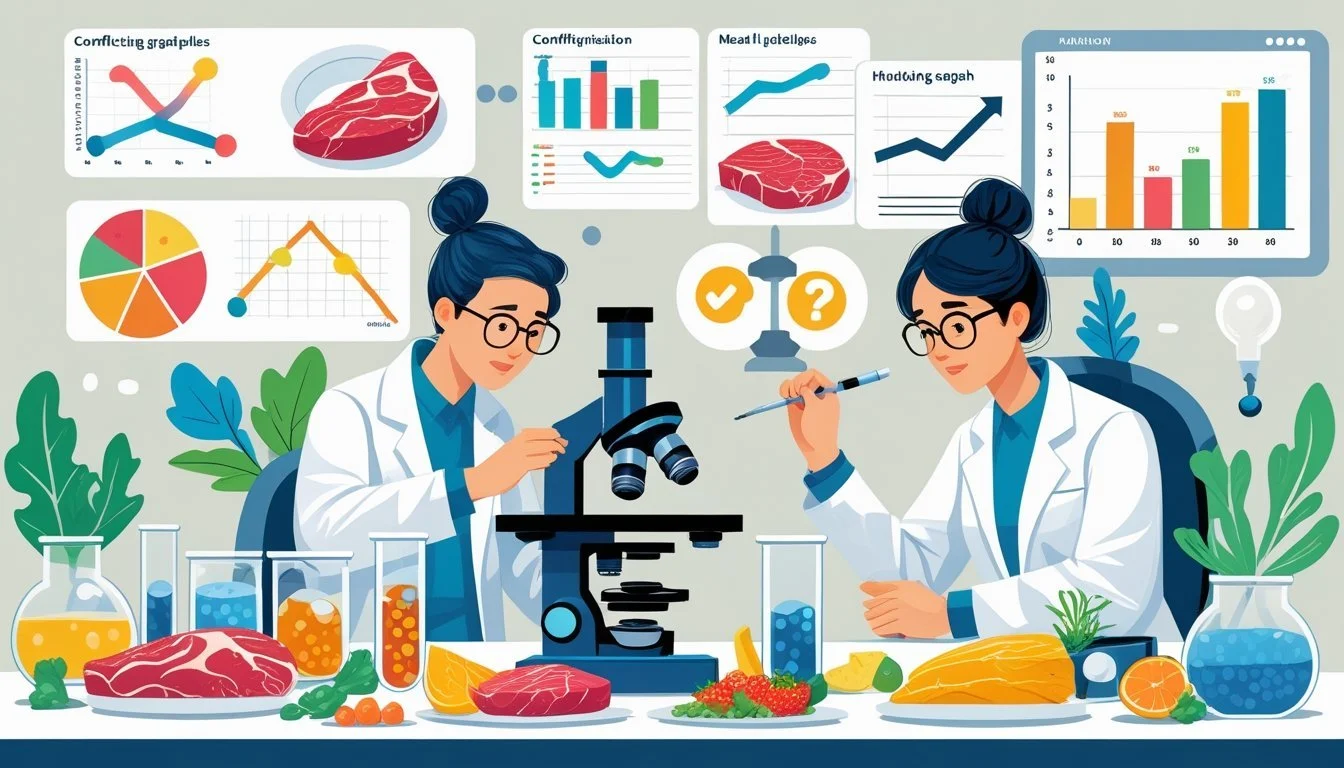
Nutrition research faces significant hurdles when studying meat consumption and its health effects. Core methodological issues include difficulties in accurately tracking diets, drawing firm conclusions from different types of studies, and separating cause from correlation.
Observational Studies in Nutrition
Observational studies are common in nutrition research. They track large groups over time to identify associations between diet and health outcomes, such as the relationship between meat intake and risk of disease.
A major limitation is reliance on self-reported dietary data. People often misremember or underreport what they eat, leading to unreliable results. Recall bias and social desirability can further distort the data.
These studies also struggle to account for all potential confounding variables. For example, individuals who eat more meat may have different lifestyles, activity levels, or socioeconomic backgrounds. Even sophisticated statistical adjustments cannot fully eliminate these influences, making it difficult to isolate the effect of meat itself.
Randomized Controlled Trials
Randomized controlled trials (RCTs) are considered the gold standard in research for establishing cause and effect. In theory, RCTs randomly assign participants to different diets and measure outcomes. This reduces confounding and bias.
However, RCTs in nutrition face unique challenges. Implementing controlled diets over long periods is difficult and expensive. Adherence is often low, especially in free-living populations. Sample sizes can be small, and studies may last only weeks or months—much shorter than the timespan of chronic disease development.
Long-term studies with meat as a dietary variable are rare. This makes it hard to draw broad conclusions about the long-term health impact of meat consumption based on RCT data alone.
Causation Versus Correlation
Distinguishing causation from correlation is a central problem in nutrition science. Observational research can suggest links between meat consumption and various health conditions, but it cannot prove that one causes the other.
For example, if epidemiological data show an association between red meat intake and heart disease, many other factors could be responsible. Additional lifestyle or genetic factors may confound the results.
Randomized controlled trials can address causation more directly, but their practical limitations often prevent definitive answers. As a result, most dietary recommendations around meat rely on a mix of association studies and limited intervention data, rather than clear evidence of cause and effect.
Common Misconceptions About Meat in Scientific Literature
Meat’s role in health research is frequently debated due to inconsistent findings and methodological challenges. The way scientists interpret data, adjust for confounders, and translate results into dietary recommendations significantly shapes public understanding and policy.
Interpretations of Meat Consumption Data
Data on meat consumption is often interpreted without considering the differences between fresh meat, processed meat, and the context of the whole diet. For example, studies may group all red meats together, failing to distinguish between unprocessed and processed forms, which can vary widely in their health impact.
Food frequency questionnaires, a common tool in nutrition science, rely on self-reported data that can be inaccurate. Memory bias and misestimation of portion sizes make it difficult to get precise intake data.
Research may also fail to account for differences in meat preparation methods. Grilled, fried, or cured meats may contribute to risk differently, but these differences are not always separated in scientific analyses. This lack of granularity can lead to misleading associations between meat consumption and health outcomes.
Confounding Variables in Diet Studies
Meat consumption often correlates with other lifestyle habits that influence health outcomes. For instance, those who eat more processed meats might also consume fewer vegetables, exercise less, or have higher rates of smoking. These factors can confound results unless rigorously controlled for in study designs.
Many longitudinal studies do not adequately adjust for these confounders. Even when statistical adjustments are made, unmeasured or poorly measured variables can introduce bias. This problem is especially relevant in observational studies, which form the basis for much of the current advice on meat and health.
Moreover, socioeconomic status, access to healthcare, and cultural dietary differences can further complicate associations found in the data. The diversity of meat types, preparation methods, and accompanying foods makes it challenging to isolate the effect of meat alone on health outcomes.
Challenges With Dietary Guidelines
Translating complex nutrition science findings into public dietary guidelines is a unique challenge. Differences between population-level data and individual needs can result in recommendations that are either too rigid or too vague.
Guidelines such as those from the American Institute for Cancer Research sometimes allow for moderate meat consumption—up to three portions of red meat per week. However, such guidelines must take into account a wide range of study designs, differing quality levels, and conflicting evidence.
The communication of these guidelines can lead to confusion. Fluctuating positions, perceived reversals, and headlines that oversimplify the science contribute to public skepticism. This complexity highlights the gap between scientific literature and the practicality of unified dietary recommendations.
Understanding the Health Risks Attributed to Meat

Many studies have linked meat consumption, especially red and processed meats, to various health risks like cancer and heart disease. Nutrient composition, additives, and cooking methods all play roles in shaping these risks.
Red Meat and Cancer Risk
Epidemiological evidence suggests a link between high intake of red meat—such as beef and pork—and an increased risk of colorectal cancer. Several organizations, including the World Health Organization, have classified red meat as "probably carcinogenic to humans" based on these findings.
Risk factors may involve compounds formed when red meat is cooked at high temperatures, such as heterocyclic amines and polycyclic aromatic hydrocarbons. These substances can damage DNA and promote cancer development in the digestive tract.
Iron in red meat, particularly heme iron, may also contribute to the formation of carcinogenic compounds during digestion. The association is most notable in people who consume large portions of red meat frequently over the long term.
Processed Meat and Heart Disease
Processed meats—like bacon, sausages, and deli meats—are preserved using methods such as salting, curing, or smoking. Research finds that even moderate, regular intake of processed meats is associated with a higher risk of heart disease.
Additives such as nitrates and nitrites, commonly used in processed products, can form nitrosamines, which have been linked to both cancer and cardiovascular damage. Consumption of processed meat raises blood pressure and can negatively affect cholesterol levels due to high sodium and fat content.
A 50-gram daily serving of processed meat has been linked with an increased risk of coronary heart disease, according to several large-scale cohort studies. These findings have led health authorities to advise limiting or avoiding processed meats when possible.
Saturated Fats and Major Health Concerns
Red and processed meats are significant sources of saturated fats, which are associated with elevated LDL cholesterol—a known risk factor for heart attacks and strokes. The type and amount of saturated fat vary by meat product, with bacon and fatty cuts of beef or pork containing the highest levels.
Health guidelines consistently recommend reducing saturated fat intake, especially from animal sources, to lower cardiovascular risk. While some recent research questions the strength of this association, most well-controlled studies still support limiting saturated fats for heart health.
To minimize health risks, it is important to consider portion size, frequency, and meat preparation methods. Opting for leaner cuts and incorporating more plant-based proteins can help reduce overall intake of saturated fats.
The Role of Animal Products in a Balanced Diet
Animal products such as meat, eggs, and dairy offer unique nutrients that are often lacking or less bioavailable in plant-based foods. For many people, these foods contribute essential vitamins, minerals, and high-quality proteins important for health.
Nutritional Value of Red Meat
Red meat—like beef and pork—is a dense source of protein, containing all essential amino acids in highly usable forms. It offers significant amounts of vitamin B12, zinc, iron, and selenium.
Table: Key Nutrients in 100 grams (cooked beef)
Nutrient Amount % Daily Value Protein 26 grams 52% Iron 2.7 mg 15% Vitamin B12 2.6 mcg 108% Zinc 4.8 mg 44%
These nutrients are especially critical for people at risk of deficiency, such as children, pregnant women, and older adults. Red meat remains one of the primary dietary sources of vitamin B12, a nutrient not found in plant foods.
Eggs, Butter, and Other Animal Products
Eggs provide high-quality protein and are rich in choline, vitamin A, and several B vitamins. The yolk contains most of the micronutrients, making it more than just a protein source.
Butter, though high in saturated fat, supplies vitamin A in a highly absorbable form. Some cheeses and yogurts also offer calcium and probiotics.
List: Notable nutrients from animal products
Eggs: Choline, vitamin D, vitamin B12, selenium
Butter: Vitamin A, conjugated linoleic acid
Dairy: Calcium, protein, potassium
When consumed in moderation, these foods can fill nutritional gaps, particularly where nutrient intakes from plant foods are limited.
Comparisons With Plant-Based Proteins
Animal proteins—including those from beef, eggs, and dairy—are regarded as "complete" sources. They contain all essential amino acids in proportions the human body can easily use.
Plant proteins, such as beans or lentils, may lack one or more essential amino acids. Though combining diverse plant foods can supply all amino acids, they generally have lower digestibility compared to animal proteins.
Some vitamins, like B12, are naturally absent in plant foods. Iron from plants (non-heme iron) is less bioavailable than iron from red meat (heme iron), increasing the risk of deficiency for those who avoid animal foods unless careful dietary planning is prioritized.
Evaluating Plant-Based Alternatives
Plant-based alternatives include a wide variety of nutrient sources such as nuts, beans, legumes, whole grains, tofu, and vegetable oils. The nutritional value, processing levels, and bioactive compounds of these foods differ substantially from animal-based meats.
Nuts, Beans, and Legumes
Nuts, beans, and legumes are common sources of plant-based protein, fiber, and essential micronutrients. Lentils, chickpeas, and black beans contain high levels of protein (typically 8–18 grams per cooked cup), often paired with dietary fiber and complex carbohydrates.
Most nuts deliver healthy fats, especially monounsaturated and polyunsaturated fatty acids, along with vitamin E, magnesium, and selenium. Beans and legumes offer iron and folate in significant amounts, but their iron is non-heme, which is less readily absorbed than the heme iron in animal foods.
For those seeking to reduce meat consumption, these foods provide protein without cholesterol. However, certain nutrients—such as vitamin B12—are lacking, so individuals following plant-based diets may need fortified foods or supplements.
Food Protein (g/cup) Fiber (g/cup) Key Nutrients Lentils 18 15 Iron, Folate, Manganese Almonds 6 3.5 Vitamin E, Magnesium Chickpeas 15 12 Iron, Folate
Whole Grains and Tofu
Whole grains such as brown rice, quinoa, oats, and barley provide plant-based diets with important carbohydrates, fiber, B vitamins, and minerals like magnesium and zinc. Quinoa is notable for being a complete protein among grains, meaning it contains all nine essential amino acids.
Tofu, made from soybeans, is a versatile source of high-quality plant-based protein and contains isoflavones, which are natural compounds unique to soy. Many commercial tofu products are fortified with calcium and iron, helping to address potential mineral shortfalls in meatless diets.
While whole grains have a lower protein density compared to meat, their complex carbohydrates and digestive fiber help manage blood sugar and improve gut health. Tofu, being minimally processed, is often lower in sodium and additives compared to many ready-made plant-based meat alternatives.
Antioxidants and Vegetable Oils
Many plant-based foods, including vegetables and nuts, are rich in antioxidants like vitamin C, vitamin E, polyphenols, and carotenoids. These compounds help protect cells from oxidative stress, which is linked to the development of chronic diseases such as heart disease and cancer.
Vegetable oils, such as olive, canola, and soybean oil, are key sources of unsaturated fats and additional antioxidants. Olive oil is especially high in monounsaturated fats and contains phenolic compounds with documented health benefits for cardiovascular health.
There are differences in nutrient content between oils—some, like soybean oil, provide omega-3 fatty acids, while others, like sunflower oil, are richer in vitamin E. While beneficial in moderation, high consumption of refined vegetable oils can contribute to calorie surplus and may warrant consideration for those focused on overall dietary balance.
Future Directions for Nutrition Science
Advancing nutrition science requires more rigorous research methods, clearer dietary guidance, and better communication with the public. Addressing current deficiencies can help reduce confusion and improve public health outcomes, especially concerning foods like meat.
Improving Study Quality
Nutrition science has often relied on observational studies, which can lead to misleading associations due to confounders. To improve reliability, future research should prioritize randomized controlled trials and long-term cohort studies.
Key strategies include:
Studying diverse populations to account for genetic and cultural differences
Increasing sample sizes for greater statistical power
Using validated dietary assessment tools
Transparency in methodology and open data access are critical for reproducibility. Collaborations between institutions and cross-disciplinary teams can also enhance study design, enabling more accurate evaluation of meat’s health impacts. Standardizing dietary metrics will help ensure findings are comparable between studies.
Revisiting Dietary Recommendations
Dietary recommendations often shift as new evidence emerges, contributing to consumer mistrust. Agencies should base guidance on systematic reviews, not isolated studies, and explicitly state the strength of evidence behind each recommendation.
Clear labeling of "consensus," "uncertain," or "emerging" evidence can help the public make informed choices. Reevaluating guidance on red and processed meats with transparent criteria is essential, especially as research evolves.
Providing context for recommendations—for example, emphasizing overall dietary patterns rather than single nutrients or foods—makes guidelines more adaptable. Agencies can use simple tables listing risk factors, suggested serving frequencies, and support for each based on current science:
Food Item Recommendation Evidence Strength Lean Red Meat Moderate Moderate Processed Meat Limit Strong
Educating the Public
Widespread confusion about nutrition science undermines public health efforts. Scientists, agencies, and educators should communicate clearly, using straightforward language free of jargon.
Educational initiatives need to address misconceptions about meat by explaining how evidence is developed and the limitations of current research. Using infographics, FAQ sheets, and interactive tools can help break down complex findings.
Partnering with healthcare providers and community leaders ensures consistent messaging. Updating school curricula to teach evidence-based nutrition alongside critical thinking skills will empower future generations to evaluate dietary claims more effectively. Collaboration with the media can reduce misreporting and prevent exaggeration of research findings.

