
Examining Reality Versus Perception

Many people following a meat-only diet can experience real or perceived social isolation, often due to the challenges of eating differently in group settings and the symbolic meanings attached to food choices. Eating is commonly a social activity, and deviating from shared dietary norms can make individuals feel left out or misunderstood, whether these barriers are objective or rooted in personal perceptions.
Social isolation in this context may not stem solely from being physically apart but from not sharing meals or food preferences with others. Research highlights that both loneliness and dietary behaviors impact health, and the quality of social connections often matters more than their quantity. Some evidence also suggests that food choices, including a preference for meat, can carry cultural associations and influence social dynamics.
The impact of a meat-only diet on social life varies between individuals and situations. While some people feel more isolated, others may find community online or among like-minded eaters, showing that social effects are shaped by personal circumstances and attitudes as much as by the diet itself.
Understanding the Meat-Only Diet
A meat-only diet emphasizes exclusive consumption of animal-derived foods, excluding plant-based items entirely. This approach focuses on animal protein, fats, vitamins, and minerals from various cuts and types of meat.
What Is a Carnivore Diet?
The carnivore diet is a restrictive dietary pattern based solely on animal sources. Individuals on this diet consume beef, pork, poultry, fish, seafood, and sometimes eggs and dairy, though stricter versions limit intake to only meat.
This diet excludes vegetables, fruits, grains, legumes, and most plant foods. The focus is on obtaining nutrients exclusively from animal products, which are high in protein and essential amino acids. Some adherents also consume organ meats, such as liver and kidney, due to their nutrient density.
Proponents argue that a carnivore diet aligns with human evolutionary dietary patterns and can support certain health goals, including muscle maintenance and weight management. Critics cite the lack of dietary variety and potential for nutritional gaps.
Common Animal-Based Foods
A typical carnivore menu consists primarily of fresh uncured meats, organ meats, and animal fats.
Common foods include:
Red meat: Beef, lamb, venison, bison
Poultry: Chicken, turkey, duck
Seafood: Salmon, sardines, shrimp, shellfish
Organ meats: Liver, heart, kidney
Animal fats: Butter, tallow, lard
Eggs: Chicken, duck, quail
Dairy products, like cheese and cream, may be included by some, but purists often exclude them. Processed meats, cured meats, and plant-based additives are typically avoided. The emphasis is on whole, minimally processed animal-derived foods.
Origins and Popularity
The carnivore diet draws inspiration from documented practices of certain traditional populations that subsisted mostly on animal-based foods, such as the Inuit and Maasai.
Modern popularity surged through online communities and social media, with advocates sharing personal success stories in managing weight, autoimmune symptoms, or digestive issues. Prominent figures and influencers have helped propel interest in the diet.
Scientific research on long-term health effects remains limited. Nevertheless, the diet continues to gain attention, particularly among those dissatisfied with conventional dietary advice or seeking elimination-based approaches to address specific health conditions.
Motivations for Adopting a Meat-Only Diet

People choose a meat-only diet for several distinct reasons, often centered on health outcomes, mental performance, and managing specific dietary needs. These motivations typically reflect a desire for tangible improvements in physical or cognitive well-being rather than adherence to trends.
Health and Weight Loss Goals
Many individuals turn to meat-only diets—also known as carnivore diets—to address specific health or weight management concerns. By removing plant-based foods, some report improvements in metabolic measures like blood sugar levels and cholesterol. There is a belief that limiting carbohydrates and focusing on animal products helps stabilize glucose and reduce cravings.
Weight loss is a commonly stated goal. Eliminating most food groups can lead to reduced calorie intake, fewer choices, and less snacking, making adherence easier for some. Satiety tends to increase due to high protein and fat content, which may aid in reducing overeating.
Concerns about chronic diseases such as obesity, metabolic syndrome, or Type 2 diabetes also motivate people to pursue this eating pattern. Some seek to avoid ingredients they associate with inflammation, digestive discomfort, or intolerances, believing a strict animal-based approach can decrease their symptoms.
Mental Clarity and Cognitive Function
Some supporters of a meat-only diet claim improvements in mental clarity, focus, and cognitive performance. They attribute these effects to reduced intake of processed foods, sugars, and grains, which can sometimes cause blood sugar fluctuations.
For individuals experiencing brain fog or difficulties with concentration, removing potential dietary triggers is a common experiment. High intake of amino acids, B vitamins, and essential fatty acids from animal foods is often cited as beneficial for neurological health and mood stability.
Scientific evidence on these benefits is mixed. However, anecdotal reports detail increased energy levels, better sleep, and more stable mood after several weeks of dietary adaptation. Some emphasize that avoiding foods that previously caused discomfort or allergies improves their daily cognitive function.
Dietary Restrictions and Food Intolerances
People with multiple food sensitivities, intolerances, or allergies may find a meat-only diet simplifies their choices and reduces adverse reactions. This pattern eliminates common triggers such as gluten, soy, legumes, and certain plant fibers.
Autoimmune or gastrointestinal conditions, such as irritable bowel syndrome (IBS), Crohn’s disease, or non-celiac gluten sensitivity, often play a role in this choice. Some individuals report that symptoms—such as bloating, diarrhea, or abdominal pain—lessen when moving to an exclusively animal-based diet.
Nutritional deficiencies remain a concern, especially in the absence of dietary variety. Careful planning and regular monitoring are important to prevent shortages of essential micronutrients not typically found in meat, such as vitamin C or certain minerals. Despite these challenges, food intolerances and the appeal of a predictable, manageable diet drive many to try or sustain a meat-only regimen.
Social Dynamics and Food Identity

Food choices, especially restrictive diets like a meat-only regimen, play a visible role in shaping how individuals engage with their social environments. These choices intertwine with aspects of social identity, create or challenge norms, and reflect broader societal narratives.
Influence on Social Identity and Community
A meat-only diet can strongly shape personal and group identity. For some, identifying as a strict carnivore fosters a sense of belonging to a distinct community, especially through online groups or forums where shared values and experiences are discussed.
The significance of dietarian identity is clear. It often influences how people interpret motivations for their food choices and how others perceive them. For instance, those eating only meat may feel a distance from mainstream dietary norms or be viewed differently in group settings, such as at family events or workplaces. This identity can foster solidarity but may also result in a sense of isolation if the wider community predominantly values alternative diets.
Masculinity and Cultural Narratives
Eating meat has historically been tied to expressions of masculinity in many cultures. Media, advertising, and cultural narratives often reinforce the link between carnism and traditional masculine traits, such as strength, independence, and dominance.
For individuals on a meat-only diet, adopting or rejecting these narratives becomes part of their identity-building process. Some see the diet as an affirmation of masculine ideals, while others may experience pushback in social circles where plant-based or balanced diets are more accepted. This dynamic affects interactions and the sense of social acceptance, particularly among male individuals.
Lifestyle Choice and Social Class
Choosing a meat-only diet is sometimes associated with particular social classes and attitudes toward health, tradition, and economic status. Accessibility, affordability, and cultural background impact who adopts meat-heavy diets and how these choices are perceived by others.
In some contexts, a meat-focused diet may be seen as a marker of wealth, while in others, it could signal adherence to conservative or traditional norms. Social class can also influence availability of options and participation in related social communities, affecting both perception and lived experience of isolation or belonging.
Experiencing Social Isolation on a Meat-Only Diet

Adopting a meat-only diet introduces unique challenges related to social interaction, family dynamics, public dining, and individual experiences. These factors may influence a person's daily life, mental well-being, and ability to connect with others.
Social Interaction and Eating Patterns
Meals are often a central part of social life, with shared eating experiences promoting a sense of connection. When someone follows a restrictive meat-only diet, participating in shared meals may become difficult. Standard fare at gatherings often includes grains, vegetables, and desserts, excluding those on strict carnivore regimens.
Social exclusion may arise when individuals are unable to partake in communal foods. This can trigger feelings of being an outsider, as studies show that food restrictions can increase perceived loneliness. For some, the loss of shared mealtime rituals may impact mental well-being, leading to fewer opportunities for bonding and conversation.
Family, Friends, and Building Relationships
Family members and friends often struggle to adjust when one person adopts an unusual dietary pattern such as a meat-only approach. This can result in fewer invitations to meals or increased tension during family events. Individuals may feel misunderstood, as loved ones may question their dietary choices or express concern for their health.
Negotiating social meals requires clear communication. Some participants report that bringing their own food or requesting specific accommodations can be awkward and may draw unwanted attention. Over time, such complications might reduce shared meals, potentially weakening family and friendship ties.
Dining Out and Group Events
Restaurants and social events frequently offer limited options for those on a meat-only diet. Most menus cater to omnivorous or plant-based preferences, making it challenging for carnivore eaters to find suitable meals. Group events like banquets, parties, or business lunches may require significant planning or compromise.
Below is a quick overview of common challenges faced by meat-only diet participants in social settings:
Situation Typical Challenge Possible Strategy Restaurant outing Few meat-only menu choices Request substitutions; bring food Group gatherings Pressure to eat other foods Clarify dietary needs in advance Work lunches Limited control over options Eat beforehand; explain diet
These logistics can contribute to a sense of exclusion or frustration and require individuals to become more proactive about social planning.
Case Studies: Public Figures and Participants
Several well-known individuals, such as Jordan Peterson and Joe Rogan, have publicly discussed their experiences on a meat-only diet. Jordan Peterson has described social challenges, including skepticism from peers and difficulty eating at social events. Joe Rogan recounted needing to explain his dietary restrictions in public settings, which sometimes led to misunderstanding or debate.
Other participants in online communities report both social isolation and stronger connections with those who understand their lifestyle. Some form tight-knit networks with like-minded carnivore eaters, while others experience increased loneliness due to reduced participation in mainstream social occasions. These diverse experiences highlight how individual personalities and support systems mediate the social impact of the diet.
Mental Health Implications
Social isolation associated with a meat-only diet can affect mental well-being in several measurable ways. Factors like limited social interactions and unique nutritional profiles may influence mood, neurotransmitters, and coping mechanisms.
Mood Disorders and Anxiety
Social isolation often increases the risk of anxiety and mood disorders such as depression. Following a meat-only diet may make it difficult to participate in common meals, reducing social opportunities and potentially leading to feelings of loneliness or exclusion.
The absence of social support can worsen symptoms of existing mental health conditions. Studies suggest that people who feel socially isolated, regardless of diet, tend to report lower life satisfaction and higher rates of psychological distress.
Anxiety may be heightened when individuals worry about judgment or misunderstanding from others about their dietary choices. This group might also struggle with finding community spaces or peer support tailored to their nutritional approach.
Serotonin and Neurotransmitters
Serotonin, dopamine, and other neurotransmitters are closely linked to mood regulation. These brain chemicals rely on the availability of certain nutrients such as tryptophan and B vitamins, some of which are found in meat but others present in plant foods or fortified products.
A meat-only diet is usually high in protein, which supplies building blocks for neurotransmitters. However, it may lack certain carbohydrates thought to assist in the absorption and synthesis of serotonin. Low serotonin levels are connected to mood disorders and increased anxiety.
Research on the relationships between dietary patterns, neurotransmitter production, and mental health is still emerging. Some evidence suggests that dietary restrictions could impact neurotransmitter balance, but direct effects of a meat-only diet on mental health require further investigation.
Coping Strategies and Support Systems
People following a restrictive diet may need alternative coping strategies to maintain mental health. Building a support network, either online or within niche communities, can help reduce feelings of social isolation.
Effective coping methods include structured routines, mindfulness practices, and seeking professional guidance from mental health providers. Open communication with friends and family about dietary needs may help bridge social gaps and foster understanding.
A practical approach is to plan meals or social gatherings that accommodate various dietary preferences. Finding or creating support groups for those on similar diets can facilitate social connection, reduce stress, and enhance mental well-being.
Nutritional Considerations and Deficiencies
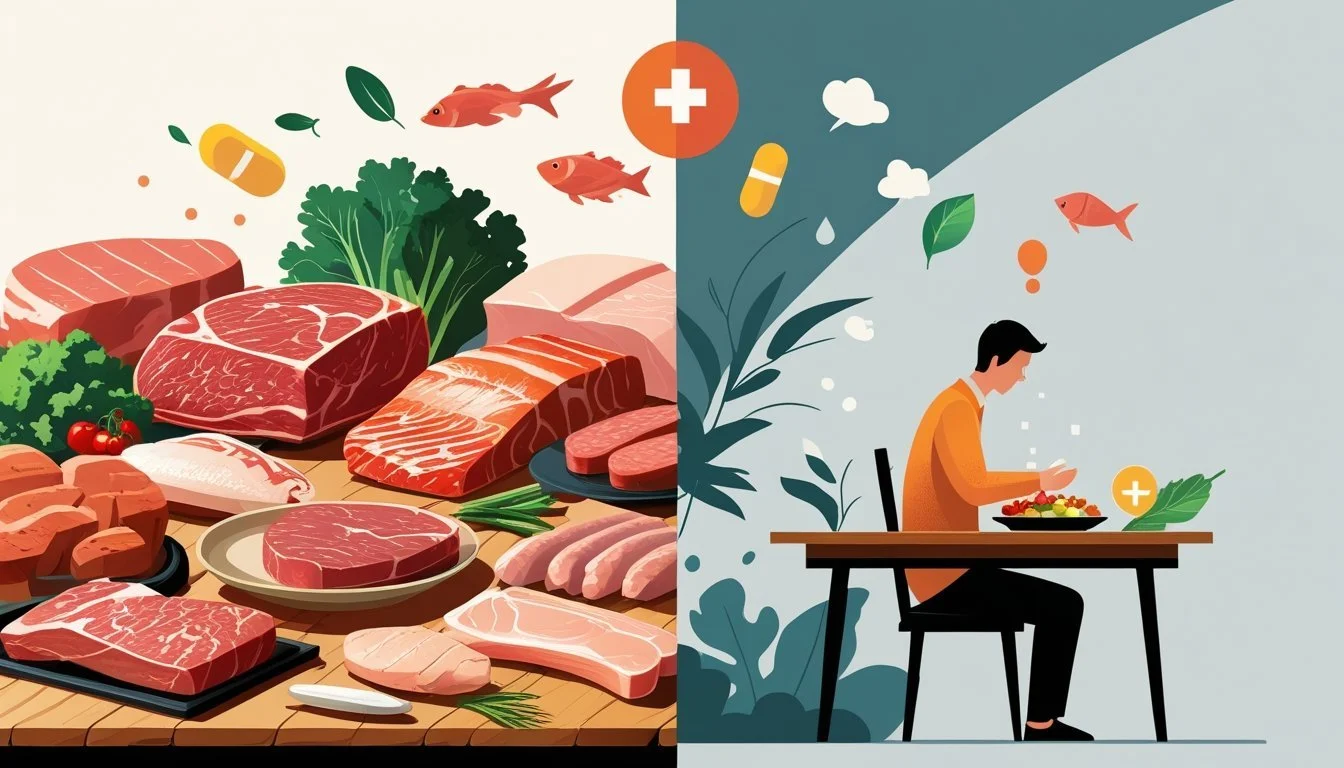
A meat-only diet provides certain nutrients in abundance, but it also carries risk for deficiencies that may impact health. Choices like eating eggs or organ meats can help address some—but not all—nutritional gaps.
Essential Nutrients From Animal-Based Foods
Animal-based foods supply high-quality protein and a broad spectrum of essential amino acids. Red meat, poultry, and fish are excellent sources of iron (especially heme iron), zinc, vitamin B12, and several other B vitamins.
These nutrients play a role in energy metabolism, muscle maintenance, and neurological function. Meat is low in carbohydrate, which can affect energy levels for some individuals, particularly in the initial weeks of transition to a meat-only diet.
Fats (including saturated fat) from animal products are a key energy source when carbohydrates are restricted. However, fiber and phytonutrients—commonly found in plant foods—are generally absent.
Potential Nutritional Gaps
A diet composed only of meat can lead to deficiencies in important nutrients such as vitamin C, vitamin K1, magnesium, and fiber. Dietary fiber is absent from animal products, raising concerns for gut and digestive health such as constipation or altered gut microbiota.
Phytonutrients, which are protective compounds found in plants, are not provided by a meat-only diet. Lack of these may affect heart health and inflammation.
Other possible deficiencies include folate and certain antioxidants. These gaps may not become apparent immediately but could pose health risks with long-term adherence.
Role of Eggs and Organ Meats
Including eggs and organ meats, such as liver or kidney, in a carnivore diet can mitigate some deficiencies. Liver is rich in vitamins A, B2 (riboflavin), B12, choline, and iron, while eggs provide vitamin D, some B vitamins, and healthy fats.
Eggs and organs do not provide dietary fiber or significant vitamin C, but they are among the most nutrient-dense animal foods. Regular inclusion of both can help balance energy levels and supply nutrients often lacking in muscle meat alone.
A table of key nutrients found in organs and eggs:
Food Notable Nutrients Liver Vitamin A, B12, Iron, Choline Kidney Iron, B vitamins, Selenium Eggs Vitamin D, B2, B12, Choline
Comparison With Plant-Based and Flexible Diets
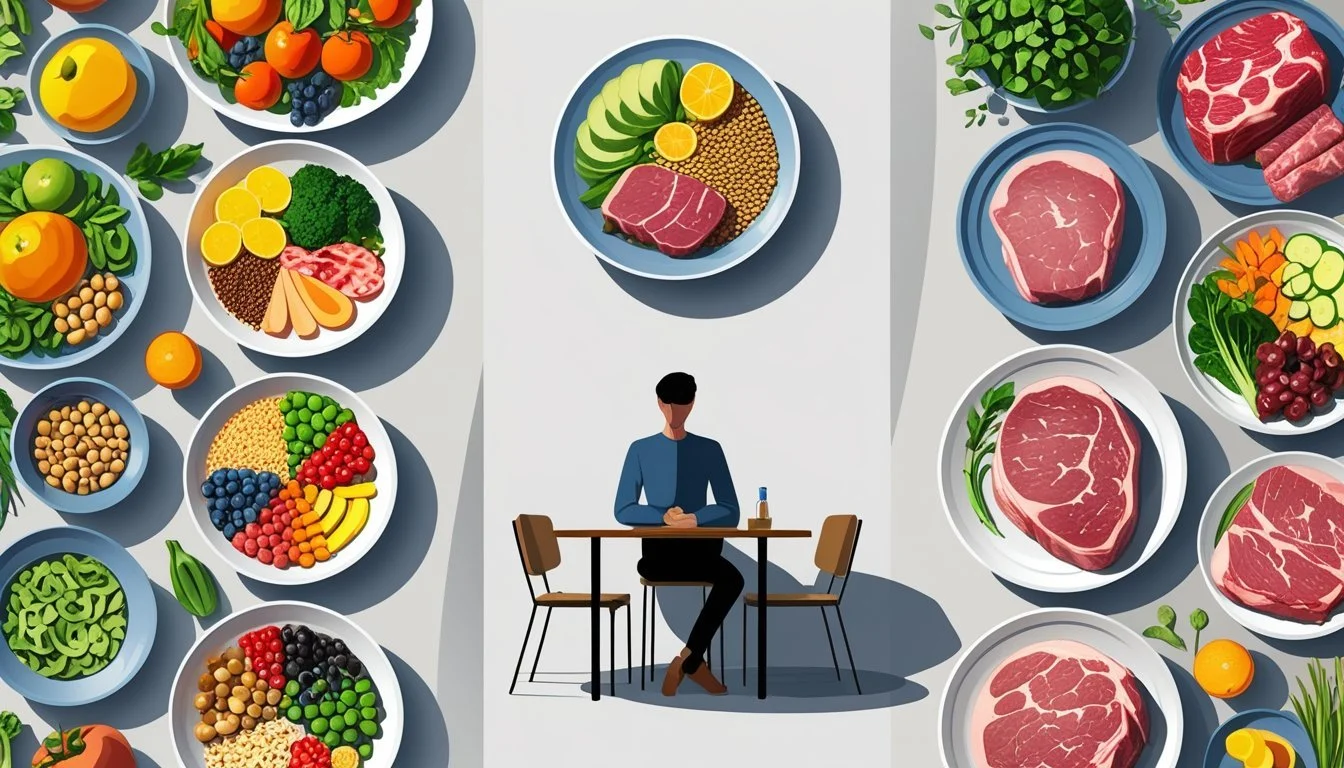
Dietary choices not only affect nutrition and health, but also shape social experiences. Different diets—such as strictly plant-based or flexible meat-reducing patterns—can influence how individuals relate to others in social contexts, including feelings of belonging or isolation.
Vegetarian and Vegan Diets
Vegetarian and veganism are associated with removing all or most animal products from food intake. Studies indicate that vegetarians and vegans often face practical barriers in social settings, such as limited menu options at social gatherings or restaurants. This can lead to perceived or real social isolation.
Vegetarian diets, which can include dairy and eggs, and vegan diets, which exclude all animal-derived ingredients, both require careful planning. Social support varies, with some vegetarians reporting less support than vegans for their dietary choices. Some plant-based eaters may self-categorize strongly with their group, which can both protect against and contribute to social isolation, depending on their network.
Individuals on these diets often build community through shared values about food and nutrition but may still encounter challenges in mainstream meat-centric cultures. The motivation for adopting vegetarian or vegan diets can range from ethical to health-related reasons.
Flexitarian and Plant-Based Eaters
The flexitarian diet focuses on reducing meat intake, not eliminating it. This dietary approach is gaining popularity for its practicality and inclusivity, allowing individuals to participate more easily in conventional social meals that include both plant foods and moderate amounts of red meat.
Flexitarians often find it easier to blend into various social settings without drawing attention to their eating habits. Their flexibility may decrease the risk of social isolation compared to those on stricter vegetarian or vegan diets. Within Western cultures, this pattern is seen as a moderate step for those interested in health or sustainability but not wanting the drawbacks of a fully meat-free identity.
Plant-based eaters who are not strictly vegetarian may experience a similar social balance—benefiting from community with like-minded eaters while still fitting in with groups who consume animal products.
Balanced Diets: Blending Animal and Plant Foods
Diets that blend both animal and plant foods, such as the lacto-ovo vegetarian diet or Mediterranean diet, can offer diverse advantages. These patterns provide flexibility at social gatherings, making it easier to share meals with others and maintain social ties.
A table comparing common dietary patterns:
Diet Type Includes Meat Social Flexibility Common Barriers Vegan No Low Menu limitations, culture Vegetarian No Moderate Dairy/egg only options Flexitarian Sometimes High Fewer restricted options Lacto-ovo Veg. No (but dairy/egg) High Menu adaptation needed
People who follow balanced diets have more choices and often perceive less social isolation. They can adapt their meals to suit both personal and group needs, which supports social inclusion without strict limitations.
Public Health and Societal Issues
A meat-only diet intersects with public health and societal factors in complex ways. Key issues include social acceptance, the influence of media personalities, and the role of group identity in shaping motivations and perceptions.
Stigma and Social Acceptance
Social acceptance of a meat-only diet varies by culture and political orientation. In many Western countries, especially among left-wing and health-focused groups, meat-heavy eating patterns are often viewed with skepticism or disapproval.
Stigma can emerge as some people associate meat-only diets with environmental and public health concerns, particularly around carbon emissions and chronic diseases. Harvard University and other academic institutions often discuss the potential risks of high meat intake, reinforcing these views.
This perception may discourage individuals from adopting or disclosing a meat-only diet. For others, the public debate raises moral questions, especially when motivations are health or ethically driven.
Role of Media and Influencers
The media has a significant impact on public perception of meat-only diets. High-profile influencers and celebrities, particularly on social platforms, sometimes promote these diets as a route to better health or weight loss.
However, media presentations can be polarizing. Positive coverage may encourage interest but also draw criticism, especially from advocates for plant-based eating and public health experts. Outlets and personalities often present conflicting evidence about the effects of meat-only diets.
A table summarizing key positions:
Stakeholder Typical Position Public health officials Skeptical/Cautious Media influencers (varied) Mixed Left-wing organizations Often critical
Group Identity and Community Building
For many, motivation to follow a meat-only diet is reinforced by community connections. Dedicated online forums and social groups offer information, reassurance, and social belonging.
Group identity often provides a buffer against external criticism. Individuals in these communities may develop a shared discourse around morality, public health, and personal autonomy. This network can help reduce feelings of social isolation commonly reported by individuals whose diets differ from mainstream patterns.
Community support also allows members to discuss scientific studies, experiences, and coping strategies in the face of stigma or public scrutiny.
Sustainability and Environmental Impact
Dietary choices around meat affect more than just personal health—they intersect with global environmental change, ethics, and the development of more sustainable food systems. These issues involve resource consumption, greenhouse gas emissions, and debates on animal welfare and production methods.
Meat Production and Climate Change
Meat production is a major contributor to greenhouse gas emissions, driven largely by cattle and other ruminants. According to scientific reviews, beef and lamb have much larger environmental footprints compared to most plant-based foods, due to methane released during digestion and the land needed for grazing.
Resource intensity is another concern. Meat production requires significant amounts of water and feed. Estimates show producing one kilogram of beef can use up to 15,000 liters of water, far exceeding most plant crops. Additionally, large-scale livestock farming often leads to deforestation for pastureland, further impacting carbon storage in ecosystems.
Emissions from meat production don’t only include methane. Nitrous oxide and carbon dioxide are also released at different stages, from fertilizer application to transportation. These combined effects make meat production a focal point in climate discussions.
Animal Welfare and Ethical Debates
Animal welfare is central to the sustainability debate. Traditional livestock systems can involve crowded housing, limited access to natural behaviors, and stressful living conditions. Ethical concerns also arise around the sentience of animals and practices such as routine antibiotic use.
Public attitudes toward animal welfare vary by region but have shifted over time due to increased awareness. Some consumers now seek meat labeled for higher welfare standards, which may include free-range or organic certifications. Such standards aim to improve living conditions, although their environmental impact is not always lower.
Animal welfare debates connect strongly to ethical food choices. For some, concerns lead to reduced meat consumption or a preference for alternative protein sources, adding another layer to the social and cultural impacts of dietary patterns.
Sustainable Practices and Future Trends
Efforts to make meat production more sustainable include improved feed efficiency, rotational grazing, and better manure management. Innovation also focuses on reducing antibiotic reliance and promoting integrated crop-livestock systems that use resources more efficiently.
Lab-grown (cultivated) meat and plant-based alternatives have grown in popularity. These products aim to provide similar nutrients and sensory experiences while requiring less land and emitting fewer greenhouse gases. Early research suggests their environmental impact is typically lower than conventional meat, although energy demand can still be high for cultured meat.
Sustainability labels and certification programs inform consumers about environmental and animal welfare standards in meat production. As knowledge and technology evolve, the industry may see broader adoption of regenerative practices and transparency along supply chains.

