
Key Changes and Health Considerations
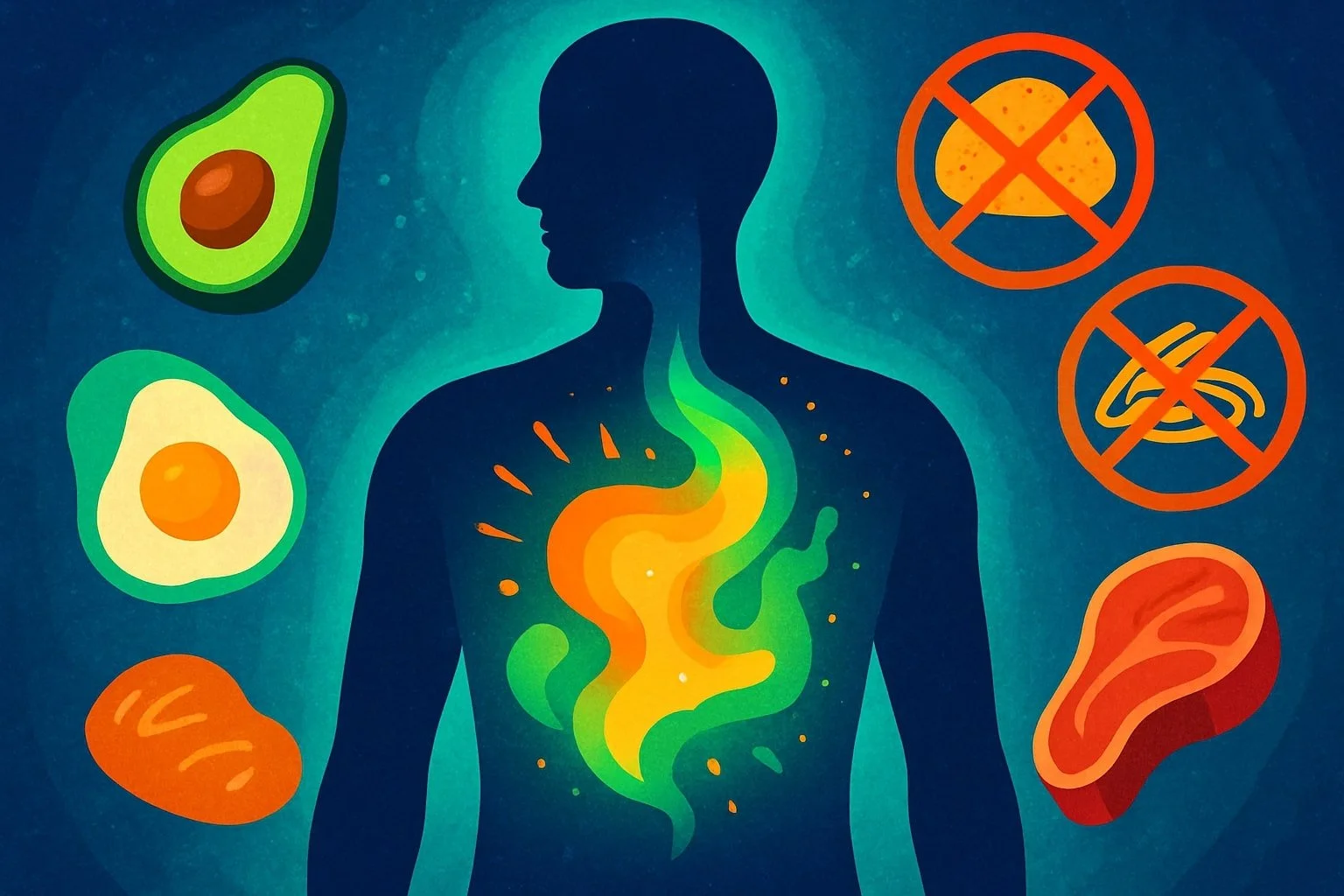
A zero-carb diet forces the body to make significant changes in how it produces and uses energy. When carb intake drops to almost nothing, the body breaks down fat into molecules called ketones, shifting into a metabolic state called ketosis. This process means that fat, rather than carbohydrates, becomes the main fuel source for most daily activities.
These metabolic changes also affect hormones such as insulin and glucagon, typically resulting in lower insulin levels and higher glucagon production. Many people experience rapid water loss and some side effects like headache, fatigue, or weakness as their system adapts. The switch away from carbs can impact energy, weight, and even appetite.
A zero-carb approach is more extreme than most low-carb diets, often eliminating nearly all carbohydrate sources and focusing instead on protein and fat. This drastic shift can be challenging, so it's important to understand both the potential benefits and drawbacks before considering such a diet.
Understanding Metabolism on a Zero-Carb Diet
A zero-carb diet leads to significant changes in how the body processes and generates energy. Carbohydrate elimination affects hormonal balance, energy pathways, and the way cells fuel their activities.
Metabolic Shift and Ketosis
When someone removes almost all carbohydrates from their diet, the body quickly runs out of its preferred fuel source—glucose. Within a few days, the liver uses up stored glycogen and begins a process called ketogenesis.
Ketogenesis creates ketone bodies from fatty acids. As carbohydrate intake remains low, blood ketone levels rise, and organs such as the brain and muscles adapt to using ketones for energy. This state is known as nutritional ketosis.
There can be side effects in the initial days, including fatigue and headaches, sometimes called the "keto flu." Over time, many peoples' triglyceride levels may decrease while HDL cholesterol often improves. This metabolic shift is at the core of zero-carb metabolism.
Role of Insulin and Glucagon
Carbohydrates normally trigger insulin release, which helps cells absorb glucose. On a zero-carb diet, low blood glucose leads to much lower insulin levels. This drop reduces fat storage and tells the body to rely on stored energy.
At the same time, glucagon—a hormone with effects opposite to insulin—rises. Glucagon encourages the liver to produce new glucose via gluconeogenesis and to break down fat into ketones.
Without carbohydrate intake, the balance between insulin and glucagon shifts, prioritizing fat breakdown and ketone production. This hormonal change is essential for maintaining stable energy levels on a no-carb plan.
Energy Sources Without Carbohydrates
With carbohydrates nearly eliminated, the body must rely on alternative fuels.
Fatty acids are used directly by many cells for energy.
Ketone bodies—acetoacetate, beta-hydroxybutyrate, and acetone—are produced in the liver and replace glucose as a main fuel for the brain and muscles.
Gluconeogenesis continues to supply small amounts of glucose for cells that require it, such as red blood cells.
The table below summarizes these energy sources:
Fuel Source Used By Process Fatty acids Muscles, heart Direct oxidation Ketone bodies Brain, muscle Ketogenesis Glucose RBCs, kidney Gluconeogenesis
This reliance on fats and ketones is a hallmark of metabolic adaptation on a zero-carb diet.
How the Body Adapts to Cutting Carbs
When someone stops eating carbohydrates, the body switches its metabolic priorities. It quickly moves from relying on glycogen and glucose to using alternative energy sources, which creates noticeable effects.
Glycogen Depletion and Water Weight Loss
When carbohydrates are removed from the diet, the body uses up its existing glycogen stores, mainly found in the liver and muscles. Glycogen is the stored form of glucose, and for each gram of glycogen, the body stores about 3-4 grams of water along with it.
As glycogen breaks down to maintain blood sugar, the associated water is released and excreted. This leads to rapid initial weight loss, much of which is water rather than fat. After a few days, as glycogen levels fall, energy levels may temporarily decrease, especially during physical activity. The speed and degree of water loss can vary, but many notice it in the first week of a no-carb diet.
Gluconeogenesis Explained
As carb intake drops to near zero, the body must create glucose from non-carbohydrate sources through a process called gluconeogenesis. This metabolic pathway primarily uses amino acids from muscle breakdown, as well as glycerol from fat metabolism, to keep minimal blood glucose available for tissues that require it, such as the brain and red blood cells.
Gluconeogenesis is crucial for basic function because certain cells can’t use fat for energy. However, this process is not as efficient as direct carbohydrate metabolism, and it increases demands on protein intake to preserve muscle. As the zero-carb period is extended, the body becomes more reliant on fats for energy, but gluconeogenesis remains active to supply what little glucose is still required.
Impact on Fat Metabolism and Weight Loss
Eliminating carbohydrates from the diet leads the body to shift how it sources and burns energy. This metabolic adaptation affects both fat breakdown and appetite regulation, which are crucial for weight management.
Increased Fat Burning
When carbohydrate intake drops to near zero, the body reduces its use of glucose for energy. Instead, it increases reliance on stored fats and dietary fatty acids.
The liver begins converting fatty acids into ketone bodies. These become a primary energy source, especially for the brain and muscles. This metabolic state is called ketosis.
Fat loss may accelerate because the body becomes more efficient at burning fat for fuel. Glycogen stores are depleted, and water weight decreases initially, which can reflect as rapid weight loss.
Table: Energy Sources During Zero-Carb Diet
Energy Source Usage Level Glucose (carbohydrates) Very Low Fatty acids (from fat) High Ketones High
Overall calorie intake remains significant. If calories from fat and protein match or exceed calorie needs, fat loss may be limited even if the main fuel source has shifted.
Changes in Appetite Control
Zero-carb diets often change appetite control mechanisms. Reduction of carbohydrates, especially sugars and refined grains, may lead to lower insulin levels and fewer blood sugar swings.
Some report reduced hunger or fewer cravings on a zero-carb plan. Fats and proteins tend to provide greater satiety per calorie compared to carbohydrates, which can help some individuals eat less overall.
Appetite-regulating hormones such as ghrelin and leptin may also be influenced. Lower insulin and stabilized blood sugar might help signal fullness more consistently, supporting calorie reduction and potential weight loss.
However, appetite responses to zero-carb diets can vary. Some people may not experience a significant change in hunger, especially if their dietary fats are highly palatable.
Effects on Blood Sugar and Insulin Levels
Zero-carb diets have a direct effect on how the body manages blood sugar and insulin. Significant carbohydrate restriction alters how glucose is regulated and influences insulin dynamics, which may be important for those concerned about diabetes or metabolic syndrome.
Blood Glucose Regulation
When carbohydrate intake drops to nearly zero, the body’s main fuel source shifts from glucose to ketones and fatty acids. This change typically leads to a measurable decline in blood glucose levels since minimal dietary carbs enter the bloodstream.
The pancreas does not need to release as much insulin to handle blood sugar spikes, resulting in more stable glucose profiles throughout the day. Fluctuations in post-meal blood sugar are rare or minimal on a zero-carb diet.
For people with prediabetes or type 2 diabetes, reducing carbohydrates may help prevent large blood sugar swings. Some studies indicate that these diets can even contribute to improvements in HbA1c, a marker of long-term blood sugar control.
Insulin Sensitivity and Resistance
Insulin sensitivity often improves on a zero-carb diet because less insulin is required following meals. With lower insulin demand, the body’s cells can become more responsive to insulin signals over time.
Research has shown that insulin resistance may decrease independent of weight loss, as lower carb intake reduces the strain on the pancreas. This can be especially helpful for people with insulin resistance, metabolic syndrome, or early-stage diabetes.
Improvements in insulin dynamics are most pronounced in those who previously had impaired glucose tolerance. Long-term data, however, is still limited, and ongoing clinical observation is necessary to understand any potential drawbacks or adaptation over time.
Digestive System and Bowel Health Changes
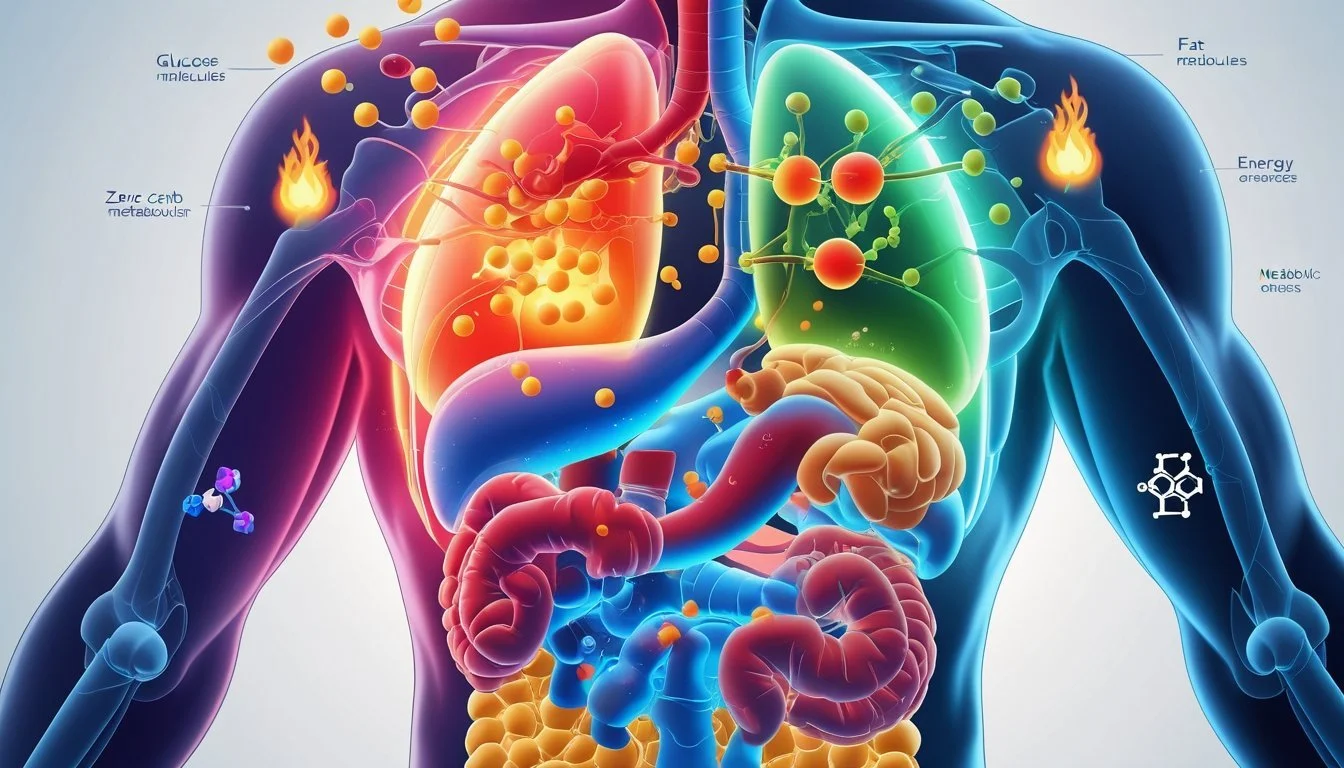
A zero-carb diet often brings immediate and noticeable effects on digestive health. The elimination of plant foods, grains, and dietary fiber can impact bowel movements, gut bacteria, and overall digestion.
Constipation and Bowel Movements
When carbohydrates and most plant foods are removed, fiber intake drops sharply. Dietary fiber—especially from whole grains, fruits, and non-starchy vegetables—helps regulate bowel movements by adding bulk and absorbing water in the gut.
Without enough fiber, stool can become hard and difficult to pass, increasing the risk of constipation. Many people notice fewer and more strained bowel movements after adopting a zero-carb diet.
Some individuals may experience discomfort, bloating, or irregularity for days or weeks. Increased water intake and the inclusion of certain animal-based foods rich in connective tissue, such as oxtail or bone broth, may help, but may not fully replicate the effect of dietary fiber.
Gut Microbiome and Overall Gut Health
The gut microbiome depends heavily on dietary fiber as a primary fuel source. Plant fibers act as prebiotics, feeding beneficial bacteria that maintain digestive and immune health.
Eliminating carbohydrates and most plant foods reduces both the amount and variety of prebiotics the gut receives. This can lead to a significant reduction in microbial diversity over time.
A less diverse microbiome has been associated with increased risk of digestive complaints, such as constipation, irritable bowel syndrome (IBS), and inflammatory conditions. Even with careful planning, a zero-carb diet can make it challenging to support a healthy, resilient gut microbial community.
Potential Risks and Side Effects of Zero-Carb Diets
A zero-carb diet can lead to specific health risks that impact nutrient balance, hydration status, and cognitive well-being. The absence of carbohydrates changes normal body processes, potentially leading to uncomfortable or harmful side effects.
Nutrient Deficiencies and Supplementation
Eliminating all carbohydrates restricts access to essential vitamins, minerals, and dietary fiber found in fruits, vegetables, legumes, and grains. Deficiencies in vitamin C, potassium, magnesium, and certain B vitamins are common, as these nutrients are mainly present in carb-containing foods. Lack of dietary fiber can also contribute to constipation and poor digestion.
Without adequate intake of these nutrients, individuals may experience increased susceptibility to illness, sluggish recovery, or chronic health problems. Supplementation with vitamins and minerals often becomes necessary to maintain normal body functions and avoid complications. Those considering a zero-carb diet should carefully monitor nutrient intake and consult health professionals about appropriate supplements.
Dehydration and Electrolyte Imbalances
A rapid reduction in carb intake lowers insulin levels and glycogen stores, leading the body to shed water and sodium rapidly. This diuretic effect increases the risk of dehydration, especially during the initial transition. Electrolyte imbalances, including low potassium, magnesium, and sodium, are frequent, raising the chances of muscle cramps, weakness, and irregular heartbeat.
Common signs of imbalance include headache, dizziness, and fatigue. Proper hydration and, if advised by a healthcare provider, supplementation with electrolytes can help manage these symptoms. Regular monitoring of fluid and mineral levels is critical to mitigate these risks.
Symptoms: Keto Flu and Brain Fog
During the first days of a zero-carb diet, individuals might develop a group of symptoms referred to as "keto flu." These include headache, irritability, poor concentration, nausea, and muscle aches. Reduced carbohydrate intake leads to changes in brain chemistry and energy availability, often resulting in what many describe as brain fog.
Other common symptoms:
Insomnia or restless sleep
Reduced physical performance
Bad breath due to increased ketone production
Most symptoms resolve within one to two weeks, but severity varies. Persistent or severe symptoms should prompt medical evaluation.
Long-Term Health Implications
Zero-carb diets can affect different organs and body systems. Evidence points to specific risks and therapeutic benefits, depending on health status and individual circumstances.
Heart Health and Cholesterol
A diet with no carbohydrates often causes changes in blood lipids. Some people experience a rise in LDL cholesterol, which is a known risk factor for heart disease. Others see an increase in HDL cholesterol and a reduction in triglycerides.
Blood pressure may improve due to lower insulin levels. However, high intake of saturated fats commonly associated with zero-carb diets can promote arterial plaque buildup. Regular monitoring of cholesterol and lipid panels is important for those considering or following this approach.
Key markers to watch:
Risk Factor Potential Effect LDL Cholesterol May Increase HDL Cholesterol May Increase Triglycerides May Decrease Blood Pressure May Improve
Kidney Problems and Health Status
A zero-carb diet increases reliance on protein and fat for energy. This can strain the kidneys, especially in people with existing kidney disease. Extra protein causes higher nitrogen waste, which kidneys must filter.
Dehydration can occur more easily because ketone production has a diuretic effect. This fluid shift may raise the risk of kidney stones over time. Individuals with diabetes are especially at risk for complications like diabetic ketoacidosis when carbohydrates are nearly eliminated from the diet.
Potential issues:
Increased kidney workload
Greater risk of kidney stones
Higher risk of dehydration
Danger of diabetic ketoacidosis for those with insulin challenges
Hydration, regular blood tests, and careful medical supervision are advised.
Cancer, Epilepsy, and Seizure Management
Some clinical settings use very low-carb or ketogenic diets to manage epilepsy. In drug-resistant epilepsy, especially in children, these diets have shown to reduce seizure frequency. The mechanism involves changing the brain’s energy source from glucose to ketones.
There is interest in the potential of zero-carb or ketogenic diets for cancer support, based on the idea that certain tumor cells rely heavily on glucose. However, most evidence in cancer is preliminary, and these approaches are not standard treatment at this time.
In cases of epilepsy, the benefits are clearer. For cancer, individuals should consult with medical professionals before pursuing such dietary changes due to potential impacts on nutritional status and overall health.
Effects on Physical Performance and Energy Levels
Strictly eliminating carbohydrates from the diet can lead to noticeable changes in physical performance and daily energy. Many people experience both challenges and adaptations, which can influence exercise capacity and hunger patterns.
Adaptation to Exercise
When individuals go zero-carb, the body initially struggles to fuel physical activity, especially endurance exercise. Glycogen stores, which come from carbohydrates, become depleted within a few days. This can lead to early fatigue, slower recovery, and reduced peak performance for activities like running or cycling.
Over several weeks, the body increases its reliance on fatty acids and ketones to meet energy needs. Strength training may be less affected than endurance performance, as the energy requirements differ. Many report improved steady-state energy for lighter activities but still experience trouble with short, high-intensity bursts.
Hydration and electrolyte balance are especially important on a zero-carb diet, as changes in fluid shifts can affect muscle function. Adapting may take anywhere from several days to a few months, depending on prior diet and activity levels.
Changes in Energy and Cravings
At the start of a zero-carb regimen, drops in energy and mental clarity are common. Many people feel tired or sluggish as the brain and muscles switch away from glucose to alternative fuels. Energy levels usually stabilize once adaptation occurs, often resulting in a more consistent—though sometimes lower—base level of energy.
Craving for carbohydrates can be intense during the first week. These cravings tend to fade as the brain adjusts to using ketones instead of glucose. Some report better appetite control and less frequent feelings of hunger.
Blood sugar fluctuations typically diminish, which can result in fewer energy “crashes.” For some, this means more stable focus and mood throughout the day. However, others may find they have less motivation for spontaneous, high-energy activities.
Comparison With Other Low-Carbohydrate Diets
Carbohydrate restriction exists on a spectrum, and the effects on metabolism depend on both the degree and type of limitation. Standard low-carbohydrate diets differ significantly from zero-carb protocols in how the body adapts and manages fuel sources.
Keto, Atkins, and Ketogenic Diets
The keto diet and other ketogenic diets typically limit carbohydrates to 20–50 grams per day. This restriction promotes the production of ketones as alternative fuel. The Atkins diet begins with very low carbs but gradually reintroduces them in later phases.
While both ketogenic and Atkins diets shift metabolism towards fat oxidation and ketone production, they generally allow limited vegetables, nuts, and sometimes dairy. These diets still provide trace carbohydrates and certain micronutrients that help prevent nutrient deficiencies.
Comparison Table: Key Aspects
Diet Type Typical Daily Carbohydrate Intake Ketosis State Food Group Flexibility Keto 20–50 g Yes Some plant/dairy foods permitted Atkins 20–100+ g (varies by phase) Sometimes Reintroduces more carbs over time Zero-Carb <2–5 g Yes Strictly animal-based, no plants
Low-Carb Vs. Zero-Carb Approaches
A low-carb diet (50–150 grams/day) allows for fruits, vegetables, and grains in small amounts. These foods provide fiber, vitamins, and phytonutrients that are largely absent in a zero-carb diet.
Zero-carb diets remove essentially all carbohydrate sources, relying exclusively on animal products. This can lead to consistently elevated ketone levels. The metabolic impact is more pronounced, with continual gluconeogenesis and greater fat oxidation.
In contrast, standard low-carbohydrate diets may not induce full ketosis, and their metabolic effects—like appetite suppression and blood sugar control—are less extreme. The absence of any plant foods in zero-carb approaches also increases the risk of certain nutrient deficiencies, unlike more flexible low-carb plans.
Food Choices and Avoidance on Zero-Carb Diets
A zero-carb diet centers on strict removal of all carbohydrate sources, requiring careful selection of what to eat and what to avoid. Animal products form the foundation of food choices, while all plant-based items and grains are excluded.
Dairy, Meat, and Animal Products
Most zero-carb diets focus on meat, fish, eggs, and select dairy products. These foods offer high protein and fat with negligible to zero carbohydrate content.
Typical choices include:
Beef, pork, lamb, poultry
Fish and seafood
Eggs
Dairy products such as butter, heavy cream, and certain cheeses (not all cheeses are carb-free)
Butter and cream provide fat without significant lactose. Milk, yogurt, and some soft cheeses can contain natural sugars, so they are often reduced or avoided entirely.
Many choose organ meats for micronutrients. Processed meats with added sugars or starches should be checked for hidden carbs. Reading ingredient labels is essential to ensure all carbohydrate sources are avoided.
Elimination of Plant Foods and Grains
Zero-carb diets exclude all plant-derived foods. This means no fruits, vegetables, grains, legumes, nuts, or seeds are allowed, regardless of their natural sugar or starch content.
All forms of grains—including wheat, rice, oats, corn, and other cereals—are strictly avoided. This includes both whole grains and products made from refined grains, such as bread, pasta, and baked goods.
Starchy vegetables like potatoes, sweet potatoes, and corn are eliminated due to their high carbohydrate content. Even low-carb vegetables or leafy greens are omitted.
Simple carbohydrates (table sugar, honey, syrups) and complex carbohydrates (whole grains, legumes) are not included in any form. All carbohydrate-rich plant foods become off-limits, narrowing food variety to almost exclusively animal-based sources.
Guidelines and Professional Considerations
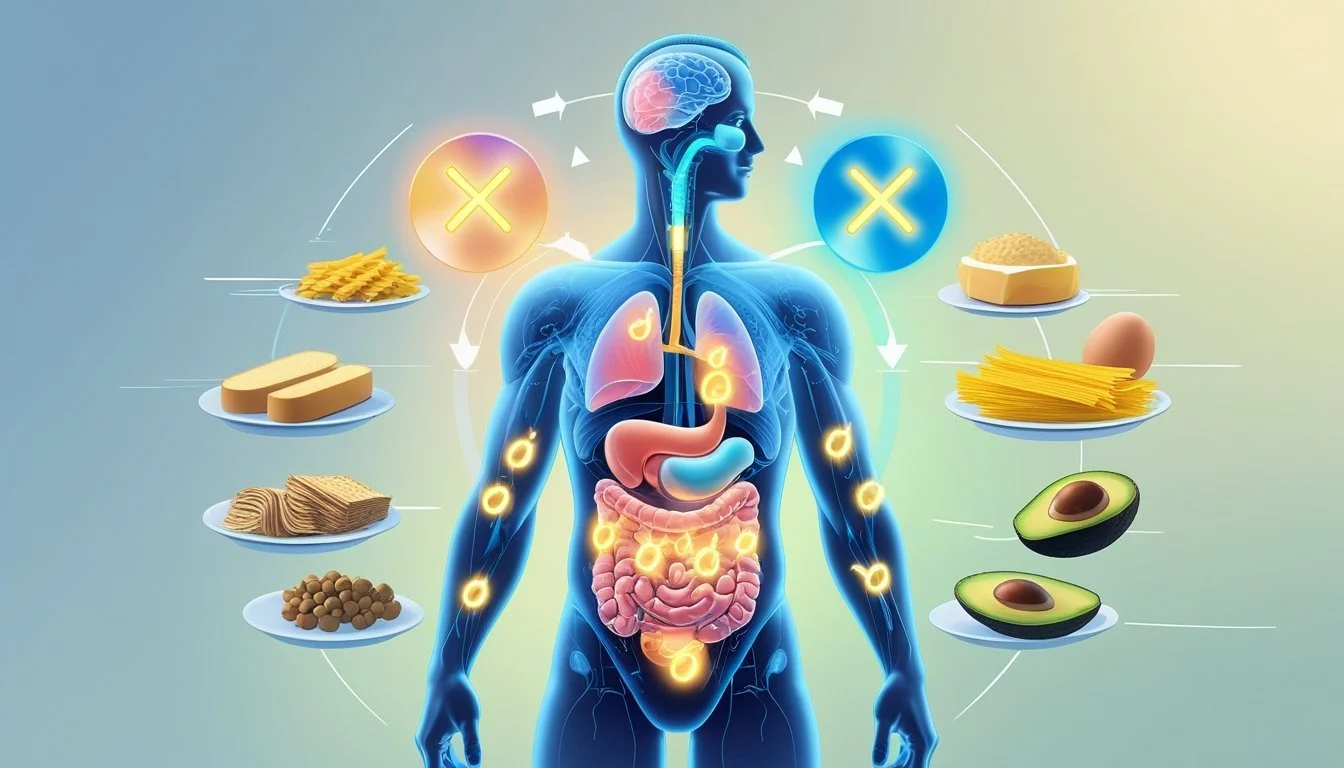
Zero-carb diets are not advised for everyone and can lead to significant metabolic and health changes. Medical oversight and specific monitoring can reduce risks, especially in those with underlying health conditions, nutrient requirements, or medication needs.
Professional Guidance and Monitoring
Individuals considering a zero-carb approach should consult qualified healthcare professionals. Registered dietitians and physicians can help assess health status, customize nutrition plans, and monitor laboratory markers like blood glucose and lipid levels.
Key aspects of professional supervision include:
Assessing hydration and electrolyte balance
Evaluating kidney function
Monitoring for vitamin and mineral deficiencies
Adjusting medications as needed, especially for diabetes or hypertension
Regular follow-up appointments can help track physical and mental health. For those with preexisting conditions or on specific medications, medical guidance is critical to avoid adverse effects and ensure nutritional adequacy.
Incorporating a team-based approach also allows for tailored advice, improving the safety and sustainability of a zero-carb regimen.

