

The carnivore diet challenges conventional ideas of a balanced diet by removing plant foods entirely and focusing exclusively on animal-based products. While traditional dietary approaches emphasize variety from all food groups, the carnivore diet reframes “balance” as achieving nutritional needs solely through meat, fish, and animal fats. This shift raises questions about how our understanding of health, nutrient intake, and dietary balance is shaped by longstanding beliefs.
Supporters of the carnivore diet often report benefits such as weight loss, increased mental clarity, and simpler meal planning. At the same time, this approach sparks debate among nutrition experts, who question whether an all-animal-based diet can provide adequate vitamins, minerals, and other essential nutrients without plant foods. The discussion around the carnivore diet highlights how different perspectives can affect what people consider balanced or complete nutrition.
By exploring the ideas behind the carnivore diet, readers can better understand why some adopt this dietary approach and how it redefines what “balance” in eating can mean for various individuals.
Understanding the Carnivore Diet Framework
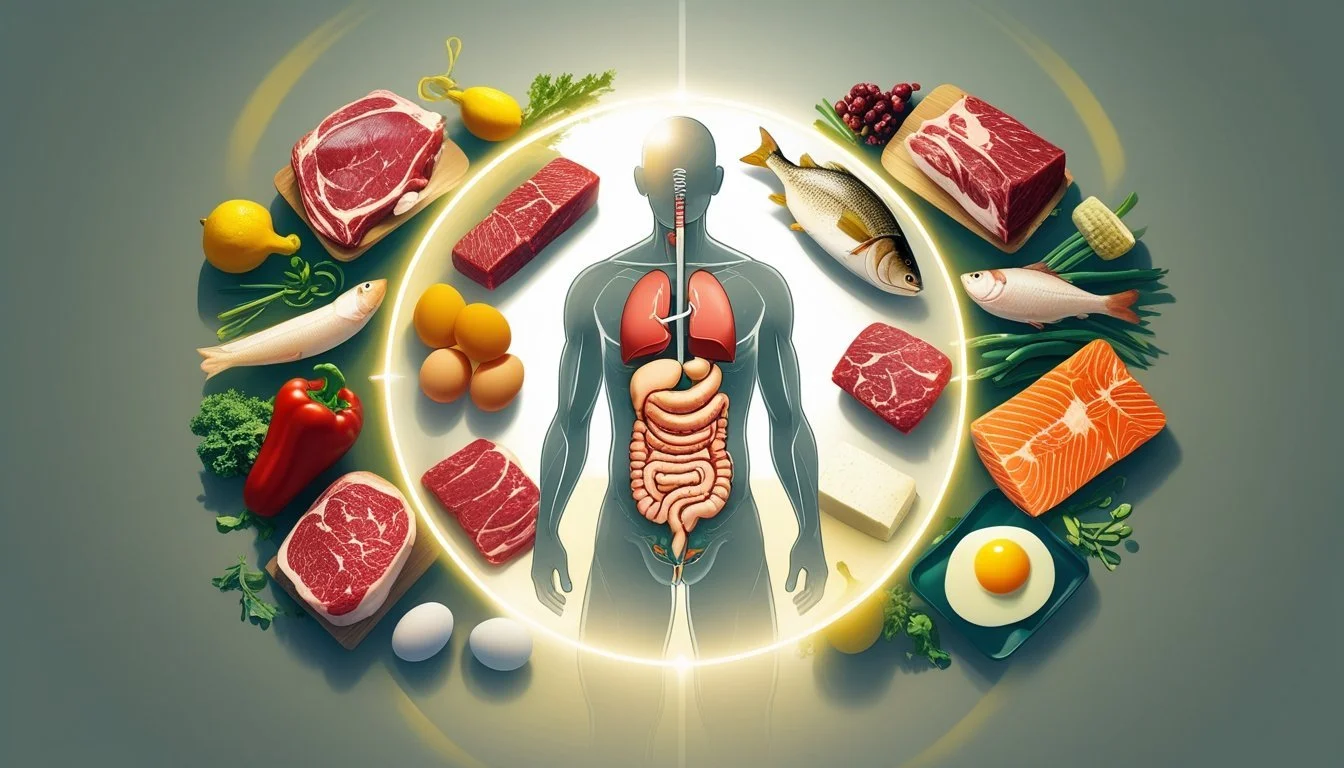
The carnivore diet is a restrictive dietary approach that centers exclusively on animal-based foods. The main focus is on consuming foods from animal sources and entirely avoiding plant-based products.
Defining the Carnivore Diet
The carnivore diet is an all-meat diet that eliminates all plant-based foods. Followers aim to eat only animal products such as beef, pork, chicken, fish, and animal-derived items like eggs and dairy, depending on individual tolerances.
This approach excludes fruits, vegetables, grains, legumes, nuts, and seeds. The dietary pattern is very low in carbohydrates and relies almost completely on protein and fat as primary energy sources. Some adherents believe this regimen may reduce inflammation or help address certain health conditions, though research is ongoing.
Electrolyte and hydration management become important due to the exclusion of plant sources. This is because foods like meat and fish vary in their mineral content and typically contain less potassium and magnesium than plant foods.
Animal-Based Foods Versus Plant-Based Foods
Animal-based foods are the backbone of the carnivore diet. These foods are rich in nutrients such as complete proteins, heme iron, vitamin B12, and omega-3 fatty acids. Compared to plant-based foods, animal products are generally more calorie-dense and supply all essential amino acids.
Key differences include the absence of fiber, phytochemicals, and many vitamins found in plants. Carbohydrate intake is minimal, as the diet excludes grains, fruits, and vegetables. This can lead to unique metabolic changes, such as an increased reliance on gluconeogenesis for energy.
The lack of plant foods means those on the diet must be diligent in obtaining nutrients like vitamin C and magnesium from animal sources, if possible. Certain cuts of meat (for example, organ meats) may become important for meeting micronutrient needs.
Typical Food Choices and Meal Structure
Meal structure on this diet focuses almost entirely on foods like red meats (beef, lamb), poultry, pork, seafood, eggs, and various animal fats. Some versions allow for limited dairy—especially high-fat types like cheese and butter—while others restrict or omit it.
A typical day may include steak, ground beef, bacon, eggs, and fatty fish such as salmon. Offal meats, such as liver or kidney, are sometimes included for their rich nutrient profiles. Spices, sauces, and condiments made from plants are usually avoided.
Eating patterns may vary, but many follow simple meals of 1–3 types of animal-based foods per sitting. Snacks are uncommon, and many people report eating only when hungry, sometimes following a form of time-restricted feeding or intermittent fasting.
Food Category Common Examples Notes Red Meat Beef, lamb Staple of the diet Poultry Chicken, turkey Widely consumed Seafood Salmon, sardines For omega-3s Eggs Chicken, duck eggs Easily included Dairy (optional) Cheese, butter Individual tolerance Organs Liver, kidney For micronutrients
Redefining Balance: A Carnivore Perspective
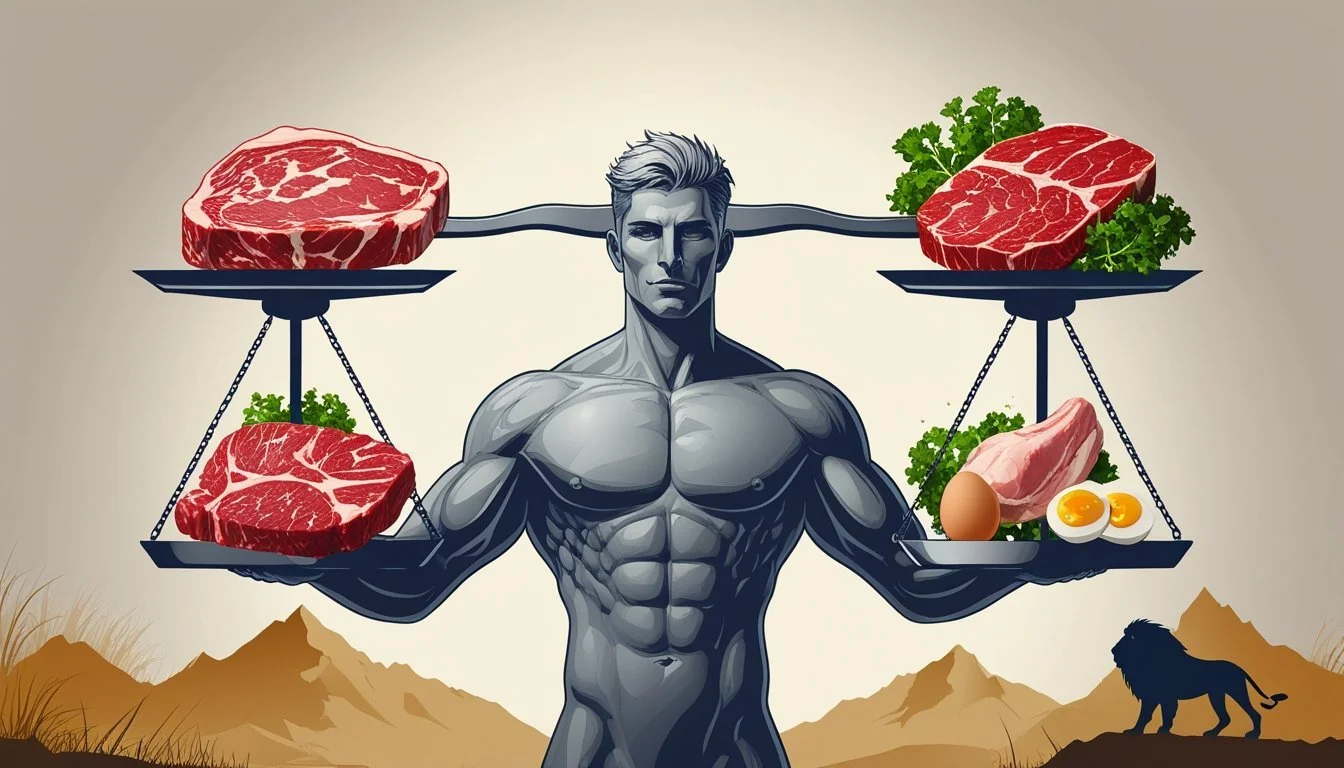
The concept of “balance” in nutrition often centers on food variety and nutrient distribution. The carnivore diet shifts this focus by prioritizing nutrient density from animal sources while minimizing or excluding plant-based foods.
The Traditional Balanced Diet Model
Traditionally, a balanced diet includes a wide range of food groups: grains, fruits, vegetables, protein sources, and dairy. Dietary guidelines highlight the importance of variety, emphasizing that consuming different foods ensures the intake of all essential nutrients.
This model often promotes the inclusion of plant-based foods for vitamins, minerals, and dietary fiber. It seeks to prevent deficiencies by spreading nutrient sources across multiple categories. The common recommendation is to eat colorful foods and rotate choices frequently.
Balanced plates in this model are typically measured by proportions—such as half vegetables, a quarter protein, and a quarter starch. The goal is to cover all macro- and micronutrient needs using diversity as the guiding principle.
Carnivore Diet’s Approach to Nutrient Diversity
The carnivore diet relies exclusively on animal products like beef, poultry, fish, eggs, and sometimes dairy. Rather than diversity across food types, it emphasizes nutrient density within these sources. Animal foods are rich in complete proteins, healthy fats, B vitamins, iron, zinc, and other essential nutrients.
Carnivore proponents argue that a variety of cuts and organ meats offers a broad spectrum of nutrients. Liver, for example, is notably high in vitamin A, copper, and folate. Muscle meats provide heme iron and all essential amino acids.
Instead of seeking balance through external variety, this approach claims that animal foods alone can supply many—though not all—essential nutrients. It focuses on maximizing nutrient absorption and bioavailability, rather than chasing a checklist of food groups.
Simplifying Food Variety While Maintaining Health
A carnivore approach reframes balance by reducing the reliance on external food variety and focusing on simplicity. People following a strict carnivore diet regularly eat varying types and cuts of animal products, with some including eggs or low-lactose dairy for additional nutrients.
This narrower range of foods makes the diet straightforward for those seeking predictability and ease. Advocates report improvements in weight management, energy, and some aspects of hormonal balance. Tracking nutrient intake is encouraged to ensure no essential nutrients are missed over time.
Table: Common Animal Foods and Key Nutrients
Food Type Key Nutrients Beef (muscle) Protein, Iron, B12, Zinc Liver Vitamin A, Copper, Folate Eggs Choline, Vitamin D, Protein Fish Omega-3s, Selenium, Iodine
Variety within animal sources is still important, but the focus is on rotating between nutrient-dense options rather than entire food groups.
Nutrient Density in Carnivore Diets
The nutrient density of a carnivore diet centers on the consumption of animal products, providing concentrated sources of essential macronutrients and micronutrients. This approach emphasizes the importance of protein, diverse vitamins and minerals, and healthy fats often absent or less bioavailable in plant-based foods.
Protein and Amino Acids
Animal foods such as beef, poultry, fish, and eggs are complete protein sources. They provide all essential amino acids in highly bioavailable forms, making them effective for supporting muscle growth, tissue repair, and enzyme function.
On a carnivore diet, daily intake of protein can be significantly higher than that of plant-based diets. This results in a steady supply of amino acids like leucine, lysine, and tryptophan, which are necessary for cellular processes and immune function.
Digestibility is higher in animal proteins compared to plant proteins. For individuals with higher physical activity or undergoing periods of healing, the diet offers concentrated protein without antinutrients found in some plant foods.
Vitamins and Minerals
Animal products supply a broad range of vitamins such as B12, vitamin D, and vitamin A (as retinol), which are either poorly absorbed or absent in plants. Organ meats, for example, are rich sources of folate, choline, and vitamin K2.
Minerals like iron (in heme form), calcium, potassium, magnesium, and sodium are abundant in animal-based foods. Heme iron is particularly well absorbed, supporting oxygen transport and energy metabolism.
Some nutrients, like vitamin D and calcium, can vary depending on the animal’s diet or cut of meat. Including a mix of muscle and organ meats enhances the overall micronutrient profile, helping to meet the body’s broader nutritional needs.
Healthy Fats: Saturated and Omega-3s
A carnivore diet is notable for its intake of saturated fats and high-quality omega-3 fatty acids. Red meat, dairy, and certain fish, like salmon and sardines, provide both saturated fats and long-chain omega-3s such as EPA and DHA.
These fats support hormone production, energy storage, and brain health. Unlike some plant oils, animal fats lack omega-6 polyunsaturated fats, shifting the dietary fat balance.
The balance of fats in animal products—particularly from grass-fed meats and wild-caught fish—contributes additional fat-soluble vitamins. This macronutrient focus can influence cardiovascular and metabolic health when part of a nutrient-dense dietary pattern.
Addressing Nutrient Deficiencies and Supplementation
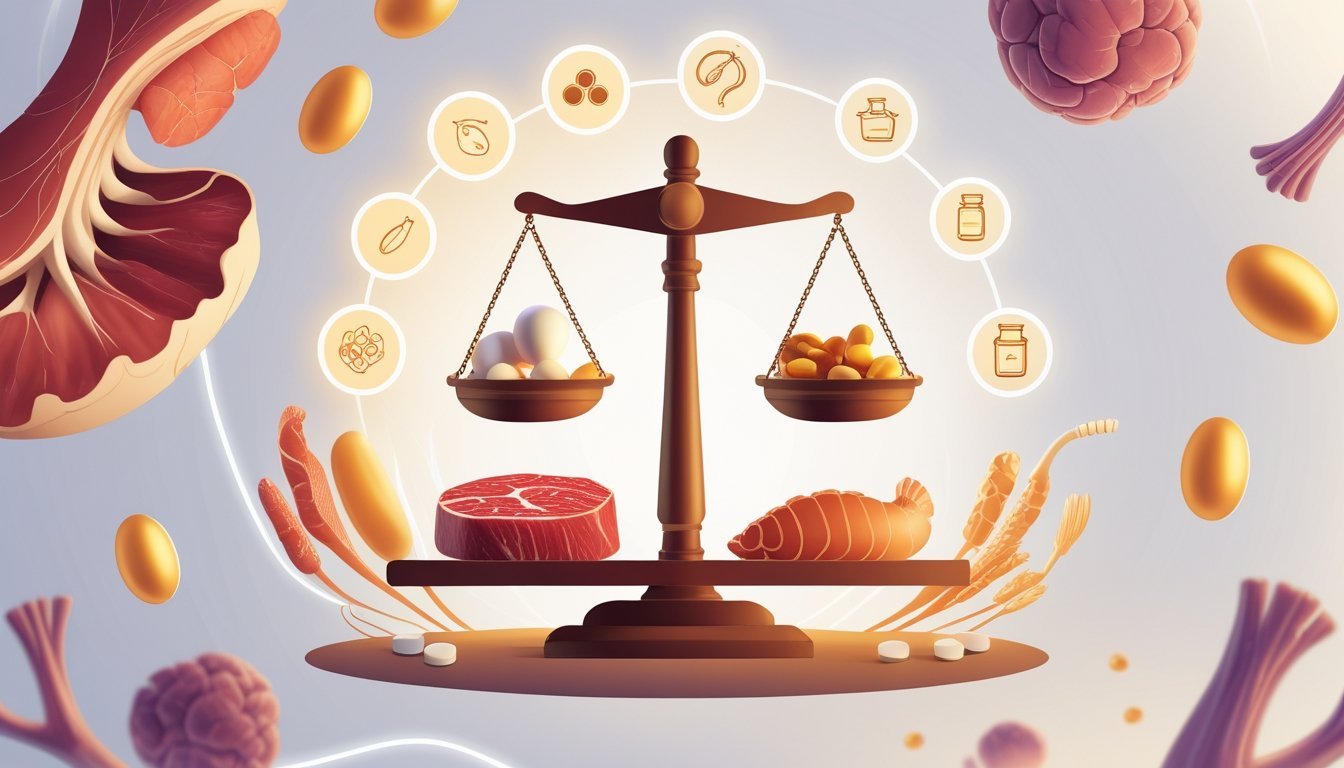
Restrictive diets like the carnivore diet can impact nutrient intake and lead to specific concerns. Careful planning is required to identify gaps and consider the value of proper supplementation.
Potential Deficiencies in Restrictive Diets
The carnivore diet often excludes nearly all plant foods. This restriction puts followers at risk for certain nutrient deficiencies, such as vitamin C, magnesium, folate, and some electrolytes.
Possible Deficiencies:
Nutrient Why It’s a Concern Potential Symptoms Vitamin C Largely missing in meat Fatigue, poor immunity Magnesium Low in many animal foods Muscle cramps, weakness Folate Scarce without organ meats Anemia, poor cognition Potassium Limited without variety Heart palpitations, cramps
Animal products generally provide vitamin B12, iron, and zinc, but may not supply enough fiber or antioxidants. Some deficiencies may develop slowly, making them easy to overlook.
Role of Supplementation and Monitoring
Supplementation can help fill nutritional gaps, especially when key vitamins or minerals are missing. Many on the carnivore diet add electrolytes such as sodium, magnesium, and potassium to prevent symptoms like fatigue and cramps.
Key Approaches for Prevention:
Incorporate organ meats to boost intake of vitamins and minerals
Use electrolyte supplements, especially during adaptation phases
Monitor for signs of deficiency through regular lab tests
Regular consultation with healthcare professionals is important. Blood work and ongoing assessment help to identify problems early and guide any adjustments needed in diet or supplementation.
Health Impact and Benefits of the Carnivore Diet
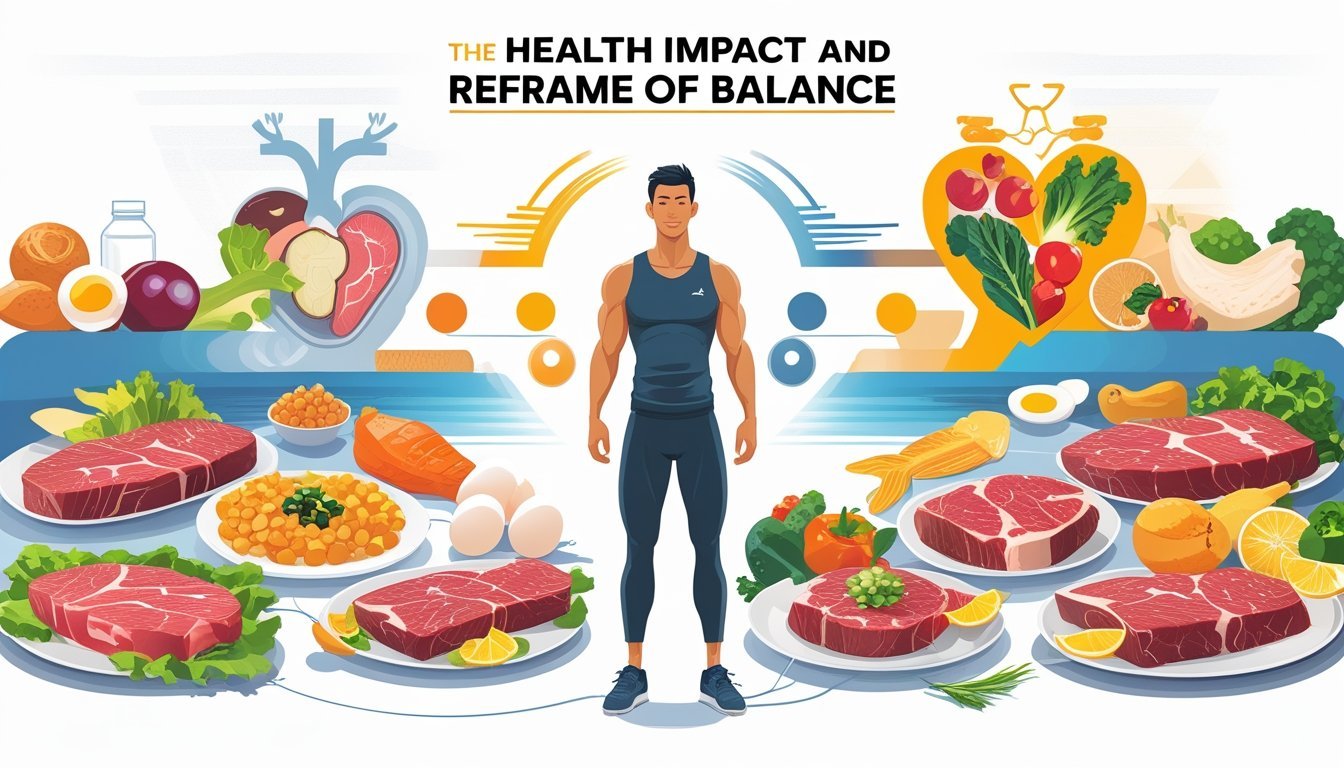
The carnivore diet has gained attention for potential benefits related to weight management, inflammation reduction, gut health, and cognitive function. Advocates point to reported improvements in these areas, but individual outcomes may vary based on health status and adherence.
Weight Loss and Body Composition
Many people follow the carnivore diet for weight loss. This way of eating often results in a reduction in overall calorie intake, largely due to the increased satiety from protein and fat. Foods like steak, eggs, and fish are low in carbohydrates but dense in nutrients and calories, helping some individuals reduce snacking and manage appetite.
High protein intake may help preserve lean muscle mass during weight loss. The low-carbohydrate approach can also reduce water retention and offer more stable energy, which appeals to those seeking changes in body composition. Studies have shown that low-carb diets, including carnivore-style eating, can promote significant short-term weight loss.
The absence of processed foods and sugars further supports caloric control. Some people notice visible changes in body fat percentage within weeks, but results depend heavily on consistency and total food choices.
Reduced Inflammation and Gut Health
The carnivore diet tends to exclude foods associated with gut irritation, such as gluten or certain plant-based compounds like lectins and oxalates. Removing these trigger foods may help reduce inflammation for those with food sensitivities or inflammatory conditions.
Anecdotal reports suggest improvements in symptoms of autoimmune issues and decreased joint pain. The diet's simplicity and lack of fiber-rich plants can sometimes help people with irritable bowel syndrome (IBS) or similar issues experience fewer digestive symptoms like bloating or discomfort.
However, it's important to note that not everyone benefits equally, and some individuals may experience negative changes in gut microbiota diversity. Those with existing gut issues may benefit most, while others need to monitor their long-term digestive health closely.
Mental Clarity and Cognitive Effects
Some individuals report improved mental clarity on the carnivore diet, possibly relating to stable blood sugar levels due to minimal carbohydrate intake. Spikes and crashes in energy may be reduced when relying solely on animal foods, leading to steadier focus and alertness.
Key nutrients like omega-3 fatty acids, vitamin B12, and choline—abundant in animal products—support brain function. Followers often describe increased productivity and a sense of emotional stability, which may be linked to more balanced neurotransmitter levels and reduced systemic inflammation.
Scientific research on these cognitive effects is still limited. However, testimonials and case reports frequently highlight improvements in attention span, motivation, and memory among adherents.
Hormonal and Metabolic Influences
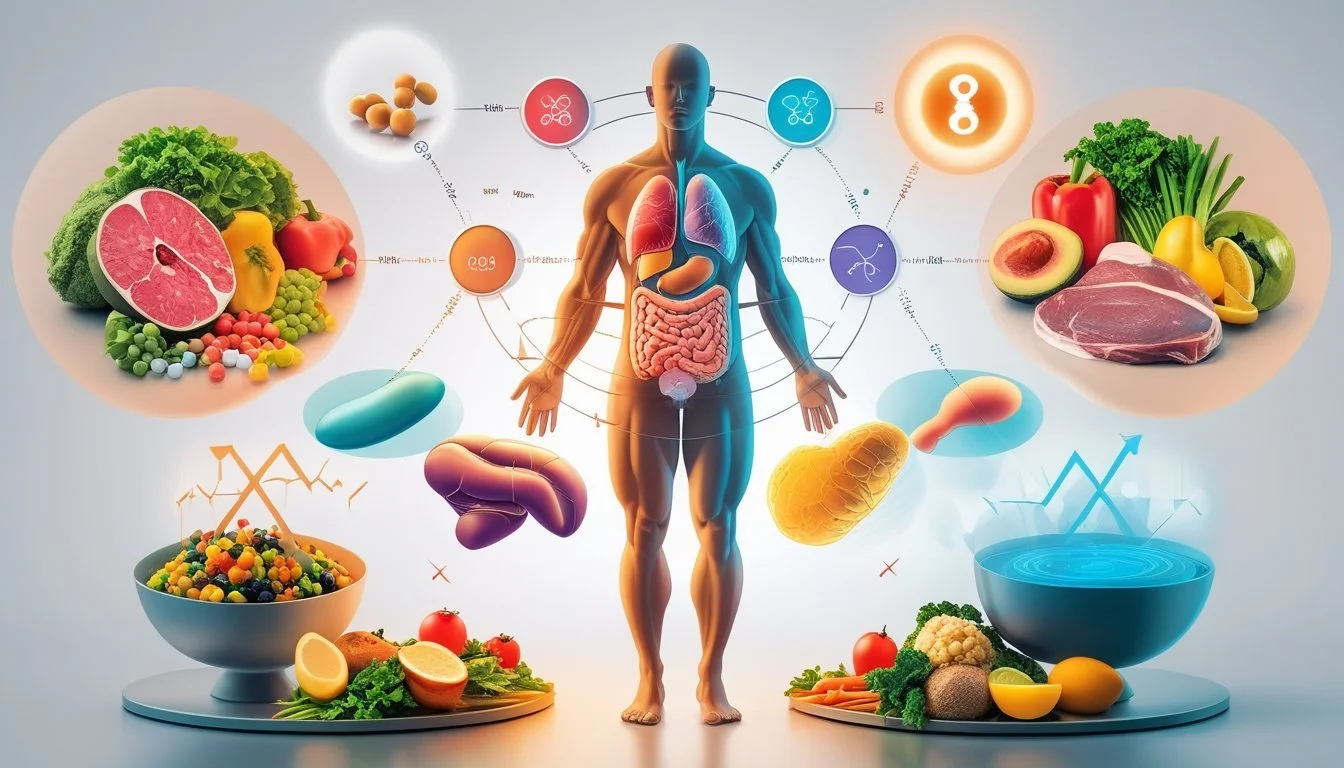
The carnivore diet significantly affects metabolic and hormonal pathways, with notable impacts on insulin management and sex hormone balance. These elements influence how the body responds to carbohydrate restriction and how hormonal shifts may alter well-being.
Insulin Sensitivity and Blood Sugar Regulation
Adopting a carnivore diet leads to a drastic reduction in carbohydrates, which can reduce blood sugar fluctuations and often decreases the need for insulin production. Lower carbohydrate intake tends to promote greater insulin sensitivity by minimizing the repeated insulin spikes that typically occur with carbohydrate-rich meals.
For individuals with insulin resistance or type 2 diabetes, this dietary approach may improve fasting insulin levels, support better glycemic control, and contribute to a steadier metabolic state. Improved insulin sensitivity is commonly associated with better energy utilization and can assist in stabilizing appetite.
However, not everyone experiences the same changes in glucose metabolism, and individuals may require adjustments to medication if they are managing existing metabolic conditions. Regular monitoring of blood sugar and insulin markers is recommended for those making significant shifts to a carnivore regimen.
Hormone Production: Estrogen and Testosterone
The carnivore diet’s focus on animal-based products provides high levels of dietary cholesterol and saturated fat, nutrients that play a role in steroid hormone synthesis, including testosterone and estrogen. Adequate intake of these macronutrients can support the body's raw material requirements for optimal hormone production.
Increased protein and fat consumption may influence sex hormone levels differently in men and women. For some men, higher saturated fat intake has been linked to increased testosterone. In contrast, shifts in estrogen may depend on genetic and metabolic factors, as well as overall energy balance.
Blood levels of hormones, including estrogen and testosterone, should be periodically evaluated if significant dietary changes are made. The impact on hormonal balance is complex, and individual responses can be influenced by age, medical history, and baseline nutritional status.
Cardiovascular Considerations
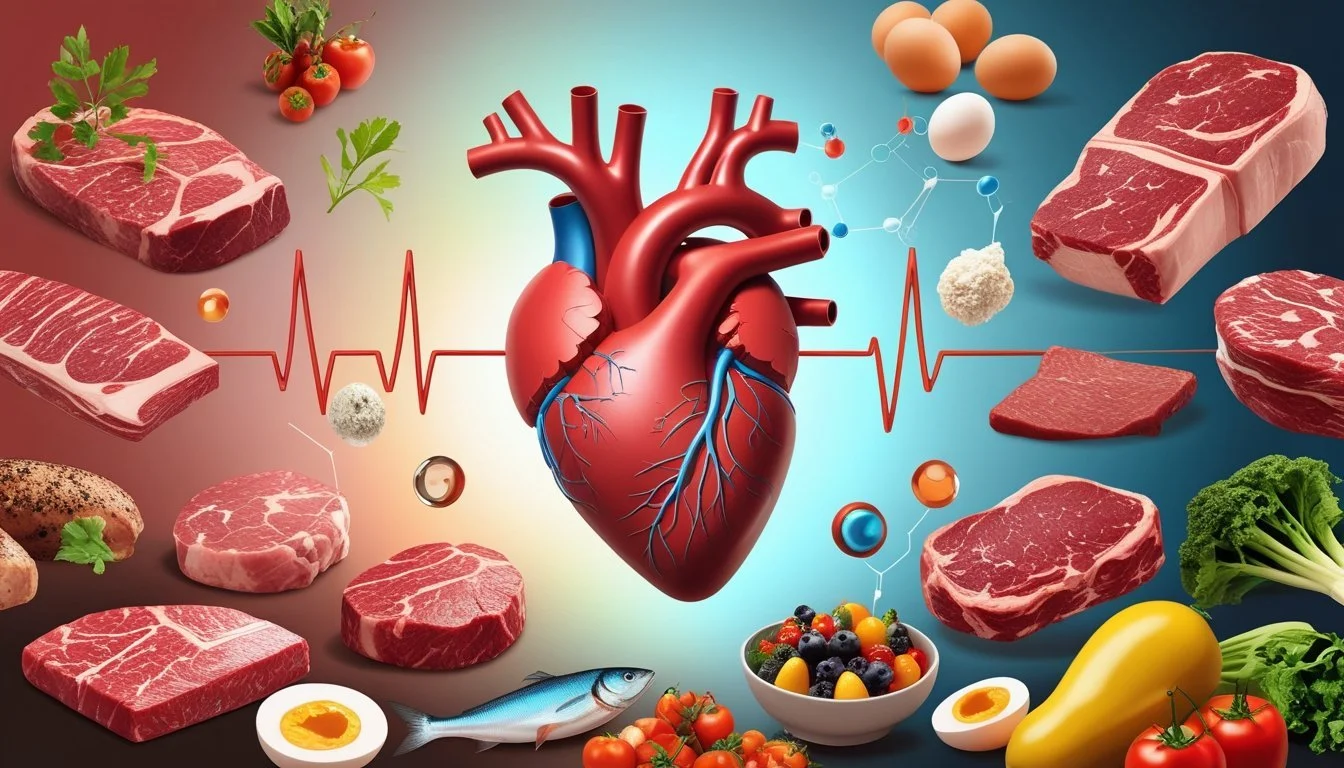
Switching to a carnivore diet changes the sources and types of nutrients that support heart and vascular function. Dietary focus moves away from plant-based fibers and micronutrients toward high levels of animal proteins, fats, and certain minerals, each with direct effects on cardiovascular markers.
Cholesterol and Heart Health
The carnivore diet is high in saturated fats and cholesterol due to its reliance on meat, eggs, and some dairy. This often leads to noticeable changes in blood cholesterol levels, including increases in LDL (low-density lipoprotein), HDL (high-density lipoprotein), and sometimes total cholesterol.
While higher LDL levels are traditionally linked to heart disease, some recent debates suggest the relationship might be more nuanced, with other factors—like triglycerides and inflammation—also playing a role. The rise in HDL is often seen as favorable, as higher HDL has been associated with a reduced risk of cardiovascular disease.
There is still no clear consensus in scientific literature about the long-term effects of high dietary cholesterol in the context of the carnivore diet. Many clinicians recommend individuals on such diets monitor lipid panels regularly to assess any significant changes that might increase the risk for heart disease or stroke.
Blood Pressure and Electrolyte Balance
Eliminating plant foods impacts not only fiber intake but also the balance of essential electrolytes such as sodium, potassium, and magnesium. Meat and animal products tend to be naturally higher in sodium and may have variable potassium and magnesium levels.
On a carnivore diet, a common adaptation is increased sodium intake to compensate for reduced insulin and lower water retention. Maintaining appropriate levels of potassium and magnesium is important for regulating blood pressure and preventing risk factors for hypertension, heart disease, or stroke.
Hydration status and regular electrolyte monitoring are critical. Symptoms of imbalance, such as muscle cramping or irregular heartbeat, can develop more easily without the buffering effect of plant-based foods. Some people include supplemental electrolytes or choose fattier cuts of meat and organ meats to help in maintaining cardiovascular stability.
Long-Term Sustainability and Potential Risks
The carnivore diet raises important concerns about how it may affect cancer risk, chronic diseases, and whether it is feasible to maintain over time. Nutrient deficiencies and practical challenges are also key considerations for those assessing this dietary approach.
Cancer and Chronic Disease Risk
Scientific reviews and clinical data indicate that high intake of red and processed meats may be associated with increased cancer risk, particularly colon cancer. The absence of plant-based foods on the carnivore diet also means a lack of dietary fiber, which has been linked to colorectal health and reduced chronic disease risk.
Key nutrients absent from animal-only diets include:
Nutrient Typical Plant Sources Fiber Vegetables, legumes, grains Vitamin C Citrus, berries, broccoli Polyphenols Fruits, tea, cocoa
Without these, the body may be more vulnerable to oxidative stress and inflammation over the long term. There is limited long-term data on chronic disease outcomes for individuals on strict carnivore diets, so ongoing monitoring of health markers is advised.
Sustainability and Practical Concerns
Maintaining a carnivore diet over the long term can be challenging both nutritionally and socially. Individuals may face difficulty getting vitamins and minerals like vitamin C, magnesium, and folate without supplementation. Strict avoidance of all plant foods increases the risk of micronutrient deficiencies.
Social situations, food availability, and higher costs are also common barriers. Many experts recommend regular evaluation of blood work and overall health status to identify any early signs of deficiency or unfavorable changes in cholesterol, kidney function, or other health indicators. For some, long-term adherence may require medical supervision and nutritional support.
Common Challenges and Practical Adjustments
Adopting a carnivore diet introduces changes to digestion, hydration, and social habits that often require new routines and strategies. Addressing these issues early can ease transition and support better day-to-day outcomes.
Fiber Intake and Digestive Function
A carnivore diet eliminates plant-based fiber, which traditionally supports gut motility and stool bulk. Many experience shifts in bowel patterns, such as reduced stool volume or changes in frequency.
Key considerations:
Fiber is not strictly necessary for everyone; the body can adjust, using increased bile acids and altered microbiota to handle digestion.
Some people may notice initial constipation or diarrhea, but these issues often resolve within two to four weeks.
Staying attentive to hydration and salt intake can help minimize discomfort.
For those with persistent digestive discomfort, introducing fattier cuts of meat or adjusting meal timing may provide relief. Some individuals return to plant foods for symptom management, but this is not universally required.
Hydration Requirements
Eating only animal-based foods changes hydration needs, as plant foods typically provide water and potassium. Fluid requirements may increase, especially during adaptation phases.
Practical measures include:
Drinking to thirst, but monitoring for signs of dehydration (e.g., headaches, fatigue, dark urine).
Increasing sodium intake, as lower insulin on a carnivore diet leads to greater salt loss.
Using broth or salty meats as a way to maintain electrolyte balance.
Those who exercise or live in warm climates may need to supplement with more fluids and electrolytes. Monitoring how the body feels is often more reliable than strictly following a set daily intake.
Managing Cravings and Social Situations
Reducing carbohydrate and plant food intake can produce strong cravings, especially at first. Sugar and snack foods may be especially difficult to avoid.
Common strategies for cravings:
Eating satiating portions of fatty meats to reduce hunger.
Incorporating variety by rotating different cuts and types of animal products.
Planning ahead for outings by bringing simple portable foods like jerky or hard-boiled eggs.
Social events can be challenging, as most gatherings feature mixed or plant-heavy dishes. Direct and polite communication often helps, and some prepare by eating beforehand or offering to bring their own food.
Transitioning to an All-Meat Approach
Switching to an all-meat regimen is a significant shift for most. The first days or weeks may bring fatigue, brain fog, or mood changes as the body adapts to different fuel sources and reliance on fat for energy.
Practical tips for the transition:
Gradually remove plant foods over one to two weeks instead of abruptly stopping.
Focus on energy-dense meals and eat to satiety rather than restricting portions.
Track symptoms but recognize most side effects are temporary and usually fade within a month.
Support from others following a similar path can also ease the adjustment. Open monitoring with a healthcare provider is recommended, especially for those with pre-existing health conditions.
Conclusion: Rethinking Dietary Balance for Optimal Health
The carnivore diet changes how balance is defined in nutrition. Instead of focusing on a wide variety of food groups, it centers on animal products to meet essential nutrient needs.
Key areas reframed by the carnivore diet:
Nutrient Sources: The diet uses meat, fish, eggs, and dairy as primary sources of protein, fats, and micronutrients.
Nutrient Density: Followers prioritize nutrient-rich animal foods over food group diversity.
Electrolyte and Hormone Balance: Maintaining proper intake of salt and minerals supports metabolic function and overall health.
Those on this eating plan often report regular energy levels and stable blood sugar, which challenges traditional ideas of a balanced diet. The approach does require careful consideration to avoid deficiencies in certain vitamins and minerals.
Below is a simplified view of where some essential nutrients are sourced in the carnivore diet:
Nutrient Primary Source in Carnivore Diet Protein Red meat, poultry, fish Iron Organ meats, red meat Vitamin B12 Fish, meat, eggs Omega-3s Fatty fish Calcium Dairy, fish with bones
Individuals considering this diet should monitor their health and consult nutrition professionals. Rethinking dietary balance means understanding both the benefits and limitations of relying on animal-based foods for all essential nutrients.

