
Impacts on Health and Metabolism
High-meat diets are known for their increased protein intake, but they also bring a rise in certain compounds called purines. When the body breaks down purines found in meat, it produces uric acid as a byproduct. Consistently eating large amounts of meat can lead to higher uric acid levels, which may increase the risk of joint discomfort and conditions like gout.
Different types of meat contain varying amounts of purines, with red meats like beef, lamb, and mutton having particularly high levels. The frequency and quantity of meat consumed influence how much uric acid the body must process. Lowering meat intake or choosing meats with less purine content can help maintain healthy uric acid levels in the body.
Understanding the link between diet and uric acid is essential for anyone interested in overall wellness or managing specific health conditions. Readers can explore how dietary choices impact uric acid levels and learn practical strategies to adjust their eating habits for better health outcomes.
Understanding Uric Acid in the Body
Uric acid is a key biochemical parameter resulting from purine metabolism. Its levels in the body are influenced by diet, cellular turnover, and kidney function, and high uric acid levels can have specific clinical consequences.
Biochemical Pathways of Uric Acid
Uric acid forms when the body processes purines, which are nitrogen-containing compounds found in many foods and cellular structures. The breakdown happens primarily in the liver, where xanthine oxidase is the main enzyme responsible for converting purine derivatives into uric acid.
Once produced, uric acid enters the bloodstream as serum uric acid. The majority is filtered by the kidneys and excreted in urine, while a smaller portion is lost through the digestive tract. If excretion is impaired or production is excessive, uric acid can accumulate, leading to elevated serum levels.
Purine Metabolism Explained
Purine metabolism involves a series of enzymatic reactions that break down purine bases—primarily adenine and guanine—into uric acid. The process starts with the degradation of DNA and RNA, releasing purines into the circulation.
Xanthine oxidase catalyzes the final steps by converting hypoxanthine to xanthine, and then xanthine to uric acid. Humans lack the enzyme uricase, which many other mammals use to further degrade uric acid to more water-soluble compounds. This results in humans naturally having higher baseline serum uric acid levels compared to other species.
Factors Influencing Serum Uric Acid Levels
Serum uric acid concentrations vary due to several modifiable and non-modifiable factors:
Diet: High consumption of purine-rich foods, such as red meats, organ meats, sardines, and shellfish, can increase uric acid production.
Renal Function: Decreased kidney efficiency reduces uric acid excretion.
Cell Turnover: Conditions with rapid cell breakdown or proliferation (like certain cancers or psoriasis) release more purines.
Genetics and Enzyme Activity: Genetic differences in purine metabolism enzymes (such as xanthine oxidase) and inherited renal urate transporters influence serum levels.
Medications and Alcohol: Diuretics, some immunosuppressants, and frequent alcohol intake, especially beer, can elevate uric acid.
Understanding these influences helps identify why some individuals develop high uric acid levels and related health conditions while others do not.
How High-Meat Diets Affect Uric Acid
Meat, seafood, and poultry all contain purines, which the body breaks down into uric acid. The type and amount of each protein source can determine uric acid production, with some foods having much greater effects on serum uric acid levels than others.
Meat Consumption and Purine Content
High meat consumption is closely linked to higher uric acid levels due to dietary purines. Purines are natural compounds found in all meats, but their concentration varies.
When purine-rich foods are consumed, purines are metabolized into uric acid. If intake or frequency increases, the body may struggle to eliminate excess uric acid through the kidneys. This can result in uric acid build-up, increasing the risk of conditions like gout and kidney stones.
A meat frequency questionnaire often shows a correlation between frequent meat consumption and elevated serum uric acid, especially in diets emphasizing large portions or multiple servings daily. For those with a history of high uric acid, reducing overall meat quantity, choosing lower-purine options, and monitoring portion sizes are key dietary strategies.
Red Meat vs. Lean Meat and Organ Meats
Red meats such as beef, lamb, and mutton generally have a moderate to high purine content. Frequent consumption of red meat is associated with increased uric acid levels, although it is not as concentrated in purines as some organ meats.
Organ meats—including liver, kidney, and sweetbreads—contain extremely high levels of purines. These foods can cause marked spikes in serum uric acid and are typically avoided or strictly limited in diets for individuals prone to gout or uric acid disorders.
In contrast, lean meat choices such as pork loin or turkey breast contain lower purine levels than fatty or organ meats. Replacing high-purine meats with lean cuts can help lower total purine intake without cutting protein sources entirely.
Approximate Purine Content per 100g:
Food Purines (mg) Beef (red meat) 120 Pork (lean) 90 Liver (organ) 300
Seafood and Shellfish Intake
Seafood encompasses a wide range of purine-rich foods, including fish and shellfish. Anchovies, sardines, herring, and mussels are particularly high in purines, often exceeding concentrations found in most meats.
Regular consumption of these types of seafood may raise uric acid levels significantly. Shellfish such as shrimp, lobster, and crab also pose a risk, though to a slightly lesser degree than certain fish. People with high uric acid or gout are often advised to eat seafood only occasionally or in small amounts.
Not all fish are equally problematic. Salmon and haddock have a lower purine content and may be better options for those seeking fish-based protein sources with reduced impact on uric acid metabolism.
Poultry and Protein Sources
Poultry, including chicken and turkey, usually contains less purine than red meat and organ meat. Skinless white meat (such as chicken breast) is considered among the lower-purine animal protein choices.
However, dark poultry meat or certain preparation methods can moderately increase purine content. Portion control is important, as large or frequent servings will still contribute to overall purine load.
Eggs and low-fat dairy are purine-free protein sources and have no effect on uric acid levels. Including these foods in a balanced diet provides protein without increasing uric acid production. For individuals managing uric acid, rotating between poultry, plant proteins, eggs, and dairy can reduce reliance on high-purine meats.
Dietary Patterns and Uric Acid Levels
Dietary patterns directly affect serum uric acid concentrations, with certain foods contributing to either increased or decreased levels. The frequency and type of foods consumed can significantly impact the risk of developing hyperuricemia.
Assessing Dietary Habits and Food Frequency
Accurate assessment of dietary habits is essential for understanding how specific foods relate to uric acid levels. Tools such as food frequency questionnaires and dietary recall methods are commonly used to collect data on how often individuals consume meat, seafood, and other protein-rich foods.
Studies indicate a consistent link between high intake of red and processed meats and elevated uric acid. Frequent consumption of these foods increases purine load, which is metabolized to uric acid in the body.
Individuals following high-meat dietary patterns may be at higher risk for gout and related metabolic disturbances. Monitoring food frequency can help identify those at risk and guide dietary modification.
Role of Dairy Products and Eggs
Dairy products, especially low-fat varieties, are frequently associated with lower serum uric acid levels. They can increase uric acid excretion and provide a source of high-quality protein without the same purine burden found in most meats.
Research suggests that regular dairy intake may have a protective effect against hyperuricemia. Low-fat milk and yogurt, in particular, are often recommended for people attempting to manage their uric acid.
Eggs are considered low in purines and generally do not contribute significantly to uric acid production. Including eggs and dairy in a balanced diet may provide essential nutrients while limiting uric acid accumulation.
Fruits, Vegetables, and Whole Grains
Fruits, vegetables, and whole grains typically have low purine content and are not linked to increased uric acid. Many fruits and vegetables are also high in vitamin C, which can support uric acid excretion.
A diet rich in plant-based foods is commonly advised for individuals seeking to manage uric acid levels. Whole grains offer additional fiber and nutrients without raising uric acid.
However, some vegetables such as asparagus and spinach contain moderate purines, but they generally do not elevate uric acid as much as meat does. Emphasis is placed on regular, varied consumption of plant foods for overall health benefits.
Lifestyle Factors and Uric Acid Management
Uric acid levels in the body are influenced by several lifestyle habits that can directly affect health outcomes, particularly for those following high-meat diets. Key factors include alcohol intake, physical activity patterns, and managing body weight.
Alcohol Consumption and Uric Acid
Alcohol consumption, especially beer and spirits, raises uric acid levels. Beer contains both purines and alcohol, which together significantly increase uric acid production. Spirits contribute largely through their alcohol content, while wine appears to have a lesser effect but can still be relevant if consumed excessively.
Alcohol impairs renal excretion of uric acid, leading to its accumulation in the bloodstream. Binge drinking or chronic heavy use increases the risk of gout attacks. Moderation or complete avoidance of high-purine alcoholic beverages is advised for individuals managing hyperuricemia or gout.
A simple comparison is summarized below:
Beverage Type Uric Acid Impact Notes Beer High Rich in purines + alcohol Spirits Moderate/High Alcohol-driven Wine Low/Moderate Less direct effect
Physical Activity and Exercise Status
Regular physical activity improves overall metabolic health and aids in maintaining healthy uric acid levels. Exercise helps regulate weight and may increase renal clearance of uric acid, reducing risk for gout or hyperuricemia.
People with sedentary lifestyles may have higher serum uric acid levels due to decreased metabolism and increased body fat. Both aerobic and resistance exercises have shown benefits; however, exercise should be balanced and consistent to avoid extremes that might transiently raise uric acid due to muscle breakdown.
Short, routine bouts of activity, such as brisk walking or cycling for 30 minutes most days, can provide measurable benefits. Staying hydrated during physical activities also assists in uric acid elimination.
Body Mass Index and Obesity
Increased body mass index (BMI) and obesity are closely linked with elevated uric acid concentrations. Adipose tissue contributes to higher purine turnover, resulting in greater uric acid production. Excess body fat is also associated with reduced renal uric acid clearance.
Weight loss through dietary improvement and increased activity can significantly lower serum uric acid. Studies show that even modest reductions in BMI lead to measurable decreases in uric acid, lowering the risk of gout and related complications. Maintaining a healthy weight is a key long-term strategy for effective uric acid management.
Associated Health Risks of Elevated Uric Acid
High levels of uric acid in the body can contribute to several significant health problems. These include painful joint conditions, kidney complications, and increased risk for major chronic diseases.
Gout and Arthritis
Elevated serum uric acid is best known for its role in the development of gout. Gout is a form of inflammatory arthritis caused by uric acid crystals collecting in the joints. This often leads to sudden, severe gout attacks marked by intense joint pain, swelling, redness, and warmth.
Gout commonly affects the big toe but can involve other joints such as knees and ankles. Risk increases with frequent meat and seafood intake, which are high in purines. Individuals experiencing recurrent gout flare-ups may find daily activities impacted due to persistent joint pain and stiffness.
Managing uric acid levels is essential for reducing both the frequency and severity of gout flare-ups. If untreated, chronic gout can lead to joint damage and deformity.
Hyperuricemia and Kidney Disease
Hyperuricemia, defined as an abnormally high serum uric acid level, poses risks beyond gout. One key concern is the development of kidney disease. Uric acid can form crystals that deposit in the kidneys, potentially leading to kidney stones and impaired renal function.
People with persistent hyperuricemia face an increased chance of chronic kidney disease (CKD). CKD is marked by gradual loss of kidney function, leading to complications such as fluid retention, increased blood pressure, and accumulation of waste products in the body.
Kidney stones related to uric acid are often very painful and may require medical intervention. Managing uric acid through diet and medication can help lower these risks and support kidney health.
Metabolic Syndrome, Diabetes, and Heart Disease
Elevated uric acid frequently coexists with metabolic syndrome, a group of risk factors that include obesity, insulin resistance, high blood pressure, and abnormal cholesterol levels. These factors collectively increase the likelihood of type 2 diabetes and heart disease.
High uric acid is linked to the development and worsening of insulin resistance, which raises the risk of diabetes. There is also a connection between hyperuricemia and increased risk for cardiovascular events, such as heart attacks.
Maintaining healthy uric acid levels may help lower the risk for metabolic syndrome and its related diseases. Daily dietary choices, regular physical activity, and weight management play vital roles in reducing disease risk.
Hypertension and Stroke
Research consistently associates higher uric acid levels with elevated blood pressure, including in cases of gestational hypertension during pregnancy. Chronic hypertension can cause long-term damage to blood vessels and vital organs.
People with hyperuricemia face an increased risk of hypertension, which is a major contributor to stroke. Uric acid may impact blood vessel function, promoting vascular stiffness and inflammation.
Controlling serum uric acid could assist in managing blood pressure and reducing the risk of stroke, especially in populations with other risk factors. Blood pressure monitoring, dietary modifications, and routine healthcare visits are crucial for those at risk.
Dietary Recommendations for Managing Uric Acid
Reducing uric acid through diet involves carefully selecting foods and monitoring certain nutrients. Emphasizing low-purine choices, moderating sweeteners, and incorporating beneficial foods can support uric acid management.
Meal Planning and Healthy Eating Guidelines
Managing uric acid starts with meal plans that limit purine-rich foods. High-purine sources include organ meats, red meat, and some seafood like anchovies and sardines. These foods can elevate uric acid levels and increase gout risk.
It is helpful to include more vegetables, fruits (excluding overconsumption of fructose-heavy varieties), whole grains, and legumes. Low-fat dairy products have demonstrated an association with lower uric acid levels. Hydration is vital—drinking at least 8–10 glasses of water a day helps support kidney function.
Cutting back on alcohol, especially beer and spirits, is also recommended. Adhering to balanced dietary guidelines, such as those found in the Mediterranean or DASH diet, can provide a structure for healthy eating.
Role of Sweets, Fructose, and High Fructose Corn Syrup
Scientific evidence links high intake of fructose—particularly from sugary drinks and processed foods sweetened with high fructose corn syrup (HFCS)—to increased uric acid production. Soft drinks, candy, packaged desserts, and many commercial baked goods commonly contain HFCS.
A practical approach is to limit or avoid these products in the daily meal plan. Instead, opting for whole fruits in moderation is preferable, as fruit offers fiber and nutrients along with natural sugars.
For those managing uric acid, it is suggested to check food labels for added sugars and avoid products listing HFCS. Reducing overall sweet consumption aligns with broader dietary recommendations for metabolic and heart health as well.
Benefits of Low-Fat Dairy and Coffee
Low-fat dairy such as skim milk, low-fat yogurt, and cottage cheese rank high among dietary options for lowering uric acid. Studies have shown regular inclusion of these foods can reduce the risk of gout.
Dairy proteins may facilitate excretion of uric acid by the kidneys. When choosing dairy, low-fat versions are preferable to minimize saturated fat intake and support cardiovascular health.
Coffee consumption, in moderate amounts, is associated with a lower risk of hyperuricemia. While the mechanisms remain under study, antioxidants and other compounds in coffee may play a role. Black coffee without excessive sugar or cream is preferable for these benefits.
Nutrients and Antioxidant Intake
Optimal intake of certain micronutrients and antioxidants can support healthy uric acid levels. Vitamin C is one nutrient shown to have a uric acid-lowering effect by improving kidney clearance. Citrus fruits, strawberries, bell peppers, and broccoli are all reliable sources.
Diets rich in plant-based antioxidants, such as those found in berries, leafy greens, and other vegetables, may offer protective effects against inflammation and oxidative stress related to elevated uric acid. Including nuts, seeds, and legumes helps increase both nutrient and antioxidant intake.
Tracking and varying nutrient sources ensures coverage of all essential vitamins and minerals while helping to create a sustainable eating pattern.
Special Considerations and Risk Groups

Certain populations face higher risks from elevated uric acid, especially in the context of high-meat diets. Factors such as genetic predispositions, unique vulnerabilities during pregnancy, and links with psychological conditions can all influence outcomes.
Genetic Factors and Family History
Some individuals carry genetic mutations affecting uric acid metabolism. Variants in genes coding for uric acid transporters can lead to differences in how the body processes and excretes uric acid.
A family history of gout points to inherited risk, since gout often clusters in families due to shared genetics and dietary habits. First-degree relatives of those with gout may require closer monitoring when following high-meat diets.
People with known mutations or strong family histories should consider routine uric acid screening. Early detection helps in adopting appropriate dietary changes and preventive care aimed at reducing the risk of gout and related complications.
Pregnancy and Child Outcomes
Pregnant women experience physiological changes that can alter uric acid levels, particularly during the first trimester. High uric acid in pregnancy has been associated in some studies with adverse outcomes, including preeclampsia and lower birth weight.
Nutritional choices, such as increased red meat consumption, may further impact uric acid during pregnancy. Monitoring is important in those with additional risk factors.
Adverse child outcomes possibly linked with maternal hyperuricemia include preterm birth and impaired fetal growth. Medical teams often monitor uric acid as part of comprehensive prenatal care, especially in women with a history of hypertension or metabolic issues.
Mood Disorders and Psychological Impact
Emerging research links elevated uric acid levels with higher rates of mood disorders, including depression and anxiety. These links may be relevant in the context of postpartum depression and other postpartum mood disorders.
Studies using tools like the hospital anxiety and depression scale (HADS) and self-reported HADS have noted correlations between high uric acid and increased mood symptoms.
Individuals with mental health concerns should be aware that dietary habits, including frequent high-meat intake, might influence both metabolic and psychological health. Health professionals may consider assessing uric acid among other factors in those reporting mood disturbances.
Research and Clinical Insights
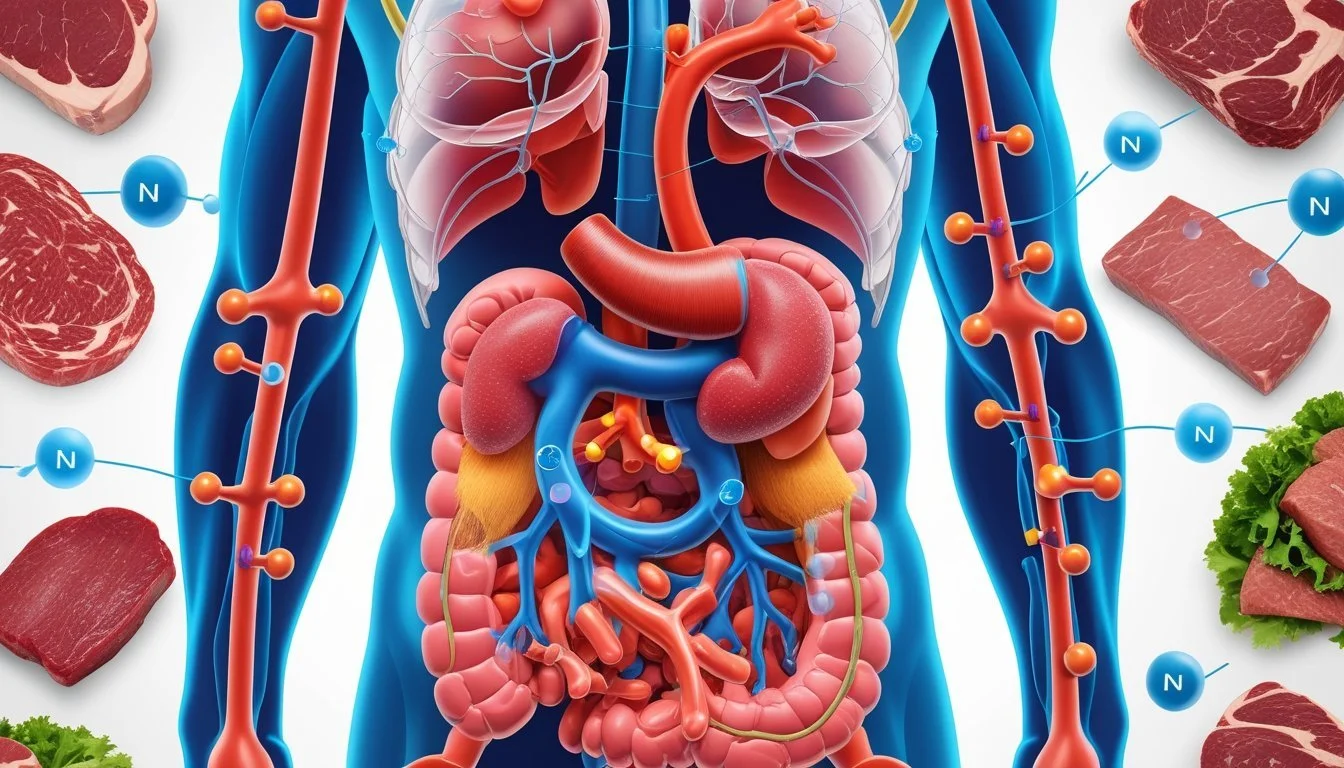
High-meat diets have been scrutinized for their effect on uric acid levels and the development of conditions such as hyperuricemia and gout. Researchers use a combination of epidemiological studies, dietary assessment tools, and clinical protocols to clarify these associations and inform treatment options.
Epidemiological Studies and Confounding Factors
Large-scale cross-sectional studies provide data about the relationship between high-meat consumption and serum uric acid. These studies often use logistic regression analysis to control for confounding factors such as age, body mass index, alcohol consumption, renal function, and medication use.
Meat intake is strongly associated with increased uric acid, but other factors—like genetics and existing comorbidities—can influence outcomes. Studies distinguish the effect of red meats, processed meats, and poultry separately, as their purine content varies.
Identifying the role of confounding factors is essential to avoid misleading associations. Not all individuals with high-meat diets develop hyperuricemia, highlighting the importance of individualized risk assessment.
Tools and Methods for Dietary Assessment
Accurate measurement of dietary intake is critical for establishing the effect of meat on uric acid. 24-hour dietary recall and food frequency questionnaires are common methods to capture individual consumption patterns.
Biochemical parameters—including serum uric acid and renal function tests—provide objective data to correlate dietary findings with health outcomes. Researchers combine self-reported diet data and laboratory measures to increase study reliability.
Some studies introduce digital tracking tools to reduce recall bias and improve portion size estimation. Advancements in these methods help differentiate between the effects of total protein, specific meats, and other dietary factors.
Current Screening and Gout Treatment Approaches
Clinical screening for hyperuricemia involves routine measurement of serum uric acid, especially in high-risk populations or those with high-meat diets. Early detection enables clinicians to identify individuals at risk before the onset of gout or kidney complications.
Gout treatment strategies include xanthine oxidase inhibitors (such as allopurinol), uricosuric agents, and dietary modification. Reducing intake of high-purine meats remains a key recommendation to help control uric acid levels.
Patient management combines medication and lifestyle guidance, with regular monitoring of biochemical parameters to track progress. Collaborative care among dietitians, primary care, and specialists helps optimize outcomes.
Conclusion
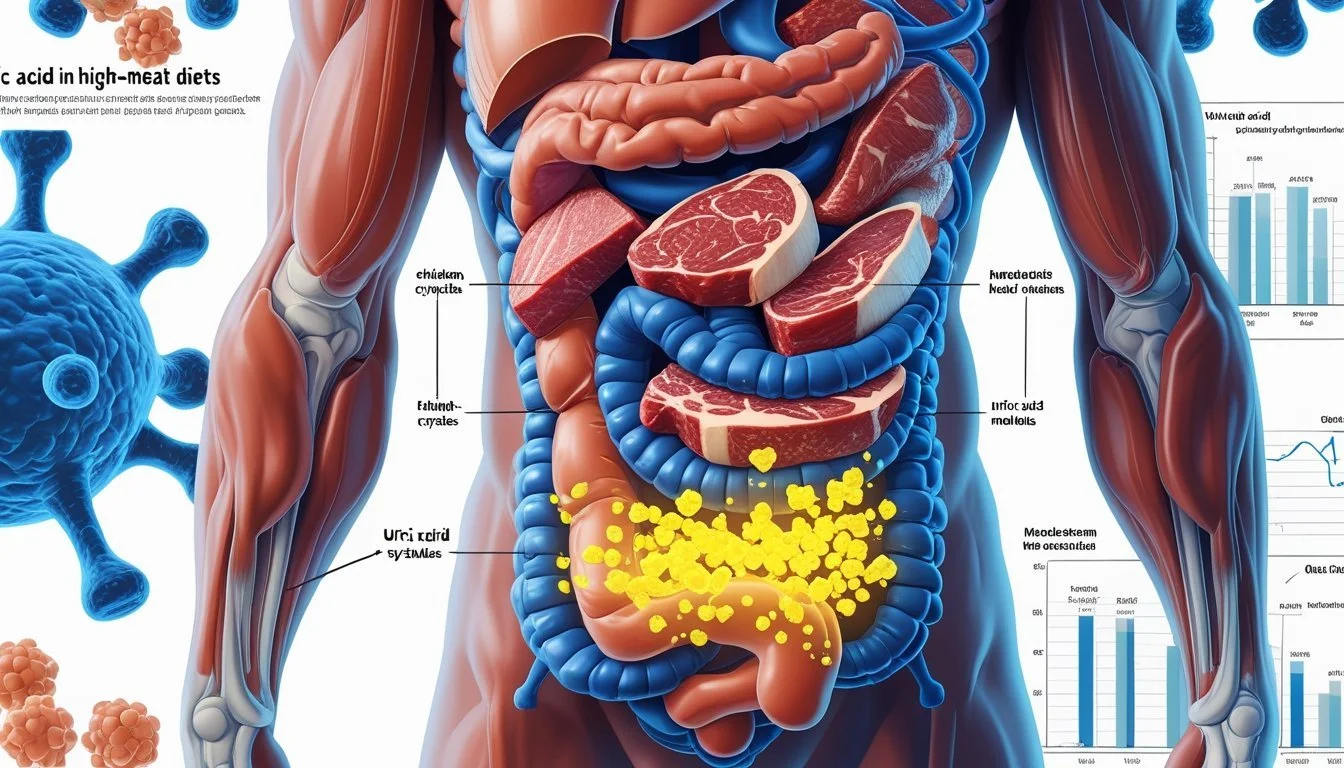
High-meat diets are linked to increased uric acid levels due to the purine content found in both red and some white meats. This relationship has been observed in multiple dietary studies.
Elevated uric acid may raise the risk of gout and other metabolic concerns in susceptible individuals. Regular meat consumption, especially red meat, is a strong dietary contributor.
Below is a summary table of foods based on their typical effect on uric acid:
Food Group Impact on Uric Acid Red Meat Increase Fish Increase Poultry Moderate Increase Dairy Decrease/Neutral Plant-based Neutral
Reducing intake of high-purine meats and replacing them with low-purine foods can help manage uric acid levels. Dairy products may offer a protective effect by promoting uric acid excretion.
Awareness of dietary choices is crucial for individuals monitoring uric acid, especially those with a history of gout. Healthcare input can further guide safe and balanced dietary adjustments.

