
The Body’s Survival Mechanism Explained
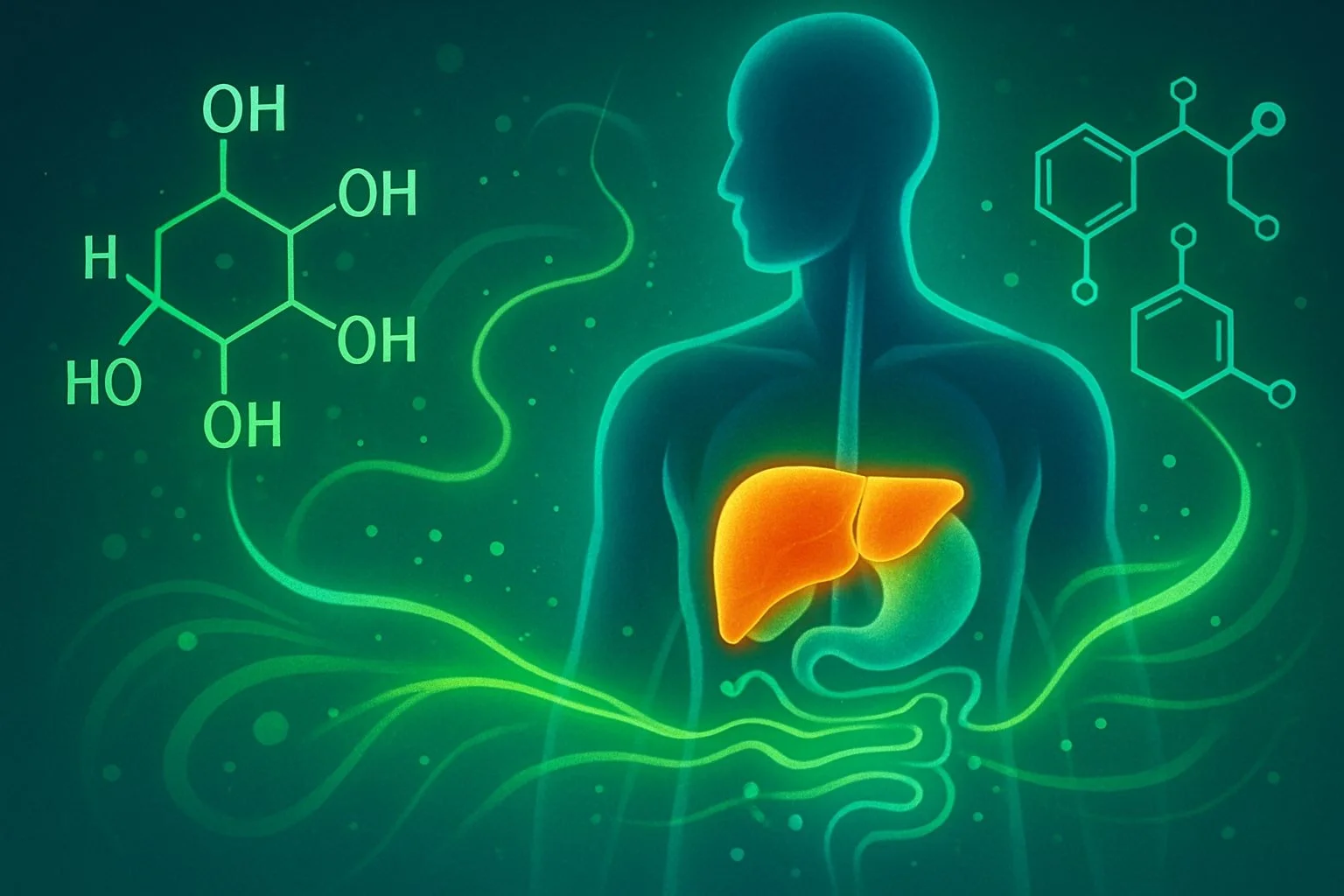
Gluconeogenesis is the process that allows the body to produce glucose even when carbohydrates are scarce, making it possible to survive and stay energized on a low carb diet. When dietary carbs drop, the body maintains blood sugar and energy by converting proteins and fats into glucose. This mechanism supports essential functions, especially for the brain and red blood cells, which rely heavily on glucose.
Without gluconeogenesis, blood sugar levels could fall dangerously low during periods of fasting, low carb eating, or intense exercise. The body uses this backup system to create just enough glucose to support key organs while allowing other cells to rely on alternative fuel sources like ketones.
People interested in low carb diets or fasting often wonder how they get the energy needed for daily activities. Gluconeogenesis is the answer, ensuring the body achieves homeostasis and can function normally, even in the absence of dietary carbohydrates.
What Is Gluconeogenesis?
Gluconeogenesis is a vital biochemical process that allows the body to maintain stable glucose levels, especially during times when dietary carbohydrates are low or absent. This metabolic pathway enables the body to convert non-carbohydrate sources into glucose, supporting continuous energy production and proper function of tissues dependent on glucose.
Definition and Importance
Gluconeogenesis is the metabolic process by which glucose is synthesized from non-carbohydrate precursors. This process mainly occurs in the liver, with some contribution from the kidneys. The key substrates used include lactate (from muscle metabolism), glycerol (from fat breakdown), and certain amino acids.
Its primary function is to provide a constant supply of glucose, especially to organs like the brain and red blood cells, which rely almost exclusively on glucose for energy. When carbohydrate intake drops or during prolonged fasting, gluconeogenesis becomes essential for survival. Failure of this pathway disrupts critical energy-dependent processes, highlighting its significance in human biochemistry.
Metabolic Pathways
Gluconeogenesis involves several enzymes and steps that essentially reverse glycolysis, although it is not a complete mirror image. It starts with non-carbohydrate molecules, converting them into pyruvate or intermediates that enter the pathway. Central enzymes include pyruvate carboxylase and phosphoenolpyruvate carboxykinase, which drive reactions that glycolysis cannot reverse.
Process Overview:
Substrate Entry Point Key Enzymes Involved Lactate Pyruvate Lactate dehydrogenase Glycerol DHAP Glycerol kinase, G3P dehydrogenase Amino acids Various Transaminases, Dehydrogenases
The glucose produced can then enter the bloodstream, ensuring glucose homeostasis even in the absence of dietary carbohydrates.
Gluconeogenesis vs Glycolysis
Glycolysis and gluconeogenesis are opposite but interconnected metabolic pathways. Glycolysis breaks down glucose into pyruvate, generating ATP in the process. It predominates during times of surplus dietary glucose and is a key step in cellular energy production.
In contrast, gluconeogenesis synthesizes glucose from smaller non-sugar molecules. While glycolysis releases energy, gluconeogenesis consumes energy (ATP and GTP) to build glucose molecules. Regulation of these pathways prevents them from occurring at high rates simultaneously, reducing futile cycling.
This balance ensures the body can either generate energy quickly from glucose or create glucose when dietary sources are limited, keeping critical tissues supplied with fuel.
Key Organs Involved In Gluconeogenesis
Gluconeogenesis takes place in specific organs that possess the necessary enzymes and metabolic pathways. The liver and kidneys are the main sites, while other tissues have more limited or indirect roles in glucose production.
Role of the Liver
The liver is the primary organ responsible for gluconeogenesis in humans and most animals. It contains all the enzymes required to convert non-carbohydrate sources, such as lactate, glycerol, and amino acids, into glucose. This process mainly occurs in the cytosol and mitochondria of liver cells.
During fasting or carbohydrate deprivation, the liver maintains blood glucose for tissues that rely on glucose, such as the brain and red blood cells. Hormones like glucagon and cortisol stimulate gluconeogenesis in the liver, while insulin suppresses it. The liver can release newly formed glucose directly into the bloodstream due to its expression of glucose-6-phosphatase, a key enzyme not present in all tissues.
Function of the Kidneys
The kidneys serve as a secondary site for gluconeogenesis, accounting for up to 40% of glucose production during prolonged fasting. The renal cortex contains the necessary enzymes to perform gluconeogenesis from substrates like glutamine and lactate.
In the kidneys, produced glucose is both released into the blood and reabsorbed to maintain systemic glucose levels. During periods of acidosis or long-term fasting, renal gluconeogenesis becomes more significant. Unlike the liver, the kidneys help with acid-base balance by using glutamine, which results in ammonia production that buffers blood pH.
Other Tissues and Their Contributions
Skeletal muscle does not perform gluconeogenesis but provides key precursors, such as alanine and lactate, to the liver and kidneys through the Cori and alanine cycles. Muscles lack glucose-6-phosphatase, so they cannot export free glucose.
Certain tissues, including the brain and red blood cells, depend on circulating glucose because they cannot synthesize it. In contrast, plants, bacteria, and fungi also possess gluconeogenic pathways but in different cell types and with variations in enzymes and regulation. These organisms use gluconeogenesis to maintain glucose supply for their metabolic needs, especially during carbohydrate scarcity.
Main Substrates For Gluconeogenesis
Gluconeogenesis relies on key non-carbohydrate substrates to maintain blood glucose, especially during fasting or carbohydrate restriction. These substrates include amino acids, lactate, glycerol, and several other less common precursors.
Amino Acids
Amino acids are significant contributors to gluconeogenesis. Specifically, glucogenic amino acids such as alanine and glutamine are converted into pyruvate or intermediates of the citric acid cycle. Once inside the liver, these amino acids can enter the gluconeogenic pathway to generate new glucose.
Muscle protein breakdown increases during prolonged fasting, leading to a greater release of these amino acids into the bloodstream. The liver uses them not only to maintain blood sugar but also to support the energy needs of other organs, such as the brain and red blood cells.
Glucogenic amino acids differ from ketogenic amino acids, which cannot be used to produce glucose. The table below highlights key glucogenic amino acids:
Glucogenic Amino Acid Entry Point Notes Alanine Pyruvate Major contributor Glutamine α-Ketoglutarate Transported from muscle Aspartate Oxaloacetate Intermediary step
Lactate
Lactate, another primary gluconeogenic substrate, is largely produced by anaerobic glycolysis in tissues like skeletal muscle and red blood cells. Once formed, lactate enters the bloodstream and is taken up by the liver, which converts it back into pyruvate.
The Cori cycle describes this process, recycling lactate into glucose and then releasing it for use by tissues. This cycle becomes crucial during intense exercise or any state of anaerobic metabolism.
Lactate is essential for sustaining glucose levels when oxygen supply is limited. Its rapid conversion supports immediate energy needs and prevents hypoglycemia during physical stress.
Glycerol
Glycerol is released during fat breakdown (lipolysis) from triglycerides in adipose tissue. Unlike fatty acids, glycerol can be converted into glucose through gluconeogenesis, entering the pathway as dihydroxyacetone phosphate (DHAP).
This substrate becomes especially important during prolonged fasting, when fat breakdown rises and dietary carbohydrates are scarce. Glycerol provides a unique link between fat metabolism and glucose production.
Although it accounts for a smaller proportion of total gluconeogenic flux compared to amino acids and lactate, glycerol still contributes meaningfully in energy-limited states.
Other Non-Carbohydrate Precursors
Beyond the main substrates, several other molecules occasionally serve as gluconeogenic precursors. These include intermediates of the tricarboxylic acid (TCA) cycle and certain metabolic products from odd-chain fatty acids, such as propionate in some circumstances.
These sources are less significant in humans than in some animal species, but they can play a role under specific conditions. For example, propionate, derived from the metabolism of odd-chain fatty acids and certain amino acids, can be converted to succinyl-CoA, entering the TCA cycle before eventual conversion to glucose.
Some non-carbohydrate sources may contribute in rare metabolic scenarios or particular disease states, but for most, their role is minor relative to amino acids, lactate, and glycerol.
How Gluconeogenesis Maintains Blood Sugar Without Carbs
The body relies on gluconeogenesis to produce glucose from non-carbohydrate sources when dietary carbohydrates are scarce. This process is vital for maintaining normal blood sugar levels and preventing hypoglycemia, especially during fasting or low-carbohydrate diets.
Glucose Homeostasis
Glucose homeostasis is the regulation of blood glucose to keep it within a narrow, healthy range. The liver is the primary organ responsible for gluconeogenesis, using substrates such as lactate, glycerol, and certain amino acids to create new glucose molecules.
Insulin and glucagon are key hormones that manage this balance. Insulin lowers blood glucose by encouraging cells to take in glucose and inhibiting gluconeogenesis. Glucagon, on the other hand, raises blood glucose by stimulating gluconeogenesis and glycogen breakdown in the liver.
When carbohydrate intake drops, insulin levels decrease while glucagon rises. This hormonal shift signals the liver to increase gluconeogenesis to replace the glucose that is no longer coming from food. As a result, tissues that depend on glucose, like the brain and red blood cells, continue to function properly.
Response to Fasting
During fasting, glycogen stores in the liver provide glucose for a limited time—usually up to 24 hours. After glycogen is depleted, the body depends almost entirely on gluconeogenesis for blood glucose.
The liver continues to use precursors such as lactate from muscles, amino acids from protein breakdown (mainly alanine), and glycerol from fat to produce glucose. Glucagon levels remain high to maintain this process.
This allows blood sugar levels to stay within a safe range. Without gluconeogenesis, hypoglycemia would quickly occur and impair essential bodily functions, particularly those of the brain and nervous system.
Adaptations During Low-Carb Diets
Low carbohydrate diets, such as ketogenic or very-low-carb diets, decrease the availability of glucose from food. In response, the body enhances gluconeogenesis to make up for reduced dietary carbohydrate sources.
Muscle protein breakdown can increase to supply gluconeogenic amino acids, though the body adapts over time by also increasing the use of fat-derived substrates like glycerol. This adaptation ensures that blood sugar levels do not fall to dangerous levels, even in the absence of dietary carbs.
Ketone bodies are produced by the liver alongside glucose, providing an alternative fuel, mainly for the brain, further reducing the demand for glucose. This metabolic flexibility helps protect against hypoglycemia while on a low-carb diet.
Molecular Mechanisms And Key Enzymes
Gluconeogenesis is driven by specific enzymes working in a coordinated sequence to synthesize glucose from non-carbohydrate substrates. Tight regulation at critical enzyme steps enables the body to respond quickly to hormonal cues such as glucagon and cortisol.
Phosphoenolpyruvate Carboxykinase (PEPCK)
Phosphoenolpyruvate carboxykinase (PEPCK) plays a central role by converting oxaloacetate to phosphoenolpyruvate (PEP) in the cytosol. This step is essential because it bypasses an irreversible reaction in glycolysis, allowing for the production of glucose when carbohydrate intake is low.
PEPCK activity determines the rate of gluconeogenesis to a large extent. Its expression is upregulated by glucagon and cortisol during fasting or stress, and downregulated by insulin. The regulation ensures that glucose is produced only when needed, such as during prolonged fasting, intense exercise, or metabolic stress.
PEPCK is a target of some diabetes drugs aiming to suppress excess gluconeogenesis in the liver. For example, metformin indirectly reduces hepatic PEPCK expression, helping to control blood glucose.
Pyruvate Carboxylase
Pyruvate carboxylase catalyzes the conversion of pyruvate to oxaloacetate in the mitochondria. This enzyme initiates gluconeogenesis by providing oxaloacetate for further processing in the cytosol.
Pyruvate carboxylase requires biotin as a cofactor and is activated by acetyl-CoA. High levels of acetyl-CoA, which signal abundant energy from fat breakdown, stimulate this enzyme, ensuring that gluconeogenesis occurs only when needed.
Deficiencies or malfunctions in pyruvate carboxylase disrupt glucose synthesis, leading to metabolic issues such as lactic acidosis. This enzyme’s proper function maintains glucose homeostasis during starvation or carbohydrate restriction.
Glucose-6-Phosphatase
Glucose-6-phosphatase removes the phosphate group from glucose-6-phosphate, producing free glucose that can exit the liver cell and enter the bloodstream. This final step is essential for maintaining blood glucose, especially during fasting.
Only the liver and kidneys express glucose-6-phosphatase in significant amounts. This tissue specificity allows the liver and kidneys to supply glucose to other tissues that cannot perform gluconeogenesis, such as the brain and red blood cells.
Deficiency in glucose-6-phosphatase causes glycogen storage diseases, where glucose cannot be released, leading to hypoglycemia. Regulation of this enzyme is key for balancing glucose output.
Regulatory Steps And Hormonal Control
Several enzymes in gluconeogenesis, including PEPCK, pyruvate carboxylase, and fructose-1,6-bisphosphatase, are tightly regulated to maintain metabolic balance. The regulation combines allosteric control, covalent modification, and hormonal signals.
Glucagon and cortisol, both elevated during fasting or stress, promote gluconeogenesis by increasing expression or activity of key enzymes. Insulin has the opposite effect, suppressing this pathway after carbohydrate-rich meals.
Metformin, a common diabetes medication, lowers hepatic gluconeogenesis by affecting enzyme expression, including PEPCK. This regulatory network coordinates energy supply during periods when carbohydrates are unavailable, ensuring survival.
Gluconeogenesis During Fasting And Starvation
During periods when dietary carbohydrates are absent, the body relies on internal metabolic processes to maintain blood glucose. Gluconeogenesis becomes more important as fasting continues and glycogen stores deplete.
Short-Term Fasting
In the early hours of fasting (up to about 24 hours), the body first relies on glycogenolysis. Glycogen stored in the liver is broken down to release glucose into the bloodstream.
As glycogen reserves begin to decrease—typically within 12 to 24 hours—gluconeogenesis gradually increases in importance. The main substrates for gluconeogenesis are lactate, glycerol, and certain amino acids.
The liver is the primary site of gluconeogenesis, but the kidneys can contribute, especially as fasting continues. This process helps maintain normal blood glucose levels, supplying the brain and red blood cells.
Prolonged Fasting
Once fasting exceeds 24 hours and liver glycogen becomes nearly depleted, gluconeogenesis becomes the primary source of blood glucose. Muscle protein breakdown provides amino acids for glucose synthesis, while glycerol from fat stores also contributes.
The body works to slow the breakdown of muscle as much as possible by increasing reliance on fat oxidation. As fatty acids are broken down, acetyl-CoA accumulates, leading to higher production of ketone bodies.
Ketone bodies become an important alternative energy source for the brain, reducing the demand for glucose and consequently the need for muscle protein breakdown. Gluconeogenesis predominantly uses these non-carbohydrate substrates as fasting continues.
Starvation Adaptations
With prolonged starvation (often beyond several days), the body's metabolism adapts further to preserve vital tissues. Gluconeogenesis still occurs, but at a reduced rate compared to early fasting because the brain and muscles shift more toward ketone body utilization.
Fat stores become the main energy source, powering most tissues through fatty acid oxidation. Ketosis becomes pronounced, and circulating ketone bodies increase, providing up to two-thirds of the brain’s energy after several weeks.
The rate of muscle protein breakdown slows, sparing essential lean body mass. Gluconeogenesis persists for the few tissues that absolutely require glucose, such as red blood cells and parts of the kidney and brain.
Gluconeogenesis In Ketogenic States
When carbohydrate intake is drastically reduced, the body shifts to relying on gluconeogenesis to maintain blood glucose. At the same time, it increases its use of fats and produces ketone bodies as alternative fuels, adjusting to the changes in dietary protein and fat.
Low-Carb and Ketogenic Diets
A low-carb or ketogenic diet restricts daily carbohydrate intake, often below 50 grams. This reduction depletes liver glycogen stores, causing the body to source glucose from non-carbohydrate precursors. Gluconeogenesis becomes the main process for producing glucose, using amino acids, lactate, and glycerol.
This process helps prevent hypoglycemia and keeps blood glucose within a narrow, healthy range. People following ketogenic diets or the carnivore diet rely heavily on gluconeogenesis to supply glucose, especially to tissues that cannot use ketones, such as red blood cells. The need for glucose in these cases is small but essential for survival.
Ketone Bodies as Alternate Fuels
With low carbohydrate levels, the liver increases ketogenesis—producing ketone bodies from fatty acids. These ketone bodies, primarily beta-hydroxybutyrate and acetoacetate, serve as alternate fuels for the brain, heart, and muscles. This shift allows the body to reduce its demand for glucose, sparing muscle protein from being broken down for gluconeogenesis.
Ketone bodies provide a stable energy source during fasting, weight loss, and carbohydrate restriction. This adaptation is especially important during prolonged low-carb states, as it allows for continued energy production without relying heavily on muscle protein breakdown.
Dietary Protein and Fat Adaptation
Adequate protein intake is critical on ketogenic and low-carb diets. Protein supplies amino acids that can be used in gluconeogenesis. However, consuming too much protein may increase glucose production and potentially slow ketone production.
Fat becomes the primary fuel source, as dietary fat and stored triglycerides are broken down into fatty acids and glycerol. The glycerol part is used in gluconeogenesis, while fatty acids support ketone body production. Adapting to higher fat intake helps the body maintain energy and supports metabolic flexibility during carbohydrate restriction.
Energy Production And Cellular Pathways
When carbohydrates are unavailable, the body relies on gluconeogenesis to supply glucose for essential organs. Multiple metabolic pathways contribute to energy management, adaptation, and the recycling of key intermediates.
ATP Generation
Adenosine triphosphate (ATP) serves as the main energy currency in cells. During gluconeogenesis, ATP is consumed to convert non-carbohydrate sources—such as lactate, amino acids, and glycerol—into glucose. This process is energy-intensive but crucial during fasting or low-carbohydrate intake.
Three ATP equivalents are needed for each molecule of pyruvate converted back to glucose. Gluconeogenic tissues like the liver and kidney actively generate ATP through fatty acid oxidation rather than using glucose, conserving glucose for tissues that need it most, such as the brain and red blood cells.
The mitochondria play a central role in ATP generation, especially through oxidative phosphorylation. This process not only supplies the energy for gluconeogenesis but also enables ongoing cellular functions even when glycogen stores are depleted.
Citric Acid Cycle and TCA Cycle
The citric acid cycle—also known as the tricarboxylic acid (TCA) cycle—is vital for energy production and supplying intermediates for gluconeogenesis. Pyruvate, generated from lactate or amino acids, enters the mitochondria and is converted to oxaloacetate by pyruvate carboxylase. Oxaloacetate is a key substrate for gluconeogenesis.
Under carbohydrate restriction, the citric acid cycle is fueled mainly by acetyl-CoA from fatty acid oxidation, rather than glycolysis. This shift supports glucose synthesis while maintaining cellular respiration. The TCA cycle provides ATP and intermediates needed for cellular growth, maintenance, and metabolic flexibility.
[Table: Key Steps Linking TCA Cycle and Gluconeogenesis]
TCA Step Gluconeogenesis Relevance Pyruvate → Oxaloacetate Entry point for glucose synthesis Citrate formation Regulates glycolysis and gluconeogenesis Malate shuttle Transfers reducing equivalents
Cori Cycle and Lactate Recycling
The Cori cycle enables the recycling of lactate—primarily produced from anaerobic glycolysis in muscles—back into glucose in the liver. This cycle is essential during periods of intense exercise or hypoxia when rapid ATP production outpaces oxygen delivery.
Lactate dehydrogenase converts pyruvate to lactate in muscle; this lactate travels through the bloodstream to the liver. In the liver, lactate is converted back to pyruvate, then used for gluconeogenesis, producing new glucose that can return to the muscles.
The Cori cycle helps prevent lactic acidosis by clearing lactate from the blood and provides a means for sustained ATP generation during carbohydrate deficit. This pathway is a key adaptive mechanism, supporting both performance and survival when dietary glucose is scarce.
Exercise, Muscle, And Metabolic Demand
Physical activity creates significant metabolic challenges for the body, especially when carbohydrate intake is low. The ability to maintain energy production hinges on pathways that compensate for limited glucose availability.
Gluconeogenesis During Exercise
During exercise, skeletal muscle demands more ATP to sustain contraction and performance. When dietary carbohydrates are scarce, blood glucose levels may drop. The body relies on gluconeogenesis, a metabolic process where glucose is produced from non-carbohydrate sources like amino acids, lactate, and glycerol.
The liver and, to a lesser degree, the kidneys play a key role in maintaining blood glucose through gluconeogenesis. This becomes especially important during prolonged or intense activity when muscle glycogen stores become depleted. Without this process, critical tissues such as the brain and red blood cells would face a shortage of glucose.
Key non-carbohydrate sources for gluconeogenesis:
Substrate Origin Lactate Byproduct of anaerobic glycolysis Amino acids Breakdown of muscle protein Glycerol Released from the breakdown of fat
Maintaining glucose levels ensures continued muscle function and prevents hypoglycemia even during carbohydrate restriction.
Intense Exercise and Muscle Glycogen
Muscle glycogen provides a rapid source of glucose during short, intense exercise sessions. Glycogen is broken down via glycolysis to produce ATP, fueling muscular contractions.
Early in high-intensity exercise, muscle glycogen is the primary energy source. As it becomes depleted, the body shifts to alternative fuel sources, with gluconeogenesis increasing its contribution to blood glucose supply. This prevents blood sugar levels from dropping too low as exercise continues.
The role of muscle glycogen is limited by its storage capacity. Once depleted, performance may decline unless gluconeogenesis or fat oxidation compensates adequately. Effective gluconeogenesis is especially critical for maintaining endurance and preventing fatigue when carbohydrate reserves are low.
Clinical Implications And Health Effects
Gluconeogenesis plays a significant role in multiple health conditions by maintaining blood glucose levels during fasting or carbohydrate restriction. Its activity affects metabolic disorders, disease progression, and physiological responses to factors like age and alcohol.
Diabetes and Blood Sugar Disorders
In diabetes, gluconeogenesis often becomes dysregulated. People with type 2 diabetes may have increased hepatic gluconeogenesis, contributing to elevated fasting blood glucose levels.
Insulin resistance reduces the hormone's ability to suppress gluconeogenesis in the liver. This condition can lead to persistent hyperglycemia, worsening diabetic symptoms.
Proper regulation of gluconeogenesis is crucial for blood sugar control. Medications such as metformin target this pathway by decreasing hepatic glucose output, helping to lower blood glucose in people with diabetes.
Understanding the balance between gluconeogenesis and glucose utilization is critical for effective diabetes management and prevention of complications.
Metabolic Syndrome and Disorders
Gluconeogenesis is directly involved in several metabolic disorders. In metabolic syndrome, which includes factors like abdominal obesity and dyslipidemia, increased gluconeogenic activity is often observed.
Elevated free fatty acids promote gluconeogenesis, particularly during insulin resistance. This triggers higher blood glucose, increasing the risk for type 2 diabetes and cardiovascular complications.
In rare genetic metabolic disorders, such as fructose-1,6-bisphosphatase deficiency, compromised gluconeogenesis can result in low blood sugar during fasting. These conditions often require strict dietary management.
Monitoring gluconeogenic flux is valuable in diagnosing and managing a spectrum of metabolic diseases.
Aging and Gluconeogenesis
Aging affects the efficiency and regulation of gluconeogenesis. With age, both insulin sensitivity and liver function may decline, leading to altered glucose metabolism and impaired gluconeogenic response during fasting or illness.
Older adults may be at higher risk for hypoglycemia or hyperglycemia due to these shifts. Table: Gluconeogenesis and Aging
Age Group Typical Gluconeogenic Response Young adults Rapid, efficient Elderly Slower, reduced regulatory capacity
Interventions that support healthy liver function and blood sugar control can be especially important in aging populations.
Impact of Alcohol
Alcohol has a notable impact on gluconeogenesis. After ingestion, ethanol is metabolized in the liver, which leads to a decrease in the availability of substrates necessary for gluconeogenesis.
This effect can cause hypoglycemia, especially when large amounts of alcohol are consumed without food. Individuals with diabetes or those fasting are at greater risk, since their capacity to generate glucose from non-carbohydrate sources is already taxed.
Alcohol’s inhibition of gluconeogenic enzymes is one reason why guidelines caution against heavy drinking in people prone to low blood sugar episodes. Safe alcohol use and monitoring are important for those with metabolic vulnerabilities.
Gluconeogenesis In Other Organisms
Gluconeogenesis is not exclusive to humans or animals; it plays vital roles in various life forms, from plants to bacteria. By generating glucose from non-carbohydrate sources, these organisms maintain key metabolic functions even in carbohydrate-poor conditions.
Plants and Photosynthetic Gluconeogenesis
Plants rely on both photosynthesis and gluconeogenesis to meet their energy needs. When light is unavailable, such as at night, plants convert non-carbohydrate molecules like amino acids, fatty acids, and stored lipids into glucose. This process occurs mainly in the cytosol and plastids.
Unlike animals, plants possess unique enzymes that allow gluconeogenesis to proceed alongside photosynthesis. They also convert simple three-carbon compounds, such as pyruvate and glycerol, into hexose sugars for growth and cellular repair.
The Calvin cycle produces monosaccharides during daylight, but in absence of light, gluconeogenesis ensures a constant supply of glucose for respiration. This enables seed germination, tissue repair, and maintenance of cellular functions when photosynthesis is inactive.
Bacterial Utilization
Bacteria use gluconeogenesis to survive in environments with little or no glucose. When growing on substrates such as lactate, amino acids, or acetate, many bacteria synthesize glucose internally for vital processes.
Obligate autotrophs and heterotrophs frequently depend on this pathway to build structural carbohydrates and energy stores. Some pathogenic bacteria activate gluconeogenesis during infection, allowing them to exploit host-derived materials.
Notably, the pathway in bacteria is regulated by nutrient availability and stress signals. Enzymes like phosphoenolpyruvate carboxykinase play crucial roles, ensuring that glucose or other monosaccharides are available for biosynthetic and energy needs, essential for survival in fluctuating environments.

