
Protein oxidation is a process where proteins in the body undergo chemical changes, often driven by reactive oxygen species or metabolic stress. For those on a carnivore diet, which emphasizes high protein intake, understanding whether protein oxidation poses a health concern is important for making informed dietary choices. Current evidence indicates that in healthy individuals, excess dietary protein is typically used efficiently for energy or other bodily functions, and routine protein oxidation is not usually a cause for concern.
Some animal-based foods may contain oxidized proteins, but the body has natural ways to manage and repair minor protein damage through metabolic and antioxidant systems. The relevance of protein oxidation mainly increases only when there are underlying health conditions or imbalances in oxidative stress within the body. For most people following a carnivore diet, normal rates of protein oxidation are well managed by the body’s natural processes.
Understanding Protein Oxidation
Protein oxidation is a chemical process that can alter amino acids, disrupt enzyme function, and change the texture or nutritional value of foods, especially in animal-based diets. Oxidative stress can trigger the degradation of important protein structures, leading to various consequences for both food quality and health.
Biological Mechanisms of Protein Oxidation
Protein oxidation is initiated when reactive oxygen species (ROS) interact with amino acid side chains. Both radical and non-radical species can target proteins, leading to structural modifications. Common oxidants include hydrogen peroxide and free radicals such as superoxide.
Enzymes like peroxidases and oxidases may also catalyze these reactions. The main sites of attack are usually sulfur-containing and aromatic amino acids. The byproducts, such as carbonyl compounds, can act as markers for oxidative damage, which reflects changes in protein functionality.
The resulting chemical changes may disrupt enzyme activity and protein stability. Over time, these reactions can impair biological function and lower the nutritional quality of food proteins.
Protein Structure and Susceptibility
The susceptibility of a protein to oxidation depends on its structure. Proteins rich in certain amino acids, especially cysteine, methionine, tryptophan, and tyrosine, are more vulnerable. Side chains in these residues react readily with oxidants because of their chemical properties.
Proteins with exposed or flexible regions present more sites for attack. The tertiary and quaternary structures can shield or expose reactive side chains, altering risk. For example, denatured or partially unfolded proteins are more susceptible due to increased surface area.
In foods, muscle proteins in meat are particularly sensitive during storage and processing. Heat, mechanical action, or aging can change the protein structure, increasing susceptibility to oxidative damage.
Factors Affecting Protein Oxidation
Several factors influence the degree of protein oxidation:
Factor Effect on Oxidation Oxygen availability Higher oxygen increases oxidation Presence of metal ions Metals such as iron catalyze reactions Storage conditions Temperature and light can accelerate it Antioxidant content Natural or added antioxidants inhibit
High temperatures during cooking or processing can speed up oxidation. Metal ions, such as those released from hemoglobin or myoglobin, act as catalysts for these chemical reactions.
Lower antioxidant levels, whether natural or added, increase vulnerability to oxidative stress. Proper storage—cool, dark, and oxygen-reduced environments—can help reduce oxidative damage in animal-derived foods.
Sources and Types of Dietary Protein in Carnivores
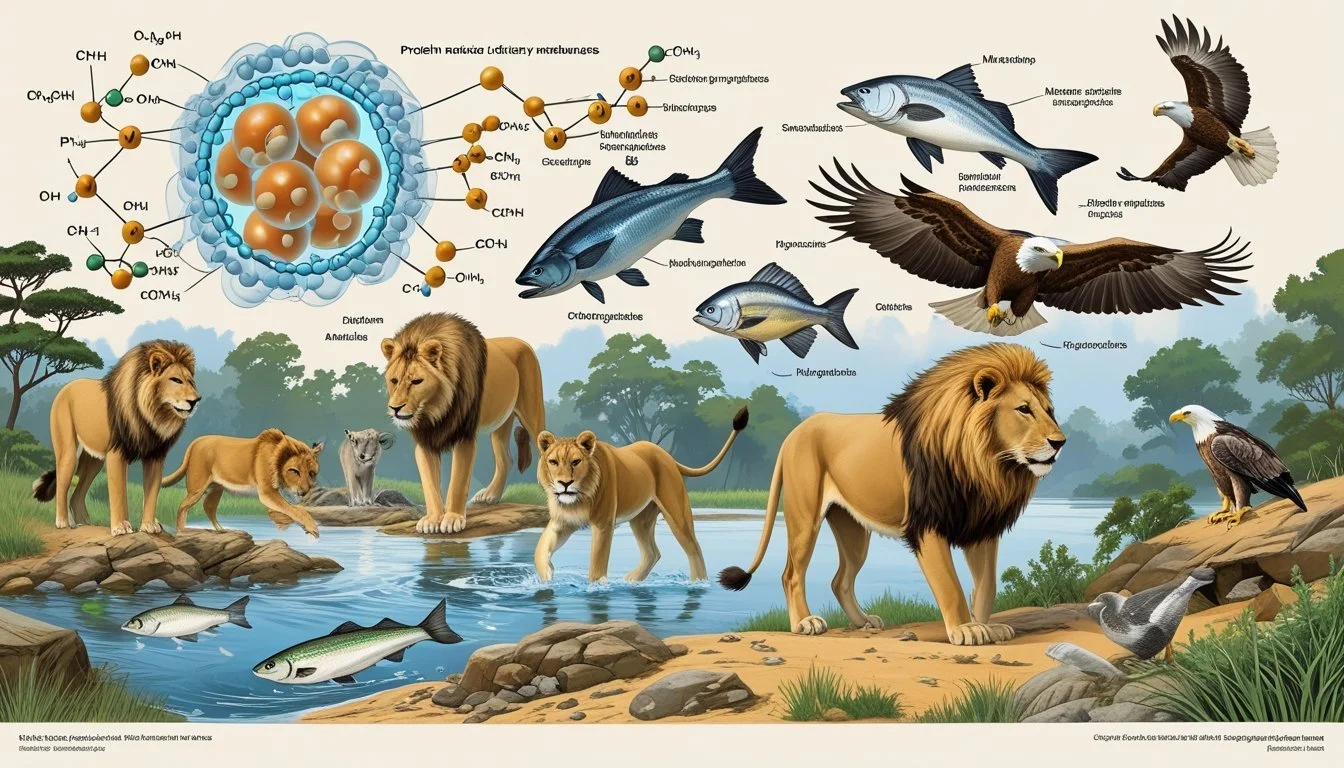
Carnivores rely on animal-based protein to meet their specific nutritional requirements. The quality and origin of these proteins, as well as emerging options like novel proteins, influence their effectiveness and impact on health.
Animal Protein Versus Plant Proteins
Carnivores derive nearly all their dietary protein from animal sources. This includes meat, eggs, fish, poultry, and, to a lesser extent, dairy. Animal proteins are considered complete because they contain all essential amino acids in proportions that match the needs of carnivorous species.
Plant proteins, by contrast, are incomplete and often deficient in essential amino acids such as taurine, lysine, and methionine. For obligate carnivores, like cats, plant proteins are not a suitable substitute. Their digestive systems are also less efficient at extracting amino acids from plant material, limiting the usefulness of plant-derived proteins.
High-Quality Protein Sources
High-quality protein sources for carnivores include muscle meat (beef, pork, lamb), organ meats (liver, kidney), eggs, and fish. These foods provide highly digestible protein and a favorable amino acid profile. In addition, organ meats contribute important micronutrients not found in muscle meat alone, such as vitamin A and iron.
Eggs are also regarded as one of the highest quality animal proteins. They are rich in essential amino acids and easy to digest. Dairy, such as cheese and yogurt, can provide supplemental protein for some carnivores, but lactose intolerance may be a concern in certain species, especially as they mature.
Common High-Quality Protein Sources for Carnivores:
Source Protein Quality Key Nutrients Beef High Iron, zinc, B vitamins Chicken High Niacin, selenium Fish High Omega-3, vitamin D Eggs Very High Choline, B vitamins Liver High Vitamin A, copper
Novel Protein Ingredients
Novel protein ingredients are gaining interest as alternatives for carnivores with allergies or dietary sensitivities. These include proteins from less common meats (rabbit, venison, duck), as well as new sources like insects. Insects, such as mealworms and crickets, are emerging as sustainable, high-quality protein options.
Novelty proteins are often introduced as part of elimination diets to address food sensitivities or intolerances. When used appropriately, they can meet the amino acid needs of carnivores. However, nutrient content varies, and some novel protein sources may lack certain vitamins or minerals unless supplemented or balanced with other foods.
In summary, novel protein ingredients expand dietary options but require careful formulation to ensure all nutrient requirements are met.
Health Implications of Protein Oxidation for Carnivores
Protein oxidation can impact several health outcomes, especially for those who consume large amounts of animal-based foods. Scientific evidence links oxidized proteins to increased oxidative stress, inflammation, and higher risk for certain chronic diseases.
Oxidative Stress and Inflammation
Proteins are a primary target for free radicals, and when they become oxidized, they can lose function or trigger unwanted cellular reactions. Oxidized proteins may accumulate in tissues, especially in diets high in processed or aged meats.
Elevated protein oxidation is associated with increased oxidative stress in the body, which is the imbalance between the production of harmful reactive oxygen species (ROS) and the body’s antioxidant defenses. This imbalance can stimulate inflammatory pathways, leading to persistent low-grade inflammation.
For carnivores, chronic inflammation resulting from frequent intake of oxidized animal proteins may compromise immune function. Signs of inflammation include tissue damage, swelling, and increased vulnerability to other stressors.
Potential factors increasing oxidative stress:
Factor Example High-temperature cooking Grilling, frying Prolonged meat storage Aged, processed meats Low antioxidant intake Lack of fruits, herbs
Links to Chronic Disease
Long-term exposure to oxidized proteins has been studied for its links to several chronic diseases. In both humans and animals, higher levels of protein oxidation markers are associated with increased risks of heart disease, kidney disease, and certain types of cancer.
For example, oxidized proteins in muscle foods can promote atherosclerosis (the buildup of plaques in arteries) by increasing oxidative stress on blood vessel walls. Evidence also suggests that oxidative damage may interfere with kidney function, potentially contributing to the progression of chronic kidney disease.
Cancer risk has been examined in the context of protein oxidation by-products, which can act as mutagens or promote DNA damage. These health effects are more pronounced when diets are rich in processed meats and low in natural antioxidants, highlighting the importance of dietary balance for carnivores.
Protein Oxidation During Food Processing and Storage
Protein oxidation is influenced by several factors during food processing and storage. Heating, chemical reactions, and exposure to air can cause changes in protein structure that affect flavor, texture, and safety. Understanding these changes is important for assessing the impact on meat and other protein-rich foods.
Impact of Heating and Maillard Reaction
Heating meat and other protein foods initiates the oxidation of amino acids and side chains. High temperatures also drive the Maillard reaction, a chemical process between proteins and sugars responsible for browning and flavor development.
While the Maillard reaction creates desirable aromas and a browned surface, it can also generate oxidative stress in proteins. This stress may lead to the formation of protein carbonyls and other markers of protein oxidation, impacting nutrient quality. Excessive heating, such as charring or prolonged cooking at high temperatures, accelerates these changes and may reduce certain essential amino acids and protein digestibility.
Table: Effects of Cooking Methods on Protein Oxidation
Cooking Method Protein Oxidation Risk Boiling Low Grilling Moderate Frying/Charring High
Texture, Aroma, and Taste Changes
Oxidation alters the physical and chemical properties of food proteins. Textural changes can manifest as increased toughness, reduced juiciness, or a crumbly mouthfeel, particularly in heat-treated meats.
Flavor and aroma may be directly affected by oxidative processes. The breakdown of amino acids and the formation of new compounds can cause the development of off-flavors, rancidity, or metallic notes. At the same time, moderate oxidation involved in the Maillard reaction is key for generating the appealing flavors associated with roasted, baked, and grilled foods.
Key points:
Protein oxidation increases during storage, especially with high humidity and temperature.
Getting the balance right between desired flavor from controlled oxidation and avoiding off-flavors from excessive oxidation is essential in food processing.
Bacterial Contamination
Protein oxidation is closely linked to food safety, as oxidative damage can make proteins more susceptible to breakdown by bacteria. Damaged proteins may provide nutrients for spoilage organisms, speeding up food deterioration.
Food products with damaged or oxidized proteins can attract more rapid microbial growth during storage, particularly under improper cooling or at high humidity. This bacterial contamination not only affects taste and shelf life but may also pose health risks if pathogenic bacteria are present.
To limit these risks, it is important to control both oxidative processes and storage conditions. Proper refrigeration, low-oxygen packaging, and timely consumption help preserve protein quality and reduce microbial hazards in protein-rich foods.
Nutritional Impacts of Protein Oxidation
Protein oxidation can change the nutritional value of foods, especially for carnivores who rely heavily on animal proteins. This process can alter amino acid availability, impact digestibility, and affect the stability of essential nutrients.
Effects on Amino Acids and Protein Quality
Oxidation can cause the side chains of amino acids such as lysine, proline, and arginine to become damaged or form derivatives. Essential amino acids are especially sensitive to oxidation, which reduces their nutritional value. This leads to a lower protein quality score, as the balance of essential and nonessential amino acids shifts.
Proteins that undergo oxidation may also lose functionality in food systems. For example, myofibrillar proteins in meat can become less effective at binding water or forming desirable textures. This breakdown can make it harder for carnivores to get the full benefits from the protein content in their diet.
Key markers of protein oxidation include:
Amino Acid Affected Resulting Change Lysine Reduced availability; forms derivatives Proline Loss in solubility; structural changes Arginine Formation of byproducts; reduced activity
Digestibility and Bioavailability Changes
Oxidized proteins tend to have reduced solubility, which affects how easily they can be digested. Physical changes such as cross-linking, aggregation, or fragmentation make enzymes less able to break down the protein during digestion. This can lower the bioavailability of both essential and non-essential amino acids.
Studies show that oxidized animal proteins may accumulate and act as evidence of oxidative insult, making them less suitable for optimal nutrient delivery. For individuals or animal species with high protein needs, lowered digestibility may hinder growth, maintenance, or muscle repair.
Reduced protein digestibility can also lead to increased transit of undigested proteins through the gut, causing gastrointestinal disturbances in some cases.
Vitamin and Mineral Stability
Protein oxidation can indirectly influence the stability of vitamins and minerals present in animal foods. Some vitamins, such as vitamin E, are used up as antioxidants during oxidative processes, reducing their levels in meat or other protein sources.
Minerals that are bound to proteins, including iron and zinc, may become less bioavailable after protein oxidation. The altered molecular structure of proteins can affect how well minerals are released and absorbed in the digestive tract.
Changes in nutrient composition due to oxidation can therefore lower the overall nutritional value of animal-based foods, especially for diets that rely on specific vitamins and minerals for health and growth.
Dietary and Physiological Requirements in Carnivores
Carnivores depend on specific dietary components to maintain optimal physiological health. High protein needs and efficient energy extraction are central to their survival and performance.
Protein Metabolism and Turnover
Carnivores require diets rich in protein to support muscle maintenance, growth, and a high rate of protein turnover. For example, domestic cats and wild felids lack significant adaptations for metabolizing plant proteins, making animal-derived proteins essential. High activity of protein catabolizing enzymes allows rapid protein breakdown and synthesis, but increases the risk of negative nitrogen balance if dietary protein becomes scarce.
Some species, like mink, need 22-26% protein (dry matter) for adult maintenance and even higher levels for growth or reproduction. Protein turnover is a constant process, with amino acids being continually broken down and recycled. Inadequate protein intake can result in the use of endogenous protein stores for energy, which may lead to muscle wasting and decreased physical fitness.
Energy Requirements and Intake
Energy demands in carnivores are shaped by their metabolic rate and activity levels. These animals rely primarily on oxidative phosphorylation of amino acids and fat for ATP production, rather than glycolysis of carbohydrates. This metabolic orientation reflects their adaptation to diets low in carbohydrates and high in protein and fat.
Highly digestible diets, such as those provided in zoos, may not reflect natural energy extraction because they lack indigestible components like fiber or connective tissue. Wild carnivores may experience fluctuating energy intake due to changes in prey availability. Efficient energy production from protein and fat is vital because shortfalls can quickly compromise health and fitness.
Risks Related to Excess or Deficient Protein
Both too much and too little protein come with specific risks for adults following a high-protein or carnivore diet. These risks can affect organ health, body composition, and the ability to achieve or maintain an optimal weight.
Kidney Function and Protein Load
Concerns about kidney health are common when protein intake is high. For individuals with pre-existing kidney disease, excess protein can place extra strain on renal function, increasing the risk of progression of kidney damage. Healthy individuals, however, typically tolerate high protein intakes without clinically significant harm.
Protein metabolism leads to increased urea production and greater demand on renal filtration. Studies have shown that high-protein diets do not generally cause kidney disease in those without kidney problems, but they may accelerate decline in those already diagnosed with reduced kidney function.
Monitoring blood markers such as glomerular filtration rate (GFR) is recommended for those at risk. Adequate hydration is also important to support kidney processing when protein consumption is high.
Obesity and Weight Management
Protein influences satiety and total caloric intake, often assisting in weight loss by promoting fullness and preserving lean mass. However, if consumed in excessive amounts without balancing fat intake on a carnivore diet, the diet’s macronutrient ratio can be disrupted.
When protein is favored over fat, it may lead to inadequate caloric intake or, in some, increased appetite and eventual weight gain from compensatory eating.
Those seeking weight loss must ensure that higher protein does not come at the expense of appropriate energy balance. For weight maintenance or loss, evidence supports a moderate-to-high protein intake, but careful attention to overall energy intake and macronutrient ratios is essential.
Sarcopenia and Lean Body Mass
Insufficient protein intake contributes directly to muscle loss and reduced lean body mass, particularly in aging adults. Sarcopenia—age-related loss of skeletal muscle—can be prevented or slowed with an adequate protein diet.
A high-protein diet helps preserve muscle mass during calorie restriction or aging, making it important for physical function and metabolic health. For those eating carnivore, consuming too little protein can undermine one of the key health benefits associated with the diet.
To mitigate sarcopenia, experts recommend consistent protein intake, ideally spaced throughout the day, along with resistance exercise. Both excess and inadequate protein can be problematic; balance is crucial for optimal musculoskeletal health.
Micronutrients and Related Health Concerns
Micronutrient intake is a key consideration for those following a carnivore diet. This way of eating affects how vitamins, minerals, and electrolytes are obtained and balanced.
Vitamins, Minerals, and Antioxidants
A carnivore diet provides significant amounts of some micronutrients, particularly zinc, iron, and selenium. Beef and organ meats are especially rich in these nutrients and also provide moderate amounts of copper and phosphorous.
However, vitamins such as vitamin C and K1 are low or missing because they are mostly found in plant foods. Vitamin C helps prevent protein oxidation but is present only in trace amounts in muscle meat, though it is higher in organ meats like liver. Vitamin E and other antioxidants, also crucial for protecting cells from oxidative stress, are limited in animal foods unless fatty fish or eggs are consumed regularly.
Calcium and magnesium can be low unless dairy or fish with edible bones is part of the diet. Sulfur is generally sufficient from animal protein, but manganese is often scarce, as it primarily comes from plant sources. The table below summarizes common micronutrient sources on a carnivore diet:
Nutrient Main Animal Sources Typical Level in Diet Zinc Red meat, liver High Selenium Organ meats, seafood Adequate Calcium Dairy, fish bones Variable Magnesium Seafood, organ meats Often low Manganese Rare in animal foods Usually low
Electrolyte Balance: Sodium, Potassium, and More
Managing electrolytes is critical when carbohydrates are removed and insulin levels drop, causing increased sodium and fluid loss.
Sodium needs are typically higher on a carnivore diet because processed and plant foods containing natural sodium and potassium are absent. Without added salt, sodium intake may fall below optimal levels, leading to symptoms such as fatigue and headache.
Potassium is found in moderate amounts in red meat and fish, but most people will have lower potassium intake compared to diets with fruits and vegetables. Phosphorous and chloride intake remain adequate due to their abundance in animal tissues. Copper may be sufficient with regular organ meat consumption, while magnesium and calcium might still fall short without dairy or supplementation.
Summary of Key Electrolytes:
Sodium: May need to be added deliberately (e.g., table salt).
Potassium: Present in meat but can be lower; deficiency risk if intake is not monitored.
Magnesium & Calcium: Often low, especially without dairy or shellfish.
Regular monitoring and dietary adjustments are advised to maintain optimal electrolyte and mineral balance.
Practical Considerations for Carnivore Diets
Designing a balanced carnivore diet involves careful selection of protein sources, evaluation of essential nutrients, and attention to species and breed differences. Both macronutrient ratios and the presence of specific amino acids can have significant effects on animal health.
Formulating Complete Diets
Carnivore diets must supply all essential nutrients, including complete protein sources that provide all required amino acids. Animal-based proteins such as meat, organs, and sometimes whole prey are rich in crude protein and are generally complete, but may still have a limiting amino acid depending on the composition.
Veterinarians and nutritionists recommend evaluating crude protein content alongside the specific amino acid profile. Diets low in certain amino acids could impair growth or muscle maintenance, especially for obligate carnivores like cats. Tables like the one below detail typical components:
Protein Source Crude Protein (%) Limiting Amino Acid Notes Chicken 19-20 Methionine Lean, lower fat Beef 17-22 Lysine Moderate fat, nutrient rich Fish 18-22 Tryptophan Variable fat, often complete
Regular rotation of protein sources may help mitigate risk of deficiencies. Commercial cat food often has additional amino acids to ensure completeness.
Role of Dietary Fiber, Fats, and Carbohydrates
While carnivores primarily consume animal protein and fat, small amounts of indigestible matter (crude fiber and dietary fiber) can influence gut health. Prey animals provide not only protein but also limited fiber from fur, skin, and gut contents.
Dietary fat is the primary energy source for many carnivores, often making up 60-80% of calories. Adequate fat ensures proper absorption of fat-soluble vitamins and helps maintain energy levels. In carnivorous animals, carbohydrates are typically less than 5% of total energy intake, but can still play a minor role, particularly in some commercial diets.
A well-formulated diet balances crude protein, fat, and a minimal amount of fiber without excessive carbohydrates. Adjustments may be required based on activity level and health status.
Breed Variations and Special Needs
Individual needs differ significantly by species and breed. For example, cats are obligate carnivores and require dietary sources of taurine and arachidonic acid, while some dog breeds or hybrid carnivores may have different amino acid or fat requirements.
Certain breeds might be predisposed to health conditions that alter protein or fat metabolism. For instance, some horse breeds have unique digestive adaptations and are not strict carnivores, but maintain a high requirement for essential nutrients from protein.
Commercial products like cat food are tailored to address specific nutritional gaps for particular breeds or species. Consulting with a veterinarian or animal nutritionist is advised for animals with unique or special needs to avoid deficiencies and health complications.
Emerging Trends: Functional Foods and Nutraceuticals for Carnivores
Recent advances in nutrition have brought new strategies for managing protein oxidation and supporting health in meat-based diets. Targeted functional foods and nutraceutical formulations are increasingly available for those following carnivore eating patterns.
Antioxidants and Oxidative Stress Management
Antioxidants play a direct role in counteracting oxidative stress caused by protein oxidation. Functional foods enriched with compounds like vitamin E, vitamin C, selenium, and polyphenols have been developed to reduce the damaging effects of free radicals in high-protein diets.
Key nutraceuticals now include concentrated extracts from sources such as green tea (L-theanine, catechins), pine bark (proanthocyanidins), and high-anthocyanin fruits like blackcurrants. Some carnivore-focused products offer these antioxidants in supplement or mix-in powder form to help buffer oxidative insults.
Research suggests that these bioactive compounds can help stabilize proteins and decrease markers of cellular damage. Carnivores may benefit from incorporating these antioxidant-rich options, especially when consuming aged, cooked, or processed meats known to generate higher oxidation products.
Innovations in Protein Ingredients
New protein ingredients have been developed to address quality and stability concerns. Some manufacturers are fortifying animal protein products with functional ingredients like phospholipids, omega-3 fatty acids, or specific amino acids (e.g., taurine, glycine), which can improve nutrient balance and reduce oxidative susceptibility.
Fermented protein products are gaining attention for their potential to enhance digestibility and reduce formation of oxidized proteins. Other innovations include meat snacks and powders blended with natural antioxidant extracts to slow spoilage and preserve nutritional value.
Recent functional foods marketed to carnivore consumers may feature labels indicating added nutrients or protective compounds. This can provide reassurance for individuals looking to minimize unintended oxidation while maintaining a meat-heavy dietary pattern.

