
Understanding Protein Poisoning in Meat-Heavy Diets
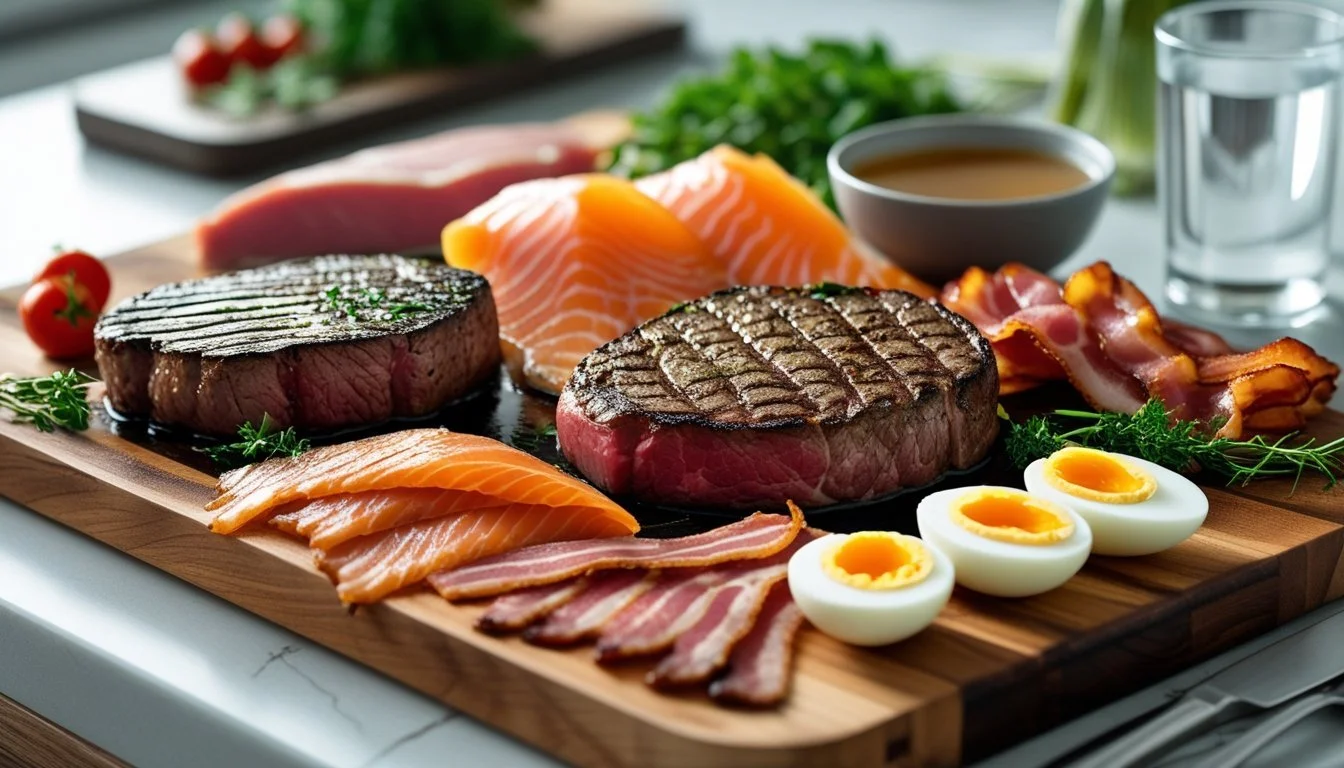
Rabbit starvation is a real risk for people eating very high-protein diets with insufficient fat, especially those following a strict carnivore approach focused mainly on lean meats. This metabolic issue, also called protein poisoning, happens when the body is forced to burn protein as its main energy source while lacking enough dietary fat. Symptoms can include fatigue, diarrhea, and even serious health problems if not addressed.
Most people who eat a well-balanced carnivore diet—one that includes fatty meats, organ meats, and not just lean cuts—are unlikely to experience rabbit starvation. The problem becomes significant mostly for those eating exclusively lean meats like rabbit, chicken breast, or very lean beef without adding other sources of fat. Understanding how to balance protein and fat intake is key for anyone considering or currently eating an all-animal-product diet.
Many traditional cultures that relied heavily on meat were careful to include fatty cuts or supplemental fat to maintain health. This historic knowledge remains important for modern carnivore diet enthusiasts looking to avoid the risks of excessive protein and too little fat.
Understanding Rabbit Starvation
Rabbit starvation, also known as protein poisoning, occurs when the diet contains too much lean protein and not enough fat or carbohydrates. This condition highlights the unique nutritional challenges associated with consuming primarily lean meats, especially from animals such as rabbits.
What Is Rabbit Starvation?
Rabbit starvation refers to acute malnutrition that develops when someone eats primarily lean meat, like rabbit, without adequate fat or carbohydrates. While the body needs protein for maintenance and repair, it cannot run solely on protein. When dietary fat is insufficient and energy needs are not met with carbs, the body quickly depletes available energy.
Lean meats, such as rabbit, are low in fat and lack certain nutrients required for balanced nutrition. Consuming only lean meats can result in symptoms such as nausea, fatigue, and diarrhea within days. In severe cases, consuming large amounts of lean protein while restricting fats and carbs has led to life-threatening health complications, emphasizing the importance of dietary balance.
Historical Accounts of Rabbit Starvation
Historical records, especially from explorers and frontiersmen, frequently mention the dangers of relying on lean wild game like rabbit during food shortages. Trappers and Arctic explorers described “rabbit starvation,” where individuals suffered from weakness, diarrhea, and eventually death despite eating seemingly adequate amounts of food.
In North America, indigenous groups and settlers recognized the risk of eating only lean animals in winter months, when fat sources were scarce. Reports from cold climates highlighted that even when mammals like rabbits were abundant, their low fat content made them unsuitable as a sole dietary staple. These historical accounts underline why varied sources of nutrients are critical for survival.
Physiology Behind Protein Poisoning
The body requires a balance of macronutrients, including fats and carbohydrates, to process protein safely. When only protein is consumed, the liver is forced to convert excess protein to glucose through gluconeogenesis, producing ammonia as a byproduct. In high amounts, ammonia becomes toxic.
Humans cannot safely metabolize unlimited amounts of protein—usually capped around 35-40% of daily caloric intake. Excess protein intake also limits the availability of B vitamins found in other foods, which are essential for energy metabolism in all mammals. The lack of dietary fat further impairs the absorption of fat-soluble vitamins and the maintenance of healthy body functions.
Symptoms of protein poisoning develop rapidly, including headaches, low energy, and gastrointestinal distress. Without intervention, continued protein overload can be fatal.
Protein Metabolism in Carnivores
Carnivores depend primarily on animal products for survival. Their metabolic pathways, dietary needs, and the importance of dietary fat influence how efficiently they process high-protein, low-fat diets, especially when consuming small mammals like rabbits.
Carnivore Dietary Requirements
Obligate carnivores such as cats and some wild canids require a diet rich in animal protein and fat. They obtain essential amino acids, vitamins, and nutrients directly from meat consumption, unlike omnivores that rely more on plant matter.
Domesticated and wild carnivores often hunt small mammals. These prey animals are typically lean, providing a high amount of protein but relatively little fat. This imbalance can be problematic if fat or alternative energy sources are not available in adequate amounts.
An insufficient fat intake can alter normal metabolism. Carnivores are adapted to generate glucose through gluconeogenesis from protein, but the process is energy-intensive and requires dietary fat for efficient function.
Limits of Protein Utilization
There is a physiological ceiling to how much protein carnivores can use safely. Once protein needs for tissue maintenance and energy are met, excess protein leads to metabolic strain. The body must break down surplus amino acids, which produces ammonia and other nitrogenous waste.
This metabolic process can tax the kidneys and liver. If fat and carbohydrates are lacking, protein becomes the primary energy source, increasing the risk of negative effects, such as dehydration or, in extreme cases, protein poisoning sometimes found during "rabbit starvation" episodes.
In nature, prolonged consumption of very lean prey—like rabbits—without sufficient fat can cause symptoms like fatigue, gastrointestinal distress, and eventually severe health problems. Carnivores that lack access to higher-fat animal products can be at risk if forced to consume only lean meat for extended periods.
Role of Animal Fat in Diet
Animal fat is crucial in the diet of carnivores for energy and the absorption of fat-soluble vitamins (A, D, E, K). Fat provides twice the calories per gram compared to protein, helping carnivores meet energy demands without overloading their systems with protein metabolism byproducts.
In the wild, carnivores often preferentially consume the fattiest parts of their prey, such as internal organs and body fat. This behavior reduces the risk of protein poisoning and ensures dietary balance. Large carnivores target prey with more body fat when possible, especially during colder seasons.
When fat intake drops too low, as with a diet of only lean animals like rabbits, carnivores may experience significant energy deficits. These deficits contribute to the clinical picture of rabbit starvation, making dietary fat indispensable for their health and survival.
Risks and Realities of Rabbit Starvation for Predators
Rabbit starvation exposes predators to risks when their diet lacks adequate fat. Survival in harsh environments often depends on finding a balance between protein, fat, and other nutrients, influencing predator health, mortality, and feeding strategies.
Wild Carnivore Adaptations
Wild carnivores rarely rely solely on lean prey like rabbits for extended periods. Most opportunistic feeders and scavengers in the wild consume a variety of animals, gaining both protein and fat from their diet. Predators such as wolves, foxes, and large cats often target multiple species, including those with higher fat reserves.
During times when only lean prey is available, predators may increase their intake or seek carrion and leftover kills from other animals to compensate for the lack of dietary fat. This adaptability helps reduce the risk of protein poisoning. The ability of these animals to switch food sources minimizes the dangers associated with consuming ultra-lean meat exclusively.
Consequences of Protein-Heavy Diets
A diet that consists mainly of lean meat can quickly cause problems for both wild predators and humans. Without enough fat, excessive protein intake leads to symptoms such as diarrhea, fatigue, and eventually, increased mortality due to organ stress and nutrient imbalances. This phenomenon, often called "fat hunger," has been documented in both human populations and wildlife.
When fat is not available, animals must metabolize protein for energy, which produces toxic byproducts like ammonia. Over time, this can be fatal. Historical accounts note that some forest-dwelling predators and people experienced severe health consequences if forced to live on lean meats, such as rabbit, for more than a week or two.
Survival Strategies in Nature
Predators employ several survival strategies to avoid the dangers of rabbit starvation. They are opportunistic feeders and scavengers by nature, often consuming the entire prey, including organ meats and fat deposits. Many also store excess energy as body fat during periods of abundance, using these reserves during lean times.
Social predators, like wolves, benefit from group hunting, which increases their chances of securing larger or fattier prey. Solitary predators or those in regions with little fat-rich game may travel greater distances or increase their range to locate a more balanced food supply. This adaptability is critical for survival in unpredictable environments where reliance on a single food source increases mortality risk.
Domestic Cats and Rabbit Starvation
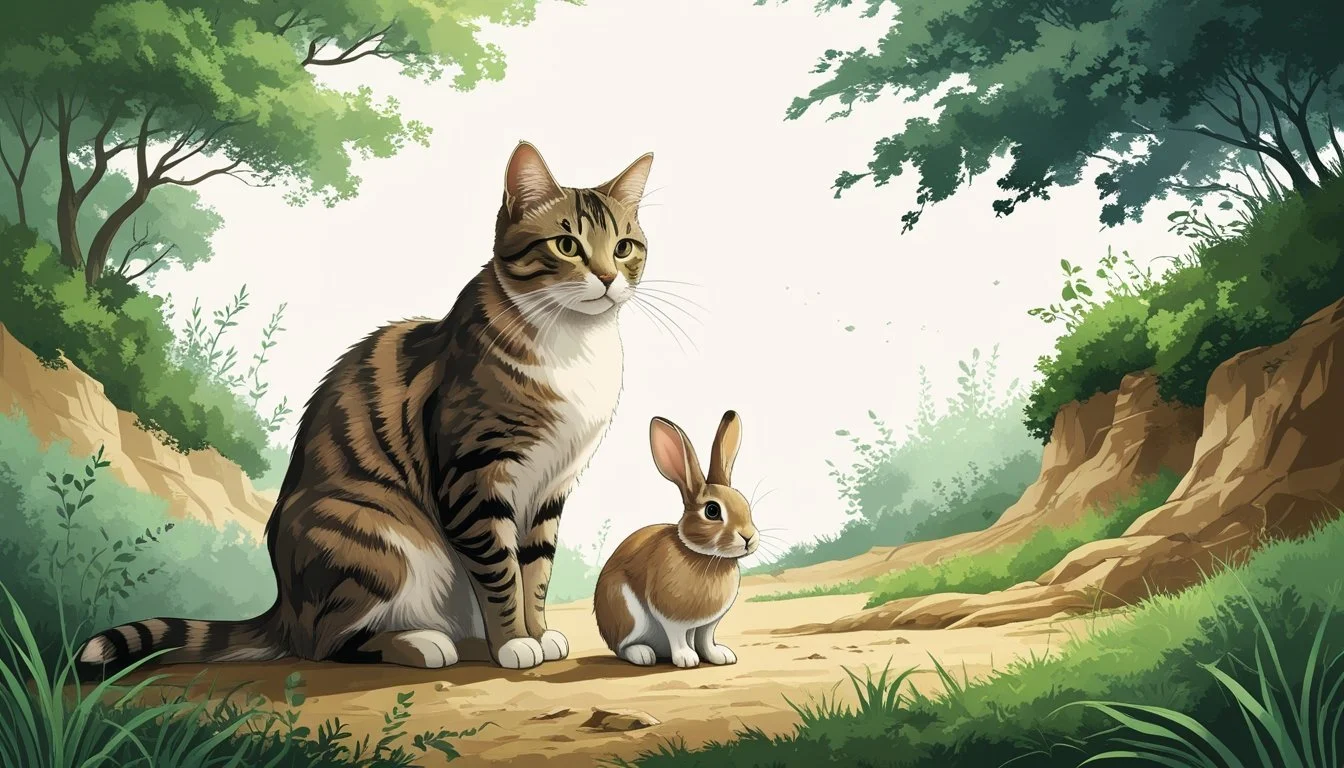
Domestic cats (Felis catus) require a diet high in animal protein and fat to maintain health. Unlike humans, their nutritional needs are influenced by their status as obligate carnivores, and their common reliance on commercial pet food affects how these needs are met in household settings.
Felis catus Nutritional Needs
Cats have evolved as strict carnivores, needing nutrients that are naturally found in animal tissues. Key dietary components include high-quality protein, animal fats, and specific nutrients such as taurine, arachidonic acid, and vitamin A, all of which are not sufficiently available in plant-based foods.
A diet composed primarily of very lean meats—such as wild rabbit—may not provide enough dietary fat for cats, especially over long periods. Without adequate fat, cats may experience energy deficits, impaired coat health, or deficiencies in fat-soluble vitamins. Protein-only diets are also not ideal; although cats can utilize protein for energy, they require a balance with fats to avoid malnutrition.
Veterinarians emphasize that cats are less prone to "rabbit starvation" than humans, as their bodies are adapted to utilize protein more efficiently. However, if a cat’s diet has insufficient fat and essential nutrients, health problems will eventually develop.
Role of Commercial Pet Food
Most commercial pet food is formulated to meet the full nutritional requirements of domestic cats, including necessary fats that would be missing from a diet of only lean prey. These formulations are developed in accordance with guidelines from organizations such as AAFCO and the National Research Council.
Manufacturers typically include sources of animal fat, fortified vitamins, and minerals. This ensures that even if pet food contains lean meats, cats receive enough energy and essential nutrients. A typical ingredient breakdown might look like:
Ingredient Role in Cat Diet Animal protein Muscle maintenance Animal fat Energy, vitamin absorption Taurine Cardiac & eye health Added vitamins/minerals Prevent deficiencies
Pet foods recommended by veterinarians reduce the risk of fat and nutrient deficiencies, making "rabbit starvation" unlikely for cats on a balanced commercial diet. This contrasts with the possible risks faced by wild cats surviving on only very lean prey sources.
Health Implications of Excessive Protein Intake
Consuming large amounts of protein, especially with insufficient fat or carbohydrates, can lead to various health concerns for both humans and other animals. Adverse effects may not be immediate but can develop over time with sustained dietary imbalance.
Risks for Companion Animals
Pets such as cats and dogs process protein differently than humans. Cats, as obligate carnivores, require more protein, but excessive lean protein without adequate fat can create imbalances even for them. In dogs, high-protein diets can increase kidney workload, particularly in aging or preexisting renal disease cases.
Increased protein may also elevate blood urea nitrogen (BUN) and put strain on the liver and kidneys. This risk is higher for animals predisposed to renal problems or hypertension. For some species, low-fat protein-heavy diets may also be linked to increased risk of liver or pancreatic issues over time.
Weight gain is less common with high protein alone but can occur if calorie intake exceeds energy expenditure. A lack of dietary balance may worsen periodontal disease if dental health is not managed, as certain high-protein foods can stick to teeth.
Potential Impact on the Immune System
A protein-only or low-fat diet can negatively affect the immune system. Many immune cells and molecules require fats and micronutrients for optimal function, and insufficient dietary fat can reduce absorption of fat-soluble vitamins such as vitamins A, D, E, and K.
When the body lacks energy from fat or carbohydrates, it may start breaking down its own tissues to maintain energy levels, which can stress organs and suppress immune responses. Infections may be harder to fight and wound healing could slow. Some research points to an increased risk of inflammation and lower resistance to bacterial or viral threats.
In certain age ranges, such as the very young or elderly, an imbalanced high-protein diet may further suppress immune responses or aggravate underlying health issues.
Long-Term Health Consequences
Chronic excessive protein intake, as seen in "rabbit starvation," can contribute to serious health effects. Prolonged protein overload without sufficient fat can overwhelm liver and kidney function, causing buildup of ammonia and urea, which are toxic at high levels. This is particularly dangerous for adults over 50 years old or for people with reduced kidney function.
There is no strong evidence that high-protein, low-fat diets reduce risk for diseases like heart disease, diabetes, or cancer. In fact, some studies show that long-term dietary imbalance may increase risk of cardiovascular and metabolic problems, while also contributing to loss of bone mineral density. Persistent dietary excess is not associated with increased longevity and may actually raise the risk of chronic illness.
A diet too rich in protein and too low in fat does not offer significant health benefits and may carry real risks for both animals and humans over time. Moderation and dietary diversity are important for long-term health.
Rabbit-Based Diets and Processed Foods
Diet choices for carnivorous pets often come down to raw animal sources versus commercial, processed foods. The composition and nutritional outcomes of each can differ markedly, especially when rabbit or other lean meats are involved.
Comparison with Balanced Pet Food
Commercial pet foods are formulated to provide a complete spectrum of nutrients. These products generally include protein, fat, vitamins, minerals, and sometimes fiber, aiming to meet established standards for canine or feline nutrition.
In contrast, a diet based heavily on rabbit meat—without supplementation—can be problematic. Rabbit meat is extremely lean and low in fat, which carries a risk of protein-heavy malnutrition, sometimes called "rabbit starvation." Symptoms may include diarrhea, ravenous hunger, and weight loss.
Additionally, most balanced pet foods incorporate ingredients to promote digestive health, including moderate fiber sources. Wild prey-based diets often lack this unless the whole animal—including fur, organs, and gut contents—is consumed. Lean rabbit muscle meat alone isn’t enough for pets' long-term health needs.
Processed Foods Versus Whole Prey
Processed pet foods—whether kibble, canned, or freeze-dried—often undergo cooking or preservation methods that can alter nutrient content. Manufacturers add essential fatty acids, vitamins, and minerals lost during processing to restore balance. This ensures consistency in nutritional value.
Feeding whole prey, such as an entire rabbit, naturally provides a distribution of muscle, fat, bones, and organs. This approach can offer more natural nutrition, including calcium from bones and additional micronutrients. However, pets fed only processed foods are less likely to suffer from deficiencies seen in strict rabbit-based diets.
Processed foods may also handle pathogens more safely than raw prey but tend to have less diversity in texture and bioactive compounds. Owners must weigh convenience, cost, and the potential need for supplementation when choosing between these dietary strategies.
Ecological and Environmental Considerations
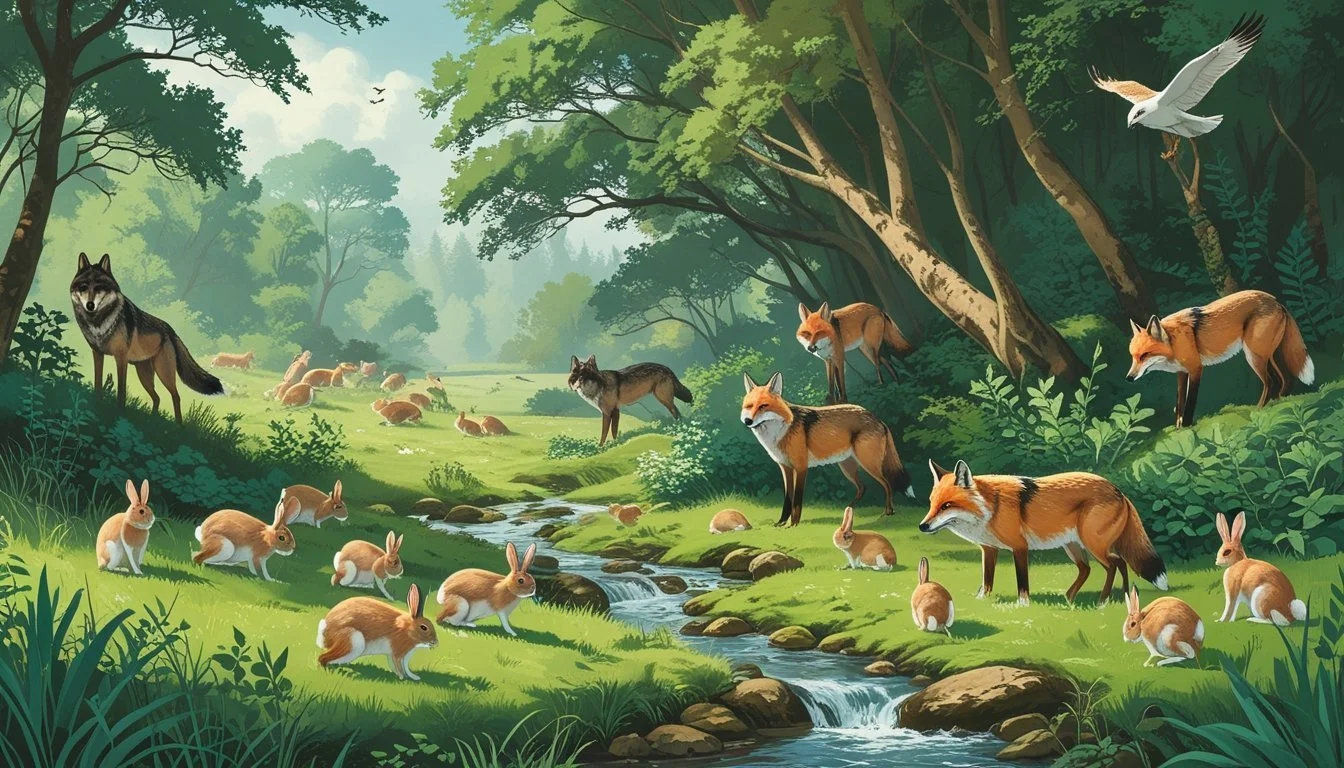
Rabbits and other small mammals play a direct role in ecosystem stability as primary prey for many carnivores. Their availability affects not only food supplies but also broader environmental impacts through population changes and food web interactions.
Impact on Wild Mammals and Food Supplies
The reliance of carnivores on rabbits and similar small mammals shapes the structure of food webs. When rabbit populations drop, carnivores may struggle to find enough food rich in fat and nutrients, leading to cases of malnutrition such as rabbit starvation. This lack of dietary variety can impact not only individual predators but also whole populations.
Changes in food supplies can force carnivores to shift their hunting patterns or explore human settlements in search of alternative prey. This can increase competition, disrupt local species balances, and cause new environmental pressures. In some regions, over-reliance on rabbits has led to boom-and-bust cycles among predator populations following fluctuations in small mammal numbers.
Human activity, including habitat loss and hunting, can also influence the balance of rabbit populations and affect the availability of suitable prey for wild carnivores. Supplementing food sources or managing habitats can help buffer these effects, though such interventions require careful planning to avoid negative side effects.
Population Dynamics of Prey Species
Rabbit populations are known for their potential to rise and fall rapidly due to reproductive rates and environmental constraints. When populations peak, they provide a temporary food surplus for carnivores, stabilizing predator numbers and supporting higher trophic levels.
However, diseases, overhunting, and environmental stressors can cause sudden declines in rabbit numbers. This variability places pressure on carnivores, which may experience food scarcity, reproductive decline, or increased mortality during lean periods. In turn, these fluctuations affect the ecosystem’s overall balance, influencing not only carnivores but also competitors and scavengers.
Table: Factors Affecting Rabbit Population Dynamics
Factor Effect on Rabbits Disease outbreaks Sudden population crashes Predation pressure Regulates population but can deplete numbers if rabbits are over-predated Food availability Supports growth in good years, constrains population in poor years Human intervention Can either stabilize or disrupt natural cycles
Careful observation of these patterns helps scientists and wildlife managers understand how food supplies interact with predator health and broader environmental impact. Continued monitoring is necessary to anticipate changes and protect both small mammals and their predators.
The Role of Parasites and Bacteria in Wild Diets
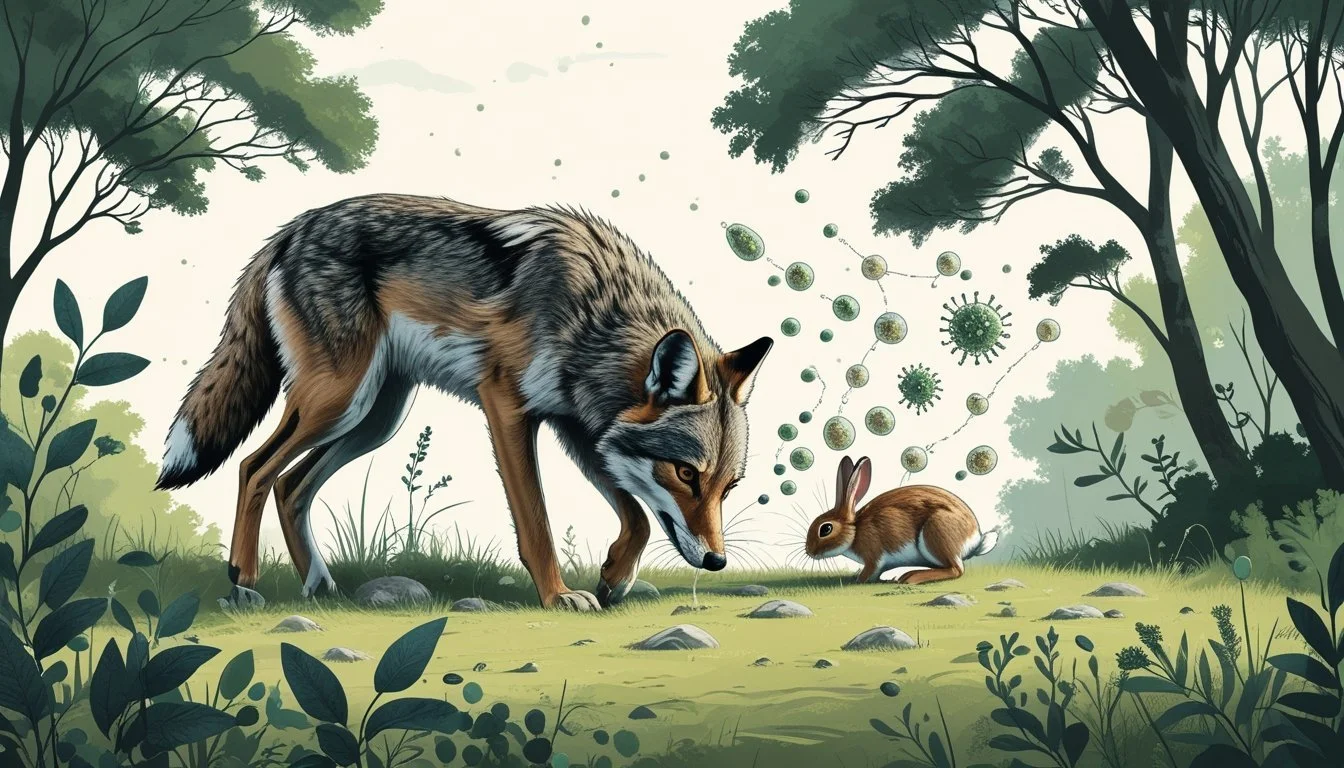
Wild carnivores regularly encounter bacteria and parasites through their food sources, particularly when scavenging or consuming raw prey. These microorganisms can affect health, sometimes severely, making disease and infection a constant risk in natural meat-based diets.
Exposure Through Scavenging
Scavengers such as wolves, foxes, and wild felids often feed on carcasses that may have started to decompose. This exposes them to a wide range of pathogens, including bacteria like Salmonella and Clostridium, as well as parasites such as roundworms and tapeworms.
Many carnivores will consume not only fresh kills but also remains left for hours or days, increasing their exposure to harmful organisms. According to scat and fecal surveys, nearly all wild carnivores carry intestinal parasites at some point in their lives.
Behavioral adaptations, such as avoiding the consumption of certain internal organs or defecating away from dens, help reduce the risk of infection. However, complete avoidance is rare, and many animals live with chronic low-level infections.
Health Risks Associated with Raw Meat
Eating raw meat inherently carries a risk of parasite transmission, especially from prey that is already infested. Common parasites in wild rabbits, for example, include nematodes and protozoa, which can cause digestive disturbances and malnutrition in predators.
Bacterial contamination is another challenge. Pathogens like E. coli and Campylobacter may be present in raw flesh or blood, leading to diarrhea, vomiting, and in severe cases, systemic infection.
Young, old, or immunocompromised carnivores are especially vulnerable, as their bodies may not effectively fight off infection. In some cases, parasites and bacteria can cause enough damage to impair hunting ability or lead to death, particularly in times of food scarcity or stress.
Expert Perspectives on Rabbit Starvation
Veterinarians and scientific bodies offer practical advice about protein-focused diets and the risks tied to nutrient imbalance. Their guidance can help clarify who is most at risk for rabbit starvation and what precautions to take when following high-protein eating habits.
Veterinarian Recommendations
Veterinarians caution that diets relying solely on lean meat like rabbit pose health risks for both humans and animals. Lean meats lack adequate fat, and this imbalance can result in what is known as "fat hunger" or protein poisoning.
Clinical signs observed by veterinarians include nausea, diarrhea, irritability, and fatigue. They suggest including fatty sources, such as organ meats or tallow, when feeding carnivorous pets or advising humans on meat-based diets.
Veterinarians recommend diversifying protein sources and actively monitoring for symptoms if a diet low in fat and carbohydrates is unavoidable. Essential steps include maintaining at least moderate fat intake and staying alert to early signs of malnutrition.
Scientific Associations and Guidelines
Scientific associations including nutrition and medical groups recognize rabbit starvation as a form of acute malnutrition. Guidelines developed by these associations often stress macronutrient balance and warn that protein should not be the sole source of dietary calories.
Most guidelines cap healthy protein intake at about 35% of total energy. Excessive protein without enough fat or carbohydrates, as seen with exclusive consumption of lean meats, can quickly lead to metabolic issues and deficiencies.
Associations emphasize monitoring for early warning signs and recommend integrating fats—such as oils or fatty cuts of meat—when pursuing any diet that is primarily animal-based. They also urge anyone considering extreme dietary changes to consult a medical professional.

