
Is Ethical Carnivory Possible? Examining Morality, Sustainability, and Real-World Practices
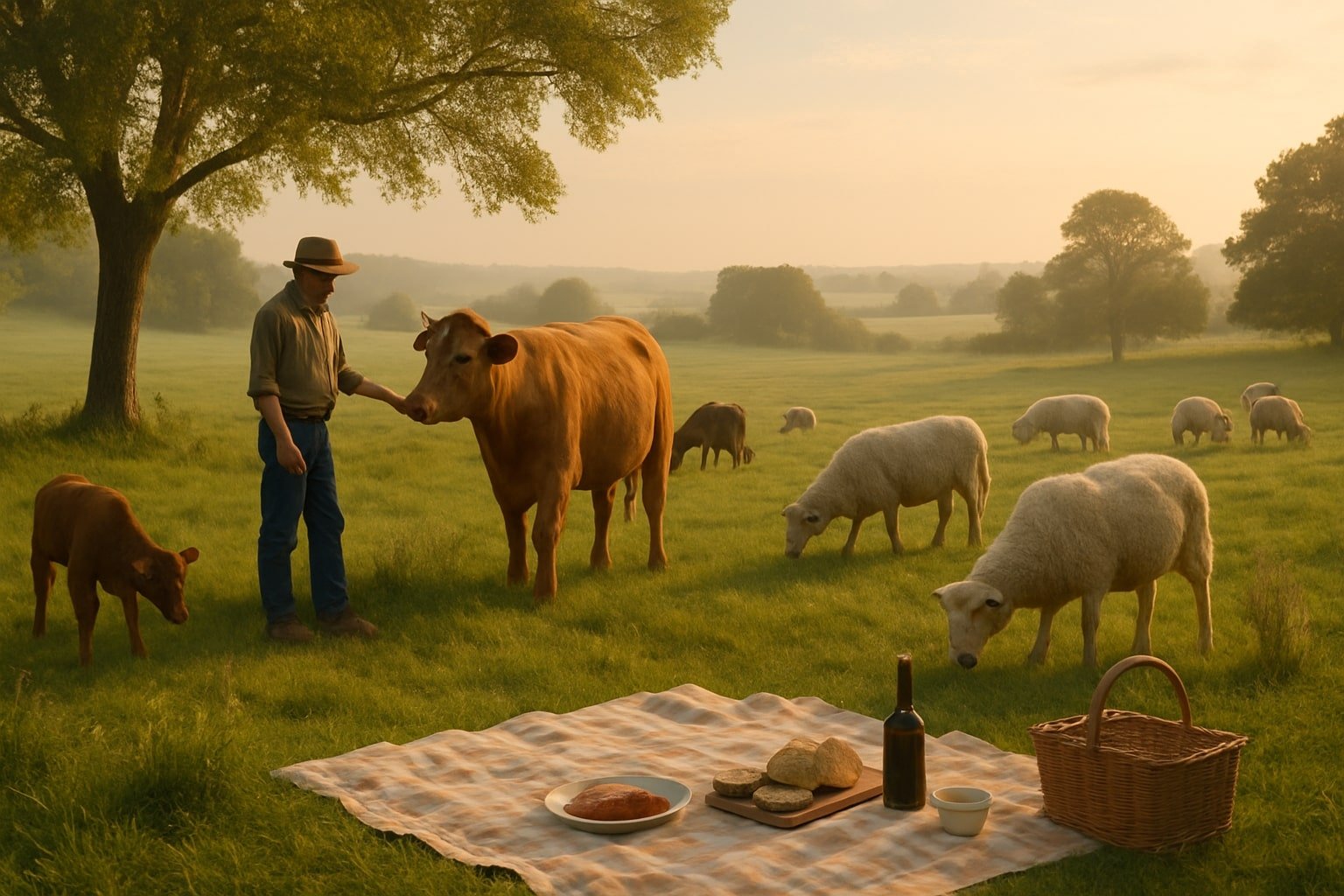
Ethical carnivory is possible when consumers intentionally support farming practices that prioritize animal welfare, environmental sustainability, and transparency. As the conversation around meat consumption shifts, many people are seeking ways to align their dietary choices with their personal and ethical values. This shift is driving more interest in how animals are raised, slaughtered, and how meat reaches the table.
While these standards require more diligence and sometimes a greater financial investment, it is feasible to choose meat from sources that uphold higher ethical standards. Interested readers will learn about practical steps to make more informed choices and navigate the complexities of ethical carnivory throughout the article.
Defining Ethical Carnivory
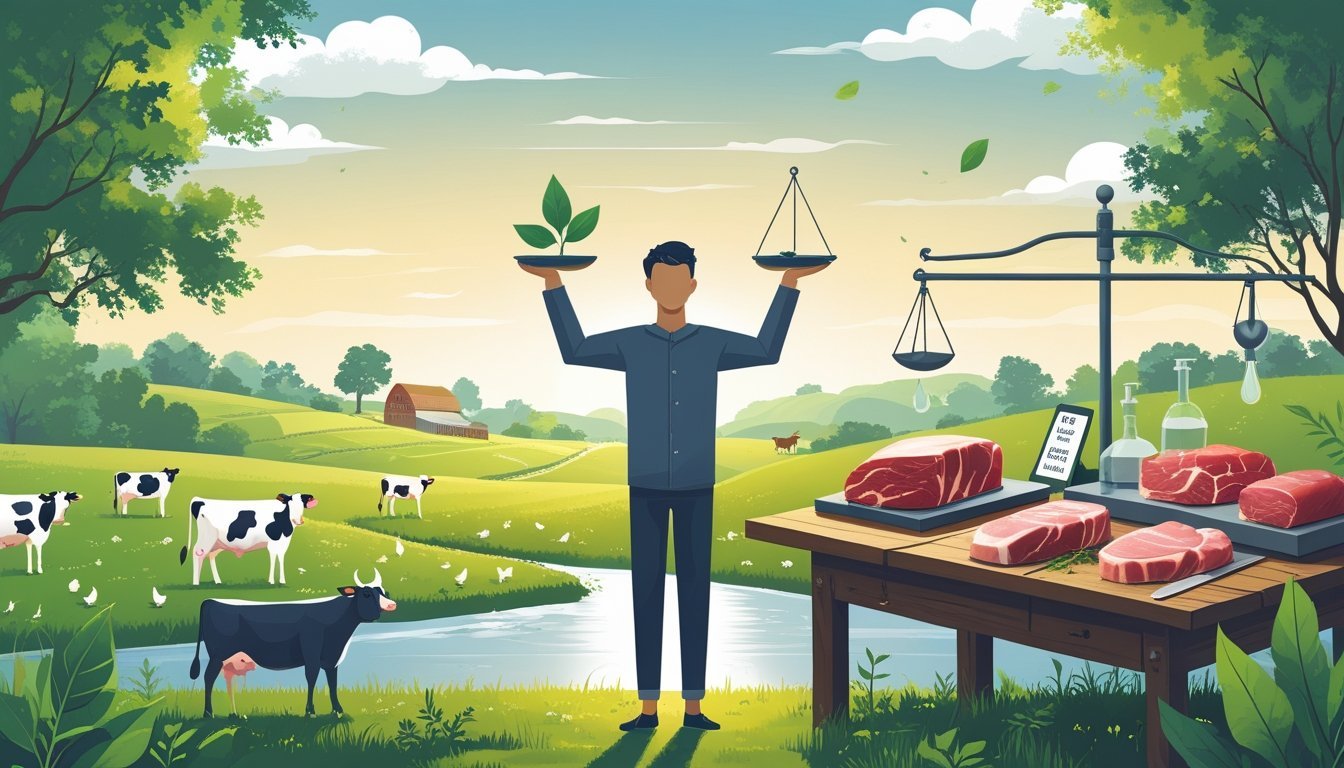
Ethical carnivory centers on navigating the complex intersection of meat consumption, animal welfare, and environmental concerns. The distinction between an ethical carnivore and the broader practice of ethical carnivory helps clarify individual responsibilities versus larger food system choices.
Ethical Carnivore vs. Ethical Carnivory
The term ethical carnivore often refers to an individual who consciously chooses meat only from sources they believe meet specific standards of animal welfare, sustainability, or transparency. This can mean seeking out farms with humane practices or directly hunting for food.
By contrast, ethical carnivory extends the focus to meat-eating as a broader system. It involves evaluating how society should approach eating meat, considering not just individual habits but also collective impacts. Ethical carnivory may include discussions about reducing total meat consumption, supporting alternatives like regenerative agriculture, and acknowledging the consequences of killing animals for food.
The difference can be summarized in table form:
Concept Focus Example Actions Ethical Carnivore Individual choices Buying certified humane meat, hunting Ethical Carnivory Systemic and social change Policy advocacy, industry reform
Moral Foundations of Eating Meat
At the heart of ethical carnivory are moral questions about death, killing animals, and the necessity of eating meat. Key ethical frameworks include animal welfare (reducing suffering), environmental stewardship (minimizing ecological harm), and human health.
Some argue that if meat consumption is to be justified, the lives and deaths of animals raised for food must be handled with respect and minimization of suffering. Others stress the broader impact of industrial agriculture on land, water, and climate.
Philosophers and ethicists often debate whether humans have a moral right to kill animals for food when alternatives exist. These debates shape individual and collective decisions within ethical carnivory and influence how society defines responsible meat consumption.
Animal Welfare Considerations
Animal welfare within ethical carnivory debates centers on specific concerns: the prevention of suffering, recognition of animal sentience, and provision of environments that support natural behavior in farmed species. Each issue affects both the morality and the practical realities of raising and using animals for food.
Suffering and Cruelty
Suffering and cruelty remain key ethical dilemmas in raising animals for consumption. Practices such as overcrowding, improper stunning before slaughter, and poor handling contribute to stress, injury, and pain.
Modern humane farming methods attempt to reduce these harms. For example, pain relief during procedures like dehorning or castration is standard in some welfare-focused farms, but not all.
However, legal requirements for minimizing suffering vary significantly across regions.
Consumers concerned with animal welfare often seek out certification labels that guarantee certain living standards. These may include requirements for adequate space, vet care, and humane transport and slaughter practices.
Sentience in Animals
Scientific evidence supports that many farmed species—particularly mammals and birds—are sentient creatures. They experience pain, stress, and complex emotions.
The recognition of animal sentience directly informs animal welfare policies. Regulations in the EU and some other countries include sentience as a legal principle, shaping standards for treatment and housing.
Monitoring of stress indicators such as vocalizations, heart rate, and behavioral changes helps assess welfare in sentient animals. The acknowledgment of sentience places a moral responsibility on producers and consumers to prevent unnecessary suffering.
Natural Behaviors in Farmed Species
Many welfare challenges originate from failing to allow animals to perform natural behaviors. For instance, chickens naturally dust-bathe and roost, while pigs root and nest.
Intensive farming often restricts these behaviors, which can lead to physical and psychological stress. Practices such as enrichment, outdoor access, and group housing are ways to enable natural behaviors, though they tend to cost more.
Welfare standards that allow for the expression of natural behaviors are typically found in certified humane or free-range systems. Failure to meet these needs is a common criticism of industrial farming. This is a core concern for those evaluating if ethical carnivory is possible.
Sustainable and Humane Meat Sources
Certain types of meat production prioritize animal welfare and environmental health. Choosing responsibly sourced meat can significantly reduce harm compared to factory-farmed options.
Pasture-Raised and Organic Meat
Pasture-raised and organic meats come from animals allowed to graze on open land. These systems use no or minimal synthetic chemicals, and animals are often raised in less crowded conditions. Such practices improve animal welfare by giving livestock access to natural behaviors and diets.
Farmers who focus on pasture-raised or organic operations typically avoid the use of growth hormones and unnecessary antibiotics. They also implement rotational grazing, which helps maintain soil fertility, reduces erosion, and supports biodiversity. Organic certification often requires strict guidelines for feed, access to outdoors, and humane treatment.
Compared to factory-farmed meat, pasture-raised livestock generally have a lower risk of disease, resulting in less reliance on pharmaceuticals. This approach is considered more sustainable as it limits the negative environmental impacts associated with intensive meat production, such as water pollution and greenhouse gas emissions.
Game Meat and Hunting
Game meat refers to animals such as deer, elk, or wild birds hunted in the wild. These animals live free-range lives and often feed on native vegetation. Hunting can be regulated to maintain healthy wildlife populations and ecosystems.
Ethical hunting practices include adherence to legal seasons, quotas, and respect for animal welfare. Individuals who harvest their own game meat often use the entire animal, minimizing waste. Game meats are not exposed to routine antibiotics or feed additives used in commercial farming.
Wild game is generally lean and has a lower environmental footprint compared to intensively farmed meats. Responsible hunting can contribute to conservation efforts and supply nutrient-dense, sustainable protein without supporting factory-farmed systems.
Environmental Impact of Carnivory
Meat production, especially on a large scale, has significant effects on sustainability and natural resources. Industrial practices associated with raising animals for food change the way land, water, and greenhouse gases are managed and released.
Greenhouse Gas Emissions
Meat production contributes substantially to greenhouse gas emissions, including methane, carbon dioxide, and nitrous oxide.
Ruminant animals like cattle and sheep produce methane as part of their digestion. According to multiple studies, livestock farming accounts for roughly 14-18% of total global greenhouse gas emissions. This percentage is higher than what is attributed to all forms of global transportation.
Factory-farmed meat amplifies these emissions because of intensive confinement, feed production, and manure management. Methane is over 25 times more potent than carbon dioxide over a 100-year period, making emissions from animal agriculture a key driver of climate change.
Land and Water Use
Meat production requires much more land and water compared to plant-based foods.
Vast areas of land are used to graze livestock or grow animal feed like soy and corn. For example, beef production needs approximately 20 times more land and emits significantly more greenhouse gases per gram of protein than plant-based proteins.
Water use is also considerable. Producing one kilogram of beef can require up to 15,000 liters of water, taking into account water for drinking, feed crops, and processing. Factory farms tend to exacerbate water pollution due to concentrated animal waste and runoff, which can harm local ecosystems.
Ethics of Factory-Farmed Meat
Factory-farmed meat raises important questions about animal welfare, cruelty, and the treatment of livestock within industrial agricultural systems. These considerations often shape public debate about ethical meat consumption and the moral responsibilities of consumers.
Animal Suffering in Industrial Systems
Industrial animal agriculture, often called factory farming, prioritizes efficiency and high output. This system uses methods such as gestation crates for pigs, crowded cages for hens, and feedlots for cattle. These environments typically restrict movement and natural behaviors.
Common practices include tail docking, debeaking, and castration, usually performed without adequate pain relief. Overcrowding can lead to stress, injury, and disease spread. The EPA classifies many of these operations as Concentrated Animal Feeding Operations (CAFOs), highlighting the intensity of animal confinement.
Many animals on factory farms never experience outdoor environments. Scientific consensus points to significant levels of suffering, as animals endure psychological distress and chronic discomfort under such conditions.
Alternatives to Factory Farming
Some farms adopt higher welfare practices that reduce cruelty and focus on animal well-being. These alternatives may include access to pasture, more space per animal, and pain relief during routine procedures. Animal welfare certifications help consumers identify meat produced with improved standards.
Examples of alternatives:
Pasture-raised livestock
Certified humane operations
Regenerative agriculture techniques
Supporting these systems often means paying higher prices or consuming less meat. While not eliminating all ethical concerns, these approaches aim to minimize harm and improve animal quality of life compared to conventional factory-farmed meat. Label verification and transparency are essential for consumers seeking humane options.
Dietary Choices and Ethical Dilemmas
Ethical questions about eating animals extend beyond personal preference to consider health, sustainability, and the biological needs of humans and animals. People face different moral considerations depending on their lifestyles, values, and even the species they care for.
Vegetarian and Vegan Arguments
Vegetarian and vegan diets often arise from concerns about animal welfare, environmental sustainability, and human health. Some argue that avoiding animal products reduces harm to sentient beings and can lessen the ecological impact of food production. A plant-based approach may also align with beliefs about compassion and responsibility toward non-human life.
Ethical vegetarians highlight industrial farming problems such as poor animal treatment and resource intensity. Vegans typically go further, avoiding all animal-derived ingredients, including dairy and eggs. Common arguments point to the possibility of meeting nutritional needs through plant sources such as legumes, grains, and fortified foods, making the killing of animals for food unnecessary in many societies.
Supporters of these diets maintain that choosing plant foods is a direct and accessible way to reduce personal involvement in harm. However, critics sometimes note that large-scale crop agriculture also causes harm, such as habitat loss and incidental animal deaths, but most evidence shows the harm per calorie produced remains lower compared to animal agriculture.
Pets: Cats, Dogs, and Carnivorous Needs
Cats are obligate carnivores, requiring nutrients found only in animal tissue, such as taurine and certain fatty acids. Feeding cats a plant-based diet can cause serious health problems because they lack the metabolic pathways to synthesize essential nutrients on their own. For dogs, the situation is different; while they are classified as facultative carnivores, they can potentially thrive on carefully formulated plant-based diets, though some experts advise caution.
The dietary needs of pets create ethical dilemmas for owners who avoid animal products themselves. Some people choose to feed pets commercial diets containing meat to ensure their health, while seeking out brands that prioritize animal welfare or use by-products that would otherwise go to waste.
Key nutrients for cats include:
Taurine
Arachidonic acid
Vitamin A (preformed, not beta-carotene)
Dogs require:
Protein
Certain amino acids (but can synthesize taurine)
A variety of plant and animal nutrients
Choosing diets for pets involves balancing ethical concerns with an obligation to promote animal health. The debate continues over whether it is permissible to keep strict carnivores as pets if animal welfare is a primary concern.
Nutritional Value of Ethical Carnivory
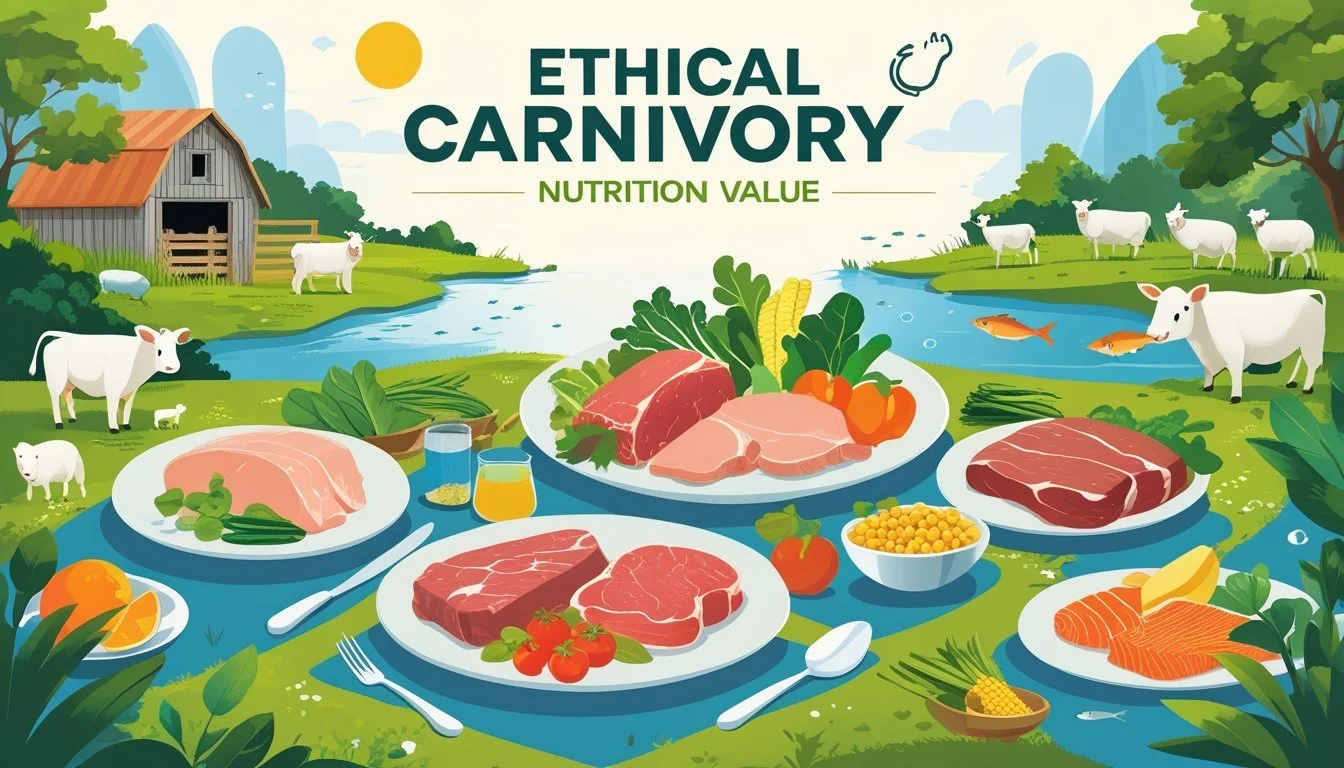
Meat provides a concentrated source of nutrients such as protein, vitamin B12, iron, and zinc. Some consumers seek ethically produced animal products to balance nutrient intake with animal welfare considerations.
Health Considerations of Meat Consumption
Meat is a complete protein source, offering all essential amino acids the body needs for tissue repair and muscle growth. Animal products such as beef, poultry, pork, and fish are also high in vitamin B12, heme iron, and zinc, nutrients often less abundant or less bioavailable in plant-based sources.
Eating meat in moderation, especially lean and unprocessed meats, can fit within established dietary guidelines. Evidence links excessive intake of processed meats to increased risks for certain diseases, such as colorectal cancer and heart disease. Individuals following a carnivore diet may need to ensure variety and moderation for optimal health.
Ethical carnivory focuses on not only choosing nutrient-dense meats but also considering the impact of sourcing on animal welfare. Selecting meat from farms that practice humane animal treatment and sustainable methods may align with both health and ethical values.
Comparing Animal and Plant-Based Diets
Animal-based diets are rich in easily absorbed nutrients such as vitamin B12, heme iron, omega-3 fatty acids, and collagen. Table: Comparison of selected nutrients in meat and common plant-based sources.
Nutrient Meat Example Plant-Based Example Protein Beef steak (21g) Lentils (9g) Vitamin B12 Chicken (0.3µg) None Heme Iron Pork (0.9mg) Spinach (non-heme) Omega-3 (DHA/EPA) Salmon (1.5g) Flax (ALA only)
Vegan and vegetarian diets can provide sufficient protein and many vitamins, but may lack vitamin B12, heme iron, and direct sources of omega-3 DHA/EPA. Those favoring ethical carnivory may choose animal foods from sources with humane and sustainable farming practices, aiming to combine ethical responsibility with dietary adequacy.
Fortification and careful meal planning can help vegetarians and vegans meet most nutritional needs, but direct sources of certain nutrients remain unique to animal products. This distinction is a primary nutritional difference between plant-based and meat-inclusive diets.
Research and Future Perspectives
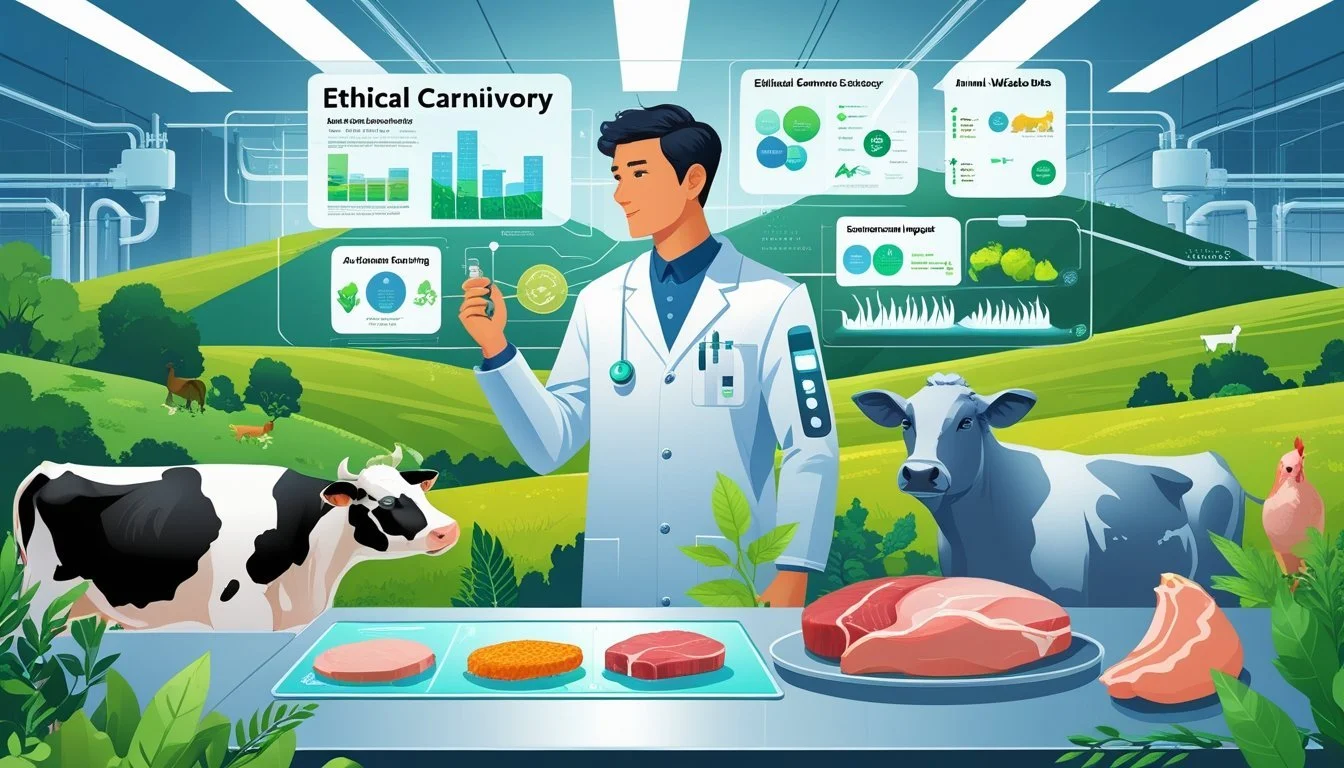
Recent studies and ongoing innovations are shaping the path toward ethical carnivory. Addressing animal welfare, sustainable meat production, and public trust in research are central to making progress in this field.
Innovations in Ethical Meat Production
New technologies and approaches are being used to address the ethical concerns of traditional meat production. For example, cell-cultured (lab-grown) meat eliminates the need to raise and slaughter animals, addressing major animal welfare issues and reducing land and water use.
Regenerative agriculture is another approach that integrates livestock into ecosystems to improve soil health and support biodiversity. This method promotes sustainability by restoring degraded lands and reducing reliance on chemicals.
Transparency in supply chains, such as providing consumers with detailed information about farm practices, helps build trust and supports informed choices. Government regulations and independent certifications are increasingly used to ensure that animal welfare standards are met at each step.
Researchers continue to evaluate the environmental and ethical impacts of these new systems. Ongoing studies focus on scaling these innovations to remain accessible and effective across different regions.
Public Awareness and Education
Public perceptions and ethical decisions about meat consumption are heavily influenced by education and outreach. Programs aimed at increasing knowledge about animal welfare and the environmental impact of meat production can shift consumer habits.
Effective communication between researchers, producers, and the public is necessary to foster trust. Trusted sources, such as scientific institutions and independent bodies, play a key role in shaping attitudes.
Awareness campaigns have highlighted the costs, benefits, and limitations of ethical meat options. Clear labelling and accessible information help consumers make choices that align with their values.
Education initiatives often include workshops, school curricula, and media coverage. By improving understanding, these efforts encourage dialogue about sustainability, ethics, and future directions in carnivory.

