
Should You Eat Nose-to-Tail for Ethical Reasons?
Exploring the Morality of Whole-Animal Eating
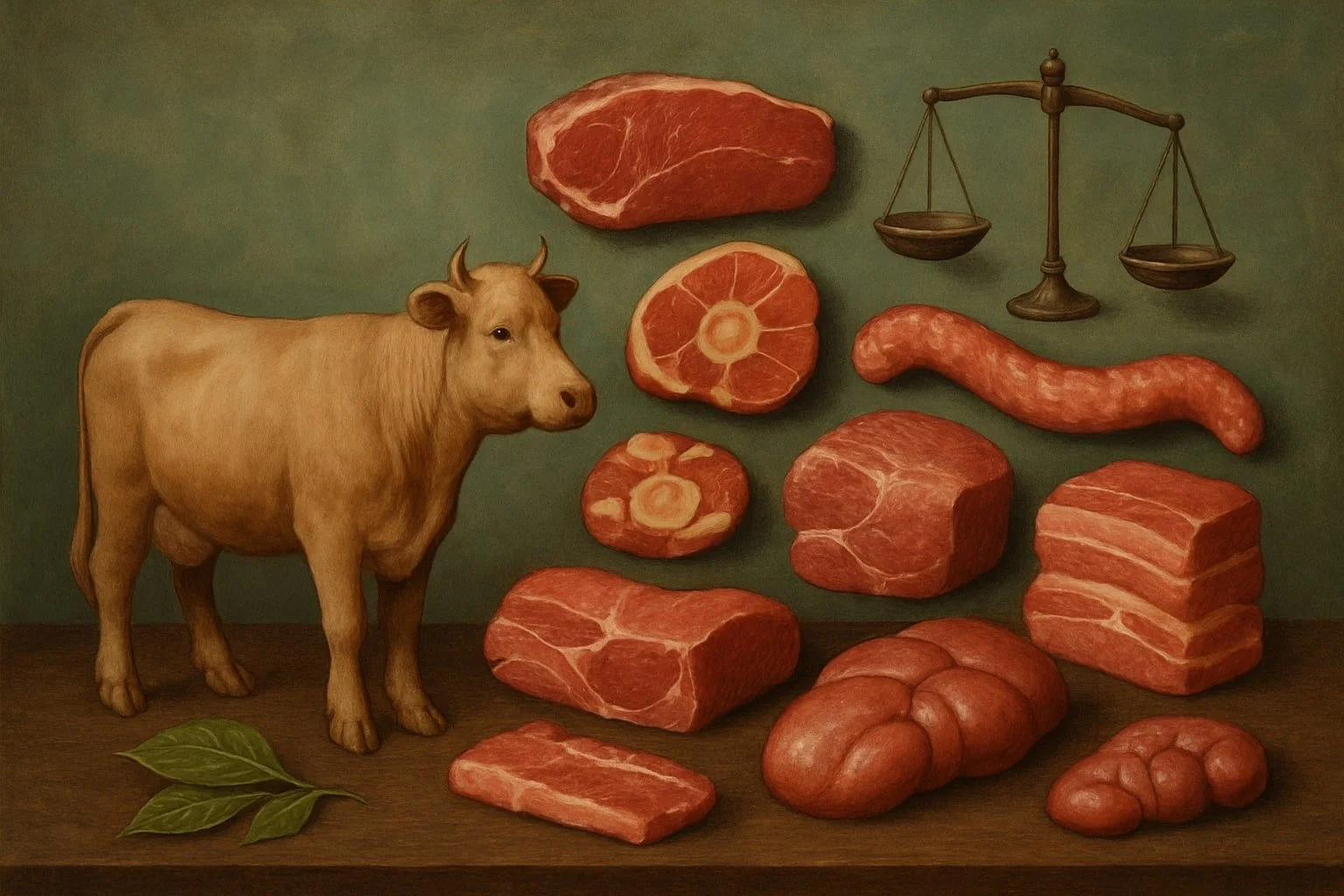
Eating nose-to-tail is considered more ethical than conventional meat consumption because it reduces waste and shows greater respect for the animal’s life. This approach means using every edible part, rather than focusing only on popular cuts, and it encourages more sustainable and responsible food choices.
The nose-to-tail philosophy supports both ethical and environmental goals by minimizing discarded parts and lowering the demand for industrial-scale meat production. By making the most out of what an animal provides, consumers can help decrease overall resource use and environmental impact.
For those concerned with how their food choices affect animals and the planet, nose-to-tail eating offers a practical way to align meals with these values. It’s not just about tradition or culinary exploration; it’s about making decisions that have real ethical significance.
What Is Nose-to-Tail Eating?
Nose-to-tail eating encourages the use of the entire animal, including offal and less popular cuts, aiming to minimize waste and increase the variety of nutrients in the diet. This practice is rooted in both tradition and practicality, with important implications for sustainability and cultural foodways.
Definition and Overview
Nose-to-tail eating refers to the culinary approach of consuming all edible parts of an animal, not just the commonly favored muscle meats. This includes organs, skin, bones, and connective tissue.
By embracing this method, eaters make full use of the animal’s resources. The goal is to reduce food waste and maximize nutritional intake.
This approach also offers a wide range of flavors and nutrients that are less present in traditional meat cuts. For example, offal often provides higher levels of vitamins and minerals than muscle meat.
Origins and Cultural History
Historically, nose-to-tail eating was the standard in many cultures. Societies with limited access to livestock or game learned to cook a variety of animal parts out of necessity.
In pre-industrial societies, communities relied on preservation methods such as smoking, salting, and fermenting to extend the usability of every animal part. In many regions today, dishes like haggis, menudo, and pâté still reflect these traditions.
Industrialization and mass meat production led to a focus on select cuts, causing other parts to fall out of favor. However, renewed interest has sparked among chefs and consumers who value sustainable and ethical eating practices.
Offal and Less Popular Cuts
Offal includes organs such as the liver, heart, kidneys, and tripe. These pieces are often rich in nutrients like iron, vitamin A, and B vitamins.
Other less popular cuts—such as oxtail, cheeks, trotters, and tongues—offer different textures and flavors compared to muscle meat. Cooking methods like braising or slow-roasting help tenderize connective tissue and bring out unique tastes.
Nose-to-tail eating provides cooks and diners access to ingredients that can diversify meals. Embracing these parts supports a whole-animal respect approach and may reduce overall meat waste in food systems.
Ethical Arguments for Nose-to-Tail Eating
Nose-to-tail eating addresses several ethical concerns, especially in relation to animal welfare, food waste, and slaughter practices. This approach focuses on fully utilizing animals, reducing unnecessary waste, and encouraging respect throughout the food system.
Maximizing Respect for Animal Life
Eating nose-to-tail requires acknowledging the value of each animal raised for food. Using every edible and useful part shows respect for the animal’s life, rather than treating it as a source of only select products.
Traditionally, many cultures have viewed animals as valuable food sources, using organs, bones, skin, and muscle. This reduces the likelihood of animals being killed solely for a few high-demand cuts.
Respecting animal life in this way shifts consumer mindsets from convenience to conscious consumption. It supports the idea that if an animal’s life is taken, every part should serve a clear purpose.
Reducing Food Waste
Food waste remains a significant ethical and environmental problem. Nose-to-tail eating is a direct method to minimize food wastage, as it encourages using parts of the animal that are often discarded in modern diets.
By including offal, bones, and other less popular cuts in meals, less of the animal ends up in landfills. This approach conserves resources like water, land, and energy invested in raising livestock.
Reducing animal-based food waste also lessens the industry’s contribution to greenhouse gas emissions. It means fewer animals are required to meet the same dietary needs when each one is used fully.
Supporting Humane Slaughter Practices
A commitment to nose-to-tail eating can influence demand for animals raised and slaughtered using more humane methods. Producers focusing on full utilization are more likely to adopt practices that align with animal welfare priorities.
Humane slaughter involves minimizing pain and stress during the animal’s final moments, which is a critical concern for ethical eaters. When the whole animal is valued, there is a greater emphasis on quality of care throughout its life.
Adopting a whole-animal approach may encourage consumers to seek out farms and suppliers prioritizing transparency and welfare certifications. This can gradually change industry standards toward more responsible production and slaughter methods.
Nose-to-Tail Versus Conventional Meat Consumption
Nose-to-tail eating changes both the ethics and efficiency of meat consumption. It highlights key differences in animal welfare and in how resources are used compared to standard practices.
Factory Farms and Animal Welfare Impacts
Factory farms produce the vast majority of meat consumed in many countries. Animals on these farms often live in crowded conditions, with restricted movement and limited access to natural behaviors.
Animal welfare is a central ethical concern. Conventional meat production typically values only select cuts, leading to the wastage of large portions of each animal. By contrast, nose-to-tail eating uses the entire animal, respecting the life taken and reducing unnecessary slaughter.
Nose-to-tail methods can reduce demand for intensively farmed meat. Smaller producers often supply offal, organs, and less common cuts, which may come from animals raised under better welfare standards.
Ethically, using every edible part of an animal aligns more closely with the principle of minimizing harm and maximizing respect. This approach can also encourage greater transparency about where meat comes from.
Differences in Resource Utilization
Resource use differs sharply between nose-to-tail and conventional meat consumption. Standard practices frequently discard bones, organs, and other edible parts, wasting both environmental inputs and potential nutrition.
Nose-to-tail eating maximizes the caloric and nutritional return on the water, feed, land, and energy used in animal agriculture. Utilizing all parts of an animal reduces food waste and helps keep meat more affordable, especially if demand shifts away from only prime cuts.
A comparison of resource efficiency:
Approach Meat Yield Per Animal Food Waste Cost Efficiency Conventional Low (select cuts) High Lower overall Nose-to-Tail High (whole animal) Minimal Improved per animal
When consumers support nose-to-tail practices, fewer animals need to be raised and slaughtered to feed the same population, optimizing the use of resources already invested in animal agriculture.
Environmental Implications of Nose-to-Tail Eating
Nose-to-tail eating has gained attention as a way to address several ethical and environmental concerns related to animal agriculture and the meat industry. This approach seeks to use every edible part of an animal, reducing waste and making meat production more efficient.
Mitigating the Impact of Animal Agriculture
Animal agriculture is a major source of greenhouse gas emissions, water consumption, and land use. By adopting nose-to-tail eating, there is the potential to decrease the overall demand for new livestock, since more of each animal is utilized for food.
Rather than discarding organ meats, bones, and lesser-used cuts, they become valuable sources of nutrition. This reduces the carbon footprint per animal consumed.
Some environmental advocates note that under current practices, large quantities of byproducts from the meat industry become food waste. Efficiently consuming these parts could lower the environmental cost per kilogram of edible meat and help address food waste concerns.
Sustainability of Ethical Meat Choices
Integrating nose-to-tail eating with ethical meat choices, such as grass-fed or pasture-raised animals, can further enhance sustainability. Ethical meat production often focuses on animal welfare and reduced chemical inputs.
When consumers make a conscious effort to purchase ethically raised meat and use the entire animal, resource consumption per meal drops. This includes reductions in water used for animal feed, energy spent on processing, and the environmental toll of disposal.
A summary of considerations for ethical meat and nose-to-tail eating:
Factor Nose-to-Tail Approach Conventional Approach Meat utilization High (most parts eaten) Low (prime cuts preferred) Resource efficiency Improved per animal Lower per animal Ethical compatibility Prioritized with care Often overlooked
Combining both principles can lead to a diet with a smaller ecological footprint and improved respect for animals used in food systems.
Comparing Nose-to-Tail and Ethical Vegetarian Approaches
Nose-to-tail eating and ethical vegetarianism are both popular responses for those seeking to reduce harm in their food choices. Each approach deals with the ethics of animal consumption, environmental impact, and personal diet in distinct ways.
Moral Considerations and Dietary Choices
Nose-to-tail eating is rooted in the idea of respecting the life of the animal by utilizing every edible part, not just popular cuts. This approach aims to minimize waste and acknowledges the ethical concern of killing animals for food. By making full use of each animal, proponents argue that fewer animals are needed overall.
Ethical vegetarians choose to avoid animal flesh altogether, motivated by a desire to reduce harm and suffering. Many opt for diets free of all animal products, while others may accept animal-derived foods like eggs or dairy from sources with high welfare standards. Key concerns include the belief that animal sentience and capacity for suffering should preclude their use for food.
A table comparing dietary choices:
Approach Animal Products Consumed Rationale Nose-to-Tail All edible animal parts Minimize waste, respect life Ethical Vegetarian No animal flesh (often none) Reduce harm & suffering
Environmental and Animal Welfare Trade-Offs
Nose-to-tail eating is often promoted as a more sustainable form of meat consumption. By eating all parts of the animal, food waste is reduced, and pressure on industrial meat production may decrease. This approach can support small-scale farming and higher animal welfare standards when paired with ethical sourcing practices.
Ethical vegetarianism typically results in a much lower direct impact on animal welfare, since no animals are slaughtered for consumption. Plant-based diets usually use fewer resources, such as water and land, per calorie produced compared to diets rich in animal products. Environmental benefits include lower greenhouse gas emissions and reduced pressure on ecosystems.
Yet, both methods can be made more or less sustainable depending on sourcing choices. While nose-to-tail advocates stress full use of the animal, vegetarians highlight complete avoidance of the harms connected to meat production. Each path faces trade-offs, especially in balancing personal values with practical impacts on animal welfare and the environment.
Practical Tips for Eating Nose-to-Tail
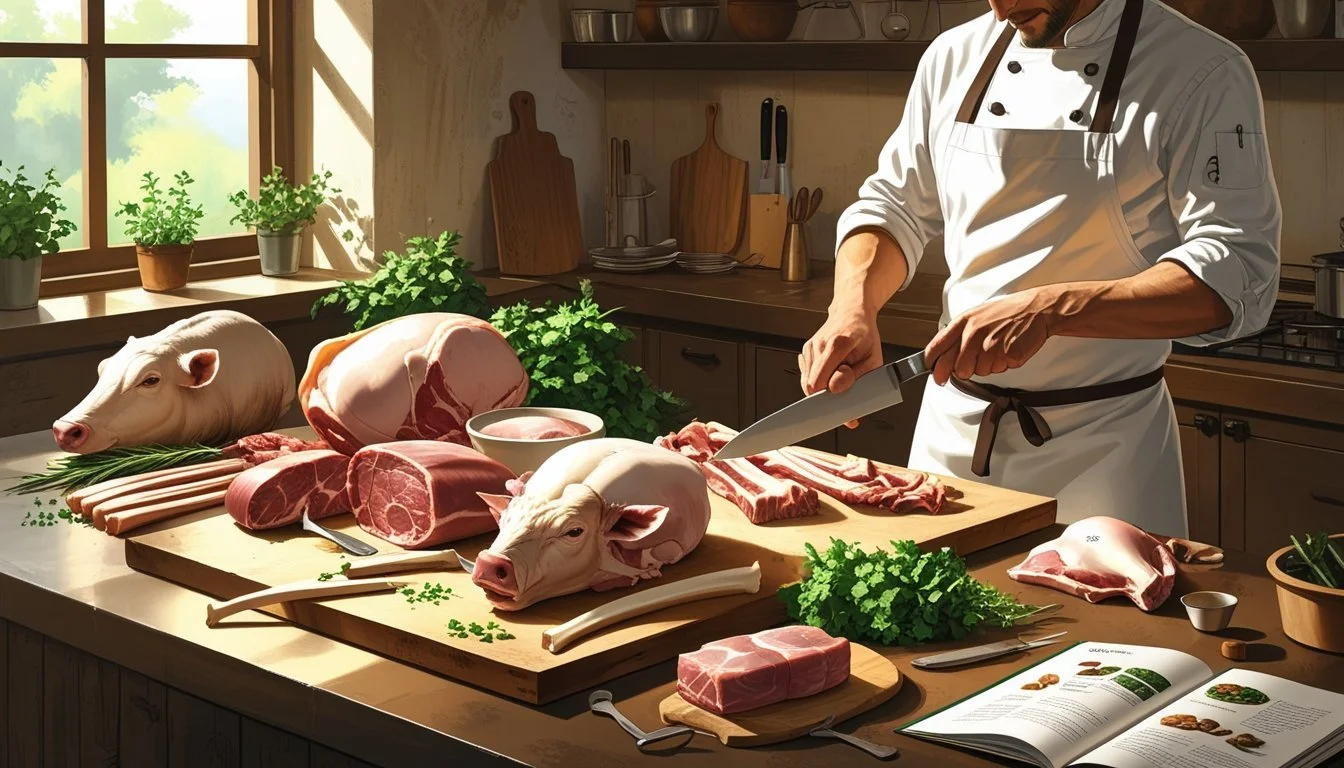
Choosing to eat nose-to-tail is a direct way to minimize food waste and make the most of each animal. Practical steps for sourcing meat and preparing different cuts can help consumers adopt this approach.
How to Source Ethical Meat
Ethical meat sourcing involves finding producers who value animal welfare and sustainable farming. Farmers’ markets and local butchers often provide details about the origins of their meat and can explain how animals were raised and slaughtered. This makes it easier to identify meat that has been sourced with minimal environmental impact.
Certified organic or pasture-raised labels can also offer assurance of ethical practices. Direct relationships with small-scale farms give buyers more transparency and let them ask specific questions about animal feed, living conditions, and slaughter methods.
Some consumers join meat box schemes or community-supported agriculture (CSA) programs. These often include a wider variety of cuts, encouraging whole-animal consumption and providing access to fresher, traceable meat.
Cooking Lesser-Known Cuts and Offal
Cooking with offal and uncommon cuts requires attention to preparation methods, since textures and flavors vary widely. Slow-cooking methods such as braising and stewing help tenderize tougher cuts like oxtail or shank, making them more approachable.
Offal—such as liver, heart, and kidney—benefits from quick, high-heat cooking or gentle poaching to keep them tender and avoid bitterness. Marinating or pairing with strong flavors like onions, garlic, or vinegar can enhance the taste and appeal of these meats.
Experimenting with recipes from traditional cuisines—where nose-to-tail cooking is common—can provide both technique and inspiration. Many butchers also offer advice or recipe suggestions for unfamiliar cuts. Keeping preparation simple and gradual helps people develop a taste for these nutrient-rich parts over time.
Challenges and Criticisms of Nose-to-Tail Eating
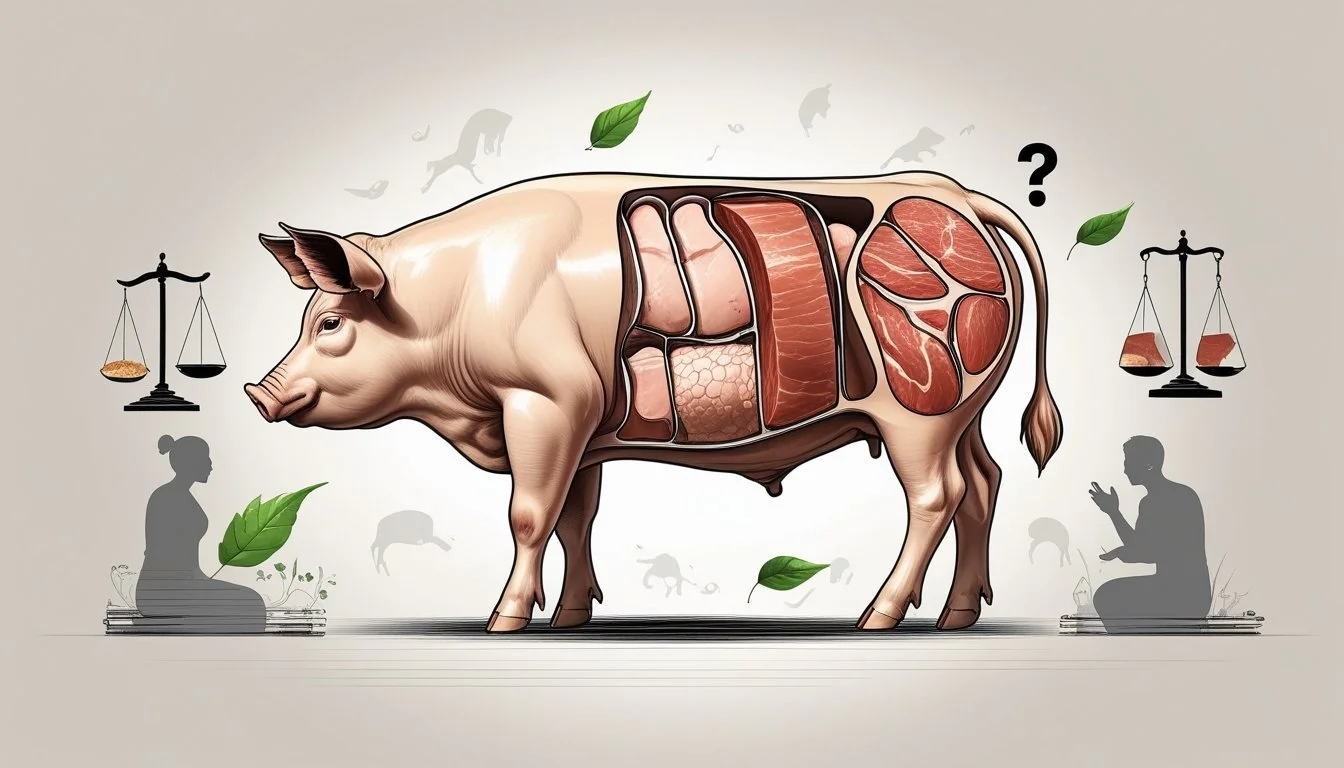
Nose-to-tail eating reduces waste and can respect the source of meat, but it raises practical and cultural challenges. Factors like tradition, infrastructure, and access shape how feasible it is in different communities.
Cultural and Personal Barriers
Many people are unfamiliar or uncomfortable with consuming organ meats, feet, or other less commonly eaten parts of animals. Traditions in some regions favor muscle cuts and view organ meats as undesirable or unappetizing.
Taste preferences and family habits also play a role. Recipe availability is limited, and some people lack the skills or desire to prepare nose-to-tail dishes. In restaurants and markets, there is often little demand for offal, which discourages wider adoption.
Concerns about safety and freshness arise, as organ meats can spoil more quickly than muscle meat. Religious or ethical dietary beliefs may prohibit the consumption of certain parts altogether. These issues make adaptation difficult in many settings.
Scalability and Accessibility
Nose-to-tail eating relies on a supply chain willing and able to process and distribute all parts of the animal. In industrialized nations, meat processing often separates and discards offal, making it harder for consumers to access these parts, especially in supermarkets.
Smaller-scale or local producers may sell whole animals but at a higher price or in bulk, limiting access for those with lower incomes or less storage space. Urban shoppers have limited options compared to those with access to specialty butchers or farmers’ markets.
Efforts to promote nose-to-tail eating face logistical challenges. Widespread adoption could require changes to regulations, storage facilities, distribution networks, and even culinary training. These obstacles contribute to the continued dominance of muscle meat in modern diets.

