
Making Bone Marrow a Daily Staple
Practical Benefits and Nutrition Insights

Adding bone marrow to the daily diet is a simple way to increase intake of essential nutrients like collagen, healthy fats, vitamins, and minerals. Regular consumption of bone marrow supports bone health, aids immunity, and provides beneficial proteins and nutrients for the body. Its nutrient density and unique flavor make it a practical and valuable addition to soups, broths, and other meals.
Many traditional cuisines have long valued bone marrow for its role in supporting overall wellness and vitality. Whether simmered into broths or roasted and spread onto bread, marrow offers both culinary satisfaction and nutritional benefits. For anyone looking to enhance meals with real, whole-food nutrition, bone marrow stands out as a versatile and enriching choice.
What Is Bone Marrow?
Bone marrow is a soft, nutrient-rich tissue found inside certain bones and is an important source of essential nutrients and bioactive compounds. Its unique nutritional profile and long-standing role in diverse cuisines have made it a valued food throughout history.
Nutritional Composition
Bone marrow contains a high concentration of healthy fats, mainly monounsaturated and saturated fats. It also provides small amounts of protein and is rich in micronutrients like iron, phosphorus, and vitamin A. The fat content delivers substantial calories, making marrow a calorie-dense food.
A standard serving (about 1 tablespoon or 14g) of roasted marrow typically provides:
Nutrient Amount (approximate) Calories 110 Total Fat 12g Protein 1g Iron 0.3mg Vitamin A 50 IU
Marrow also contains collagen precursors and other compounds believed to support joint and bone health. Some studies suggest that eating marrow may contribute nutrients vital for red blood cell production and immune function, though the marrow found in bones must not be confused with the active, living marrow inside the human body.
History and Cultural Significance
Bone marrow has been consumed for thousands of years, with evidence dating back to early humans who extracted and ate marrow from animal bones. Archaeological sites show marrow extraction tools and bones split specifically to access the nutrient-rich core.
In many cultures, bone marrow is a traditional food. In France, it is commonly served as "os à moelle," roasted in the bone and spread on bread. In South Asian cuisines, marrow-based dishes like nihari or soups are prized for their depth of flavor.
Bone marrow's presence in ritual and daily life has led to its inclusion in celebratory and medicinal foods worldwide. Today, chefs use marrow for its taste and creamy texture and as a symbol of culinary tradition.
Health Benefits of Consuming Bone Marrow
Bone marrow is valued for its dense nutrition profile and its unique role in supporting several key aspects of health. Its nutritional makeup impacts daily vitality, joint function, and digestive wellness.
Essential Vitamins and Minerals
Bone marrow is rich in vital nutrients that are essential for normal cell function and overall health.
It provides vitamin B12, which supports energy metabolism and nerve health. Riboflavin is present, promoting normal growth and red blood cell production. Marrow contains important minerals such as iron, which aids oxygen transport, and phosphorus, important for cell and tissue maintenance.
A serving of bone marrow also delivers small amounts of zinc and selenium, both crucial for immune system support. Additionally, marrow's fat content provides a source of calories and helps with the absorption of fat-soluble vitamins.
Together, these nutrients make bone marrow a compact source of nourishment for day-to-day dietary needs.
Supporting Joint and Bone Health
Bone marrow includes several natural compounds known to promote joint and bone comfort.
It is a source of collagen, which supports cartilage structure and joint elasticity. Marrow is also rich in glucosamine and chondroitin sulfate. Both of these substances contribute to the maintenance of joint tissue and may reduce the risk of cartilage breakdown over time.
People seeking support for joint movement or looking to supplement bone strength may benefit from this nutritional profile. Regular intake provides building blocks that help maintain flexibility and structural integrity in joints.
Incorporating bone marrow as a food may be a practical dietary choice for those seeking to protect long-term joint and bone health.
Role in Gut Health
Bone marrow supports digestive well-being through its composition and the way its nutrients interact with the gut.
The collagen found in marrow can aid the lining of the digestive tract, potentially reinforcing its barrier function. Certain amino acids present, such as glycine, help repair gut tissue and may ease inflammation.
Healthy fats in bone marrow play a role in nutrient absorption and support microbiome balance. The nutrient density encourages the growth of beneficial bacteria, making the gut environment more resilient.
By nourishing the digestive system directly, bone marrow offers practical benefits for people focusing on gut health and nutrient assimilation.
How to Source and Select Bone Marrow

The best bone marrow comes from high-quality bones that have been sourced responsibly. Focus on both the nutritional value and the impact of your purchasing decisions.
Choosing Quality Bones
Bones from healthy, grass-fed, or pasture-raised animals tend to have a denser, richer marrow. Look for leg bones such as femur, shank, or knuckles, which provide generous amounts of marrow and good flavor. Freshness matters, so obtain bones as shortly after butchering as possible.
Check the appearance: marrow should be firm, cream or white in color, and free of dark or dried spots. If purchasing frozen, select bones that are well-sealed and show no signs of freezer burn. Avoid bones from animals raised with hormones or unnecessary antibiotics whenever possible.
Local butchers and reliable meat markets often offer better traceability than mass-market sources. Here's a quick reference:
Bone Type Marrow Amount Common Use Beef Shank High Roasting, soups Veal Femur Moderate Broth, roasting Lamb Neck Lower Braising, stews
Ethical and Sustainable Sourcing
Ethical sourcing ensures animal welfare and environmental sustainability. Choose suppliers who can verify humane practices, organic certification, or third-party sustainability standards.
Support local or small-scale producers when possible, as they are more likely to prioritize animal well-being and maintain traceability. Ask about the source of the bones and the conditions under which the animals were raised.
Look for certifications such as Certified Humane, Animal Welfare Approved, or USDA Organic. These often indicate better practices regarding feed, housing, and land use. Transparency helps ensure that bone marrow consumption aligns with ethical food values.
Incorporating Bone Marrow Into Your Daily Diet
Bone marrow can be easily added to meals by using straightforward preparation methods and by exploring a range of recipes. Learning the basics of cooking marrow and practical meals for every time of day ensures it becomes a regular part of the routine.
Simple Cooking Techniques
Bone marrow is commonly prepared either by roasting or simmering. Roasting bones at 400°F (200°C) for about 20 minutes allows the marrow to become soft and spreadable. After roasting, the marrow can be scooped from the bones and used immediately or stored in the refrigerator for later use.
Simmering bones in water with a splash of vinegar produces a flavorful bone broth. This process often takes several hours, which helps extract nutrients and leads to a rich base for soups or sauces.
Another technique is slow-cooking marrow bones in a stew or soup. This allows the marrow to melt into the liquid, enriching the flavor and nutrient content. The extracted marrow can also be combined with butter and a pinch of salt to make a simple bone marrow butter that works as a spread or topping.
Recipes for Breakfast, Lunch, and Dinner
Breakfast options include spreading roasted marrow on whole-grain toast with a sprinkle of sea salt, or mixing marrow into scrambled eggs for extra richness. These approaches add flavor and nutrients without requiring significant preparation time.
For lunch, bone marrow can be stirred into hearty soups or blended into a homemade broth. Incorporating it into stews alongside vegetables and protein increases both taste and nutrition. Salads can be topped with warm marrow drizzled on greens to provide a unique twist.
Dinnertime recipes might feature marrow served as an appetizer with crusty bread or as a component in main dishes like osso buco. Another option is mixing marrow into mashed potatoes or risotto for a creamy texture. Simple stir-fries also benefit from a spoonful of melted marrow added near the end of cooking for extra depth.
Storing and Preserving Bone Marrow
Proper storage prevents spoilage and maintains both the taste and nutritional quality of bone marrow. Using correct techniques ensures marrow stays safe and ready to use for meals and recipes.
Proper Refrigeration Methods
Fresh bone marrow should be stored in an airtight container or tightly wrapped in plastic or butcher paper. It should be placed in the coldest part of the refrigerator, ideally between 0°C and 4°C (32°F and 39°F).
Bone marrow kept in the fridge should be used within 5–7 days to reduce the risk of bacteria growth. Signs of spoilage include a sour smell, slimy texture, or color changes. If any of these are present, the marrow should be discarded.
To store cooked bone marrow or marrow bones, cool them quickly and refrigerate in a sealed container. List of best practices:
Date containers to track freshness.
Store away from strong-smelling foods, as marrow can absorb odors.
Avoid keeping marrow out at room temperature for more than 2 hours.
Freezing for Long-Term Use
Bone marrow can be frozen to extend its shelf life up to 6 months. Use freezer-safe bags or containers, removing as much air as possible before sealing.
For best texture, freeze marrow bones whole or portioned. Label each package with the date and contents. Thaw frozen marrow in the refrigerator, not at room temperature, to ensure safe temperature control.
Frozen cooked marrow can be portioned into small containers or ice cube trays for easy use. Do not refreeze previously thawed bone marrow. Use within 1–2 days after thawing for best quality. Proper freezing prevents freezer burn and keeps marrow tasting fresh.
Addressing Common Concerns and Considerations

Bone marrow as a food offers nutritional value, but it also raises specific questions about safety and suitability. Individuals must be mindful of preparation methods and personal health considerations when incorporating bone marrow into regular meals.
Food Safety and Allergies
Proper handling and cooking are essential for bone marrow safety. Raw marrow carries a risk of bacterial contamination, particularly from organisms such as Salmonella and E. coli. Bone marrow should be cooked thoroughly—ideally to an internal temperature of at least 145°F (63°C)—to reduce this risk.
When purchasing, select bones from reputable sources to minimize exposure to contaminants. Freezing bone marrow at 0°F (-18°C) or lower will stop bacterial growth but does not destroy all pathogens; only heat can achieve that.
Some people may experience allergic reactions, though this is uncommon. Allergies are more likely if someone is sensitive to beef, pork, or other animal proteins. Individuals with a history of food allergies should consult a healthcare provider before trying bone marrow. Watch for symptoms such as hives, swelling, or difficulty breathing.
Dietary Restrictions
Bone marrow is an animal-based product and is not suitable for vegetarians or vegans. Those following religious dietary laws should ensure the bones come from animals processed in accordance with their beliefs, such as halal or kosher certification.
Marrow is high in fat, particularly saturated fat. People on low-fat or heart-healthy diets should monitor their intake. A 1-tablespoon (14g) serving often contains 5–7 grams of fat, mostly saturated.
Those with gout or related conditions may wish to limit marrow, as it is rich in purines that can contribute to uric acid buildup. For individuals managing cholesterol or specific metabolic disorders, it is advisable to review their diet with a nutritionist before making bone marrow a staple.
Digital Experience and Consent in Food Content

The integration of digital technologies has transformed how users access information about nutrition and bone marrow-based food practices. Transparency, data use, and informed choices increasingly shape interactions with online platforms.
Yahoo’s Role in Nutritional Information
Yahoo serves as a major aggregator of nutritional data, recipes, and health news related to emerging food trends. Its search engine and lifestyle segments feature articles, guides, and user-generated content about bone marrow consumption and culinary techniques.
Yahoo often highlights evidence-based nutritional claims and invites dietitians or medical experts to provide commentary. This broadens consumer understanding and builds trust. Readers may also interact with comment sections or share recipes via integrated social media buttons.
A key advantage is Yahoo’s structured content presentation. Information is often summarized in tables or bullet-point lists, making it easier to compare the benefits of bone marrow against other protein sources.
Understanding Cookie Consent
Most food content websites, including Yahoo, utilize cookies to personalize content, streamline search recommendations, and track user engagement. Before accessing full articles or features, users are typically presented with a cookie consent banner, informing them about data collection practices.
This consent process is critical for transparency. Cookies store preferences, monitor session activity, and sometimes facilitate targeted advertising. Users must explicitly agree to these terms or adjust their privacy settings.
Proper consent mechanisms are not just legal requirements but also promote trust in the digital food space. Clear notifications and simple opt-out options help users control their data while still engaging with bone marrow cooking or nutrition guides.
Conclusion
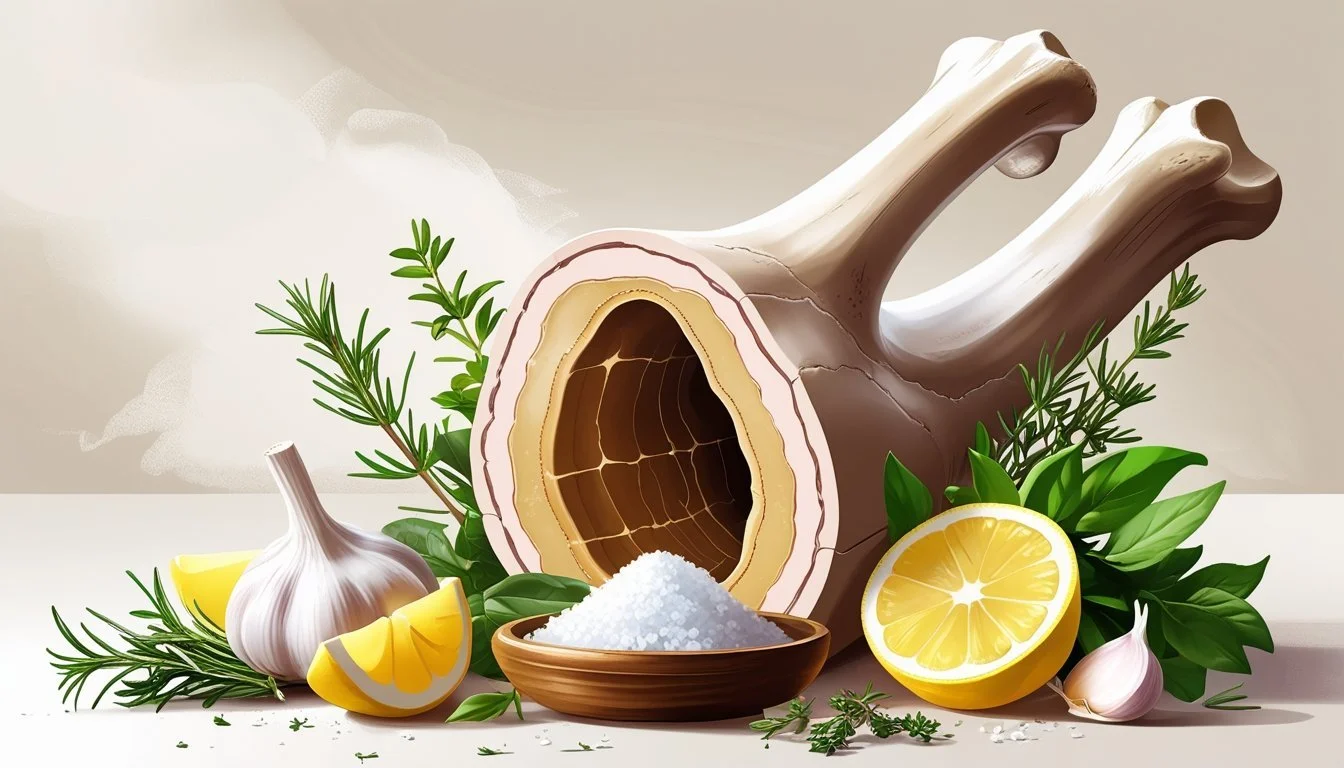
Bone marrow offers a variety of nutrients that support different aspects of health, from immune function to joint health. Incorporating bone marrow into daily meals can be a straightforward way to increase nutrient intake.
When planning to add bone marrow regularly, it’s worth considering different preparation methods. Roasting, simmering for broth, or adding to stews are all simple approaches.
Some possible benefits include:
Digestive support
Immune system enhancement
Joint and skin health
Bone marrow may also provide unique vitamins and minerals sometimes found in higher concentrations than in muscle meat. Regular consumption in moderate amounts fits into many healthy diets.
For those with specific dietary needs, consulting a healthcare professional before making significant changes is advised. Bone marrow is a versatile ingredient that can be adapted to many culinary traditions.

