
Meat-Only Dating: How It Affects Romantic Life and Relationship Dynamics

Adopting a meat-only diet can have a direct impact on someone’s romantic life and relationships. Shared eating habits often play a significant role in compatibility, and a strict carnivore lifestyle may limit potential partners who are open to, or supportive of, this specific way of eating. Research and experiences suggest that those following a restrictive diet, such as meat-only, may find their dating pool narrowed and face unique social dynamics.
Differences in eating preferences can shape everything from daily meal planning to long-term compatibility. Couples sometimes encounter challenges when their food choices don’t align, which can lead to disagreements or the need for compromise. Meat-only daters may need to navigate social gatherings, restaurant choices, and even discussions around food ethics more carefully in their search for a compatible partner.
People choosing a carnivore diet might also notice changes in their social circles and routines, as dietary habits can influence who they spend time with and the activities they enjoy together. This lifestyle can encourage individuals to seek partners who respect their choices, or who share similar eating habits, to help foster understanding and connection.
What Is Meat-Only Dating?

Meat-only dating focuses on the romantic and social interactions of individuals who primarily or exclusively consume animal products. This approach reflects a growing trend tied to both dietary preferences and personal identity around meat consumption.
Defining the Meat-Only Approach
A meat-only dating approach is characterized by individuals seeking partners who also follow a carnivore or meat-centric diet. The majority of their meals consist of animal products, with little to no inclusion of plant-based foods.
For many, this choice is rooted in health beliefs, lifestyle simplicity, or shared values about nutrition. Common foods in this diet include beef, poultry, pork, fish, lamb, and often organ meats. Dairy and eggs may also be included depending on individual definitions within the carnivore community.
Compatibility is emphasized, as those committed to a carnivore diet may find it challenging to date vegetarians or vegans. Shared meals and perspectives on food can significantly impact relationships, making dietary alignment a factor in partner selection.
Origins and Popularity
The concept of a meat-focused diet has existed in various cultures, but modern meat-only dating draws from the recent surge in interest in the carnivore diet. This trend gained visibility through social media and health influencers advocating for all-meat regimens.
Surveys indicate that diet can be a strong influence on romantic choices. For instance, a majority of vegans and many vegetarians have reported reluctance to date meat-eaters, and some meat-eaters feel similarly about dating those with plant-based diets. These preferences have led to niche dating platforms and forums where those on a carnivore or meat-centric diet can connect.
The carnivore movement remains a small segment compared to mainstream eating habits, but its visibility and community support have created unique spaces for like-minded individuals. This has allowed meat-only dating to gain more attention among those seeking dietary compatibility in relationships.
Nutritional Impacts on Romantic Life
Meat-based diets can influence romantic relationships through their effects on physical well-being, mood, and sexual health. The nutrients in meat may play both direct and indirect roles in shaping emotional and relational dynamics.
Essential Nutrients and Relationship Well-being
Meat is a source of several essential nutrients, including complete proteins, iron, vitamin B12, and zinc. These nutrients support overall health and contribute to energy levels and immune function, which may affect day-to-day interactions in a relationship.
Deficiencies in iron, B12, or zinc can cause fatigue or irritability. Chronic tiredness or mood swings may impact a person's ability to communicate or connect with their partner. Meeting daily nutritional needs supports attentiveness, resilience, and stability in romantic partnerships.
List of key nutrients from meat:
Protein: Builds and repairs tissues
Iron: Supports oxygen transport
Zinc: Aids immunity and hormone regulation
Vitamin B12: Supports nerve function
Protein, Amino Acids, and Libido
High-quality protein from meat provides the amino acids necessary for muscle function, neurotransmitter synthesis, and hormone production. Amino acids like tyrosine and tryptophan are particularly important for dopamine and serotonin, which influence motivation and mood.
Sexual health can also be affected. For example, adequate protein and certain amino acids support hormone levels such as testosterone and estrogen. These hormones are linked to libido and sexual satisfaction.
Good muscle health may boost confidence and physical capability, potentially increasing intimacy between partners. If protein or essential amino acid intake is inadequate, people may experience lower energy or decreased sexual interest, which can strain romantic connections.
Vitamins and Minerals for Emotional Health
Meat contains vitamins and minerals that are essential for mental well-being, including iron, zinc, and vitamin B12. These nutrients help maintain neurotransmitter balance and reduce the risk of mood disorders.
Low stores of iron or B12 can lead to symptoms such as irritability, poor concentration, or low mood. Over time, these effects might contribute to misunderstandings or reduced emotional intimacy.
Although meat is low in vitamin C, which supports iron absorption, the types of iron it provides are more easily absorbed than plant-based sources. Meeting micronutrient needs supports emotional stability and responsiveness in intimate relationships.
Physical Health Considerations in Meat-Only Relationships

Meat-only diets may influence several physical health factors, including shifts in body weight, changes in digestive health, and altered appetite patterns. These effects can shape daily well-being and may also impact how partners connect over food and lifestyle.
Weight Loss and Body Composition
Meat-only diets are typically high in protein and fat while lacking carbohydrates. High protein intake may lead to faster satiety and reduced overall calorie consumption. This reduction can support weight loss, which some individuals seek for health or aesthetic reasons.
Some studies suggest people following all-meat diets often experience decreases in body weight and fat mass. However, results can vary depending on age, activity level, and overall calorie intake. Lean body mass is sometimes maintained or even increased due to the protein concentration.
Maintaining a meat-only approach may also cause rapid shifts in water weight, especially during the initial weeks. However, long-term effects on body composition require more research, and the risks for certain individuals—such as those with pre-existing kidney issues—should be considered.
Digestive Effects and Gut Microbiome
Changes in digestion are common when eliminating plant foods. Reduced fiber intake may cause constipation or changes in stool frequency. Some people report less bloating and abdominal pain, particularly if they have digestive issues like IBS, though others may experience increased discomfort.
The gut microbiome can shift significantly during a meat-only diet. Diversity may decline as beneficial fiber-loving bacteria decrease, and meat-adapted species increase. Lower bacterial diversity has been linked to some long-term health concerns, though the clinical impact of these changes is still debated.
People with a sensitive digestive tract might find symptoms either improve or worsen. It is important to monitor changes and seek medical advice if digestive issues persist or become bothersome.
Satiety and Appetite Control
High protein and fat content from meat provide a strong feeling of fullness after meals. This enhanced satiety often leads to less frequent snacking and longer intervals between meals. As a result, appetite control may become easier for some partners, supporting their efforts to manage caloric intake.
Satiety responses can vary. Individuals accustomed to carbohydrate-rich diets may take time to adjust, and initial cravings or hunger may be present. Eating patterns change as habits develop and the digestive system adapts.
Tracking daily hunger levels, meal satisfaction, and overall energy can help couples tailor their food choices. Open communication about these changes can reduce misunderstandings and help partners support each other's dietary experiences.
Mental and Emotional Dimensions
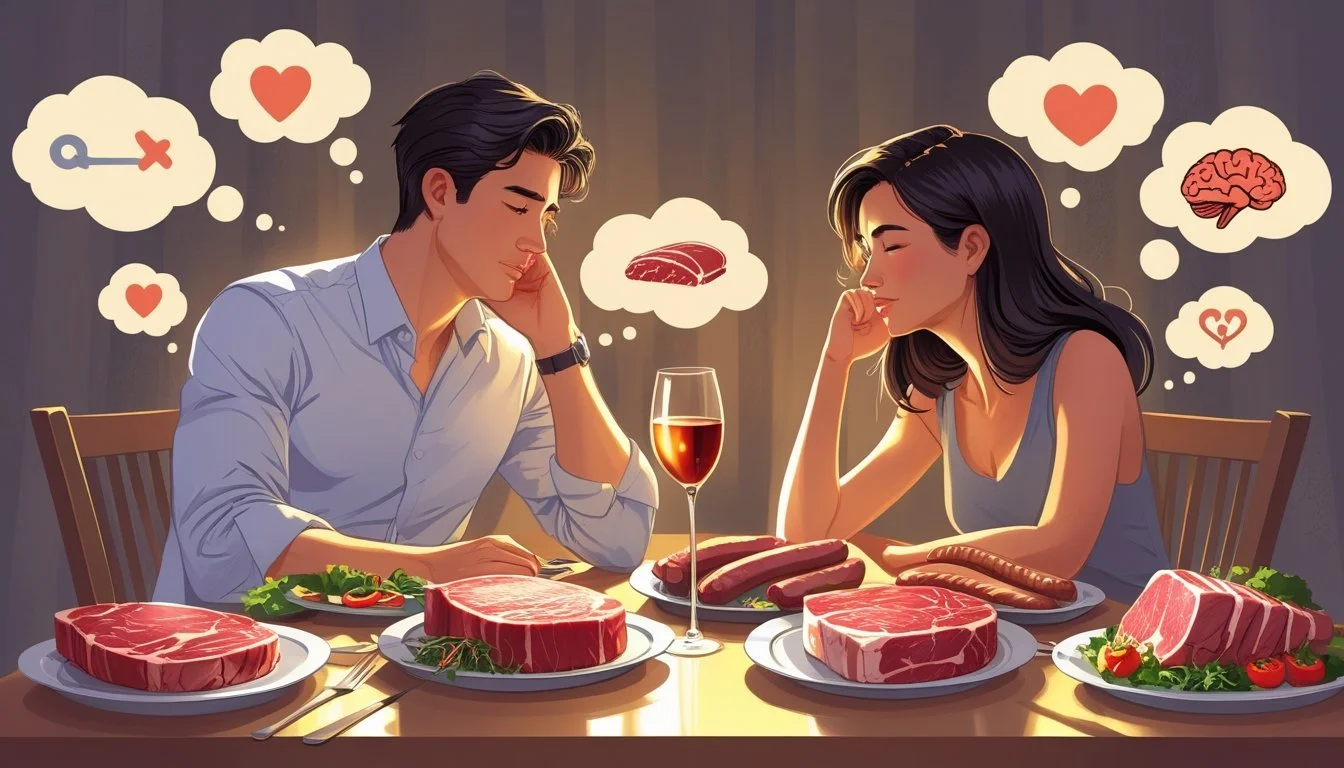
Dietary choices like meat-only diets can influence both mindset and emotional health in intimate relationships. Changes in daily nutrition may affect both mental sharpness and emotional stability, especially as couples navigate shared eating habits.
Mental Clarity and Cognitive Performance
A meat-only approach often involves high protein and fat intake, with minimal carbohydrates. This nutritional profile may lead to more stable energy levels for some people, potentially reducing the mental "fog" sometimes linked to blood sugar swings.
Proteins and fats are sources of key nutrients, such as B vitamins, iron, and omega-3 fatty acids, which play roles in neurotransmitter function and brain health. Some individuals report increased focus and sustained attention on meat-centric diets, possibly due to consistent levels of certain amino acids like tyrosine, related to alertness.
However, experiences can vary. Possible drawbacks for others include irritability or reduced memory, especially if micronutrient balance is off or if the absence of plant foods leads to nutritional gaps.
Nutrient Role in Mental Function Found In Iron Oxygen transport, focus Red meat B vitamins Energy, mood regulation Beef, pork, organ meats Omega-3s Brain structure, signaling Fatty fish, some red meats
Blood Sugar Regulation and Mood
Eliminating most carbohydrate-rich foods can reduce rapid fluctuations in blood glucose. This may contribute to a more consistent mood and fewer energy crashes, which some couples find beneficial in reducing arguments or misunderstandings linked to irritability.
Sustained blood sugar levels can lower the risk of hypoglycemic episodes, which are sometimes associated with anxiety and mood swings. For people sensitive to blood sugar shifts, less variability may mean better emotional regulation during stressful moments.
On the other hand, some individuals may experience low mood or fatigue, particularly if their bodies struggle to adapt to lower carbohydrate intake. This adaptation phase can lead to temporary emotional ups and downs, which may require patience and support within romantic relationships.
Key considerations for mood support:
Regular meal timing to avoid low energy
Including nutrient-dense organ meats
Monitoring for micronutrient deficiencies such as magnesium, which can impact mood
Social Dynamics and Dating Challenges

Adopting a meat-only dating lifestyle can influence how individuals form connections and navigate potential conflicts. Preferences for diet are not just private choices—they often shape communication, social gatherings, and long-term compatibility between partners.
Navigating Social Interactions
Meat-only daters may find themselves facing challenges at social events, where plant-based foods are popular or expected. This can include work functions, parties, or family gatherings, especially in urban settings with diverse dietary preferences.
Social pressure can arise when refusing plant-based options such as veggie platters, grain bowls, or vegan desserts. Such choices may lead to questions or assumptions from others. Some might perceive the diet as restrictive or inflexible, affecting group dynamics.
Meat-oriented eating habits can also impact conversations, especially if plant-based diets are discussed for environmental or ethical reasons. In some cases, individuals might feel isolated or compelled to explain their choices. These interactions may require strong communication skills and a clear understanding of personal boundaries.
Conflicts with Plant-Based or Vegan Partners
When a meat-only dater becomes involved with someone following a plant-based diet or veganism, differences often extend beyond food. Meal planning, grocery shopping, and dining out can become complex.
Points of conflict may include:
Deciding on restaurants that cater to both diets
Managing kitchen spaces to avoid cross-contamination
Addressing values related to animal welfare and sustainability
Some couples establish clear boundaries, such as preparing separate meals or designating certain kitchen tools for specific foods. Communication is crucial to avoid misunderstandings and resentment.
Open discussions around dietary choices and mutual respect help couples navigate these differences. The success of such relationships frequently depends on flexibility and the willingness to accommodate each other’s needs without judgment.
Long-Term Health Risks and Considerations
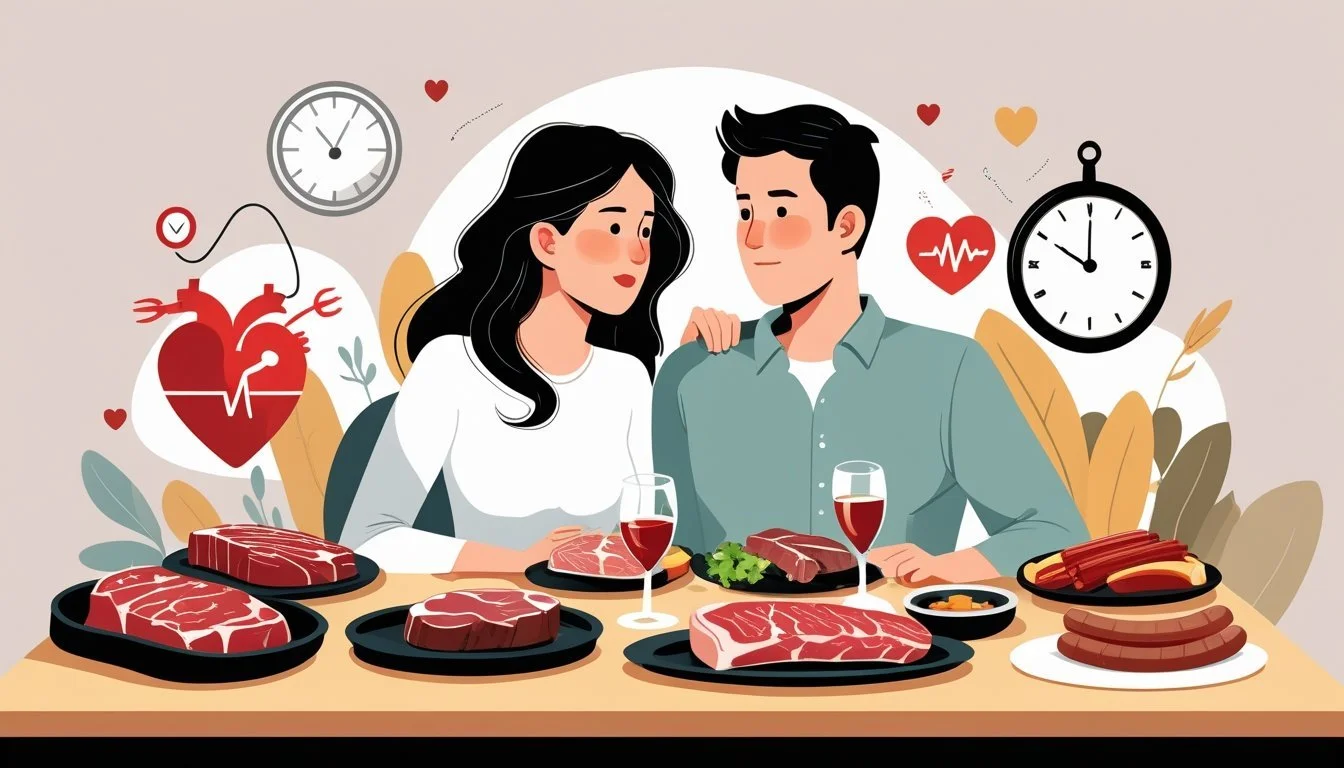
Research highlights potential long-term health risks for individuals consuming a meat-only diet. Primary concerns include increased risks related to certain cancers, blood pressure, cardiovascular function, and metabolic health.
Cancer and Colorectal Cancer
Consuming large amounts of red and processed meats has been linked to elevated cancer risk, especially colorectal cancer. Studies indicate that heme iron, nitrates, and compounds produced during high-temperature cooking can damage the colon lining over time. The World Health Organization lists processed meat as a Group 1 carcinogen for colorectal cancer.
Individuals on strict meat-only diets may have limited intake of fiber and protective plant compounds. Lack of dietary fiber is particularly relevant, as it can reduce beneficial gut bacteria and increase inflammation, both factors in colorectal cancer development. Evidence also suggests that reducing plant food variety may limit essential micronutrients needed for cell protection.
Risk Factor Associated Cancer Key Mechanism Involved Red/processed meat Colorectal Heme iron, nitrates, cooking byproducts Lack of fiber Colorectal Reduced gut health, inflammation
Hypertension and Cardiovascular Implications
A diet consisting almost exclusively of animal products can include high levels of saturated fats and cholesterol. Elevated dietary cholesterol and excessive sodium from processed meats may contribute to increased blood pressure.
Research ties long-term consumption of red and processed meats to higher rates of hypertension and cardiovascular disease. These conditions are risk factors for stroke, heart attack, and heart failure. The absence of potassium-rich fruits and vegetables also impacts blood pressure regulation.
People on meat-only diets may also experience changes in blood lipids, such as raised LDL ("bad") cholesterol. These shifts can accelerate atherosclerosis and further increase cardiovascular risk, especially in those with other risk factors such as obesity or family history.
Diabetes Risk
Eating exclusively meat can affect insulin sensitivity and glucose metabolism. Diets high in processed meat have been associated with an increased risk of type 2 diabetes, largely due to saturated fat content and, in the case of processed meats, additives like nitrites.
A lack of dietary fiber and plant-based nutrients may also contribute, as fiber helps moderate glucose absorption and supports insulin efficiency. Without this, individuals may notice higher post-meal blood glucose levels over time.
Meat-focused diets can limit the intake of nutrients that help regulate blood sugar, including magnesium and antioxidants found in plant foods. While some people report short-term metabolic changes on a meat-only diet, most studies show a long-term trend toward increased risk for diabetes, especially when processed meat is consumed regularly.
Lifestyle Compatibility and Ethical Perspectives
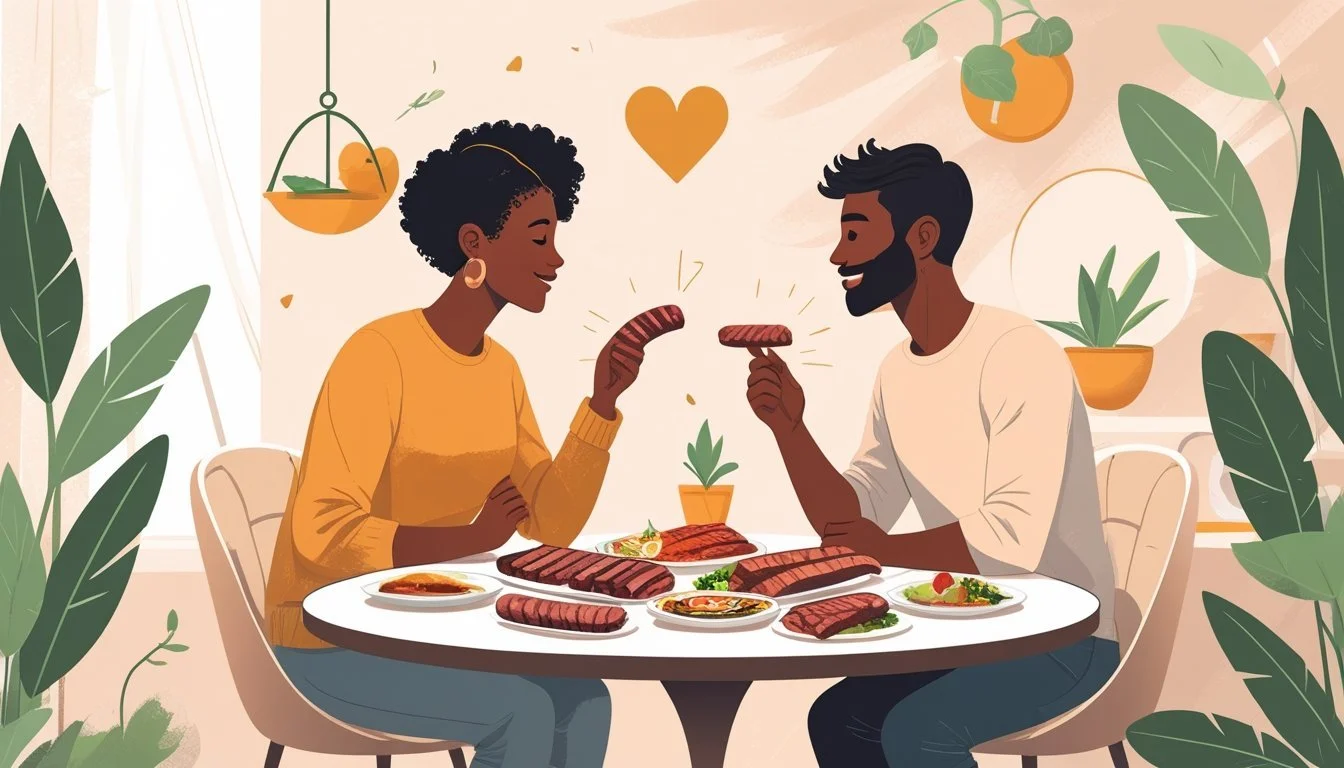
Dietary choices like meat-only eating influence not just daily habits, but also major relationship dynamics. Differences in values related to food can impact compatibility, animal welfare concerns, and attitudes toward environmental issues.
Alignment of Values in Relationships
Shared dietary practices can simplify daily routines such as meal planning, grocery shopping, and social events. A meat-only eater often values tradition, simplicity, or specific health perspectives, while a partner with different eating habits might prioritize health or ethical diversity. This difference can shape joint activities and social networks.
Disagreements over food may extend to broader values, affecting decision-making, mutual respect, and long-term compatibility. Couples finding agreement on lifestyle priorities—like routines, favorite restaurants, or nutritional beliefs—tend to experience fewer conflicts related to daily living. Open communication and a willingness to compromise become necessary where preferences diverge.
Relationships involving meat-only diets contrast most visibly with vegan or vegetarian preferences. For some, this difference is manageable; for others, it becomes a source of tension, especially when food is central to social or family gatherings.
Animal Welfare and Environmental Impact
Meat-centric diets are often scrutinized for their effects on animal welfare and environmental sustainability. Some individuals feel strongly about the ethics of animal treatment in the meat industry, which can cause conflict in relationships with those who prioritize meat consumption above other dietary concerns.
Environmental impacts such as greenhouse gas emissions are greater with large-scale meat production compared to plant-based diets. For couples with differing views on sustainability or climate change, this can lead to disagreements about grocery choices and broader life decisions.
Discussing animal welfare and environmental priorities openly helps partners understand the values guiding each other’s choices. Some couples negotiate these differences by balancing personal ethics with shared habits, such as choosing ethically sourced products or limiting certain types of meat.
Comparing Meat-Only Dating With Other Dietary Lifestyles
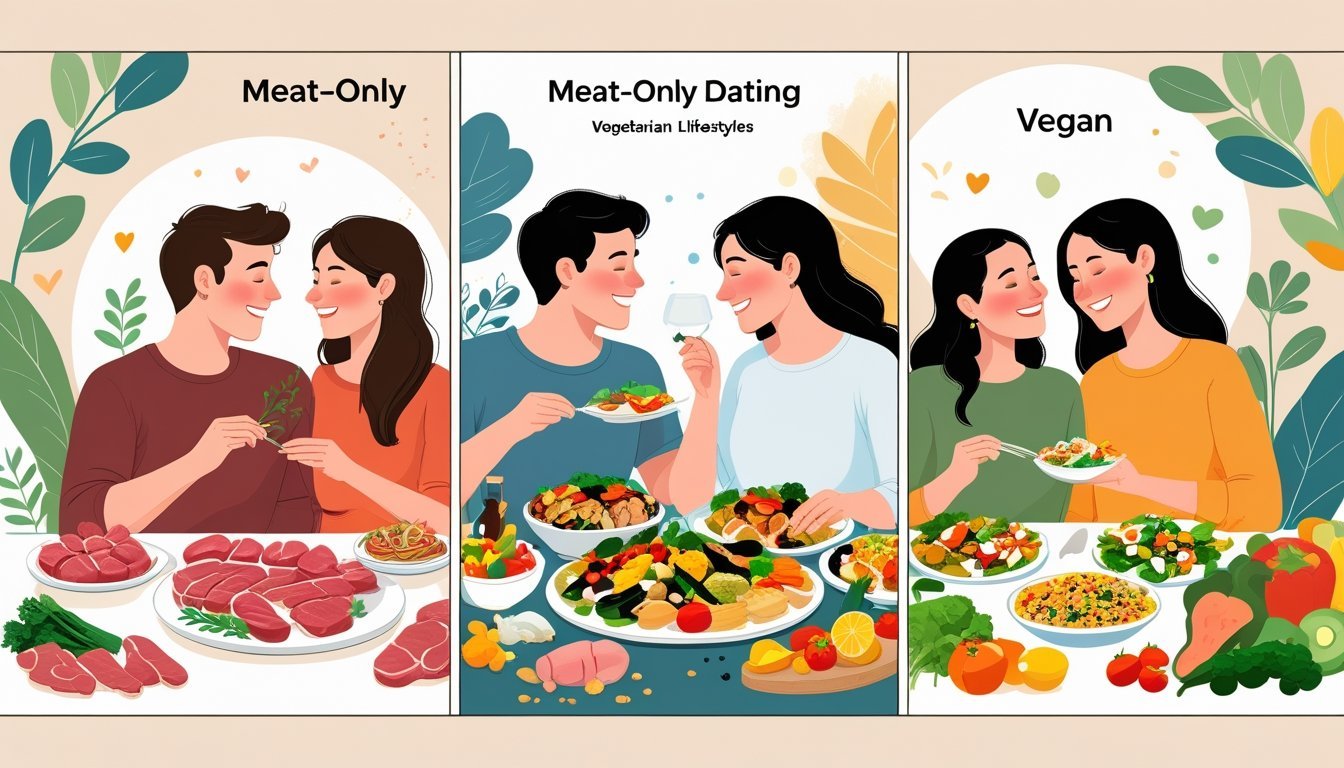
Those pursuing a carnivore diet may encounter social and health differences compared to those following plant-based or mixed approaches. Dietary patterns influence daily habits, nutrient intake, and even relationship compatibility.
Carnivore Diet Versus Plant-Based Approaches
The carnivore diet allows only animal-based foods such as meat, fish, eggs, and some dairy. Vegan and plant-based diets exclude all animal products, emphasizing fruits, vegetables, legumes, and grains. This core difference impacts meal planning, eating out, and social occasions.
Partners with opposite dietary choices may face challenges finding shared meals. For example, data shows that 30% of meat eaters would not date a vegetarian, citing compatibility concerns and lifestyle differences. Plant-based diets, often linked to environmental and ethical considerations, can clash with the strict animal-focus of carnivorous eating. Navigating these differences may require regular compromise.
Fiber, Micronutrients, and Dietary Balance
Meat-only diets exclude plant-based foods, eliminating nearly all dietary fiber. Fiber is essential for healthy digestion, cholesterol management, and gut microbiota diversity. Key micronutrients, such as vitamin C and certain phytonutrients, are also significantly lower or absent in a carnivore diet.
Plant-based diets naturally offer more fiber, potassium, magnesium, and many antioxidants. Carnivore eaters must rely solely on animal-sourced nutrients, leading to potential deficiencies if not carefully managed. This fundamental contrast can become a source of tension in relationships, especially if one partner experiences perceived or actual health effects.
Nutrient Carnivore Diet Plant-Based Diet Fiber Lacking Abundant Vitamin C Low/Absent High Iron Heme (easily absorbed) Non-heme (less absorbed) Vitamin B12 High Supplementation needed
Ketosis and Metabolic Differences
A strict carnivore diet is often very low in carbohydrates, pushing the body toward ketosis. In ketosis, the body breaks down fat for fuel and produces ketones. Some report improved mental clarity or energy, while others experience fatigue or digestive issues.
Plant-based and mixed diets typically provide more carbohydrates, promoting a different metabolic state focused on glucose as an energy source. These differences affect energy levels, exercise tolerance, and even mood. For couples with opposing diets, daily routines, preferred activities, and meal timing may need adjustment to accommodate varying needs. This can subtly influence compatibility and satisfaction in shared life.

