
How to Make Raw Carnivore Palatable and Safe
Practical Tips for Enjoyable and Secure Eating
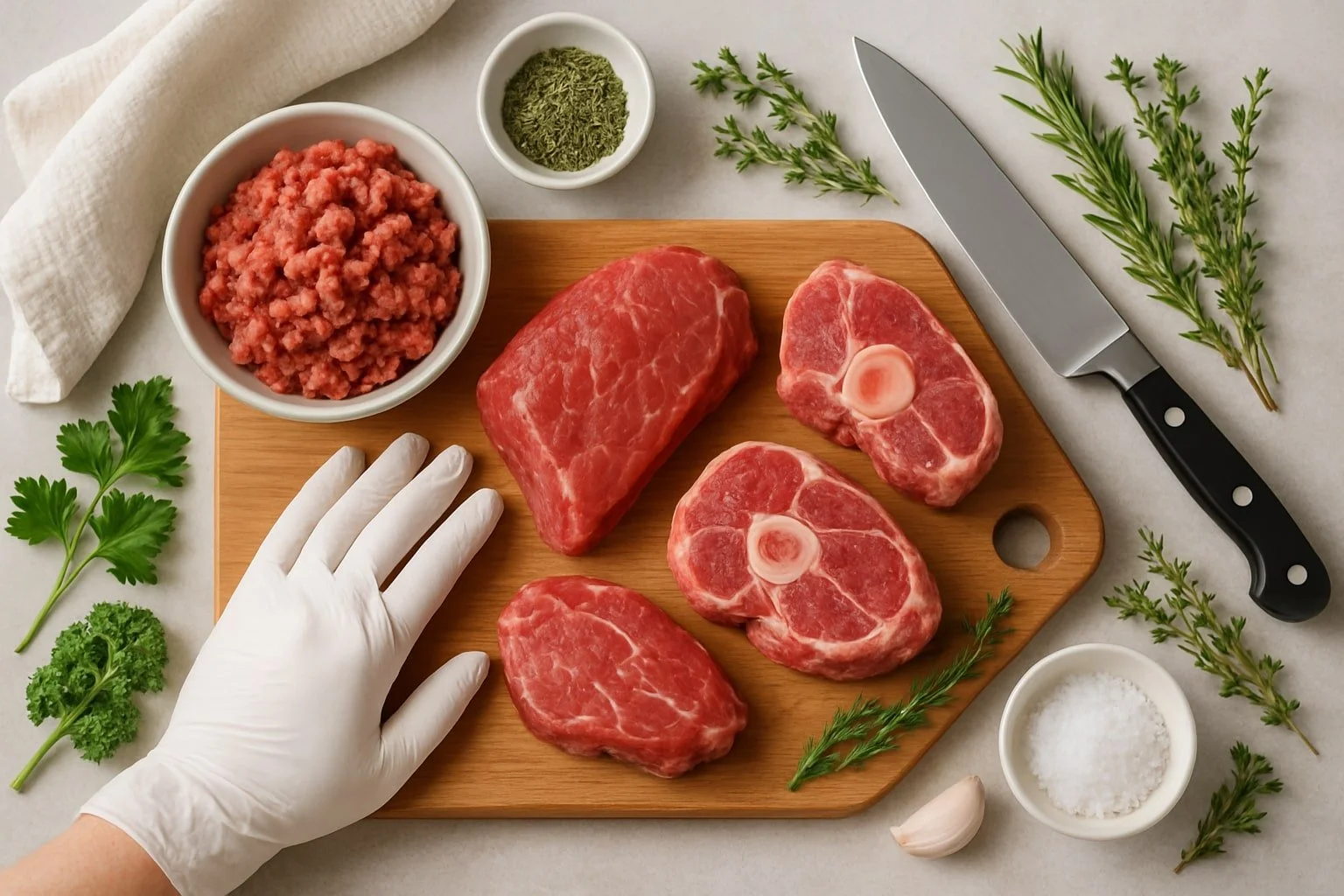
Adopting a raw carnivore approach means eating raw animal products such as beef, seafood, and dairy. Many are drawn to the raw meat carnivore diet for its simplicity and potential nutritional benefits, but concerns about taste and safety often arise. To make the raw carnivore diet both palatable and safe, it is crucial to focus on sourcing quality meat, practicing strict food safety, and learning how to select raw animal products that taste good and minimize risk.
Proper storage at or below 40°F (4°C), immediate consumption after thawing, and separating different types of meat help reduce the risk of foodborne illness. Preparing meals from reputable butchers and prioritizing freshness enhances both flavor and safety. These steps can help make the experience with raw carnivore approachable and more enjoyable for anyone curious about this eating style.
Understanding the Raw Carnivore Diet
The raw carnivore diet focuses on eating animal-based foods without cooking, emphasizing nutrient density and minimal processing. Selection of food types and comparison with cooked carnivore eating patterns help clarify nutritional choices and safety considerations.
What Is the Raw Carnivore Diet
The raw carnivore diet is a strict approach to animal-based eating where foods are consumed without heat processing. Participants typically avoid plant foods altogether, focusing solely on animal products in their natural state.
Most adherents consume a variety of raw meats, with emphasis on ruminant meat such as beef, lamb, and bison. Some include organ meats for additional nutrients. Raw eggs, fish, and shellfish are also common, but require careful sourcing due to higher food safety risks.
Proponents claim that raw meat may retain more bioavailable nutrients compared to cooked, but this approach requires strong attention to freshness and food safety to reduce the risk of foodborne illness. The diet is occasionally extended to include certain dairy products, such as raw cheese.
Common Foods Eaten
The raw carnivore diet typically features a selection of uncooked animal foods. Below is a list of commonly included items:
Red Meat: Raw beef (including steaks, ground beef, and organ meats), lamb, and bison are staples, prized for protein, iron, and B vitamins.
Organ Meat: Liver, heart, kidney, and marrow provide micronutrients like vitamin A, zinc, and copper.
Fish and Shellfish: Salmon, tuna, oysters, and other seafood offer omega-3 fats and minerals. Sourcing is critical due to parasite risk.
Eggs: Some consume raw eggs for protein and choline but should use pasteurized or trusted sources to minimize salmonella risk.
Dairy: Fermented raw dairy like cheese and kefir is sometimes included, but true strict carnivores may avoid dairy.
Certain meats, especially raw chicken, are generally avoided due to high bacterial contamination rates. Quality sourcing, storage below 40°F (4°C), and separating different meats are essential for safety.
Comparison With Cooked Carnivore Approach
The main distinction between raw and cooked carnivore eating lies in preparation method and safety profile. Cooked carnivore diets include the same animal foods but rely on cooking to reduce pathogens and improve digestibility in some cases.
Cooking meat—especially ground beef, poultry, and fish—kills most harmful bacteria and parasites. This makes cooked carnivore generally lower risk for foodborne illness and more socially acceptable. Cooked meats may lose trace amounts of heat-sensitive nutrients, but the nutritional difference is often minor compared to safety gains.
The raw approach appeals to those seeking maximum nutrient retention and natural eating, but it demands strict standards for food handling, freshness, and a higher tolerance for potential risk. Choosing between the two often comes down to preferences regarding taste, texture, cultural habits, and risk management.
Nutritional Benefits of Raw Carnivore Foods

Raw carnivore foods are prized for their concentration of nutrients and the preservation of key vitamins that can diminish during cooking. Consuming a variety of animal products in their raw state offers both macronutrients and essential micronutrients critical for optimal health.
Nutrient Density in Raw Animal Products
Raw animal products such as beef, liver, and seafood provide large amounts of nutrients per gram compared to many cooked or processed alternatives. These foods deliver bioavailable protein, healthy fats (including omega-3 fatty acids), and a range of minerals necessary for energy, structure, and function.
Raw red meats are rich in heme iron, which is absorbed more efficiently by the body than plant-based forms. Organ meats, especially liver, are notably high in vitamin A, vitamin B12, and copper. Raw eggs provide complete amino acids and are a source of selenium and riboflavin. Wild-caught fish and seafood are packed with EPA and DHA omega-3s, promoting brain and heart health.
A summary of nutrient-dense raw foods and their main nutrients:
Food Major Nutrients Beef Liver Vitamin A, B12, riboflavin, copper Raw Oysters Zinc, selenium, omega-3 fatty acids Raw Eggs Protein, B vitamins, selenium Raw Red Meat Protein, iron, zinc, niacin Raw Salmon Omega-3 fatty acids, vitamin B12
Essential Micronutrients and Vitamins
Raw carnivore foods are exceptional sources of essential micronutrients, notably vitamin B12, iron, zinc, and other B vitamins such as niacin and folate. These nutrients play roles in oxygen transport, immune support, energy production, and neurological function.
Vitamin B12 is only found in animal products and is critical for nerve function and DNA synthesis. Raw meats, particularly organ meats, provide more B12 than cooked counterparts because heat can degrade some vitamins. Riboflavin and niacin are also more abundant in fresh animal foods.
Raw seafood and animal fats supply vitamin A and essential omega-3 fatty acids. Folate, selenium, and lesser-known trace minerals like copper and zinc are found in significant amounts, especially in organ meats and shellfish. This combination of vitamins and minerals helps individuals using a raw carnivore approach prevent nutritional deficiencies.
Food Safety Principles for Raw Carnivore Eating
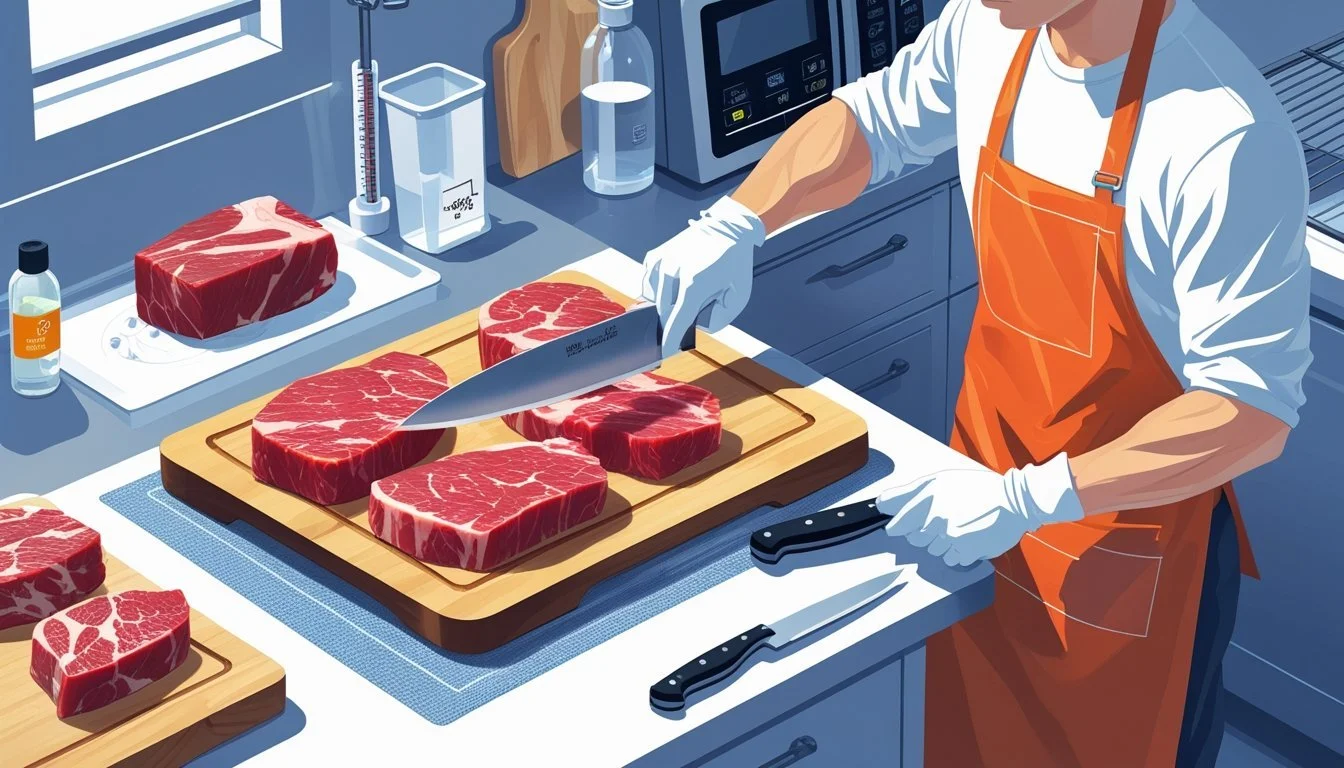
Raw carnivore diets require careful attention to food safety due to the increased risk of foodborne illness. Choosing the right meat and handling it properly can greatly reduce risks from pathogens such as Salmonella, E. coli, and parasites.
Minimizing Risk of Foodborne Illness
To reduce the chance of foodborne illnesses, strict hygiene and handling practices are essential. People should use clean utensils, cutting boards, and hands at all times when preparing raw meat. Surfaces that come in contact with raw meat should be disinfected immediately after use.
Key Points for Safety:
Store raw meat at or below 40°F (4°C) in a refrigerator.
Avoid cross-contamination by using separate tools for raw and cooked foods.
Consume meat soon after purchase or freeze it if not used within two days.
Blanching or freezing meat for several days can help reduce levels of certain parasites.
Risk factors for food poisoning are highest in meats that have been left at room temperature or exposed to unclean surfaces. High-risk groups, such as pregnant individuals, children, older adults, or those with weakened immune systems, should avoid raw meat due to the danger of severe illness.
Recognizing Fresh Meat and Proper Sourcing
Selecting high-quality, fresh meat is one of the most practical ways to minimize food safety risks. Fresh meat should be firm, moist but not sticky, and have a mild, clean smell. Any sour, rancid, or off odors are signs that the meat is unsafe to eat.
What to Look for:
Attribute Fresh Meat Unsafe Meat Color Red or pink Grey or brown Texture Firm and elastic Slimy or sticky Smell Mild, neutral Sour, strong, or rancid
Always purchase meat from reputable butchers or stores that maintain strict temperature control and sanitation. Grass-fed or pasture-raised options may offer higher quality and better traceability. Checking packaging dates and inspecting meat before purchase is important. If in doubt, discard meat rather than risk foodborne illness.
Safe Food Handling and Preparation Techniques
Ensuring meat is handled correctly greatly reduces the risk of foodborne illness. Proper methods include keeping equipment sanitized, storing meat at safe temperatures, and taking extra care with delicate cuts such as organ meats and fish.
Reducing Cross-Contamination
Cross-contamination happens when raw juices or bacteria from one food transfer to another, often through hands, utensils, or surfaces. Always wash hands thoroughly with soap and warm water before and after handling raw beef, beef heart, chicken liver, or any other organ meats. Disinfect cutting boards, knives, and work areas using hot, soapy water between each task.
Use separate utensils and cutting boards for raw and ready-to-eat foods. Color-coded boards or containers can help prevent confusion. Keep raw proteins away from cooked or prepared items, and never reuse marinades or packaging materials that touched raw meat. Wipe spills immediately with a clean towel or disposable paper towel.
Correct Freezing and Storage Methods
Freezing is an effective way to reduce bacterial growth and extend the shelf life of raw meats and organs. Store beef, organ meats, and chicken liver in airtight, leak-proof containers or heavy-duty freezer bags. Label packages with the date and type of meat for easy tracking.
To minimize freezer burn, remove as much air as possible using a vacuum sealer when possible. Keep the freezer at or below 0°F (-18°C). Follow these maximum storage times for best quality:
Meat Type Max Freezer Time Beef/Steaks 12 months Organ meats (liver, heart) 3–6 months Chicken liver 3–4 months
Raw meat should be thawed in the refrigerator, never at room temperature. Use thawed organs and delicate cuts within 1–2 days.
Handling Organs and Delicate Meats
Organ meats such as beef heart and liver, as well as chicken liver, are more fragile and can spoil faster than muscle meats. Work quickly and always keep these cuts cold until use. Wear disposable gloves if possible for an extra level of hygiene, especially when handling slippery cuts.
Trim off any damaged spots or discoloration before serving. Rinse organs lightly under cold water and pat them dry with a clean towel to remove excess blood or tissue. Avoid lengthy exposure to air, as it increases spoilage risks. Store organ meats in shallow containers to cool them rapidly and prevent bacterial growth.
Take extra caution when preparing mixed platters or storing multiple types of raw meat. Keep each type separate to avoid flavor transfer and cross-contamination.
How to Make Raw Carnivore Foods More Palatable
Raw carnivore meals can be made more enjoyable by focusing on taste, texture, and smart ingredient selection. The right preparation techniques and thoughtful pairing of animal foods help improve both flavor and eating experience.
Improving Taste and Texture
Texture often determines how palatable raw meat feels. Slicing meats thinly, dicing, or lightly pounding cuts can make them softer and easier to chew.
Fatty cuts offer a richer mouthfeel and mellow out intense flavors. Adding soft, high-fat items like raw beef marrow or creamy cheeses can balance leaner meats.
Chilling raw foods before serving reduces any “gamey” taste and improves texture. Slightly warming or letting raw meat come closer to room temperature can also enhance flavor.
Some prefer using animal-based ferments, such as raw, aged cheese or plain kefir, for dipping or as sides. These provide subtle tang without straying from carnivore guidelines.
Flavorful Cuts and Combinations
Selecting the right cuts is critical. Tenderloin, ribeye, and sirloin are prized for their mild, buttery flavors and soft texture when served raw.
Organ meats like liver and heart can be thinly sliced and paired with egg yolks or fatty cheeses for richer, balanced bites.
Combining different proteins, such as raw beef with raw egg yolk or fresh cheese, adds variety and nutrients. Mixing fish with egg yolk or creamy dairy like kefir can mellow stronger notes.
Minced preparations make tougher cuts, such as round or brisket, more palatable. Pairing meats with cheeses or eggs increases creaminess and softens the flavor profile without plant-based ingredients.
Cut Texture Best Pairings Ribeye Buttery Raw cheese, egg yolk Sirloin Tender Kefir, marrow Liver Soft, dense Raw egg, cheese
Health Considerations and Risks with Raw Animal Foods
Eating raw animal foods can increase exposure to bacteria and foodborne illnesses. This approach may also affect digestive function, mood, and chronic health conditions in ways that differ from eating cooked meats.
Digestive Concerns and Gut Health
Raw animal foods, including meat, dairy, and eggs, can contain bacteria such as E. coli, Salmonella, and Listeria. Consuming these products raw increases the risk of digestive problems like diarrhea, food poisoning, or leaky gut syndrome.
Symptoms such as abdominal pain, bloating, and changes in stool may appear after eating contaminated raw foods. Those with weakened immune systems or preexisting gut issues are more likely to experience severe outcomes.
Some advocates suggest raw animal products support gut health by preserving beneficial enzymes and probiotics that may be destroyed by cooking. However, scientific evidence supporting these claims remains limited. The risks of harmful bacteria usually outweigh these unproven benefits.
Potential Impact on Chronic Conditions
For individuals with diabetes, eating raw meat can impact blood sugar control due to variations in nutrient absorption and risk of infection. Foodborne illness can cause vomiting or diarrhea, complicating diabetes management.
There is little evidence that a raw animal foods diet improves anxiety or depression, despite anecdotal claims. In some cases, nutritional deficiencies or disruptions in gut health from infection may worsen mental health symptoms.
Individuals with autoimmune disorders or chronic digestive conditions face higher risks when consuming raw animal products. They may be more vulnerable to severe infections and gastrointestinal complications, making careful risk assessment essential before starting this dietary approach.
Comparing Safety of Cooking Methods
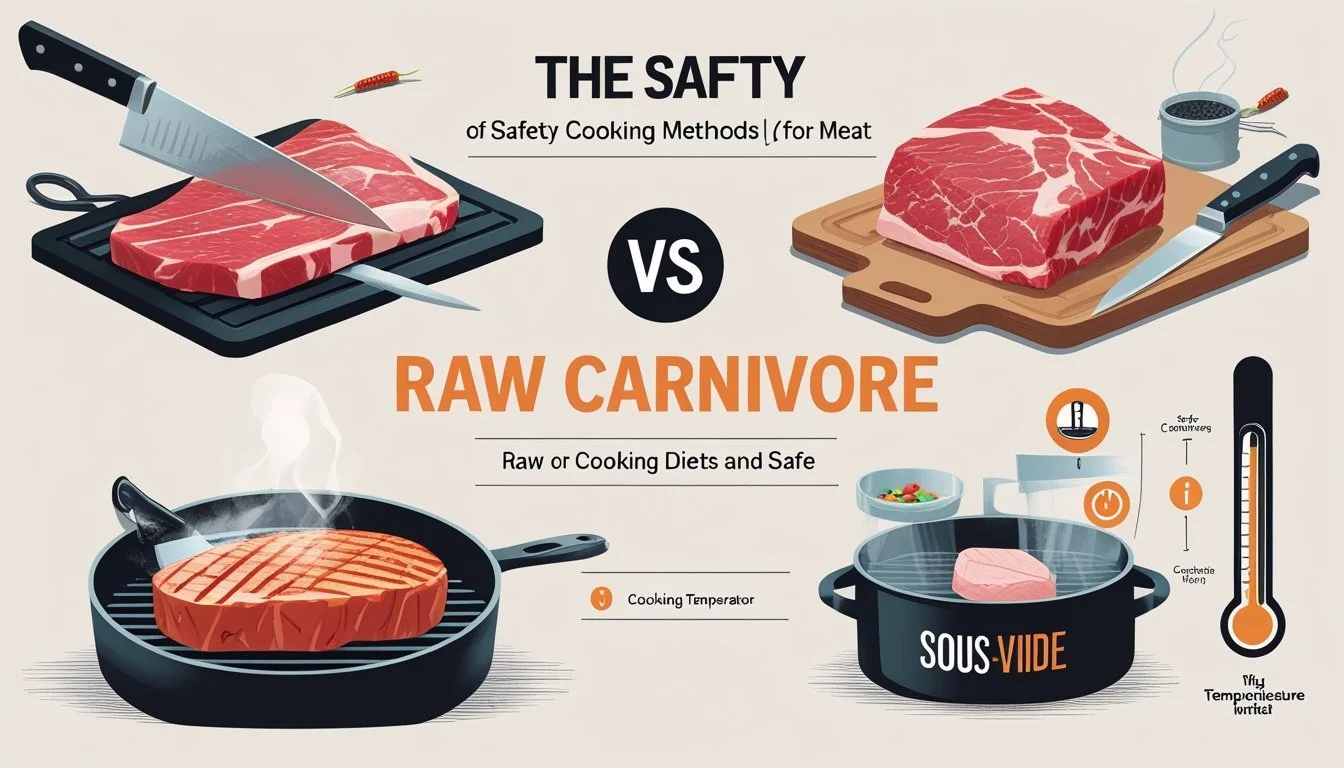
Different cooking methods impact both nutrient content and food safety. Choosing how to prepare meat can change the risks of pathogens, as well as influence exposure to potentially harmful compounds formed during cooking.
Cooked Versus Raw: Nutrient Retention and Risks
Cooking meat is effective at destroying harmful bacteria, such as Salmonella and E. coli. Methods like roasting, boiling, and grilling, when done at recommended internal temperatures (at least 145–165°F or 63–74°C depending on the meat), reduce the likelihood of foodborne illness.
However, some nutrients are lost or degraded at high heat. Heat-sensitive vitamins like B1 (thiamine) and vitamin C decrease with prolonged cooking. Cooking can also lower some amino acid availability but often increases the digestibility of protein and fat.
Raw meat may retain more of certain vitamins, but eating it carries a higher risk for bacterial and parasitic contamination. Freezing meat before consumption can reduce some, but not all, parasitic risks. Accessing fresh, high-quality meat and practicing strict hygiene remain critical.
Method Pathogen Risk Nutrient Loss Palatability Raw High Low Variable Cooked Low Moderate High
Understanding Carcinogens From Cooking
Cooking meat at high temperatures can create harmful compounds. Polycyclic aromatic hydrocarbons (PAHs) and heterocyclic amines (HCAs) form especially during grilling, pan-frying, and barbecuing, particularly when meat is charred or well-done.
HCAs develop when creatine in muscle meats reacts with amino acids and sugars under high heat. PAHs are present in smoke and can deposit on cooked meat, especially with open flames or dripping fat.
To limit these compounds, avoid charring, use lower heat methods like baking or poaching, and trim off burnt portions. Marinating meat and flipping it frequently on the grill may also help decrease HCA and PAH formation.
Eating a mixed approach—using safe cooking temperatures and careful cooking methods—allows for a balance between safety, nutrition, and taste.
Selecting the Best Meats and Animal Products
Sourcing meats for a raw carnivore diet centers on freshness, nutritional density, and safety. Selecting the right animal products has a major impact on digestibility, taste, and the overall nutrient content of the diet.
Choosing Quality Sources
High-quality meat should always be the top priority. Cuts from ruminant animals like beef, lamb, and bison are widely recommended due to their nutrient profile and fat content. Fatty cuts such as ribeye, NY strip, and 80/20 ground beef provide both flavor and energy.
When it comes to raw fish and shellfish, freshness is critical. Choose sashimi-grade options when possible, and source from reputable suppliers. For eggs and dairy, look for options labeled as pasture-raised or organic to reduce the risk of contaminants.
A simple checklist for picking quality raw animal products:
Product What to Look For Beef/Lamb Bright color, minimal odor, marbling Fish Clear eyes, firm flesh, no off smell Shellfish Closed shells (alive), clean scent Eggs Clean, uncracked shells, recent date Dairy Raw, full-fat, unpasteurized
Benefits of Grass-Fed and Pasture-Raised Options
Grass-fed and pasture-raised meats offer a better balance of omega-3 to omega-6 fats. Grass-fed beef and lamb typically contain higher vitamin A and E levels, which contribute to both health and flavor.
Pasture-raised eggs have bright orange yolks rich in antioxidants and healthy fats. Dairy from grass-fed animals tends to be creamier and has a more diverse fatty acid profile. These qualities are particularly valued when consuming these foods raw.
Fish and shellfish sourced from wild environments may have fewer contaminants and a broader spectrum of micronutrients. Choosing these options helps maximize nutrient intake while minimizing potential health risks.
Prioritizing these types of animal products supports the nutritional goals of the raw carnivore approach and enhances eating enjoyment.
Optimizing for Health and Wellness on a Raw Carnivore Diet
Focusing on important variables like muscle preservation, energy management, and proper micronutrient levels is crucial for anyone consuming only raw animal products. Careful food selection, variety, and preparation practices play a central role in supporting well-being.
Building Lean Muscle and Supporting Energy
Adequate protein intake is essential for maintaining and building lean muscle mass. Raw carnivore eaters should prioritize nutrient-dense cuts of red meat such as beef, bison, and lamb, which naturally supply high quality protein and amino acids.
Including raw organ meats like liver and heart aids muscle development due to their dense content of iron, B vitamins, and coenzyme Q10. The iron and B vitamins, particularly B12, directly support energy metabolism and help prevent fatigue.
Fats are fundamental not just for energy levels but also for making the diet sustainable. Balancing protein with fats from sources like suet, marrow, or fattier cuts helps meet caloric needs and supports satiety. Variety in animal sources, including seafood and raw egg yolks, can fill additional nutrient gaps vital to muscle and energy support.
Balancing Electrolytes and Micronutrients
Electrolyte imbalance is a common concern for raw carnivore practitioners, as the lack of plant foods reduces sources of potassium and magnesium. Sodium is also lost through increased urine output, especially during the initial stages.
Maintaining electrolyte balance requires intentional inclusion of foods rich in these minerals. Raw seafood and shellfish can contribute magnesium, while blood and certain organ meats offer potassium. Adding unrefined sea salt supports sodium intake. A sample table of animal-based electrolyte sources:
Mineral Animal Source Sodium Sea salt, blood Potassium Heart, blood, fish Magnesium Shellfish, fish
Micronutrients like Vitamin A, D, K2, and zinc are best obtained by regularly consuming liver, egg yolks, bone marrow, and fatty fish. Rotating these foods ensures coverage of both major and trace nutrients needed for health benefits on a raw animal foods diet.

