
Using Only Salt: Unlocking Depth in Carnivore Cooking Techniques and Flavor
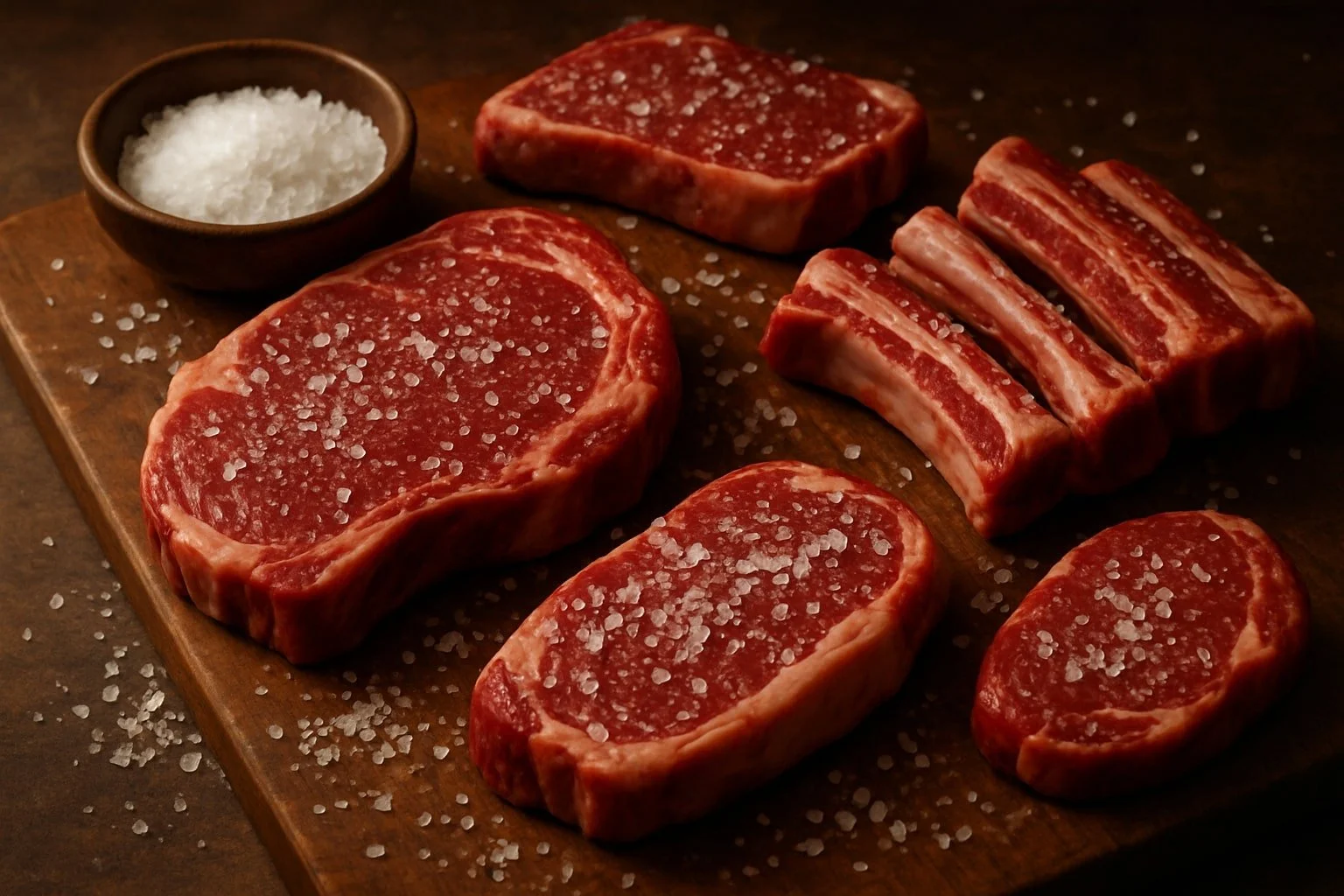
Salt alone can unlock surprising depth and richness in carnivore cooking, enhancing the natural flavor of meat without overshadowing its character. Many who follow a carnivore diet find that using just salt not only simplifies the cooking process but also brings out subtle differences in various cuts and preparations. The right salt, used with attention to timing and method, turns even the simplest dish into a satisfying meal.
Relying on salt encourages cooks to appreciate the nuance of different meats, whether seared, slow-cooked, or grilled. The minimal approach makes seasoning accessible, while also aligning with the strict principles of the carnivore lifestyle. Readers seeking practical guidance will discover how mastering this single ingredient can elevate everyday carnivore dishes.
The Role of Salt in Carnivore Cooking
Salt plays a central role in preparing meat by both enhancing natural flavor and supporting essential bodily functions. When used as the sole seasoning for animal products, it underscores the depth and complexity achievable without introducing non-carnivore ingredients.
Why Salt Is Essential for Cooking Meat
Salt is critical for extracting moisture from the surface of meat, enabling effective browning and crust development during cooking. This fundamental process, known as the Maillard reaction, gives meat its characteristic aroma and flavor.
In a carnivore diet, where most seasoning is excluded, salt also serves as a vital source of sodium and other electrolytes. Proper sodium intake supports hydration, nerve function, and muscle health—important for those eating only animal foods.
Unlike other seasonings, salt penetrates deep into meat fibers. This not only seasons the exterior but allows for consistent flavor throughout each bite. Because the carnivore diet excludes plant-based seasonings, salt steps in as both a flavor tool and a nutritional necessity.
How Salt Enhances the Natural Flavor of Animal Products
Salt acts by amplifying the inherent flavors of animal products rather than masking them. It suppresses bitterness, balances sweetness or fattiness, and brings out the unique taste profiles in beef, pork, lamb, and poultry.
Small adjustments in salt quantity can highlight subtle differences between types of meat. For example:
Meat Type Salt Effect Beef Intensifies umami and richness Pork Balances sweetness from fat Poultry Brings out delicate savory notes Lamb Subdues gaminess, boosts flavor
Salt’s natural synergy with animal fats enhances juiciness and mouthfeel. Even a simple sprinkle transforms a plain cut into a dish with complexity and depth.
Salt Versus Other Seasonings: A Carnivore Perspective
On a strict carnivore diet, herb and spice seasonings are typically omitted, leaving salt as the only approved addition. This aligns with the diet’s goal of eliminating plant-based compounds that may irritate some individuals or complicate dietary simplicity.
Salt is not just a restriction but a deliberate choice. It proves that meat seasoning need not rely on a blend of herbs or spices for flavor enhancement. Instead, careful salting can yield tender, flavorful meals with no need for additional seasoning.
The focus on salt supports digestion and electrolyte balance without overshadowing the taste of quality animal products. For many, this approach leads to cleaner flavors and a deeper appreciation for the natural character of properly cooked meat.
Choosing the Best Types of Salt
Selecting the right salt directly impacts flavor, texture, and mineral content in carnivore cooking. Comparing options like sea salt, kosher salt, and Himalayan salt helps ensure proper seasoning and nutritional support.
Sea Salt Versus Kosher Salt
Sea salt is harvested from evaporated seawater through natural methods. It contains minimal processing and retains some trace minerals, which can subtly influence taste. Coarse and fine varieties are available, making it versatile for seasoning meats or finishing dishes.
Kosher salt is known for its large, flaky crystals that dissolve easily. Chefs often prefer it for seasoning meats because it distributes evenly and makes it easy to control the amount used. It is usually free of additives but contains fewer minerals than sea salt, as it is typically more refined.
For those seeking pure flavor with a touch of complexity, unrefined sea salt might be the better pick. Kosher salt, however, shines when it comes to consistency and ease of use during food preparation, especially with larger cuts of meat.
Salt Type Texture Mineral Content Best Use Sea Salt Various Moderate Finishing, general use Kosher Salt Large flake Low Meat prep, grilling
Advantages of Himalayan Pink Salt
Himalayan pink salt is mined from ancient salt deposits, primarily in Pakistan. Its pink hue comes from mineral content, including iron, calcium, magnesium, and potassium. These minerals offer small but diverse nutritional benefits, making Himalayan salt a favored choice for those who wish to boost their mineral intake naturally.
The salt has a mild flavor, with crystals that are easy to crush or grind. It works well as both a finishing salt and during cooking, especially on red meats. Many see it as a healthier alternative to highly processed table salts due to its lack of additives and preservatives.
Himalayan pink salt’s distinctive color also adds visual interest to plated dishes. While the health impact of its trace minerals is modest, it offers an appealing balance of taste, texture, and natural origin that aligns with carnivore diet principles.
The Importance of Unrefined Salt and Trace Minerals
Unrefined salts, such as sea salt and Himalayan pink salt, retain naturally occurring trace minerals. These minerals include magnesium, calcium, potassium, and iron, which contribute subtle flavors and potential health benefits.
On a carnivore diet, where mineral intake from plant foods is absent, choosing unrefined salt helps support electrolyte balance. This becomes especially important when carbohydrates are restricted, as sodium needs tend to increase. Refined salts, such as typical table salts, often lose these trace elements during processing and may include additives like anti-caking agents.
To maximize nutritional and flavor benefits, it is advisable to select salts that are as close to their natural form as possible. Using unrefined salt allows one to season food effectively while supporting overall mineral intake.
Techniques for Seasoning Meat with Only Salt
Salt is the foundation of meat seasoning. Simple techniques can bring out complex flavors, enhance juiciness, and create a satisfying crust without the need for additional spices.
Dry Brining Fundamentals
Dry brining is the process of applying salt directly to the surface of meat before cooking. This technique helps draw out moisture, which dissolves the salt and allows it to penetrate deeper into the meat.
A typical dry brining method involves coating all sides of the meat with kosher or sea salt, then letting it rest uncovered in the refrigerator. For most cuts, a minimum of 40 minutes is effective, but resting overnight produces a deeper flavor and improved texture.
Unlike wet brining, dry brining does not add extra water to the meat. This results in better browning during cooking and a firmer texture, making the natural flavors more pronounced.
Timing and Amount: When and How Much Salt to Use
The timing and the amount of salt used are crucial for proper seasoning. Salting too close to cooking may not allow enough time for the salt to dissolve and penetrate, while salting too early can sometimes draw out excessive moisture if not rested properly.
A general guideline is to use ½ to 1 teaspoon of coarse salt per pound of meat. For thin cuts or delicate proteins, start with the lower end of the range; for thick or dense cuts, consider slightly more.
Salting meat 40–60 minutes before cooking is optimal for most applications. For large roasts, salting up to 24 hours in advance and letting the meat rest in the fridge improves seasoning depth and texture. If there's limited prep time, seasoning just before cooking is still beneficial, but flavor penetration will be more surface-level.
Salting Thick Cuts vs Thin Cuts
Thick cuts like ribeye, brisket, or whole roasts benefit from longer resting times. Salt should be applied generously and allowed to sit for several hours—or overnight—so it can penetrate past the outer layer.
For thin cuts such as steaks, chops, or cutlets, a shorter resting period is sufficient. Salt can be added 30–40 minutes before cooking to avoid over-drying the surface.
Table: Recommended Salt Resting Times
Cut Type Resting Time Thick (1.5"+) Overnight (up to 24 hrs) Medium 1–2 hours Thin (<1") 30–40 minutes
Properly adjusting salt application based on the cut ensures balanced meat seasoning, enhances flavor, and avoids a dry or overly salty result.
Transforming Flavor Without Additional Seasonings
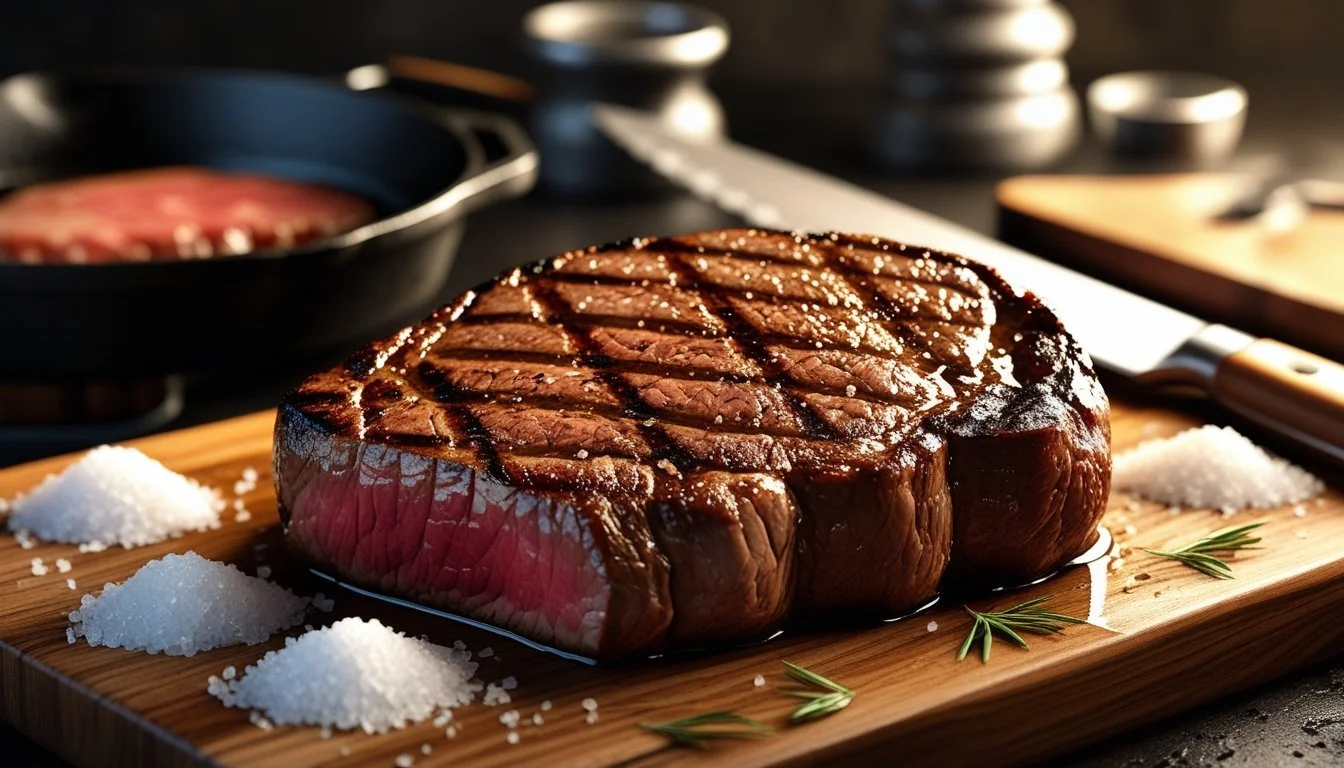
Salt does more than just season meat; it amplifies natural flavors and plays a crucial role in supporting the body’s biochemical balance. When working with only salt and animal-based products, understanding the principles behind umami, sodium function, and flavor development brings the best results.
Maximizing Umami in Animal-Based Dishes
Umami, known as the fifth basic taste, brings a savory depth that enhances the flavor profile of meats. Animal proteins such as beef, pork, and poultry contain naturally high levels of glutamate, inosinate, and guanylate—compounds responsible for umami.
Cooking techniques such as slow roasting, searing, or braising break down proteins and fats, releasing more umami and making dishes richer and more satisfying. Salt intensifies umami perception by freeing glutamates and helping dissolve muscle fibers during cooking.
Experimenting with different cuts, like aged steak or skin-on poultry, can further increase umami presence. This creates distinct and appealing dishes using only animal ingredients and salt.
Monosodium Glutamate vs Naturally Occurring Umami
Monosodium glutamate (MSG) is a common flavor enhancer in processed foods, designed to mimic the umami taste. However, in carnivore cooking, similar savory notes appear naturally through well-chosen meats and proper cooking methods.
Unlike MSG, the umami in animal-based products is derived from naturally occurring amino acids and nucleotides. These elements develop deeper flavor when salt is introduced during preparation. There’s no need for additives—using salt at the right time brings forward the same satisfying savoriness.
The differences can be summarized as follows:
Source Example Umami Origin MSG (Additive) Seasoning salt Manufactured compound Animal-based, salted Roasted beef Natural glutamates
How Salt Supports Electrolyte Balance
Salt is not only critical for flavor, it’s essential for proper electrolyte balance, especially in a diet focused solely on animal products. Sodium plays a vital role in nerve function, muscle contraction, and fluid regulation.
In the absence of plant-based foods, meat and added salt become the primary sources of sodium and other key electrolytes. Proper salt intake helps to prevent symptoms such as muscle cramps, headaches, and fatigue that can occur if the body’s needs are not met.
Carefully salting food ensures that the diet remains both flavorful and physiologically balanced, supporting daily activities and overall well-being on a carnivore diet.
Carnivore Cooking Methods That Unlock Flavor
Unlocking the full taste potential of meat requires more than just salt. The right cooking techniques, temperatures, and choice of animal fats create natural depth, tenderness, and satisfaction even without herbs or plant-based seasonings.
Grilling with Pure Animal Fats
Grilling develops intense flavors by allowing meats to caramelize over high heat. Using pure animal fats—such as beef tallow, duck fat, or pork lard—helps prevent sticking and adds savory richness.
Animal fats have high smoke points, making them ideal for outdoor grills or cast-iron grates. For maximum flavor, brush steaks or chops lightly with melted tallow or duck fat before grilling. This promotes even browning and a juicy interior.
Grilling techniques such as indirect heat can help larger cuts cook evenly. Fats rendered during grilling can be basted back onto the meat, locking in moisture and flavor. Salt enhances the meat’s natural taste, relying on the interplay between savory crust and juicy, seasoned interior.
Most common fats used for grilling:
Animal Fat Typical Use Tallow Beef, bison, lamb Lard Pork, poultry Duck fat Poultry, rich cuts Ghee Versatile, mild
Roasting and Searing for Depth of Flavor
Roasting transforms larger cuts by developing a caramelized crust and tender core. Applying salt before roasting allows it to penetrate and season the meat evenly.
Preheating the oven and using a heavy pan or roasting rack can enhance results. For extra flavor, coat the meat in a thin layer of beef tallow or lard. This creates a golden exterior while preventing dryness.
Searing, either before or after roasting, locks in juices and builds a deep, complex crust. A hot cast-iron skillet with butter, ghee, or tallow works best. After searing, finish roasting at a lower temperature for optimal tenderness and flavor.
Pair roasting with resting time. Letting the meat sit for several minutes post-cooking allows juices to redistribute, making every bite moist and well-seasoned.
Slow Cooking and Sous-Vide for Tender Results
Slow cooking breaks down tough muscle fibers, especially in cuts like brisket or pork shoulder. Using rendered fats such as lard, tallow, or duck fat ensures the meat remains succulent during long cooking periods.
A slow cooker or Dutch oven can be set on low heat for several hours. Salt infuses the meat slowly, highlighting its natural umami qualities. Adding extra cooking fat helps baste the meat, intensifying flavor without needing complex seasonings.
Sous-vide cooking offers precise temperature control for perfect doneness. Place salted meat and a pat of butter, ghee, or tallow in a sealed bag. After immersion, finish with a quick sear to add a caramelized crust. This method keeps the interior tender while enhancing surface flavor using only animal fats and salt.
Selecting and Preparing Quality Meats
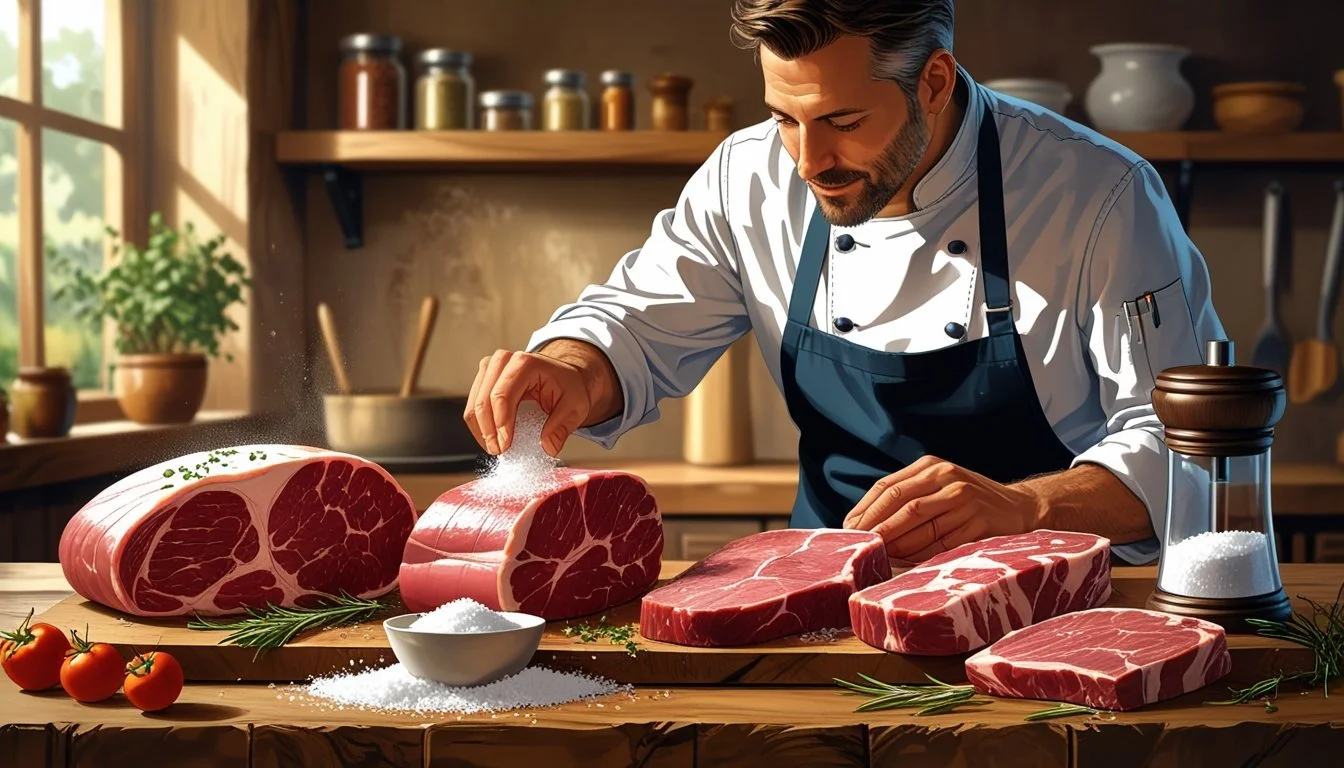
Working with just salt demands that the meat and fat themselves be of high quality. The characteristics of the animal and its fat content directly affect both taste and texture.
Why Meat Quality Matters
The foundation of carnivore cooking is meat quality. High-quality meat comes from healthy animals, ideally grass-fed or pasture-raised, with good marbling and minimal additives. Freshness is vital; meat should have a clean smell, firm texture, and vibrant color.
Choosing quality meat:
Look for even marbling (thin streaks of fat within the muscle).
Prefer cuts from reputable butchers or sources with clear labeling.
Avoid meat with excess liquid or a grayish tinge.
Well-sourced meat not only tastes better but also responds more predictably to salt. Pasture-raised beef, lamb, and pork often show a richer flavor and firmer texture, making them more suitable for minimalist cooking methods that highlight natural taste.
Animal Fats and Their Impact on Taste
Animal fats are central to the carnivore diet and greatly impact the final dish. The type and quality of fat introduced—beef tallow, pork lard, or duck fat—each impart distinct flavors and textures.
Key factors to consider:
Flavor: Beef tallow is robust, while lard is milder and silkier. Duck fat has a unique richness.
Texture: Properly rendered fat coats the meat, promoting juiciness and tenderness.
Sourcing: Use fat from the same animal as the meat when possible to maintain flavor continuity.
Utilizing fat effectively also preserves moisture during salting and cooking, enhancing the savoriness and mouthfeel of the final result. Quality animal fats should be free from additives and processed as little as possible.
Health Benefits of Using Only Salt in Carnivore Cuisine
Using only salt as a seasoning in carnivore cooking helps maintain ingredient transparency and avoids unnecessary additives. This approach reduces the risk of unwanted components often found in common condiments and processed seasonings.
Avoiding Hidden Sugars, Carbohydrates, and Condiments
Many commercial seasonings and condiments contain hidden sugars, starches, and plant-based additives. Examples include sauces, spice blends, and rubs that often list sugar, dextrose, or maltodextrin as primary ingredients.
Relying solely on salt eliminates these sources of carbohydrates. This helps individuals on a strict carnivore diet to avoid unintended blood sugar fluctuations and maintains full carbohydrate restriction.
Common condiments such as ketchup, barbecue sauce, and salad dressings may also contain syrups and thickeners. By removing them and using only salt, there is less risk of consuming extra calories or disrupting ketosis.
Table:
Product Common Additives Sugar Present Ketchup Sugar, Corn Syrup Yes Steak Rub Brown Sugar, Starch Often Mayonnaise Sugar, Plant Oils Sometimes
Eliminating Preservatives and Vegetable Oils
Processed seasonings and packaged condiments often include preservatives and vegetable oils. Examples are citric acid, sodium benzoate, or canola oil. These additives are typically found in most shelf-stable sauces and flavored blends.
Consuming only salt allows carnivore eaters to avoid these extra compounds. This can be especially important for those sensitive to food additives or those trying to keep their diet animal-based.
Vegetable oils, such as soybean or sunflower oil, are common in dressings and marinades. Eliminating them may help reduce inflammation markers for some people, as well as remove potential omega-6 fatty acids.
Avoiding unnecessary additives supports a straightforward, animal-based dietary approach. Only salt brings out the natural flavor of meat without introducing plant-derived oils, chemical preservatives, or artificial enhancers.
Adapting Traditional Seasoning Techniques
Even without herbs or spices, time-tested methods like marinating and broth-building can optimize flavor in carnivore dishes. Using only salt provides specific benefits for both meat preparation and stock-making, focusing on texture and pure flavor development.
Marinating with Salt Alone
Salt can act as the sole ingredient in a simple yet effective marinade. When applied evenly to cuts of meat before cooking, salt penetrates the protein, drawing out moisture and then allowing it to be reabsorbed. This process improves juiciness and promotes even seasoning throughout the meat.
A basic salting technique involves coating meat with kosher or sea salt and resting it uncovered in the refrigerator. For steak, pork, or chicken, the resting period can range from 30 minutes up to 24 hours, depending on thickness. Longer marination makes a noticeable difference in tenderness, especially for tougher cuts.
Unlike sugar-based marinades, salt does not mask flavors. Instead, it accentuates the natural notes of beef, lamb, chicken, or pork. A salt-only marinade also helps develop better browning due to surface moisture reduction, leading to a crustier sear.
Cut of Meat Salt Quantity (per lb) Marinate Time Steak ½-1 tsp 1-24 hours Chicken Breast ½ tsp 30m-2 hours Pork Chop ¾ tsp 1-12 hours
Bone Broth and Salt as a Base
Salt is an essential element in crafting rich, savory bone broth. When combined with bones, water, and heat, salt draws out collagen and minerals, leading to a well-balanced, deeply flavored liquid without the need for vegetables or herbs.
During simmering, periodic skimming of impurities is important to maintain clarity. Salt should be added early in the process in measured amounts, then adjusted at the end to taste. This layering ensures the broth is not under- or over-seasoned.
A well-prepared salted bone broth can serve as a robust soup or as a cooking liquid for other meats. Below are recommended starting points for salt addition:
Beef Bones: 1 tsp salt per quart of water
Chicken Bones: ½ tsp salt per quart of water
Consistent salting throughout the simmer promotes extraction and unifies the broth’s overall flavor.
Common Myths and Mistakes in Carnivore Seasoning
Carnivore cooking often leads to questions about what seasonings are truly allowed. Misunderstandings can result in the accidental use of plant-based spices, which may not fit strict carnivore guidelines.
Misconceptions About Herbs and Spices
Many people assume seasonings like thyme, rosemary, or mixed dried herbs are harmless additions to meat. However, these herbs come from plants and introduce non-animal compounds.
On a strict carnivore diet, using any dried or fresh herbs means adding fiber, oxalates, and phytochemicals. These can sometimes disrupt digestion or create unintended reactions, especially for those sensitive to plant compounds.
Permissible seasonings for pure carnivore diets are mostly limited to salt and sometimes animal-based seasonings (like rendered animal fats or broths).
Here's a quick reference:
Seasoning Carnivore-Compatible? Thyme, Rosemary ❌ No Mixed Dried Herbs ❌ No Salt ✅ Yes Animal Broth ✅ Yes
The Truth About Peppers and Onion Powder
Spices such as black pepper, cayenne pepper, and onion powder are common in conventional cooking. However, all these are derived from plants and not animals.
Black pepper and cayenne pepper may cause digestive discomfort for some. Onion powder is particularly high in plant sugar and fiber, making it a non-permissible seasoning on strict carnivore plans.
Instead, carnivore-friendly cooking keeps to plain, unseasoned meats or just salt. This approach helps avoid unwanted side effects and maintains the intended simplicity of the diet.
Avoid:
Black pepper, cayenne pepper, paprika
Onion and garlic powder
Why Hot Sauce and Oregano Are Not Permissible
Hot sauces are usually mixtures of peppers, vinegar, and herbs like oregano, which are all strictly plant-based. Even "mild" or "simple" hot sauces typically use cayenne, bell pepper, or jalapeño as main ingredients.
Oregano brings a strong plant flavor and is commonly found in many seasoning blends. Its inclusion, though small, breaks carnivore rules for those aiming for zero plant content.
Those following strict carnivore guidelines skip hot sauce and oregano, opting only for salt or animal-based broths to flavor their food. This prevents added sugars, acids, and plant-derived chemicals from entering the diet.

