
Crafting the Perfect Fat-to-Protein Ratio Meal
Essential Guidelines for Balanced Nutrition
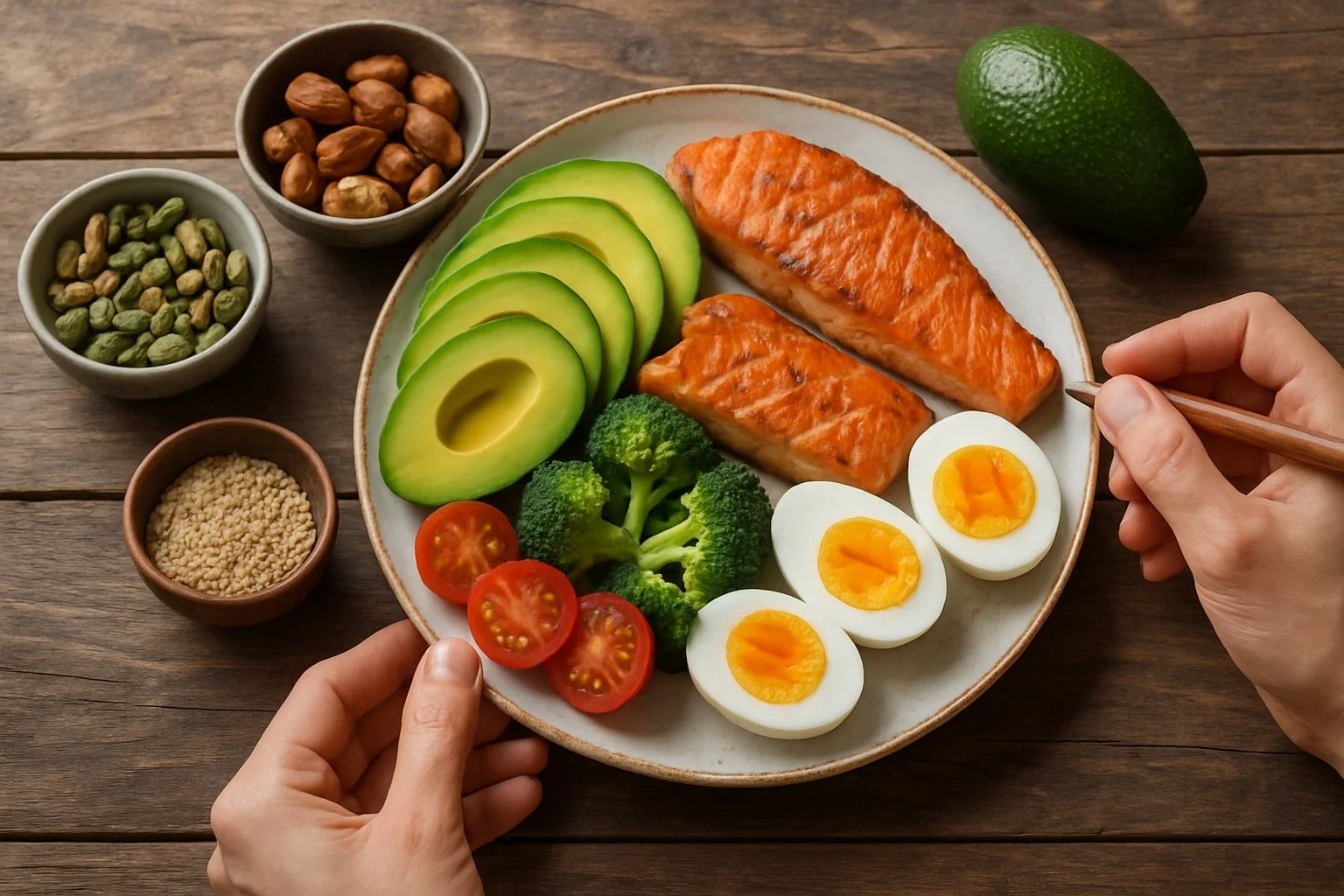
Finding the ideal fat-to-protein ratio in a meal is essential for balancing calorie intake, supporting satiety, and meeting individual nutrition goals. Meals with a thoughtful mix of fats and proteins can help manage hunger, support muscle maintenance, and control overall energy levels throughout the day.
The “perfect” ratio depends on a person’s dietary preferences, activity level, and specific health objectives, but common guidelines suggest that fat can range from 20%–35% of daily calories and protein from 10%–35%, with some approaches—like keto—opting for a much higher fat and moderate protein balance. Understanding these numbers makes it easier to build meals that genuinely match one’s needs without guesswork or confusion.
Choosing foods with balanced fat and protein content, while being mindful of quality and portion sizes, allows anyone to enjoy meals that are both satisfying and effective for their nutrition plan. This article breaks down how to apply these principles to everyday eating.
Understanding the Fat-to-Protein Ratio
Fat and protein are two essential macronutrients that each play unique roles in the diet. The ratio of fat to protein affects everything from energy levels to satiety and muscle maintenance.
What Is the Fat-to-Protein Ratio?
The fat-to-protein ratio describes how much fat there is compared to protein in a meal or a diet plan. This ratio is often expressed as grams of fat per gram of protein. For example, a 1:1 ratio means equal grams of each, while a 2:1 ratio means twice as much fat as protein.
Adjusting this ratio can support different dietary goals, such as weight loss, muscle gain, or ketosis. Many low-carb or ketogenic diets recommend keeping fat higher than protein. Standard macronutrient tracking apps or calculators can help determine the current or desired ratio.
For specific dietary approaches, such as the carnivore diet, targeted fat-to-protein ratios are used to achieve certain outcomes like increased satiety or improved metabolic health.
Role of Fat and Protein in the Diet
Protein is essential for muscle maintenance, tissue repair, and immune function. It also increases satiety, helping to control appetite and support lean body mass. Common protein sources include meat, fish, dairy, eggs, and legumes.
Fat provides long-lasting energy, supports hormone production, and aids the absorption of fat-soluble vitamins (A, D, E, K). Foods rich in healthy fats are avocados, nuts, olive oil, butter, and fatty cuts of meat. Both animal and plant-based fats serve key functions.
A well-balanced macro ratio ensures that both fat and protein work together for optimal health. Adjustments may be needed based on activity level, metabolic health, and individual goals.
Common Macro Ratios and Their Benefits
Diets can vary widely in their macronutrient ratios. The table below shows sample ratios for different dietary approaches:
Diet Type Fat (%) Protein (%) Fat Ratio Standard Keto 70-80 15-25 2:1 to 3:1 High-Protein Keto 60-65 30-35 ~1:1 Carnivore 65-80 20-35 1.5:1 to 2:1 Balanced Diet 30-35 20-25 ~1:1
Higher fat-to-protein ratios are often used for ketosis, while balanced or high-protein ratios are chosen for muscle maintenance. Selection depends on personal health goals and preferences. Carefully tracking macros helps optimize results from any type of diet.
Benefits of Optimal Ratios
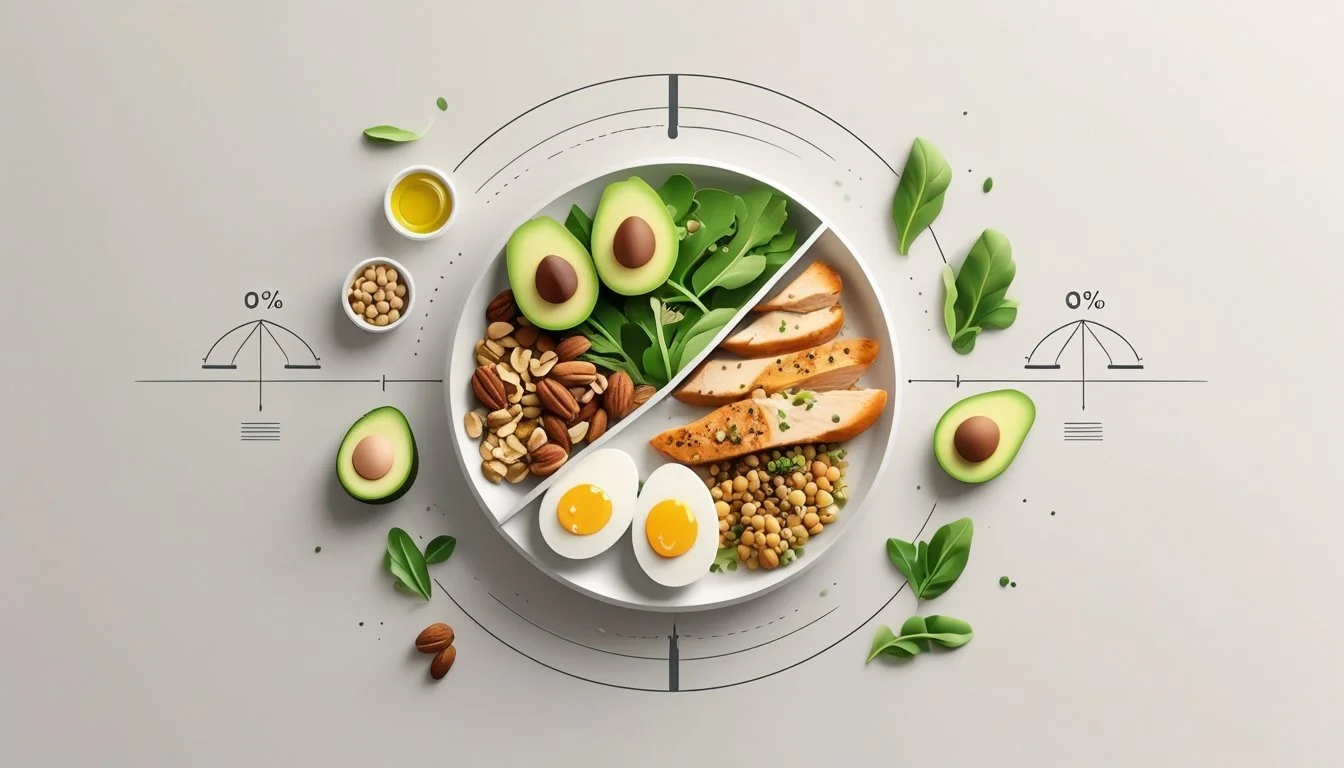
Selecting the right fat-to-protein ratio can influence muscle growth, weight management, and how full a person feels after meals. Striking a balance also plays a role in optimizing body composition and overall fitness goals.
Supporting Muscle Growth and Maintenance
A well-calibrated fat-to-protein ratio helps provide adequate protein for muscle repair, growth, and preservation, especially during resistance training. Protein supplies the amino acids needed for muscle protein synthesis, which supports lean mass even as body weight changes.
By combining protein with sufficient dietary fat, the body receives steady energy without relying on carbohydrates. This is important for those following low-carb diets, such as the carnivore diet, where a common ratio is around 1.5:1 fat to protein by gram or about 77% calories from fat and 23% from protein.
This protein intake not only aids muscle gain but prevents muscle breakdown. Those aiming for fitness or improved body composition should target 1–1.2 grams of protein per pound of lean body mass, paired with ample fat to fuel workouts and maintain hormone function.
Impact on Weight Loss and Satiety
An optimal fat-to-protein ratio can play a key role in weight loss by enhancing satiety and reducing overall calorie intake. High-fat, moderate-protein meals slow gastric emptying, which helps individuals feel satisfied for longer periods after eating.
This effect can help curb cravings and reduce snacking between meals. Protein also contributes to satiety, but when paired with fats, the fullness effect is greater, helping support sustainable calorie reduction.
Studies and practical guidelines show a ratio close to 1:1 or slightly higher in fat helps the body enter a state favorable for fat loss. By prioritizing nutrient-dense sources, people can preserve muscle and promote a healthier body composition while reducing excess fat.
Determining Your Ideal Ratio
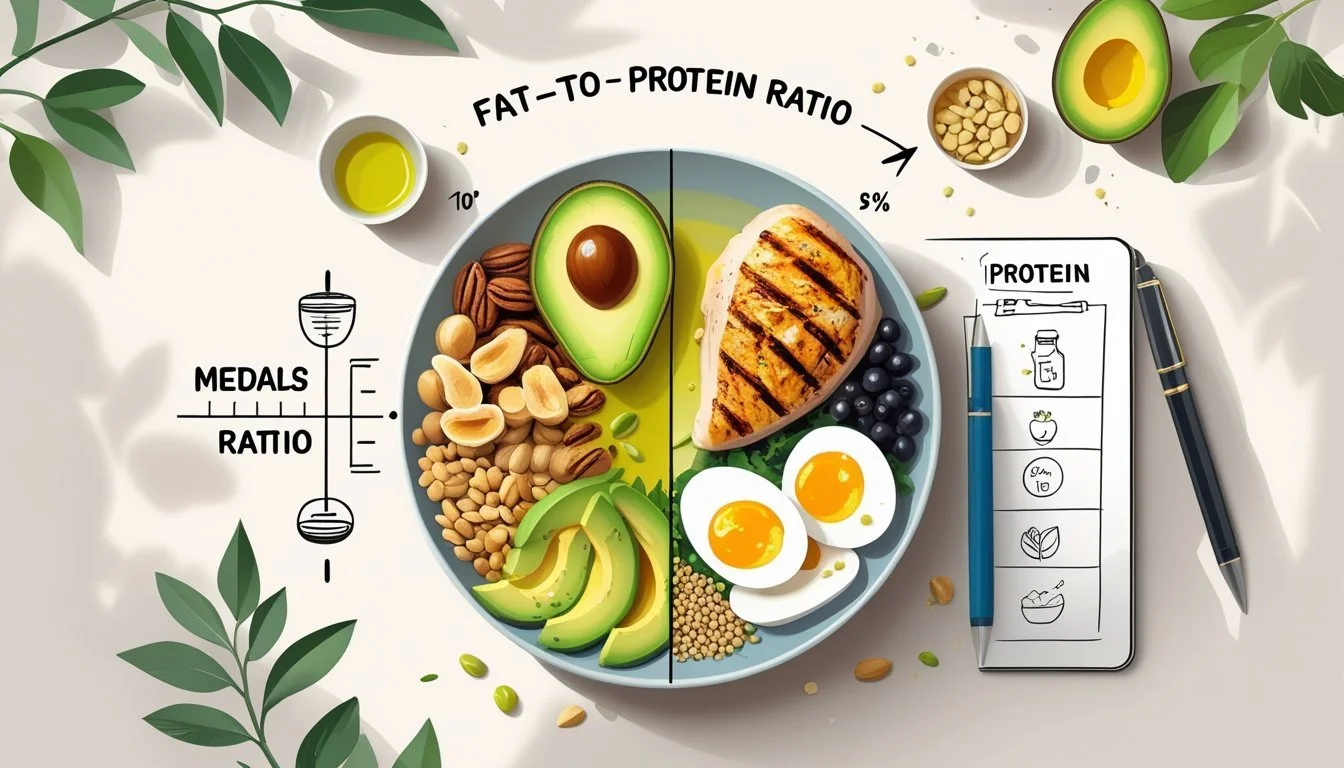
Finding the right fat-to-protein ratio requires a clear understanding of personal needs and reliable tools for calculation and tracking. Both lifestyle factors and accurate macro tracking play a direct role in reaching specific nutrition goals.
Factors That Influence Ratio Needs
Personalized fat-to-protein ratios depend on daily caloric intake, activity level, and health objectives. Someone with higher energy expenditure, such as an athlete, may need more protein to support muscle repair and growth, while a sedentary individual could require less. Weight loss or gain goals also affect macronutrient targets—those aiming to lose weight may benefit from higher protein within moderate calorie restriction, whereas muscle gain might need increased protein and fat alongside surplus calories.
Age, sex, and metabolic health should be considered. For example, older adults often need additional protein to preserve lean body mass. Common guidelines suggest protein intake of 10-35% and fat intake of 20-35% of total daily calories, but individual requirements can vary. Consult a registered dietitian for precise recommendations tailored to unique needs.
Macro Calculator and Tracking Tools
Using a macro calculator allows users to estimate daily targets for protein, fat, and carbohydrates. Inputs like age, weight, height, activity level, and goal (maintenance, loss, or gain) ensure accuracy. Many calculators are available online, making it easy to personalize recommendations.
Tracking macros consistently is critical for success. Apps such as MyFitnessPal let users log meals, monitor macronutrient distribution, and adjust as needed. This process helps identify discrepancies between intended and actual intake. Regular tracking reveals patterns and supports adjustments, keeping progress aligned with planned macronutrient ratios.
A simple example:
Protein Fat Grams (per 2000 kcal) 100-175g 44-78g
This makes the process transparent and easier to manage.
Sources of Protein for Meals
Selecting proteins involves comparing both animal and plant-based options, as well as understanding which sources are lowest in fat. Choosing the right protein makes it easier to manage the fat-to-protein ratio in every meal.
Animal-Based Protein Options
Animal proteins offer complete amino acids, making them highly effective for supporting muscle health. Eggs are a widely available option, providing all nine essential amino acids and serving as a quick, balanced protein source.
Lean meats such as chicken breast, turkey, and lean cuts of beef or pork deliver high protein with less fat per serving. Fish is another frequent choice; salmon and other fatty fish contribute omega-3 fatty acids alongside protein, but cod or tilapia have less fat for those seeking a leaner option.
Low-fat dairy—like Greek yogurt or cottage cheese—adds variety and convenience. Hard-boiled eggs, string cheese, and low-fat milk can serve as portable, high-protein snacks.
Summary Table:
Protein Protein (g/100g) Fat (g/100g) Chicken breast 31 3.6 Salmon 20 13 Eggs 13 11 Lean beef (top sirloin) 27 7
Plant-Based Protein Choices
Plant proteins can be effective for those reducing animal products or seeking more fiber. Beans and legumes like lentils, chickpeas, and black beans provide substantial protein and support digestion with dietary fiber.
Soy-based foods—tofu, tempeh, and edamame—contain all essential amino acids, making them rare examples of "complete" plant proteins. Whole grains (like quinoa), nuts, and seeds also deliver protein, though some have moderate fat content, such as almonds.
Combining different plant-based sources supports a more complete amino acid profile. For example, pairing beans with rice ensures all essentials are covered in one meal.
Tips for Choosing Lean Proteins
Select lean proteins for meals to control calorie and fat intake without sacrificing nutrition. Choose cuts labeled "loin" or "round" for beef and pork—they contain less fat. Skinless poultry and fish varieties like cod and tilapia keep protein high and fat low.
Trim visible fat from meats before cooking. Consider grilling, baking, or steaming methods instead of frying to avoid adding unnecessary fat.
For plant sources, opt for legumes without added oil or sauces. Check nutrition labels carefully, especially with processed protein choices, to keep sodium and saturated fat within recommended limits. Combining varied sources throughout the day can help reach protein targets while balancing the fat content.
Choosing Healthy Fats
Selecting the right fats and portion sizes helps ensure a balanced meal that supports heart health and optimal nutrition. Replacing saturated fats with unsaturated fats and choosing plant-based sources over animal fats can make a significant difference.
Unsaturated vs. Saturated Fats
Unsaturated fats are considered healthier for the heart and can help manage cholesterol levels. These include both monounsaturated and polyunsaturated fats. Foods like avocados, walnuts, and sunflower seeds contain mostly unsaturated fats.
Saturated fats, found in animal products such as butter, fatty meats, and full-fat dairy, are best consumed in moderation. Excess intake is linked to higher LDL (bad) cholesterol. It’s recommended to limit saturated fats to less than 10% of daily calories.
Monounsaturated fats are present in olive oil, nuts, and seeds, while polyunsaturated fats include essential omega-3 fatty acids from fatty fish, chia seeds, and flaxseeds. Both types of unsaturated fat are beneficial compared to saturated sources.
Best Food Sources of Healthy Fats
Key sources of healthy fats include nuts (like almonds and walnuts), seeds (such as chia and flaxseed), and oily fish, which are rich in omega-3 fatty acids. Avocados provide a unique combination of fiber and monounsaturated fat.
Plant-based oils—such as olive, canola, and sunflower oil—are excellent for cooking or salad dressings. Sunflower seeds and walnuts offer both protein and polyunsaturated fats, making them a nutritious choice.
A diverse fat intake can be achieved by varying food choices. For example:
Food Main Fat Type Avocado Monounsaturated Walnuts Polyunsaturated Sunflower seeds Polyunsaturated Olive oil Monounsaturated Salmon Omega-3 (Polyunsat.)
How to Balance Fats in Your Meals
Portion control is key to managing both calorie intake and fat quality. Aim for about a quarter to half a cup of plant-based fats, such as nuts or seeds, per meal. This helps achieve a balance without exceeding recommended fat intake.
Opt for lean proteins and minimize the use of foods high in saturated fats. Replace animal fats, like butter or cream, with small amounts of olive oil or avocado for cooking and flavor.
Combining a variety of healthy fats—such as sprinkling seeds on salads or using avocado in sandwiches—can improve both the nutrient profile and the flavor of meals. This approach supports long-term heart and metabolic health.
Balancing Carbohydrates With Fat and Protein
Selecting the right types of carbohydrates and understanding their relationship with fat and protein is essential for stable energy, satiety, and nutrient absorption. Emphasis on quality and nutrient density helps individuals achieve balanced nutrition and reduce unwanted blood sugar fluctuations.
Importance of Complex Carbohydrates
Complex carbohydrates, such as whole grains, legumes, and starchy vegetables, provide slower, steadier energy compared to simple carbohydrates. They help avoid rapid blood sugar spikes, which can lead to energy crashes and increased hunger. Foods like brown rice, oats, barley, and quinoa are rich sources.
Incorporating complex carbs enables better portion control and long-lasting satiety. Unlike refined carbs, which are stripped of their natural fiber and nutrients, complex carbohydrates maintain their structure and nutritional content. Consuming complex carbs with adequate protein and healthy fats results in meals that support muscle maintenance, metabolic health, and consistent appetite regulation.
Role of Fiber and Nutrient Density
Fiber is a critical component in carbohydrate-rich foods, aiding digestion and promoting healthy cholesterol levels. Whole grains, fruits, vegetables, and legumes not only offer dietary fiber but also supply essential vitamins, minerals, and antioxidants. A fiber-rich diet helps regulate blood sugar by slowing carbohydrate absorption.
Nutrient-dense carbohydrates contribute more than just energy. For example, sweet potatoes, berries, beans, and leafy greens provide phytonutrients, potassium, and magnesium. Meals higher in nutrient-dense carbs reduce the risk of nutritional gaps. Pairing these choices with lean proteins and healthy fats further optimizes nutrient uptake and digestive comfort.
Common Pitfalls With Carbohydrate Intake
A frequent mistake is overconsuming simple or refined carbs, such as white bread, pastries, and sugary beverages. These foods are low in fiber and nutrients and can promote rapid increases in blood glucose, followed by sharp declines that lead to cravings and overeating.
Another pitfall is avoiding carbs entirely out of fear of weight gain. This often leads to reduced energy and may limit intake of fiber and important micronutrients. Striking a balance by prioritizing whole grains and healthy carbs, while limiting refined products, supports stable energy and overall well-being. Reading labels and planning meals around unprocessed carbohydrate sources is an effective strategy.
Meal Planning for the Ideal Ratio
Selecting the right fat-to-protein ratio in meals requires careful consideration of macro balance, appropriate portions, calorie control, and nutrient quality. It is critical to use whole, nutrient-dense foods and to adjust portion sizes for individual energy needs.
Creating Macronutrient-Balanced Meals
Macro-balanced meals aim to provide a targeted percentage of calories from protein and fat, with the remainder from carbohydrates. For many, a common ratio such as 40% carbs, 30% protein, and 30% fat—based on total daily calories—is both practical and effective for meal planning.
Each meal should include a lean protein source (such as chicken, fish, lean beef, or tofu), a healthy fat (like olive oil, nuts, or avocado), and a moderate portion of complex carbohydrates. This structure supports satiety, muscle maintenance, and steady energy.
Using whole foods over processed items helps maximize the intake of vitamins, minerals, and fiber. Nutrient-dense foods should take priority to keep meals both healthy and satisfying.
Portion Sizes and Calorie Deficit
Portion control is essential when targeting a calorie deficit for weight loss or maintenance. Accurate serving sizes help ensure that meals match the planned macro ratio without exceeding calorie targets.
To maintain a calorie deficit, servings should be tailored to individual needs, using tools like kitchen scales or measuring cups. Protein and fat are more calorie-dense than carbohydrates, so portion awareness is key. For example, 1 ounce of nut butter contains about 90 calories from fat, and a 4-ounce chicken breast provides about 120 calories from protein.
Distributing calories across three meals and one or two snacks can help keep hunger in check. Calorie tracking apps or food logs make this process easier.
Sample Meal Ideas
Below are several meal examples showing a strong fat-to-protein ratio using mostly whole foods:
Meal Protein Source Fat Source Carb Source Breakfast Eggs, turkey Avocado Oats, berries Lunch Chicken breast Olive oil dressing Quinoa, leafy greens Snack Greek yogurt Almonds Apple Dinner Salmon Olive oil, walnuts Sweet potato, broccoli
Each meal combines lean protein, healthy fat, and complex carbs. Swapping foods within similar categories keeps variety while maintaining consistent macro ratios. Focusing on simple combinations like these assists with meal prep and portion control.
Impact of the Ratio on Health and Performance
The balance between fat and protein in a meal plays a direct role in energy production, metabolic function, hormone activity, mood regulation, and body composition. Precise adjustments of this ratio can influence nutrient absorption, appetite control, and potential risks related to chronic health conditions.
Effect on Energy and Metabolism
Dietary fat provides dense, long-lasting energy, while protein supports muscle maintenance, repair, and thermogenesis. A higher fat-to-protein ratio—such as 1.5:1 by gram, which equals about 77% of calories from fat and 23% from protein—results in slower glucose spikes and extended satiety.
Proper ratios help maintain stable blood sugar levels, which reduces energy crashes throughout the day. They also affect metabolic rate through thermic effects; protein digestion increases calorie expenditure slightly more than fat.
Choosing a ratio that fits activity level and body composition goals can support endurance, preserve muscle mass, and reduce sudden drops in energy. Those aiming for sustained performance may benefit from meals that emphasize balanced energy release from both macronutrients.
Influence on Hormones and Mood
Fats are necessary for the production of hormones such as testosterone, estrogen, and cortisol. A moderate fat intake supports healthy endocrine function, while excessive or very low intakes can disrupt hormone balance.
Proteins provide amino acids essential for neurotransmitter synthesis, directly affecting mood and cognitive performance. For example, adequate protein improves alertness and concentration, while fats help stabilize mood swings.
An appropriate fat-to-protein ratio promotes steady hormone levels, reduces the risk of mood disturbances, and helps avoid issues like fatigue that often occur with imbalanced meals. Both macronutrients play a role in reducing overall stress on the body through their contributions to hormone synthesis and nervous system function.
Managing Weight and Body Mass
The fat-to-protein ratio influences appetite and caloric intake, which are critical factors in weight management. Meals with higher protein content have been shown to increase satiety, reduce overall energy consumption, and help preserve lean muscle mass during weight loss.
Higher fat intakes, if not balanced by protein and overall calorie needs, may contribute to weight gain and increase the risk of developing obesity or heart disease. Tracking and adjusting the fat-to-protein ratio based on body goals can help individuals maintain or lose weight more effectively.
A table below summarizes the effects:
Ratio (Fat) Effect on Appetite Impact on Body Mass Higher Fat Lower satiety Increased body fat risk Higher Protein Greater satiety Lean mass preservation Balanced Controlled hunger Supports healthy weight
Micronutrient and Hydration Considerations
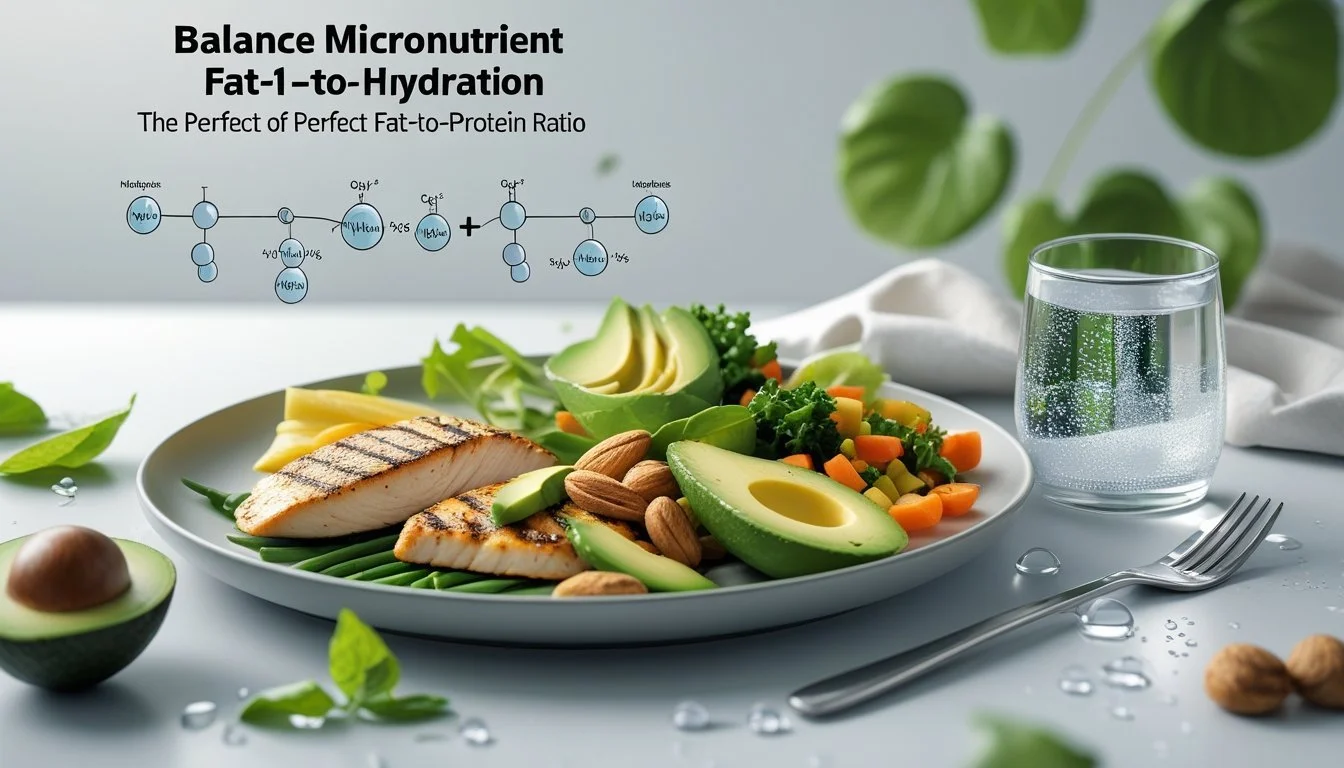
Micronutrients and water play essential roles in meal effectiveness, especially when focusing on the right fat-to-protein balance. Attention to vitamins, minerals, and daily fluid intake supports metabolic function and body processes beyond macronutrient ratios.
Incorporating Vitamins and Minerals
Micronutrients, which include vitamins and minerals, are crucial for efficient metabolism, immune support, and enzymatic activities. Meals that focus only on fat and protein but neglect micronutrients can lead to deficiencies affecting energy levels, growth, and recovery.
Key vitamins such as B12, D, and C assist in protein metabolism and tissue repair. Minerals like iron, zinc, magnesium, and calcium support muscle function, oxygen transport, and bone strength. Whole foods—lean meats, dairy, leafy greens, nuts, beans—should be regularly included to meet daily requirements.
A focus on variety ensures that meals not only provide the right fat-to-protein ratio but also supply the micronutrients needed for overall health and optimal body function.
Role of Hydration in Meal Planning
Hydration is fundamental for nutrient absorption, enzyme function, and cellular growth. Protein- and fat-rich meals can increase water needs, as metabolic waste from protein breakdown requires adequate fluid for removal and kidney health.
Daily water intake should be adjusted for activity level, climate, and meal composition. A general guideline is to drink water throughout the day rather than relying only on thirst. Electrolytes—sodium, potassium, magnesium—should also be balanced, as they support muscle contraction and nerve signals.
Monitoring urine color (pale yellow is ideal) can help in assessing hydration status alongside regular meal patterns. Including hydrating foods like fruits and vegetables alongside balanced meals supports both micronutrient intake and hydration needs.
Adjusting Macro Ratios for Specific Goals
Macro ratios should change based on individual objectives such as building muscle, losing fat, or supporting intense training. Assessing dietary guidelines and adjusting protein, fat, and carbohydrate targets helps align nutrition with fitness routines and body composition goals.
Tweaking Ratios for Muscle Gain
To maximize muscle gain, many athletes set higher protein targets and boost carbohydrate intake. A typical macronutrient ratio for muscle building is 30-35% protein, 45-55% carbs, and 15-25% fat.
Protein aids in muscle repair, while carbs replenish glycogen stores for sustained performance in resistance workouts. Fat is kept moderate to balance hormone support without excess calories. Meals are often spaced into 4-6 smaller servings, each emphasizing protein with complex carbs.
A sample macro split for a 2,500 calorie diet:
Macronutrient Percentage Grams (approx.) Protein 30% 188g Carbs 50% 313g Fat 20% 56g
Tracking progress and adjusting intake based on muscle growth and strength results is critical.
Adapting for Weight Loss
For weight loss, reducing carbohydrate intake and raising protein helps preserve lean mass while promoting fat loss. Many follow macro targets in the range of 30-35% protein, 30-40% carbs, and 25-30% fat.
Higher protein supports satiety and muscle maintenance, while fewer carbs encourage the body to use fat for energy. Moderate fat intake provides necessary nutrients while keeping calories in check. Adjustments should be gradual and based on body measurements, energy levels, and workout performance.
Regular monitoring is important. If weight stalls after a few weeks, reducing carbs slightly or increasing protein may restart fat loss.
Special Considerations for Fitness Routines
Macro ratios often need adjustment based on specific workout routines or training phases. For high-intensity interval training (HIIT) or endurance sports, higher carbohydrates—up to 50-60% of total calories—may be necessary for energy. Conversely, lower intensity or strength-focused routines may function well with moderate carbohydrates and slightly higher fats.
It’s also key to factor in training volume, dietary preferences, and recovery needs. Some individuals benefit from timed nutrient intake, such as eating most carbs around workouts to support performance and recovery. Meal timing and distribution can maximize the impact of macro targets on individual goals, with flexibility for changes in workout schedules.
Common Mistakes to Avoid
Many people struggle with the correct balance of fats and proteins, often resulting in poor meal outcomes. Several common pitfalls can undermine nutritional goals, including misjudging macronutrient intake, ignoring micronutrient needs, and overlooking the importance of carbohydrates.
Overeating Fats or Proteins
Consuming excessive dietary fat or protein is a frequent error when aiming for an ideal fat-to-protein ratio. Too much fat can lead to excess calorie intake, making weight management more difficult. High-protein diets, when not monitored, can also result in unused calories being stored as fat.
A common pitfall is loading up on fatty cuts of meat, cheese, or oils without tracking serving sizes. This adds calories quickly and can contribute to digestive discomfort such as bloating or nausea.
For optimal results, people should aim for measured portions. Using a food scale or nutrition app helps ensure quantities align with their energy needs and goals. Balancing calorie intake with activity level and tracking actual fat and protein grams can prevent unhealthy overconsumption.
Neglecting Micronutrient Intake
Another common pitfall is focusing solely on macronutrients and neglecting essential vitamins and minerals. Meals high in fat and protein, especially those relying heavily on animal products, often lack enough micronutrients found in fruits, vegetables, and whole grains.
Micronutrient deficiencies can result in fatigue, poor immunity, and impaired metabolic function. Variety is critical. Including sources like leafy greens, berries, and nuts helps cover gaps in vitamins A, C, E, magnesium, and potassium.
A simple checklist can support balanced intake:
At least 2 servings of vegetables per meal
Varied sources of fat, such as avocados and olive oil
Occasional fortified foods or supplements if necessary
This approach minimizes risk of vitamin and mineral shortfalls while supporting overall health.
Underestimating the Role of Carbohydrates
Cutting carbohydrates too drastically is another frequent mistake when adjusting fat-to-protein ratios. While low-carb diets can work for some, the complete absence of carbohydrates often causes low energy, difficulty concentrating, and struggles with exercise performance.
Complex carbohydrates—like whole grains, beans, or sweet potatoes—supply fiber, steady blood sugar, and essential micronutrients. They also play a role in balancing insulin response and are important for anyone with active lifestyles.
Maintaining a moderate intake of healthy carbohydrates supports digestive health and helps avoid feelings of fatigue or mental fog. Matching carb intake to individual energy needs ensures meals are both satisfying and nutritionally adequate.
Summary and Next Steps
Finding the right fat-to-protein ratio depends on individual goals, preferences, and dietary needs. Whether the aim is weight loss, maintenance, or muscle gain, various ratios can be adjusted to suit different lifestyles. Common starting points include a 1:1 fat-to-protein ratio for balanced meals or higher fat intake for ketogenic plans.
Example Macro Breakdown:
Goal Fat (%) Protein (%) Weight Loss 30 30 Maintenance 25 30 Keto Diet 70-80 20
Experimenting with meal composition can help identify what feels best. Tracking food intake and observing changes in energy, satiety, and performance offer useful insights.
Tips for progress:
Start with a simple meal template, such as eggs with butter for high-fat, or chicken with olive oil for a balanced mix.
Adjust ratios gradually while monitoring how the body responds.
Use food tracking tools for accuracy and convenience.
Continuous evaluation allows for tailored adjustments over time. Consulting with a registered dietitian or certified nutritionist adds expert guidance when refining meal plans. The right ratio is flexible and can be modified as goals change.

