
Mastering Organ Meats for Everyday Eating
Essential Tips and Nutritional Benefits
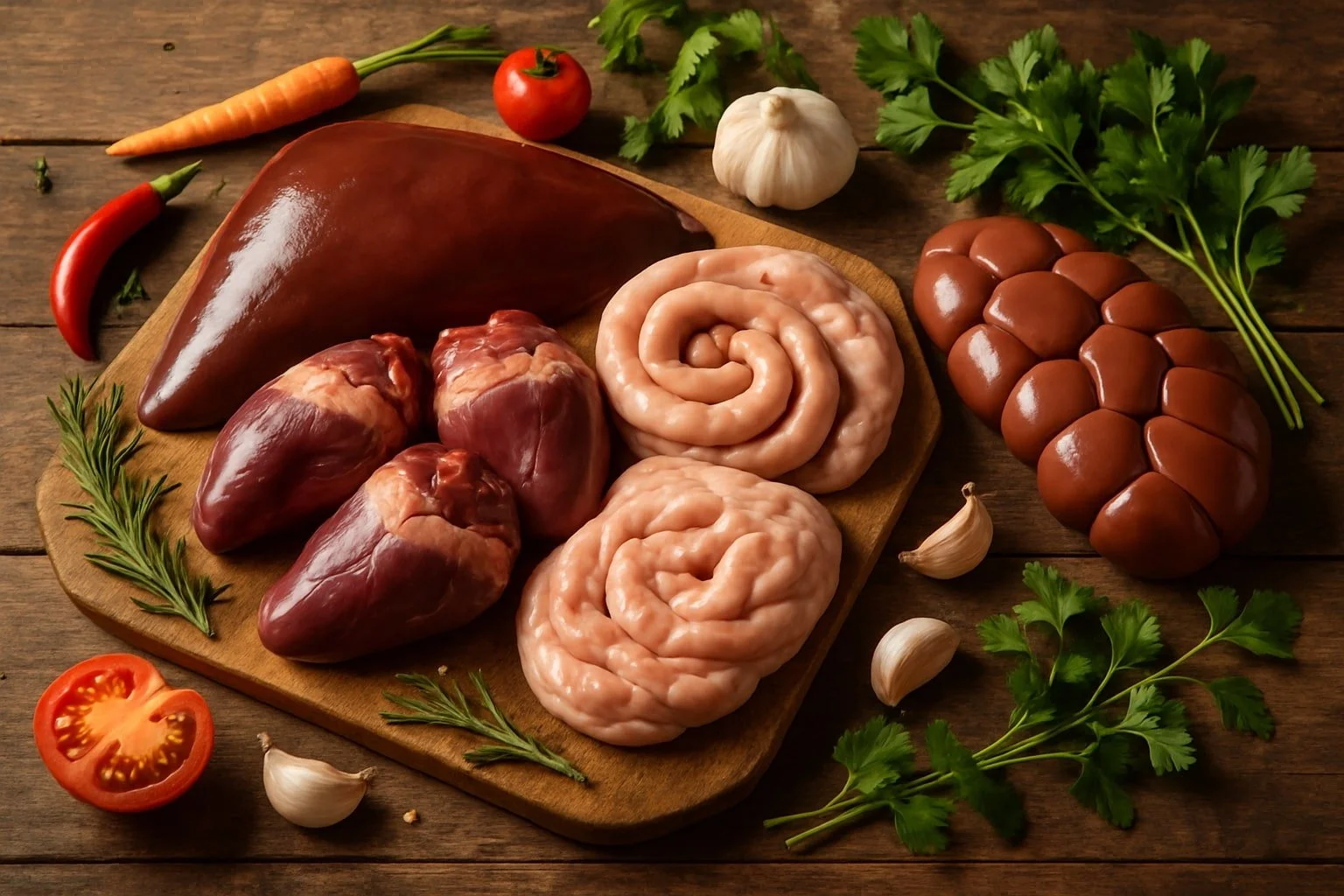
Many people overlook organ meats when planning meals, despite their long history as a staple in traditional diets worldwide. Organ meats offer dense nutrition, including vitamins, minerals, and unique compounds not easily found in common cuts of meat. Incorporating foods like liver, tongue, heart, and kidney can help support a healthy immune system and metabolism.
With the right preparation and approach, these foods can become a practical and flavorful addition to regular meals. Learning how to select, cook, and enjoy various organ meats allows for variety, nutritional benefit, and value in everyday eating.
Understanding Organ Meats
Organ meats come from various parts of animals and are valued for their concentrated nutrients. They offer different tastes, textures, and benefits compared to traditional muscle meats.
Types of Organ Meats
Organ meats, also called offal, include a range of animal parts beyond regular muscle cuts. The most common types are:
Liver: Rich in vitamins A and B12.
Kidney: High in minerals like iron and selenium.
Heart: Dense in protein and coenzyme Q10.
Tongue: A fatty, tender cut often used in delicacies.
Brain: Contains omega-3 fatty acids and vitamin B12.
Tripe (stomach lining): Popular in various global cuisines.
These organs are used in traditional dishes in many cultures. Often, they are overlooked in modern diets, despite being considered delicacies or staples around the world.
Nutritional Value and Benefits
Organ meats are among the most nutrient-dense foods available. They typically offer higher levels of essential micronutrients and macronutrients than most cuts of muscle meat.
A comparison of key nutrients found in a 100g serving:
Organ Protein (g) Fat (g) Vitamin A (% DV) Vitamin B12 (% DV) Iron (% DV) Liver 20-25 3-6 500+ 1000+ 50+ Heart 17-20 4-6 Low 150-200 25+ Kidney 15-22 3-5 Moderate 800+ 20-30
Liver is especially notable for its vitamin A and B12 content. Most organ meats also provide significant amounts of iron, zinc, and selenium, supporting immune function and overall energy levels. They supply a balance of proteins and healthy fats, making them suitable for various dietary needs.
Common Myths and Misconceptions
It is commonly believed that organ meats are unsafe or too high in toxins. However, most organs in healthy animals do not store toxins but instead process and remove them.
Some also assume organ meats are unpalatable or overly rich. With proper preparation, these cuts can be tender and flavorful. Another myth is that organ meats are only for specialty diets, but they can benefit anyone seeking a nutrient-rich food source.
Concerns about cholesterol persist, yet moderate consumption has not been consistently linked to increased heart disease risk in healthy individuals. Choosing quality, well-handled organ meats and consuming them as part of a balanced diet maximizes benefits and minimizes risks.
Incorporating Organ Meats Into Your Diet
Including organ meats in daily meals offers a practical way to boost nutrient intake and add variety to protein sources. Careful meal planning, sensible portion sizes, and choosing the right food pairings can help make organ meats more approachable and beneficial within different diets and lifestyles.
Meal Planning with Organ Meats
Successful meal planning starts by identifying the types of organ meats that fit individual preferences and dietary needs. Beef liver, chicken hearts, and kidney are popular options due to their nutrient concentration and mild flavors when cooked properly. These ingredients can be used in various recipes, such as adding diced heart or kidney to stews, blending liver into meatloaf, or mixing ground organ meats with beef for burgers.
For those following a balanced diet or the Mediterranean diet, organ meats can appear once or twice per week, rotated with fish, eggs, dairy products, and lean cuts of muscle meat. They also fit into low-carbohydrate or carnivore-style diets by providing nutrients typically found in plant foods. Utilizing a mix of whole foods, including vegetables or complex carbohydrates like sweet potatoes and rice, helps round out the meal for better digestion and absorption.
Portion Control and Frequency
Portion control is important due to the high nutrient density and richness of organ meats. Adults typically benefit from 1–2 servings (each 75–100g cooked) per week, especially when starting out, to avoid overwhelming the palate and the digestive system. This approach also minimizes potential issues from consuming excessive vitamin A or purines.
Different diets influence how often organ meats should be eaten. In resistance training routines or higher-protein diets, these meats can be included slightly more often for their iron, B12, and protein benefits. On a Mediterranean or balanced diet, variety should be prioritized: alternate organ meats with other protein sources like fish, yoghurt, cheese, eggs, and legumes. Vegan diets exclude organ meats; those following such diets should look for plant sources of similar micronutrients.
Pairing Organ Meats with Other Foods
Pairing organ meats with complementary foods makes meals more enjoyable and supports nutrient absorption. Liver, for example, balances well with vitamin C-rich vegetables such as bell peppers or leafy greens, which aid in iron absorption. Potatoes, sweet potato, or rice can act as neutral bases, mellowing flavors and providing needed carbohydrates.
Traditional dishes often combine organ meats with dairy products like ghee, cheese, or yoghurt. These additions offer richness and improve palatability. Grilled kidney or heart slices serve well alongside roasted vegetables or a salad for those managing carbohydrate intake. For optimal digestion, lighter plant-based sides or fresh fruit can be included to provide fiber and support overall meal balance.
Culinary Skills for Cooking Organ Meats
Mastering organ meats requires proper preparation, practical cooking techniques, and an understanding of recipes that suit various skill levels. Techniques and tools can vary, but precision in cooking time, temperature, and seasoning are vital for desirable textures and flavors.
Essential Preparation Techniques
Organ meats such as beef liver and chicken hearts demand careful cleaning and trimming. Rinse organs under cold water and remove any connective tissue or blood vessels with a sharp knife. Soaking beef liver in milk or water for 30-60 minutes can help mellow its strong flavor and soften its texture.
For many organ meats, cutting them into uniform pieces allows for even cooking. Keep ingredients like onions, garlic, and herbs ready to balance bold flavors. Tools like a digital thermometer are important. Most organ meats, including chicken organs, must reach an internal temperature of 165°F (74°C) for safety.
Below is a quick preparation checklist:
Task Purpose Rinse and trim Remove impurities Soak (for liver) Mellow flavor Cut uniformly Even cooking Prep base ingredients Enhance taste/aroma Use thermometer Ensure food safety
Beginner-Friendly Recipes
Simple dishes like sautéed beef liver with onions and herbs are approachable for those new to organ meats. For milder flavors, start with chicken livers or hearts. Cook gently over medium heat to avoid toughness. Season with salt, pepper, and a splash of vinegar or lemon.
Incorporating organ meats into familiar foods can ease the transition. Add minced chicken liver to ground chicken thighs for burgers or meatballs. Mixing diced organ meats into stews with vegetables and grains like oats provides both nutrition and comfort. Serve sautéed liver on toasted sourdough for a satisfying, classic meal.
For best results, avoid overcooking and use plenty of seasoning. Taste as you go, and adjust spices to complement the unique flavor of each organ.
Advanced Cooking Methods
Experienced cooks can explore techniques such as grilling, braising, or sous vide. Grilling beef heart or skewered chicken organs brings smoky flavors and crisp exteriors. Careful marinating beforehand tenderizes tougher cuts and adds depth.
Braising organ meats in broths or wine over low heat for extended periods yields tender, flavorful results. Pair with grains like oats or serve over sliced sourdough to balance richness. Sous vide cooking allows for precise temperature control, ensuring delicate textures with minimal risk of overcooking.
Experimenting with pâtés and terrines introduces new textures and flavor profiles. Patience and careful seasoning are crucial at each step for optimal results.
Health Benefits of Organ Meats
Organ meats offer concentrated sources of vital nutrients not always found in regular muscle meats. Rich in essential vitamins and minerals, they contribute to several areas of health, from cognitive support to improved nutritional status and better digestive function.
Supporting Mental Health and Performance
Organ meats, especially liver and brain, contain high levels of B-vitamins such as B6, B12, folate, and niacin. These vitamins are crucial for neurotransmitter synthesis and the maintenance of mental function.
Choline, abundant in liver and eggs, supports brain development and memory. Many people are deficient in choline, which can negatively impact cognitive performance and mood regulation.
Iron and zinc found in these foods help prevent mental fatigue and support focus. The consistent intake of organ meats has been associated with improved mental clarity and balanced energy due to stable blood nutrient levels.
Preventing Nutritional Deficiency
Organ meats are nutrient-dense and help fill common dietary gaps. They supply large amounts of iron, vitamin A, vitamin K2, and copper—nutrients often lacking in typical diets.
For example, beef liver offers more than the daily requirement for vitamin A and B12 in a single serving. Individuals with iron deficiency anemia can benefit from including liver or kidney in their diet, which raises blood iron and helps combat fatigue.
A comparison of nutrient content in 100g servings:
Nutrient Beef Liver Beef Muscle Meat Vitamin B12 83 μg 2.5 μg Iron 6.2 mg 2.6 mg Vitamin A 9,442 IU 49 IU
Including a variety of organ meats helps prevent the risk of micronutrient deficiencies that can affect energy, immunity, and long-term health.
Improving Digestion and Absorption
Organ meats provide nutrients in highly bioavailable forms, meaning the body can absorb and use them efficiently. Zinc and vitamin B6 support enzyme function in the digestive tract, helping to break down proteins, fats, and carbohydrates.
These meats are also a source of collagen and glycine, which play a role in maintaining the integrity of the gut lining. This helps regulate digestion, reduce gut irritation, and support the gut barrier function.
By improving nutrient absorption and digestive efficiency, organ meats help those with compromised digestive health get the nutrients they need with fewer dietary challenges. This can be especially valuable for individuals with increased nutritional needs or absorption issues.
Safety and Considerations
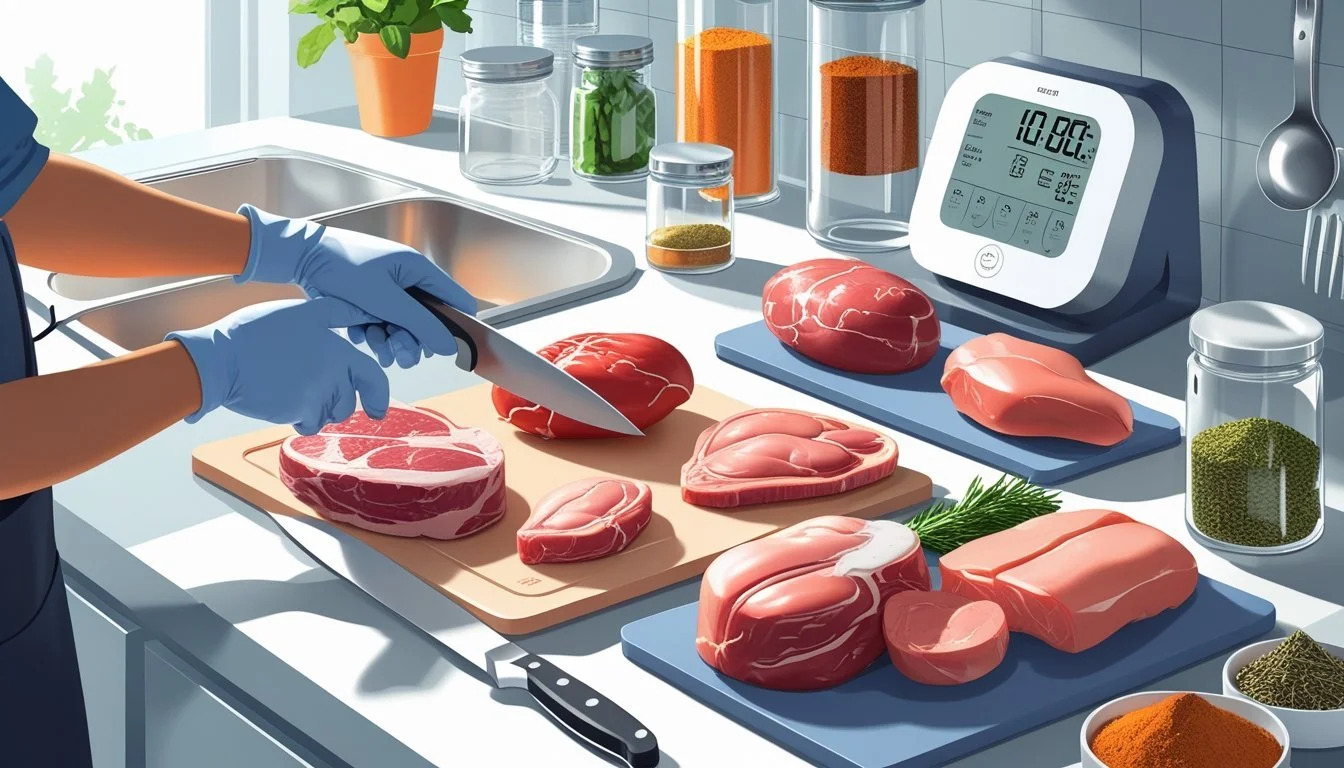
Selecting, preparing, and consuming organ meats requires attention to sourcing, potential health risks for some groups, and awareness of certain food additives. Safe practices and informed choices help maximize nutritional benefits while minimizing potential hazards.
Choosing High-Quality Organ Meats
High-quality organ meats should be sourced from reputable suppliers who follow proper handling and storage protocols. Meat from grass-fed or pasture-raised animals is often preferred due to lower exposure to pesticides and potentially less antibiotic use.
Consider the following when choosing organ meats:
Check for certifications such as organic or animal welfare-approved.
Purchase from trusted butchers or markets with clear provenance.
Inspect color, smell, and texture; fresh organ meats should be firm and moist, not slimy or off-smelling.
Proper storage is key. Organ meats are more perishable than muscle meats and should be refrigerated or frozen promptly after purchase.
From a sustainability perspective, using organ meats supports "nose-to-tail" eating, which reduces food waste and improves the efficiency of animal agriculture.
Addressing Vulnerable Groups
Certain populations need to exercise extra caution with organ meats. Pregnant women, young children, older adults, and those with compromised immune systems are more susceptible to foodborne illnesses.
Organ meats are high in vitamin A and cholesterol. Excessive intake, especially liver, can pose health risks such as hypervitaminosis A. Those with gout or high uric acid may also need to limit consumption due to purine content.
Individuals with specific health conditions should consult healthcare professionals before adding large quantities of organ meats to their diet. Cooking organ meats thoroughly can reduce the risk of bacterial or parasitic infections.
Understanding Food Additives
Some processed or prepared organ meats, such as pâtés or sausages, may contain additives like preservatives, coloring agents, and monosodium glutamate (MSG). MSG is commonly used to enhance savory flavors but is unnecessary if preparing organ meats at home from raw sources.
Table: Additives Sometimes Found in Processed Organ Meats
Additive Purpose Notes Sodium nitrite/nitrate Preserves color, flavor Linked to health concerns MSG Flavor enhancer May cause sensitivity in some Artificial coloring Visual appeal No nutritional benefit
Reading labels and choosing minimally processed products will help reduce exposure to unnecessary additives. Preparing organ meats from scratch gives greater control over what is included in dishes.
Sustainable Sourcing and Environmental Impact

Sourcing organ meats thoughtfully can lower environmental impact compared to traditional muscle meats. Prioritizing ethical sourcing and reducing waste are important for consumers wanting a more sustainable diet.
Ethical Considerations
Sustainable organ meat sourcing often means choosing farms that use humane animal husbandry and environmentally friendly practices. Look for suppliers certified with labels such as organic, pasture-raised, or animal welfare approved. These certifications ensure animals are raised with care for their well-being and the environment.
Sourcing from local and small-scale farms helps reduce transportation emissions and supports community-based agriculture. Such farms may also use rotational grazing or regenerative practices that maintain soil health and limit resource use. Transparent sourcing is essential—buyers should ask butchers or farmers about how animals are raised and processed.
Below is a quick checklist for ethical sourcing:
Look for third-party certifications (e.g., Animal Welfare Approved)
Prioritize local suppliers
Inquire about animal diets and outdoor access
Avoid factory farmed products when possible
Reducing Food Waste
Incorporating organ meats into daily meals helps utilize more parts of the animal, markedly decreasing food waste. The modern food industry often discards nutrient-rich organs, despite their value. By consuming liver, heart, tongue, and other organ meats, the demand for whole-animal butchery increases.
Eating a variety of animal parts ensures that livestock resources are used more efficiently. This reduces pressure on production systems and lessens the number of animals needed for the same volume of edible food.
A comparison of typical yields:
Animal Part % of Total Edible Weight Muscle meats ~60% Organ meats ~10-15%
Choosing organ meats transforms byproducts into valued foods, helping the entire industry minimize waste and operate more sustainably.
Lifelong Learning for Mastery
Continuous engagement with the latest research and culinary methods supports proficiency with organ meats. Staying updated and willing to adapt leads to confident choices in preparing and enjoying these nutrient-rich foods.
Staying Informed on Nutrition Trends
Organ meats are dense in nutrients like B vitamins, iron, zinc, omega-3 fatty acids, and choline. Nutritional science evolves, so it is important to monitor reputable health organizations, journals, and registered dietitians for new findings.
Key strategies for staying informed include:
Subscribing to evidence-based nutrition newsletters.
Following updates from organizations such as the Cleveland Clinic or WebMD.
Reviewing summary tables of recent studies, focusing on health impacts and dietary recommendations.
Reading about the pros and cons of organ meat, such as risks related to specific conditions or benefits like improved brain function, allows readers to tailor consumption to personal needs.
Expanding Culinary Horizons
Mastery involves exploring diverse recipes and preparation techniques for organ meats. Specific cuts like liver, tongue, and heart have distinct textures and flavors, each benefiting from unique cooking methods.
Ways to expand culinary practice:
Experiment with international dishes like French pâtés, Mexican menudo, or Asian stir-fried liver.
Join cooking classes or online workshops that specialize in offal.
Create a rotation table of organ meats, trying new combinations each month:
Week Organ Dish Example 1 Liver Sautéed with onions 2 Tongue Braised tacos 3 Heart Grilled skewers 4 Kidney Steak and kidney pie
By regularly preparing different organs and styles, proficiency and comfort levels increase, encouraging a lifelong appreciation for these foods.
Conclusion
Organ meats provide a dense source of nutrients such as iron, B vitamins, and omega-3 fatty acids. Their inclusion can support balanced nutrition without requiring large portions.
Many find that eating these cuts 1-3 times per week fits well into a varied diet. Frequency may be adjusted based on individual preferences and needs.
Organ meats can be prepared using methods similar to common cuts of meat. Simple approaches like sautéing, stewing, or blending into ground dishes often work best for those new to these foods.
Potential Advantages:
High in essential vitamins and minerals
Supports sustainable eating habits
Offers flavor and texture variety
Points for Consideration:
Strong flavors may require adaptation
Source quality matters for safety
Moderation is important
Trying new preparations or recipes may help individuals develop a taste for these nutrient-rich foods. Sustainable sourcing and proper cooking enhance both nutritional value and culinary experience.

