
Zero-Carb Seasoning Hacks That Won’t Break the Rules
Flavorful Tips for Clean Eating
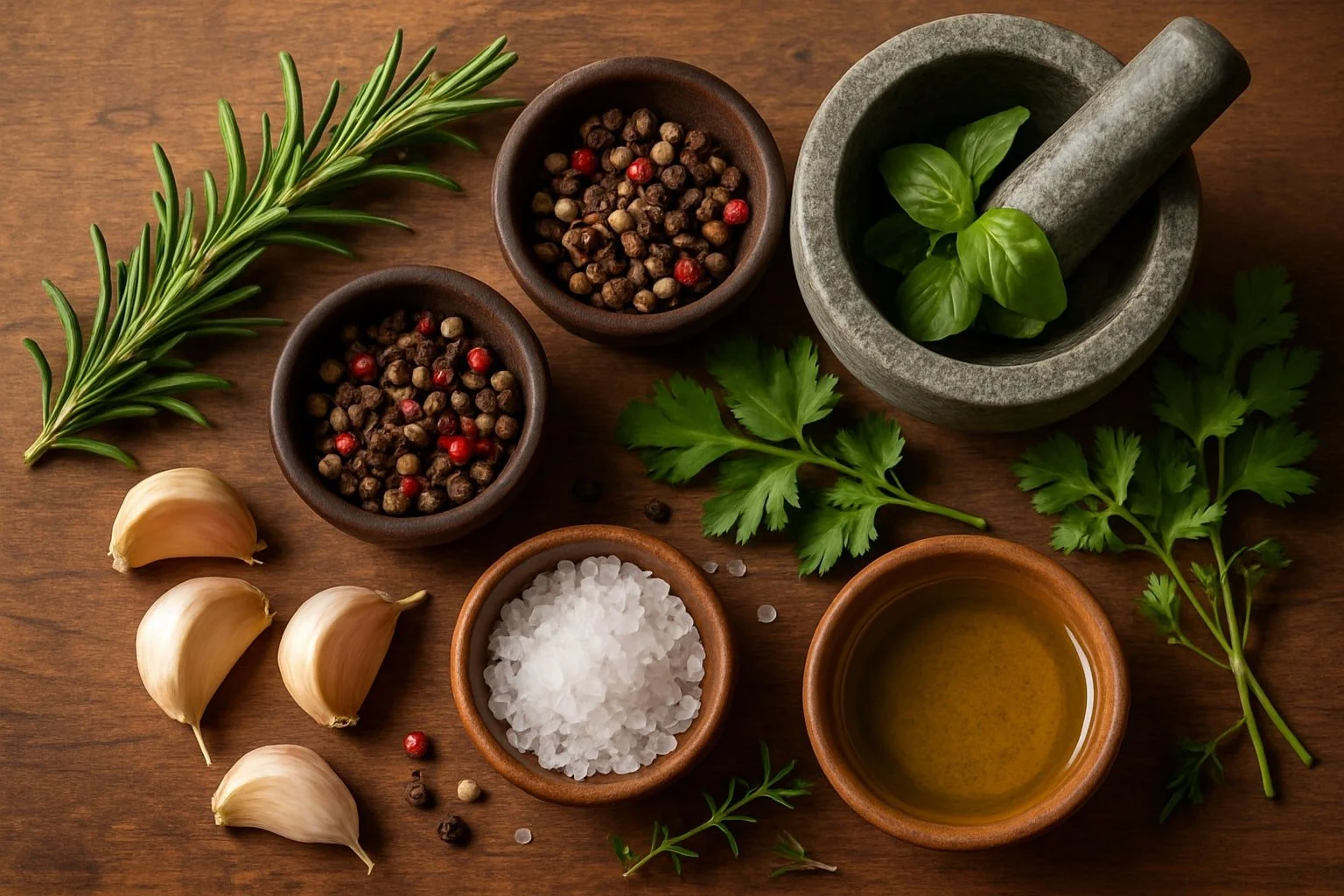
Zero-carb seasoning hacks make it possible to add flavor to meals without increasing carbohydrate intake or breaking keto and low-carb rules. By choosing the right herbs and spices—like dill, chives, cilantro, and parsley—anyone can keep dishes interesting while keeping carbs at a minimum. Many of these seasonings contain less than one gram of carbs per tablespoon, especially when using dried forms.
For those watching every gram, it’s important to avoid premade blends with hidden sugars or starches. Simple homemade mixes or single-ingredient spices are reliable options that keep meals within diet guidelines. These zero-carb hacks help create a wider variety of tasty dishes that still fit into strict carb limits.
Zero-Carb Seasoning Principles
Zero-carb seasoning requires careful ingredient selection and label reading. Paying close attention to nutrition information helps keto dieters avoid unwanted carbs and sugar in their meals.
Understanding Net Carbs in Spices
Net carbs are the total carbohydrates minus fiber and some sugar alcohols. Most single herbs and spices like dill, parsley, oregano, basil, thyme, and mint contain nearly zero net carbs per serving, usually less than 1 gram per tablespoon.
Dried herbs can be slightly higher in carbs than fresh, but both are generally safe for those following a low-carb or keto diet. Spices such as cumin, paprika, and cayenne have more carbs but are still suitable for keto when used in typical small amounts.
Choosing individual spices over pre-made blends gives greater control over net carb intake. Measuring servings accurately is also important since even small carb amounts can add up over time.
Reading Nutrition Labels for Seasonings
Nutrition labels on seasonings reveal important information, such as total carb count, serving size, and added ingredients. Zero-carb seasonings will list 0 grams of carbohydrates and sugars per serving.
Ingredients to watch for on the label include fillers, starches, or processed additives that can increase carb content. Look for simple ingredient lists: preferably just the herb or spice and nothing else.
Pay attention to serving sizes, as they can vary between brands and products. For a quick comparison, this table shows common label elements:
Label Element What to Check For Total Carbs Should be 0g per serving Sugars Should be 0g per serving Ingredients List Pure spices, no fillers
Regularly checking every label—even for familiar brands—helps ensure compliance with strict low-carb or keto targets.
Avoiding Added Sugar in Blends
Many pre-made seasoning blends and spice mixes contain hidden sugars or maltodextrin, which can add unwanted carbs. Sugar may appear under names like dextrose or corn syrup solids.
Always check the ingredients list and nutrition information for red flags. Choose blends specifically marked as "no sugar added" or "zero sugar" when possible.
If purchasing pre-made blends, opt for ones that are labeled gluten-free or keto-friendly, as these are less likely to include added sugar. Making your own blends at home using single herbs and spices gives full control over what goes into each mix.
Must-Have Zero-Carb Spices and Herbs
Finding flavor on a keto or zero-carb diet is simple with the right selection of spices and herbs. Many common seasonings offer full taste without adding carbs, making them valuable for low-carb cooking.
Essential Keto-Friendly Spices
Several spices bring bold flavors and contain zero or negligible carbs. Basil, oregano, and thyme are just a few that add depth to sauces, meats, and vegetables with no sugar or starch.
Sage and rosemary are perfect for poultry and roasts, while mint gives salads or drinks a refreshing kick. Both fresh and dried versions can work, but dried herbs typically pack more flavor in smaller servings.
For blends, stick to those with herbs and spices as the only ingredients. Avoid premixed options that list sugar, rice flour, cornstarch, or other fillers that add carbs. Individual seasonings like fennel seeds, tarragon, and parsley are also dependable zero-carb options.
Common Zero-Carb Spices Table
Spice/Herb Use Case Carbs per Tbsp Basil Sauces, salads 0 g Oregano Pizza, meats 0 g Sage Poultry, stuffing 0 g Rosemary Roasts, potatoes 0 g Thyme Soups, chicken 0 g Mint Drinks, salads 0 g Parsley Garnish, fish 0 g
Fresh vs. Dried Herbs
When comparing fresh and dried herbs, dried generally offers a more concentrated flavor with a longer shelf life. A small amount goes a long way, which can make dried forms more convenient and economical for everyday cooking.
Fresh herbs, such as parsley or mint, bring a bright taste and vibrant color. They work best as a garnish or in salads, and their water content means their carb count per serving is even lower than dried equivalents.
Store dried herbs in a cool, dark place with airtight containers to maintain their potency. For the most flavor, crush dried herbs between your fingers before adding them to dishes.
Bulk Pantry Staples
Stocking up on zero-carb staple herbs and spices ensures quick access for meal prep. Purchasing larger quantities of core items like basil, oregano, thyme, and rosemary can save money and reduce grocery trips.
Plain dried parsley, tarragon, sage, and mint are pantry must-haves, as they suit a variety of cuisines. Always check labels for hidden sugars or starches, especially when buying spice mixes.
Buying in bulk also makes it easy to create custom blends at home. Homemade mixes using only dried herbs and spices guarantee zero-carb flavor without unnecessary additives.
Zero-Carb Flavor Boosters
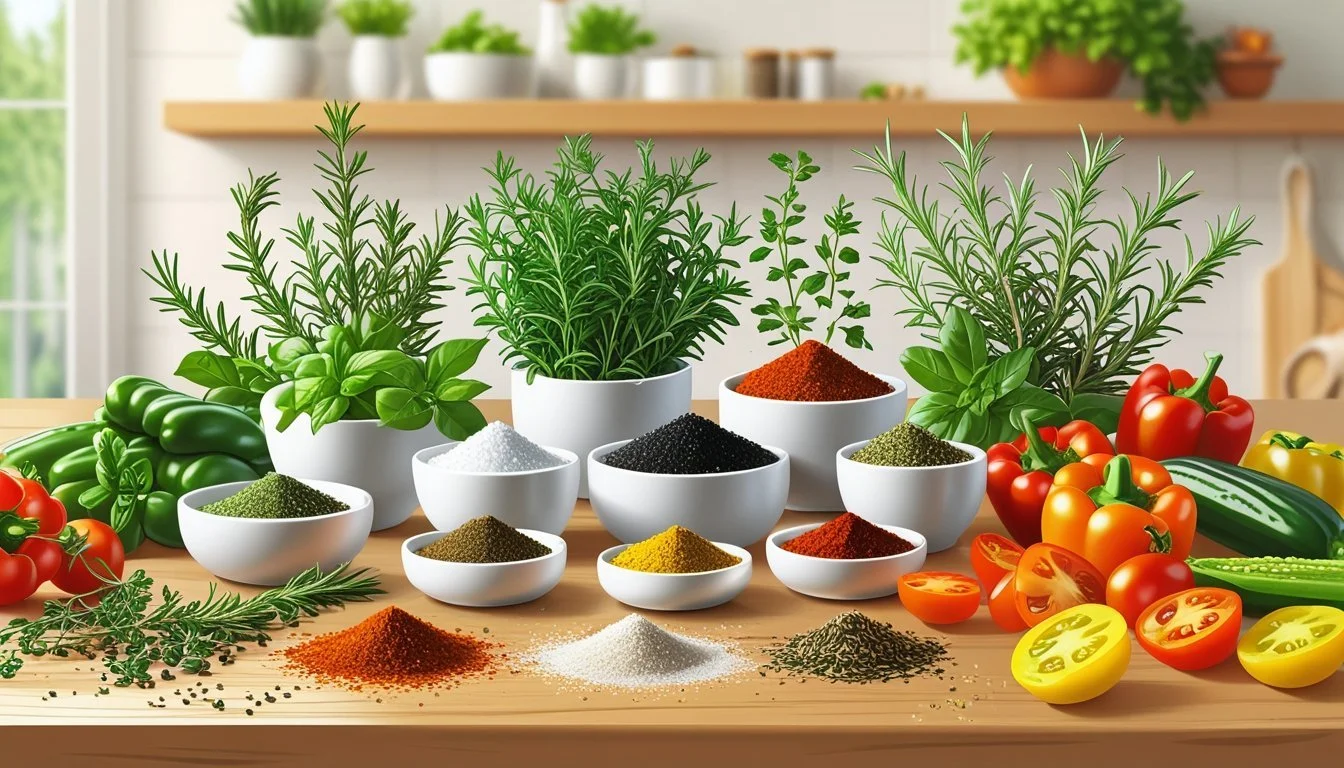
Zero-carb flavor enhancers can transform simple dishes into satisfying meals. They bring out the natural taste of foods without added carbs, helping maintain both taste and dietary goals.
All About Salts: Different Types and Uses
Salt is a staple zero-carb seasoning that boosts flavor and enhances aromatics in any meal. There are several types to consider:
Table salt is common, but often contains additives.
Sea salt offers a cleaner taste and comes in fine or coarse grains.
Sea salt flakes can deliver softer crunch and a burst of flavor.
Many prefer sea salts for their mineral nuance and ability to finish dishes with a subtle texture. Chefs often choose larger flakes for topping steaks, roasted vegetables, or salads to provide both flavor and visual appeal.
Crushing coarse salt flakes just before serving helps maintain their crunch. Always season dishes just before serving to keep the crystals intact and the flavor pronounced.
Salt is also versatile for making homemade spice blends. Combining it with dried herbs or chipotle powder results in zero-carb rubs or finishing salts without hidden sugars or MSG.
Vinegars for Depth without Carbs
Vinegar is another zero-carb secret for building aromatic flavor and depth without compromising a carb limit. Distilled vinegar is sharp and colorless, making it a neutral flavoring agent for pickles, vinaigrettes, and condiments.
Apple cider vinegar delivers a milder, fruity tang that complements dressings, marinades, or roasted vegetables. Its subtle complexity is popular in both savory and sweet applications.
For a quick flavor boost, a splash of vinegar can refresh cooked greens, lift sauces, or balance richer meats. When choosing vinegar, look for varieties with no added sugars or flavorings to keep meals strictly zero-carb.
A small amount goes a long way—start light and adjust to taste. Combining vinegar with salt can amplify the brightness, making simple vegetables and proteins more interesting and flavorful.
Creating Homemade Seasoning Blends
Zero-carb seasoning blends allow for powerful flavor boosts without unwanted carbohydrates or preservatives. Carefully selected herbs and spices enable full control over both ingredients and taste, making it easy to tailor blends for keto or low-carb needs.
Classic All-Purpose Keto Mixes
Most all-purpose seasoning blends start with foundational spices like garlic powder, onion powder, black pepper, and paprika. These ingredients are naturally low in carbs and work well for seasoning protein and vegetables.
Popular choices include:
Everything bagel seasoning: sesame seeds, poppy seeds, dried onion, garlic, and salt.
Adobo seasoning: garlic, black pepper, oregano, and turmeric, minus added fillers.
Chili powder: a mix of ground chiles, cumin, oregano, and paprika.
For convenience, bulk up on whole spices and grind them fresh. Homemade blends are not only more cost-effective but also ensure there are no hidden starches or sugars. Store mixtures in airtight containers away from light and heat for optimal freshness.
Ethnic Spice Mix Inspirations
International seasoning blends introduce a variety of flavors with zero-carb potential. Blends like taco seasoning use chili powder, cumin, smoked paprika, and garlic powder, while omitting any store-bought additives.
Other zero-carb global classics:
Curry powder: turmeric, coriander, cumin, mustard, and fenugreek seeds.
Garam masala: cloves, cinnamon, cardamom, cumin, and coriander, blended for warmth.
Chinese 5 spice: equal parts fennel, cinnamon, cloves, star anise, and Sichuan pepper.
Customizing these mixes allows for adjustments in heat and depth. Mixing at home also gives assurance that only pure, unadulterated spices go into every blend. This offers both flavor versatility and peace of mind for anyone watching their carb intake.
Single Ingredient Hacks for Maximum Impact
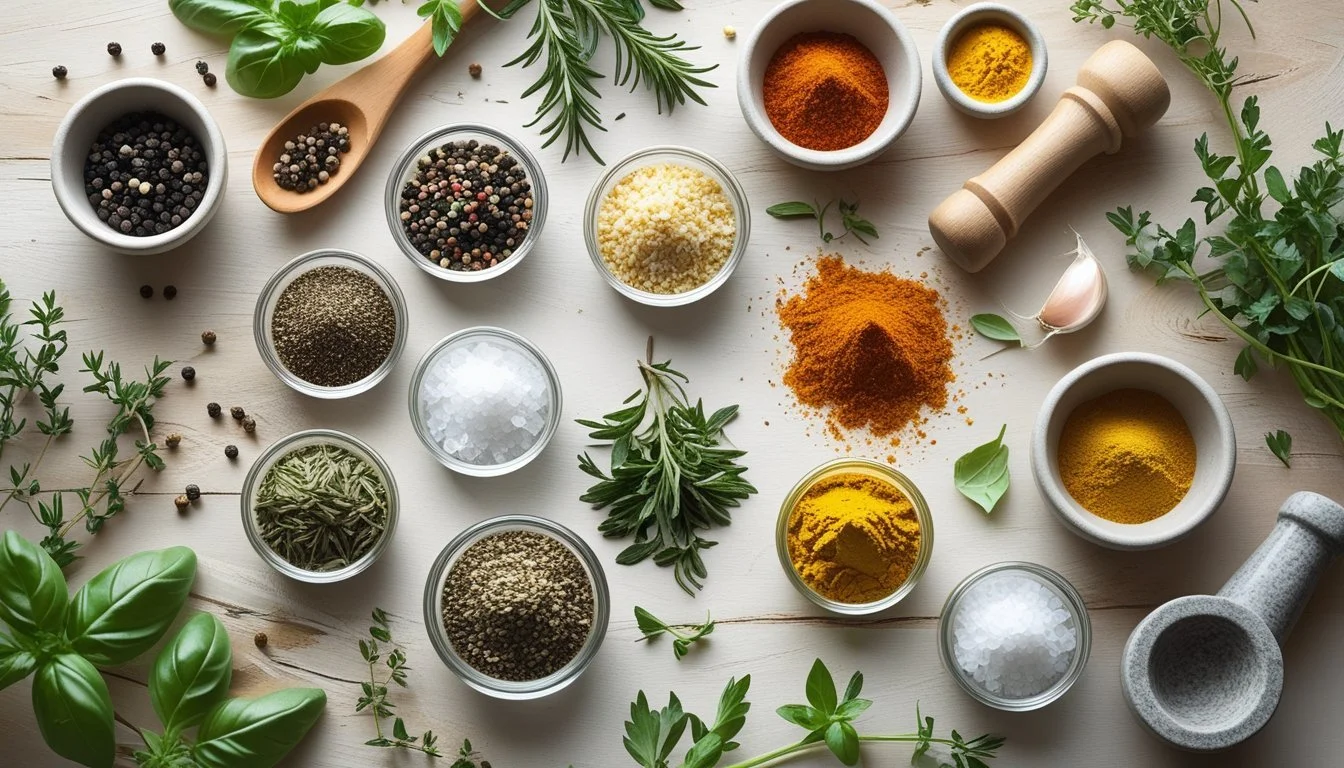
Choosing the right single-ingredient seasonings can elevate dishes without adding any carbs. Small changes—like switching from fresh to powdered or dried forms—can save time, boost flavor, and offer practical zero-carb options.
Garlic and Onion Powder Versus Fresh
Garlic and onion powders are both made from their fresh counterparts, dehydrated and finely ground. This form has a long shelf life and delivers strong, concentrated flavor in small amounts. Since the powders are made from pure garlic or onion with no fillers, their carb count is effectively zero per serving.
Using powders instead of fresh saves time on preparation and clean-up. They disperse more evenly in rubs, marinades, and spice blends. Fresh garlic and onions add moisture and texture but come with more measurable carbs and are less convenient for seasoning mixes designed for storage.
Comparison Table:
Form Prep Needed Shelf Life Carbs/Serving Best Uses Fresh Garlic Peel, chop Short 1g+/clove Sauces, sautés Garlic Powder None Long ~0g/¼ tsp Rubs, seasonings Fresh Onion Peel, slice Short 1g+/tbsp chopped Stir-fries, roasting Onion Powder None Long ~0g/¼ tsp Dry blends, marinades
Dried Aromatics: Convenience and Flavor
Dried garlic and dried onion add intense taste to dishes without any preparation. Unlike powders, granules or flakes provide a different texture and can be rehydrated while cooking, releasing flavor gradually. This quality is valuable in soups or slow-cooked recipes, where the aromatics meld into the dish over time.
Dried forms offer a practical way to store pantry staples for long periods without risk of spoilage. They’re ideal for meal prepping or for those who need to avoid added sugars or starches found in some seasoning blends. For best results, look for products labeled as 100% garlic or onion, free from fillers and anti-caking agents.
Quick Facts:
Dried Minced Garlic/Onion: Good for long cooks or adding crunch.
Dried Slices/Flakes: Add visible texture and mild flavor.
Zero-carb: No sugars or starches when using pure dried forms.
Blending Spices to Suit Different Dishes
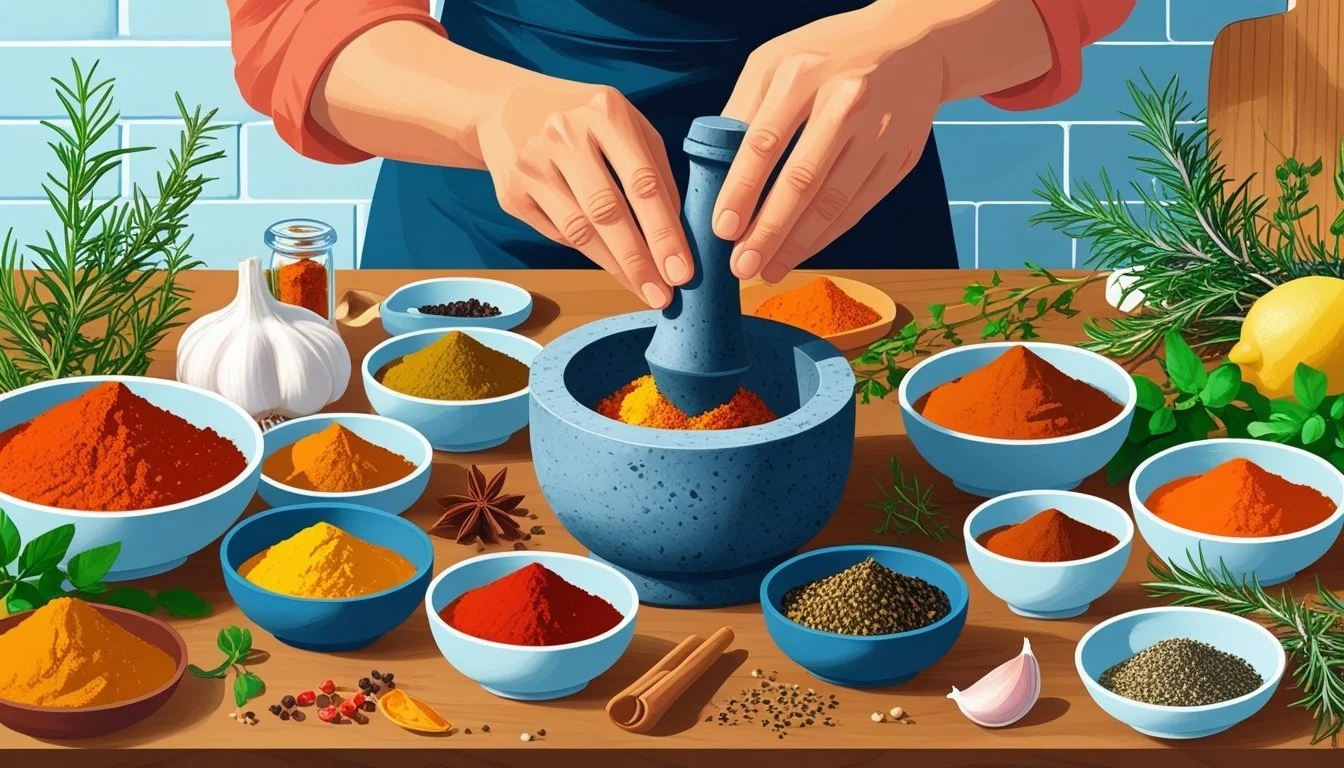
A low-carb kitchen relies heavily on the right combinations of herbs and spices. The right blend enhances chicken, pork, fish, and vegetables without adding hidden sugars or carbs.
Dry Rubs for Meat and Seafood
Dry rubs are essential for flavoring meats like chicken, pork chops, and fish while keeping carb counts at zero. A simple rub might use smoked paprika, ground cumin, black pepper, garlic powder, and sea salt. For BBQ flavors, chili powder and a pinch of cayenne can add depth without sugar.
Rubs should be applied generously to ensure even seasoning. For seafood, lighter herbs such as dill, lemon zest, and parsley are effective, while pork benefits from rosemary and thyme. They work for grilling, baking, or roasting.
A time-saving tip is to make a batch of dry rub ahead of time and store it in an airtight container for up to six months. This allows for quick meal prep on busy days. Always avoid blends with added starches or fillers.
Low-Carb Dips and Dressings
Homemade dips and dressings keep carbs low by skipping bottled sauces that often contain sugar and fillers. Use full-fat Greek yogurt, mayo, or sour cream as bases. Stir in herbs like oregano, basil, and dill, plus spices such as garlic, onion powder, and ground mustard.
For an easy keto ranch, combine mayo, sour cream, dried dill, onion powder, garlic powder, black pepper, and a pinch of salt. Lemon juice or apple cider vinegar can add brightness without carbs.
Mixing these seasonings creates flavorful dips for raw vegetables or dressings for salads and cooked meats. A small amount of smoked paprika or chipotle powder gives a bold flavor to creamy dips—no need for processed ingredients.
Innovative Keto-Friendly Sauces
Zero-carb sauces start with simple seasonings and careful ingredient choices. Classic options like chimichurri blend parsley, garlic, red pepper flakes, and olive oil for a topping on steak or fish. Mustard, vinegar, and olive oil form a base for tangy vinaigrettes.
For an Asian-inspired sauce, mix soy sauce (or tamari), ginger, garlic, and a little sesame oil. Smoked paprika, cumin, and oregano can be cooked with tomato paste to build a no-sugar BBQ sauce.
Here is a quick keto BBQ sauce example:
Ingredient Amount Tomato paste 2 tbsp Apple cider vinegar 2 tbsp Smoked paprika 1 tsp Garlic powder 1/2 tsp Onion powder 1/2 tsp Oregano 1/2 tsp Water to thin Salt & pepper to taste
Adjust the seasonings to suit grilled chicken, pork, or roasted vegetables. These sauces provide bold tastes without going off-plan.
Less Common Zero-Carb Seasoning Ideas
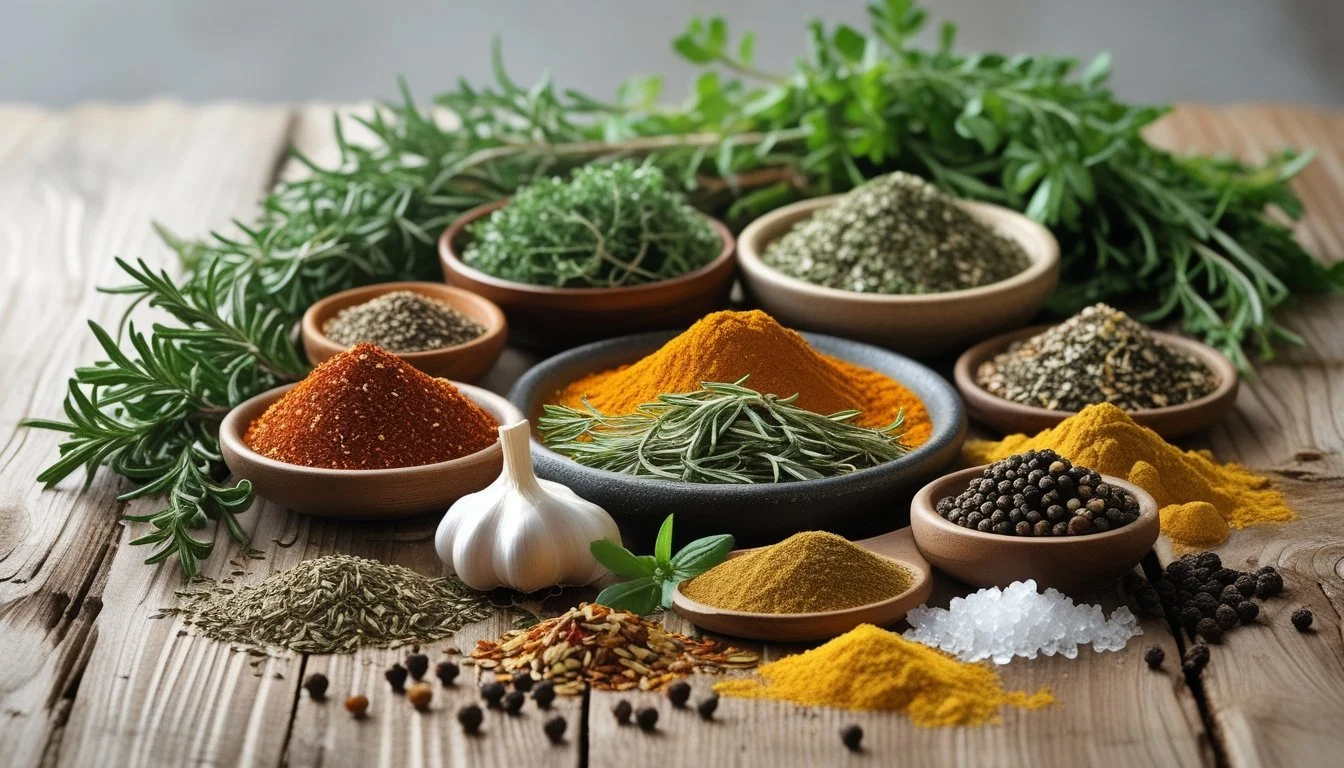
Zero-carb seasonings are not limited to dry spices and herbs. Some often-overlooked toppings can add crunch, flavor, and variety without contributing carbs or hidden sugars.
Cheese Crisps and Crunchy Toppings
Cheese crisps are a practical zero-carb topper for salads, soups, and casseroles. They are made by baking or microwaving thin piles of shredded cheeses like parmesan or cheddar until crisp. These can be broken up and sprinkled over dishes for a savory, salty crunch.
Unlike bread crumbs or croutons, cheese crisps contain nearly zero carbohydrates. They are suitable for keto diets and anyone monitoring carb intake. Store-bought options are available, but making them at home lets users control sodium and flavor.
Ways to use cheese crisps as a seasoning:
Crumble finely over roasted vegetables, eggs, or steamed green beans.
Add to keto snack mixes for extra texture.
Use as a base layer on casseroles to replace traditional breadcrumbs.
Seeds and Savory Toppings
Seeds like sesame and poppy seeds add flavor and texture without adding significant carbs. Sesame seeds are common on keto bagels or sprinkled over stir-fries, providing a subtle nutty taste.
Poppy seeds are often used as a finishing touch, especially in dressings or on vegetables. Both seeds have less than 1 gram of net carbs per tablespoon, making them excellent for low-carb diets.
Other ideas include mixing seeds with herbs to top salads or incorporating them into homemade zero-carb spice blends. They remain stable when toasted, which intensifies both flavor and crunch, offering another layer of seasoning for meats or vegetables.
Spice Pairings and Flavor Combinations
Zero-carb seasonings offer diverse flavor profiles when the right spices are blended thoughtfully. Optimal combinations elevate dishes, enhance natural flavors, and keep meals interesting without adding carbs.
Balancing Heat, Herbaceous Notes, and Sweetness
Combining black pepper, white pepper, and cayenne gives a controlled range of heat. This trio allows for anything from subtle warmth to a sharper kick, depending on the proportions. For instance, white pepper delivers a milder taste than black pepper, while cayenne provides a fiery finish.
Balancing heat with herbs like cilantro or spices such as coriander and cumin adds complexity but keeps the blend fresh and lively. Cumin lends earthy depth that balances well with brighter flavors like cilantro or the gentle zest of ginger.
To mimic a slight sweetness or aromatic lift, use nutmeg, cardamom, or a pinch of anise. These spices, though subtle, can round out sharp flavors without actual carbs.
A basic zero-carb seasoning mix for versatility:
Heat Herbaceous Sweet/Aromatic Cayenne Cilantro Nutmeg Black Pepper Coriander Cardamom White Pepper Cumin Anise
Pairings With Meat, Seafood, and Vegetables
For chicken, a mix of smoked paprika, black pepper, coriander, and cumin provides robust flavor and a touch of smokiness. Add a little ginger to introduce warmth and complexity.
When seasoning pork, use white pepper, cumin, and fennel or anise for a savory and aromatic blend. Smoked paprika adds depth, while a hint of nutmeg can enhance richness without overpowering the meat.
Fish benefits from delicate combinations. Coriander, a bit of white pepper, and freshly chopped cilantro highlight natural flavors. Szechuan peppercorns—with their mild heat and citrus-like aroma—boost seafood dishes, especially when paired with ginger.
Vegetables can handle a mix of paprika, cumin, and cilantro for vibrancy and earthiness. Roasted vegetables respond well to a dash of smoked paprika blended with black pepper to intensify flavor.
Troubleshooting Low-Carb Seasoning Challenges
Getting the right flavor from zero-carb seasonings can be tricky, especially when avoiding sugars or fillers found in many blends. Addressing common issues can help maximize taste and aroma without adding extra carbs.
Enhancing Aroma Without Carbs
Aromatic flavor is key to making low-carb dishes satisfying. Fresh herbs like cilantro, parsley, and dill release stronger aromas than dried forms. Whole spices—such as cumin seeds or black peppercorns—can be toasted briefly in a dry skillet to unlock essential oils and intensify fragrance.
Using blends like Herbs de Provence or creating homemade versions of pumpkin pie spice allows customization while avoiding unnecessary additives. Grinding spices just before use keeps aromas more potent. Avoid commercial seasonings with hidden sugars or starches, and look for zero-carb alternatives by checking ingredient labels or making blends at home.
Other zero-carb aroma boosters include lemon zest, dried chili flakes, and smoked paprika. These add brightness or depth to meals without raising carb counts.
Adjusting for Sensitive Taste Buds
Some people find bold seasonings overpowering, especially on a low-carb diet where flavors can seem more intense. Starting with minimal amounts and building up gradually allows for better control. Diluting potent blends with neutral bases like ground parsley or chives reduces intensity without adding carbs.
If a blend is too spicy or bitter, a pinch of salt or a few drops of lemon juice can help balance flavors. Whole foods such as roasted garlic or fresh ginger offer gentle aromatic enhancements that suit sensitive palates.
Carefully selecting high-quality, pure spices ensures a cleaner flavor profile and avoids unwanted fillers. Reading labels and purchasing from trusted sources can make a noticeable difference for those with refined taste sensitivities.

