
Meat Delivery Services Compared: Top Options and Key Differences
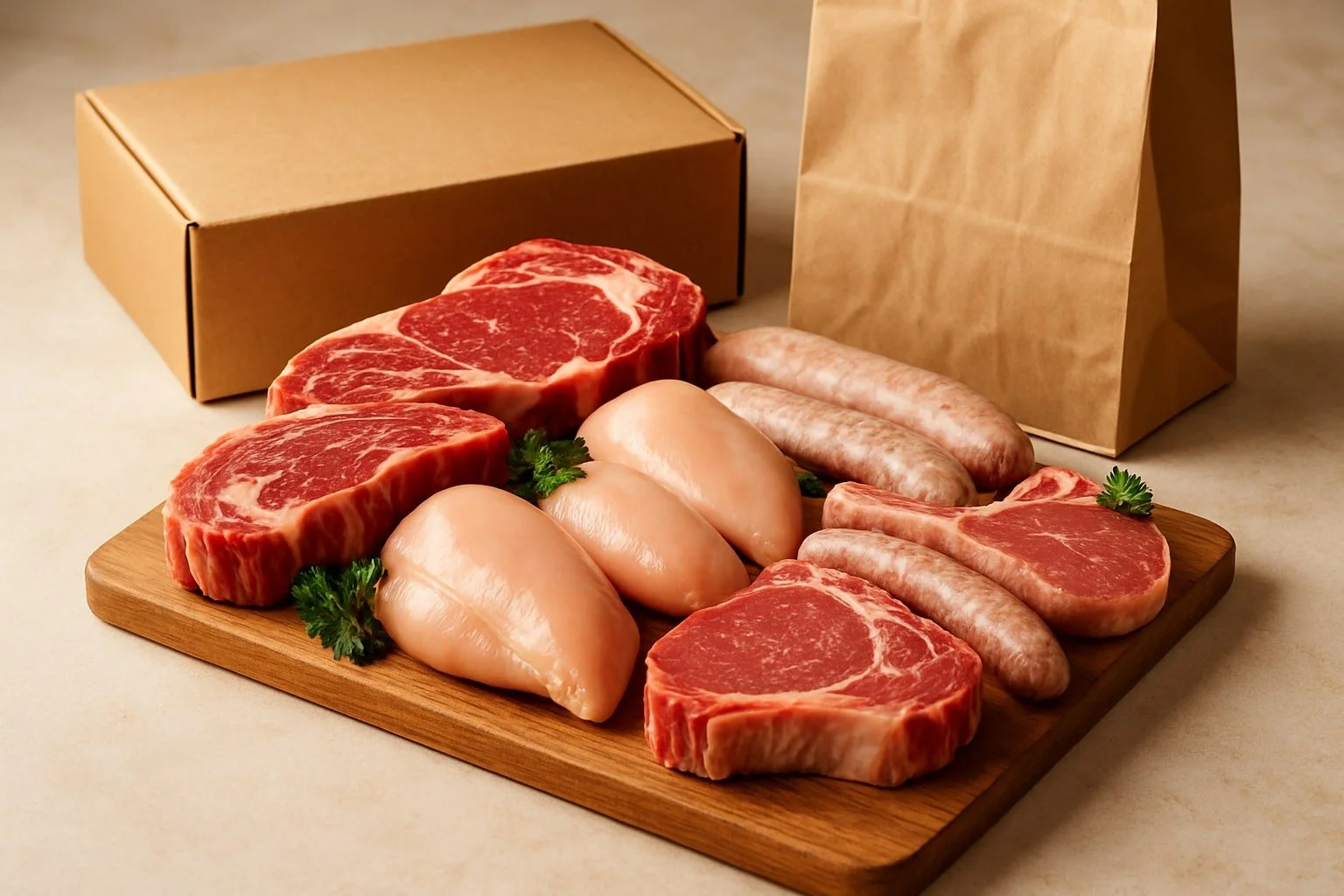
Choosing the right meat delivery service can make a big difference in meal quality, convenience, and budget. The top meat delivery services offer a range of options, including grass-fed beef, heritage pork, wild-caught seafood, and antibiotic-free chicken, delivered straight to your door in vacuum-sealed packaging. With flexible one-time purchases or subscription plans, there is a solution for nearly every household and cooking style.
Comparing these services helps shoppers find the best value, whether they prefer specialty meats, need groceries included, or want shipping deals. Factors like delivery area, pricing, and the availability of promotions and rewards programs are also key to making an informed choice. Readers can expect practical insights to help decide which meat delivery service fits their needs.
Overview of Meat Delivery Services
Meat delivery services have seen notable growth, providing customers with convenient access to a wide range of high-quality meats. These services simplify sourcing, selection, and delivery, making it easier for consumers to receive fresh, specialty, or hard-to-find cuts directly to their doors.
Types of Meat Delivery Companies
There are several main types of meat delivery companies, each with its own focus and selection. Some companies specialize in premium or specialty meats, such as grass-fed beef, organic poultry, or wild-caught seafood. Others concentrate on specific animal proteins or cater to niche markets, including game meat or exotic cuts.
Many services offer subscriptions that provide regular deliveries, while others operate on a one-time purchase model. The table below summarizes common company types:
Type Focus Subscription services Regular, curated shipments A la carte online butchers Flexible, one-off orders Specialty and sustainable meat companies Ethical sourcing or specific breeds Bulk/wholesale providers Volume discounts for larger quantities
Consumers can choose a provider that closely matches their preferences for sourcing, selection, and frequency.
How Meat Delivery Services Work
Customers usually start by visiting the company's website or app, where they browse available products. Some services require creating an account, while others allow guest checkout. Shoppers select their preferred cuts, portion sizes, and delivery frequencies.
After checkout, meat is typically vacuum-sealed and shipped frozen to preserve freshness. Standard and expedited shipping options are common, with some companies offering free shipping on larger orders. Delivery is made to the customer's doorstep, often in insulated packaging designed to maintain food safety during transit.
Some companies provide additional features such as recipe cards, cooking tips, or detailed sourcing information. This adds transparency and enhances the overall experience for the buyer.
Benefits of Using Meat Delivery Services
Meat delivery services offer convenience by eliminating the need for store visits and by saving time. They also provide access to products that might not be available locally, such as specialty cuts or sustainably raised meats.
There are often customization options for ordering, allowing consumers to select portion sizes, frequency, and preferences through flexible plans. The quality control measures, such as vacuum-sealing and careful packaging, help ensure meats arrive in safe and fresh condition.
For those seeking ethical or premium options, these services frequently include clear details on sourcing methods, animal welfare standards, and certifications. This can make it easier to find products that align with personal values regarding food quality and sustainability.
Comparison Criteria
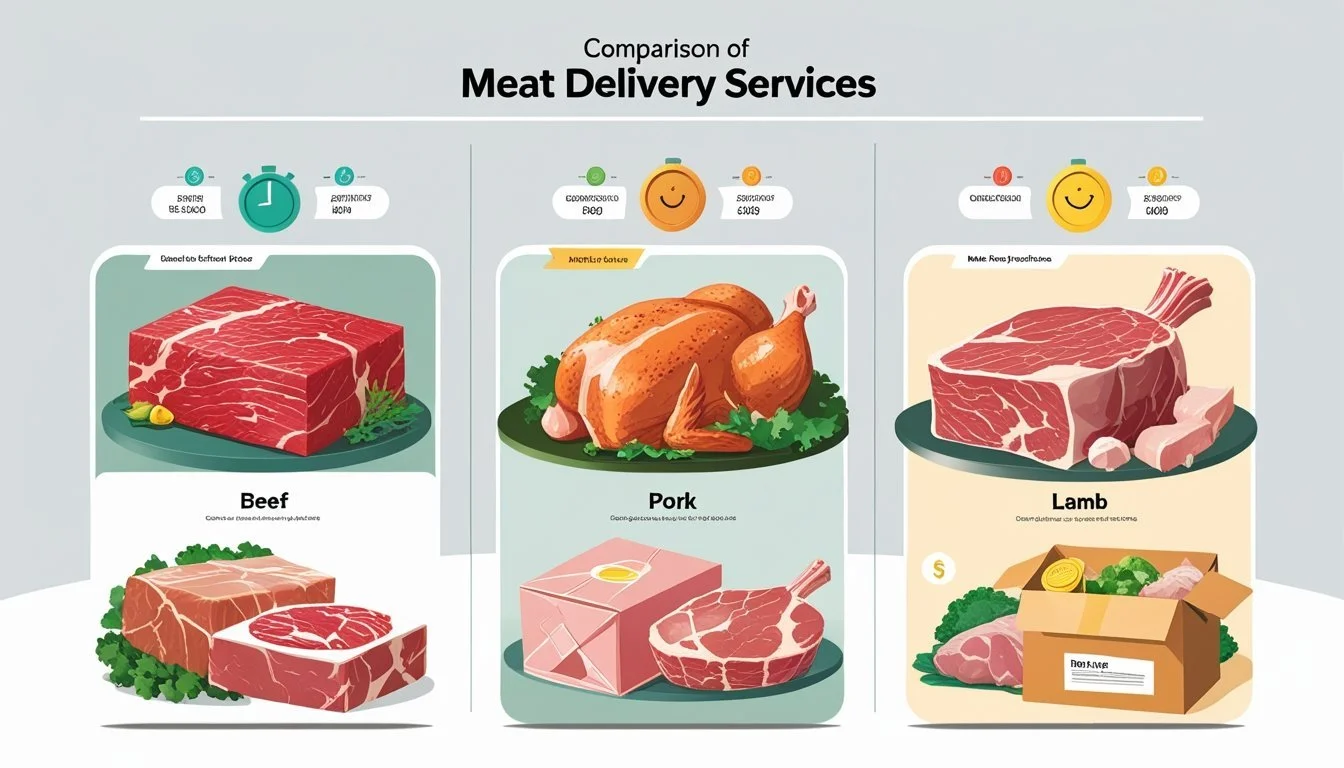
The strengths and weaknesses of meat delivery services depend on several factors, including the range of products, sourcing practices, and overall cost to the customer. By examining these aspects, consumers can better choose a service that fits their needs and expectations.
Selection and Variety
Service options are not all the same—some specialize in premium cuts or exotic meats, while others focus on common staples like chicken, beef, and pork. A few services also offer seafood, specialty sausages, or bundle packages. The breadth of selection may include subscription choices, single order flexibility, or curated boxes designed for different cooking styles.
Some companies feature add-ons beyond just raw meat, such as prepared meals or groceries. Lists and filters help shoppers compare by protein type, cut, or source. Bulk ordering, gift boxes, and regional offerings can further tailor the experience.
When comparing, consider not only the number of options but also how clearly choices are organized and how often new selections rotate. Services that provide both customization and preset packs cater to a broader customer base.
Quality Standards
Most high-rated meat delivery services adhere to strict sourcing guidelines. Many highlight attributes such as grass-fed beef, wild-caught seafood, and organic or antibiotic-free poultry. Some services provide detailed information about the supplier, including farm or fishery origins and third-party certifications like USDA Organic or B Corp.
Animal welfare is frequently addressed, with terms such as “humanely raised,” “free-range,” or “no added hormones.” Transparency is key: reputable providers clearly state how animals are treated and processed.
Customers should look for services that provide full traceability and are willing to answer questions about their supply chain. The presence of independent audits or certifications adds credibility and assurance about quality standards.
Pricing and Value
Meat delivery service pricing is influenced by factors such as sourcing, packaging, and shipping speed. Subscription plans often offer discounts compared to one-time purchases. Shipping fees may range from free to $50, depending on method and order size. Some companies waive delivery fees for larger orders.
Comparison tables and upfront pricing breakdowns on company sites make it easier to evaluate cost per pound or serving. Look for promotions, bundled deals, and rewards programs, which can reduce overall costs.
Customers should weigh product quality and convenience against total expense. Transparent pricing, clear refund policies, and flexible subscription options also play a significant role in perceived value.
Popular Meat Delivery Services Compared
Top meat delivery companies differ by sourcing, animal welfare practices, pricing, and product selection. Many shoppers want to know where their meat comes from, what farming standards are upheld, and how much flexibility and variety they can expect.
ButcherBox vs. Crowd Cow
ButcherBox focuses on delivering 100% grass-fed beef, organic chicken, and heritage breed pork. All meat is free from antibiotics and added hormones. They operate a straightforward subscription model with box options that make ordering simple.
Crowd Cow offers more flexibility for ordering. Customers can buy precisely what they want without a subscription, or join a membership for perks. Sourcing spans independent farms, including options for Wagyu and specialty cuts. Grass-fed and grain-finished beef, heritage pork, and sustainable seafood are available.
A comparison of the two:
Feature ButcherBox Crowd Cow Subscription Required Optional Sourcing US, Australia Global/US small farms Meat Selection Curated Cuts Only Curated & A La Carte Animal Welfare Strict Strict, more variety Seafood Available Yes Yes
ButcherBox is more automated and consistent. Crowd Cow caters to buyers seeking unique, sometimes rare, choices.
Omaha Steaks vs. Porter Road
Omaha Steaks is one of the oldest direct-to-consumer meat brands. It offers a wide range of vacuum-sealed meats, ready-to-cook meals, and even desserts and sides. Meat is generally grain-finished, and the company’s focus is on convenience and variety rather than strict sourcing standards.
Porter Road offers dry-aged, pasture-raised beef, pork, and chicken from small US farms. The meat is hand-cut at its Nashville facility. Porter Road highlights dry aging and humane animal treatment, but has a smaller selection and less focus on pre-made meals.
Key differences:
Omaha Steaks: Good for gift boxes, bulk orders, and those looking for a wider food selection.
Porter Road: Best for those prioritizing pasture-raised, dry-aged meat, and supporting smaller farms.
Omaha's cuts tend to be more standardized, while Porter Road features more specialty and butcher’s cuts.
Both provide high-quality options, but their target customers and sourcing philosophies differ.
Good Chop vs. Rastelli's
Good Chop delivers meat that is always hormone- and antibiotic-free, sourced from domestic family farms. Customers can build their own box or select from tailored options. Good Chop’s range includes beef, pork, chicken, and seafood with an emphasis on responsible farming and animal welfare.
Rastelli’s has a longer history in the food industry, supplying both consumers and restaurants. Its selection includes beef, chicken, seafood, and some prepared options. Rastelli’s meat is sourced both domestically and globally, with certifications for antibiotic- and hormone-free offerings.
Comparison points:
Good Chop works only with US-based farms, ensuring domestic sourcing.
Rastelli’s offers more global sourcing options and sometimes a broader product mix.
Both provide flexible box options, but Good Chop targets buyers wanting only domestic, responsibly-raised proteins.
Rastelli’s caters to customers wanting a larger catalog and long-standing reputation in meat delivery.
Meat Quality and Sourcing
Meat delivery services vary widely in the quality of their cuts, how the animals are raised, and the transparency of sourcing. Knowing these distinctions helps buyers choose a service that fits their dietary preferences and ethical considerations.
Grass-Fed and Organic Options
Many leading meat delivery services provide grass-fed beef and organically raised poultry. These products appeal to customers prioritizing animal welfare, reduced antibiotic use, and perceived nutritional benefits. Services like ButcherBox and Rastelli’s are noted for offering 100% grass-fed beef, while others may provide animals fed both grass and grain.
The USDA Organic label signals that livestock are raised without synthetic hormones, antibiotics, or GMOs, and have access to the outdoors. Some services go beyond this, sourcing from smaller, independent farms focused on regenerative agriculture. A comparison table can help clarify which providers meet grass-fed and organic standards:
Service 100% Grass-Fed USDA Organic Regenerative Farms ButcherBox Yes Yes* Some Rastelli’s Yes Yes* Some Good Chop No No No
*Availability varies by product.
Sourcing Transparency
Transparency in sourcing helps customers verify claims about meat quality and animal treatment. Some services detail the farms and regions from which they source, publish third-party audits, or share information on animal diets and living conditions.
ButcherBox and several other top-rated vendors openly provide sourcing and quality information on their websites. Customers can often see specific farm partnerships, certification badges, and detailed sourcing policies. In contrast, less transparent companies may give only generalized sourcing statements, making it harder for consumers to make informed choices.
For customers who prioritize knowing exactly where their meat comes from, choosing a service with clear traceability and detailed sourcing is critical.
Specialty Meats
In addition to standard beef, pork, and chicken, many meat delivery services now offer specialty meats such as bison, heritage pork, wild-caught game, and Wagyu beef. These options cater to culinary enthusiasts, those seeking unique cuts, or consumers with dietary restrictions.
Some subscriptions highlight heritage breeds or rare meat varieties, appealing to those interested in traditional farming and superior flavor. Others may focus on sustainable seafood, grass-fed lamb, or certified humane practices.
Availability of specialty meats varies by provider, so customers should review product lists and sourcing notes before subscribing. Lists or product filters can help find these premium cuts quickly.
Subscription Options and Flexibility
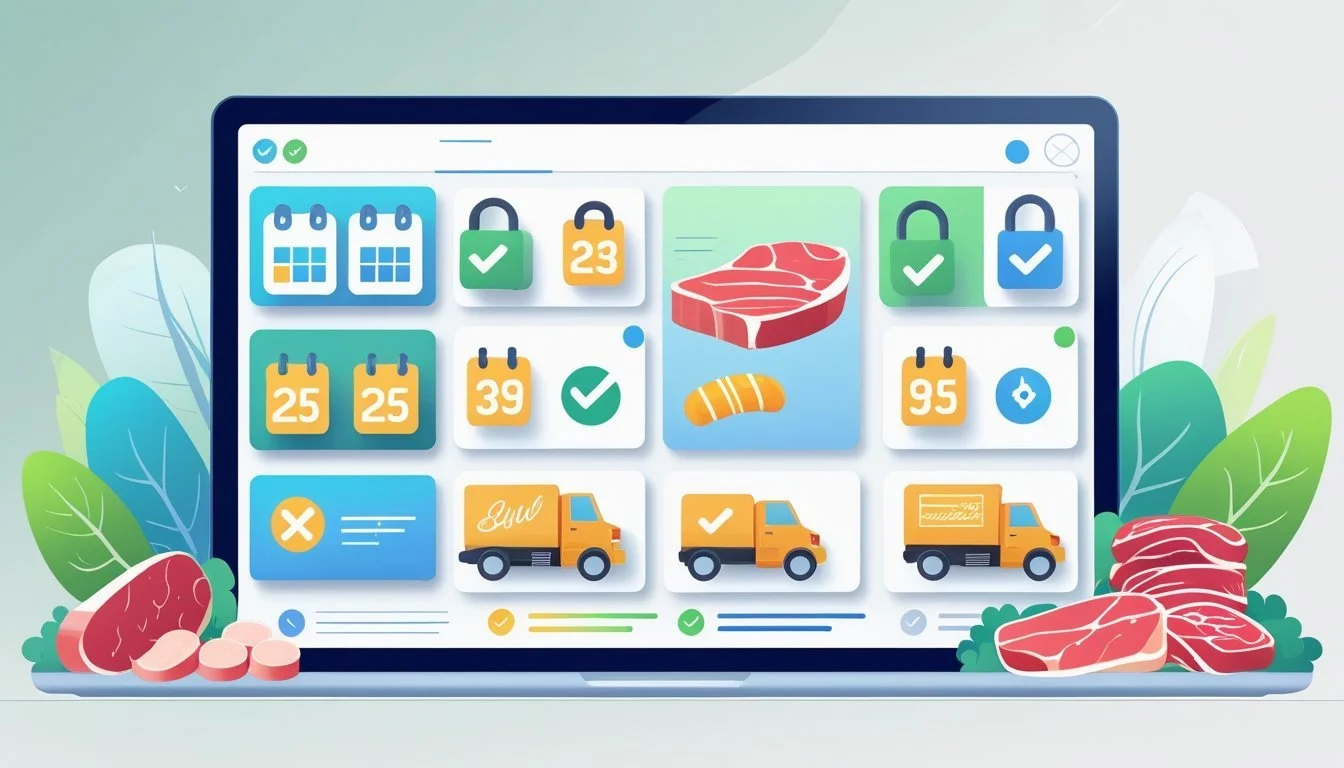
Meat delivery services differ in how customers can order, with some offering both subscriptions and one-time purchases. Flexibility in managing or changing orders is an important factor that can affect user satisfaction.
One-Time Orders vs. Subscriptions
Most meat delivery companies provide both subscription plans and the option to place a one-time order. Subscriptions are often designed for convenience. Customers can set up recurring deliveries weekly, monthly, or on a custom schedule. This is especially useful for those who want a steady supply of meat without having to reorder each time.
One-time orders are best for customers who want to try new products or make occasional purchases for special events. Some platforms require a subscription for better pricing or exclusive cuts, while others allow all users to check out as guests. The table below shows a typical comparison of the two options:
Feature One-Time Order Subscription Commitment None Ongoing Price Per Box Often higher Discounted Access to Exclusive Cuts Rare Common Customization Limited More Flexible
Choosing the right option depends on how frequently a person cooks meat and their desire for special offers or exclusive products.
Skip, Pause, and Cancel Policies
Flexibility in skipping, pausing, or canceling deliveries is a standard feature among leading meat delivery services. Some allow users to skip an order with a simple click, often up to a few days before the scheduled shipment. This is beneficial for people who travel or have irregular meal schedules.
Pausing a subscription temporarily stops shipments without canceling the account. Most providers let customers pause for weeks or even months, making it easy to resume at any time. Cancelling is usually straightforward and can be done online, though some services may require email or phone confirmation.
A clear and user-friendly policy ensures customers are not locked into schedules that don't fit their needs. Reading the fine print is advised, as terms and deadlines for changes may differ between companies.
Packaging and Delivery Experience
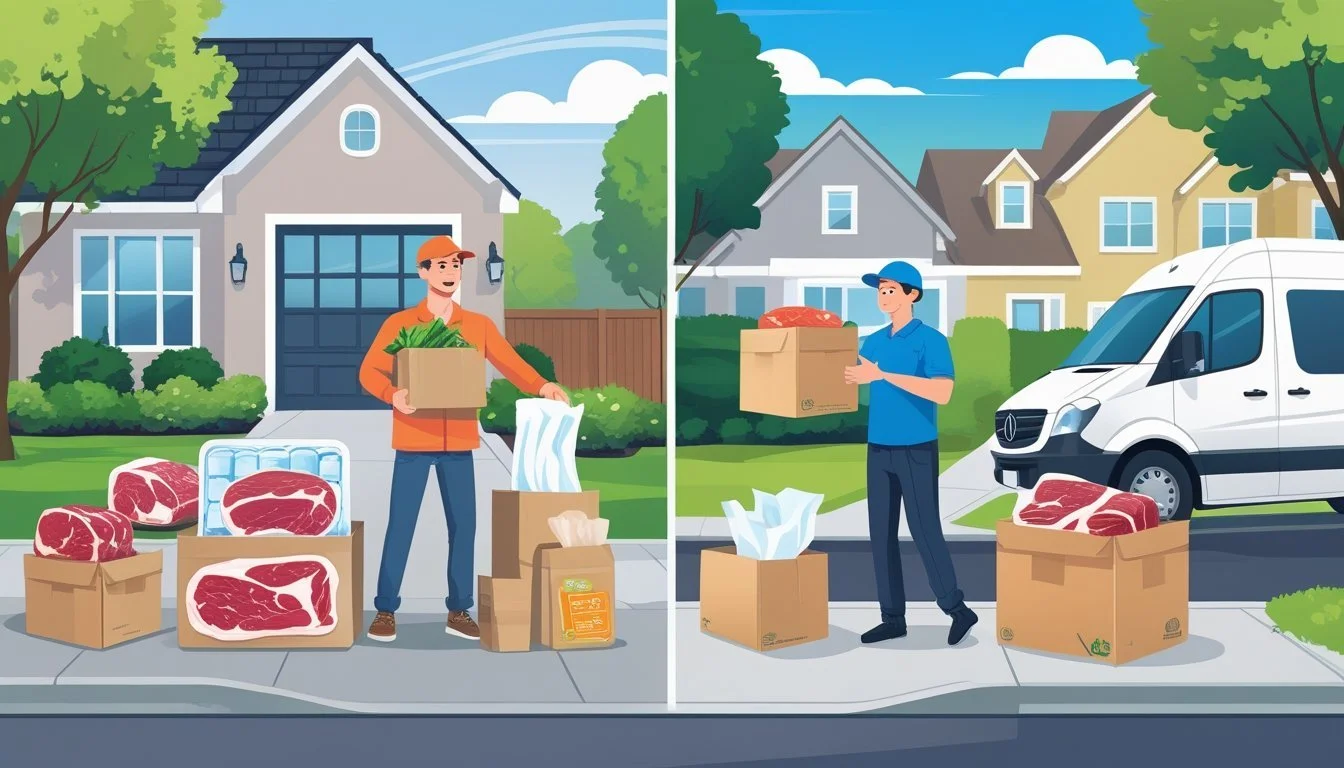
How meat is packaged and shipped affects its freshness, safety, and the environmental impact of each order. Companies differ in how they insulate, freeze, and deliver their products, making these factors important for anyone considering ordering meat online.
Sustainable Packaging
Several meat delivery services have begun moving away from traditional Styrofoam in favor of more sustainable packaging options. Some brands now use recyclable cardboard boxes, biodegradable insulation, or reusable gel packs to limit landfill waste. These approaches appeal to customers seeking minimal environmental impact from their orders.
There's notable variation between companies. For instance, while some still rely on large Styrofoam containers, others implement compostable, plant-based liners or even offer customers the option to return packaging materials for reuse. Services committed to sustainability clearly label their efforts, making it easier for consumers to make informed choices.
Here’s a quick comparison of common packaging types:
Packaging Type Pros Cons Styrofoam Excellent insulation Not eco-friendly Cardboard & Plant Liner Recyclable, compostable May offer less insulation Gel Packs Reusable/cold retention Some are not recyclable
Shipping Speed and Reliability
Timely delivery is essential for preserving meat quality and ensuring food safety. Most services ship their orders frozen, using expedited or standard shipping methods. Packages often arrive within 1-3 days after shipment, and tracking is typically provided for transparency.
Customers can often select from standard, rush, or even scheduled deliveries, with some companies offering free standard shipping. While rushed delivery can be costly—sometimes as high as $50—standard shipping rates are typically much lower or waived altogether. Across leading services, meat usually arrives solidly frozen, reducing the risk of spoilage from transit delays.
Reliability also hinges on consistent packing and delivering schedules; customers generally receive notifications throughout the process for better peace of mind. Not all services are equally predictable—some may experience delays in adverse weather or holiday periods, but dependable companies communicate such issues promptly and provide updates as needed.
Customer Support and Satisfaction
Customer experiences with meat delivery services depend heavily on the quality of support available and overall satisfaction with service and products. Both aspects can be easily assessed through direct reviews and the availability of multiple assistance channels.
Customer Reviews and Ratings
Customer ratings often highlight differences among providers like ButcherBox, Crowd Cow, and Omaha Steaks. Ratings on platforms such as Trustpilot and Google commonly address ease of ordering, product freshness, packaging, and timeliness. For instance, Good Chop has been noted for reliable delivery and quality meats, while some services receive varied feedback on portion sizes or delivery consistency.
Specific complaints tend to center on missed delivery windows or damaged packaging. Positive reviews emphasize responsive resolutions and consistently high product standards. Some consumers appreciate the ability to easily customize orders or pause subscriptions, which improves satisfaction. Services that score above 4 stars are usually those that consistently meet or exceed consumer expectations in both quality and service.
Support Channels
Most major meat delivery companies provide several ways for customers to get assistance. Common channels include email support, live chat, and phone helplines. For example, ButcherBox and Crowd Cow feature robust FAQ sections and offer quick responses through chat and email, with average replies ranging from a few hours to one business day.
Some services offer support via social media platforms, which can help with urgent questions or concerns. The presence of detailed self-service resources, such as shipment tracking and account management options, is also important. Companies with multiple, easily accessible support options receive higher satisfaction ratings, as customers value prompt and effective help when issues arise.
Special Dietary and Lifestyle Considerations
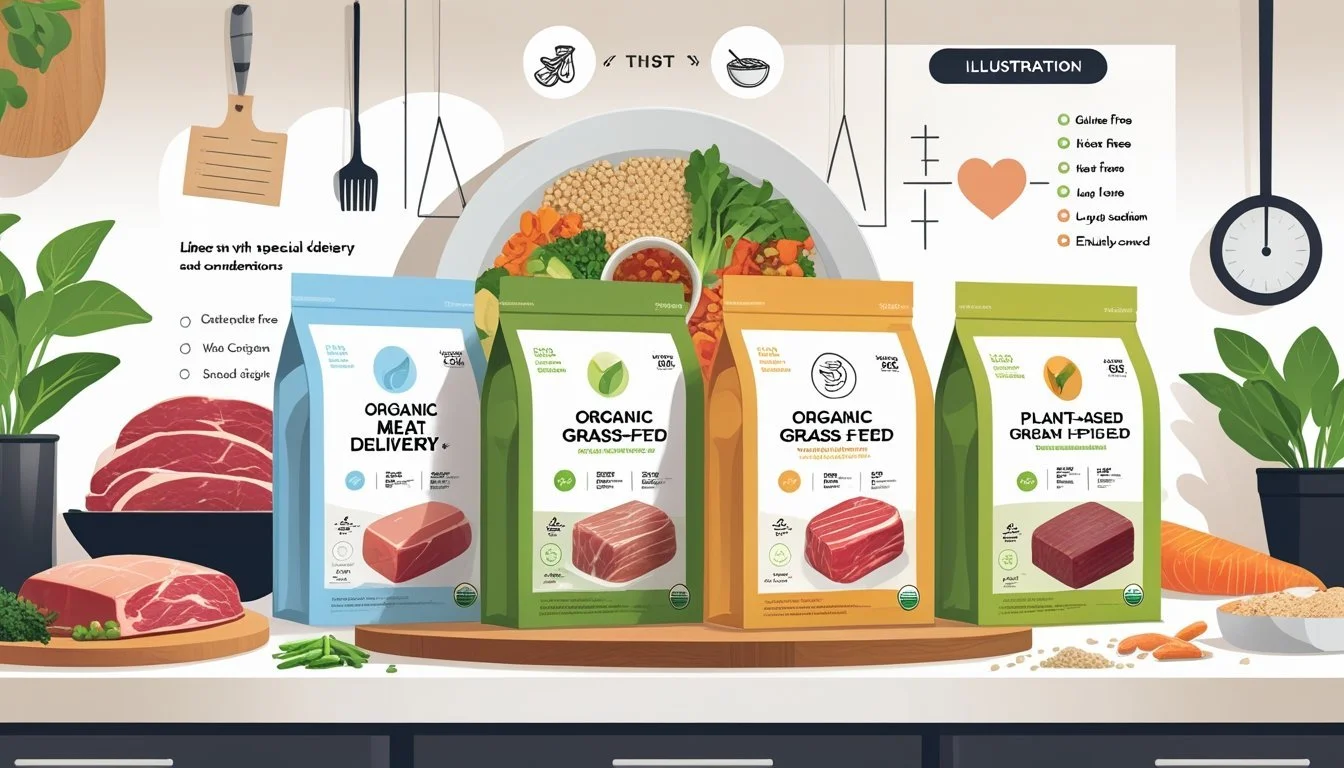
Consumers often require meat to match dietary preferences or manage food allergies. Several meat delivery services provide options tailored to specific nutritional needs or ingredient sensitivities.
Keto, Paleo, and Other Diets
Many meat delivery services feature product lines for low-carb, high-protein diets like keto and paleo. These typically highlight grass-fed beef, free-range poultry, and wild-caught seafood, as these protein sources contain fewer additives and no added sugars.
Services such as Good Chop and Snake River Farms offer options for individuals who follow strict dietary regimens. Customers can often filter selections by diet type or choose curated boxes such as "Keto-Friendly" or "Whole30 Approved" packages.
Ingredient and sourcing information is usually listed for each product. For diets focused on specific sourcing, labels to look for include grass-fed, organic, and antibiotic-free. Subscription flexibility also allows customers to skip shipments or pause deliveries, supporting dietary changes over time.
Allergen Information
Major allergens like gluten, soy, dairy, and nuts are a concern for many consumers. Most leading meat delivery services provide clear ingredient lists and note potential cross-contamination risks.
Some platforms include filters to find allergen-free products. For example, customers may select "No Added Gluten" or "Free From Soy" categories. Carefully reviewing product details prior to purchase is recommended for those with severe allergies.
Packaging may include allergen statements, but levels of detail can vary by provider. Customers with complex or multiple allergies should consult customer support or product documentation for specific questions before ordering. Transparent labeling and responsive customer service can help ensure safe meal planning.
Choosing the Best Meat Delivery Service
Selecting a meat delivery service depends on several key factors. Price, meat quality, sourcing practices, and available cuts all play significant roles. Each service offers unique benefits depending on what customers value most.
Quality and Sourcing
For those who prioritize responsibly raised meat, look for companies that are transparent about their sourcing. Some providers, like Good Chop, partner with domestic family farms and avoid hormones or antibiotics.
Types of Meat Offered
Some services specialize in specific meats, such as grass-fed beef or American Wagyu. Snake River Farms, for example, is known for dry-aged, USDA Prime beef and high-end Wagyu options. Variety-seeking customers might consider platforms that offer beef, poultry, seafood, and specialty items.
Pricing and Subscription Flexibility
Pricing varies by provider and cut. While Snake River Farms features premium options, budget-conscious buyers may prefer services with flexible subscription choices or mixed boxes at lower prices.
Key Considerations Table
Factor What to Check Example Service Meat Quality USDA Prime, Wagyu, Grass-fed Snake River Farms, ButcherBox Sourcing Practices Hormone/antibiotic-free Good Chop Meat Selection Range of cuts, animal types Crowd Cow, Rastelli’s Pricing/Plans Single order vs subscription ButcherBox, Good Chop
Customer Support and Delivery
Reliable customer service and clear delivery schedules can make the experience smoother. Some companies also offer eco-friendly packaging as an added benefit.
Consider a service that closely matches personal preferences, dietary needs, and budget to get the most value

