
The Carnivore Movement and Political Resistance
Exploring Social and Cultural Impacts
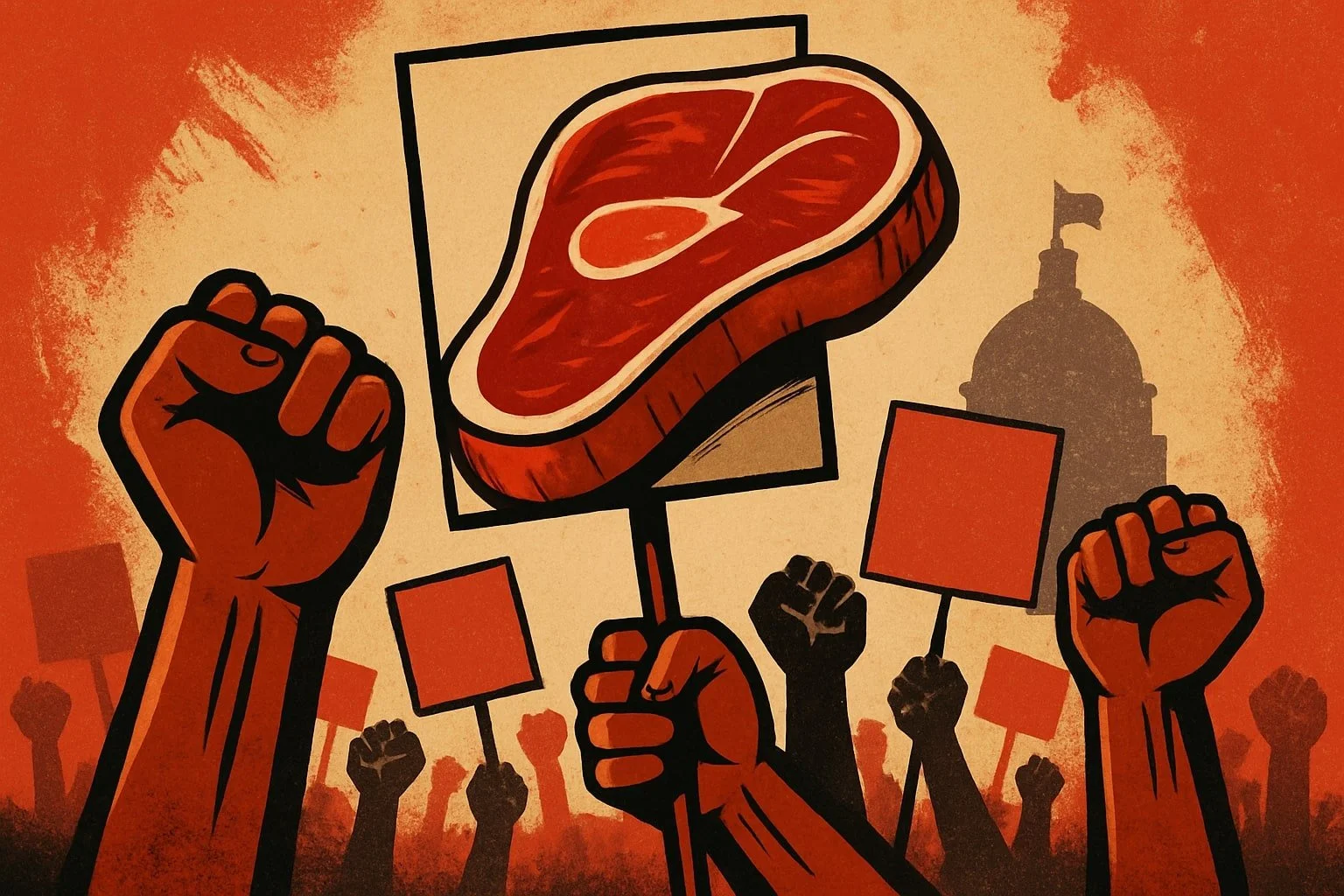
The carnivore diet is no longer just a health trend; it has taken on new significance as a form of political resistance, especially among certain right-wing groups. Many who embrace this movement see eating meat—and rejecting plant-based diets—not only as a personal choice but as an act of defiance against what they perceive as progressive or liberal influence over food culture. This connection between dietary habits and political identity has given rise to heated discussions about personal freedom, societal norms, and even masculinity.
The growing alignment of carnivorism with political beliefs underscores how food choices have become symbolic statements in broader cultural debates. The act of consuming meat is often framed as supporting traditional values and resisting shifts toward plant-based alternatives, which some view as representative of changing social attitudes or external control. Readers interested in the nexus of food, politics, and identity will find the carnivore movement a compelling case study of how everyday habits can serve as subtle forms of protest.
Origins of the Carnivore Movement
The carnivore movement emerged from both nutritional experimentation and political reaction, merging dietary beliefs with broader societal tensions. Influential figures, cultural trends, and online platforms all played distinct roles in shaping its trajectory.
Historical Context
The idea of consuming only animal products is not new. Early written references to all-meat diets appear as far back as the 19th century in works like Bernard Moncriff's The Philosophy of the Stomach.
Historically, Arctic and some Indigenous populations relied heavily on animal foods for survival, but these practices evolved for necessity rather than ideology. The modern fascination with exclusive meat diets grew alongside rising skepticism toward mainstream nutrition guidelines, particularly those promoting plant-based eating.
Recent years have seen animal-based diets positioned in opposition to plant-based and vegan movements. This reactionary stance is sometimes motivated by a perceived pushback against cultural or political trends favoring plant-centered diets.
Rise of Carnivore Diet Advocates
Key advocates accelerated the carnivore diet’s visibility. Jordan Peterson and his daughter Mikhaila Peterson publicly credited animal-based diets with improving mental and physical health, drawing significant media and social media attention.
Podcast hosts like Joe Rogan discussed their personal experimentation with carnivore diets, often detailing perceived benefits and challenges. Their high-profile platforms gave voice to individual testimonies, increasing public interest and curiosity.
These advocates rarely framed carnivore eating as a simple dietary choice. Instead, they frequently positioned it as a challenge to mainstream nutritional science and, sometimes, as a symbol of resistance against broader social or institutional pressures.
Popularization Through Media
Social media platforms, podcasts, and online communities have driven the rapid popularization of the carnivore movement. Discussion forums, such as those on Reddit, facilitate the exchange of personal stories, scientific articles, and critiques of plant-based diets.
Mainstream media coverage has often focused on the controversy and cultural divide associated with all-meat diets. Interviews, debates, and features involving the Petersons, Joe Rogan, and other advocates keep the diet in public discourse.
Visual platforms like YouTube and Instagram showcase day-to-day carnivore meals, provide tips, and create a sense of community among followers. This media landscape has allowed the carnivore diet to move quickly from niche experiment to cultural phenomenon.
Core Principles and Practices
Meat-centric diets in the carnivore movement often emphasize food quality, nutrient density, and tradition. Key practices revolve around the consistent consumption of animal-based foods while excluding processed foods and plant-based products.
Red Meat and Meat Consumption
Red meat is a foundational element of the carnivore movement. Advocates value its high protein content, bioavailable iron, vitamin B12, and essential fatty acids.
Steak, ground beef, and lamb are common daily staples. Many participants believe that eliminating processed foods and carbohydrates leads to clearer eating patterns and, reportedly, improved well-being. Eating nose-to-tail—including organs—further aligns with the belief that whole-animal consumption provides a complete nutrient profile.
Some supporters link their dietary commitment to forms of personal or political resistance by positioning meat-eating in opposition to contemporary food systems and plant-based trends.
Animal Products and Raw Milk
Beyond muscle meats, the movement includes eggs, organ meats, and full-fat dairy. These foods provide comprehensive nutrition, supplying fat-soluble vitamins and minerals absent from most plant foods.
Raw milk is sometimes consumed due to its unprocessed nature and for perceived health benefits. Proponents note it retains natural enzymes, which they argue support digestion. However, they acknowledge the legal and safety debates around unpasteurized milk.
Strict carnivores exclude all plant foods, while others incorporate small amounts of honey or dairy, making the approach flexible for individual needs and tolerances.
Grass-Fed Beef and Food Quality
Many followers prioritize grass-fed and pasture-raised animal products. Grass-fed beef is highlighted for its superior omega-3 fatty acid profile and lack of additives compared to conventional grain-fed beef.
There is an emphasis on regenerative farming methods, sustainability, and animal welfare. Followers often seek out local farms, believing shorter supply chains reduce additives and preserve nutritional quality.
A simple product comparison table illustrates common carnivore preferences:
Product Type Carnivore Preference Reason Beef Grass-fed, pasture-raised Higher nutrient density Milk Raw, unpasteurized Minimal processing, enzymes Processed Foods Excluded Avoid additives, simplicity
Political Dimensions of the Carnivore Movement
The carnivore movement intersects with contemporary political trends and discussions about gender roles, cultural identity, and media influence. Its growth has deep ties to conservative commentators, online communities, and figures such as Jordan Peterson.
Alignment With Conservative Media
Conservative media outlets frequently highlight the carnivore diet as a rejection of what they describe as "progressive" or "mainstream" narratives around food, health, and environmentalism. Coverage often opposes plant-based diet trends and sustainability discourses, positioning the carnivore approach as an assertion of personal freedom and traditional values.
Prominent commentators present the movement as a way to resist regulatory actions, such as climate policies that promote reduced meat consumption. Lists of talking points typically include:
Defense of individual choice in eating habits
Critique of "elite" or "globalist" agendas tied to plant-based diets
Emphasis on perceived health benefits and ancestral eating patterns
Jordan Peterson, a well-known cultural figure who has openly promoted the carnivore diet, appears frequently in conservative media discussions. His personal experience with the diet is often used as testimony and is cited as evidence against prevailing nutritional guidelines.
The Manosphere and Masculinity
The carnivore movement is frequently discussed within the manosphere, where it is linked to ideas about masculinity and resistance to social change. Meat consumption is presented as a key aspect of traditional male identity.
Within these communities, plant-based or vegan diets are sometimes characterized as symbols of declining masculinity or as being aligned with political progressivism. The carnivore diet is instead promoted as a rebellion against these trends.
Lists of common framing devices in the manosphere include:
Framing meat-eating as essential to male strength and resilience
Criticizing plant-based advocates as representing "softness"
Associating dietary choices with participation in the "culture war"
Influencers in these circles, including Jordan Peterson, link diet to mental toughness, autonomy, and opposition to cultural shifts around gender and health. This connection magnifies the diet's political resonance beyond food.
The Carnivore Movement as Political Resistance
Carnivore diet advocacy often intersects with wider social and political issues, including opposition to mainstream dietary recommendations, distrust of industrial food systems, and pushback against climate-focused food policies. This movement both reflects and shapes cultural debates about food, identity, and the environment.
Culture War Dynamics
The carnivore movement is closely linked to American culture war themes. Proponents frequently frame their dietary choices as a rejection of perceived liberal, progressive, or elite dietary norms, especially those encouraging plant-based eating.
For some, eating mostly or only animal products has become a political statement. It signifies resistance to the mainstream embrace of vegetarianism and veganism, which are sometimes portrayed as part of a broader progressive agenda.
Figures in right-wing media and politics often promote the carnivore diet alongside messages about masculinity and traditional values. This is evident in the spotlighting of public personalities, like the so-called "Liver King," and recurring segments on conservative news platforms.
Opposition to Mainstream Food Systems
Adherents to the carnivore movement often criticize modern food systems, focusing on issues such as the use of processed foods, seed oils, and additives in the American diet. They associate industrial agriculture and food processing with declining public health.
These criticisms extend to skepticism about nutritional authorities, believing that guidelines are influenced by corporate interests rather than optimal health. Many view grass-fed meat and whole animal foods as an antidote to what they see as failed modern nutrition policy.
This attitude is sometimes shared on online forums and social media, where community members compare notes on sourcing local or regenerative animal products. This further differentiates them from the mass-market grocery system.
Response to Climate Change Narratives
One of the most contested issues is the environmental impact of meat consumption. The carnivore movement frequently challenges mainstream climate change perspectives, especially arguments that link animal agriculture to greenhouse gas emissions.
Advocates often argue that regenerative grazing and responsible animal husbandry can offset or even reduce environmental harm. Some reject the claim that plant-based or low-meat diets are inherently more sustainable.
These positions are sometimes rooted in skepticism about scientific consensus or distrust of climate policies perceived as infringing on personal choice. For this group, adopting a carnivore diet is seen not only as a rebuttal to environmental narratives but as a defense of food autonomy.
Association With Political Extremism
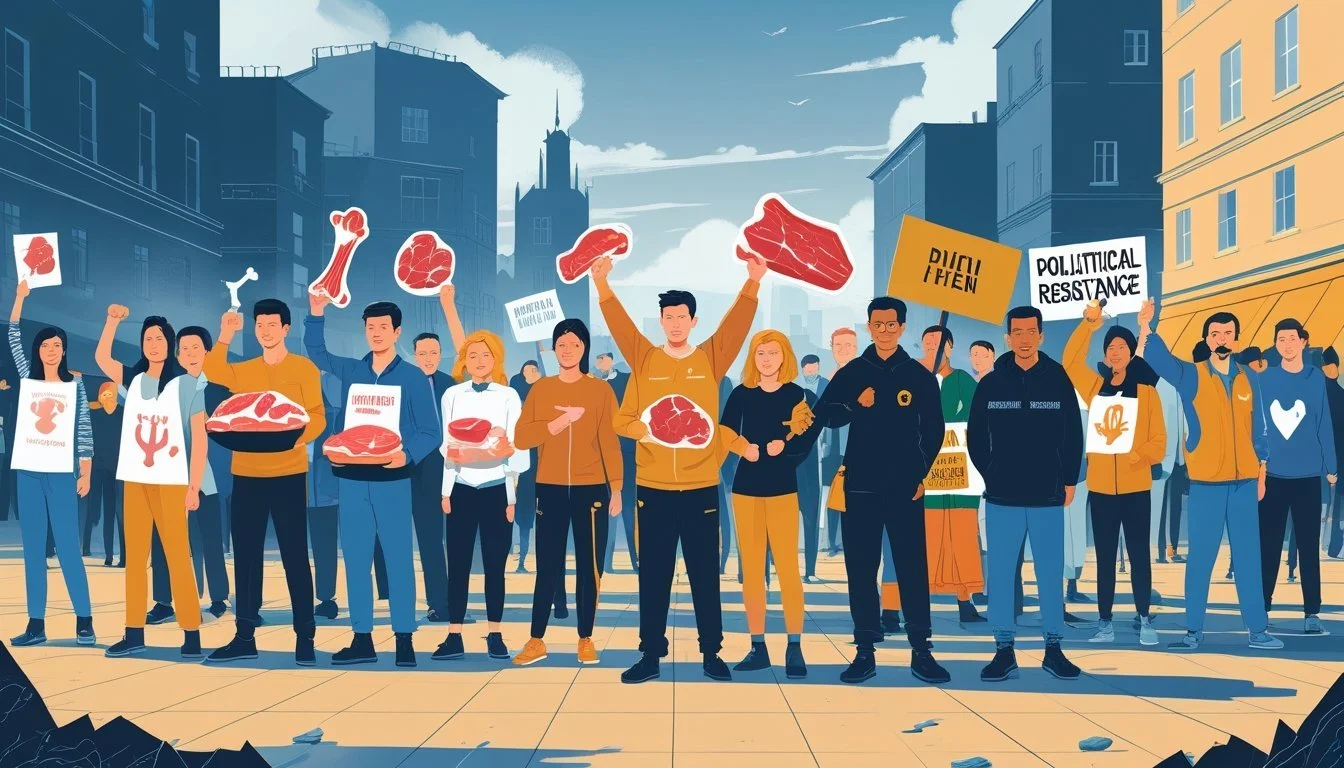
The carnivore movement has occasionally appeared alongside far-right politics, sparking debate on its relationship to extremism. Specific links to online communities and controversial figures have led to public scrutiny and academic attention.
Links to the Alt-Right
Some prominent advocates of the carnivore diet, such as the "Liver King" and similar influencers, have cultivated audiences that overlap with alt-right digital spaces. Online forums and social media groups discussing extreme diets often feature broader political discourse, with memes and rhetoric characteristic of far-right subcultures.
Facets of the carnivore movement’s embrace of masculinity and tradition resonate with themes favored by alt-right groups. Enabling environments, including websites and discussion boards, serve as hubs not just for dietary advice but also for expressions of political identity.
While adopting a carnivorous lifestyle is not inherently political, the movement’s online ecosystem sometimes blurs dietary advocacy with political messaging. Scholars note that such intersections can enable recruitment or normalization of alt-right viewpoints within lifestyle communities.
Debates on White Nationalism
Discussions about carnivorism’s relationship to white nationalism are contentious. Critics argue that meat-centric rhetoric, especially when framed around purity, heritage, or opposition to plant-based diets, may echo or reinforce white nationalist talking points.
Some carnivore movement leaders have distanced themselves from overtly racist elements. However, the visibility of certain supporters on far-right platforms and the invocation of Western or European traditions have fueled ongoing debate.
Academic literature suggests that the adoption of exclusive diets can sometimes serve as subtle political resistance or identity formation. These dynamics are complex and context-dependent, and not all participants or community leaders within the carnivore movement endorse or engage with white nationalist ideology.
Contrasts and Interactions With Alternative Diets
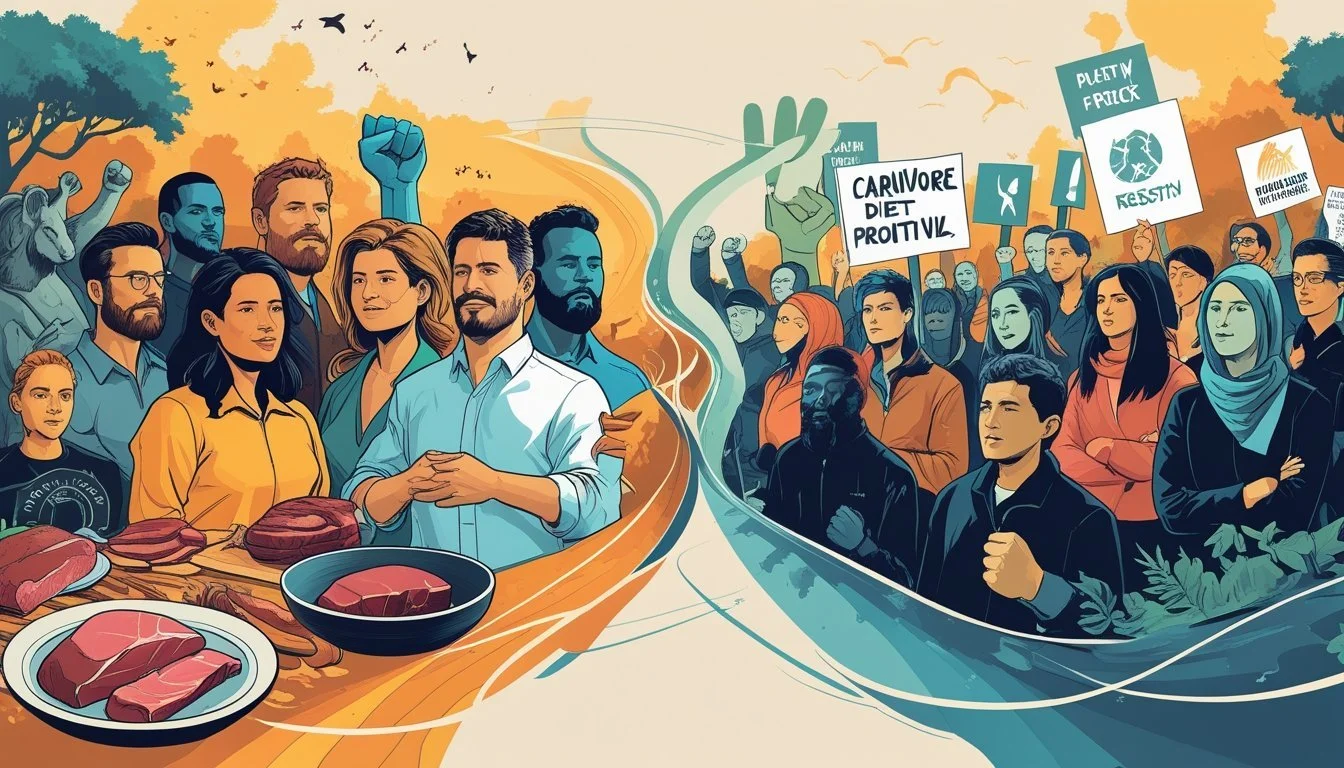
The carnivore diet is often positioned directly against plant-based diets in debates about health, ethics, and the environment. Political and cultural factors strongly contribute to the tension and dialogue between these dietary communities.
Carnivore Diet Versus Veganism
Carnivore and vegan diets represent opposite ends of the dietary spectrum. Carnivore adherents consume only animal products—meat, organs, and animal fats—while vegans avoid all foods derived from animals.
Many carnivore advocates critique veganism on nutritional grounds, asserting that animal foods are superior sources of essential nutrients like vitamin B12, iron, and complete proteins. Vegans counter that plant-based diets can meet nutritional needs through careful planning and supplementation.
Political and environmental concerns amplify these differences. Veganism is often associated with progressive politics and concern for animal welfare and climate change. The carnivore movement sometimes frames itself as a response to what it sees as ideological pressure, emphasizing tradition, individualism, and skepticism of climate narratives. Each community tends to view the other as emblematic of broader cultural values.
Aspect Carnivore Diet Veganism Animal Products Exclusive Excluded Motivations Tradition, health Ethics, climate
Relations With Vegetarians
Vegetarians and carnivore diet followers rarely find common ground, but their interactions are less polarized than those between carnivores and vegans. Vegetarians exclude meat but may consume eggs and dairy, separating them from both strict herbivores and strict carnivores.
From a political perspective, vegetarians are less likely to invoke climate change or animal welfare arguments as forcefully as vegans. The carnivore community often acknowledges vegetarians as closer to its own practices compared to vegans due to shared consumption of some animal-derived foods.
Public discussions rarely feature alliances, but there is occasional mutual respect around specific nutritional topics, such as the value of animal-sourced nutrients. The long-term dietary shifts between omnivory, vegetarianism, and carnivory remain uncommon, especially among men and political conservatives.
Notable Figures Influencing the Movement
The carnivore movement has drawn significant public attention through high-profile personalities who share their experiences and perspectives. These figures have shaped the conversation through personal stories, podcasts, and media appearances, influencing everything from dietary trends to larger conversations about health and masculinity.
Jordan Peterson’s Advocacy
Jordan Peterson, a Canadian psychologist and public intellectual, has been one of the most visible advocates of the carnivore diet. After struggling with various autoimmune and mood disorders, Peterson adopted an all-meat regimen based on his daughter's recommendations. He reported significant health improvements and frequently discussed his dietary choices on popular platforms, including his own lectures and interviews.
Peterson framed his diet not just as a personal health solution but also as an act of intellectual resistance to dominant nutritional narratives. Through his discussions, he questioned mainstream views on food, government guidelines, and medical authority. This stance attracted supporters who value independence and skepticism toward established norms.
Peterson’s influence is notable in shaping perceptions of the diet as a marker of personal autonomy. His alignment with broader discussions about masculinity and cultural resistance has kept his voice central in the carnivore movement.
Mikhaila Peterson’s Testimonies
Mikhaila Peterson, Jordan Peterson’s daughter, has played a crucial role in popularizing the carnivore diet. Suffering from autoimmune symptoms, arthritis, and depression for much of her life, she began an elimination diet that eventually led to eating only beef, salt, and water.
Her detailed documentation—via blog posts, podcasts, and social media—emphasizes practical tips, potential challenges, and personal transformation. Mikhaila’s transparent presentation of her health journey, including setbacks and successes, has made her relatable to individuals dealing with chronic conditions.
Mikhaila’s experiences have influenced not only her followers but also the broader online health and wellness landscape. She often addresses misconceptions about restrictive diets and uses her platform to share stories from others adopting carnivore protocols.
Joe Rogan’s Impact
Joe Rogan, comedian and host of one of the world’s most-listened-to podcasts, has given mainstream visibility to the carnivore diet. By inviting advocates—including both Petersons—onto his show, Rogan facilitated in-depth conversations about the diet’s principles, philosophy, and health outcomes.
Rogan himself experimented with the diet and shared detailed reports of his experience, noting changes in body composition and inflammation. Listeners value his candid, non-expert approach and willingness to publicly document both benefits and side effects.
On his influential platform, Rogan’s interest has sparked widespread discussion among fans, athletes, and health enthusiasts. His approach to masculinity, discipline, and self-experimentation often aligns with the values held by many in the carnivore community.
Animal Agriculture and Conservation Issues
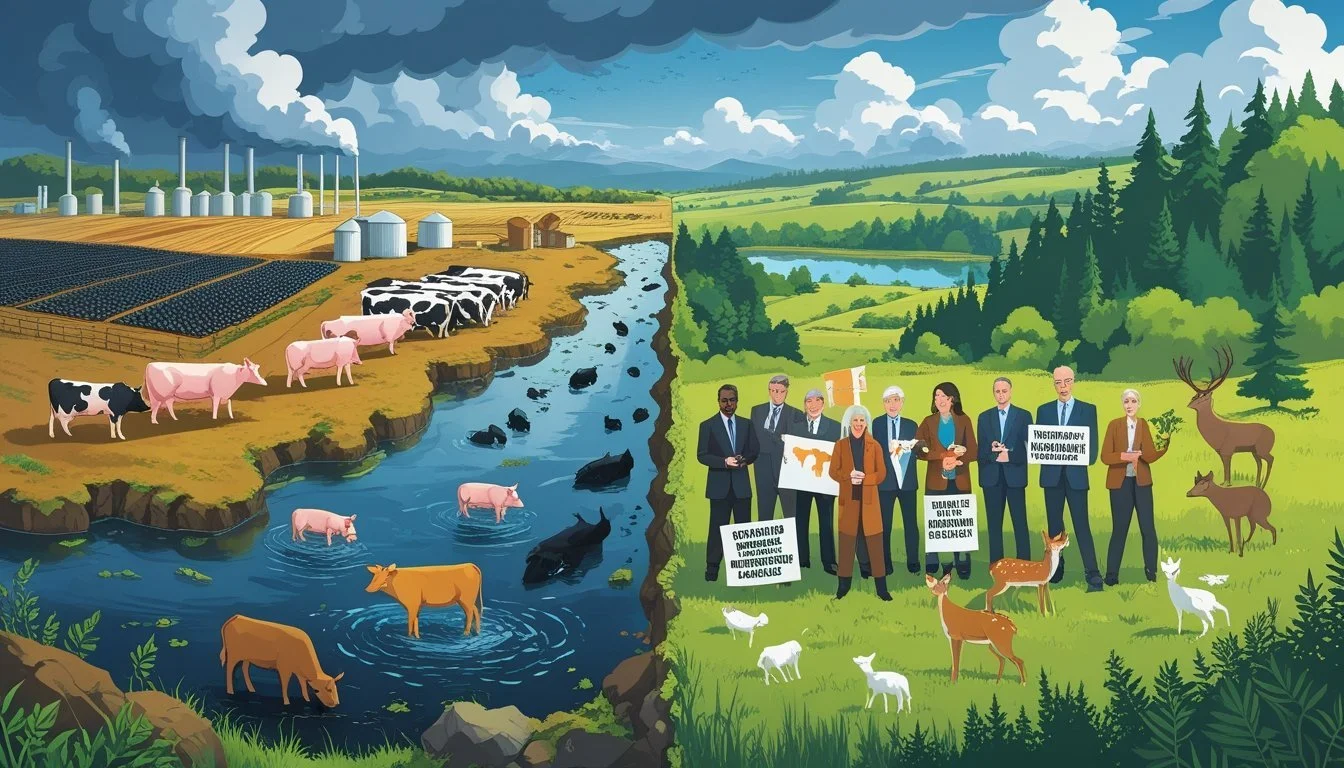
Animal agriculture is closely tied to meat production, land use, and conservation policy. Interactions between large carnivores, livestock operations, and local communities drive important debates about human-wildlife relations and environmental management across regions like Nebraska and beyond.
Impacts of Meat Production
Meat production demands extensive resources, including water, land, and energy. Animal agriculture is a significant contributor to deforestation, especially for cattle ranching and feed crop cultivation. In the U.S., agricultural practices can fragment habitats, making it difficult for native wildlife to thrive.
Nebraska, known for its beef industry, exemplifies how local economies depend on livestock while altering landscapes. Use of antibiotics, waste runoff, and emissions linked to factory farming contribute to water and air quality concerns. These issues connect directly with many conservation challenges, as expanding meat production often reduces available habitat for native species.
A clear tension exists between feeding growing populations and protecting critical ecosystems. Conservation efforts frequently advocate for more sustainable production methods to minimize these impacts.
Carnivore Conservation Perspectives
Large carnivores like wolves and mountain lions play essential roles in ecosystem health, controlling prey populations and maintaining biodiversity. However, their conservation often conflicts with agricultural interests, particularly in regions where animal agriculture is prominent.
In places such as Nebraska and the Northern Rocky Mountains, decisions related to carnivore conservation involve multiple interest groups, including ranchers and conservationists. Removal or reintroduction of predators is debated by policymakers who must balance ecological impact and economic concerns.
Managing these species requires multi-level governance—local, state, and national policies each play a part. Long-term viable populations of large carnivores often depend on careful habitat management and conflict mitigation strategies responsive to both ecological data and rural community needs.
Human-Wildlife Conflict
Human-wildlife conflict centers around direct interactions between people and animals, especially where livestock and wildlife conservation efforts intersect. Predation on cattle or sheep by large carnivores is a key source of friction in agricultural states like Nebraska.
Incidents where livestock are killed by predators can result in economic losses for producers and generate strong resistance to carnivore protection measures. On the other side, retaliatory killings of carnivores threaten conservation goals and species recovery plans.
Efforts to address these conflicts range from compensation programs for ranchers to the development of non-lethal deterrents, such as guard animals and improved fencing. Balancing the needs of animal agriculture with broader biodiversity objectives is one of the most persistent challenges in wildlife policy.
Current Debates and the Future of the Carnivore Movement
The carnivore movement faces renewed scrutiny as health priorities, political lines, and claims about nutrition shift in a post-pandemic era. Debates highlight new attitudes about meat consumption, health policy, and the science behind how diets affect hormones.
Post–COVID-19 Shifts
COVID-19 destabilized global food systems and changed how society discusses food security and diet. Lockdowns increased focus on pantry staples, and some individuals turned to restrictive diets like carnivore for perceived immune and metabolic benefits.
Proponents of the carnivore diet argue that meat-only nutrition supports resilience, especially in uncertain times. Critics point out food supply disruptions exposed vulnerabilities in meat distribution, prompting calls for more diversified diets.
The pandemic also underscored debates over personal autonomy versus collective health strategies. Some see carnivore eating as a stance against public health campaigns that favor plant-based diets. Social media amplified these disagreements, fueling new skepticism toward dietary guidelines and government nutrition advice.
Ongoing Cultural and Political Impact
The carnivore movement is entangled with larger cultural and political questions about food ethics, environmentalism, and government regulation. For some, eating exclusively animal-based foods represents skepticism toward plant-based initiatives and distrust in mainstream institutions.
Advocates position the diet as a response to what they view as political overreach into personal nutrition. Grassroots groups, influencers, and some medical professionals frame meat consumption as a form of resistance.
Table: Key Areas of Political Resistance in the Carnivore Movement
Issue Carnivore View Broader Debate Dietary Guidelines Skeptical Promote reduced meat intake Food Policy & Regulation Individual choice emphasized Government intervention Environmental Concerns Minimization or challenge Sustainability, climate goals
Public debates frequently focus on autonomy and the right to self-select diets without state interference.
Public Health and Hormones
Health claims are central to carnivore advocacy, with particular emphasis on hormone regulation and metabolic health. Supporters often cite studies and anecdotal evidence suggesting reductions in inflammation, improved insulin sensitivity, and stabilization of testosterone or estrogen levels.
Some researchers, however, note the lack of extensive long-term clinical trials. Potential risks, such as nutrient deficiencies and cardiovascular health, remain under discussion.
Public health agencies maintain cautious positions, emphasizing balanced nutrition and individualized assessment. The interplay between macronutrients, micronutrients, and hormonal function is complex, prompting calls for more evidence before widespread dietary recommendations change.

