
Butcher's Guide to Building a Carnivore Pantry Essential Tips and Must-Have Ingredients
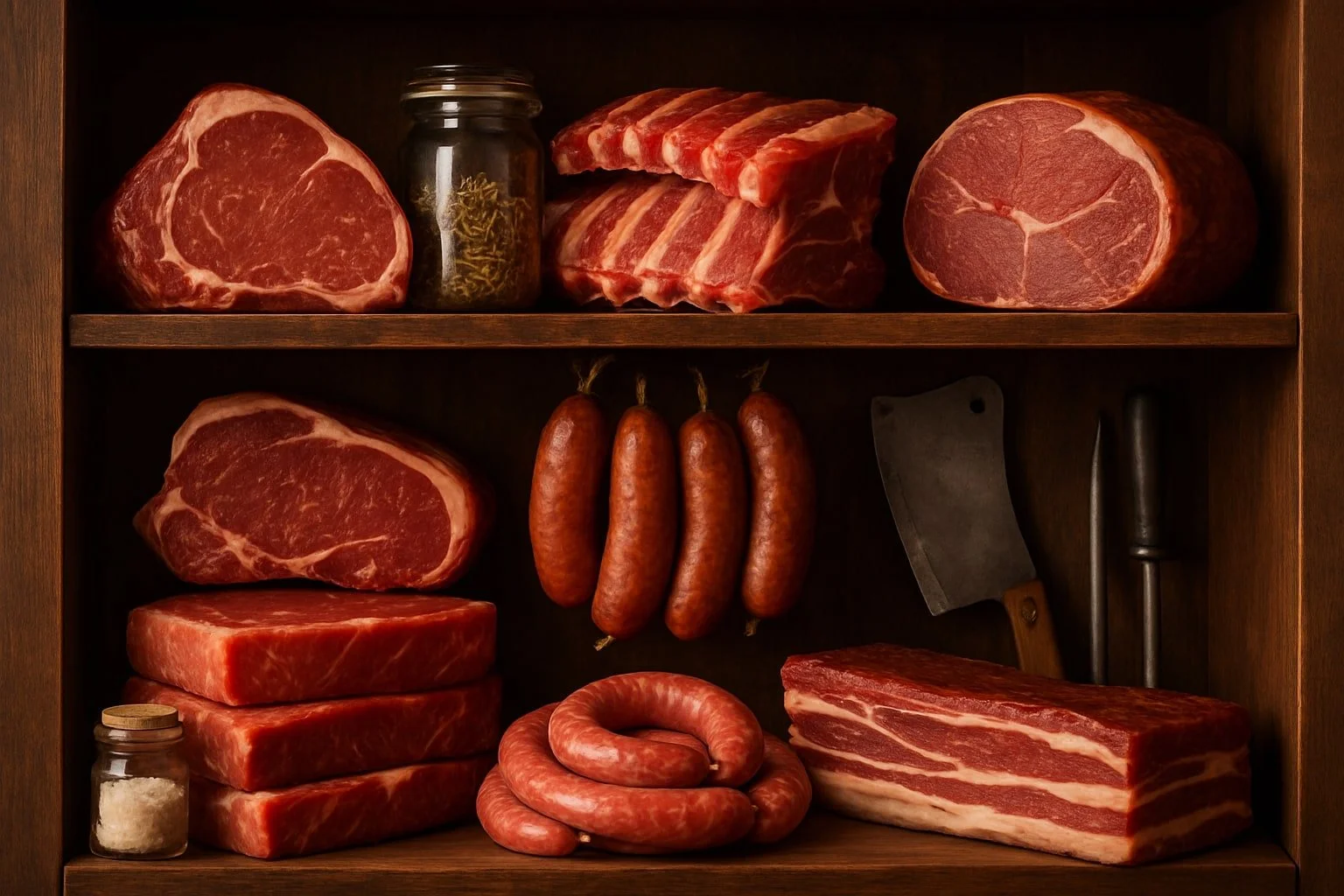
A well-organized carnivore pantry starts with stocking quality meats, animal fats, and a few essential shelf-stable items tailored for those eating exclusively animal-based foods. Knowing which products to choose—and how to store them—can make following the carnivore diet more convenient, sustainable, and enjoyable. Key staples like beef, pork, poultry, canned fish, tallow, lard, and essential seasonings form the backbone of the pantry.
Selecting a variety of fresh meats and adding shelf-stable options such as canned fish or freeze-dried organ supplements helps ensure there's always something nutritious on hand. Proper organization, such as grouping similar items together and keeping cooking fats easily accessible, maximizes efficiency and reduces waste in the carnivore kitchen.
Understanding the Carnivore Pantry
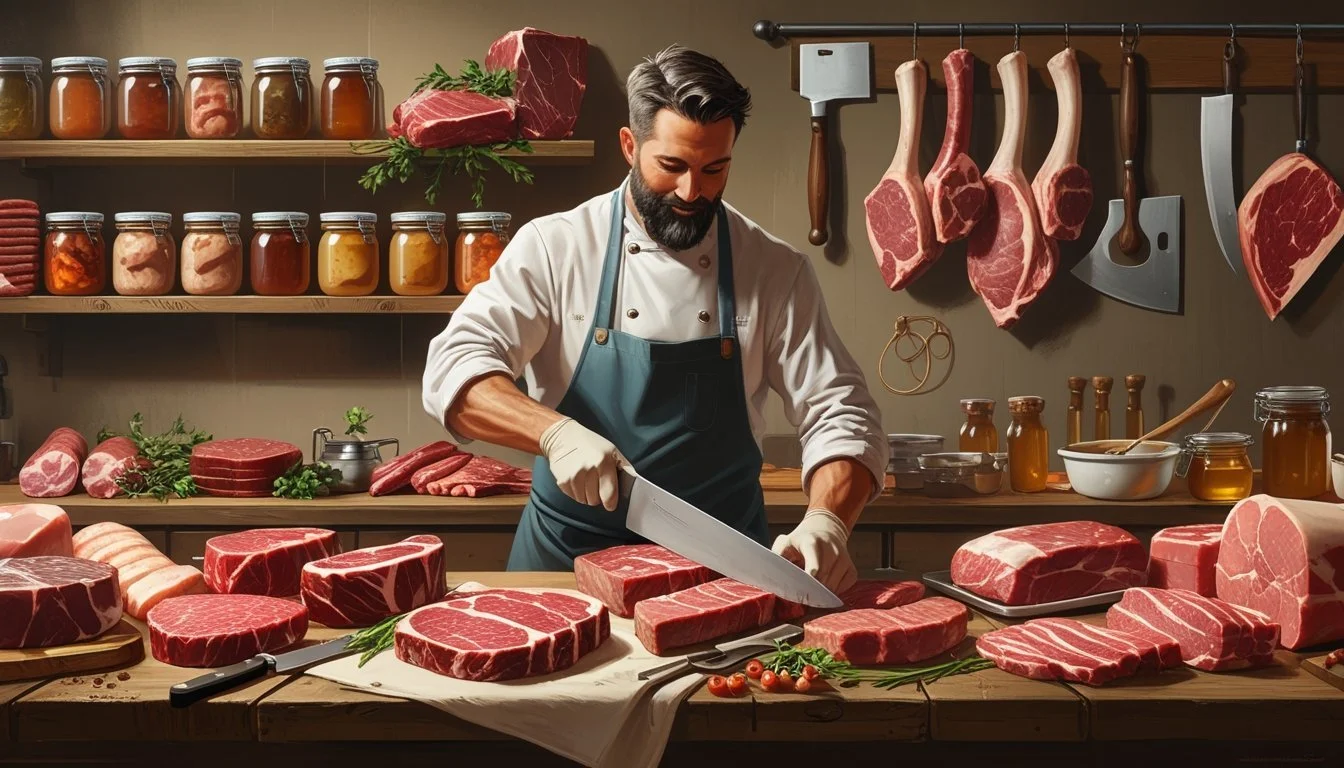
A carnivore pantry is structured differently from a standard pantry by focusing exclusively on animal-based ingredients. This specialized approach influences both the variety of foods kept on hand and the nutrient profile of the diet.
What Sets a Carnivore Pantry Apart
A carnivore pantry consists primarily of shelf-stable and refrigerated animal products. Common items include various cuts of beef, pork, chicken, and fish, along with organ meats, preserved meats, and animal fats like tallow or lard. Dairy products and eggs may also be included, depending on individual dietary preferences.
Unlike conventional pantries, there are no grains, legumes, or plant-based oils. Emphasis is placed on single-ingredient foods, which are minimally processed. Shelf-stable options, such as canned fish, freeze-dried organ meats, and powdered bone broth, support convenience while upholding dietary standards.
Ingredient sourcing matters. Many seek high-quality meats from trusted butchers or direct from the meat industry to ensure freshness and optimal nutrient content. Proper storage—freezing, drying, or curing—extends shelf life and reduces waste.
Health Benefits and Nutritional Focus
The carnivore pantry supports a diet centered around nutrient-dense animal products, offering a concentrated source of complete proteins and essential fats. It naturally excludes plant-derived carbohydrates, focusing instead on sources of vitamins and minerals such as iron, B12, zinc, and omega-3 fatty acids.
People following this diet may experience benefits like stabilized blood sugar, improved satiety, and a simplified ingredient list. By eliminating common allergens and anti-nutrients found in plant foods, some report reduced inflammation and improved digestion.
A nutritional focus on nose-to-tail consumption means including organ meats for a broader spectrum of micronutrients. Prioritizing unprocessed, high-quality ingredients from reputable sources in the meat industry can further enhance nutrient intake while minimizing additives or preservatives.
Essential Butcher’s Tools for Pantry Building
Choosing the right equipment is critical for any butcher looking to build a dependable carnivore pantry. Attention to detail when selecting core tools—like knives, cutting boards, and a meat grinder—ensures efficiency, safety, and quality across all meat preparation tasks.
Selecting the Right Butcher Knives
A butcher needs several specialized knives to handle different cuts and tasks. Boning knives with narrow, flexible blades are essential for removing bones with precision, while a cleaver is ideal for splitting larger joints and bones.
For portioning and slicing, a scimitar-style steak knife offers clean, even cuts. Keep the following list in mind:
Boning knife
Cleaver
Steak/slicing knife
Honing steel for frequent maintenance
Investing in quality, forged blades results in tools that last longer and hold their edge better. Proper storage, such as a magnetic strip or knife roll, further prevents damage and maintains a sanitary environment.
Choosing Cutting Boards for Meat Preparation
Selecting a dedicated cutting board for meat is important for hygiene and safety. High-density polyethylene (HDPE) boards are preferred in many butcheries because they are easy to sanitize and resist deep knife marks.
Wooden boards, like maple or walnut, are another choice. They provide a sturdy surface and are gentle on knife edges, but need routine cleaning to prevent bacteria buildup.
Look for boards that are at least 1.5 inches thick and large enough to manage substantial cuts of meat. Non-slip feet or mats can prevent movement during use, reducing the risk of accidents. Always use separate boards for raw and cooked meats to prevent cross-contamination.
Importance of a Quality Meat Grinder
A dependable meat grinder is essential for a pantry stocked with custom ground meats and sausages. Electric grinders offer the best efficiency, but a heavy-duty manual grinder can suit smaller operations or backup needs.
Choose a model with stainless steel components for easy cleaning and longevity. Multiple grinding plates allow for variable coarseness, letting the butcher control texture for different recipes such as burgers, sausages, and ground mince.
Regular maintenance, like disassembling and washing all parts after each use, is vital to prevent spoilage and equipment failure. Consider the grinder's power, throughput, and safety features as key factors in selection.
Stocking Primal Cuts and Key Meats
Building a carnivore pantry centers on selecting foundational meat cuts that offer versatility, nutrition, and value. Proper choices streamline meal prep and make the best use of space and budget.
Cuts of Beef to Prioritize
Beef is divided into primary sections called primal cuts, including the chuck, rib, loin, round, brisket, shank, plate, and flank. Each primal offers different levels of tenderness and ideal cooking methods.
When stocking up, chuck provides excellent value and is perfect for stews, roasts, and ground beef. The rib and loin offer premium steaks like ribeye and striploin, known for their tenderness. Brisket and shank are best suited for slow-cooking, producing flavorful broths and meals.
Prioritize a balance of tender cuts for fast meals and tougher, collagen-rich cuts for slow recipes or stock-making. Purchasing large subprimal sections, like whole brisket or sirloin, often reduces cost per pound.
Sourcing Quality Pork and Lamb
For pork, shoulder (Boston butt) and loin are versatile staples. Shoulder is ideal for pulled pork and braising, while the loin section provides chops and roasts. Thick-cut pork belly is essential for making homemade bacon or pancetta.
Lamb’s key primals include shoulder, rack, loin, and leg. The shoulder and leg cuts are cost-effective and adapt well to slow roasting or braising. Loin chops and the rack are prized for tenderness and are excellent for quick grilling.
Look for cuts with good marbling and avoid overly lean portions, which can dry out during cooking. When possible, source pasture-raised meats, as they tend to have better flavor and fat quality.
Selecting Poultry and Game Meats
Whole chickens are highly recommended for their versatility and cost efficiency. Purchasing in bulk allows use for roasting, stewing, and making broth. Split chicken cuts such as thighs and drumsticks offer a good meat-to-bone ratio and stay juicy with various cooking methods.
For turkey, target thighs and breasts, which offer lean protein and are easily portioned. Consider adding duck, goose, or game birds if available; these provide unique flavors and high levels of nourishing fats.
If sourcing game meat, choose reputable suppliers who follow food safety standards. Cuts like venison loin, rabbit legs, and quail offer variety and nutrient density. Keep portions manageable for easy storage and use.
Optimal Storage for Carnivore Ingredients
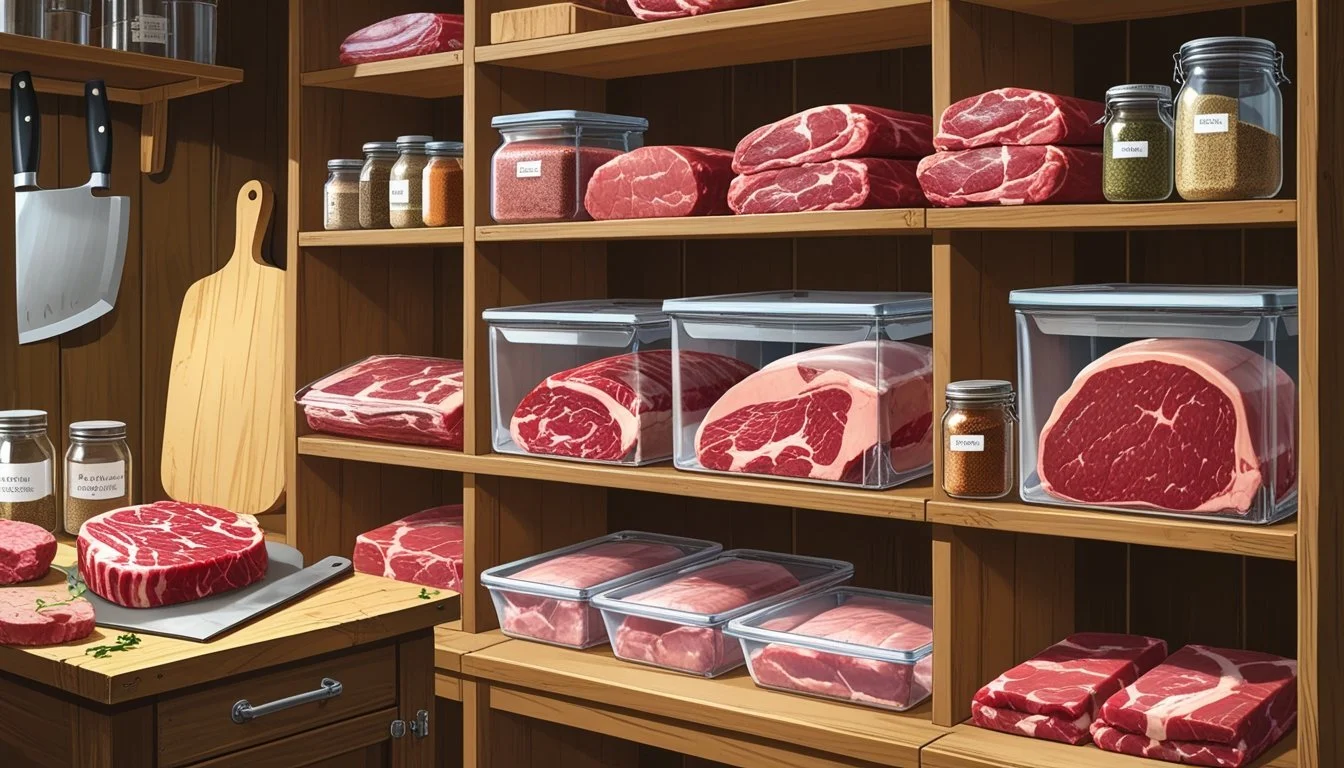
Proper storage of carnivore ingredients preserves flavor and safety. Attention to detail in handling temperature and air exposure extends the shelf life of meats and animal fats.
Utilizing a Walk-In Cooler
A walk-in cooler is essential for butchers dealing with large quantities of meat. It maintains a temperature just above freezing, usually between 32°F and 40°F (0°C to 4°C), to slow bacterial growth while keeping cuts fresh.
Shelving should be stainless steel for easy cleaning and corrosion resistance. Meats should be separated by type—beef, pork, poultry—to reduce cross-contamination risks.
Hanging racks maximize airflow and help meat age properly. Use dedicated pans underneath hanging items to catch drips and prevent mess. Label cuts with the date received and rotate stock using the first-in, first-out (FIFO) method.
Humidity between 75-85% prevents meat from drying out. Avoid overcrowding shelves or racks to let cool air circulate freely, ensuring each piece stays evenly chilled.
Freezer Organization Strategies
For long-term storage, a dedicated freezer or chest freezer is ideal. Keep the temperature at or below 0°F (-18°C) to inhibit spoilage. Vacuum-sealing is the best practice to prevent freezer burn and preserve texture.
Arrange cuts by type and size. Use simple categories, such as:
Section of Freezer Meats Stored Left Steaks and roasts Center Ground meats Right Organs and bones
Label all packages with the cut, weight, and date frozen. Stack newest items behind older ones for easy rotation. Avoid overpacking; leave space for cold air to circulate, speeding up freezing and reducing temperature fluctuations.
Keep a small inventory sheet on the freezer door to track usage, which aids in meal planning and minimizes forgotten items. Regular checks for ice buildup and frost help maintain efficient operation.
Preparation Techniques for Carnivore Staples
Efficient preparation not only preserves food quality but also emphasizes resourcefulness in using every part of the animal. Careful handling can maximize nutritional value while helping to minimize waste.
Trimming and Portioning Meats
A butcher’s attention to detail is critical when trimming meat. Removing excess silver skin or gristle improves tenderness and ensures even cooking. Fat caps are often left on cuts like ribeye to enhance moisture, but should be trimmed for leaner meals or stored for other uses.
Portioning is best done with a sharp knife and a sturdy cutting board. Steaks, roasts, and chops should be cut against the grain for more tender bites. Segregating meat into meal-sized portions before freezing protects taste and texture.
Use vacuum sealing or airtight wrapping to prevent freezer burn. Label all packages with the type and date to help rotate your stock efficiently. This keeps the pantry organized and reduces spoilage risk.
Making Use of Bones and Fat
Bones and fat provide valuable elements for a carnivore pantry. Bones, especially marrow bones, can be roasted and simmered to make nutrient-rich broths for soups or sauces.
Rendered fat, such as tallow or lard, is essential for cooking and can be stored in glass jars. Collecting trimmings during butchering sessions ensures no part of the animal is wasted.
Broth and fat both extend shelf life when stored properly. Cool broths before refrigeration, and strain fat for purity. These components not only add flavor but are dense sources of calories and micronutrients essential to a carnivore diet.
Pantry Maintenance and Safety
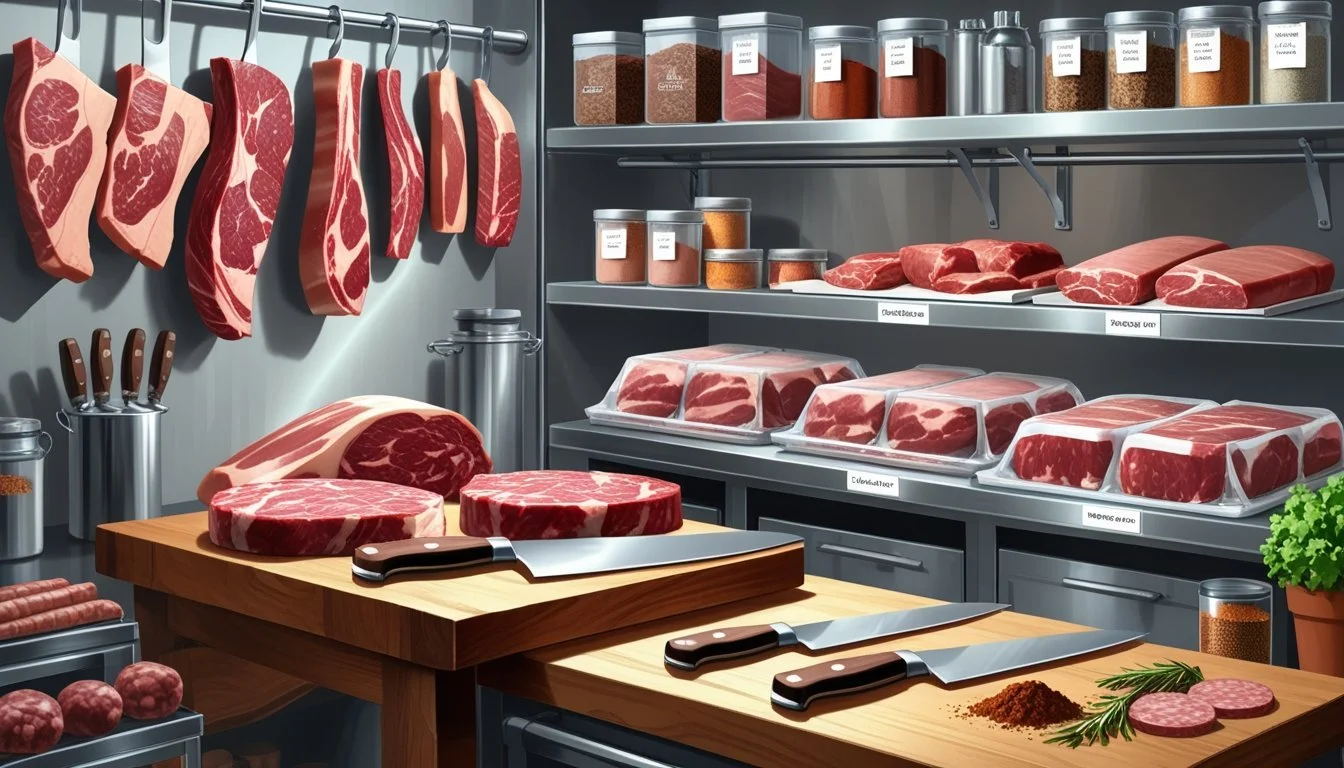
Maintaining a carnivore pantry requires strict hygiene practices and regular inventory checks. Effective cleaning routines and proper tracking systems protect food quality and reduce waste.
Sanitizing Tools and Surfaces
Consistent sanitation is required to prevent cross-contamination. All food contact surfaces—especially cutting boards, knives, and a meat grinder—should be washed thoroughly with hot water and unscented soap after each use. For deeper cleaning, a sanitizer approved for food handling areas can be applied.
Cleaning Checklist:
Wash tools with hot, soapy water.
Sanitize with a diluted bleach solution (1 tablespoon bleach per gallon of water).
Air dry on clean racks or use disposable towels.
Cutting boards should be plastic or hardwood; they must be replaced if grooves or deep cuts develop, as bacteria can hide there. Disassemble a meat grinder regularly to clean all parts, ensuring no food residue remains.
Monitoring Inventory Freshness
Tracking the freshness of stored meats and animal products is critical. All items should be labeled with purchase or preparation dates. Organizing foods with the First In, First Out (FIFO) method ensures older products are used before newer additions, reducing spoilage risks.
Recommended Practices:
Keep a visible inventory list or spreadsheet, updating it with each use or addition.
Check vacuum-sealed and frozen items monthly for signs of freezer burn or compromised packaging.
Assess canned or jarred items for dents, leaks, or rust before use.
A regular schedule for review, such as every two or three months, helps maintain food safety and keeps the pantry’s contents reliable.
Sourcing and Selecting Quality Ingredients
Choosing the right meats is the backbone of an effective carnivore pantry. Ingredient quality and transparency in sourcing directly impact nutrition, flavor, and consistency.
Partnering with Local Butchers
Local butchers offer direct access to cuts that meet specific diet requirements. They typically source from nearby farms, making it easier to understand how animals are raised and processed.
Building a working relationship with a knowledgeable butcher opens access to specialty cuts, organ meats, and bones often unavailable in supermarkets. Requests for nose-to-tail options such as liver, heart, or marrow bones can be accommodated more readily.
Local shops may offer bulk pricing, custom orders, and advice on storage or preparation methods. Visiting regularly allows buyers to evaluate freshness, hygiene standards, and animal sourcing firsthand.
Key advantages of local butchers:
Better transparency about farm origin
Customized meat cuts and offal selection
Guidance on preparation techniques
Understanding Labels and Certifications
Meat industry labels like organic, grass-fed, and pasture-raised provide insight into animal diet and welfare. However, terms can vary by region, so reviewing official certifications is essential.
The USDA Organic seal means animals are fed organic feed, have access to pasture, and are not given antibiotics or hormones. Grass-fed labels generally indicate that cattle were primarily raised on pasture but may not cover all finishing practices.
Table: Common Labels and What They Mean
Label Meaning Organic No antibiotics/hormones; organic feed; outdoor access Grass-Fed Cattle fed a grass-based diet, may not be exclusively Pasture-Raised Animals have outdoor access, but criteria can vary
Careful label reading and research on producer practices help ensure ingredient quality matches pantry goals.
Enhancing Your Carnivore Pantry
A well-equipped carnivore pantry requires skill in meat selection and experience with specialty cuts. The most functional setups are organized, focused on high-quality proteins, and tailored to individual eating habits.
Advanced Butchery Skills
Butchers with advanced skills can break down whole animals and maximize every cut. This reduces waste and allows for a wider range of cuts, from ribeye steaks to less common pieces like hanger steak or cheek. Proper storage and portioning keep meat fresh and ready to use.
Attention to detail is crucial. Precision in sectioning primal cuts, trimming fat, and aging beef can improve both taste and tenderness. A skilled butcher will use the correct knife for each task, maintaining sharpness and sanitation standards.
Basic butchery equipment includes:
Tool Use Case Boning knife Separating meat from bone Meat saw Cutting through bone Vacuum sealer Portioning and preserving cuts
By refining these practices, one can ensure consistent quality in a carnivore pantry.
Curating Specialty Meats
A richer carnivore pantry often includes specialty meats not always found in supermarkets. These may include organ meats like liver and heart, marrow bones, or game meats such as venison and bison. Locally sourced or grass-fed options can provide higher nutritional value and unique flavors.
Sourcing from reputable butchers is recommended. They often offer custom cuts and advice on how to prepare less common selections. Some prefer to include heritage breed pork, duck, or lamb, which diversifies flavor profiles and nutrients.
Suggested specialty items to stock:
Beef liver or kidney
Pork cheek or jowl
Lamb chops or shank
Bone-in short ribs
Smoked or cured meats (minimal additives)
Curating these selections gives a pantry more variety and helps sustain long-term commitment to a carnivore diet.

