
The Only Supplements Carnivores Might Consider for Optimal Health
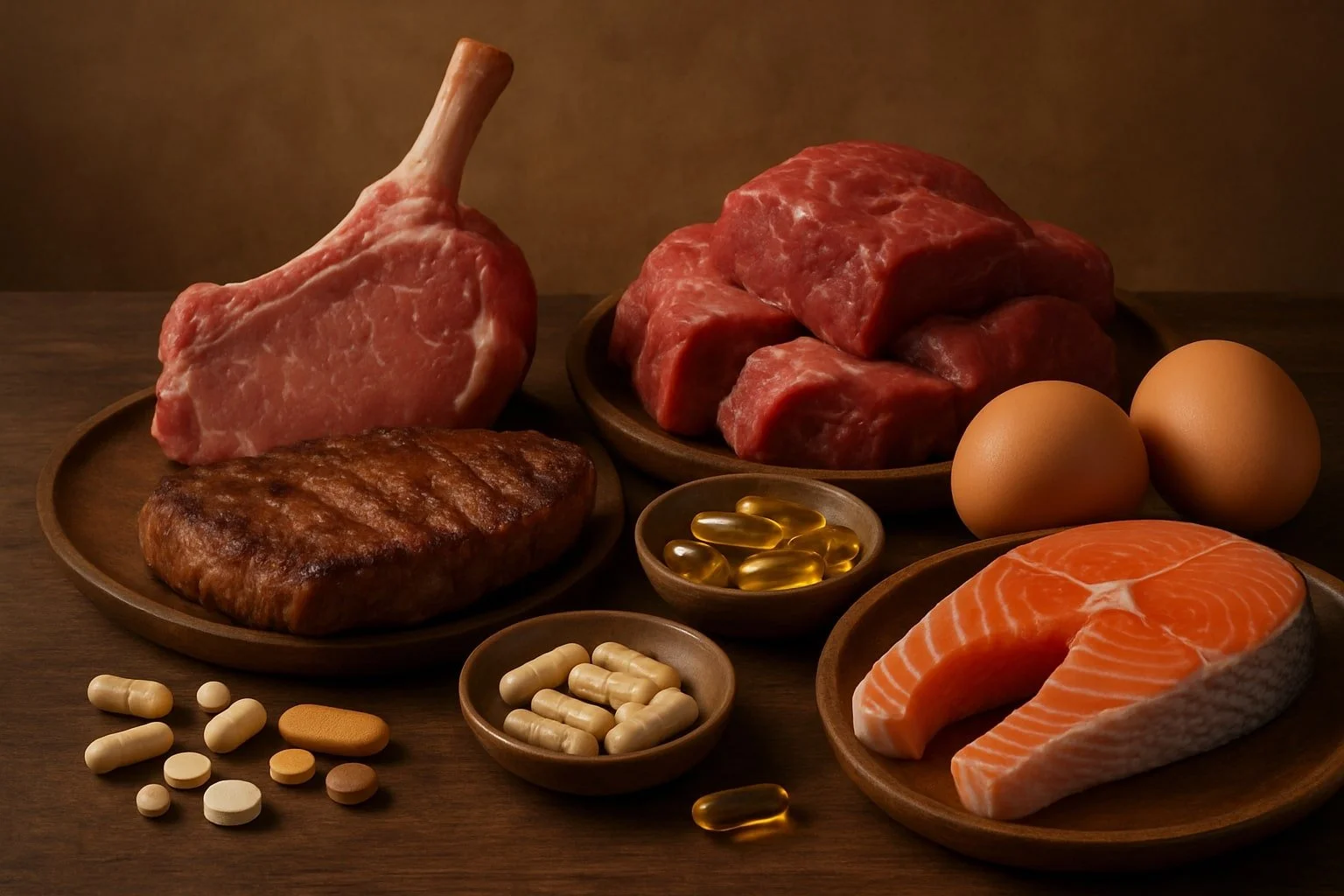
Most people following a well-formulated carnivore diet that emphasizes a variety of animal foods—including red meat, organs, and animal fats—find that additional supplements are not necessary. Animal foods are highly nutrient-dense and typically provide a broad spectrum of vitamins and minerals.
However, some individuals may have specific nutritional gaps or health needs that call for targeted supplementation. Factors such as age, pregnancy, athletic performance, or limited food variety might make supplements like vitamin D, omega-3 fatty acids, magnesium, or vitamin K2 worth considering.
Understanding when and why supplements may be needed can help anyone following a carnivore diet maintain optimal health and avoid unnecessary deficiencies. For anyone interested in keeping their nutrition on track, knowing which supplements are truly essential makes a difference.
Fundamentals Of The Carnivore Diet
The carnivore diet centers on animal-based foods, emphasizing nutrient density and simple food choices. It prioritizes whole animal products and discourages plant consumption to focus on maximizing specific nutrients found in meats and animal fats.
Core Principles Of Animal-Based Eating
At its core, the carnivore diet is a restrictive approach based almost entirely on animal sources. Followers mainly consume foods like beef, lamb, pork, poultry, seafood, eggs, and various animal fats.
Plant foods, grains, and legumes are typically excluded. The aim is to eliminate most carbohydrates, which means the diet is naturally low in sugar and fiber. This framework is built on the belief that animal products supply all essential nutrients when consumed in variety and sufficient quantity.
Advocates often stress simplicity and consistency in food choices, encouraging meals based on a small range of nutrient-dense animal foods. This often results in eating predominantly red meat and animal fats, with less reliance on processed foods or supplements.
Nutrient Density And Essential Nutrients
Animal-based foods are recognized for their high nutrient density, particularly for proteins and fats. Key nutrients supplied by the diet include complete proteins, vitamin B12, heme iron, zinc, selenium, and fat-soluble vitamins like A, D, E, and K2.
Red meat and organ meats are especially valued for their richness in these nutrients. Organ meats such as liver provide concentrated sources of vitamin A, copper, and folate. Eggs add additional nutrients, including choline and biotin, while fatty fish offers omega-3 fatty acids.
Below is a simple table of major nutrients provided by common carnivore foods:
Food Source Key Nutrients Red Meat Protein, Heme Iron, Zinc, B12, Creatine Organ Meats Vitamin A, Copper, Folate, B Vitamins Eggs Choline, Biotin, Vitamin D, Complete Protein Seafood Omega-3s, Selenium, Iodine, Vitamin D
Common Food Sources On The Carnivore Diet
The most common foods on the carnivore diet are whole cuts of red meat, such as beef, lamb, and pork. These form the backbone of many meal plans due to their availability and dense nutrition.
Eggs are frequently included for their complete protein and micronutrient content. Seafood and fish, particularly salmon, sardines, and shellfish, provide omega-3 fatty acids and minerals like iodine and selenium.
Organ meats, such as liver, kidney, and heart, are recommended for their exceptional levels of vitamins and trace minerals. Animal fats, including tallow, lard, and butter, supply caloric energy. Some approaches may also use dairy, like hard cheeses, but this is individual-dependent.
Assessing Nutrient Intake And Potential Gaps
A carnivore diet limits food choices exclusively to animal products, which may present unique challenges in meeting all micronutrient needs. To maintain optimal health, individuals following this diet need to accurately assess nutrient status and understand the potential for shortfalls.
Evaluating Nutrient Deficiency Risks
Not all nutrients are present in large enough amounts in animal-based foods to consistently meet daily requirements. Some vitamins and minerals most at risk include vitamin C, magnesium, vitamin K2, potassium, and certain B vitamins.
Routine assessment tools like food diaries and nutrient tracking apps can estimate average daily intakes for these nutrients. However, because self-reporting is not always accurate, blood tests are considered a more reliable method for confirming deficiencies or adequate levels. Key markers often checked include serum ferritin, B12, vitamin D, and magnesium.
Consistent monitoring is important, particularly during the first several months on a strictly carnivorous meal plan. Early identification of a nutrient deficiency allows for prompt dietary adjustments or the consideration of targeted supplementation.
Recognizing Signs Of Inadequate Nutrient Status
Some warning signs of nutrient deficiencies may surface gradually. Recognizing symptoms related to low intake of certain vitamins and minerals helps avoid more severe problems. For example, fatigue and weakness can indicate iron or B12 deficiency, while poor wound healing and bleeding gums may suggest insufficient vitamin C.
Other symptoms such as numbness, bone discomfort, or frequent muscle cramps can relate to magnesium, potassium, or vitamin D shortfalls. Health professionals often recommend periodic checks for these indicators, particularly since not all symptoms are obvious or rapid in onset.
A combination of physical symptoms, laboratory values, and personal dietary data forms the most reliable foundation for determining if dietary gaps exist and require attention.
Factors Affecting Nutrient Absorption
Nutrient absorption is influenced by several physiological and dietary factors, even when intake appears sufficient. The form in which nutrients are consumed (heme versus non-heme iron, for example), as well as any gastrointestinal issues, impact how well vitamins and minerals are absorbed.
Chronic health problems like celiac disease or gastric bypass may impair absorption and increase nutrient deficiency risks further. Additionally, an all-meat diet may lack certain cofactors—such as vitamin C found in plants—that enhance the uptake of some nutrients from foods.
Regular evaluation of these factors, in addition to dietary intake alone, ensures a more complete understanding of an individual's micronutrient status and supports effective, individualized supplementation strategies if required.
Essential Supplements Carnivores Might Consider
Some nutrients can be difficult to obtain in the right amounts on a strict carnivore diet, especially for people with higher needs or limited food variety. Common areas of concern include adequate mineral intake, proper electrolyte balance, and optimal vitamin D levels.
Magnesium
Magnesium is an important mineral involved in muscle function, nerve health, hydration, and energy production. Animal foods contain magnesium, but often not in high enough amounts to meet daily requirements, especially if foods like organ meats or seafood are not eaten regularly.
Symptoms of low magnesium may include:
Muscle cramps
Fatigue
Sleep problems
Irregular heart rhythms
People following a carnivore diet may consider magnesium supplements or magnesium-rich animal foods, such as certain seafood and organ meats. Addressing magnesium intake is especially important for those who exercise frequently or experience signs of deficiency.
Forms of magnesium supplementation commonly used include:
Type Absorption Notes Magnesium glycinate High Gentle on digestion Magnesium citrate Medium May have laxative effect Magnesium oxide Low Least bioavailable
Electrolyte Balance
Maintaining proper electrolyte levels, primarily sodium, potassium, and calcium, is crucial for anyone on a carnivore diet. Significant changes in fluid and salt balance can occur, leading to symptoms like dehydration, headache, or muscle cramps.
High meat intake increases fluid excretion by the kidneys, which can cause sodium loss. Most people will need to increase salt (sodium chloride) intake and may benefit from electrolyte supplements—especially during adaptation.
Common signs of electrolyte imbalances:
Dizziness
Fatigue
Rapid heartbeat
A simple way to help electrolyte intake is adding more salt to food and consuming broth. Some may need potassium or calcium supplements if specific cuts of meat or dairy are not eaten regularly. Paying attention to how the body feels after any changes in diet or supplementation helps guide further adjustments.
Vitamin D
Vitamin D, especially D3, supports calcium balance, bone strength, and immune health. While some animal foods, such as fatty fish and egg yolks, provide vitamin D, many people do not consume these foods in high enough quantities to meet daily requirements.
Those in areas with limited sun exposure, darker skin, or indoor lifestyles are at higher risk for vitamin D deficiency. Supplementation can help maintain healthy levels, especially during winter or for those who rarely go outside.
Benefits of vitamin D supplementation:
Supports absorption of calcium
Helps prevent bone loss
May reduce the risk of muscle weakness
Vitamin D3 is generally the preferred supplement form for effectiveness. Blood testing is recommended to confirm deficiency before supplementation, as very high levels can be unsafe. Following appropriate dosages based on need and healthcare advice is essential.
Nutrient Support From Organ Meats And Whole Foods
Organ meats are some of the most nutrient-dense options in an animal-based diet, providing a range of essential vitamins and minerals in higher concentrations than muscle meats. Including a variety of organ meats can help carnivore dieters cover important micronutrient needs that are otherwise hard to obtain.
Liver As A Nutrient Powerhouse
Liver is the most nutrient-dense organ commonly consumed and is especially rich in vitamin A, vitamin B12, and iron. Small servings provide several times the daily recommended amounts of many nutrients.
A 100g serving of beef liver typically contains:
Nutrient Amount Vitamin A ~9,000 mcg Vitamin B12 ~70 mcg Iron ~7 mg Zinc ~4 mg Selenium ~40 mcg
Liver also supplies vitamin K2, which supports bone and cardiovascular health. Regularly including liver in the diet, even in small amounts, can help prevent deficiencies without the need for supplementation. Due to its high vitamin A content, moderation is recommended.
The Value Of Heart, Kidney, And Other Organs
Other organ meats such as heart, kidney, and spleen provide nutrients not as concentrated in muscle meat. Heart is a significant source of vitamin B12, iron, zinc, and the compound CoQ10, which supports cellular energy production.
Kidney offers selenium, vitamin B12, and modest amounts of vitamin E. Spleen contains additional iron and vitamin C. These organs support a more complete nutritional profile, especially for those avoiding plant foods. Including a variety of organ meats ensures intake of a range of micronutrients, supporting health on a carnivore diet. Difficulty with taste or texture is common, but organ supplements may be considered when whole foods are not practical.
Supplementing For Omega-3 Fatty Acids And Healthy Fats
A carnivore diet provides many types of animal fats, but it can still lack optimal levels of omega-3 fatty acids. For effective support of heart health and cognitive function, supplementation with high-quality sources of EPA and DHA may be necessary.
Fish Oil And Krill Oil
Fish oil and krill oil are two widely used supplements to increase omega-3 intake, especially for those not eating fatty fish regularly. Both provide concentrated amounts of eicosapentaenoic acid (EPA) and docosahexaenoic acid (DHA), the two main omega-3s linked to lower inflammation and improved cardiovascular health.
Fish oil is commonly derived from cold-water fish like salmon, sardines, and mackerel. It is available in liquid and capsule form. Krill oil comes from small crustaceans and contains omega-3s in a phospholipid form, which may be easier for some people to absorb. A key difference is that krill oil usually has added antioxidants such as astaxanthin.
When choosing between these supplements, factors to consider include purity, EPA/DHA content, and absorption rates. For many, the cost and convenience of fish oil make it a practical option, while those seeking extra antioxidants or improved bioavailability may choose krill oil.
Balancing EPA And DHA
EPA and DHA play complementary roles in supporting health. EPA is involved in anti-inflammatory processes, which can help reduce joint pain and support cardiovascular function. DHA is especially important for the brain and nervous system, supporting memory, focus, and cognitive development.
Most health authorities recommend an intake of 250–500 mg daily of combined EPA and DHA for adults. On a carnivore diet, actual intake varies widely depending on one’s consumption of fatty fish. Supplemental fish oil or krill oil can help achieve consistent, adequate levels.
The following table highlights key differences and roles:
Feature EPA DHA Main Benefits Inflammation, heart health Cognitive function, eyesight Animal Sources Fish, shellfish Fish, shellfish Supplement Fish oil, krill oil Fish oil, krill oil
Choosing supplements with clear EPA and DHA labeling ensures intake aligns with personal health goals.
Addressing Gut And Digestive Health
A carnivore diet can affect digestive health due to its high intake of protein and fat, and the near complete absence of plant-based fiber. Some may notice digestive issues or changes in gut health as their body adapts to this eating pattern. Below are options people consider for digestive support on a strict animal-based diet.
Digestive Enzymes And Lipase
Switching to a diet focused primarily on animal foods may challenge a person's digestive capacity, particularly in the early weeks. The gut must adapt to processing increased amounts of protein and fat. Digestive enzyme supplements, especially those containing protease (for breaking down protein) and lipase (for fat), can help some people reduce bloating, gas, and discomfort.
These enzymes support digestion by assisting the body in breaking down macronutrients more fully. This can be particularly helpful for individuals dealing with indigestion when they transition to the diet or experience symptoms after high-fat meals. Over time, the need for enzyme supplements may decrease as digestive processes adjust.
Betaine HCl And Ox Bile
Some people struggle with reduced stomach acid or insufficient bile production, which can make digesting fatty meats more difficult. Betaine HCl is a supplement that may increase stomach acidity, supporting the breakdown of protein and absorption of nutrients like iron and B12. This can be especially useful for those experiencing heartburn, fullness, or undigested food in stools.
Ox bile supplements mimic the natural bile the body produces. They help to emulsify dietary fats, which may be important if the gallbladder has been removed or if fat digestion is impaired. Those experiencing greasy stools or diarrhea on a high-fat carnivore diet sometimes consider ox bile for additional digestive support.
Probiotics And Gut Microbiome
A fiber-free diet may change the gut microbiome, though current research on long-term effects is limited. Probiotic supplements, which contain live bacteria, are often used to promote gut health and support microbial diversity. These can help offset possible changes in gut flora that occur after removing plant foods, though individual needs vary.
Some people on a carnivore diet find relief from minor digestive issues, like bloating or irregularity, by adding probiotics. Common strains include Lactobacillus and Bifidobacterium. However, because the carnivore diet removes prebiotic fibers, the way probiotics interact with the gut in this context may be different than with mixed diets.
Targeted Supplementation For Special Populations
Certain groups on the carnivore diet have unique nutrition needs that may warrant careful supplement consideration. Pregnant women and older adults may face specific gaps in nutrient intake, even with well-planned diets.
Considerations For Pregnant Women
Pregnant women following a carnivore diet should pay close attention to micronutrients needed for fetal growth, including choline, calcium, and vitamin K2.
Choline is essential for brain development and may be lacking if egg yolks or certain organ meats are avoided. Supplementing with choline may be necessary if dietary intake is uncertain.
Calcium needs increase during pregnancy to support both maternal bone health and fetal skeletal growth. While dairy and bones from fish provide calcium, supplementation may be considered if these foods are not consumed regularly.
Vitamin K2 aids in calcium utilization for bone and vascular health. Organ meats and certain aged cheeses may provide natural sources, but a vitamin K2 supplement can be useful if intake is low. Pregnant women should work with a healthcare professional when considering supplements on a carnivore diet.
Nutrient Needs In Older Adults
Older adults may have altered absorption and increased requirements for certain nutrients critical for immune function and bone health.
Calcium becomes more important with age due to the risk of bone loss. If bone-in fish or dairy are absent, a calcium supplement may help maintain bone density.
Vitamin D3 supports calcium absorption and immune function. Although synthesized through sunlight, many older adults are at risk for deficiency and may benefit from supplementation, especially with limited sun exposure.
Zinc is also key for immune health. Red meats are rich in zinc, but those eating less muscle meat or who have absorption difficulties might consider a supplement.
Including organ meats may boost choline and vitamin K2 intake for this age group. Close monitoring of nutrient status helps tailor supplementation to an individual’s needs.
Situations Where Carnivores Might Need Additional Nutritional Support
Certain circumstances, such as intense exercise, significant calorie deficits, or recovery from injury, may demand more careful attention to nutrient intake on a carnivore diet. Meeting these extra needs can often be accomplished through targeted supplementation or dietary adjustments.
Periods Of High Physical Activity
Individuals engaged in regular high-intensity or endurance exercise often require greater overall energy intake. Increased protein supports muscle repair, while amino acids like leucine, isoleucine, and valine help preserve lean body mass.
During heavy training, electrolytes such as sodium, potassium, and magnesium are lost in sweat. Carnivore dieters may need to add extra salt or electrolyte supplements to maintain performance and prevent fatigue.
Bone broth, fish, and organ meats can provide additional minerals and collagen, which aid in joint support and recovery. Those who notice joint soreness might also consider hydrolyzed collagen supplements for connective tissue health.
Recovery And Healing
Physical recovery from injuries, surgeries, or illness raises the body’s need for specific nutrients. Higher protein intake is essential for tissue repair. Collagen synthesis—vital for wound healing—relies on amino acids like glycine and proline, found in slow-cooked meats and gelatin.
Adding bone broth can supply both collagen and minerals, supporting healing processes. In some cases, vitamin C supports collagen cross-linking, and while meat-only diets are low in this vitamin, small amounts from animal sources, or a specific supplement, may be warranted during acute healing.
Zinc is another mineral that may need attention, as it plays a role in immune function and tissue repair. If organ meats are not eaten regularly, a zinc supplement might be considered during intensive recovery periods.
Weight Loss And Ketosis
Transitioning to a carnivore diet and entering ketosis can cause rapid loss of body water, leading to reduced sodium, magnesium, and potassium. Supplementing these electrolytes, especially in the first weeks, often helps prevent fatigue, muscle cramps, and low energy levels.
Keeping protein intake adequate is important to preserve muscle mass when losing weight. Those with prolonged calorie restriction might also benefit from additional amino acids to prevent lean tissue loss.
Bone broth and fatty cuts of meat help support satiety and provide nutrients like glycine, which supports metabolism during ketosis. If weight loss stalls, reassessing overall energy intake and supplementing with electrolytes are typically the most effective strategies.
Other Considerations For Carnivore Diet Supplementation
Some individuals following a carnivore diet may have concerns about nutrient absorption, trace mineral intake, and the role of supplements versus whole foods. Addressing these topics is important to ensure nutritional adequacy and long-term health.
Potential Antinutrients And Oxalates
Antinutrients—such as phytates, lectins, and oxalates—occur mostly in plant foods. Since the carnivore diet eliminates plants, intake of these compounds drops to nearly zero. This can be beneficial for individuals sensitive to oxalates, which have been linked to kidney stones and may impair mineral absorption.
Without plant antinutrients, the body may absorb minerals like calcium, magnesium, and zinc more efficiently. This improved absorption can make supplementation less necessary, especially for minerals often blocked by antinutrients. People who previously struggled with high-oxalate foods often report fewer kidney stone issues when switching to a strict animal-based regimen.
Carnivore eaters who occasionally reintroduce plants or eat animal parts with higher oxalate content (such as certain organ meats) should monitor their intake. A table of common high-oxalate foods—such as spinach, almonds, and beets—can help guide decisions:
Food Oxalate Content (mg per 100g) Spinach 970 Almonds 469 Beets 152 Beef Liver Negligible
Trace Minerals And Iodine
Trace minerals—including zinc, selenium, copper, and iodine—are critical for metabolic and thyroid function. While most red meat provides a good array of essential trace minerals, iodine can be a concern since it’s mainly found in seafood and iodized salt.
Beef, lamb, and pork deliver significant amounts of zinc and selenium. However, individuals who avoid fish, shellfish, or dairy may face a higher risk of iodine deficiency. Symptoms of low iodine include fatigue, thyroid problems, and cognitive issues.
Table salt fortified with iodine remains the most direct way to address this gap. For those not consuming enough seafood or iodized salt, supplementing iodine may be necessary. Careful bloodwork can identify deficiencies in trace minerals, and adjustments can be made with either food choices or targeted supplementation.
Dietary Supplements Versus Whole Foods
Relying solely on dietary supplements might provide isolated nutrients but often misses the nutrient synergy found in whole, animal-based foods. Organ meats like liver and kidney are among the most nutrient-dense options, offering vitamins and minerals in highly bioavailable forms.
Pros of whole foods:
Complete nutrient profile
Better absorption and utilization
Natural balance of cofactors
Supplements may benefit those with diagnosed deficiencies, absorption disorders, or limited access to diverse animal foods. However, choosing nutrient-dense foods remains preferable for most people, reducing the risk of imbalance or overdose from isolated compounds. Because the carnivore diet emphasizes nutrient density, focusing on a variety of meats and organ products covers most requirements without the need for routine supplementation.

