
Home Blood Testing Kits for Carnivores
Essential Health Monitoring for Meat-Eaters
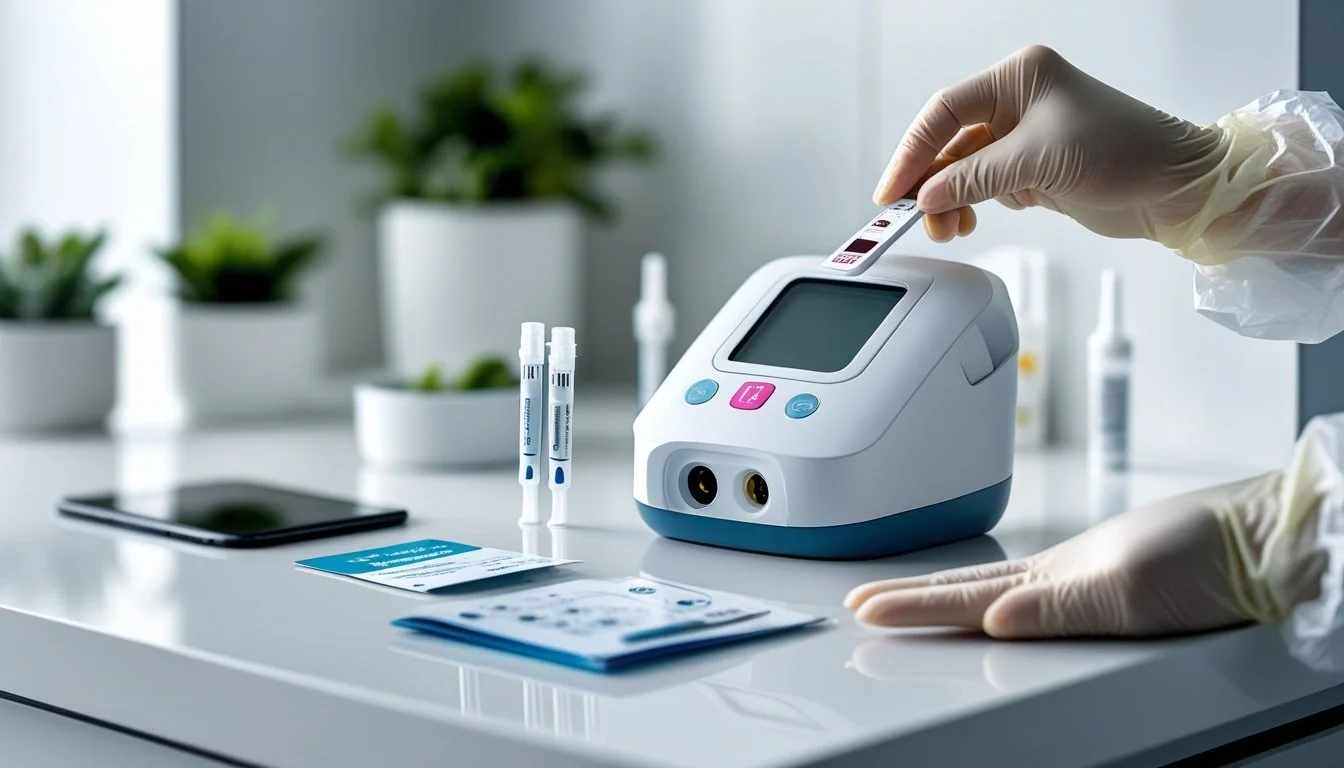
Home blood testing kits offer carnivores a convenient way to track key health markers, including cholesterol, blood sugar, inflammation, and vitamin levels. For anyone on a carnivore or all-meat diet, monitoring these markers is important, as dietary changes can influence these aspects of health.
Regular lab work has traditionally required appointments and in-person visits, but at-home options are increasing in availability. With advanced technology, many at-home kits now provide results comparable to lab draws, giving users faster feedback on how their diet affects their body.
Choosing the right home blood test can help individuals make informed decisions about their meat-based nutrition and overall wellbeing. Readers looking for practical insights on test options and what to expect can benefit from understanding these tools before making a choice.
Understanding Home Blood Testing Kits for Carnivores
Home blood test kits offer a convenient way for individuals following a carnivore diet to monitor key health markers. These kits allow users to check specific biomarkers without visiting a clinic, providing insight into areas such as kidney function, nutrient levels, and metabolic health.
What Are Home Blood Test Kits
Home blood test kits are packaged tools designed for individuals to collect and send a blood sample from home. They typically include lancets for a finger prick, collection cards or vials, clear instructions, and prepaid return envelopes.
These kits can test for fasting blood glucose, cholesterol, kidney function (creatinine and BUN), and other relevant markers. Everything needed for blood collection is provided inside the kit. Users do not need specialized skills or equipment.
Most home test kits target ease of use and privacy. By removing the need for a blood draw at a clinic, they cater to those seeking a more flexible health monitoring solution.
How Home Blood Testing Works
To use a home blood test kit, the user first cleans their finger with an alcohol wipe. They then use the enclosed lancet to perform a small finger prick. A few drops of blood are collected onto a sample card or into a tube, depending on the test requirements.
Many kits provide a checklist to ensure each step is completed correctly. Instructions emphasize the importance of following each step to limit user error, which can impact results. Collected samples are sealed and shipped to an accredited lab using provided packaging.
Laboratories analyze the blood sample for markers like fasting blood glucose, lipid panels, or inflammation. Results are usually delivered through a secure online portal within a few days.
Benefits and Limitations
Benefits:
Convenient access to health data without appointments
Quick sample collection at home; most use a simple finger prick
Can be especially valuable for routine monitoring on restrictive diets such as carnivore
Promotes personal engagement with health tracking
Limitations:
Potential for user error during collection may affect accuracy
Not all tests are as comprehensive as those ordered by physicians
Some biomarkers may still require a traditional blood draw
Mailing the sample may delay processing or, if improperly handled, invalidate results
Results from home blood test kits can provide helpful feedback, but they should be interpreted alongside professional medical advice.
Key Biomarkers for Carnivore Health
Monitoring certain blood markers provides valuable insight into how a carnivore diet influences health. Regular home blood testing helps track cholesterol, metabolic function, inflammation, anemia, and hormone status.
Cholesterol and Cardiovascular Markers
Assessing lipid profiles is essential for cardiovascular health on a carnivore diet. Standard cholesterol tests include:
Total Cholesterol
LDL (Low-Density Lipoprotein)
HDL (High-Density Lipoprotein)
Triglycerides
A typical target range for total cholesterol is 150-250 mg/dL. HDL should be above 40 mg/dL for men and 50 mg/dL for women. Elevated LDL can increase risk of atherosclerosis, while high triglycerides may indicate metabolic dysfunction. Home blood testing kits can measure these values, supporting early intervention if results are outside the normal range.
Many people on a carnivore diet notice changes to their lipid markers, so tracking trends over time is more informative than relying on a single test. The inclusion of LP(a) and Apolipoprotein B in some advanced panels helps provide further clarity about cardiovascular risk.
Blood Sugar and Diabetes Monitoring
Monitoring glucose metabolism is critical, especially when transitioning to a diet high in animal foods. Important blood sugar markers include:
Fasting Blood Glucose (FBG)
Hemoglobin A1C (HbA1c)
Insulin
Fasting blood glucose gives a snapshot of current blood sugar but can fluctuate daily. HbA1c reflects average blood glucose over two to three months, offering an overview of long-term glycemic control. Many home test kits now offer HbA1c testing, which is valuable for detecting insulin resistance or risk for type 2 diabetes.
People on a carnivore diet may observe improved or stable blood sugar metrics, but regular monitoring ensures any increases are promptly detected. Tracking both FBG and HbA1c can highlight potential metabolic issues early.
Complete Blood Count and Anemia Screening
A Complete Blood Count (CBC) panel examines several key components:
Marker Purpose Hemoglobin Oxygen-carrying capacity Hematocrit Red blood cell volume White Cells Immune function Platelets Blood clotting
CBC is crucial for identifying anemia, which can result from nutrient deficiencies even on a meat-based diet. Low hemoglobin or hematocrit may indicate iron or B12 deficiency. A CBC also screens for infection or immune changes, both important for overall health.
Home kits for CBC allow for early detection of abnormalities, prompting further investigation or medical advice if there are significant changes.
Hormone and Inflammation Markers
Hormone levels and inflammatory markers offer additional insight into metabolic and immune health. Common tests include:
Testosterone (especially for men)
hs-CRP (high-sensitivity C-reactive protein)
Thyroid panel (TSH, T3, T4)
Testosterone is important for muscle mass, mood, and energy—deficiencies may require dietary or medical adjustments. hs-CRP is a sensitive marker for inflammation and is useful for detecting silent health issues that may not be obvious through symptoms alone.
A thyroid panel checks TSH, free T3, and free T4 to screen for thyroid dysfunction, which can affect metabolism and energy levels. Fluctuations here may be influenced by dietary choices, making routine tracking useful for those following a carnivore regimen.
How to Collect and Return Blood Samples
Collecting and returning blood samples at home requires attention to detail, correct technique, and careful packaging. Different blood testing kits involve specific steps and may use either finger prick or venous draw, each with its own instructions and requirements.
Preparation for Home Blood Testing
Before beginning a home blood collection, it is important to read all instructions in the kit. Make sure to gather the required supplies, which typically include a lancet, blood collection card or tube, alcohol wipes, and adhesive bandage.
Wash hands thoroughly with warm water and dry them completely to reduce the risk of contamination. A warm hand encourages better blood flow and can make the process easier. Set up a clean workspace with good lighting, and lay out the kit components on a flat surface.
Some kits may require fasting or collecting the sample on specific days—often Monday through Thursday—to ensure timely shipping. Always check the packaging for any special requirements or time limitations before starting.
Performing a Finger Prick vs Venous Collection
Most home testing kits for carnivores use a finger prick method rather than venous blood draw. Finger pricks are done using a small lancet that creates a quick puncture on the fingertip, allowing capillary blood to be collected.
To collect blood via a finger prick:
Disinfect the selected finger with an alcohol wipe.
Use the lancet on the side of the fingertip.
Gently massage from the base of the finger toward the tip to encourage a drop of blood.
Apply the blood drop to the collection card or tube as instructed. If using a tube, ensure the cap is tightly closed and mix the sample as required, for example by inverting it ten times.
Venous blood collection requires a trained phlebotomist and is typically not performed at home. Most home kits avoid this method due to complexity and the need for professional help.
Packaging and Mailing Your Sample
Once the blood sample is collected, label the sample tube or card as required by the kit instructions. Insert the sample into the provided protective packaging, such as a biohazard bag or envelope.
Check that all forms and identification labels are completed correctly. Place them in the return package as instructed. Most kits include prepaid envelopes for return via Royal Mail or other designated courier services.
Ship the sample the same day it is collected, ideally early in the week to avoid weekend delays. Always confirm that the sample is securely sealed to prevent leaks. Track the shipment if possible to ensure prompt delivery to the laboratory.
Choosing the Best Home Blood Testing Kit for Carnivores
Selecting the right home blood testing kit is essential for individuals on an all-meat or animal-based diet. The ideal option should measure key health markers affected by the carnivore diet and provide reliable, timely results.
Key Features to Consider
When evaluating home blood test kits for carnivores, it is important to look for specialized tests that assess cholesterol profiles, fasting glucose, HbA1c, inflammation markers like hs-CRP, vitamin D, and thyroid function. Kits that include a complete blood count (CBC) and comprehensive metabolic panel (CMP) will offer broader insights.
Accuracy is crucial. Look for kits that use accredited laboratories such as Labcorp or Quest Diagnostics to process samples. Reliable sample collection methods, like finger-prick or dried blood spot, ensure usability at home. Some kits focus exclusively on metabolic or nutritional markers, while others include hormone or cardiovascular panels.
A user-friendly report and clear instructions are essential for interpreting results. Consider tests that provide explanations for each marker and actionable guidance. Price, shipping speed, and result turnaround time also impact satisfaction and utility.
Comparing Popular Brands
Brands vary in the tests they offer, sample methods, and lab partnerships. For instance, Walk-In Lab and Choose Health provide panels tailored to carnivore diet needs, covering essential markers such as lipid profiles, HbA1c, and vitamin D. Some companies partner with Labcorp for processing, which tends to improve result accuracy and reliability.
At-home testing kits from Testing.com and Forbes Health–rated brands typically balance affordability with comprehensive testing. It's helpful to compare which brands offer access to specialized panels, subscription discounts, and easy-to-read results dashboards. The table below highlights key comparisons:
Brand Specialized Tests Lab Partnership Result Time User Interface Walk-In Lab Yes Labcorp 2-4 days Detailed PDF reports Choose Health Yes Third-party 3-5 days Online dashboard Testing.com Broad range Multiple 2-7 days Email & portal
Assess the fit for individual health needs and lifestyle before choosing a kit.
Interpreting Results from Home Blood Tests
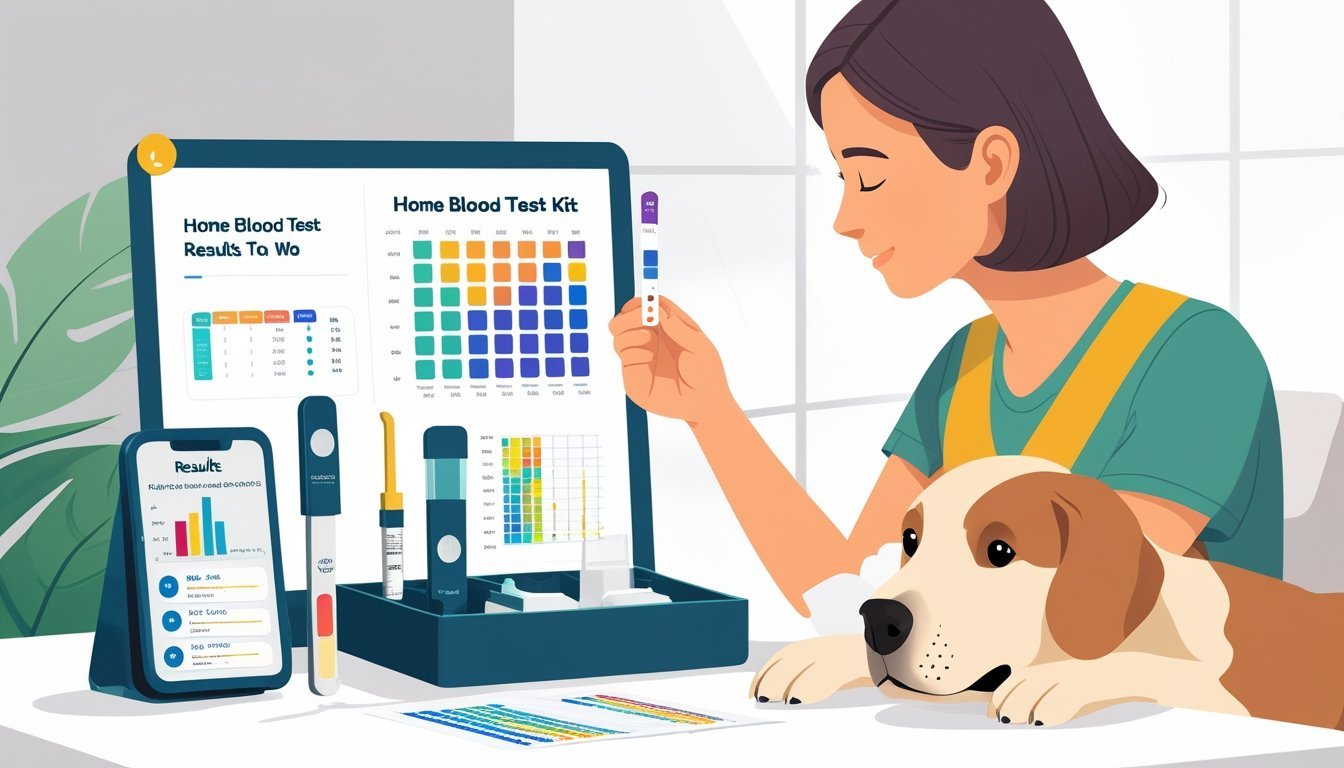
Evaluating data from home blood testing kits is important for anyone tracking their health on a carnivore diet. The focus should be on understanding the results, recognizing patterns, and knowing how to act on new health insights.
Understanding Your Health Dashboard
The health dashboard in most home blood testing kits displays key markers such as fasting glucose, HbA1c, cholesterol, and a complete blood count (CBC). Each marker provides specific information:
Fasting Glucose: Monitors blood sugar control.
HbA1c: Reflects average blood sugar over about three months.
Cholesterol: Looks at LDL, HDL, and triglycerides, giving insight into metabolic health.
CBC: Offers a snapshot of red and white blood cells, as well as platelets, to identify issues like anemia or inflammation.
Home kits often present these results with ranges flagged as low, normal, or high. Users should compare their results with established reference ranges, which are usually based on the general population. A strong understanding of these ranges helps identify possible concerns early. Abnormal readings, especially those far from the standard limits, often need further interpretation or professional review.
Next Steps After Getting Your Results
After receiving results, it is important to note any unexpected or abnormal findings, such as high fasting glucose, elevated cholesterol, or out-of-range blood counts. These results should be documented and, if patterns emerge across repeated tests, acted upon.
If results reveal potential issues—like persistent high blood sugar or changes in white blood cell count—individuals should consult a healthcare provider for further evaluation. A doctor or dietitian can provide deeper analysis, recommend retesting timelines, or suggest dietary adjustments.
Tracking changes over multiple tests helps confirm trends and offers longer-term health insights. Record-keeping can highlight how the carnivore diet affects health markers, making it easier to optimize nutrition and lifestyle. Reviewing results side-by-side in a table can clarify progress:
Marker Previous Current Reference Range Status Fasting Glucose 88 mg/dL 92 mg/dL 70–99 mg/dL Normal Total Cholesterol 190 mg/dL 210 mg/dL <200 mg/dL Slightly High
Seeking advice before making major diet or supplement changes ensures decisions are informed by professional guidance.
Common Conditions Monitored by Carnivores
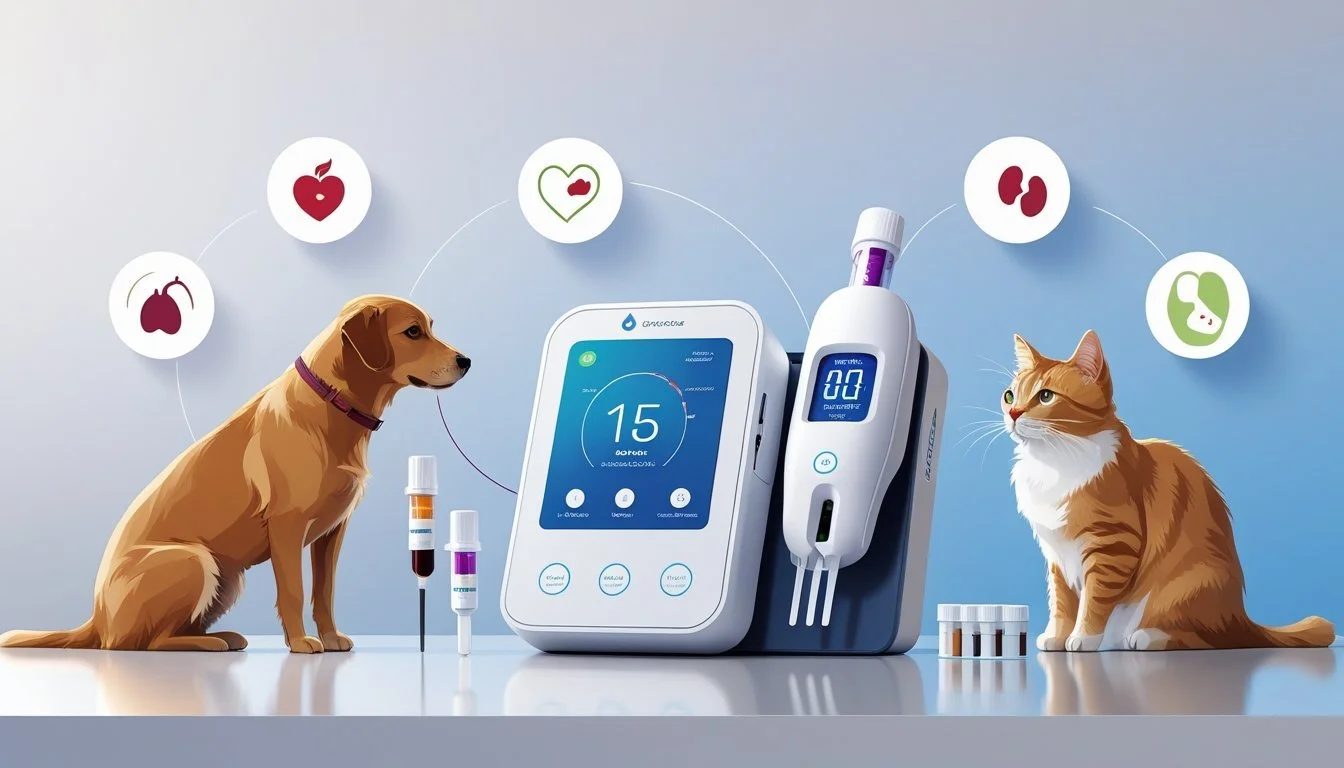
Individuals following a carnivore diet often use home blood testing kits to keep track of critical health markers and manage risks associated with dietary changes. Monitoring these markers helps identify changes in cardiovascular health, blood sugar control, and the presence of inflammation or infections.
Managing Cardiovascular Risk
A carnivore diet, which emphasizes animal products, can influence traditional cardiovascular risk factors. Home blood testing kits allow users to regularly measure cholesterol levels, including LDL ("bad cholesterol"), HDL ("good cholesterol"), and triglycerides. These markers help evaluate overall cardiovascular health and potential risk for heart disease.
Markers such as total cholesterol and triglycerides can shift on a meat-based diet. Monitoring magnesium is also important, as adequate levels support heart rhythm and vascular function. Some kits also assess high-sensitivity C-reactive protein (hs-CRP), an inflammation marker related to heart health.
Routine tracking of these markers helps individuals address potential changes early and adjust their lifestyle or consult their healthcare provider as needed.
Tracking Blood Sugar and Diabetes
Blood sugar control is a central focus for carnivores who want to monitor their risk of diabetes or metabolic dysfunction. Home kits can quickly assess fasting blood glucose and hemoglobin A1c (HbA1c), which shows average blood sugar over two to three months.
By tracking these values, individuals can see how their diet affects insulin sensitivity and glucose metabolism. Consistently elevated blood sugar or a rising HbA1c may signal increased diabetes risk, even on a meat-based diet.
Supporting markers, such as fasting insulin and C-peptide, may also be available with advanced kits. These can provide further insight into metabolic health and the body's ability to regulate blood sugar efficiently.
Assessing Infections and Inflammation
Home testing kits often include markers that assess the presence of infections and inflammation. C-reactive protein (CRP), erythrocyte sedimentation rate (ESR), and white blood cell count help detect systemic inflammation or immune responses.
Carnivore diets can impact inflammation, with some individuals reporting reductions in certain symptoms. Tracking these values allows users to spot potential problems early, especially if chronic inflammation is a concern.
Regular monitoring aids in identifying acute infections or underlying issues that may not produce obvious symptoms, supporting better long-term management of health while following a restrictive animal-based diet.

