
Evaluating Animal-Based Protein Powders
Key Factors, Benefits, and Considerations
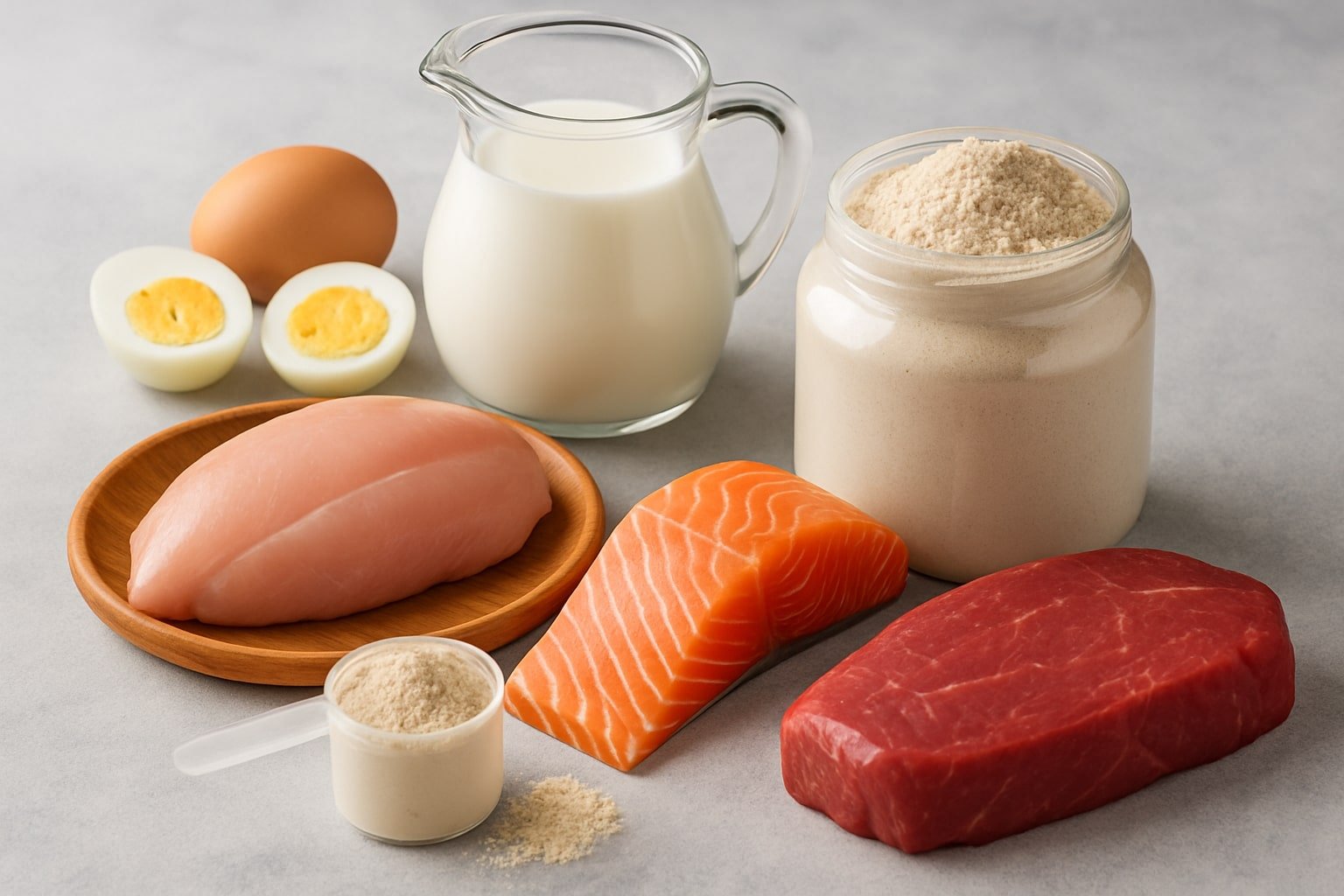
Choosing the right protein powder can make a difference in supporting muscle growth, recovery, and overall nutrition goals. Animal-based protein powders stand out because they generally offer a complete amino acid profile and are more easily absorbed by the body when compared to many plant-based options. For individuals prioritizing muscle building and efficient protein synthesis, animal-based protein powders deliver effective results and higher bioavailability.
Not all animal-based protein powders are created equal; options like whey, casein, egg, and beef proteins each provide unique nutritional benefits and absorption rates. Whether someone is an athlete seeking optimal recovery or simply looking to supplement their diet, understanding the differences between these types can help tailor protein intake to personal needs.
Evaluating factors such as taste, digestion, and dietary preferences can also play a role in deciding which protein powder to add to a nutrition routine. Exploring these aspects allows readers to make informed decisions and optimize their approach to protein supplementation.
What Are Animal-Based Protein Powders?
Animal-based protein powders are powdered supplements derived from animal sources like milk, eggs, and beef. They are valued for containing all essential amino acids and for their role in supporting muscle growth and recovery after exercise.
Types of Animal-Based Protein Powders
Most animal-based protein powders fall into several main categories: whey, casein, egg white, collagen, and beef protein.
Whey protein is processed from milk and is quickly absorbed by the body, making it a popular choice after workouts.
Casein protein, also from milk, digests more slowly and provides a sustained release of amino acids.
Egg white protein is made from the whites of eggs and is favored for being low in fat and carbohydrates.
Beef protein isolate is sourced from hydrolyzed beef, offering a dairy-free animal protein alternative.
Collagen protein is extracted from animal connective tissues and bones and is used for its potential benefits to skin, joints, and hair.
Each type has unique properties, and choosing between them depends on dietary needs, digestion, and individual goals.
Common Protein Sources
Animal-based protein powders are sourced from a range of animal products. The most common sources include:
Milk: Used to make both whey and casein proteins.
Eggs: Egg whites are filtered and dried, resulting in a high-protein, low-fat powder.
Beef: Typically processed to remove much of the fat and cholesterol while concentrating the protein content.
Animal connective tissues: Used for making collagen, which is rich in glycine and proline.
These protein sources are considered complete, meaning they provide all nine essential amino acids needed by the body. The table below highlights primary sources and their key characteristics:
Protein Source Notable Features Whey Fast-digesting, complete Casein Slow-digesting, complete Egg White Low fat/carbs, complete Beef Dairy-free, complete Collagen Lacks some essential amino acids, benefits skin/joints
Comparison With Plant-Based Protein Powders
Animal-based protein powders generally provide a higher concentration of essential amino acids than plant-based or vegan protein powders. This makes them especially effective for muscle growth and recovery.
They also tend to have higher bioavailability, meaning the body can absorb and use the protein more efficiently compared to most plant proteins like soy, pea, or hemp. Plant-based options may require blending different sources to achieve a complete amino acid profile.
Animal proteins often offer better mixability and taste profiles compared to many plant-based protein powders, though individual preferences and dietary restrictions, such as lactose intolerance or vegan diets, will play a role in selection.
Nutritional Profile and Amino Acid Content
Animal-based protein powders provide a concentrated source of protein with a full spectrum of essential amino acids. They vary in amino acid profile, digestibility, micronutrients, and types, all of which influence their nutritional quality.
Amino Acid Profile and Bioavailability
Animal-based protein powders are considered complete proteins because they contain all nine essential amino acids. Whey, milk, and beef protein isolates are common examples.
These proteins are characterized by high bioavailability, which indicates efficient digestion and absorption. This means the body can use a larger proportion of the amino acids for muscle building and repair.
Animal proteins often outperform plant-based counterparts in both total amino acid content and digestibility scores. This difference matters for those aiming to maximize muscle growth or recovery.
Essential and Branched-Chain Amino Acids
Essential amino acids (EAAs), especially branched-chain amino acids (BCAAs) such as leucine, isoleucine, and valine, are abundant in animal-based protein powders. For instance, whey protein contains about 43% essential amino acids by content.
BCAAs play a key role in muscle protein synthesis and recovery after exercise. Animal proteins generally supply a higher proportion of BCAAs compared to most plant-based options.
The rich EAA and BCAA profile in these powders supports tissue repair, immune function, and maintenance of lean body mass, making them popular choices for athletes and active individuals.
Macronutrient and Micronutrient Breakdown
A typical animal-based protein powder provides high protein per serving, often with low fat and carbohydrate content, especially in isolates. Calories can range depending on added ingredients and the specific type, but pure protein powders are usually low in sugar and fats.
Below is an example comparing common animal-based powders per 30g serving:
Powder Type Protein (g) Fat (g) Carbs (g) Calcium (mg) Sodium (mg) Iron (mg) Zinc (mg) Whey Isolate 25-27 0.5-1 1-2 100-150 45-70 0.1-0.2 0.3-0.5 Beef Isolate 23-25 0-1 0-1 10-20 35-55 2-3 2-3 Collagen Peptides 18-20 0 0 <10 40-60 0 0.2-0.4
Animal-based powders also deliver micronutrients like calcium, sodium, iron, and zinc in varying amounts, contributing to overall nutrient intake.
Comparing Protein Concentrate, Isolate, and Hydrolysate
Animal protein powders come in several forms, each offering different nutritional profiles:
Concentrate: Contains about 70-80% protein by weight, with more lactose, fats, and minerals. Cost-effective but less refined.
Isolate: Contains 90% or more protein, with most of the lactose and fat removed. Whey protein isolate is a popular high-purity option.
Hydrolysate: Pre-digested for faster absorption. Offers similar protein content to isolates but may be easier to tolerate for those with digestive sensitivity.
Each type suits different needs. Isolates and hydrolysates are preferred for their high protein purity and low calorie content, whereas concentrates may appeal to those seeking a more cost-effective source.
Evaluating Health Benefits

Animal-based protein powders play an important role in supporting fitness goals, including muscle development, weight management, and overall physical health. Their nutritional profile offers targeted benefits for muscle protein synthesis, body composition, and connective tissue integrity.
Muscle Growth and Recovery
Animal-based proteins such as whey, casein, and egg tend to have a complete amino acid profile. They are rich in essential amino acids, particularly leucine, which is crucial for muscle protein synthesis. This makes them highly effective for building muscle mass and supporting lean mass gains.
Compared to most plant proteins, animal proteins often demonstrate increased median values for gains in lean mass and muscle growth. Their rapid absorption rates also make them a strong choice for post-workout recovery. Fast-digesting proteins like whey are commonly used after exercise to support muscle repair and reduce muscle protein breakdown.
For adults aiming to increase muscle strength and improve workout recovery, animal-based protein powders provide a convenient source of high-quality protein. However, individual response to different protein sources can vary, so preferences and dietary needs should be considered.
Weight Management and Body Composition
Animal proteins are satiating and can support feelings of fullness, which may be helpful for weight management or weight loss efforts. Research shows that high-protein diets, often utilizing whey or casein powders, can preserve lean mass during periods of calorie restriction.
Some people follow ketogenic diets or low-carb eating plans that focus on animal-based protein powders due to their low carbohydrate content. These powders offer high protein with minimal sugars or starch, making them compatible with these dietary approaches.
The ability to help maintain or increase lean mass while reducing fat mass is a notable feature of animal-based protein powders. Consistent use as part of a balanced nutrition plan can improve body composition and help adults achieve specific fitness or health goals.
Joint and Bone Health
Bone health benefits are linked to animal-based protein powders, with several providing natural sources of minerals such as calcium and phosphorus. Collagen and bone broth protein powders are particularly notable for their potential joint health advantages, as they deliver specific amino acids like glycine and proline that contribute to connective tissue strength.
Some evidence suggests that these proteins may support cartilage repair and help reduce joint discomfort in active individuals. Bone broth protein, for example, supplies both protein and minerals that are essential for maintaining strong bones.
For those with high physical activity levels or joint stress, animal-based protein options may be especially relevant in supporting musculoskeletal resilience. As with all supplements, use should align with individual dietary requirements and overall health status.
Digestibility and Absorption
Animal-based protein powders like whey, casein, and egg white are often valued for their high digestibility and efficient amino acid absorption. However, individual tolerance, gut health, and sensitivities can affect how easily these proteins are processed and absorbed.
Protein Digestibility and Absorption Rates
Whey protein is quickly digested, often absorbed within 1-2 hours after consumption. Casein digests more slowly, releasing amino acids over about 6-7 hours, which can be beneficial for sustained protein delivery. Egg white protein is moderately fast, making it a balanced option.
Digestibility is commonly measured using Protein Digestibility-Corrected Amino Acid Scores (PDCAAS). Animal-based powders typically have PDCAAS values close to or at 1.0 (100%), indicating efficient digestion and complete amino acid profiles. Efficient absorption is especially important for muscle growth, recovery, and maintaining lean mass.
Some powders may include enzymes or hydrolyzed proteins to enhance digestibility. Table 1 outlines approximate digestion and absorption rates:
Protein Type Digestibility (PDCAAS) Absorption Speed Whey 1.0 Fast (~1-2 hours) Casein 1.0 Slow (~6-7 hours) Egg White 1.0 Moderate (~2-3 hrs)
Sensitive Stomachs and Digestive Comfort
Not all users tolerate animal-based powders equally well. Lactose intolerance is a common issue with whey and some casein proteins, leading to gas, cramping, or loose stool if the product contains lactose. Lactose-free whey isolate can reduce these symptoms.
Allergic reactions are possible with both dairy and egg white powders. Individuals with milk or egg allergies should use caution, as symptoms can range from mild digestive discomfort to severe reactions.
Gut health may also be influenced by the type and purity of protein chosen. Products containing added sugars, artificial sweeteners, or excessive thickeners may trigger bloating or discomfort. Choosing minimally processed powders with fewer additives is generally recommended for sensitive stomachs.
Ingredient Quality and Nutrition Considerations
Ingredient quality, nutritional value, and unwanted additives are important factors to assess when selecting an animal-based protein supplement. Examining what goes into each product can help identify powders that are more nutritious and better tolerated.
Artificial Ingredients and Additives
Many animal-based protein powders include artificial ingredients to enhance flavor, shelf-life, or mixability. These can range from artificial sweeteners such as sucralose or aspartame, to colorants and preservatives.
Some consumers may experience digestive discomfort or have sensitivities to these additives. Ingredient lists often reveal the presence of maltodextrin, gums, or thickeners, which may not add nutritional value.
Simple ingredient lists with minimal artificial additives are generally preferred for those aiming for cleaner, less processed supplements. Checking for recognizable ingredients can help avoid potential irritants.
Sugar, Fat, and Flavoring
Sweeteners and added flavors are common in protein supplements. Some products contain high amounts of sugar, which can increase calorie content without notable nutritional benefit.
Fat content may vary, with some powders using full-fat milk or creamers to enhance texture and taste. While not necessarily negative, awareness of fat sources matters for those monitoring macronutrient intake.
Unflavored or naturally flavored powders can be better options for those avoiding unnecessary sugars or artificial flavors. Reviewing the nutrition panel is essential to identify hidden sugars or unwanted additives.
Choosing Clean and High-Quality Protein Supplements
Selecting a protein supplement with clean ingredients often means choosing options with short ingredient lists and no unnecessary fillers. High-quality animal-based powders typically use sources like whey isolate, casein, or egg white, which have high protein content and good amino acid profiles.
Third-party certifications such as NSF Certified for Sport or Informed Choice can provide assurance that a supplement is tested for impurities and label accuracy.
For maximum ingredient quality, some consumers prefer protein powders derived from grass-fed, hormone-free, or antibiotic-free animal sources. Simple formulas with no artificial sweeteners or excessive additives tend to be better tolerated by those with sensitivities.
Dietary Restrictions and Suitability
Animal-based protein powders are affected by individual sensitivities, allergies, and adherence to certain diet plans. Choosing a suitable protein powder depends on health requirements and personal dietary practices.
Allergies and Intolerances
Several animal-based protein powders, such as whey and casein, are derived from milk. This makes them unsuitable for people with lactose intolerance or milk allergies. Reactions can range from digestive discomfort to serious allergic responses.
Egg protein powders may also cause problems for those allergic to eggs. Beef protein powders generally do not contain typical allergens like lactose, but anyone with a red meat allergy should still avoid them.
Since animal-based protein powders contain distinct proteins, it is important for users to check product labels for ingredients and possible cross-contamination warnings. Individuals with a history of food allergies should consider consulting a healthcare provider before trying new supplements.
Special Diets and Restrictive Lifestyles
Animal-based protein powders do not fit into a vegan diet or a strict vegetarian diet. Some are acceptable for certain vegetarians, depending on the powder's source (e.g., milk-based proteins for lacto-vegetarians, egg protein for ovo-vegetarians).
Religious dietary laws may also impact suitability. For example, followers of kosher or halal dietary practices must look for products with appropriate certifications.
Athletes and individuals on diets such as the carnivore or keto diet might prefer animal-based powders due to their amino acid profiles and low carbohydrate content. However, those with specific health concerns or ethical objections to animal products will need to seek alternatives.
How to Use Animal-Based Protein Powders
Animal-based protein powders can be conveniently incorporated into daily diets for muscle support, meal replacement, or as part of a balanced eating plan. They blend easily into various foods and beverages, offering versatility and usefulness beyond just workout nutrition.
Shakes, Smoothies, and Recipes
The most common use for animal-based protein powders is mixing them with liquids to make shakes and smoothies. Whey and casein both dissolve well in water, milk, or milk alternatives. Smoothies can boost protein content by adding a scoop of powder alongside fruits, vegetables, and nut butters.
Blending protein powder into oatmeal is another effective option. It increases satiety and adds essential amino acids to the meal. Including it in baked goods is popular as well—protein muffins or pancakes are simple to prepare and provide better nutrition for breakfast or snacks.
Try using protein powder in yogurt bowls, energy bites, or homemade bars. This approach makes it easy to hit protein goals while enjoying varied flavors and textures. Adjust the amount of powder as needed to match protein requirements and taste preferences.
Meal Replacement Strategies
Animal-based protein powders can form the basis of a meal replacement. A well-balanced shake often includes a protein powder base, a carbohydrate source like oats or fruit, and a fat such as almond butter or flaxseed oil. This combination provides key macronutrients in one convenient serving.
For busy days, mixing protein powder with milk or a milk substitute creates a simple, portable replacement meal. Adding ingredients such as chia seeds, spinach, or frozen berries increases fiber, vitamins, and minerals. Always check that the shake includes enough calories and nutrients to replace a full meal.
Individuals focused on weight management can adjust the shake’s caloric content by varying the amount or type of ingredients. People recovering from illness or injury may use higher-calorie recipes to aid recovery and maintain muscle mass.
Combining with Other Food Sources
Combining animal-based protein powders with other foods increases nutrient variety and can improve digestion. Mixing protein powder into oatmeal or overnight oats creates a nutritionally balanced breakfast with sustained energy release. Top with fruits, seeds, or nuts for added nutrients and flavor.
Pairing protein shakes with solid food improves satiety and may help regulate blood sugar. For example, they can be consumed alongside whole grain toast, a piece of fruit, or a small salad. This method is beneficial for those seeking a more complete meal experience beyond just a shake or smoothie.
Incorporating protein powder into baked goods—such as protein brownies or banana bread—spreads out protein intake throughout the day. These foods suit meal prep routines and help meet daily protein targets, especially for athletes or those with higher protein needs.
Selecting the Right Protein Powder for Your Needs
Choosing the right animal-based protein powder involves careful consideration of both fitness goals and ingredient transparency. Protein powders vary in nutrient profile, digestibility, and potential allergens, so matching product features to individual needs is essential.
Matching Protein Type to Fitness Goals
Different animal-based protein powders—such as whey, casein, egg white, and collagen—serve distinct purposes.
Whey protein is quickly digested and is widely used for muscle recovery and growth after workouts.
Casein protein digests slowly, making it suitable for overnight muscle repair or as a meal replacement.
Egg white protein is valued for its high biological value and is an option for those avoiding dairy.
Collagen protein is not a complete protein but may support joint or skin health, though it is less effective for muscle gain.
Key considerations:
For muscle growth: look for whey isolate or concentrate.
For steady amino acid release: casein is effective.
For dairy sensitivities: egg white or beef protein may be preferable.
For joint support: collagen may be used, but not as the main protein source.
Evaluating Label and Ingredient List
Examine the label for protein content per serving. Most animal-based powders range from 20-30 grams of protein per scoop.
Check for added sugars, artificial sweeteners, and fillers. Products with minimal additional ingredients often provide better nutritional value.
Look at the amino acid profile to ensure it includes essential amino acids, especially leucine, which supports muscle protein synthesis.
Be aware of potential allergens such as lactose or eggs.
Review the certification labels for third-party testing like NSF Certified or Informed Choice, which can help verify protein content and the absence of banned substances or contaminants.
Transparent labeling helps confirm the product matches dietary and fitness needs, supporting effective and safe protein intake.

