
Choosing the Right Cuts for Nutritional Goals
A Guide to Healthier Meat Selection
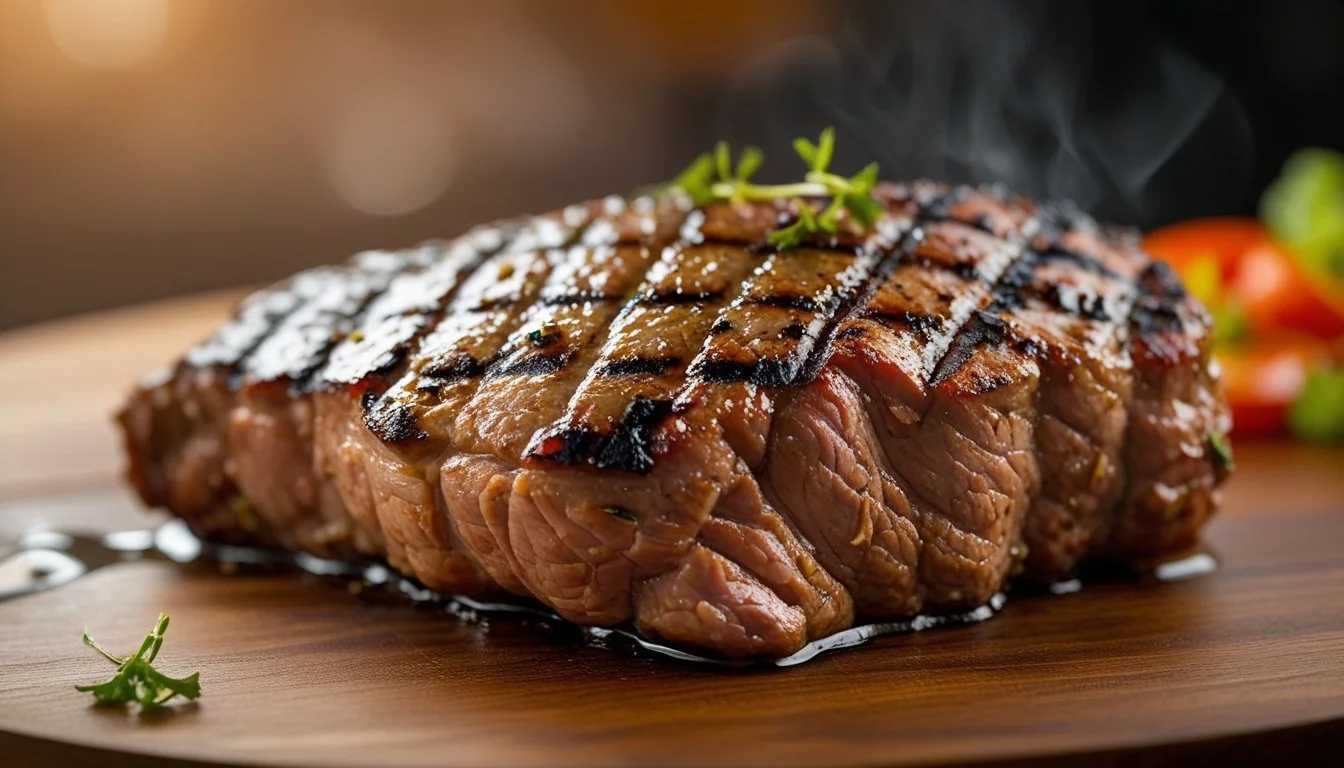
Choosing the right cuts of food plays a significant role in achieving specific nutritional goals, whether for fat loss, muscle gain, or general wellness. Selecting nutrient-dense, lean, and minimally processed cuts ensures the body receives quality protein, essential fats, and vital micronutrients while supporting energy and satiety. This approach makes it easier to maintain a calorie deficit or surplus tailored to personal objectives.
Many face confusion when it comes to which meats, plant-based proteins, or food options fit best into their plans. By understanding which cuts best align with their dietary needs, anyone can simplify meal planning and optimize results without sacrificing taste or nutrition.
Understanding Nutritional Goals
Nutritional goals help guide choices in diet, supporting better health, weight management, and overall well-being. Achieving these goals involves clear planning around personal objectives, careful selection of macronutrients, and awareness of specific dietary needs for weight loss or maintenance.
Defining Personal Nutrition Objectives
Setting clear nutrition objectives requires assessing individual needs such as age, activity level, and health conditions. These objectives may focus on weight loss, muscle gain, or improving overall health. For instance, someone seeking weight loss may prioritize reducing calorie intake and practicing portion control.
Personal objectives often include improving energy levels, supporting heart health, or managing specific health conditions like diabetes. Defining these goals helps in creating a nutritious diet unique to each person’s requirements.
It is important to track progress using specific, measurable targets such as daily vegetable portions or protein intake. This method ensures that the chosen diet has measurable nutritional benefits and aligns with set targets.
Role of Macronutrients in Diet
Macronutrients—carbohydrates, proteins, and fats—are crucial for bodily function and performance. Proteins aid in muscle repair and preservation, making them essential for both weight loss and muscle maintenance. Carbohydrates provide energy and are most beneficial when chosen from whole grains, fruits, and vegetables, offering better nutritional value.
Fats support hormone regulation and cell health; focus on unsaturated sources like olive oil, nuts, and avocados. Balancing macronutrient percentages (for example, 40% carbs, 30% protein, 30% fats) helps achieve a balanced diet.
Properly distributing macronutrients helps control appetite and supports consistent energy. Adjustments may be needed based on activity level, fitness goals, or metabolic health.
Nutritional Needs for Weight Loss and Maintenance
Effective weight loss requires consuming fewer calories than expended but ensuring continued nutritional adequacy. This means prioritizing nutrient-dense foods—lean proteins, vegetables, and whole grains—while avoiding highly processed options with low nutritional benefits.
Portion control is central to weight management. Using smaller plates or pre-portioning meals helps regulate calorie intake and supports adherence to a nutritious diet.
After reaching target weight, maintenance involves adjusting calorie intake to match activity. Emphasizing a balanced, varied diet sustains overall health and helps prevent weight regain. Regular re-evaluation of eating patterns ensures that nutritional needs continue to be met effectively.
Essential Nutrients in Different Cuts
Beef and steak cuts offer a varied nutritional profile, including protein, fats, vitamins, minerals, and are naturally low in carbohydrates. The nutrient content can change significantly based on the specific cut, affecting both overall health and the ability to meet dietary goals.
Protein Content and Sources
Beef is recognized as a leading source of high-quality protein, containing all essential amino acids necessary for muscle growth and repair. Different cuts offer varying amounts of protein per serving, with leaner cuts generally providing more protein per calorie.
Lean protein sources such as sirloin, tenderloin, and round steak are popular for those prioritizing protein with less fat. For example, top sirloin and eye of round have about 23–26 grams of protein per three-ounce cooked portion. Fattier cuts like ribeye also deliver high protein, but with increased caloric and fat content.
Choosing beef labeled as “95% lean” or “Select” grade ensures a greater emphasis on protein over fat. Including lean cuts in a diet can boost protein intake without significantly raising fat consumption.
Healthy Fats and Fat Content
Fat content is one of the most variable nutritional elements in beef, largely influenced by the type of cut. Marbled cuts like ribeye and T-bone have more intramuscular fat, providing a richer taste, but a higher content of saturated fats. Leaner options, such as sirloin tip and flank steak, have much lower fat levels.
Healthy fats, such as monounsaturated and omega-3 fatty acids, can be found in beef but in smaller amounts compared to other protein sources like fish. Some grass-fed beef has a better omega-3 profile than grain-fed. Choosing cuts with visible fat trimmed and graded “Choice” or “Select” rather than “Prime” helps minimize saturated fat intake.
Below is a brief comparison:
Cut Total Fat (g per 3oz) Saturated Fat (g) Ribeye 20 8 Sirloin 8 3 Tenderloin 7 3 Eye of Round 4 1.5
Vitamins and Minerals in Meat
Different beef cuts supply key micronutrients essential for metabolic health and immune function. Beef is a rich source of iron, particularly heme iron, which is absorbed efficiently in the body. Cuts like sirloin and filet mignon typically yield about 2 milligrams of iron per serving.
Zinc content is also significant in most cuts, playing a central role in immune function and wound healing. Vitamin B12, necessary for red blood cell production and nerve function, is abundant in nearly all beef cuts, with three ounces providing over half the recommended daily intake.
Other notable nutrients in beef include niacin, selenium, and phosphorus. While the micronutrient content is generally consistent, minor differences may occur based on cut and fat content.
Carbohydrates and Low-Carb Options
Beef, regardless of the cut, contains negligible carbohydrates. For those following low-carb or ketogenic diets, beef cuts are naturally compatible protein sources and do not contribute to blood sugar spikes.
The total carbohydrate content in beef is typically less than 1 gram per serving. This makes steak, roast, and ground beef ideal choices for those aiming to reduce carb intake, without sacrificing nutrient density.
Lean or fatty, all beef cuts provide a protein-rich, low-carb foundation for meal planning. Selecting cuts based on fat preferences is suitable for both low-carb and traditional diet approaches.
Comparing Popular Cuts of Meat
Meat selection can significantly affect protein intake, fat content, and overall diet quality. Each cut varies in taste, texture, fat content, and nutrient density.
Lean Beef Cuts and Their Benefits
Lean beef cuts provide high protein with less saturated fat, supporting muscle maintenance and heart health. Examples of the leanest cuts include eye of round, top round, sirloin, and tenderloin. These often have 4–7 grams of fat and more than 20 grams of protein per 3-ounce cooked serving.
Cuts labeled “Choice” or “Select” tend to have less marbling than “Prime” grades. Choosing ground beef that is 90% lean (or higher) further reduces fat intake. Grass-fed beef often contains healthier omega-3 fatty acids compared to conventionally raised beef.
Table: Lean Beef Cuts (per 3 oz, cooked)
Cut Calories Total Fat (g) Protein (g) Eye of Round 140 4 24 Top Sirloin 150 5 23 Tenderloin 160 7 22
These cuts are suitable for those managing cholesterol or aiming for a leaner diet.
Fatty Cuts and Their Nutritional Profile
Fatty cuts such as ribeye, T-bone, brisket, and higher fat ground beef (e.g., 80% lean) contain more marbling. Marbling results in richer taste and tenderness but significantly increases saturated fat per serving. Brisket and ribeye can provide 12–20 grams of fat per 3-ounce cooked portion.
While flavorful, these cuts may not suit those watching fat intake or at risk for heart disease. They do, however, supply important nutrients like iron, zinc, and B vitamins. Some consumers may prefer grass-fed fatty beef for its potentially better fatty acid profile.
List: Popular Fatty Cuts and Typical Fat Content (per 3 oz)
Ribeye: ~20g fat
T-bone: ~16g fat
Brisket: ~17g fat
Regular ground beef (70% lean): ~14g fat
Choosing these cuts less frequently or trimming visible fat can help reduce saturated fat consumption.
Skinless Poultry, Turkey, and Chicken Breast
Skinless poultry, including chicken breast and turkey breast, is among the leanest animal proteins available. A 3-ounce portion of cooked skinless chicken breast offers about 25–27 grams of protein and just 2–3 grams of fat. Turkey breast is similar in profile.
Removing the skin before or after cooking significantly decreases total and saturated fat. Dark poultry meat, such as thighs and drumsticks, contains slightly more fat but remains lean compared to most beef or pork cuts.
Skinless poultry is typically low in calories and rich in niacin, selenium, and vitamin B6. It is a reliable choice for individuals limiting red meat, reducing calories, or controlling cholesterol levels. Roasting, grilling, or baking helps retain leanness without adding unnecessary fats.
Alternative Protein Sources
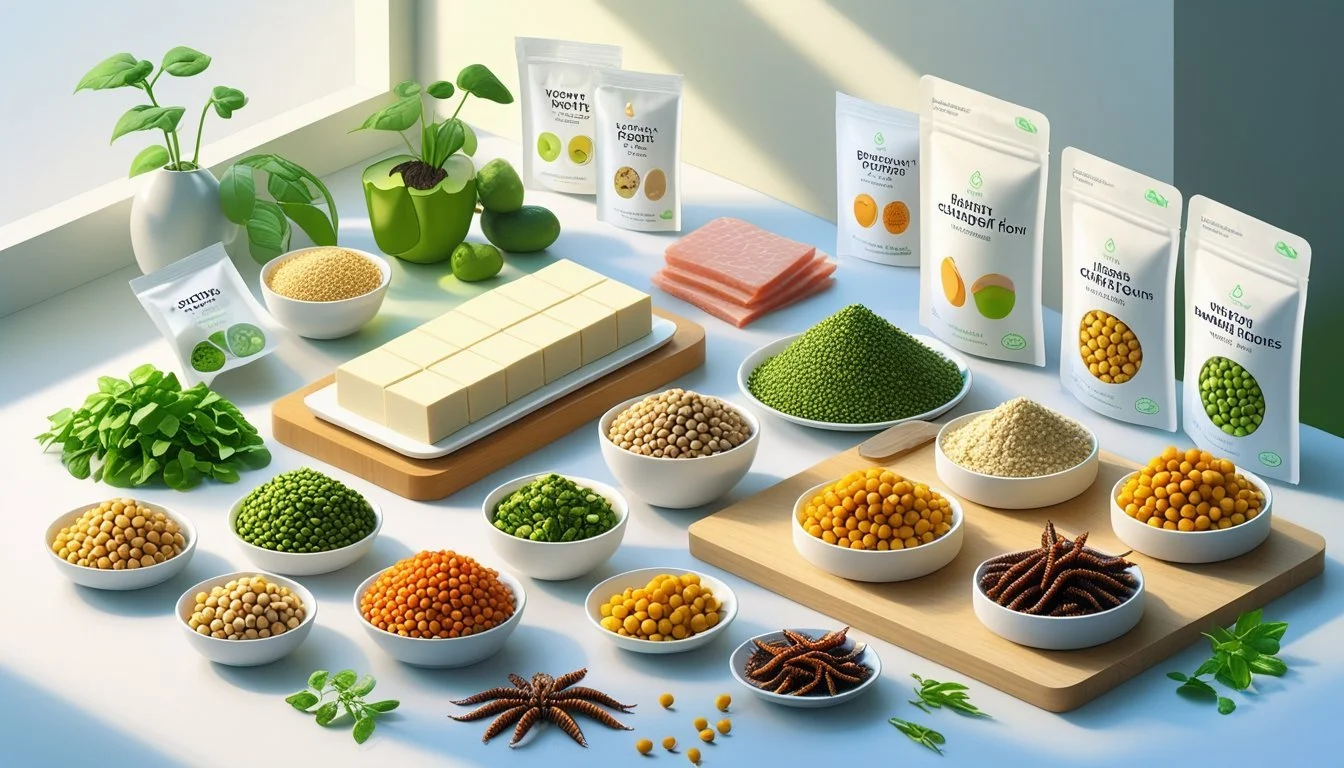
Alternative protein sources include a range of foods that deliver key nutrients such as essential amino acids, healthy fats, vitamins, and fiber. These options can meet specific dietary goals, support plant-forward eating, and provide health benefits beyond just protein content.
Fish and Seafood: Nutritional Highlights
Fish and seafood are high-quality protein sources that are low in saturated fat. They are rich in crucial nutrients, including vitamin D, vitamin B12, and essential minerals like iodine and selenium.
Salmon, for example, stands out for its high content of omega-3 fatty acids—specifically EPA and DHA. These healthy fats are linked to benefits for heart and brain health. A typical 3-ounce cooked portion of salmon provides around 22 grams of protein and over 1,000 mg of omega-3s.
Other fish such as mackerel, trout, sardines, and anchovies also contribute significant amounts of omega-3 fatty acids. Shellfish like shrimp and scallops are also high in protein and generally low in fat, though omega-3 levels are moderate. For those monitoring mercury, smaller fish like sardines and anchovies are preferred choices.
Plant-Based Protein Options
Plant-based proteins are versatile and sourced from foods such as legumes, soy, peas, beans, lentils, tofu, and tempeh. Many plant proteins, like lentils, also provide fiber, iron, magnesium, and other minerals absent in animal sources.
Soy products stand out because they are complete proteins, meaning they contain all essential amino acids. A cup of cooked lentils has about 18 grams of protein and 15 grams of fiber. Tofu and tempeh, both made from soybeans, offer up to 20 grams of protein per serving.
Pea protein and foods such as chickpeas or black beans contribute steady protein as well. Pairing different plant sources—like rice with beans—can further improve amino acid balance.
Eggs, Nuts, and Whole Grains
Eggs remain a widely consumed, cost-effective protein that also supplies key nutrients such as vitamin B12, choline, and selenium. One large egg provides about 6 grams of protein along with healthy fats.
Nuts, including almonds, walnuts, and peanuts, deliver protein along with unsaturated fats and micronutrients such as vitamin E and magnesium. A 1-ounce serving of almonds offers about 6 grams of protein.
Whole grains—such as quinoa, farro, barley, and brown rice—supply both protein and dietary fiber. Quinoa is notable for being a complete plant protein, offering around 8 grams per cooked cup. Choosing whole grains and nuts adds variety and balances out plant-based eating patterns.
Evaluating Nutritional Value and Benefits
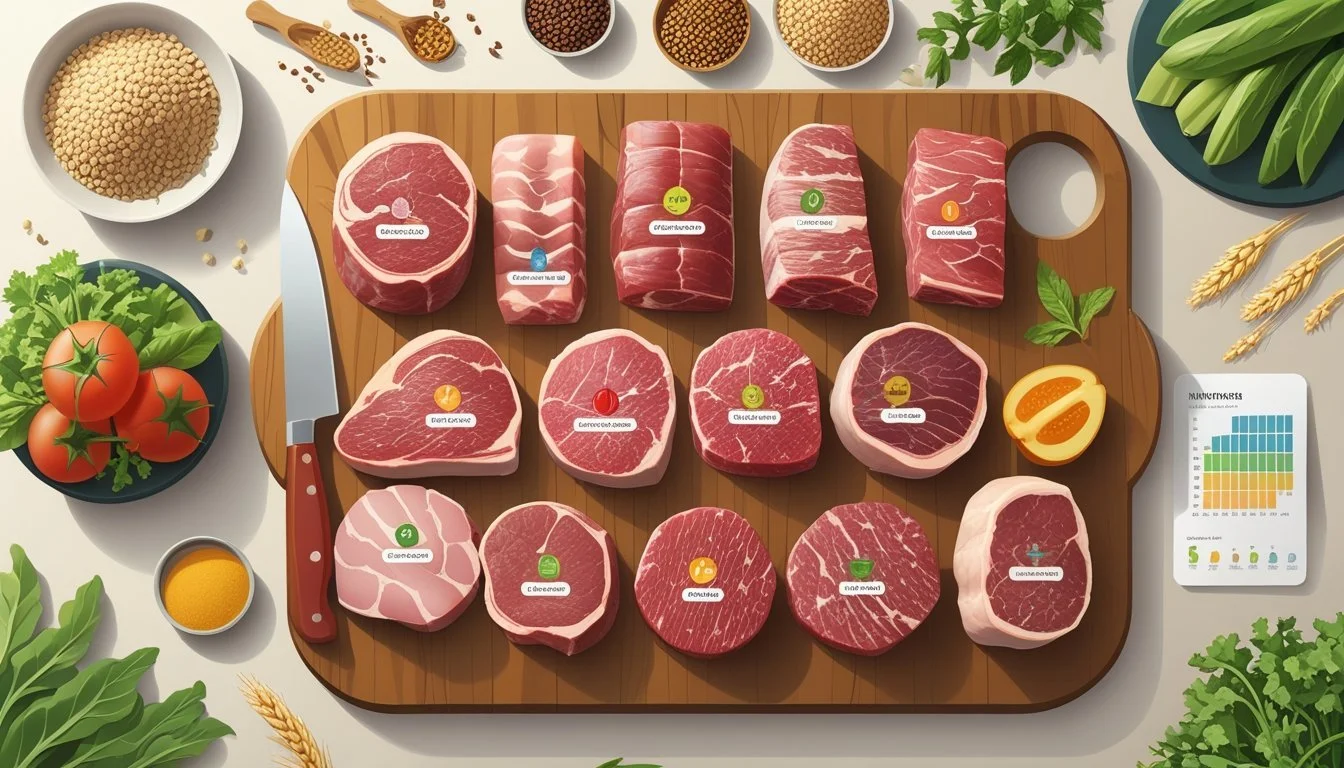
Selecting different cuts of meat can influence caloric intake, protein levels, and the balance of key nutrients. Each type of cut also affects health goals such as muscle maintenance, satiety, and hormone regulation in distinct ways.
Nutritional Profiles of Popular Cuts
Beef cuts vary in calories, fat, and protein, impacting their role in a diet. For example, eye of round contains about 140 calories, 4g fat, and 24g protein per 3-ounce serving, making it ideal for lean diets. Sirloin tip side steak offers slightly more calories but remains low in fat.
Leaner cuts like flank steak, tri-tip, and sirloin provide higher protein-to-fat ratios. This makes them suitable for those seeking muscle growth with lower calorie intake. Fattier cuts, such as ribeye and T-bone, deliver more energy but also more saturated fat.
Here is a quick comparison of 3-ounce cooked portions:
Cut Calories Fat (g) Protein (g) Eye of Round 140 4 24 Sirloin Tip Side 160 5 23 Ribeye 220 16 21
Choosing among these depends on dietary goals such as weight management, protein intake, or energy needs.
Satiety and Muscle Maintenance
High-protein cuts support satiety, helping to reduce hunger between meals. Foods with more protein also play a major role in preserving lean muscle mass, especially during calorie-restricted diets. Lean steaks like sirloin and round steak are commonly chosen for maximizing protein without adding excess calories.
Maintaining muscle requires a regular intake of complete proteins, which cuts of beef readily supply. The amino acids in beef are highly bioavailable, aiding muscle repair and growth. Individuals aiming for muscle gain or maintenance often prioritize cuts that offer the most protein per calorie.
For added satiety, lean cuts can be paired with high-fiber sides like vegetables or whole grains.
Impact on Hormone Production and Strength
Nutrients in beef, such as iron, zinc, and B vitamins, play key roles in hormone synthesis and metabolic health. Zinc, for example, is involved in testosterone production, which affects muscle strength and repair. Fattier cuts offer more cholesterol, which is a precursor in hormone production, but should be consumed in moderation to manage cardiovascular risk.
Beef also supplies creatine, which supports strength by replenishing cellular energy in muscles during intense activity. Regular inclusion of nutrient-dense cuts can help maintain balanced hormone levels and optimize performance for athletes and active individuals.
Choosing a variety of cuts provides a range of nutrients needed for strength and hormone health, while focusing on leaner options helps control saturated fat intake.
Cooking Methods for Healthier Outcomes
Different cooking methods influence nutrient retention, fat content, and the health benefits of various cuts. Attention to techniques like temperature, time, and seasoning choices can help maximize nutrition and taste.
Baking, Roasting, and Grilling
Baking, roasting, and grilling often require little or no added fat. These dry-heat cooking methods help preserve nutrients such as B vitamins and minerals in lean cuts of meat, chicken, or fish. High temperatures allow natural flavors to develop and excess fat to drip away in grilling, supporting lower-calorie meals.
Roasted and grilled vegetables retain more vitamin C compared to boiling. To enhance the flavor profile without adding extra calories, cooks often use herbs, spices, or a small amount of olive oil.
Popular combinations include rosemary or thyme with poultry and black pepper with grilled beef.
These techniques work well for tender cuts and promote appetizing textures. Using a baking sheet lined with parchment paper reduces sticking and further limits unnecessary oil use.
Slow Cooking and Bone Broth
Slow cooking allows tougher cuts to break down over longer periods, resulting in tender, flavorful dishes. Braising and stewing at low heat preserve water-soluble nutrients better than boiling.
Slow cookers can be used with minimal oil, and the enclosed environment helps retain vitamins and minerals.
Bone broth is created by simmering bones and connective tissue. This cooking method extracts collagen and minerals into the liquid, making it a rich source of protein and specific amino acids. Bone broth also contains small amounts of calcium, magnesium, and phosphorus.
These moist-heat methods work well for soups, stews, and casseroles that include tougher cuts or vegetables. Seasonings such as garlic, ginger, and turmeric can further boost both the flavor and nutritional value.
Frying, Marinating, and Flavor Enhancements
Frying generally adds more calories and saturated fat, but some strategies can make it healthier. Using smaller amounts of heart-healthy oils like olive oil and keeping frying times short help control fat absorption. Pan-frying is preferable to deep-frying for this reason.
Marinating cuts prior to cooking can reduce the formation of harmful compounds during high-heat methods like grilling and frying. Acidic marinades using lemon juice or vinegar, combined with herbs and spices, can enhance tenderness and flavor while supporting a healthier meal.
Herbs, spices, and citrus zests offer ways to enhance taste without adding excess salt or calories. Flavor profiles can be elevated by combining fresh seasonings and quality oils, offering both nutrition and a satisfying taste experience.
Portion Control and Serving Sizes
Maintaining the right balance between portion size and serving size is crucial for meeting specific nutritional goals. Smart portion control helps ensure that calorie intake remains appropriate without leading to nutrient deficits or excess.
Strategic Portioning for Nutritional Goals
Portion size refers to the amount of food chosen to eat, while serving size is the standard reference used for nutritional labeling. Misunderstanding the difference can result in consuming more calories and nutrients than intended.
To align choices with nutritional targets, individuals benefit from visual cues and measuring tools:
Kitchen scales
Measuring cups and spoons
Comparisons to everyday objects (e.g., a three-ounce portion of cooked meat is roughly the size of a deck of cards)
Specific dietary goals—such as increasing protein or reducing carbohydrates—require careful attention to both cut selection and portioning. For example, lean cuts of poultry or fish can be served in larger portions for fewer calories, while fatty meats require smaller portions to meet the same caloric budget.
Reading nutrition labels for serving size helps inform healthier portions. Adjusting habitual portion sizes gradually can promote lasting dietary changes that fit personal health goals.
Managing Calorie Intake and Satiety
Controlling calorie intake begins with an awareness of serving sizes. Standard servings—such as 1 cup of fruits or 3 ounces of meat—offer a guideline for planning balanced meals without excessive calories.
Choosing high-protein or high-fiber cuts, such as skinless chicken breast or legumes, can help enhance satiety. These foods keep hunger in check while staying within calorie targets.
Tools like food diaries or calorie-tracking apps facilitate portion management and prevent unconscious overeating. Paying attention to signals of fullness and stopping before feeling overstuffed is effective for weight control and digestive comfort.
Those managing weight or chronic conditions should prioritize small, frequent portions over large, infrequent meals. This pattern supports energy balance and nutrient absorption while reducing the risk of consuming surplus calories.
Choosing Cuts for Special Dietary Patterns
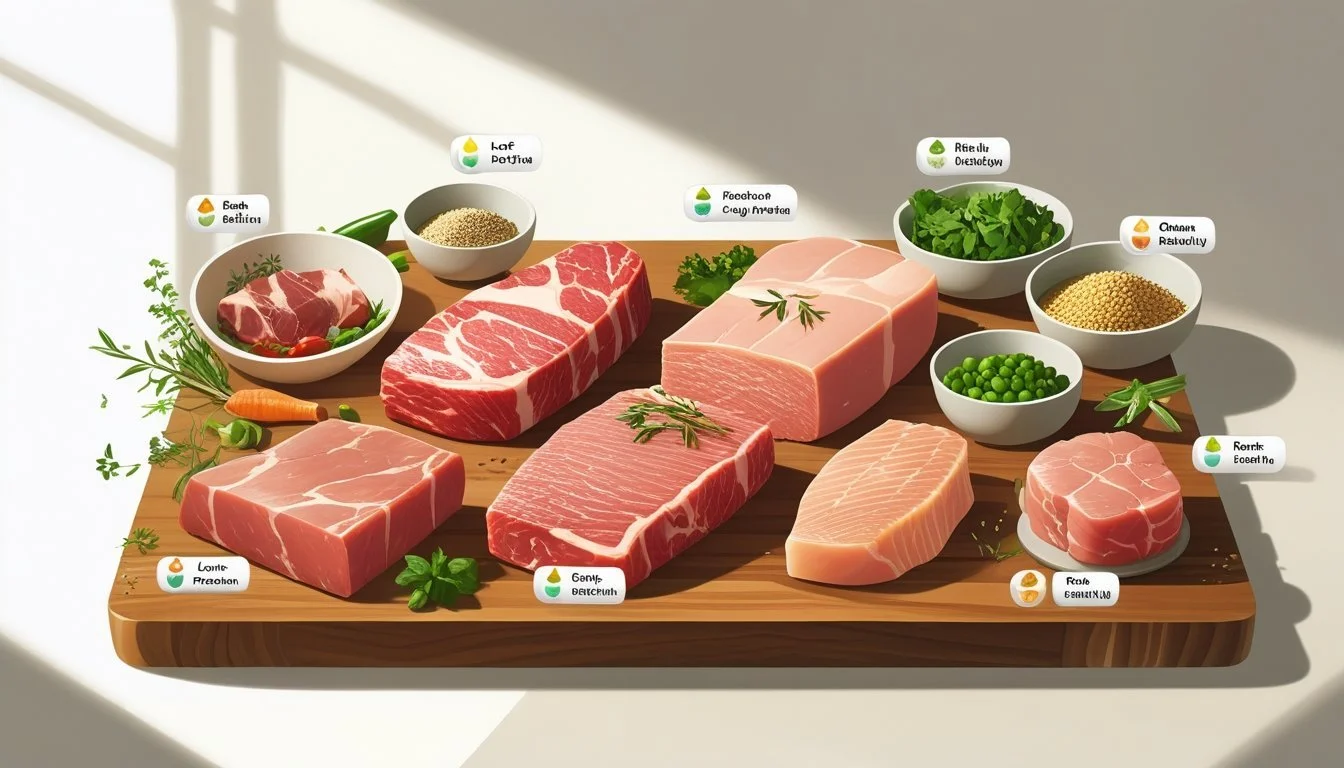
Different dietary patterns require careful selection of meat cuts to match nutrition goals. Certain cuts offer higher protein, lower fat, or improved nutrient balance to support these needs.
Low-Carb and Keto Selections
For keto and low-carb diets, the focus is often on meat cuts that provide ample protein and sufficient fat while minimizing unnecessary carbohydrates. Fatty beef cuts such as ribeye, brisket, and short ribs can be ideal due to their higher fat content, aligning with the ketogenic approach. Pork belly and sausages, if minimally processed, also fit well in these patterns.
Chicken thighs and wings offer more fat than breasts, making them preferable for those restricting carbs. Cooked salmon, mackerel, and sardines are rich in both fat and protein, supporting satiety in high-fat, low-carb plans. It's important to avoid cuts that are breaded or processed with added sugars or fillers.
A basic table can help compare common options:
Cut Protein (g per 100g) Fat (g per 100g) Carbs (g per 100g) Ribeye steak 19 20 0 Pork belly 16 53 0 Chicken thigh 19 9 0 Salmon (cooked) 25 13 0
Nutritious Choices for a Healthy Diet
For those aiming to follow healthy eating patterns, lean cuts are generally prioritized to reduce saturated fat intake. Sirloin, tenderloin, round steak, and 93% lean ground beef are notable examples of healthy beef selections. Pork tenderloin and loin, and skinless chicken breast, offer high protein with less fat, supporting heart and metabolic health.
Choosing fresh, unprocessed meats ensures better control over sodium and additives compared to processed meats like bacon or hot dogs. Fish such as cod, tilapia, and haddock are particularly lean, contributing to a well-rounded healthy eating plan.
Incorporating a variety of cuts, rotating between lean red meats, poultry, and fish, can help meet nutritional needs and prevent dietary monotony. Prepare these cuts by grilling, baking, or steaming to retain their nutritional benefits without adding excess fats or sodium.
Integrating Lean Cuts with a Balanced Diet
Choosing lean cuts of meat supports healthy eating, but what they are paired with makes a significant difference nutritionally. Proper meal planning balances lean protein with high-fiber plant foods and heart-healthy fats for greater benefits.
Pairing Protein with Fruits and Vegetables
Pairing lean cuts like flank steak or chicken breast with a range of fruits and vegetables increases nutrient density and satiety. Vegetables such as spinach, bell peppers, and broccoli add vitamins C and K, potassium, and antioxidants. Together, they lower the calorie density of meals and support digestive health due to fiber content.
Fruits, including berries or citrus slices, introduce extra fiber and vitamin C, improving the absorption of minerals like iron from red meat. Roasted vegetables or salads can be served alongside grilled meats for convenience and enhanced taste.
For easy meal ideas:
Grilled sirloin with roasted broccoli and sweet potato
Chicken breast paired with mixed greens and sliced oranges
Lean pork served with steamed asparagus and cherry tomatoes
This approach encourages variety, keeps meals visually appealing, and offers multiple nutrients per serving.
Adding Whole Grains and Healthy Fats
Including whole grains creates longer-lasting energy and provides additional B vitamins, magnesium, and dietary fiber. Options like quinoa, brown rice, farro, or barley complement lean meats both nutritionally and in texture.
Healthy fats—such as those from avocados, olive oil, or a handful of nuts—contribute vitamin E and essential fatty acids that support heart health. Adding a drizzle of olive oil to cooked vegetables or a few walnuts to a grain salad enhances flavor and increases absorption of fat-soluble vitamins.
Example combinations:
Lean Protein Whole Grain Healthy Fat Turkey breast Quinoa Sliced avocado Beef tenderloin Brown rice Olive oil drizzle Chicken cutlet Barley Almond slivers
Combining lean proteins with whole grains and healthy fats ensures a balanced meal that sustains energy, maximizes nutrient intake, and can fit a range of specific dietary needs.

