
Cast Iron vs. Stainless Steel for Carnivore Cooking
Which Pan Delivers the Best Results?
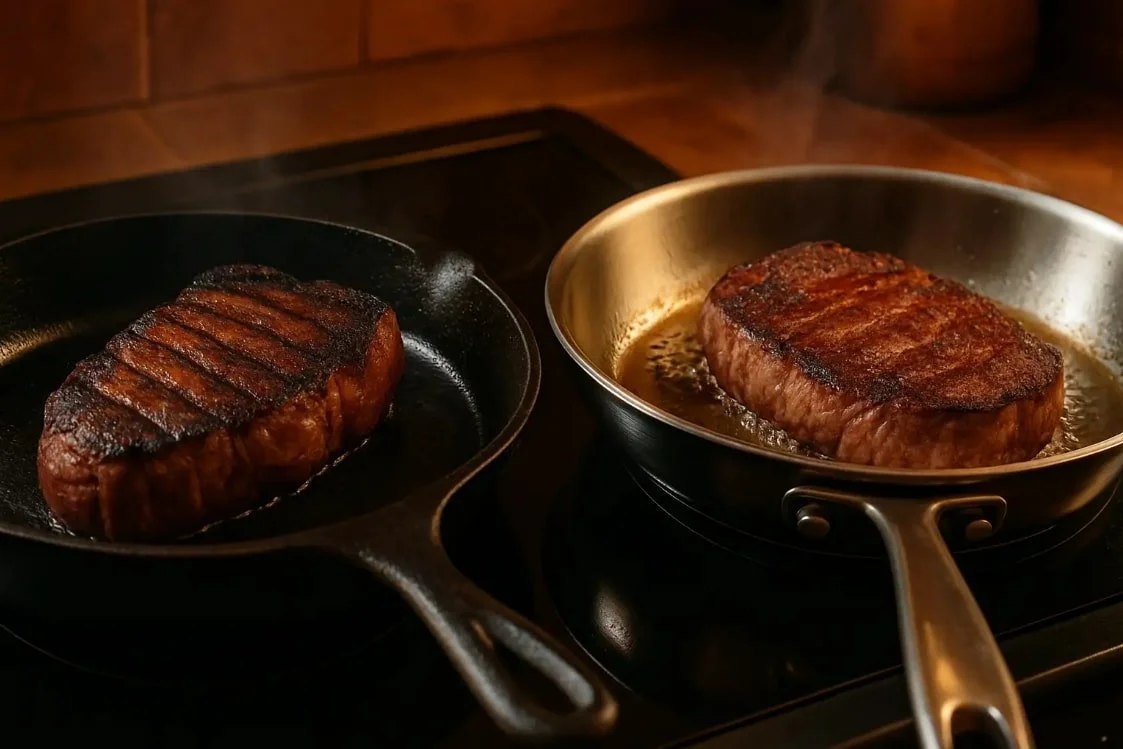
Cooking on a carnivore diet often means preparing plenty of meat, and the choice between cast iron and stainless steel pans can make a noticeable difference. Cast iron offers excellent heat retention and even cooking, making it well-suited for searing steaks and other meats, while stainless steel provides versatility, lighter weight, and easy maintenance. Each option has unique strengths that appeal to different preferences and needs.
Most carnivore cooks find that cast iron delivers great flavor and a good sear, especially for larger cuts, but stainless steel pans can also brown meat evenly with proper technique. Deciding between these materials depends on factors like ease of use, durability, and how willing a cook is to maintain their cookware.
Understanding the differences will help anyone on a carnivore diet pick the right pan for their kitchen and cooking style.
Overview of Cast Iron and Stainless Steel Cookware
Cast iron and stainless steel are two of the most popular cookware materials for preparing meat-heavy diets. Each has distinct advantages in terms of performance, maintenance, and compatibility with various cooking styles.
What Is Cast Iron Cookware?
Cast iron cookware is made by pouring molten iron mixed with a small amount of carbon into molds. This process creates thick, heavy pans that excel at heat retention and even cooking.
Common examples include skillets, Dutch ovens, and grill pans. Cast iron requires seasoning—a layer of polymerized oil baked onto the surface—to prevent rust and provide a degree of non-stick performance.
This material is highly valued for its ability to sear meats, develop crusts, and maintain steady temperatures for slow cooking. Cast iron is compatible with most heat sources, including stovetops, ovens, grills, and campfires.
With proper care, cast iron cookware can last decades, but it must be dried thoroughly to prevent rust. The porous surface can absorb flavors, which is important for those cooking only meat.
What Is Stainless Steel Cookware?
Stainless steel cookware is formed from an alloy of iron, chromium, and often nickel. These metals create a durable, corrosion-resistant surface that does not react with acidic or alkaline foods.
Stainless steel pans are typically lighter than cast iron and do not require seasoning. Some models use multiple metal layers—such as aluminum or copper sandwiched between layers of stainless steel—to improve heat distribution.
Unlike cast iron, stainless steel is dishwasher safe and easy to maintain. It does not impart flavors or retain odors from previous meals. Stainless steel excels at quick sautéing, browning, and boiling, and it performs well with both low and high heat.
Key Differences in Cookware Materials
Feature Cast Iron Stainless Steel Main Composition Iron + Carbon Iron + Chromium/Nickel Weight Heavy Lighter Heat Retention Excellent Moderate Reactivity Can react if unseasoned Non-reactive Maintenance Needs seasoning, hand wash Low, dishwasher safe Cooking Surface Porous, builds patina Smooth, non-porous Lifespan with Care Decades Decades
Cast iron’s thick walls hold heat longer and distribute energy gradually, giving it an advantage for browning and long, slow cooks. Stainless steel heats up and cools down more quickly, making it ideal for tasks that require temperature control and speed.
Flavor interaction also differs: cast iron can subtly influence taste through its seasoned surface, while stainless steel keeps flavors pure. Both offer significant durability, yet their maintenance requirements and physical properties set them apart for specific culinary needs.
Cooking Performance for Carnivore Diet
Choosing the right pan strongly influences the way meat cooks, especially for those following a carnivore diet. Cast iron and stainless steel differ in heat properties and their ability to sear and brown proteins effectively.
Heat Retention and Heat Distribution
Cast iron excels at heat retention. Once hot, it remains stable, allowing for consistent cooking temperatures when searing steaks, burgers, or chops. This quality helps prevent sudden temperature drops when cold meats hit the pan.
Stainless steel, while adept at heat distribution, tends to lose heat faster once the protein is added. Uneven heat can lead to hot spots, which may result in inconsistency when cooking thicker cuts.
Cast iron’s dense construction provides a more even, sustained heat source. Stainless steel, being lighter and thinner, preheats quickly but needs closer monitoring to avoid temperature swings. For recipes that involve flipping or shifting meats, stainless steel’s responsiveness may be a benefit, but it may not produce as deep a crust.
Searing and Browning Meats
Searing is a primary cooking method for carnivore meals. Cast iron develops a dark, even crust on steaks and ground beef due to its ability to maintain high, consistent heat. This makes it a favorite for dishes where thick, caramelized browning is required.
Stainless steel can also achieve a quality sear, but the technique is more sensitive. Proper preheating is essential to prevent sticking and allow proteins to release naturally once browned. It can produce a good sear, especially for thinner cuts, but may struggle with larger steaks unless the pan is allowed to fully recover between batches.
When making a pan sauce, stainless steel cookware stands out. Its smooth surface allows fond to be easily deglazed without risk of stripping seasoning, as can happen with cast iron. Cast iron pans, however, should not be used with acidic ingredients, as this can damage the seasoning and affect flavor.
Non-Stick Properties and Food Release
Non-stick qualities influence how easily food lifts from the pan and affect cleanup time. The material and maintenance requirements of each pan type lead to noticeably different cooking experiences.
Seasoning and Non-Stick Surface in Cast Iron
Cast iron relies on seasoning, a layer of polymerized cooking oil, to develop and maintain its non-stick properties. Properly seasoned cast iron pans form a natural coating that improves with repeated use, making them well-suited for cooking meat on a carnivore diet.
A key benefit is that, over time, this surface becomes more efficient at food release, so steak or eggs lift more easily with minimal sticking. However, if the seasoning is damaged by using harsh detergent or acidic foods, food may stick until the layer is rebuilt.
To maintain and enhance the non-stick surface, users should avoid soaking the pan or scrubbing with abrasive materials. Reapplying a thin layer of oil and gently heating the pan after cleaning will help build up the seasoning. Many users appreciate that cast iron requires minimal added oil during cooking once it’s well-seasoned.
Food Release in Stainless Steel Cookware
Stainless steel does not have a naturally non-stick surface and requires technique to minimize sticking. Cooking oil is essential when searing meat or preparing eggs in stainless steel pans. Users should preheat both the pan and oil before adding food, which helps create a temporary non-stick effect.
Delicate foods like fish or eggs are more prone to stick due to the material’s smooth, uncoated surface. Food release improves with correct temperature control, letting protein naturally lift when properly seared and ready to flip.
Cleanup can be more labor-intensive, especially if residue or fond sticks to the surface. However, the ability to create flavorful pan drippings (fond) in stainless steel is highly valued for making sauces. Stainless steel is also resistant to scratches from metal utensils and safe for vigorous cleaning.
Durability and Longevity
Carnivore cooks need pans built to last under high heat and frequent use. Both cast iron and stainless steel have reputations for strength, but they differ in their resistance to wear, maintenance needs, and reactions to demanding cooking.
Cast Iron Durability
Cast iron is widely recognized for its impressive toughness and the ability to withstand intense heat without warping. Many cast iron pans in kitchens today have already lasted for decades and can even be passed down to future generations.
With proper care, cast iron gets better with age due to its naturally developing non-stick seasoning. However, its durability depends on regular maintenance. Moisture left on the surface or improper cleaning can lead to rusting. It is not naturally rust-resistant, so drying it immediately after washing and periodic seasoning with oil are essential.
Dropping a cast iron pan on a hard surface may cause it to crack or chip. Its weight contributes to its sturdiness, but also requires careful handling to avoid damage. Enamel-coated cast iron improves rust resistance but still requires caution to prevent the enamel from chipping.
Stainless Steel Durability
High-quality stainless steel pans excel at resisting corrosion and rust. Unlike cast iron, stainless steel does not require seasoning and is generally simple to maintain. Most stainless cookware will not react to acidic foods and remains unaffected by moisture after cleaning.
The metal’s structure means it is less likely to chip or crack, even if accidentally dropped. Stainless steel is lighter than cast iron, reducing the risk of damage during daily use. Its surface does not wear down over time, so it keeps its finish and performance for many years.
However, lower-quality stainless steel pans may warp under extreme temperature changes. Investing in pans with a multi-ply or “clad” construction can enhance durability and improve resistance to heat distortion. Stainless steel’s resistance to rust and easy upkeep make it a practical choice for daily carnivore cooking.
Maintenance and Cleaning
Cast iron and stainless steel differ significantly in how they should be cleaned and maintained after cooking. Understanding these differences helps preserve cookware and ensures optimal performance for meat-focused meals.
Cleaning Cast Iron Cookware
Cast iron cookware should be cleaned promptly after use, but never soaked in water for extended periods. Soap is generally avoided as it can strip the seasoned layer, which acts as a natural non-stick surface. Instead, users typically wipe out food debris with a paper towel or use a small amount of warm water and a non-abrasive brush.
If stubborn food sticks, adding coarse salt as a gentle scrub helps. After cleaning, it is crucial to dry cast iron thoroughly to prevent rust. Excess moisture can lead to rust spots, which damage the durability. A light application of cooking oil after drying helps maintain the protective layer, preserving its seasoning for future use.
Maintenance of Stainless Steel Pots and Pans
Stainless steel pots and pans are much more rust-resistant and handle moisture well. They can be washed with regular dish soap and a sponge, and tough residue can often be removed with a stainless steel scrubber or non-abrasive pad. There is no need for seasoning as with cast iron.
To keep them looking clean, some stains or discoloration can be treated with a paste of baking soda and water. Stainless steel is dishwasher-safe for most products, simplifying maintenance. Unlike cast iron, it does not require oiling or protection from water, but regular drying after washing prevents water spots.
Cooking Techniques and Versatility
Cast iron and stainless steel each bring unique advantages for carnivore cooking, depending on the type of technique used. Key differences appear when comparing roasting, baking, slow cooking, and working with delicate foods or making reductions.
Roasting, Baking, and Slow Cooking
Cast iron excels in roasting and baking due to its ability to retain and evenly distribute heat. It maintains a stable temperature during slow cooking, making it ideal for searing large cuts of meat and finishing them in the oven. Baking in cast iron produces well-browned meat crusts and can also accommodate simple roasted vegetable sides.
Stainless steel is lighter, which makes it easier to handle in and out of the oven. However, it does not retain heat as long or as evenly as cast iron, which may affect consistency when slow cooking or roasting. Stainless steel is less likely to react with acidic ingredients, so it's suitable for roasting meats with citrus or tomato-based marinades.
A quick comparison:
Feature Cast Iron Stainless Steel Heat Retention Excellent Moderate Oven Use Great for high heat Good, but thinner walls Acidic Foods Can react Non-reactive Weight Heavy Lighter
Delicate Foods and Pan Sauce Preparation
Stainless steel is especially well-suited for tasks that require precise heat control, such as cooking fish or eggs, which are commonly included in carnivore or animal-based diets. The non-reactive surface of stainless steel allows for deglazing and reduction, making it a top choice for preparing pan sauces and finishing dishes directly in the pan.
Cast iron is not ideal for very delicate foods, as its heat retention can make it harder to quickly lower the temperature. It also reacts with acidic foods, which can affect sauces and reductions. However, it is still a strong option for cooking less sensitive proteins that benefit from high heat or prolonged contact with the pan’s surface.
For cooks who regularly prepare reductions, gravies, or pan sauces, stainless steel provides easier cleanup and does not interfere with flavors. This makes it favored in professional kitchens when precise sauce work is required.
Performance With Acidic Foods and Ingredients
Cookware material affects how acidic foods are handled in the kitchen. The choice between cast iron and stainless steel determines how recipes with ingredients like tomato sauce and vinegar turn out.
Cooking Acidic Foods in Cast Iron
Bare cast iron reacts with acidic foods such as tomatoes, vinegar-based sauces, and wine reductions. This interaction may cause a metallic aftertaste and alter the color of the dish. Acidic ingredients can also strip the seasoning layer over time, potentially exposing raw iron.
Prolonged exposure, such as simmering tomato sauces, can speed up these effects. Temporary contact—like quickly searing meat with a splash of lemon—generally causes minimal impact. Many avoid cooking highly acidic foods in bare cast iron, reserving it for neutral or alkaline recipes.
Enameled cast iron offers protection against acid reactivity. The porcelain coating prevents direct contact between food and metal. Enameled options are safe for extended cooking of acidic dishes but lack the nonstick properties of well-seasoned bare cast iron.
Stainless Steel and Acidic Ingredients
Stainless steel is non-reactive, making it reliable for recipes containing acidic ingredients. Foods like tomato sauces, reduction sauces with wine, and citrus marinades do not alter the pan, nor does the pan affect the taste or appearance of the food.
Users can simmer acidic foods for extended periods without concern for flavor changes or pan degradation. No special maintenance is required after cooking acidic meals, unlike cast iron which may need re-seasoning.
Stainless steel's durability and resistance to corrosion make it well-suited for diverse cooking, especially where acids are involved. Cleanup is straightforward, as stainless steel does not absorb flavors or stains from acidic ingredients.
Popular Cookware Types for Carnivore Cooking
Choosing the best cookware for a carnivore diet centers on material, durability, and cooking performance. Different pans and pots offer distinct advantages for preparing meat-heavy meals, from searing steaks to slow-cooking tougher cuts.
Skillets and Iron Skillets
Cast iron skillets are favored for their superior heat retention and even heating, making them ideal for searing steaks, cooking burgers, or crisping bacon. These pans excel at developing a flavorful crust on meats and can be transferred from stovetop to oven without issue.
Iron skillets require regular seasoning to maintain a nonstick surface. Once properly seasoned, they resist sticking and can last for decades. Many cooks report using cast iron cookware for generations, valuing its durability.
On the downside, cast iron is heavy and requires careful cleaning to avoid rust. However, the trade-off is unmatched performance for high-heat cooking. Cast iron is best for those who prioritize flavor development and don’t mind extra care.
Stainless Steel Pans and Saucepans
Stainless steel pans and skillets are popular for their versatility and ease of maintenance. Unlike cast iron, stainless steel does not require seasoning and is less prone to rust. These pans heat up quickly and perform well at high temperatures, making them suitable for sautéing, stir-frying, and frying eggs or thin cuts of meat.
Stainless steel saucepans are especially useful for preparing reductions or simmering bone broths on a carnivore diet. Many models are dishwasher safe and resistant to acidic foods, which can be an advantage when occasionally deglazing with vinegar or wine.
They may not develop the same crust as cast iron, but stainless steel excels at everyday cooking with meat due to its responsiveness and low-maintenance care.
Dutch Ovens and Specialty Cookware
Dutch ovens made from cast iron—often coated with enamel—are essential for slow-cooking larger cuts like roasts or brisket. Their thick walls and heavy lids create even, gentle heat, making them perfect for braising and simmering.
These versatile pots can handle oven or stovetop use. They are especially useful on a carnivore diet for preparing hearty dishes such as oxtail, short ribs, or offal. Enamel-coated Dutch ovens require less maintenance than bare cast iron and resist sticking without seasoning.
Other specialty cookware, like grill pans and meat-specific roasters, can also be helpful, but the Dutch oven stands out for its ability to transform tough cuts into tender, flavorful meals with minimal effort.
Weight, Handling, and Safety
The weight and handling of cookware directly affect cooking comfort, control, and safety, especially when preparing large cuts of meat or frequent meals. Different material properties of cast iron and stainless steel have a notable impact on user experience in the kitchen.
Comparison of Cookware Weight
Cast iron pans are significantly heavier than stainless steel options. A typical 12-inch cast iron skillet can weigh about 8 pounds, while a similarly sized stainless steel pan comes in closer to 3 pounds.
This substantial difference in weight impacts daily use. For instance, lifting a full cast iron pan with a steak or roast can require two hands, while a stainless steel skillet is easier to maneuver with one. The added heft of cast iron offers stability on the stovetop, minimizing shifting or accidental tipping.
However, for cooks with limited strength or reduced mobility, the weight of cast iron is more challenging. In contrast, stainless steel’s lighter build makes carrying, pouring, and cleaning much simpler and more manageable.
Ease of Handling and Safe Use
Handling heavy cookware safely is essential, particularly when working with high heat or transferring hot pans. Cast iron requires deliberate handling due to its mass and tends to retain heat for longer, making its handles and sides dangerously hot during and after cooking.
Stainless steel remains lighter, reducing the risk of wrist strain or accidental drops. The cooler handles on many stainless steel pans, especially those with stay-cool designs, add an extra layer of safety during movement.
Proper grip is also a key part of safe use. Cast iron typically has a short main handle and a helper handle, which encourages two-handed lifting. Stainless steel skillets often have one long, ergonomic handle designed for comfortable, secure grip with one hand.
Using oven mitts or silicone handle covers is especially important for cast iron to prevent burns, while stainless steel pans are more likely to have heat-resistant handles that remain safe to touch during stovetop use.
Material Innovations and Construction
Advances in cookware materials impact how heat is transferred and retained during carnivore cooking. Understanding these options helps compare both performance and practicality in real kitchens.
Aluminum and Copper Core Options
Stainless steel often has poor thermal conductivity on its own. To improve heat distribution and eliminate hot spots, many manufacturers bond an aluminum core or copper core between layers of stainless steel. This construction ensures even cooking, which is useful for searing steaks or cooking large cuts evenly.
Copper offers superior responsiveness, adapting quickly to temperature changes. However, copper is reactive and often requires a stainless-steel lining inside the pan to prevent flavor alteration. Aluminum is lighter and less expensive than copper, but it also needs to be sandwiched to avoid reactivity with acidic foods.
For cooks seeking precise temperature control and even browning, stainless steel pans with aluminum or copper cores provide a balanced option. The extra cost is often offset by their durability and versatility. These pans are usually lighter than cast iron, making them easier to handle when moving heavy cooked meats.
Core Type Heat Responsiveness Weight Durability Cost Aluminum Core Good Light High Moderate Copper Core Excellent Medium Moderate Expensive
Carbon Steel and Other Alternatives
Carbon steel has gained attention as a middle ground between cast iron and stainless steel. It is constructed from iron and a low percentage of carbon, resulting in a lighter pan than traditional cast iron but with similar heat retention properties.
Carbon steel pans develop a natural nonstick patina with use, especially when cooking animal fats. Like cast iron, they require seasoning to protect against rust and improve performance. Their sloped sides allow for easy maneuvering of food, making them practical for flipping steak or eggs.
Other alternatives to consider include enameled cast iron and multi-ply stainless steel. Enameled cast iron offers the heat retention of traditional cast iron with a protective coating that minimizes maintenance. Multi-ply stainless steel may also layer aluminum or copper cores for enhanced versatility.
Pros of Carbon Steel:
Good searing ability
Lighter than cast iron
Affordable and durable
Regular care extends the lifespan of these alternatives, which appeal to those seeking different balances of weight, heat performance, and maintenance.
Price and Value Considerations
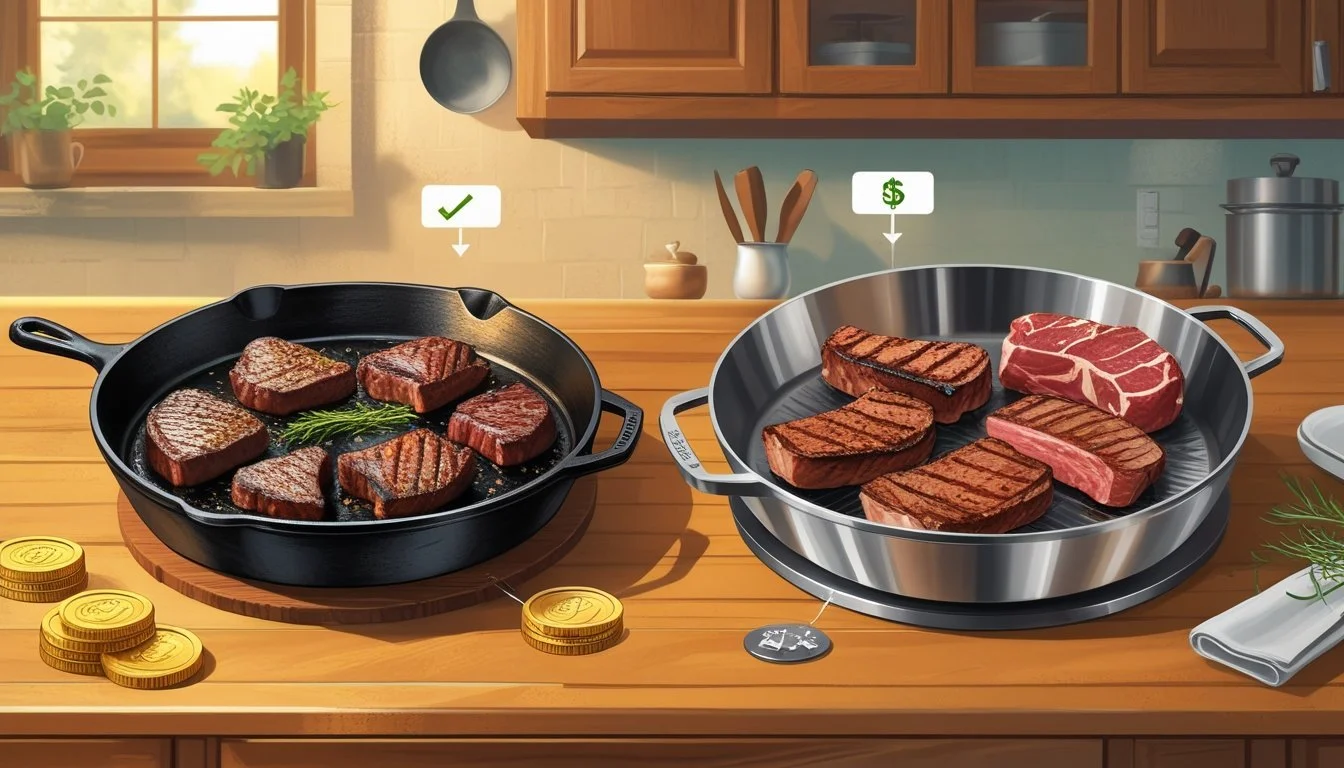
The initial cost and lifespan of cookware can significantly influence which material best suits a carnivore-focused kitchen. Factors such as brand, durability, and maintenance requirements also affect the overall value received over time.
Comparing Price Points
Cast iron cookware, especially uncoated varieties, is usually less expensive than stainless steel. Many basic cast iron pans are priced between $20 and $50, making them accessible for most budgets. Enameled cast iron, however, such as Le Creuset, can exceed $100 and sometimes cost more than stainless steel options of similar size.
For stainless steel, prices typically range from $30 for basic models up to $200 or more for premium brands and multi-ply constructions. Consumers should also consider the cost of replacing or adding items over time. Below is a quick comparison:
Cookware Type Basic Price Range Premium Brands/Options Cast Iron (bare) $20–$50 $100+ (enameled) Stainless Steel $30–$100 $100–$200+
Carnivore cooks often choose based on how much they’re willing to invest upfront and whether added features, such as enamel coating or multi-layer construction, are necessary for their cooking needs.
Long-Term Value and Investment
Cast iron pans are nearly indestructible with proper care. Many families pass them down for generations due to their resilience. They may require occasional re-seasoning and must be kept dry to prevent rust, but these pans rarely need replacement.
Stainless steel cookware resists corrosion and does not react with acidic or high-fat foods, which is advantageous when frequently cooking meats. Its maintenance is easier for those who prefer a dishwasher-safe option. While initial costs may be higher for quality stainless steel, these pans also have a long usage life when avoided with sharp thermal shock and handled with care.
Both types can last decades, but ongoing maintenance differs. Cast iron is favored for heavy searing and repeated high-heat use, while stainless steel is valued for convenience and consistent results without special cleaning rituals. The value for carnivore cooks will depend on both budget and willingness to maintain the chosen cookware.

