
Meat, Masculinity, and the Warrior Ethos
Exploring Cultural and Historical Connections
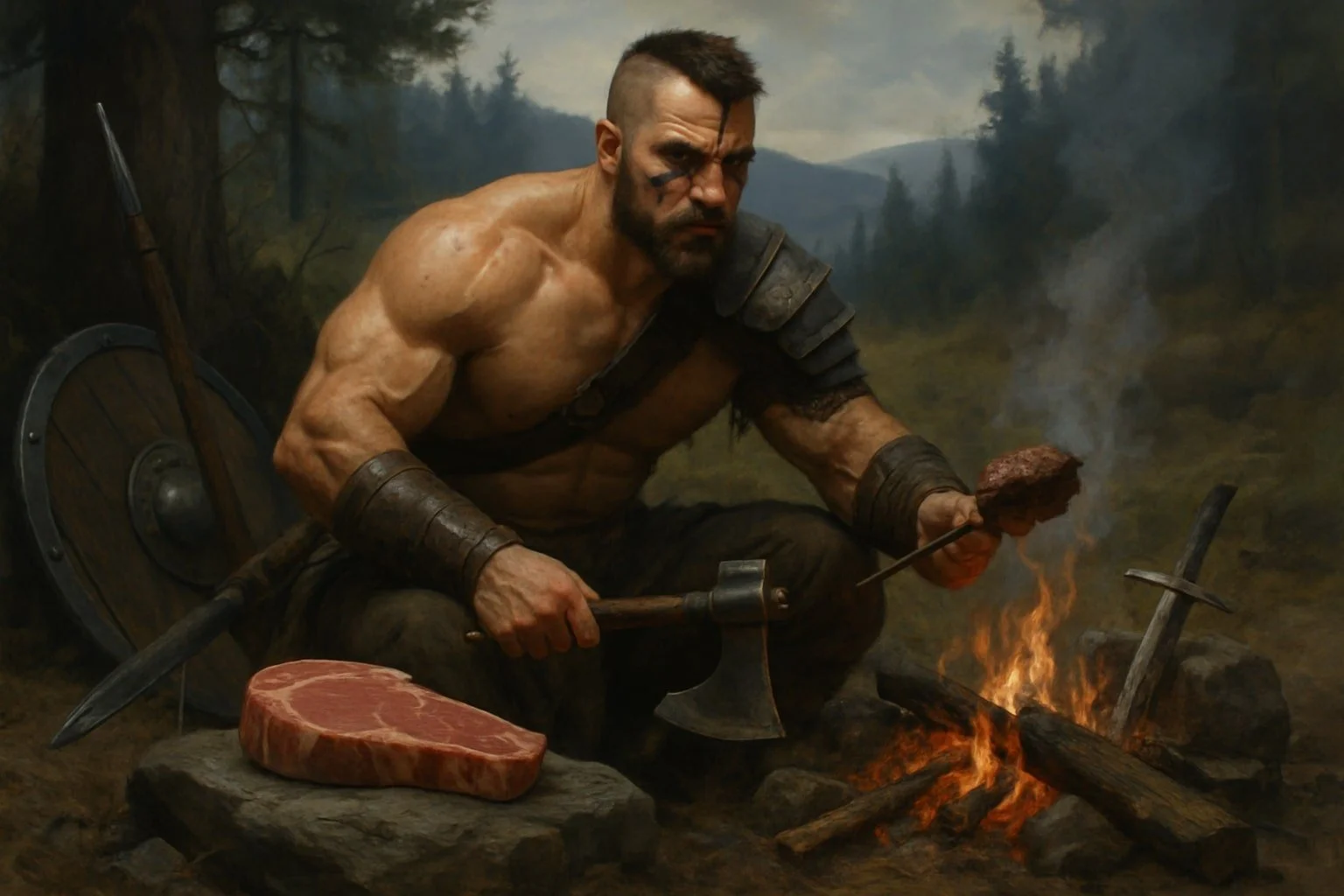
The connection between eating meat, perceptions of masculinity, and the image of the warrior has deep roots in many cultures, shaping how food choices are viewed in terms of gender and strength. Across history, meat has often symbolized power, vigor, and resilience—traits associated with the archetypal warrior and, by extension, traditional masculinity.
Modern discussions still reflect these connections, from the way marketing frames “manly” foods to how certain diets are linked with male identity. By understanding how these associations developed and persist today, readers can better see how cultural expectations influence what men eat and how they see themselves.
Foundations of the Warrior Ethos
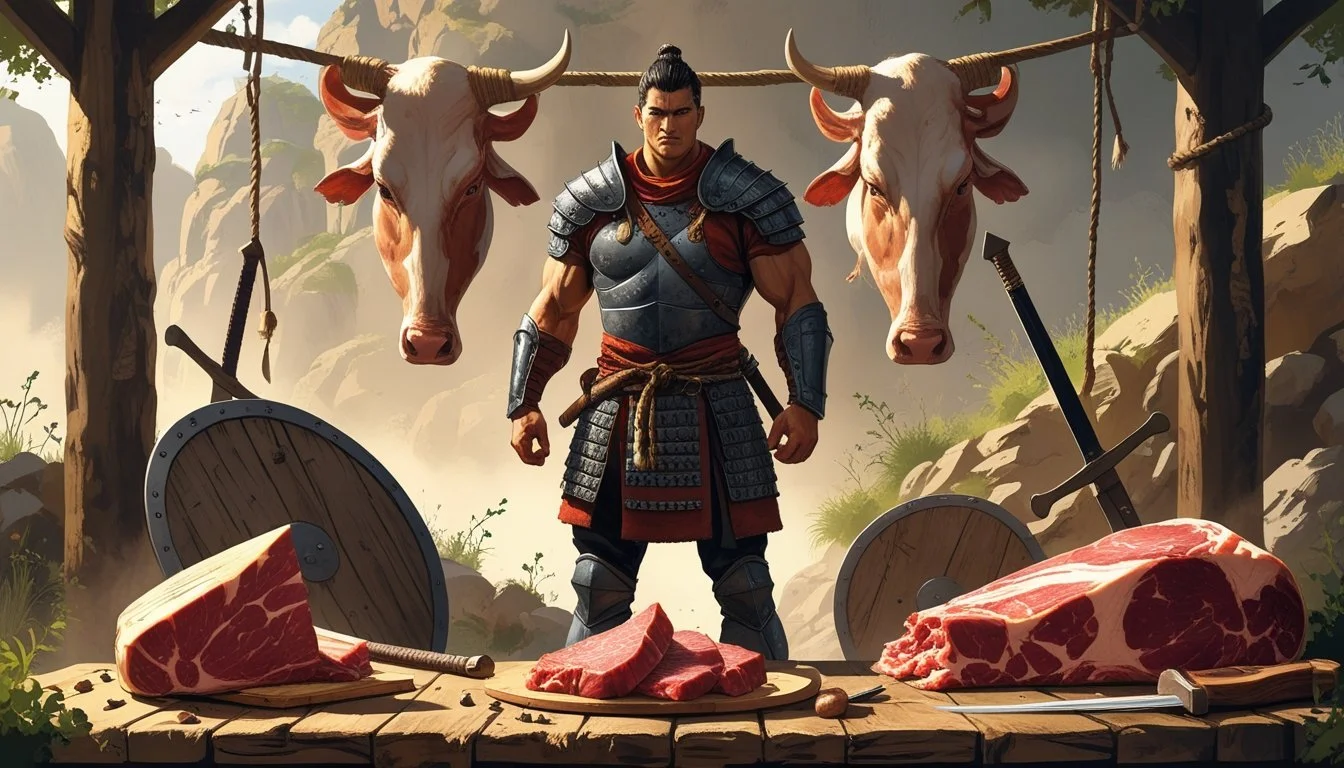
The warrior ethos is built on a set of clear principles that have shaped how individuals and groups behave in high-stakes situations. It relies on discipline, individual accountability, and shared virtues that define the character and actions of warriors.
Definition and Historical Origins
The warrior ethos refers to a code of conduct that emphasizes courage, loyalty, honor, and selflessness. Historically, this ethos emerged in response to the challenges of survival and collective defense faced by early societies.
Warrior cultures, such as those of the Spartans and Samurai, formalized these values in rituals, training, and daily life. Over centuries, the ethos evolved but retained core principles meant to strengthen unity and commitment.
Key elements of the warrior ethos can be found across different civilizations:
Civilization Core Warrior Values Sparta Discipline, Sacrifice, Honor Samurai Loyalty, Courage, Integrity Zulu Bravery, Duty, Resilience
These foundations have persisted as guiding standards for warriors both on and off the battlefield.
Role of Discipline and Accountability
Discipline is vital for any warrior society. It ensures obedience to orders and the ability to act effectively in stressful environments.
Accountability is closely linked, as every action on the battlefield has consequences for the individual and the group. Expectation of personal responsibility is set from early training onwards.
Many warrior systems use strict codes of conduct and peer evaluation to reinforce these traits. For example:
Routine drills build habit and readiness.
After-action reviews identify mistakes and promote improvement.
Peer correction helps uphold standards.
These practices ensure that discipline and accountability are not optional but central to maintaining trust and safety.
Virtues of Courage, Honor, and Resilience
Three virtues commonly emphasized in the warrior ethos are courage, honor, and resilience. Courage allows individuals to face fear and danger without hesitation.
Honor governs behavior, ensuring actions align with shared ethical standards and protecting group reputation. In most warrior traditions, dishonor could carry severe penalties including exclusion or worse.
Resilience gives warriors the ability to cope with hardship and recover from setbacks. This includes mental, emotional, and physical endurance under pressure.
Some traditions list these virtues explicitly in creeds or codes. Others teach them implicitly through stories, mentors, and practices that reward bravery, honesty, and determination.
Meat and Masculinity: Historical and Cultural Perspectives
The relationship between meat and masculinity spans ancient rituals, royal symbolism, and changing cultural norms. Patterns of meat consumption and ideas about manhood have evolved widely, shaped by historic shifts and regional differences.
Ancestral Diets and Symbolic Meanings
In ancient societies, meat was a rare and valuable resource. Hunting and sharing meat signaled survival skills, strength, and social status—traits linked with manhood. Kings and tribal leaders often organized ritual feasts where large cuts of meat were reserved for warriors or community heads.
Meat played a role in rites of passage such as initiation ceremonies, marking transitions to manhood. Frequently, only men participated in hunts or large feasts, further associating animal protein with masculine identity. Religious texts in several cultures described meat offerings to gods, reinforcing connections between kingship, power, and meat consumption.
List of symbolic links between meat and masculinity:
Power and authority (e.g., kings, chiefs)
Ritual meals marking manhood
Hunting as a male activity
The American Diet and Modern Interpretations
The American diet in the 20th and 21st centuries has emphasized meat as a central feature of masculine identity. Advertising and pop culture use images of grilling, steak, and barbecues to depict manhood. This is evidenced by slogans such as “real men eat meat,” reflecting a cultural script where beef and red meat consumption stand for strength and endurance.
Studies indicate that men in the U.S. consume more red meat than women, partly due to these enduring stereotypes. Concerns about health, however, have led to new debates. High consumption has been linked with increased health risks, challenging traditional ideas without completely displacing them.
Modern representations include:
Grilling and the “backyard king” persona
Meat-heavy fast food menus
Moral debates on meat-eating and masculinity
Global Masculinities and Dietary Practices
Not every society equates meat with masculinity in the same way. In some cultures, vegetarianism or plant-based diets are integrated into traditional forms of manhood, especially in parts of India and among Buddhist monks.
Multiple masculinities exist globally. For example, historical upper-class men in certain societies practiced religious fasting, limiting or abstaining from meat without criticism of their masculinity. Male identities across regions are also influenced by class, religion, and access to resources, affecting meat consumption patterns.
Table: Examples of Meat and Manhood Across Cultures
Region Masculinity & Meat Relationship United States “Steak-eating man,” king of the barbecue India Vegetarian manhood in some religious groups Europe Royal feasts, abstinence during fasting East Asia Communal meals with varied meat traditions
The Link Between Meat Consumption and Warrior Identity
Eating meat has historically been associated with symbols of strength, aggression, and group cohesion in many cultures. The link between diet and status was often central to constructing warrior identity, reinforcing ideals of power and masculinity.
Power and Strength Through Diet
Meat is often seen as a food that builds physical and psychological power. Across ancient and more recent societies, warriors favored nutrient-dense animal proteins for their supposed ability to promote muscle growth and stamina. In Western cultures, eating red meat is frequently described as essential for vigor and endurance, traits considered crucial to a warrior’s success.
Sacred texts and literary sources describe feasting on meat before and after battle as a way to gain courage and fortitude. Meat dishes have been symbolically connected to vitality, blood, and the replenishment of physical strength.
Quantitative studies continue to show that men often rate meat-based meals as more "masculine" or empowering compared to plant-based options. Elite warriors, from knights in Europe to samurai in Japan, often received preferential access to meat.
Building Community and Brotherhood
Eating meat together functions as a ritual of group bonding and mutual trust among warriors. Shared meals foster a sense of brotherhood, helping to establish hierarchical positions and reinforce unity.
Communal feasts after hunting or victory often feature large portions of meat distributed according to status. The act of dividing meat can symbolize respect, loyalty, and the transfer of honor within the group.
Such meals were not limited to mere sustenance. They formed part of ceremonial practices, with specific cuts or types of meat allotted to leaders or particularly brave individuals. This underscores the role of communal eating in affirming bonds and group identity.
Rites of Passage and Assertive Eating
Consumption of meat is closely bound to rites of passage within warrior cultures. For young men, participating in the hunt or sharing in a feast marks the transition from boyhood to manhood.
Assertive eating—such as claiming a prized cut or consuming raw or rare meat—can demonstrate fearlessness and readiness for combat. In many traditions, the first taste of certain meats is reserved for rituals that signify entrance into the ranks of fighters.
Rules and taboos around how, when, and what kind of meat may be eaten help define warrior status. These practices both test and publicly affirm an individual’s commitment to the values of the group, reinforcing their rightful place within the warrior class.
Social Constructs of Manhood and Dietary Choices
Cultural views about masculinity have a strong influence on what men eat. Meat is not only food, but also a marker of identity, responsibility, and values regarding both toughness and care.
Hegemonic Masculinity in Food Norms
Hegemonic masculinity shapes eating behaviors by linking traits like strength, dominance, and risk-taking to specific dietary choices. In many Western societies, the phrase “real men eat meat” underscores how consuming red meat signals power and toughness. Foods such as steaks, burgers, and barbeque are often portrayed as “manly” in advertising and social conversations.
Meat-heavy diets are common among men who see conforming to traditional gender roles as important. Eating smaller portions, plant-based foods, or openly expressing dietary restraint may be seen as less masculine. These patterns persist through cultural rituals like barbecues and sporting events, where meat consumption becomes part of male bonding.
Table: Foods Commonly Associated With Masculinity
Food Type Associated Traits Red meat Strength, virility Grilled foods Independence, mastery Large portions Status, confidence
Balance of Responsibility and Compassion
Modern ideas of manhood include not only self-reliance and dominance, but also responsibility and compassion. Some men now recognize the impact of meat production on health, animal welfare, and the environment. This creates a tension between traditional norms and ethical considerations.
The choice to reduce meat or adopt plant-based eating may be linked to new forms of masculinity that value responsibility and compassion over mere toughness. For some, avoiding meat is an expression of care for others and the planet, rather than a denial of manliness. Groups and subcultures that value responsibility, such as fathers or athletes, may be especially open to these shifts.
List of motivations for reducing meat among men:
Concern for health and longevity
Desire to act responsibly as a role model
Compassion for animals
Gender Identity and the Sexual Politics of Meat
Food choices are part of the broader politics surrounding gender identity. In the “sexual politics of meat,” as defined by Carol J. Adams, meat consumption reinforces hierarchies of power along gender lines. Masculinity has often been linked with domination over animals and nature, just as with patriarchal power over women.
Dietary choices such as vegetarianism or veganism challenge these dynamics by blurring the lines between traditional gender roles. Men who choose plant-based diets often face pressure or ridicule, but their choices can signal resistance to restrictive definitions of masculinity. The negotiation of identity through food highlights ongoing debates around what it means to be “manly” in changing social contexts.
Challenges and Critiques of Meat, Masculinity, and the Warrior Ethos
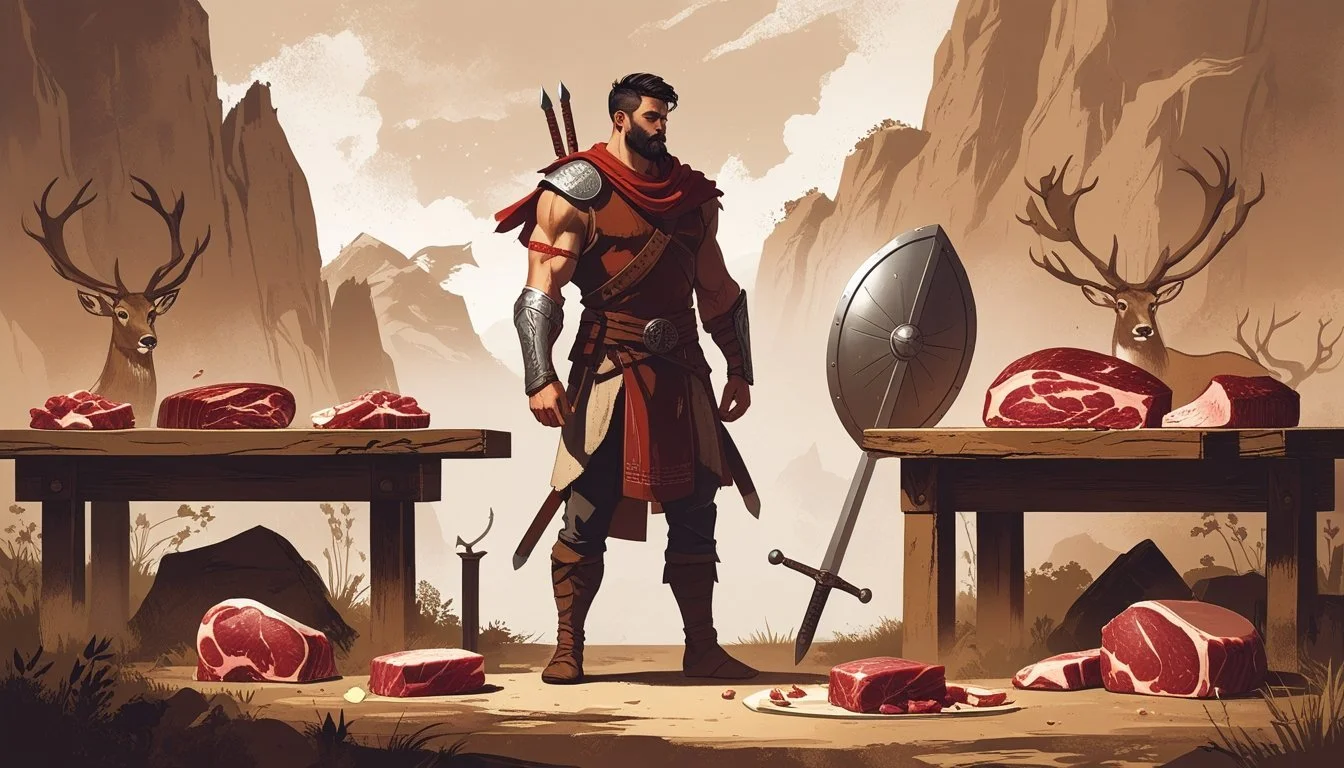
The association between meat, masculinity, and warrior ideals faces increasing challenges in light of changing social values and scientific research. Specific concerns include environmental impact, ethical questions about animals, and cultural critiques of violence and objectification.
Environmental Issues and Sustainability
Modern animal agriculture generates significant greenhouse gas emissions, such as methane and nitrous oxide. These emissions contribute to climate change and pose problems for environmental sustainability. Meat production also demands large quantities of water and land, leading to deforestation and habitat loss.
Studies highlight that livestock farming is less efficient in land and resource use compared to plant-based foods. High meat consumption, when linked with masculine identity, can reinforce unsustainable consumption patterns. Consumers attuned to environmental issues are increasingly questioning the long-term viability of meat-heavy diets tied to traditional masculinity.
Key statistics:
Factor Beef Production Plant-Based Alternatives Water Use per kg ~15,400 liters <2,000 liters Land Use per kg 20–30 m² <5 m² GHG Emissions per kg ~27 kg CO₂e <2 kg CO₂e
Animal Welfare, Cruelty, and Empathy
Critics argue that industrial meat production inflicts unnecessary suffering on animals. Practices such as confinement, forced feeding, and routine surgical procedures without anesthesia have come under scrutiny. This challenges the notion that strength and dominance—qualities often celebrated in warrior masculinity—should be exercised over sentient beings.
Shifts in perspective stress the importance of empathy and compassion toward animals. The feminist and vegan literature often connects empathy with ethical food choices, questioning whether the traditional view of meat as a symbol of masculinity justifies animal suffering. Growing awareness of animal welfare laws and movements has led some men to redefine expressions of strength as including the capacity for care and restraint.
Objectification and Destruction
Academic and cultural critiques draw attention to how the connection between masculinity, meat, and the warrior ethos can foster objectification. Meat is not only a product of animal bodies but is symbolically linked to power over the vulnerable. This analogy extends to broader cultural issues where objectification and destruction play a role in how men may relate to others, including women and marginalized groups.
Carol J. Adams and others have pointed out that consuming meat can be intertwined with narratives of dominance and control. Such perspectives question whether valorizing “conquest” over nature or living beings truly aligns with ethical or sustainable models of masculinity. Some argue that the destructive aspect of the warrior ethos, as carried into food choices, can perpetuate harmful social norms and disregard for others’ well-being.
Alternative Approaches to Warrior Values and Diet
Contemporary attitudes toward meat, masculinity, and physical ideals are shifting. Many are rethinking traditional “warrior” attributes, exploring different dietary and fitness paths without abandoning goals of strength, resilience, or personal potential.
Vegetarianism, Veganism, and Modern Masculinity
Masculinity is no longer tightly linked to meat consumption. Men's increasing adoption of vegetarian and vegan diets challenges stereotypes that equate animal protein with strength or toughness.
Plant-based diets can supply sufficient protein and key nutrients for muscle-building and athletic performance. Lentils, beans, tofu, tempeh, and nuts are some popular choices among men pursuing fitness. These diets often emphasize ethical, environmental, and health considerations that align with evolving masculine values of responsibility and social awareness.
Visibility of male athletes and public figures following plant-based diets supports this cultural change. It demonstrates that nutritional decisions can be compatible with strength, confidence, and health.
Fitness, Potential, and Growth
Warrior ethos traditionally centered on physical prowess and competition. Today, fitness is often reframed as a tool for self-improvement and well-being rather than dominance.
Many men now focus on functional strength, flexibility, endurance, and holistic health. This approach views exercise as a path to reaching one’s personal potential instead of meeting societal expectations. Structured programs, such as calisthenics and yoga, are increasingly popular. These practices build both strength and mental resilience, reflecting a more balanced interpretation of warrior values.
Growth is measured not solely by muscle or aggression but by adaptability, self-discipline, and readiness for life’s challenges.
Healthy Diets and Balance
Balanced nutrition is central to modern interpretations of both health and masculinity. Instead of strict meat-based regimens, many opt for diverse diets that include grains, vegetables, fruits, lean proteins, and plant-based foods.
Key principles of a balanced diet include:
Adequate protein from plant and/or animal sources
Healthy fats (e.g., olive oil, nuts, seeds)
Sufficient fiber, vitamins, and minerals
Moderation and variety
This approach supports sustained vitality and improved well-being. Focusing on food quality, portion control, and consistency is prioritized over conformity to traditional “warrior” diets centered on high meat intake.
Reimagining Masculinity: Accountability and Community
A modern view of masculinity draws on responsibility, shared growth, and personal mastery. These themes reshape old associations with dominance and isolation, anchoring growth in accountability and supportive networks.
Responsible Leadership and King Archetype
The concept of the "king" archetype offers a framework for understanding accountable leadership. Rather than relying on dominance, this archetype emphasizes decision-making rooted in responsibility and fairness. The king sets the tone for ethical behavior and establishes standards for excellence.
A defining trait of the king archetype is the prioritization of community welfare over personal gain. He regularly seeks honest feedback from others and corrects course when necessary. These habits foster trust and stability, creating an environment where all members feel valued.
Leadership driven by accountability moves away from traditional expectations of infallibility. Mistakes become opportunities for transparency and growth, strengthening the integrity of both the leader and those around him.
Building Inclusive Communities
Community remains a core part of reimagined masculinity. Inclusive communities welcome diverse voices and prioritize mutual respect, breaking away from exclusionary traditions. Men are encouraged to support one another, not by glorifying stoicism but by embracing vulnerability and shared goals.
Key aspects of inclusive communities:
Open communication
Recognition of individual strengths
Shared accountability and support
Members set clear expectations about behavior and hold each other responsible without aggression. Excellence is defined collectively, and achievements are celebrated as group victories rather than individual triumphs. The emphasis on community shifts focus from competition to collaboration.
Visualization and Skill Development
Visualization is a critical tool for refining skill and achieving excellence. By picturing successful outcomes—whether in physical training, leadership, or daily interactions—individuals can improve performance and stay motivated.
This technique helps bridge the gap between intention and action. Repeated mental rehearsal prepares a person to act skillfully under pressure, fostering both competence and confidence. Visualization is practiced in many fields, from athletics to professional settings, due to its proven benefits in skill acquisition.
Learners set specific, measurable goals and use visualization to break growth into manageable steps. This approach reinforces accountability, as progress can be tracked and adjusted when necessary.
Taste, Desire, and Dietary Identity
Taste and desire play central roles in shaping dietary choices, especially when linked to cultural ideas of masculinity and eating meat. Animal consumption does not only satisfy hunger but also serves as a symbol that influences identity and social meaning.
Influence of Taste and Desire in Food Choices
Personal taste is often cited as the strongest motivator behind dietary decisions. In Western societies, red meat is frequently associated with stronger flavor profiles and richer textures, qualities that many people find inherently desirable.
Desire for certain foods develops through a mix of biological preferences, cultural norms, and early exposure. For many, enjoying meat-based dishes reinforces social bonds, as sharing grilled or roasted meats remains a staple in gatherings and celebrations.
Table: Factors Shaping Meat Consumption
Factor Description Flavor Preferences Rich, savory, and umami notes Social Setting Grill culture, communal eating Cultural Messaging Media and tradition linking meat to strength Biological Drives Cravings for protein and fats
Taste also interacts with gender identity expectations. Men, in particular, may choose certain animal-based foods to align with perceived masculine attributes, whether consciously or due to deeper cultural messaging.
Animal Consumption and Its Symbolic Power
Animal consumption goes beyond nutritional needs; it carries symbolic weight, especially in relation to ideas of power and status. Eating meat has often been cast as an expression of dominance—over both animals and, metaphorically, over other people—linking it to historic "warrior" identities.
Historically, the ability to hunt, kill, and consume animals has signified self-reliance and bravery. In modern contexts, advertisements and media often frame meat-eating as inherently masculine, reinforcing stereotypes such as “real men eat meat.”
List: Symbolic Associations of Meat-Eating
Power and physical strength
Independence and self-sufficiency
Group belonging (e.g., team sports and barbecue gatherings)
Social status (premium cuts and rare meats)
Abstaining from animal consumption can be perceived, in some circles, as distancing oneself from these traditional masculine attributes. Thus, what and how one eats becomes a visible marker of identity within a broader cultural narrative.

