
Does the WHO Really Think Red Meat Causes Cancer?
Examining the Evidence and Official Position
The World Health Organization classifies red meat as "probably carcinogenic to humans," meaning there is some evidence it can increase the risk of cancer, especially colorectal cancer, but the link is not considered definitive. This evaluation is based on studies showing a positive association between eating red meat and certain cancer types, though the evidence is stronger for processed meat than for unprocessed red meat.
Public interest in whether eating red meat directly causes cancer has been high since these statements were made. Many people wonder if enjoying steak or burgers puts them at real risk, or if the warnings are based on uncertain science. This article looks at what the WHO's classifications actually mean and helps clarify the real risks behind the headlines.
What Does the WHO Say About Red Meat and Cancer?
The World Health Organization (WHO), through its International Agency for Research on Cancer (IARC), has reviewed the evidence linking red meat and processed meats to cancer risk. They focus on evaluating the quality of scientific studies and providing clear cancer risk classifications.
Understanding the IARC Classification
The IARC acts as the cancer research arm of the WHO. It uses a classification system to evaluate how likely certain substances or exposures are to cause cancer in humans, known as carcinogenicity.
This system groups agents into five categories:
Group Description Group 1 Carcinogenic to humans Group 2A Probably carcinogenic to humans Group 2B Possibly carcinogenic to humans Group 3 Not classifiable Group 4 Probably not carcinogenic
Processed meat is placed in Group 1. This indicates that there is sufficient evidence from studies in humans that processed meats can cause cancer. Red meat falls into Group 2A, meaning it is probably carcinogenic, based on limited evidence in humans but sufficient evidence in experimental animals.
International Agency for Research on Cancer Findings
The IARC’s evaluation is based on the review of hundreds of studies from around the world. Their findings associate high consumption of processed meats with a small but measurable increase in the risk of colorectal cancer.
Specifically, eating 50 grams of processed meat daily—roughly two slices of bacon—was linked to an estimated 18% increase in colorectal cancer risk. For red meat, the evidence was less strong but still suggested a possible link with cancers of the colon, pancreas, and prostate.
It’s important to note the IARC classification is about strength of evidence for causation, not about how strong the risk is. For instance, being in Group 1 means “can cause cancer,” but it does not reflect the size or likelihood of that risk for an individual.
Defining Red Meat and Processed Meats
The WHO and IARC specify exactly what they mean by red meat and processed meats to ensure clarity in their guidelines.
Red meat refers to all mammalian muscle meat, including beef, veal, pork, lamb, mutton, horse, and goat. This does not include poultry, fish, or other non-mammalian meats.
Processed meats are those that have been transformed through salting, curing, fermentation, smoking, or other methods to enhance flavor or preservation. Common examples include ham, sausages, hot dogs, bacon, and some deli meats.
Here is a brief distinction:
Red Meat: Beef, pork, lamb, goat, veal
Processed Meats: Bacon, sausages, ham, salami, hot dogs, bologna
These definitions help researchers ensure consistency when studying health risks and offer consumers clearer information on which products are included in the WHO’s assessment.
Evaluating Cancer Risks Linked to Red Meat
Scientific studies have found measurable associations between eating red meat and certain types of cancer. The cancer risk tends to vary depending on both the amount and type of red meat consumed, as well as the type of cancer under consideration.
Colorectal Cancer and Red Meat
The most consistent evidence links high consumption of red meat with an increased risk of colorectal cancer, which includes both colon and rectal cancers. Large cohort studies and systematic reviews have shown a positive association, with risk appearing stronger for processed meats but still present for fresh red meat.
Red meat contains substances such as heme iron and compounds formed during cooking at high temperatures (like heterocyclic amines) that can damage cells in the colon or rectum. The World Health Organization’s International Agency for Research on Cancer (IARC) has classified processed meat as carcinogenic and red meat as “probably carcinogenic” with the most convincing data focused on colorectal cancer specifically.
Risk of Rectal Cancer and Colon Cancer
The distinction between risk for colon cancer versus rectal cancer is important. Multiple studies report that the increased risk of cancer from red meat is present for both sites, but the magnitude of risk may differ. Colon cancer is somewhat more strongly associated with red meat intake compared to rectal cancer, though both are affected.
A meta-analysis found that people who eat the highest amounts of red meat have roughly a 15% increased risk of colon cancer and a slightly lower increased risk of rectal cancer, compared to those with the lowest intake. Cooking methods that produce higher levels of carcinogens, such as grilling or barbecuing, may further elevate this risk for both types.
Red Meat and Other Cancers
Red meat has also been studied in relation to other cancers, including pancreatic, prostate, breast, stomach, and lung cancers. The evidence for these cancers is generally weaker and less consistent than for colorectal cancer.
Some research suggests a possible link between red meat consumption and pancreatic cancer or prostate cancer, but findings are not as robust. For other cancers—such as breast, stomach, and lung—the association with red meat is either small or not well established. At this time, colorectal cancer remains the key cancer concern associated with red meat intake.
Processed Meats: Separate or Similar Health Concerns?
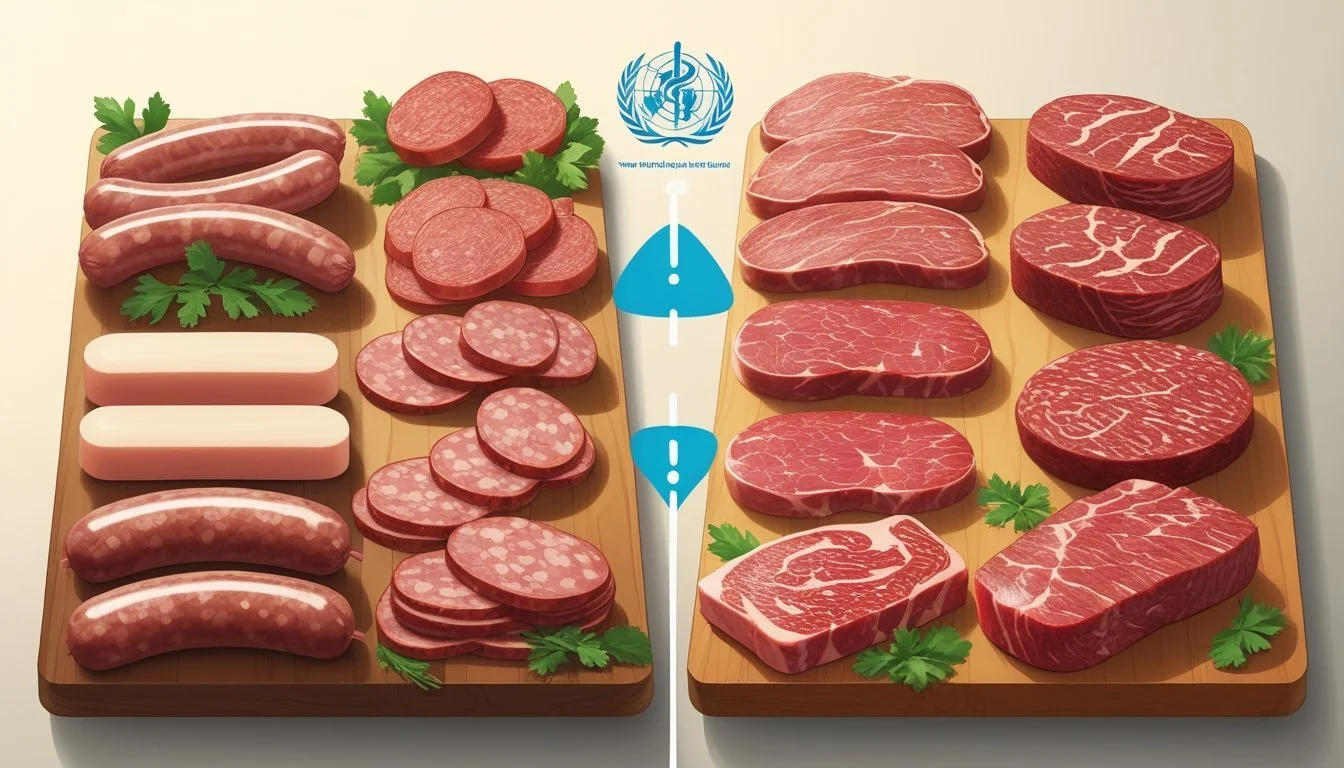
Processed meats, such as bacon, hot dogs, and salami, are linked to distinctive health concerns that differ from those associated with fresh red meat. These concerns center on how the meats are produced, preserved, and the compounds that result from processing.
Defining Bacon, Hot Dogs, and Salami
Processed meats include any meat that has been transformed through salting, curing, smoking, fermentation, or chemical preservation. Unlike fresh cuts, these products often contain added ingredients and undergo treatments that extend shelf life and enhance flavor.
Common examples include:
Bacon: pork belly cured with salt and chemicals, often smoked.
Hot Dogs: finely ground meat (commonly beef or pork) mixed with seasonings and preservatives, often smoked or cooked during processing.
Salami: cured sausage made from fermented and air-dried meat, typically pork or beef, with added spices.
These methods distinguish processed meats from simple cooked meats, making ingredient labels important for identifying them. Most processed meats have higher levels of sodium and additives compared to fresh red meats.
Carcinogens in Processed Meats
The International Agency for Research on Cancer (IARC), part of the WHO, classifies processed meats as "carcinogenic to humans" (Group 1). This means there is sufficient evidence to identify a link with cancer, especially colorectal cancer.
Key carcinogens and compounds of concern:
Nitrates and Nitrites: Used as preservatives, these chemicals can convert into nitrosamines during processing or cooking, which are known carcinogens.
Polycyclic Aromatic Hydrocarbons (PAHs): Formed during smoking or grilling, these compounds are also associated with increased cancer risk.
Hem Iron: Present in both red and processed meats, it may contribute to the formation of other cancer-causing substances in the gut.
These risks are supported by observational data showing higher rates of certain cancers in people with high processed meat consumption. The distinction between processed and unprocessed meats is crucial because processing introduces additional carcinogenic risks beyond those in red meat alone.
How Cooking Methods Affect Cancer Risk
The way red meat is cooked can influence the formation of certain chemicals linked to cancer risk. High-heat methods and charring can create substances that are not typically present in raw or gently cooked meats.
Polycyclic Aromatic Hydrocarbons and Heterocyclic Amines
Polycyclic aromatic hydrocarbons (PAHs) and heterocyclic amines (HCAs) are chemical compounds that can form during the cooking of red meat, especially at high temperatures. PAHs typically develop when fat and juices from meat drip onto an open fire, causing flames and smoke that can deposit these compounds onto the surface of the meat.
HCAs are formed when amino acids and creatine react at high cooking temperatures, such as during grilling, pan-frying, or broiling. Studies show that both PAHs and HCAs have been found to cause changes in DNA that may increase cancer risk, particularly for the colon and stomach. The amount formed depends on temperature, cooking time, and the meat’s doneness.
HCAs, PAHs, and High-Heat Cooking
High-heat cooking methods—including grilling, barbecuing, broiling, and frying—typically produce the highest levels of HCAs and PAHs. Meat that is well-done or charred contains more of these compounds due to longer exposure to high temperatures or direct flames.
Lower-temperature cooking methods, such as baking, steaming, and stewing, generate fewer HCAs and PAHs. Using a microwave to precook meat before finishing it on a grill or in a pan can also reduce exposure by minimizing the time meat spends at high heat. Trimming visible fat and avoiding direct contact with flames further reduces the risks associated with HCAs and PAHs.
Nutritional Value of Red Meat
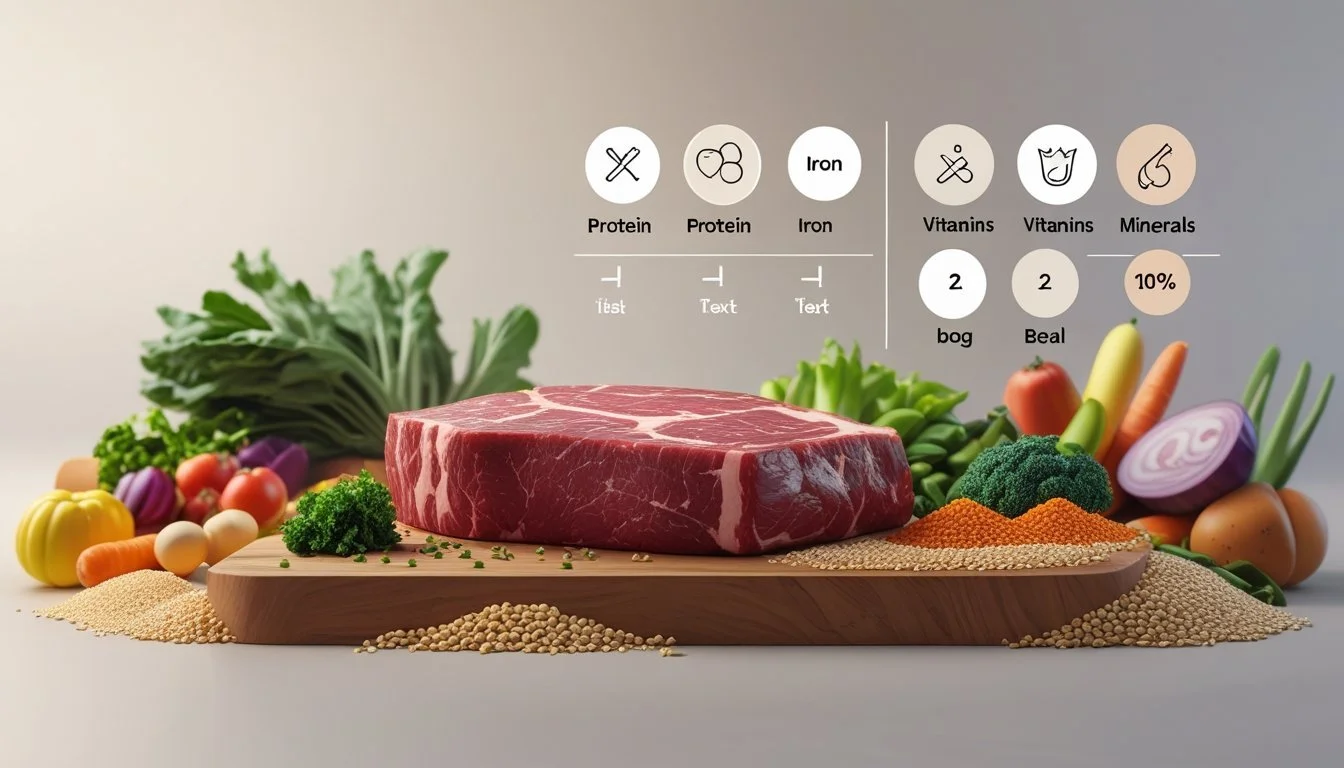
Red meat provides several nutrients that contribute to a balanced diet, including important proteins, vitamins, and minerals. Its nutritional profile makes it a common component in various dietary patterns.
Protein and Vitamins
Red meat contains a high concentration of complete protein. Each serving delivers all essential amino acids required for tissue repair and muscle maintenance. Compared to many plant-based protein sources, the protein in red meat is more easily absorbed by the body.
Red meat is also a source of B vitamins, particularly vitamin B12, which is needed for red blood cell formation and neurological function. It contains niacin, riboflavin, and vitamin B6 in notable amounts. These vitamins play a role in energy production and metabolism.
Below is a typical nutrient profile for a 3-ounce (85g) cooked portion of lean beef:
Nutrient Amount Protein 22g Vitamin B12 2.4 mcg Niacin 4.8 mg Vitamin B6 0.4 mg
Heme Iron and Zinc
Red meat is a significant source of heme iron, which is absorbed more efficiently than non-heme iron from plants. Heme iron supports oxygen transport in the blood and helps prevent iron deficiency anemia, which is more common in populations that avoid animal products.
Zinc is abundant in red meat. This mineral is necessary for immune function, wound healing, and DNA synthesis. Absorption of zinc from red meat is high, making it a practical way to meet daily requirements.
Including moderate amounts of red meat can help maintain adequate levels of both heme iron and zinc, especially in groups with higher nutritional needs, such as children, pregnant women, and older adults.
Red Meat Consumption and Other Health Risks
Scientific studies have linked red meat, especially processed varieties, to a range of chronic health conditions. These include elevated risks of heart disease, diabetes, stroke, and obesity due to meat’s saturated fats, sodium, and chemical preservatives.
Cardiovascular Disease and Heart Disease
Regular consumption of red and processed meats has been associated with higher rates of cardiovascular disease and heart disease. Large cohort studies have determined that eating these meats, particularly those that are highly processed or high in saturated fat, raises LDL cholesterol and blood pressure.
Processed meats often contain added salt and nitrates, both of which negatively impact vascular health. The table below highlights key contributors:
Meat Type Key Risk Components Processed red meat Sodium, nitrates/nitrites, fat Unprocessed red meat Saturated fat
Frequent intake of these foods is linked to an increased risk of heart attacks and coronary heart disease. Reducing red meat intake and choosing leaner alternatives may help lower these risks according to leading health organizations.
Obesity, Stroke, and Diabetes
A diet high in red meat, especially processed meats, is correlated with a higher risk of obesity. This is likely due to the caloric density and fat content in many red meat products. Elevated body weight, in turn, is a known risk factor for both stroke and type 2 diabetes.
Meta-analyses and cohort studies indicate a moderate increase in stroke risk among individuals with higher red meat consumption. Red and processed meats have also been found to raise insulin resistance, thereby increasing the likelihood of developing type 2 diabetes.
Individuals seeking to manage weight, control blood sugar, or reduce stroke risk are advised to limit both processed and unprocessed red meat. Health experts often recommend substituting other protein sources such as poultry, fish, or plant-based proteins.
Research Findings and Meta-Analyses
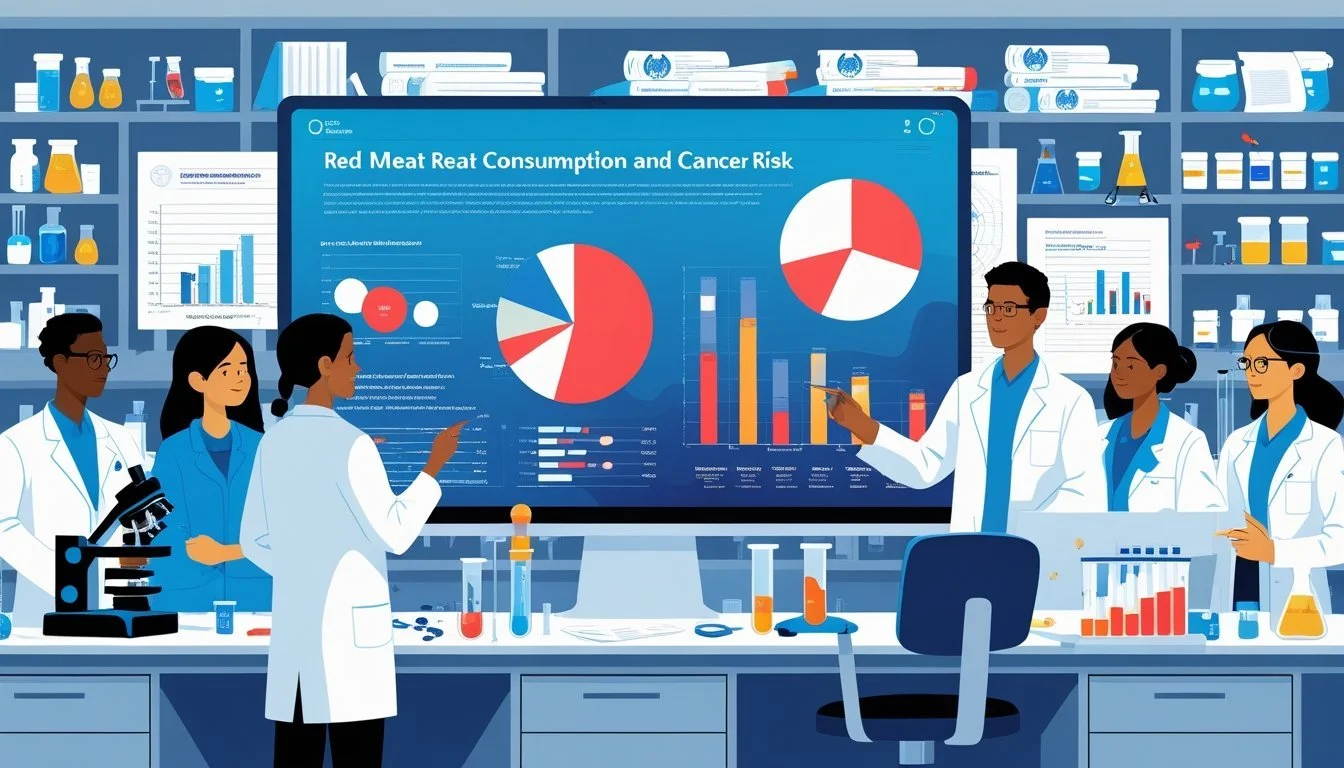
Multiple meta-analyses have examined the association between red meat consumption and cancer risk. Several studies report a positive correlation between higher intake of red meat and an increased risk of cancers, particularly colorectal cancer.
One large systemic analysis found a statistically significant association:
Study Feature Reported Association Red meat & overall cancer Significant, p < 0.001 Processed meat & cancer Significant, p < 0.001 Unprocessed red meat & cancer Weak to moderate evidence
The International Agency for Research on Cancer (IARC, part of WHO) stated in 2015 that processed meat is carcinogenic to humans (Group 1), while red meat is classified as probably carcinogenic (Group 2A).
Some studies suggest that the relationship is strongest for colorectal cancer. Other cancers, like breast cancer and pancreatic cancer, do not consistently show as strong or significant an association in most meta-analyses.
Researchers caution that many findings indicate correlation, not causation. Observational studies can be affected by confounding factors, such as differences in diet, lifestyle, and methods of cooking meat.
Evidence for unprocessed red meat is generally weaker than that for processed meats. For example:
Unprocessed red meat: Weak evidence for links to colorectal and breast cancer
Processed meat: More consistent association with cancer risk
The size of effect often varies. Relative risk generally increases with larger or more frequent portions of red meat and processed meats, but absolute risk remains modest for most individuals.
Balancing Health Risks and Benefits
Eating red meat can provide valuable nutrients, but it is linked to certain health risks when consumed in excess. Recommendations from major health organizations and evidence from nutrition science highlight the importance of choosing healthier diet patterns and moderating intake.
Dietary Recommendations from Health Organizations
Health organizations such as the World Health Organization (WHO), the American Institute for Cancer Research, and the American Heart Association advise limiting red meat consumption. These guidelines are based on studies that associate high intake of red and processed meats with increased risks for colorectal cancer, type 2 diabetes, and heart disease.
MD Anderson Cancer Center suggests consuming no more than 18 ounces (cooked) of red meat per week. The focus is on moderation and prioritizing lean, unprocessed forms when included in a diet. Processed meats—including sausages and deli meats—carry higher risk and are best avoided or eaten rarely.
Key recommendations often emphasize:
Varying protein sources (legumes, fish, poultry, nuts)
Reducing processed and high-fat red meats
Focusing on nutrient-rich, whole foods rather than excess calorie intake
These guidelines aim to limit exposure to established risk factors without excluding red meat entirely for those who wish to consume it.
Cancer Prevention and Healthier Diet Patterns
There is consistent evidence linking high red and processed meat consumption to an increased risk of colorectal cancer. The risk is notably higher for processed meats, while unprocessed red meats show a smaller, but still observed, increase.
Adopting dietary patterns such as the Mediterranean diet or a mostly plant-based diet is associated with lower cancer and cardiovascular risk. These patterns emphasize vegetables, fruits, whole grains, and legumes as staples, while allowing limited lean meats. They encourage replacing some red meat servings with plant-based proteins, which have been shown to lower LDL cholesterol and improve overall health outcomes.
Making gradual changes—like choosing fish or beans instead of steak a few times a week—can effectively reduce risk factors. Combining moderation in red meat intake with a variety of nutrient-rich foods supports better long-term health and cancer prevention.

