
Hunting vs. Grocery Store Meat: What’s More Ethical and How to Decide
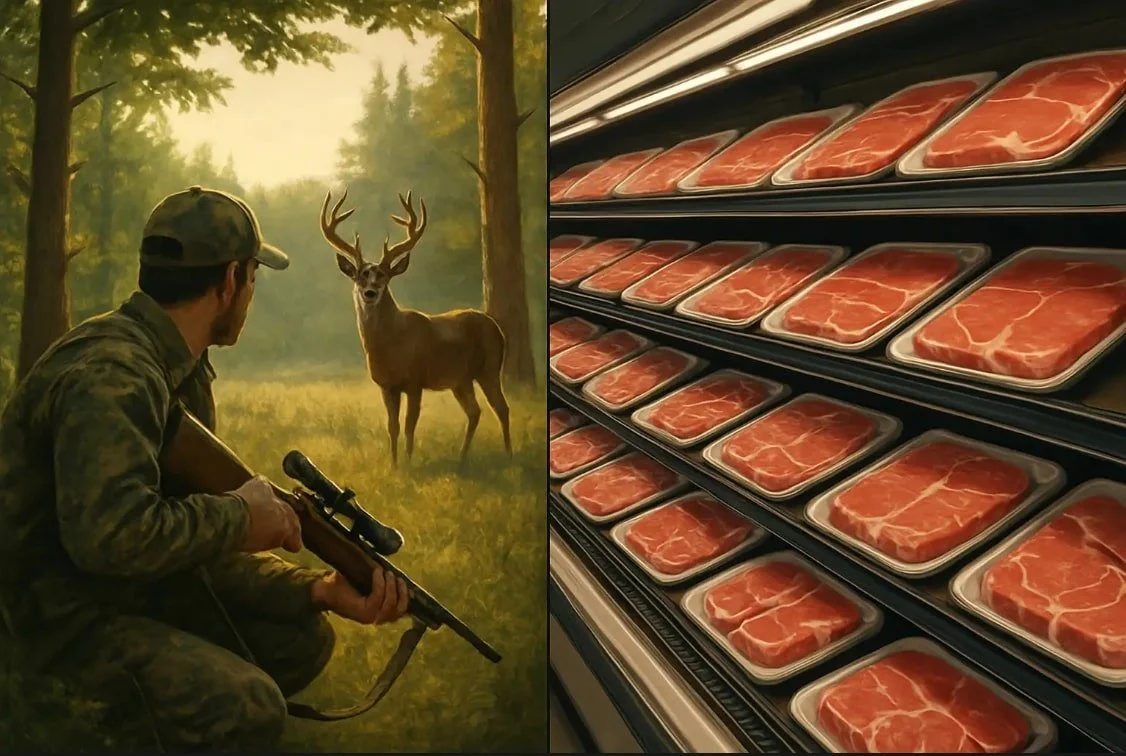
Debates over the ethics of eating meat often focus on two choices: hunting wild animals or buying meat from the grocery store. People cite animal welfare, environmental impact, and personal responsibility as key factors that weigh differently in each option.
Many consider hunting to be more ethical than buying grocery store meat because it allows animals to live natural lives and die quickly in their own habitat, while commercial meat often comes from animals raised in confined, stressful environments. At the same time, hunting requires knowledge, skill, and a commitment to respecting wildlife populations, so it’s not a simple answer for everyone.
Whether one method is truly “better” than the other depends on context, values, and practices. The ethical debate challenges people to examine where their food comes from, what impact it has, and how their choices align with their beliefs.
Understanding Meat Sources
Meat available for consumption comes from fundamentally different sources, each with distinct processes and impacts. Examining how hunting and grocery store meat are obtained helps clarify ethical, environmental, and practical considerations.
Hunting for Meat
Hunting involves individuals harvesting wild animals for food, most commonly deer, boar, or birds. This activity requires following local regulations, including hunting seasons and licensing, to ensure population control and ecological balance.
Hunters typically pursue animals that have lived freely in their habitats. Unlike farm animals such as cows or pigs, wild game is not subject to confinement or routine medication. This reduces the likelihood of exposure to antibiotics or growth hormones.
Supporters argue that hunting offers a more direct connection to the food source and allows for targeted, often humane, killing. “Fair chase” principles guide ethical hunters to avoid causing unnecessary suffering or depletion of wildlife populations.
Grocery Store Meat
Grocery store meat mainly comes from commercial farms raising cows, pigs, and poultry. Most of these animals are bred, housed, and slaughtered in controlled environments.
Large-scale farming operations prioritize efficiency and uniformity. Animals such as cows and pigs may be kept in confined spaces with their diets, health, and growth tightly managed. Use of antibiotics, growth promoters, and controlled diets is common to maximize output and minimize disease.
The meat sold is often processed and packaged to meet consumer expectations for taste, appearance, and price. This industrial approach increases availability but raises questions about animal welfare and production transparency.
Wild Game Versus Farmed Animals
Wild game animals, hunted in natural habitats, experience diverse diets and physical activity throughout their lives. This typically results in leaner meat lower in saturated fat. Venison, for example, can contain less fat and more essential nutrients like iron and B vitamins than beef from farmed cows.
Farmed animals, like cows and pigs, often have restricted movement and standardized diets, which can affect both meat quality and animal well-being. Disease prevention in these environments may involve routine use of antibiotics.
Comparisons between wild and farmed meat highlight differences not only in nutrition but also in the conditions and treatment of the animals. These contrasts shape many debates about ethics, health, and environmental sustainability in meat consumption.
Ethical Considerations in Hunting
When evaluating the ethics of hunting, important issues include how hunters impact wild animal populations, practices that affect animal welfare, and the cultural traditions linked to hunting. Decisions often depend on the context of the hunt, the species targeted, and the methods used.
Respect for Wild Animal Populations
Sustainable hunting is rooted in the management of wild animal populations. Hunters are typically regulated by wildlife agencies that set quotas based on scientific assessments. These controls help maintain ecological balance and prevent overharvesting.
Key considerations include:
Population surveys to determine allowable harvest numbers
Bans on hunting endangered species
Adaptive management to adjust quotas as conditions change
Effective management can prevent habitat degradation and support biodiversity. Without these measures, unregulated hunting can threaten species and disrupt ecosystems.
Animal Welfare in Hunting Practices
Animal welfare concerns focus on how the killing of animals is performed during hunting. Ethical hunters aim to minimize suffering by using quick, humane methods and by targeting vital organs for an instant kill.
Some common practices that support animal welfare:
Using appropriate firearms or bows to ensure effectiveness
Tracking wounded animals to prevent unnecessary suffering
Adhering to "fair chase" principles, avoiding situations where the animal has no chance to escape
Unlike industrial meat production, hunting does not involve confinement or artificial feeding, so animals live natural lives until the moment of death. The ethics of a hunt increase when respect and responsibility guide every action.
Cultural Significance and Tradition
For many, hunting is tied to cultural identity and family traditions. In some communities, hunting plays a central role in food gathering, rituals, and passing on survival skills. These traditions often include codes of respect for wild animals and the land.
Recognition of hunting as cultural practice appears in:
Indigenous food systems
Community hunting festivals
Oral traditions and teaching young hunters
Ethical considerations in such cases involve respecting tribal laws, traditional ecological knowledge, and honoring animals taken during the hunt. The cultural context can transform hunting from a simple act of killing animals to a reflection of deep values and communal responsibility.
Ethics of Grocery Store Meat
Grocery store meat often comes from large-scale industrial farming operations. These systems raise ethical concerns related to animal welfare, the environment, and the ability for consumers to trace the origins of their food.
Industrial Farming and Animal Welfare
Most grocery store meat, including beef from cows and pork from pigs, is sourced from concentrated animal feeding operations (CAFOs) or factory farms. Animals in these environments are frequently kept in confined spaces with limited freedom of movement.
Common practices include crowding, routine use of antibiotics, and early separation of young animals from their mothers. Such conditions may lead to chronic stress and higher susceptibility to disease.
Slaughter methods vary, but speed and efficiency are usually prioritized. This sometimes results in improper stunning and inhumane deaths for some animals. Animal welfare advocates have raised concerns about both physical and psychological suffering in these systems.
Environmental Consequences of Factory Farms
Large-scale industrial farming has a significant environmental footprint. Factory farms generate large amounts of manure, which can pollute waterways and contribute to harmful algal blooms.
These operations use large quantities of feed, water, and energy to maintain cows, pigs, and other livestock. The production process releases methane and nitrous oxide—potent greenhouse gases that drive climate change.
Deforestation, soil erosion, and habitat loss are linked to feed crop production as well. In some cases, air quality is also affected due to ammonia and other emissions from animal waste.
Supply Chains and Transparency
Supermarket meat is distributed through complex supply chains involving multiple intermediaries. These layers can make it difficult for consumers to know exactly how animals were raised or killed.
Labels on packages may list the type of animal and grade of meat but rarely offer details on farming practices. Even certifications—such as “organic” or “free-range”—have variable standards and enforcement.
Retailers tend to prioritize price and efficient logistics, sometimes at the expense of animal welfare or sustainability. As a result, full transparency about production and processing is often lacking.
Comparing Ethical Argument
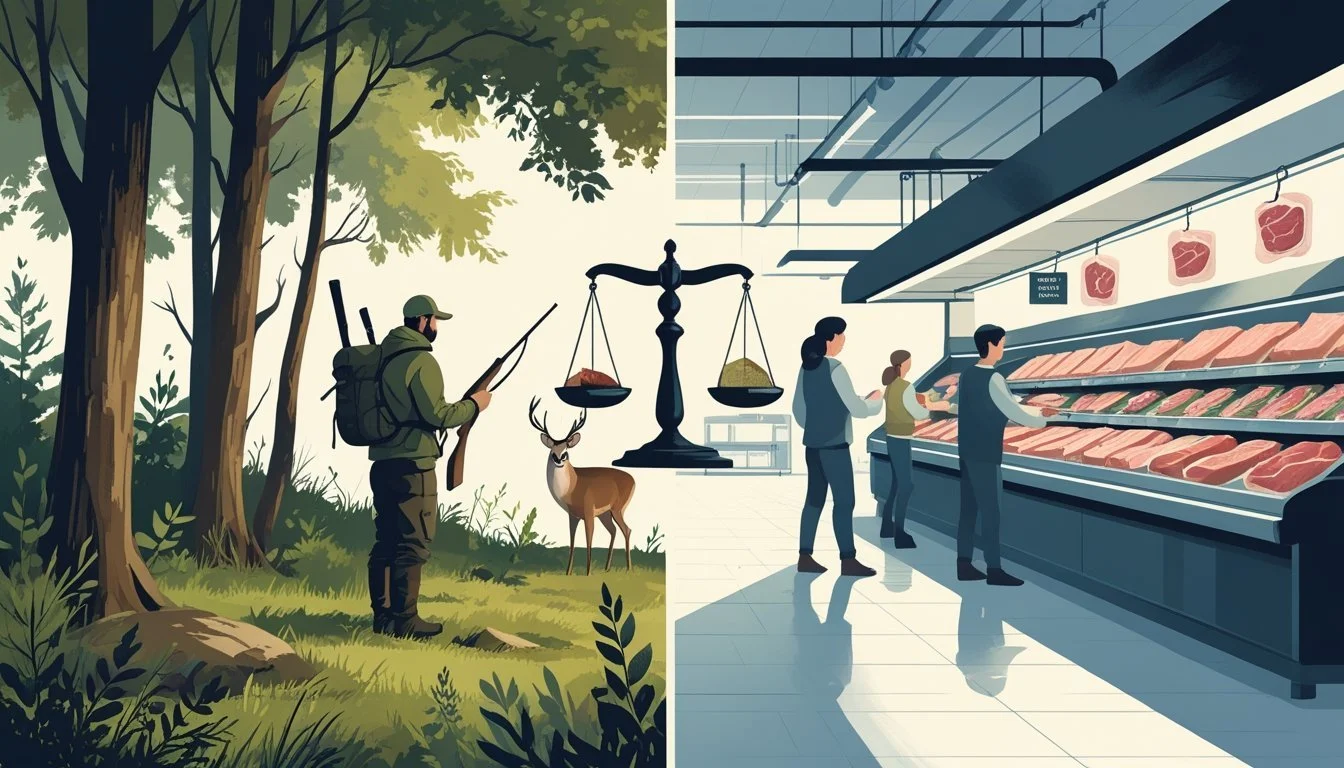
The ethics of hunting and grocery store meat differ sharply in terms of who is responsible for an animal’s death and the wider impact of each practice on wildlife populations. Key differences exist in how each approach relates to animal welfare and the sustainability of meat consumption.
Direct Versus Indirect Responsibility
Hunting involves direct action. The person who hunts is responsible for tracking, killing, and processing the animal. This direct involvement means the hunter is fully aware of the animal’s life and death. The condition of the animal at the time of death is immediately evident.
In contrast, buying meat from a grocery store means the consumer is separated from the killing and processing. Most store-bought meat comes from industrial operations, where animals are often raised and slaughtered out of sight. Many people may never consider the realities of factory farming or the suffering animals experience.
Key distinctions:
Hunters are often required to follow strict guidelines and ensure animals are killed quickly and humanely.
Grocery store consumers rarely see or understand the conditions farm animals endure.
Responsibility Table:
Approach Who Kills the Animal? Knowledge of Conditions Level of Involvement Hunting Hunter High Direct Grocery Meat Worker in Facility Usually Low Indirect
Impact on Animal Populations
Hunting regulations typically focus on sustainability. Legal hunting is monitored to prevent overharvesting; limits are set to maintain healthy wildlife numbers. Only specific species and numbers are allowed each season, reducing risks of endangerment.
The production of grocery store meat operates on a larger, industrial scale. Livestock are bred in great numbers, leading to habitat loss, pollution, and high greenhouse gas emissions. These practices affect not just the animals being raised for meat, but also local ecosystems and wild animal populations.
Wild animals hunted for meat usually live natural lives and are subject to population controls, while farm animals often face crowded, artificial conditions. The broader environmental consequences of industrial farming extend beyond the animals themselves and impact biodiversity and natural resources.
Dietary Choices and Ethical Living
Ethical living requires decisions about food that consider both personal values and broader impacts. Different dietary choices, including vegetarianism, veganism, and meat consumption, reflect unique ethical priorities and can shape a person’s lifestyle.
Vegetarian and Vegan Perspectives
Vegetarians and vegans opt to exclude meat and, in some cases, all animal products from their diets. Their primary concerns often center on animal welfare and reducing harm to sentient beings. Vegan ethical frameworks tend to extend to clothing, cosmetics, and household products, avoiding any use of animal-derived substances.
Many adopt these diets due to concerns over factory farming and industrial meat production. These systems can involve intensive animal confinement, environmental pollution, and high greenhouse gas emissions. Ethical vegetarians and vegans may also point to the inefficient use of resources in large-scale animal agriculture.
For some, plant-based diets are guided by health priorities alongside ethical concerns. Others are motivated by environmental issues, such as the reduction of land use and water consumption. The result is a philosophical and practical commitment to minimizing animal exploitation within daily life.
Lifestyle Impacts of Meat Consumption
Eating meat involves ethical considerations based on how animals are raised, killed, and processed. Factory-farmed grocery store meat often comes from animals kept in crowded conditions and raised with growth hormones or antibiotics. This has led some consumers to seek alternatives, including hunting or sourcing local meat.
Hunting presents a different ethical profile. Animals live and die in the wild, often experiencing less prolonged stress compared to industrial livestock. Hunters typically argue that their practices are more respectful of animal welfare and environmental sustainability.
However, not all meat eaters share the same motivations or habits. Some choose pasture-raised or organic meat, while others limit their meat intake or focus on supporting sustainable food systems. These lifestyle decisions reflect varied responses to animal welfare, environmental health, and personal nutrition.
Balancing Ethics, Health, and Environment
Ethical meat choices require careful consideration of nutrition and environmental impacts. Food sourcing decisions often depend on how these factors align with personal values and dietary needs.
Nutritional Aspects of Various Diets
Wild game, such as deer and elk, tends to be leaner than farmed meats like beef or pork. These animals graze on natural forage, resulting in higher omega-3 fatty acid content and lower fat levels per serving.
Grocery store meat, sourced mainly from cows and pigs, typically contains more saturated fat due to grain-based diets and less physical activity. Conventional farming often uses antibiotics and growth hormones, which can affect meat quality.
Choosing between wild and farmed meats impacts nutrient intake. For example, wild game provides more iron and fewer calories per ounce, fitting well with diets focused on nutrient density. Processed meats from stores sometimes contain preservatives, which may concern those seeking minimally processed foods.
Vegetarian and plant-based diets eliminate these animal factors but require careful planning to match nutritional profiles, particularly for protein and iron. Each lifestyle choice leads to different health and ethical trade-offs.
Environmental Footprint Comparison
Hunting has a distinct environmental profile. It targets wild animals without contributing to land clearing, water use, or emissions from raising livestock. Hunting seasons are often regulated, helping prevent overharvesting and maintaining animal populations.
Grocery store meat—primarily from cows and pigs—relies on extensive agriculture. Raising livestock uses large amounts of feed, water, and land. Methane emissions from cows are a significant contributor to greenhouse gases.
Factory farming practices also create waste, can harm local ecosystems, and often necessitate chemical inputs. On the other hand, regulated, small-scale meat production may reduce these impacts but is less common.
A brief comparison:
Source Land Use Emissions Animal Welfare Concerns Wild Game (Hunting) Low Low Lower (natural life) Store Meat High High Higher (factory farms)
Ethical and environmental considerations vary based on sourcing, regulations, and individual priorities in diet and lifestyle.
Personal and Societal Impacts
Ethical decisions about meat consumption are shaped by community values, cultural traditions, and individual lifestyles. The choice between hunting and grocery store meat also depends on how informed people are about animal welfare and food systems.
Community and Cultural Influences
Communities have long-established traditions surrounding hunting, influencing how individuals view the ethics of obtaining meat. For Indigenous peoples and rural residents, hunting is tied to heritage, community events, and skill-sharing.
In some regions, hunting offers a source of fresh, local protein and supports a lifestyle in tune with nature. It can also encourage respect for wildlife populations and responsible animal management.
In contrast, urban lifestyles may rely more on grocery store meat, with less direct connection to how animals are raised or harvested. Exposure to agricultural or hunting practices often shapes ethical perspectives and food choices within a society.
Key cultural factors:
Family traditions and upbringing
Regional wildlife management policies
Access to wilderness or hunting lands
Making Informed Ethical Choices
Ethical decision-making about meat often starts with understanding where food comes from. Individuals who hunt usually have direct involvement in the process, witnessing the animal’s life and death and accepting responsibility for animal welfare.
Buying meat from a grocery store often distances the consumer from the realities of animal agriculture. This can make it harder to evaluate the impacts on animal welfare or environmental sustainability.
Consumers can make better choices by considering how animals are treated, how meat is processed, and the overall sustainability of hunting versus commercial farming. Knowledge of regulations, hunting methods, and labeling on store-bought meat provides crucial context for ethical choices.
Checklist for ethical meat choices:
Research sourcing and welfare standards
Consider personal involvement in hunting or farming
Evaluate the broader impact on animals and the environment
Conclusion
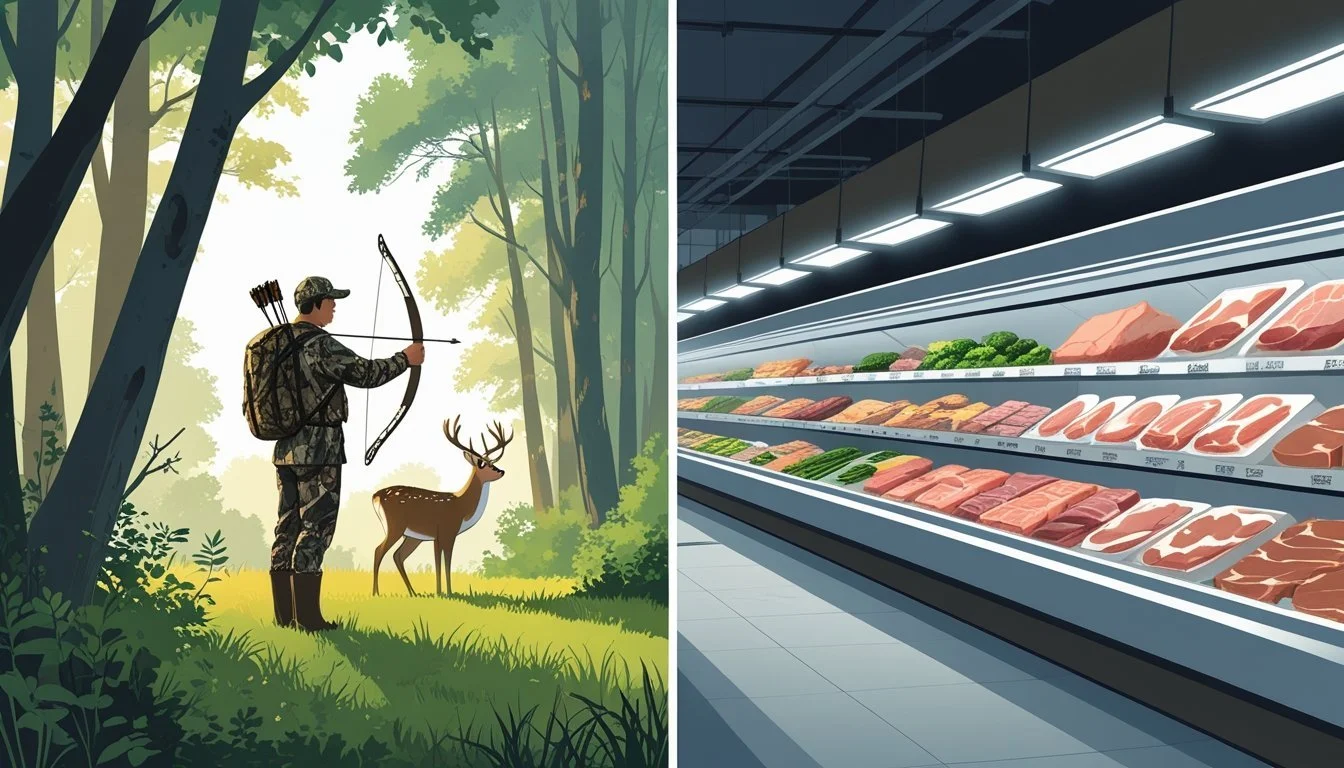
Ethical concerns about meat often center on animal welfare, environmental impact, and personal responsibility. Both hunting and buying grocery store meat have their own advantages and drawbacks when viewed through these lenses.
Hunting offers the possibility of sourcing meat from animals that lived naturally in the wild. Animals hunted for food typically experience less prolonged confinement and stress compared to those raised on factory farms.
On the other hand, grocery store meat provides convenience and accessibility. However, it often comes from large-scale operations where animal welfare and environmental impact depend on farming practices, which can vary widely.
Key considerations include:
Animal Welfare: Hunting generally involves a quick end for wild animals, while industrial farming may involve longer periods of confinement.
Environmental Impact: Hunting usually has less impact on habitat and carbon emissions per animal than many forms of industrial meat production.
Cost and Accessibility: Store-bought meat is widely available and requires no special skills or equipment, while hunting demands time, resources, and knowledge.
Ethical choices around meat consumption are shaped by these factors, as well as personal values and local context. Individuals may weigh these aspects differently based on their priorities and situation.

