
Is Meat Consumption Environmentally Sustainable?
Examining Impacts and Future Solutions
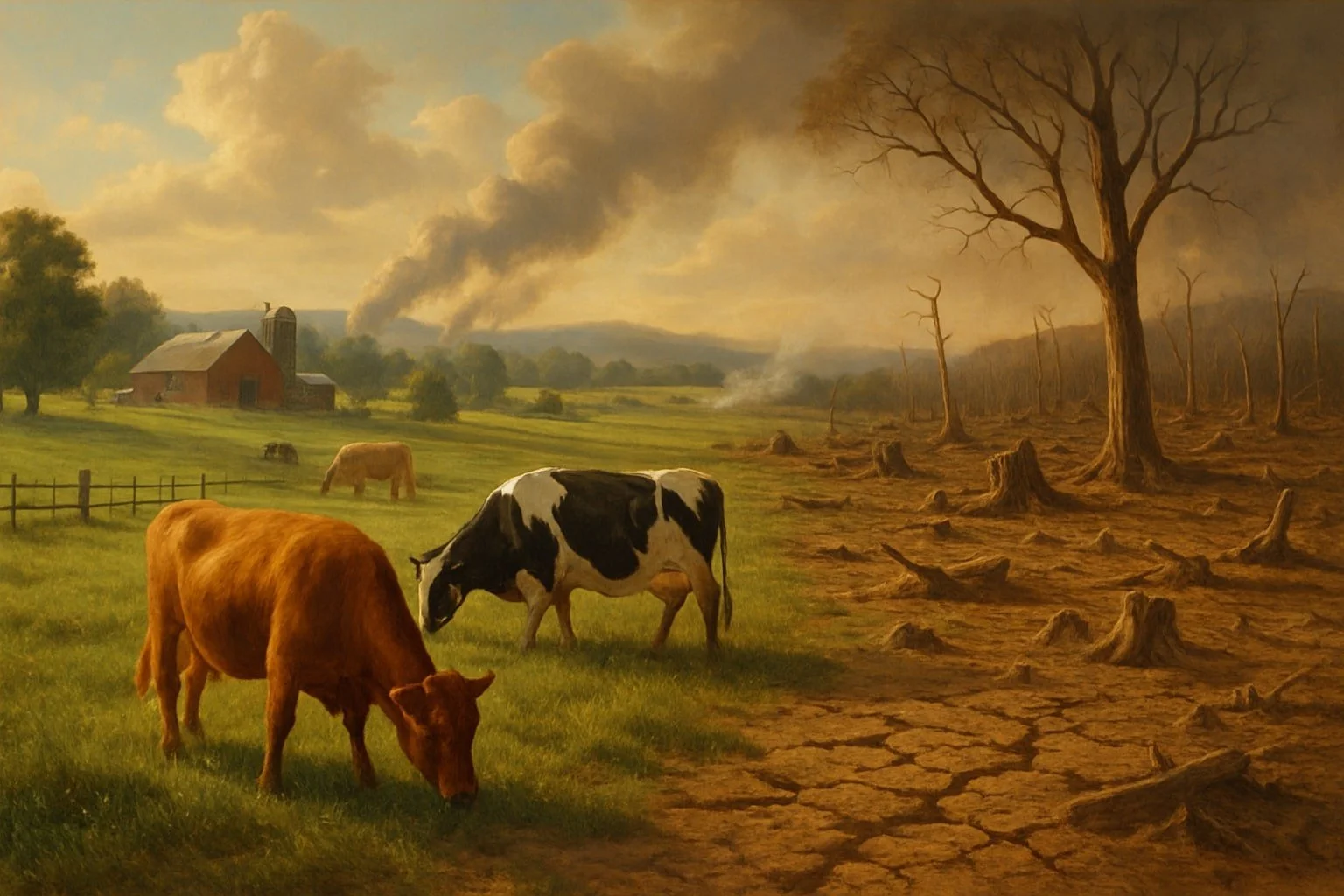
Meat consumption has significant environmental impacts, making it a challenge to describe current levels as fully sustainable. The raising and processing of livestock contributes considerably to greenhouse gas emissions, land use, and water consumption, giving it a much larger environmental footprint compared to most plant-based foods.
Despite these concerns, sustainable meat production is possible through responsible farming methods, improved animal welfare practices, and conscious consumer choices. The debate around meat and sustainability remains complex and involves not just environmental, but also economic, social, and ethical considerations. This article explores how meat production and consumption fit into the sustainability conversation and what changes might help balance the needs of people and the planet.
Understanding Meat Consumption and Environmental Sustainability
Meat consumption influences environmental systems through land use, greenhouse gas emissions, and resource demand. Assessing its sustainability requires an understanding of definitions, current habits, and their environmental impacts.
Defining Meat Consumption
Meat consumption refers to the eating of animal flesh such as beef, pork, poultry, lamb, and seafood. Patterns vary widely; for example, the average annual per capita meat intake is over 100 kg in some developed countries but less than 20 kg in several developing nations.
The rise in global population and incomes has driven up meat demand, with poultry and pork showing especially rapid growth. Different cultures and dietary guidelines influence which animal proteins are consumed and in what quantities.
Global food systems that produce meat include industrial, mixed, and pastoral systems. Each method has varying intensities of resource use, animal welfare, and environmental impact.
What Is Environmental Sustainability?
Environmental sustainability refers to the responsible management of resources to ensure long-term ecosystem health, human well-being, and biodiversity. It involves meeting present needs without impairing the ability of future generations to meet theirs.
In food systems, this means regulating land, water, and energy use. Sustainable practices limit greenhouse gas emissions, prevent deforestation, and protect soils and water bodies.
Actions supporting environmental sustainability may include reducing food waste, adopting efficient farming technologies, and shifting dietary patterns. Indicators often measured are carbon footprint, water usage, and impact on biodiversity.
The Link Between Diet and the Environment
The environmental impact of diets is strongly shaped by the proportion of animal-based foods, especially red meat and dairy. Livestock production accounts for a significant share of global greenhouse gas emissions—estimated at around 14%–18%.
Table: Key Environmental Impacts of Meat Production
Impact Example Greenhouse gases Methane from cattle, nitrous oxide from manure Land use Deforestation for grazing, crop production Water consumption High water footprint for feed crops Biodiversity loss Habitat destruction, pollution
Shifting to diets lower in meat and higher in plant-based foods can reduce the pressures on land, water, and climate systems. Even modest reductions in high-impact meats like beef can make food systems more sustainable. Scientists have found that small amounts of animal products can fit into a sustainable, healthy diet when balanced with environmental limits.
Environmental Impacts of Meat Consumption
Meat consumption significantly influences carbon emissions, land and water use, and the health of ecosystems. Livestock farming plays a central role in driving several key environmental concerns, mainly through its substantial resource demands and pollution output.
Greenhouse Gas Emissions from Livestock
Livestock farming is a major contributor to greenhouse gas emissions, especially methane and nitrous oxide.
Cattle, sheep, and goats produce methane through digestion, a process known as enteric fermentation. Methane is a potent greenhouse gas with a global warming potential about 28 times greater than carbon dioxide over a 100-year period.
Manure management and the production of animal feed also generate emissions. According to studies, livestock is responsible for around 14.5% of global anthropogenic greenhouse gas emissions.
Key sources:
Enteric fermentation (methane): ~44%
Manure management (methane, nitrous oxide): ~27%
Feed production and processing (CO₂, nitrous oxide): ~24%
Biodiversity Loss and Land Use
Livestock production drives habitat conversion, such as turning forests and grasslands into grazing pastures or cropland for animal feed.
The expansion of pastureland and feed crops leads to deforestation and fragmentation, particularly in tropical regions like the Amazon. This shift threatens plant and animal species by reducing their habitats and increasing the risk of extinction.
Conversion to agricultural land is the leading cause of global biodiversity loss. The use of monocultures for animal feed, such as soy and maize, can further degrade ecosystems and harm soil health.
Main impacts:
Deforestation for pasture and feed
Loss of natural habitats
Soil erosion and reduced ecosystem resilience
Water Use and Pollution in Meat Production
Producing meat requires considerable water resources compared to plant-based foods. Beef production, for example, can use more than 15,000 liters of water per kilogram of product, most of which is used to grow feed crops.
Livestock farming also contributes to water pollution. Runoff from manure and fertilizers introduces nutrients, pathogens, and antibiotics into rivers and lakes, leading to algal blooms and degraded water quality.
Common sources of water impact:
Feed crop irrigation
Manure runoff
Processing water use
These effects threaten freshwater species and contribute to the depletion of aquifers.
Climate Footprint of Meat and Dairy
The climate footprint of meat and dairy products is among the highest in the food system. Beef and lamb typically generate much higher emissions per kilogram of protein than pork, poultry, or plant-based sources.
The carbon footprint varies based on production practices, animal species, and geography. Ruminant livestock (cattle and sheep) have the largest impact due to methane emissions and greater feed requirements.
Comparison table – Average GHG emissions per kilogram of protein:
Product GHG Emissions (kg CO₂e/kg protein) Beef ~60 Lamb & Mutton ~24 Pork ~7 Poultry ~6 Plant Protein ~2-4
Shifting to diets with less meat, particularly from ruminant animals, can meaningfully reduce the environmental impacts of food production.
Sustainability Dimensions of Meat Production
Meat production affects the environment, society, and ethical considerations in different ways. Each aspect influences how sustainable meat consumption is, especially when considering global demand and production practices.
Social and Economic Implications
Meat production plays a major role in many national economies, supporting millions of jobs in farming, processing, and distribution. For rural areas, livestock farming often provides critical income and supports community stability.
However, meat is resource-intensive. It requires high inputs of land, water, and feed compared to plant-based alternatives. Countries with high meat consumption also experience significant greenhouse gas emissions from livestock, which affects both local and global communities.
Social perceptions around meat consumption can reflect cultural norms, taste preferences, and traditions. In some regions, meat is associated with status or celebration, making dietary shifts difficult. Policy and market failures, such as inadequate environmental regulations, can worsen sustainability issues and slow progress toward more efficient production systems.
Ethical Considerations and Animal Welfare
Animal welfare is a key ethical concern within meat production. Crowded and intensive farming conditions often raise questions about animal suffering, especially in large-scale industrial systems.
Common animal welfare issues include:
Limited space and lack of enrichment
Stress from confinement
Painful procedures without anesthetic
Efforts to address these issues include improved housing, humane slaughter practices, and certifications like "free range" or "organic." There is also growing public attention to transparency in animal treatment.
Ethical debates extend to the environmental consequences of prioritizing animal products over plant-based foods. Some advocate for reduced meat consumption or alternative proteins to address both animal welfare and sustainability concerns.
Nutrition and Health Considerations
Meat provides essential nutrients such as protein, vitamin B12, iron, and zinc, but high meat intake has been linked to various health concerns. The impact of consuming animal-sourced foods depends on factors like the amount, type, and frequency consumed.
Nutritional Value of Animal-Sourced Foods
Animal-sourced foods, including red meat, poultry, and fish, offer high-quality protein that contains all essential amino acids. They are also significant sources of vitamin B12, which cannot be obtained from plant foods alone, as well as heme iron and absorbable zinc.
For populations at risk of nutrient deficiencies, such as children, pregnant women, and elderly adults, moderate consumption of animal-derived foods can contribute to improved growth, cognitive development, and immune function.
Meat and dairy products make up a substantial part of the daily diet in many regions due to their nutrient density.
The table below highlights key nutrients provided by common animal foods:
Food Protein Vitamin B12 Heme Iron Zinc Beef High High High High Poultry High Moderate Moderate High Fish High High Moderate High Eggs High Moderate Low Moderate
Negative Health Effects of High Meat Consumption
Consuming large amounts of red and processed meat has been linked to an increased risk of cardiovascular disease, type 2 diabetes, and certain cancers, such as colorectal cancer. These risks are often associated with the saturated fat, cholesterol, and additives found in processed meats.
Some studies link high meat diets to higher all-cause mortality, especially when red and processed meats are a staple rather than an occasional food.
Processed meats may also contain preservatives like nitrates and nitrites, which have been identified as possible carcinogens by health organizations.
Excessive consumption may also displace plant-based foods from the diet, leading to lower intake of fiber, antioxidants, and beneficial phytonutrients.
Individuals can reduce negative health outcomes by limiting intake of processed meats and choosing lean cuts or alternative protein sources when possible.
Shifting Diets and Sustainable Alternatives
Replacing high-impact meats with plant-based and other sustainable alternatives can decrease greenhouse gas emissions, lower resource use, and provide nutritious options. Consumer choices, including dietary shifts and the selection of alternative proteins, play a substantial role in determining agriculture’s environmental footprint.
Plant-Based Foods and Proteins
Plant-based foods, including legumes, grains, nuts, fruits, and vegetables, generally have a much lower environmental impact than animal products. Environmental analyses indicate that switching from conventional meats to these foods significantly reduces greenhouse gas emissions and freshwater usage.
Plant-based proteins such as lentils, beans, tofu, and tempeh provide key nutrients like protein, fiber, vitamins, and minerals. They are also widely accessible and adaptable in various cuisines. Studies show that integrating such foods can meet most nutritional requirements without the resource intensity linked to meat.
A comparison of protein sources often shows that beef and lamb occupy the highest categories for emissions and land use, while plant-based sources are ranked lowest. The table below summarizes environmental impacts by protein type:
Protein Source Greenhouse Gases Land Use Beef Very high Very high Pork Moderate Moderate Chicken Lower Lower Plant-Based Lowest Lowest
Vegetarian Lifestyles and Behavioral Change
Adopting a vegetarian lifestyle, or simply reducing meat intake, can substantially decrease an individual’s environmental footprint. Research demonstrates that if populations in high-meat-consuming countries shift towards national dietary guidelines—which usually recommend more plant-based foods—global greenhouse emissions can drop by up to 30%.
Behavioral changes, such as meal planning, exploring plant-based recipes, and learning about food labels, can make transitions smoother. Social and cultural factors often influence dietary habits, but public awareness and accessible vegetarian options are contributing to dietary change. Even moderate shifts, like meat-free days or incremental increases in plant-based meals, have measurable ecological benefits.
Exploring Sustainable Meat Options
For those who choose to continue consuming meat, selecting more sustainable options matters. Lower-impact meats like chicken and pork typically require fewer resources and result in less pollution compared to beef or lamb.
Producers are also adopting practices to minimize emissions, such as improved animal husbandry, better feed management, and certification schemes. However, switching to sustainable meat can only partially offset environmental impact; eating less meat overall has a stronger effect.
Consumers can look for products labeled with sustainability certifications or seek locally sourced meat to reduce transportation emissions. While these approaches help, combining sustainable meat choices with an increased intake of plant-based foods offers the most effective reduction in environmental damage.
Global Trends and Future Outlook
Meat consumption patterns are changing rapidly around the world, shaping environmental pressures and influencing food security. Economic growth, population shifts, and policy responses all play crucial roles in the future of sustainable diets.
Meat Consumption Trends Worldwide
Global meat consumption is rising, driven mainly by population growth and increased incomes in developing countries. As nations advance economically, households generally consume more animal protein, with beef, pork, poultry, and sheep contributing most to the rising global totals.
Mature markets such as the United States have the highest per capita meat consumption, but much of the current growth comes from Asia, especially China. According to industry data, China’s meat consumption is stabilizing after a temporary decline due to disease outbreaks, returning to long-term upward trends.
Environmental impacts are significant, as meat production requires more land, water, and feed than plant-based foods. The livestock sector is responsible for a major share of global greenhouse gas emissions, intensifying concerns over sustainability.
The Role of Meat in Food Security
Meat provides dense sources of essential nutrients, supporting food security, especially where diets may lack variety. In low-income communities, access to animal protein can make a significant difference in preventing malnutrition.
However, the environmental costs of producing meat present challenges for maintaining stable food systems. Increased demand for meat can lead to deforestation, water shortages, and higher emissions, dampening long-term sustainability.
Trade and policy can influence food access, as export restrictions or price spikes often disrupt global supplies. Balancing nutritional needs with ecological concerns requires careful consideration by governments and industry.
Sustainability Trade-Offs and Policy Directions
Meat production creates a series of trade-offs between economic, social, and environmental outcomes. While it supports rural livelihoods and global trade, it puts pressure on natural resources and amplifies climate risks.
Policy makers face complex choices when addressing these issues. Strategies include promoting technological innovation, encouraging shifts toward lower-impact meats or plant-based alternatives, and setting regulations on emissions and land use.
Key policy approaches:
Environmental regulations: Cap emissions, restrict deforestation, manage waste
Incentives: Support sustainable livestock systems, reward lower-impact farming
Public campaigns: Educate about diets, health, and environmental impacts
Adopting a mix of strategies will be necessary to address the growing demand for meat while safeguarding long-term sustainability.
Comparing Production Systems
Different meat production systems impact the environment in various ways. The practices, scale, and methods used influence land use, emissions, water requirements, and biodiversity.
Livestock Farming Versus Hunting
Livestock farming supplies most of the world’s meat. It relies on raising animals such as cattle, pigs, and chickens in managed environments. This practice uses a large percentage of global agricultural land and freshwater and accounts for a significant share of greenhouse gas emissions. According to recent data, livestock production requires about 80% of the world’s farmland but provides less than 20% of the world’s calories.
Hunting draws on wild populations and typically involves much lower volumes of meat production compared to farming. Its direct environmental impact is lower per kilogram of meat, especially where population densities of wild animals remain stable. However, unsustainable hunting threatens local ecosystems, disrupts food webs, and can lead to species declines if not properly managed.
Key environmental differences can be summarized as follows:
Method Land Use Emissions Impact on Biodiversity Livestock Farming Very high High Often negative Hunting Low (small scale) Low (sustainable) Can be positive/negative
Intensive Versus Extensive Production
Intensive livestock systems maximize output on limited land by relying on high animal densities, concentrated feeds, and technology. These systems increase productivity but lead to concentrated manure and runoff, higher energy use, and significant greenhouse gas emissions. They often utilize monoculture crop production for feed, increasing fertilizer and pesticide use.
Extensive systems graze animals over larger areas. They generally have lower stocking densities and can integrate with landscapes without displacing crops. Managed well, extensive systems may support grassland health and some biodiversity. However, overgrazing can degrade soils and local habitats.
Environmental impacts differ primarily in:
Resource efficiency: Intensive systems produce more meat per acre.
Waste management: Intensive systems challenge waste disposal, while extensive systems spread nutrients but risk overuse.
Landscape effects: Extensive systems alter vast areas, while intensive sites concentrate impacts.
Each approach has trade-offs, with environmental costs and benefits shaped by management choices and regional conditions.
Conclusion
Current research shows that meat consumption continues to have significant environmental impacts, particularly through greenhouse gas emissions and resource use. Compared to plant-based foods, meat requires more land, water, and energy per gram of protein produced. These environmental costs have become a central issue in discussions of sustainability.
Key environmental concerns include:
Greenhouse gas emissions
Deforestation and land use change
Water consumption
Biodiversity loss
The following table illustrates major differences between typical meat and plant-based food impacts:
Impact Area Meat Plant-Based Foods GHG Emissions High Low Water Use High Low Land Requirement High Low Biodiversity Impact High Low
While economic and social factors are also connected to meat consumption, the environmental dimension stands out due to its global scale. Some efforts to improve sustainability include promoting alternatives such as poultry over red meat or encouraging plant-based diets.
Public awareness of sustainability is increasing, but a broad understanding that includes environmental, economic, and social aspects remains limited. Individuals, communities, and policymakers continue to face complex trade-offs when considering meat’s role in sustainable food systems.

