
Are Blue Zones Really Proof That Meat Is Harmful?
Examining the Evidence Behind Diet and Longevity
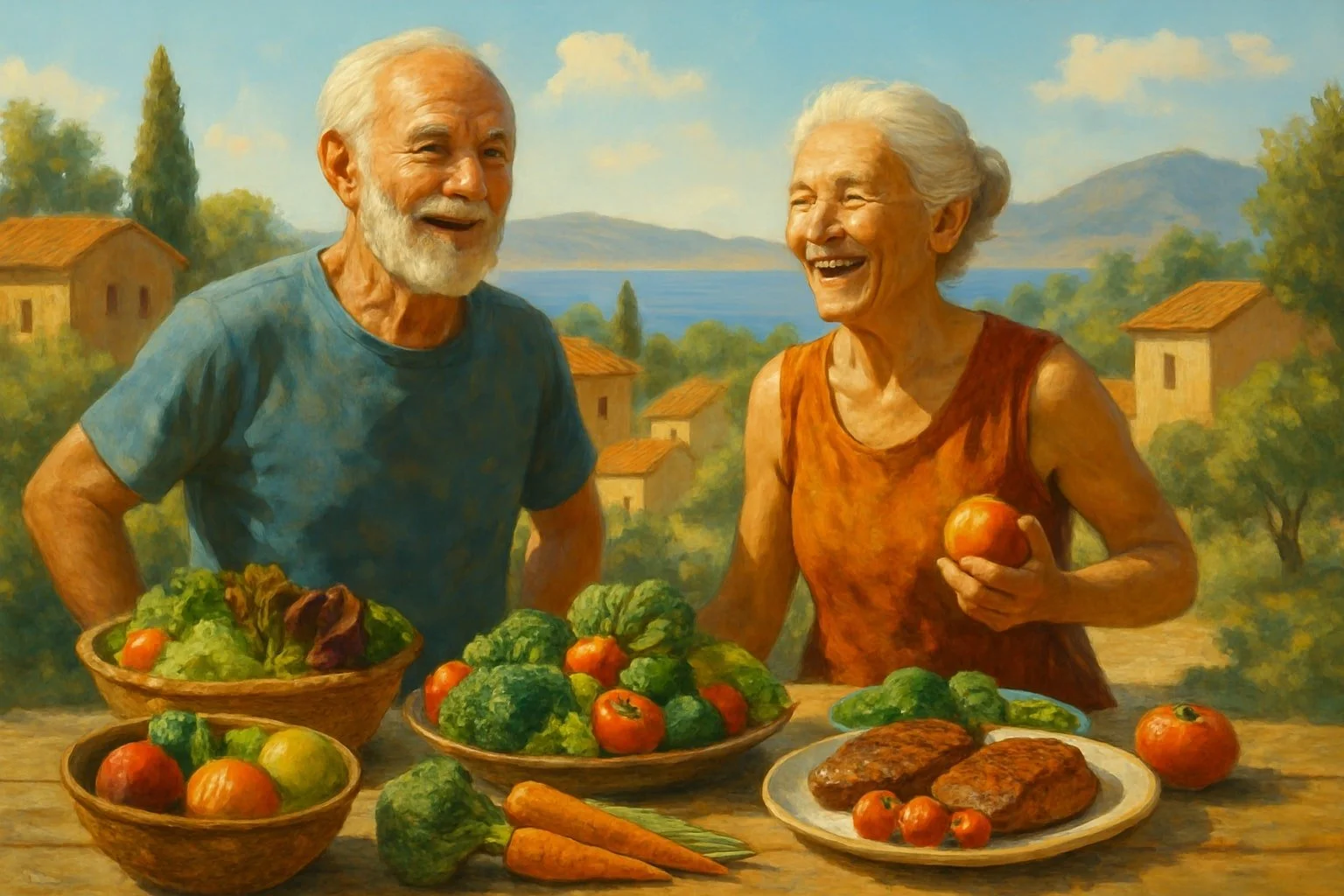
Claims about Blue Zones often appear in debates on diet and longevity, with many pointing to these regions as proof that eating less meat is key to a longer life. However, Blue Zones do not provide conclusive evidence that meat itself is harmful; rather, their people tend to eat meat in small amounts, alongside a diet rich in plants, whole grains, and healthy fats. The role of meat in these regions is more nuanced than often assumed, as it is typically consumed occasionally and not completely avoided.
When examining the actual eating habits in places like Okinawa, Sardinia, and Ikaria, researchers find that meat and animal products form a minor but consistent part of the overall diet. The narrative that Blue Zone longevity is solely due to plant-based eating oversimplifies a much more complex picture. Readers interested in the real relationship between meat consumption, health, and lifespan will find the details more complicated—and intriguing—than many headlines suggest.
What Are Blue Zones?
Blue Zones refer to specific geographic locations where people have notably high life expectancy and thrive into old age. These regions have drawn global attention for their unique combination of social, environmental, and lifestyle factors associated with healthy life and longevity.
Identifying Blue Zone Locations
There are five main Blue Zones identified as longevity hotspots. These include Okinawa (Japan), Sardinia (Italy), Loma Linda (California, USA), Nicoya Peninsula (Costa Rica), and Ikaria (also spelled Icaria, Greece). Each location has a population with a high proportion of centenarians—people who live to 100 years or more.
These regions are often rural or semi-rural, with tight-knit communities and lower rates of chronic diseases. The communities have features that encourage daily movement, social interaction, and purposeful living. The environments in these areas support healthy behaviors—often without relying on modern fitness or healthcare systems.
Origins of the Blue Zones Concept
The term "Blue Zones" was first popularized by Dan Buettner, a National Geographic fellow, in the early 2000s. Buettner and his team partnered with demographers and local researchers to identify and study places with an unusually high number of thriving older adults.
Their research was based on public health records, census data, and in-person interviews. To ensure credibility, the project emphasized reliable record-keeping and documentation of birth and death dates. The Blue Zones concept was designed to distill common habits and social structures that might contribute to extended life expectancy and low rates of age-related diseases.
The idea became popular through National Geographic articles and Buettner’s best-selling books, leading to ongoing debate about the methods and interpretation of data.
Key Characteristics of Blue Zones
Several consistent factors are found across Blue Zone communities. Many residents maintain strong social connections and live within what Buettner calls the "right tribe"—close networks that reinforce healthy behaviors.
A clear sense of purpose, sometimes called "ikigai" in Okinawa or "plan de vida" in Nicoya, is common. These individuals remain active through natural movement, such as walking or gardening, rather than structured exercise. Shared meals are often plant-forward, but animal products are included in varying amounts depending on local customs.
Community involvement, family bonds, and low stress levels are typical. Faith-based traditions are present in most Blue Zones, providing routine, belonging, and mental resilience. These characteristics, together with their dietary habits, contribute to the extended healthy life span seen in these regions.
Dietary Patterns in Blue Zones
People in Blue Zones tend to eat in ways that emphasize plant foods, showing consistent features across different regions. The details of their nutrition, meat consumption, and focus on balance provide important context for understanding their diets.
Predominance of Plant-Based Foods
Most Blue Zone populations get the majority of their nutrition from plants. Staples include vegetables, legumes, fruits, whole grains, and nuts. For example, beans and lentils are daily sources of protein in Okinawa and Ikaria.
Animal products do appear in these diets, but typically in small amounts and with notable moderation. In Sardinia and Ikaria, meat consumption is limited to small portions a few times per month. Dairy, particularly goat and sheep’s milk, and small amounts of fish are included, but make up only a minor segment of total calories.
Healthy fats are mostly derived from sources like olive oil and nuts rather than animal fats or highly processed oils. This plant-centric and balanced approach emphasizes nutrient-dense foods with limited added sugars or processed ingredients.
Blue Zones Diet Versus Western Diets
Compared to typical Western diets, Blue Zones diets are lower in meat, processed foods, and added sugars. Western diets tend to feature higher intakes of red and processed meats, refined grains, and unhealthy fats, whereas Blue Zones diets limit these items and rely more on whole foods.
Protein in Blue Zones comes mainly from plant sources—such as beans, lentils, seeds, and nuts—with occasional additions of fish, eggs, and dairy. The Mediterranean diet, especially in Sardinia and Ikaria, shares this emphasis on vegetables, legumes, and olive oil as key nutrition sources.
The Seventh-day Adventists in Loma Linda, California, exemplify a near-vegetarian diet, eating animal products rarely. Across all regions, moderation is a consistent theme, helping explain the lower rates of chronic disease and longer life expectancy.
Meat Consumption in Blue Zones
Meat is not excluded from Blue Zone diets, but it is eaten quite differently than in many Western countries. People in these regions practice moderation and rely on other healthy habits and sources of protein to support longevity.
Frequency and Quantity of Animal Products
Across Blue Zones such as Okinawa, Sardinia, Ikaria, and Loma Linda, residents eat animal products infrequently. Meat is often consumed only a few times per month or reserved for special occasions.
For example, in Sardinia and Ikaria, red meat typically appears in small portions as part of celebratory meals or family gatherings. In everyday life, smaller servings of animal protein—like eggs, dairy, or fish—are used to add flavor or variety rather than to dominate the plate.
A typical pattern is to use meat as a side dish, not the centerpiece. Dairy, such as fermented cheeses or yogurt, may be included sparsely, primarily from local sources. In Loma Linda, especially among Seventh Day Adventists, many choose a plant-based diet, but some include small amounts of dairy or fish a few times per month.
Table: Average Monthly Meat Intake (Approximate servings)
Location Frequency Serving Size Okinawa Rare (monthly) Small (<80g) Sardinia Occasional Small (<100g) Ikaria Occasional Small (<100g) Loma Linda Rare/never Small/none
Cultural Perspectives on Eating Meat
The role of meat in Blue Zones is shaped by traditions and a strong sense of community. Meals are social events, reinforcing moderation and mindful choices.
In Okinawa, the concept of “hara hachi bu”—eating until 80% full—shapes all food intake, including animal products. Meat is sometimes used in broths or as seasoning rather than a primary protein source, reflecting calorie restriction principles in daily habits.
In Sardinia and Ikaria, meat comes mainly from animals raised locally, often pasture-fed. This practice emphasizes quality and ethical sourcing but also limits availability, which encourages infrequent consumption. These communities value “eat wisely,” favoring foods that are nutrient-dense and prepared with care.
For Seventh Day Adventists in Loma Linda, religious and health beliefs promote plant-based eating. When meat or dairy is consumed, it follows strict moderation. Across all Blue Zones, the Power 9—principles that include healthy eating, social connections, and regular physical activity—help reinforce balanced dietary habits rather than strict prohibition.
Is Meat Harmful? Evidence from Blue Zones
Some Blue Zones populations include animal products in their diet, but meat is typically eaten in small portions and not daily. Research from these regions highlights the importance of moderation and dietary patterns over categorical exclusions.
Meat and Longevity: Observational Insights
Studies from Okinawa, Sardinia, and Ikaria provide valuable insights into the eating habits of the world’s longest-lived people. Meat consumption does occur, but often at modest levels—usually reserved for special occasions rather than forming the foundation of daily meals.
Data indicate that these communities follow a “plant slant,” focusing meals on vegetables, legumes, whole grains, and nuts. In Sardinia, for example, older adults might eat meat once or twice a week, supplementing predominantly plant-based plates.
Observational research finds low rates of chronic diseases like heart disease and certain cancers in Blue Zone areas. However, it is unclear whether this is due to limited meat intake, higher plant consumption, or other lifestyle factors such as regular physical activity and strong social connections. Skepticism remains about whether meat alone is significant in determining health and longevity.
Red Meat Versus Processed Foods
Differentiating between types of meat is crucial when evaluating nutrition’s impact on healthy aging and mortality. Red meat in Blue Zones tends to come from local, grass-fed sources and is minimally processed. Processed meats—like sausages and deli meats—are rarely consumed and, when present, appear in small quantities.
Studies associate high intake of processed foods with increased risk of chronic diseases, while occasional red meat consumption in these communities has not shown the same pattern. The context and quality of meat seem to matter more than simply its presence or absence in the diet.
Residents prioritize fresh, unprocessed foods and maintain low overall meat intake, which may help explain their exceptional life expectancy. The pattern suggests that processed foods, rather than moderate amounts of natural red meat, are more likely to be linked to negative health outcomes.
Broader Lifestyle and Social Factors
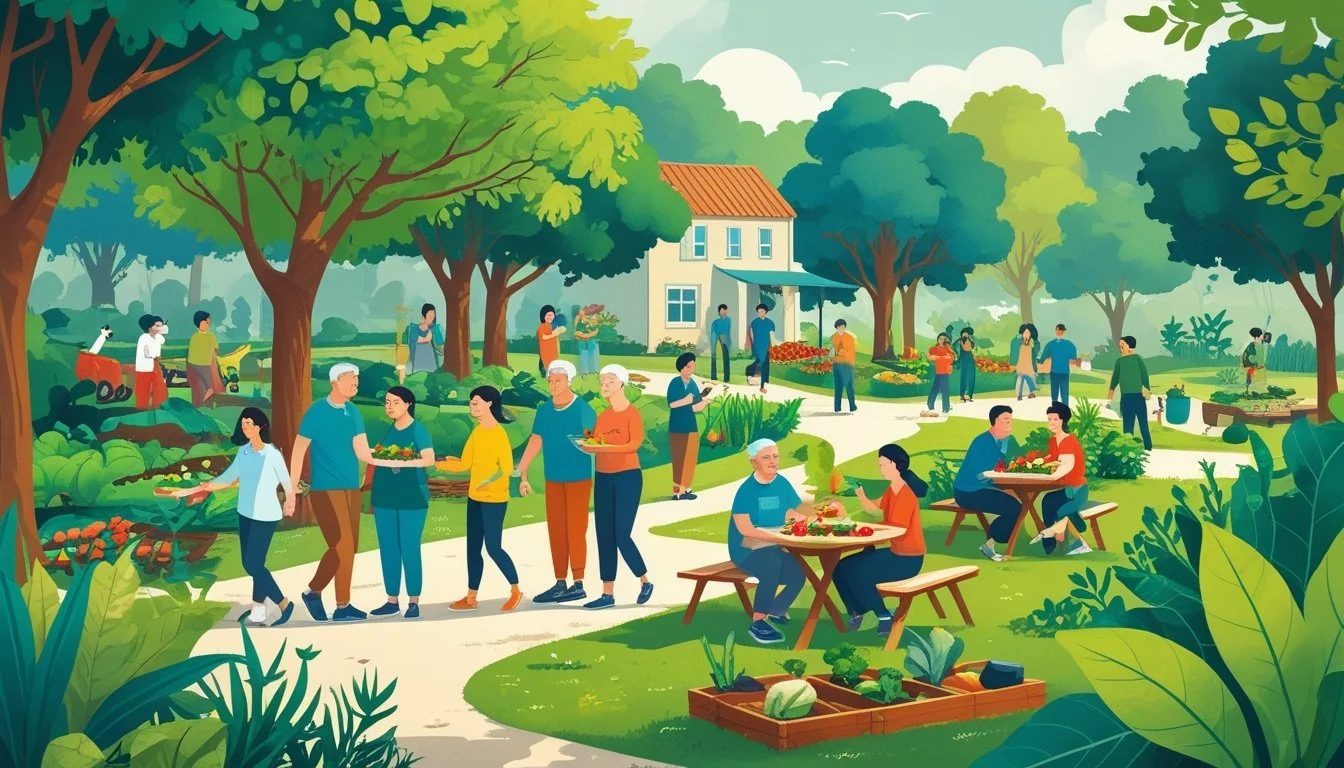
Healthy longevity in Blue Zones cannot be fully explained by diet alone. Daily routines, social habits, and community structures play critical roles in supporting low rates of chronic disease and extended lifespans.
Physical Activity and Natural Movement
Residents of Blue Zones typically integrate physical activity into their everyday lives rather than relying on formal exercise routines. Activities such as gardening, walking to nearby locations, and manual household chores are standard parts of the day.
Key lifestyle habits include:
Regular walking—to visit friends, markets, and fields
Daily tasks like tending animals or growing food
Minimal use of labor-saving technology—which encourages frequent movement
These patterns of natural movement steadily burn calories, keep joints mobile, and support cardiovascular health. The physical environment in these regions often encourages walking and discourages sedentary behaviors.
Unlike more sedentary societies, people in Blue Zones rarely sit for long periods. Their constant motion helps manage weight and reduce the risk of multiple chronic conditions. This approach to physical activity—that is spontaneous, functional, and embedded in lifestyle—sets Blue Zones apart from populations that rely mainly on structured exercise sessions.
Community, Purpose, and Belonging
Social factors are as vital as movement for enduring health in Blue Zones. Strong family ties, deep friendships, and an active sense of belonging contribute to lower stress levels and healthier aging.
Important community features include:
Close-knit social networks (what some call the “right tribe”)
Regular participation in shared rituals or gatherings
Support systems for healthy habits and emotional resilience
People in these regions consistently report a strong sense of purpose—often referred to in Okinawa as “ikigai.” This belief in purpose provides motivation and a reason to stay active. Community support systems reinforce positive health behaviors, offering accountability and emotional comfort.
Being part of an engaged community also helps reduce harmful stress. This combination of purpose, community connection, and supportive culture has clear links to both physical and mental health, regardless of specific dietary choices.
Role of Moderation and Dietary Balance
Dietary patterns in Blue Zones reflect a focus on moderation and a balanced intake of nutrients. This approach encourages mindful eating practices and includes specific habits that support a healthy diet and long-term well-being.
The 80% Rule and Moderation Strategies
Residents in Blue Zones often follow the "80% rule," known as Hara Hachi Bu in Okinawa. This means stopping eating when they feel about 80% full, instead of overeating. This simple habit helps prevent excess calorie intake and supports healthy body weight maintenance.
Moderation also applies to the types of food they eat. Meat, if consumed at all, is typically limited to small portions and eaten infrequently—often only a few times per month. Favoring plant-based foods, they also incorporate healthy fats like olive oil and small amounts of nuts and seeds, avoiding most processed foods and high-sugar options.
By combining smaller portions and less frequent indulgence in heavy foods, these communities maintain healthier metabolic profiles and lower rates of diet-related diseases. They do not eliminate entire food groups but practice portion control and self-restraint as daily routines.
Balanced Eating and Health Recommendations
A typical Blue Zone diet prioritizes whole foods such as vegetables, fruits, legumes, and whole grains. Protein mainly comes from plant-based sources, like beans and lentils, with animal products used sparingly. Healthy fats are sourced from olive oil, nuts, and seeds, rather than seed oils or heavily processed fats.
Balanced eating in these regions means not only variety but also choosing less-refined, nutrient-dense foods. Eating patterns emphasize meals that are high in fiber and antioxidants, which are linked to reduced risk of chronic illness.
Public health guidelines often align with these principles, recommending diets rich in plant foods and low in processed items. These recommendations suggest that moderation and food quality play important roles in supporting overall health, independent of whether meat is eaten regularly or avoided entirely.
Limitations and Controversies
Debates regarding Blue Zones touch on data reliability, the influence of cultural storytelling, and the role of alternative variables like genetics. These issues shape perceptions of diet, especially around meat consumption and plant-based eating.
Genetics and Record-Keeping Accuracy
Many claims about extreme longevity in places such as Okinawa and Sardinia are difficult to verify due to inconsistent or poor historical record-keeping. Census inaccuracies, lost birth records, and demographic quirks have potentially inflated the number of centenarians reported in these areas.
Genetic factors play a notable role in longevity, influencing responses to different diets, including both plant-based and meat-inclusive patterns. Studies show that genes can affect the risk of chronic diseases regardless of dietary habits.
Due to these factors, it’s a challenge to directly connect meat or plant-based diet choices to longevity without factoring in the limitations of available age data and the underlying genetic context.
Factor Relevance Genetics Modifies disease and longevity risk Record-keeping Affects accuracy of population claims
Narrative Versus Scientific Evidence
Many popular Blue Zones stories present the idea that minimizing meat is directly responsible for residents’ long life spans. These narratives are popularized by media outlets and personalities like National Geographic and Dan Buettner.
However, scientific evidence is mixed. Long-lived communities often have balanced diets that include moderate amounts of animal products alongside vegetables, legumes, and healthy fats. Correlation does not always indicate causation when it comes to chronic diseases and diet.
These regions share other important lifestyle factors—such as a sense of purpose, regular activity, and strong social bonds—that are frequently underemphasized in favor of dramatic dietary headlines.
Skepticism and Alternative Explanations
Skeptics highlight that the Blue Zones model may oversimplify complex cultural and biological factors. The focus on plant-based diets and limited meat consumption sometimes overlooks other variables that contribute to health and longevity.
Some researchers point to issues such as local healthcare systems, lower pollution, and active lifestyles as key drivers. Nutrients like B vitamins and protein from small servings of fish, dairy, or meat may support health as part of a diverse diet.
Alternative explanations challenge the idea that meat is inherently harmful, urging a broader analysis that includes all facets of lifestyle and context.
Conclusion: Interpreting the Lessons from Blue Zones
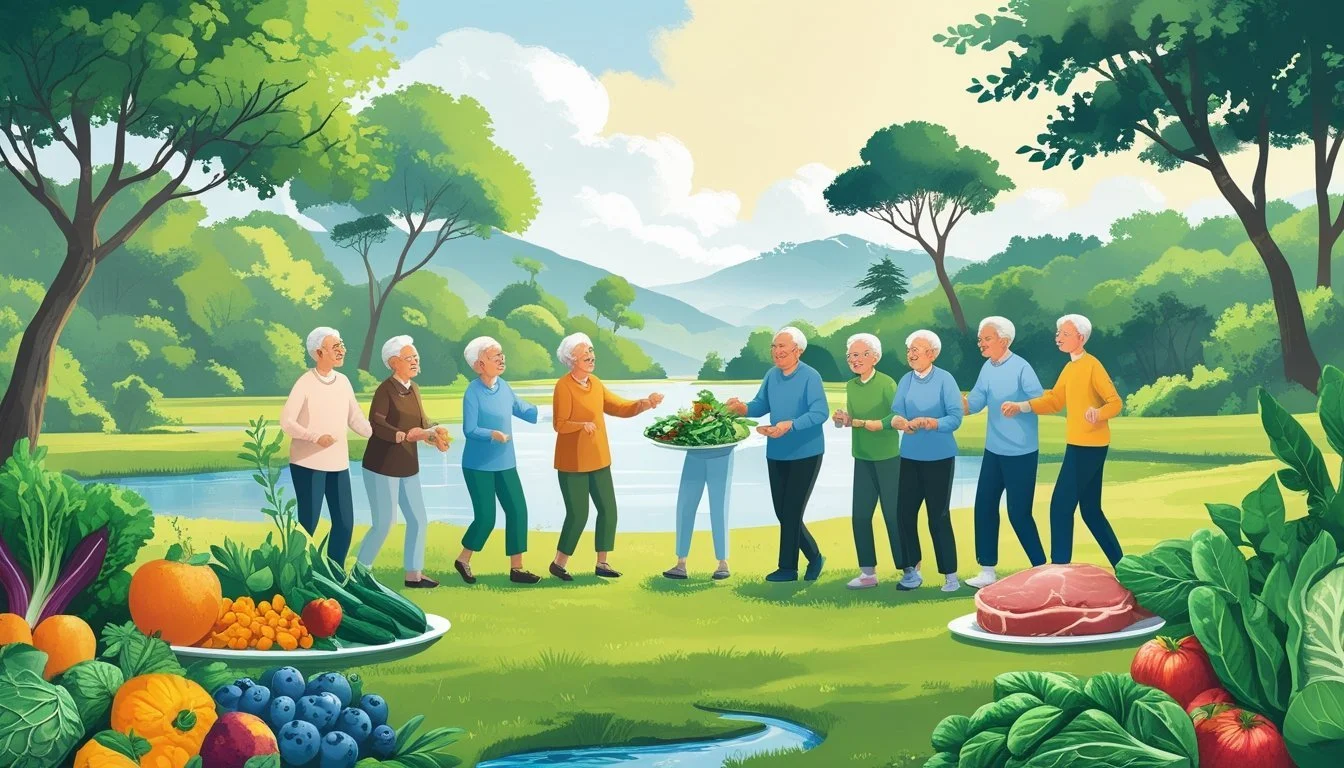
Blue Zones provide valuable insights into longevity, wellbeing, and what it may take to live to 100. These regions are often highlighted for their plant-forward diets and active lifestyles, but the narrative is more nuanced.
Studies show that while Blue Zones tend to eat less meat, it is not entirely absent from their diets. Small portions of animal products appear occasionally, often enjoyed in moderation rather than as everyday staples.
Key factors consistently seen in Blue Zones:
Mostly plant-based diets with beans, whole grains, and a variety of vegetables.
Regular, moderate physical activity throughout daily life.
Strong social connections and a sense of community.
Clear sense of purpose and routines for managing stress.
A focus on nutrient density and food quality, rather than strict avoidance of meat, stands out in the evidence. The data does not prove that meat itself is harmful; instead, it suggests that dietary patterns and lifestyle matter most.
Blue Zones can serve as inspiration, but context is essential. Genetics, culture, and environmental factors all play roles. The lessons are best interpreted as guidance for balanced living, not strict prescriptions or proof of harm from specific foods.

