
Carnivore vs. Veganism: Who’s Actually Malnourished and What Science Reveals

Both vegans and carnivore dieters can be at risk for malnutrition if their diets are not carefully planned. Nutrient deficiencies are possible among vegans, especially for vitamin B12, iron, omega-3 fatty acids, and calcium. On the other hand, highly restrictive carnivore diets can lack essential vitamins, fiber, and certain plant-based compounds that support long-term health.
The reality is that malnutrition isn't exclusive to either group; the risks depend more on the quality and variety of foods consumed than on the diet label itself. Understanding these risks empowers readers to make informed dietary choices and helps dispel common myths about both vegan and carnivore eating patterns.
Understanding Carnivore and Vegan Diets
Both the carnivore and vegan diets represent opposite ends of dietary philosophy, with highly distinct food sources and nutritional focuses. Each approach emphasizes strict adherence to animal-only or plant-only foods, affecting nutrient intake and eating patterns.
Defining the Carnivore Diet
The carnivore diet is based entirely on animal-derived foods. Typical meals include red meat, poultry, fish, eggs, and sometimes dairy. Plant foods such as grains, legumes, fruits, and vegetables are usually excluded altogether.
This animal-based diet provides complete proteins with all essential amino acids. Key micronutrients like iron, zinc, and vitamin B12 are abundant, as they are naturally concentrated in meats. However, the diet typically lacks dietary fiber, vitamin C, and phytonutrients found in plant foods.
Advocates point to potential benefits, such as improved satiety, straightforward food choices, and muscle gain. Criticisms focus on missing fiber, possible high cholesterol, and the exclusion of all plant nutrients.
Defining Veganism and Plant-Based Diets
Veganism excludes all animal products, including meat, dairy, eggs, and sometimes even honey. The diet relies on vegetables, grains, legumes, nuts, seeds, fruits, and plant oils.
A vegan or plant-based diet centers around whole foods but requires careful planning to cover nutrients like vitamin B12, iron, zinc, calcium, and omega-3 fatty acids. Sources of complete protein often include soy products, lentils, beans, and quinoa. Fortified foods and supplements are often used to avoid deficiencies.
Because plant-based diets are rich in fiber, antioxidants, and phytochemicals, they are associated with certain positive health markers such as lower blood cholesterol and reduced inflammation. Still, strict vegan diets need attention to essential nutrients available mainly in animal-based foods.
Differences in Dietary Patterns
The fundamental difference in dietary patterns lies in food choices and exclusions. The carnivore diet consists only of animal-based foods and no plant material, while veganism excludes all animal-derived foods and focuses on plant-based sources.
Comparison Table:
Diet Type Allowed Foods Excluded Foods Key Nutrient Focus Carnivore Meat, poultry, fish, eggs, dairy All plants (fruits, vegetables) Protein, B12, iron, zinc Vegan Fruits, veggies, grains, legumes All animal-derived foods Fiber, antioxidants, B12*
*B12 must be obtained through fortified foods or supplements on a vegan diet.
Food variety and nutrient diversity differ greatly between the two diets. These distinctions strongly influence the risk of deficiencies or nutrient excess, depending on diet quality and individual choices.
Nutritional Requirements and Essential Nutrients
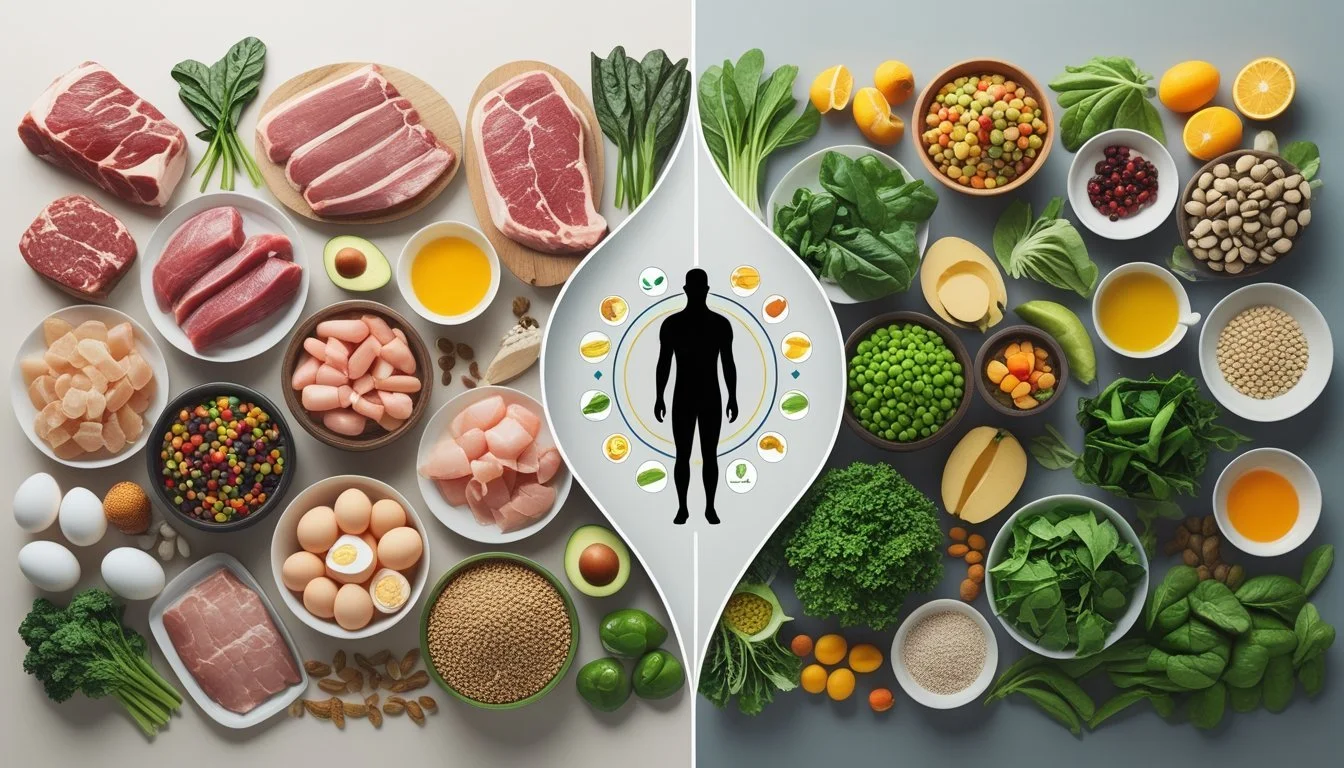
The carnivore and vegan diets supply nutrition in very different ways, impacting the intake of certain key nutrients. Each diet has strengths and limitations in providing protein quality, essential fats, and micronutrients such as vitamin B12, iron, and omega-3 fatty acids.
Macronutrient Needs: Protein, Fats, and Carbohydrates
Protein quality differs sharply between the two diets. The carnivore diet supplies complete proteins that contain all essential amino acids, supporting muscle maintenance and immune function. Vegan diets rely on plant proteins, which are often lower in one or more essential amino acids. Research suggests vegans may need around 20% more protein due to lower digestibility and protein quality compared to omnivores.
Fat intake also varies. Carnivores consume high levels of saturated and unsaturated animal fats, including cholesterol. Vegan diets provide fats mostly from plants, which are richer in unsaturated fats and free from cholesterol. However, vegans may lack direct sources of long-chain omega-3 fatty acids (EPA and DHA) unless they consume algae-based supplements.
The carbohydrate content is typically low to negligible on a carnivore diet, potentially leading to ketosis. In contrast, vegan diets are naturally higher in carbohydrates, mostly from whole grains, fruits, and vegetables, contributing to higher dietary fiber intake.
Nutrient Carnivore Vegan Protein quality Complete (all amino acids) Incomplete; combine sources Omega-3s Present (EPA, DHA) Need algae or supplements Fiber Absent Abundant
Micronutrient Needs: Vitamins and Minerals
Some micronutrients are far more abundant or bioavailable in animal or plant foods. Diets that exclude entire food groups risk deficiencies without careful planning.
Carnivore diets easily meet needs for vitamin B12, heme iron, and zinc, all highly bioavailable from animal foods. They lack dietary fiber and may fall short in vitamin C, some forms of vitamin E, and specific phytonutrients only found in plants.
Vegan diets provide fiber, vitamin C, and many antioxidants but require supplementation or fortified foods for vitamin B12, which is only found in animal products. Iron from plants (non-heme iron) is less efficiently absorbed than heme iron. Calcium, iodine, and vitamin D are additional concerns on vegan diets, particularly if dairy and iodized salt are not consumed.
Micronutrient Carnivore Vegan Vitamin B12 High Must supplement/fortify Iron Heme, high uptake Non-heme, lower uptake Calcium Moderate May be low; needs fortified sources Iodine Variable Needs seaweed or iodized salt Vitamin D Present in fatty fish Mostly requires supplementation
Analyzing Nutritional Deficiencies
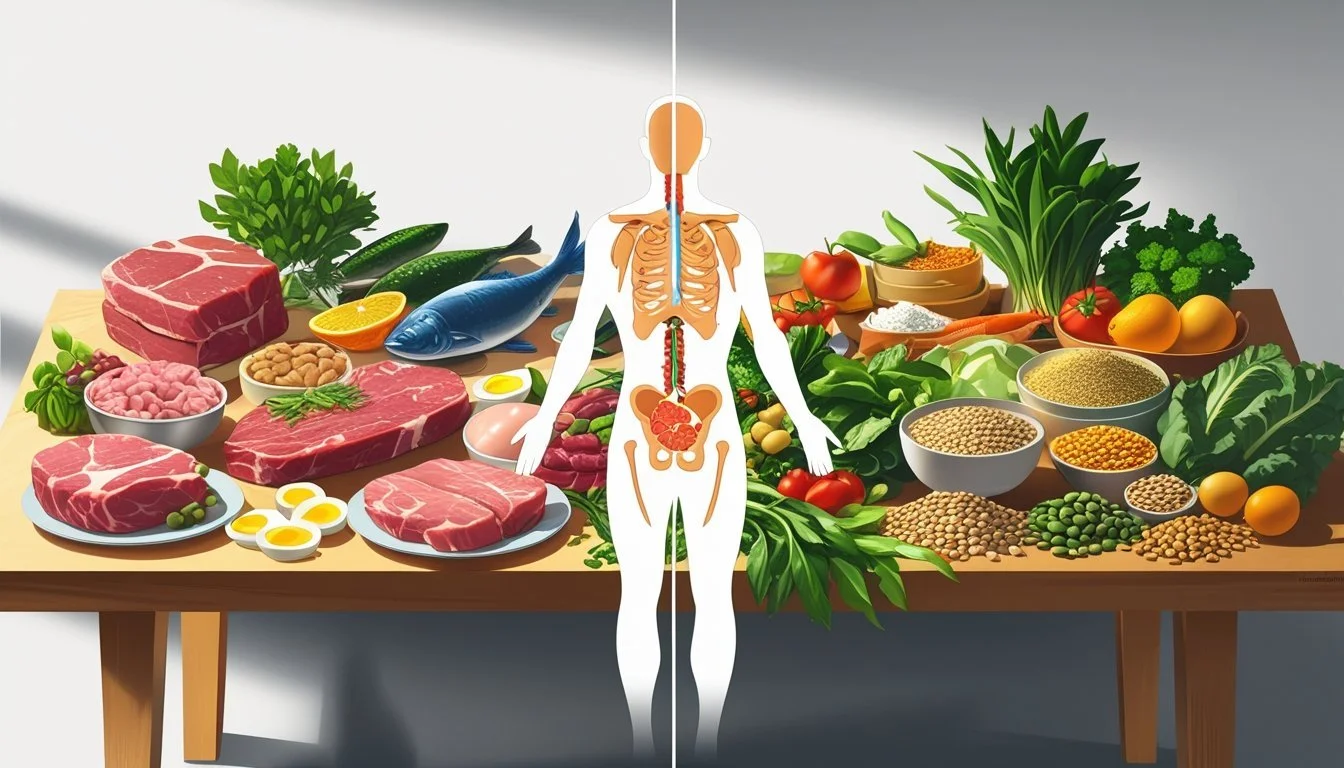
Carnivore and vegan diets can both lead to specific nutrient deficiencies if not properly planned. Each diet poses unique risks and requires careful attention to essential vitamins and minerals.
Common Deficiencies in Carnivore Diets
Carnivore diets eliminate virtually all plant foods, removing common sources of nutrients like vitamin C and fiber. A lack of dietary fiber is a consistent concern, increasing the risk of digestive issues such as constipation and diverticulosis. Vitamin C deficiency, while rare if organ meats are consumed, can still occur and lead to scurvy over time.
Other potential deficiencies include vitamin K (particularly K1, mostly found in green plants) and magnesium. While animal foods are rich in zinc, iron (heme), and vitamin B12, the absence of diverse food sources makes micronutrient imbalances possible. Low intake of phytonutrients and absence of plant-based antioxidants may also affect long-term health.
Common Deficiencies in Vegan Diets
Vegan diets exclude all animal products, which makes vitamin B12 deficiency a prominent risk. B12 is only found naturally in animal foods, so supplementation is necessary. Studies indicate deficiencies in iron (especially in menstruating women), calcium, zinc, iodine, omega-3 fatty acids (EPA and DHA), and vitamin D are also more common among vegans.
Table: Common Nutrient Deficiencies in Vegan Diets
Nutrient Key Source (non-vegan) Vegan Risk Vitamin B12 Meat, eggs, dairy High Iron (heme) Red meat, poultry Moderate-High Calcium Dairy Moderate Zinc Meat, seafood Moderate Iodine Fish, dairy Moderate Omega-3 (EPA/DHA) Fish oil, eggs High Vitamin D Oily fish, eggs Moderate-High
Supplementation or fortified foods are often recommended to address these gaps. Without intervention, risks include anemia, bone loss, and impaired neurological function.
Comparative Risks of Malnutrition
Both carnivore and vegan diets can result in malnutrition if only limited foods are consumed over time. Carnivore diets are less likely to produce deficiencies in vitamin B12, heme iron, and zinc, but are more likely to lack fiber, vitamin C (if organ meats are not consumed), and certain antioxidants.
Vegan diets excel in fiber, phytonutrients, and antioxidants but are at higher risk for vitamin B12 and omega-3 deficiencies. Iodine and calcium intake can also be suboptimal in unsupplemented vegan diets.
Monitoring nutrient status and supplementing when necessary help reduce malnutrition risks in followers of both diets. Strategic planning and awareness of common pitfalls are essential for maintaining nutritional adequacy.
Health Impacts and Disease Risk
Dietary patterns such as carnivore and vegan diets impact disease risk in different ways. Specific health outcomes—like the risk of heart disease, cancer, and diabetes—are influenced by each diet’s nutrient content and food choices.
Heart Health and Chronic Disease
A vegan diet is linked to lower rates of heart disease and other cardiometabolic conditions such as type 2 diabetes. Studies show that vegans typically have lower LDL cholesterol, lower blood pressure, and a reduced risk of obesity compared to those following animal-based diets.
Key nutrients, including fiber, antioxidants, and plant sterols, may help protect against heart disease. However, vegans can be prone to deficiencies in vitamin B12, iron, and omega-3s, which are critical for heart and nervous system health.
Carnivore diets, comprised almost entirely of animal products, often result in higher saturated fat and cholesterol intake. While some carnivore advocates report stable or improved blood lipid profiles, clinical evidence suggests higher consumption of red and processed meat can elevate the risk of heart disease and other chronic conditions.
Diet Type LDL Cholesterol Blood Pressure Fiber Intake Chronic Disease Risk Vegan Lower Lower Higher Lower CVD, Diabetes Risk Carnivore Higher Variable Very Low Higher CVD Risk
Cancer Risk and Prevention
Plant-based diets, especially vegan diets, are associated with a lower risk of certain cancers, including colon and breast cancer. High intake of fruits, vegetables, legumes, and whole grains provides antioxidants and phytochemicals that may reduce cancer risk by decreasing inflammation and oxidative stress.
Vegans may also benefit from higher fiber intake, which has been linked to a reduced incidence of colon cancer. Processed and red meat consumption, common in a carnivore diet, has been classified as carcinogenic or probably carcinogenic by health organizations.
Some nutrients lacking in vegan diets, such as vitamin B12 and iron, can affect immune function, but there is no solid evidence linking these issues directly to increased cancer risk. Instead, excess intake of animal fats and proteins, frequent in carnivore diets, may raise the risk of several cancers.
Diabetes and Blood Pressure
A vegan diet is connected to lower rates of type 2 diabetes and more favorable blood pressure control. Plant foods are usually low in saturated fat and high in dietary fiber, which helps with blood sugar regulation and sodium balance.
Clinical trials and observational studies show vegans have a reduced risk of developing high blood pressure and insulin resistance. Fiber-rich foods like legumes and whole grains can blunt spikes in blood glucose after meals.
Carnivore diets, which lack fiber and are often high in saturated fats and sodium, may contribute to increased blood pressure and higher diabetes risk for some. While reduced carbohydrate intake on carnivorous diets may provide short-term improvements in blood sugar for certain individuals, the lack of plant foods may pose long-term risks for metabolic health.
Digestive and Gut Health
Digestive health is shaped by food choices, such as consuming a purely animal-based or plant-based diet. Their effects range from inflammation risk to the diversity of gut bacteria and rates of common digestive complaints.
Digestive Issues and Inflammation
The carnivore diet, based on animal foods and almost no carbohydrates, is often high in protein and fat. This can trigger short-term digestive issues, such as constipation or diarrhea, especially during the adaptation period. Some followers also report relief from bloating or specific food sensitivities due to the elimination of fiber and plant compounds.
In contrast, vegan diets provide a high intake of plant foods, which can cause gas and occasional bloating. However, the same plant foods contain phytonutrients and fiber linked to lower chronic inflammation.
Current scientific evidence suggests that plant-heavy diets may reduce the risk and severity of diseases linked to inflammation (e.g., ulcerative colitis, heart disease). Conversely, extremely high intakes of animal-based products may increase certain inflammatory markers for some people.
Role of Dietary Fiber and Plant Foods
Dietary fiber, present only in plant-based foods, is a key element for healthy bowel function. It promotes regularity, softens stools, and feeds beneficial gut bacteria. Insoluble fiber from vegetables and whole grains speeds up transit time, while soluble fiber from legumes and fruits helps regulate blood sugar and cholesterol levels.
Those following the carnivore diet consume little to no fiber, potentially leading to more frequent constipation or altered gut motility over time. Individuals with irritable bowel syndrome or certain gut sensitivities may temporarily feel better without fiber, but long-term impacts are not fully understood.
Plant-based diets typically exceed fiber intake recommendations, supporting improved colon health and a lower risk of diverticular disease, hemorrhoids, and colorectal cancer. A comparison:
Diet Fiber Content Effect on Stool Notable Risks Carnivore None Harder Possible constipation Vegan High Softer, larger Occasional bloating/gas
Gut Health and Microbiome
Gut health is closely tied to the diversity of the gut microbiome, which is shaped by the variety and type of foods consumed. Plant-based diets, rich in fiber, polyphenols, and resistant starches, promote a wider array of beneficial gut bacteria. These bacteria produce short-chain fatty acids that contribute to gut lining integrity and immune health.
A carnivore diet, lacking dietary fiber, tends to reduce microbiome diversity and may favor bacteria that thrive on protein and fats. Some small studies show shifts toward less diverse bacterial populations in people avoiding plant foods entirely.
Long-term changes in gut flora due to diet may influence not just digestive symptoms but also immune response and risk of metabolic diseases. Balancing intake of both animal and plant foods may provide a broader spectrum of microbial benefits to human gut health.
Performance, Mental Clarity, and Energy
Carnivore and vegan diets impact body composition, mental focus, and energy through different mechanisms. Key differences include nutrient content, effects on muscle and fat mass, and how each approach supports daily functioning.
Physical Health and Body Composition
Individuals following a carnivore diet typically consume high amounts of protein and saturated fat, supporting muscle mass and strength. Lower carbohydrate intake may lead to reduced body fat for some, but the lack of plant fiber can influence digestive health and cholesterol levels.
Vegans often eat more carbohydrates and fiber, which may support healthy cholesterol and digestive regularity. However, without careful planning, vegan diets can lack certain nutrients like vitamin B12, iron, and DHA, which may affect muscle recovery and bone health over time.
Comparing both, those on a balanced carnivore diet may see increased muscle retention, while vegans often experience better digestion and, in some cases, lower body weight. Outcomes largely depend on food variety and nutrient supplementation.
Mental Health and Emotional Well-Being
Mental health outcomes differ with each diet due to nutrient variations. Some studies suggest that deficiencies in vitamin B12, omega-3 fats, and iron—more common among vegans—can impact mood and cognitive function, potentially leading to symptoms such as fatigue or poor concentration.
On a carnivore diet, abundant intake of these brain-supportive nutrients may support mental clarity for some. However, the diet’s rigidity and lack of plant compounds like polyphenols and fiber may affect the gut-brain axis, which is increasingly linked to emotional well-being.
Both diets can support mental health when carefully managed. Supplementation and attention to nutrient diversity are critical, especially for vegans, to reduce risks of mood disturbances and cognitive concerns.
Energy Levels and Weight Management
Carnivore diets often promote stable energy due to low carbohydrate intake, which may prevent rapid blood sugar spikes and crashes. Some individuals report feeling more alert, though others may experience reduced endurance for high-intensity activities.
Vegan diets, high in complex carbohydrates, tend to provide consistent energy throughout the day and may benefit endurance athletes. The high fiber content also promotes satiety, aiding in weight management and potential weight loss.
A summary comparison:
Diet Type Typical Energy Source Impact on Weight Fiber Content Carnivore Fats/Proteins May support fat loss Very low Vegan Carbohydrates/Fiber Often promotes weight loss High
Success with either approach depends on meeting all essential nutrient requirements to prevent fatigue and support a healthy metabolism.
Protein Sources and Quality
Protein is a central focus in both the carnivore and vegan diets but the sources, quality, and amino acid profiles they provide are quite different. These differences can affect how the body uses protein for muscle repair, immune function, and overall health.
Animal-Based Versus Plant-Based Protein
Animal-based foods such as meat, poultry, fish, eggs, and dairy are the sole protein sources on a carnivore diet. These foods are considered “complete proteins” because they contain all essential amino acids in the proportions required by the human body.
Plant-based foods provide protein from beans, lentils, tofu, grains, seeds, and nuts. However, most plant proteins are “incomplete,” lacking one or more essential amino acids. Exceptions include quinoa, soy products, and some combinations of grains and legumes.
Vegans often need to consume a variety of plant-based foods throughout the day to ensure intake of all essential amino acids. This dietary pattern can require more careful planning compared to an animal-based approach, which provides complete protein in each serving.
Amino Acid Profiles and Protein Quality
Animal proteins have amino acid profiles that closely match human requirements. The digestibility of these proteins is also high, meaning the body can efficiently absorb and use them. For example, meat and eggs provide all nine essential amino acids in an easily absorbable form.
Plant proteins usually have lower digestibility. Studies estimate vegan protein quality at about 80% of that of animal sources. Limiting amino acids like lysine and methionine are more common in grains and legumes. To optimize protein quality, vegans may combine different sources, such as eating rice with beans.
The Protein Digestibility Corrected Amino Acid Score (PDCAAS) is often higher in animal products than plant foods. This metric reflects both amino acid composition and how well the body can utilize the protein, reinforcing the difference in protein quality between the two dietary patterns.
Potential Side Effects and Health Concerns
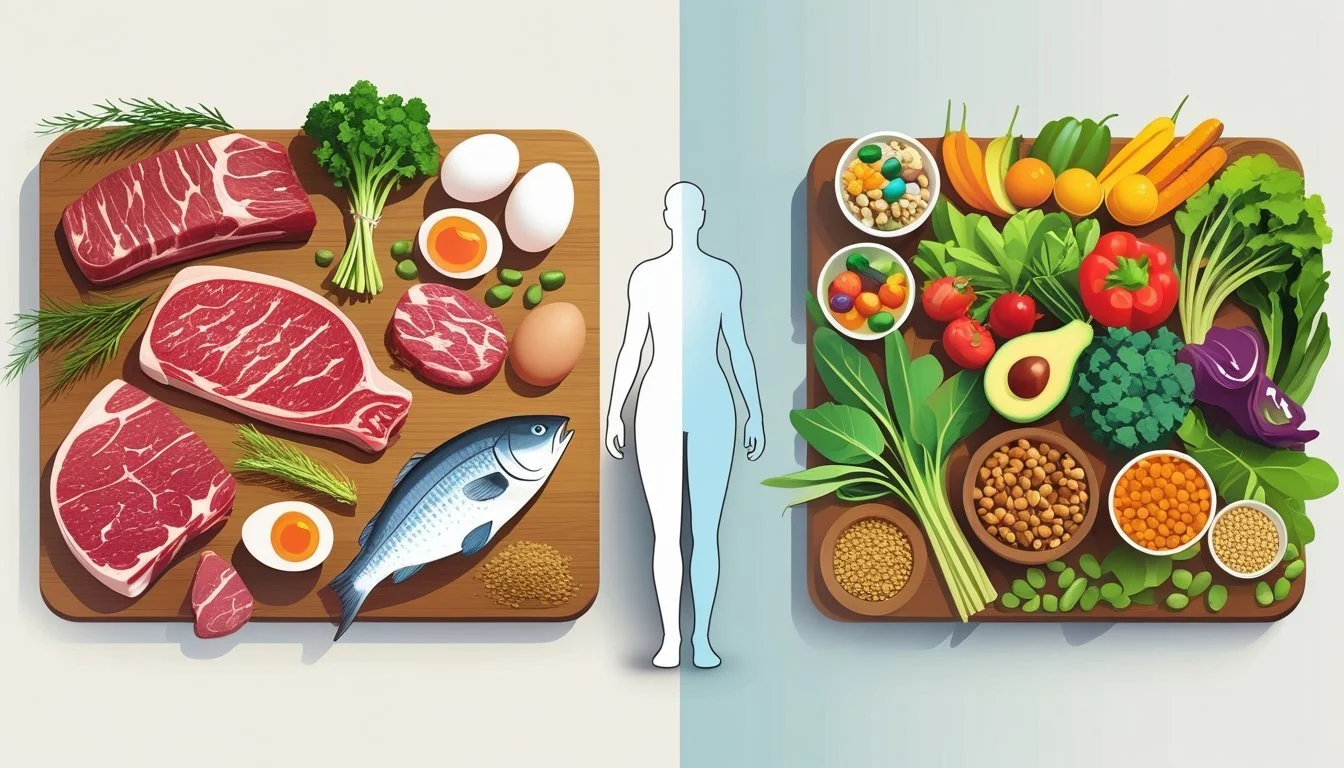
Both carnivore and vegan diets carry health risks tied to the nutrients they emphasize or lack. The effects of saturated fat, processed foods, antioxidants, and phytochemicals play a significant role in these concerns.
Risks of Excess Saturated Fat and Processed Foods
A strict carnivore diet is often high in saturated fat, which has been linked to elevated LDL cholesterol levels and increased risk of heart disease. Animal-based diets tend to have limited fiber, and the absence of plant foods may affect gut health.
Some followers of carnivore eating may rely on processed meats, which are associated with a higher risk of certain cancers and other chronic diseases. Nitrate-preserved meats and high salt intake can also increase blood pressure and cardiovascular risk.
In contrast, highly processed vegan foods—such as mock meats and packaged snacks—may contain added sugars, unhealthy fats, and artificial ingredients. These processed vegan options can undermine some benefits of plant-based diets if consumed frequently.
Antioxidants and Phytochemicals
Antioxidants are naturally found in fruits, vegetables, nuts, and seeds—foods excluded from the carnivore diet. These compounds, along with phytochemicals like flavonoids and carotenoids, support cellular health, reduce inflammation, and help protect against oxidative stress.
People adhering strictly to animal-only diets may have reduced access to these protective nutrients. This can potentially increase vulnerability to chronic inflammation and long-term health problems such as heart disease or cancer.
Vegans, by focusing on a variety of whole plants, typically consume abundant antioxidants and phytochemicals. However, poorly planned vegan diets could still lack diversity, reducing the intake of some beneficial compounds. A list of common sources includes:
Vitamin C: Citrus fruits, bell peppers
Polyphenols: Berries, dark chocolate
Carotenoids: Carrots, sweet potatoes
Consuming a variety of these foods is key to maximizing their protective effects.
Sustainability and Environmental Impact
A person's diet plays a major role in shaping the environment, affecting climate change, water supply, and land use. Comparing vegan and carnivore diets reveals significant differences in their sustainability and resource demands.
Greenhouse Gas Emissions and Climate Change
Greenhouse gas emissions vary widely between animal-based and plant-based diets. Data shows that meat and dairy products contribute much more to carbon dioxide, methane, and nitrous oxide emissions than plant-based foods. For instance, producing 1 kilogram of beef can emit over 25 times more greenhouse gases than the same amount of legumes.
Livestock farming drives significant methane emissions, especially from cattle. Animal feed production and manure handling add further emissions. By contrast, vegan diets rely heavily on grains, legumes, fruits, and vegetables, which generally have a much lower carbon footprint.
A 2023 Oxford study found that switching from a high-meat diet to a vegan one can reduce an individual's food-related greenhouse gas emissions by up to 75%. This reduction could make a notable difference in efforts to mitigate climate change if adopted on a large scale.
Animal Farming and Environmental Sustainability
Animal farming requires large amounts of land, water, and energy. For example, livestock grazing and feed production use about 80% of the world’s agricultural land, yet supply less than 20% of calories consumed by humans. Deforestation for pasture and feed crops further depletes habitats and accelerates biodiversity loss.
Water use is another concern. Producing a kilogram of beef uses over 15,000 liters of water, while most plant-based foods require only a fraction of that amount. Fertilizer runoff from feed crops can also cause pollution and dead zones in water bodies.
By contrast, plant-based diets generally allow for more efficient use of land and resources, supporting higher food yields per acre and minimizing ecological damage. Reduced reliance on animal products is consistently linked to improved environmental sustainability across multiple studies and reports.
Ethical and Social Considerations

Ethics and social dynamics play a significant role in debates around diet, especially when comparing carnivore and vegan choices. Concerns often center on animal welfare, humane practices, and the impacts of large-scale food production systems.
Animal Welfare and Humane Practices
Animal welfare is a central ethical concern for many people choosing veganism. The vegan approach favors avoiding animal products to reduce harm and suffering for sentient beings. This perspective sees animals as having inherent value, and opposes practices that exploit or harm them for food.
Conversely, supporters of carnivorous diets may argue that eating animal products is acceptable if animals are treated humanely and raised in good conditions. Some point to traditional or small-scale farming systems where animal welfare standards are higher than in industrial systems.
Certification standards such as "free-range" or "certified humane" attempt to address welfare issues on farms. However, these systems vary in rigor and outcomes. There are still ongoing debates about whether any animal farming can fully meet ethical concerns given the need for slaughter and use of animals.
Factory Farming and Food Production
Factory farming is common in both meat and some plant-based production, but it is a major ethical flashpoint for carnivore diets. Large-scale animal agriculture raises concerns about cramped conditions, routine antibiotics, and environmental damage caused by manure and feed production.
According to research, these systems often prioritize profit and efficiency over animal well-being. Issues like lack of access to outdoors, crowded housing, and mechanical handling are widely reported. Negative impacts include:
Higher incidence of disease among animals
Increased use of resources (water, grain, energy)
Air and water pollution from waste runoff
On the other hand, many vegan foods are produced through industrial agriculture with their own challenges, such as monocropping and pesticide use. Yet, plant-based diets generally have a lower environmental footprint and bypass the biggest animal welfare issues seen in intensive livestock farming.
Practical Considerations and Meal Planning
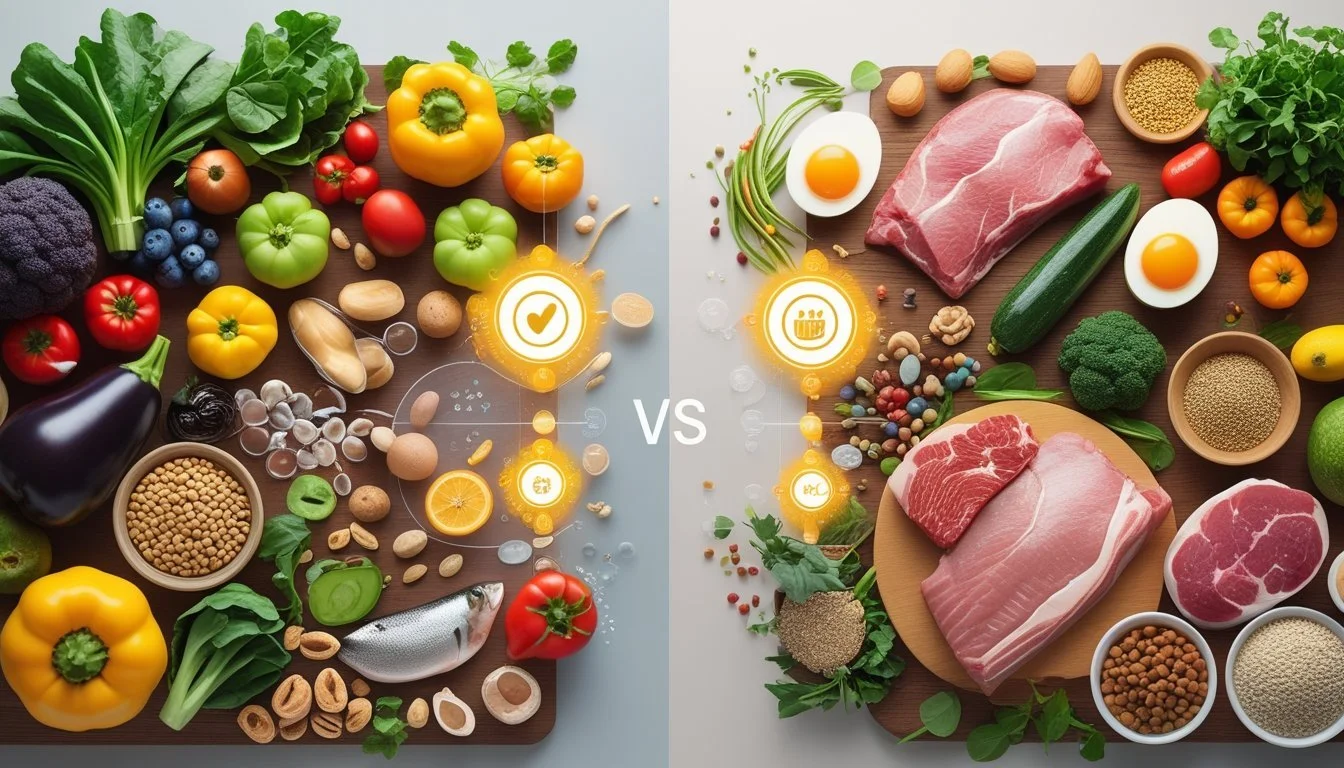
Meal planning for both the carnivore and vegan diets requires a focus on sourcing appropriate foods, ensuring nutritional adequacy, and navigating the real-life hurdles of cost, access, and social settings. Convenience, habit, and local food environments also play major roles in supporting adherence to either dietary pattern.
Meal Prep for Carnivores and Vegans
Carnivore diet meal prep centers on selecting quality animal products such as beef, chicken, eggs, fish, and occasional dairy. Most meals are simple, often requiring only basic cooking methods like grilling or broiling. Variety may be limited, but planning bulk purchases and freezing can reduce costs and effort.
Vegan meal prep typically includes a broader range of foods: legumes, grains, nuts, seeds, fruits, and vegetables. Many vegans rely on batch cooking and preparing components like beans or rice ahead of time. Managing time for chopping and cooking whole foods is important. Nutrient-dense snacks (such as hummus, nuts, and fruit) help maintain energy and prevent gaps in nutrient intake.
Aspect Carnivore Diet Vegan Diet Core foods Meat, fish, eggs, some dairy Legumes, grains, vegetables, nuts, seeds Prep methods Grill, roast, pan-fry Boil, steam, bake, sauté, raw
Accessibility and Social Factors
Those following a carnivore diet may find it easier to eat out, as most restaurants offer meat dishes. However, this can become difficult in regions where plant-based foods are the default or at social events excluding animal products. High-quality meat options can be expensive and less accessible in some areas.
Vegans often face social challenges at restaurants and gatherings, where options may be limited. Grocery stores in some locations may lack vegan alternatives or fresh whole foods. Vegan specialty products can be costly, and label reading is essential to avoid hidden animal ingredients.
Both diets require clear communication in social settings and advance planning to ensure dietary needs are met. Supportive social networks and access to ingredient variety can make adherence much easier.

