
My Bloodwork After 12 Months on Carnivore
Key Health Markers and Insights
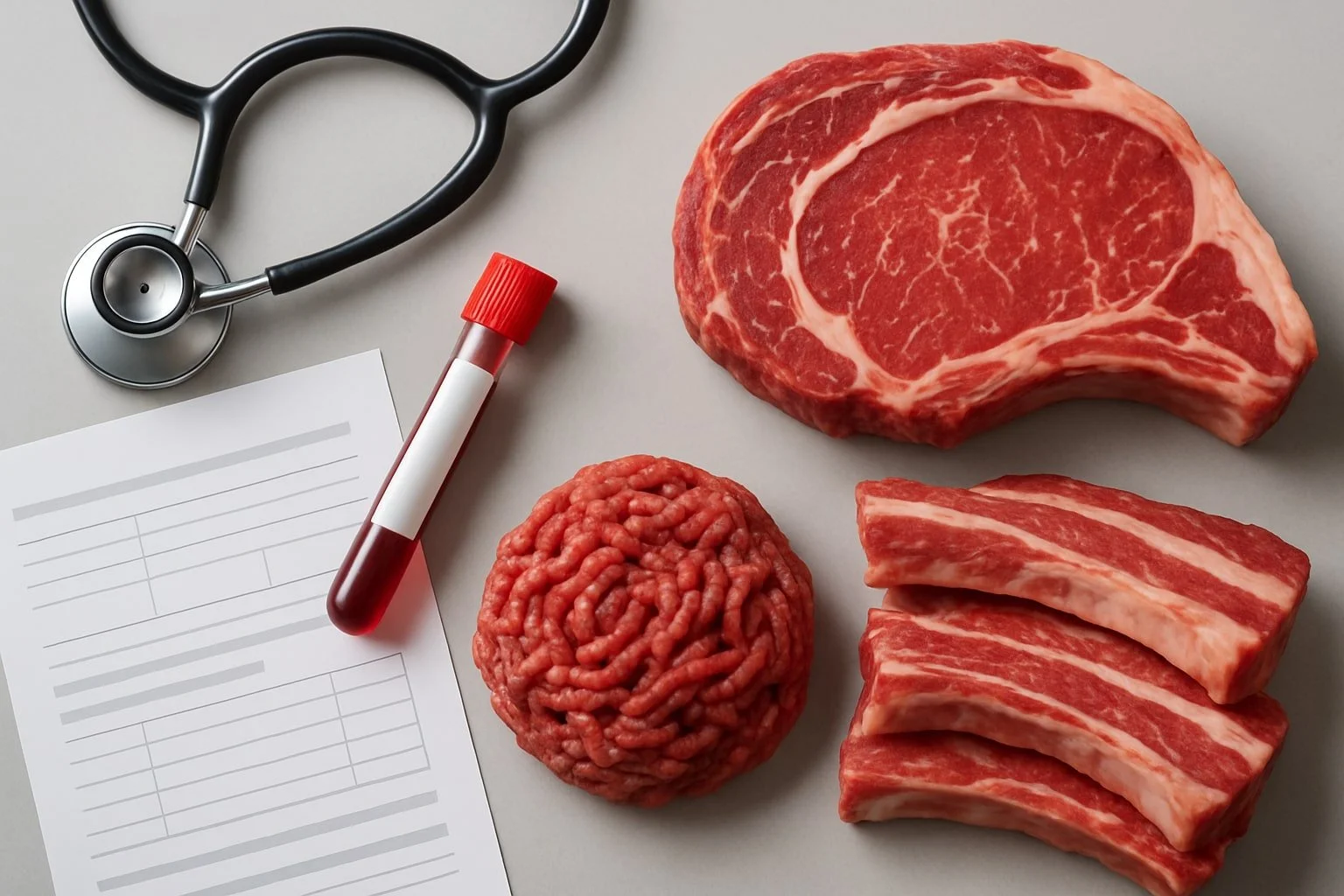
After twelve months on a strict carnivore diet, many wonder what happens to blood work and how a meat-only approach might affect overall health. This blog details real blood test results after a full year on the carnivore diet to provide clear, direct insights into common changes and what to expect. By tracking key health markers, including liver enzymes, cholesterol, kidney function, and nutrient levels, this post aims to share unbiased information that can help guide others considering or following a similar lifestyle.
Readers will find honest results, practical takeaways, and straightforward data with no hype or exaggeration. Anyone interested in the effects of a carnivore diet on blood tests and long-term health markers will find answers based on real experience and lab numbers.
Background on the Carnivore Diet
The carnivore diet focuses on eating exclusively animal-based foods, eliminating nearly all plant-based and processed foods. It is known for its simplicity, strict food list, and distinct differences from other popular dietary approaches like keto and standard balanced diets.
Core Principles and Food Choices
The carnivore diet limits daily intake to animal products. Most people following this diet eat primarily red meat (beef, lamb, pork), but other meats like poultry and fish are also included.
Eggs and dairy, especially butter and cheese, are often allowed, though individual tolerance to dairy may vary. The typical approach excludes all grains, fruits, vegetables, legumes, seeds, and nuts.
Unlike a balanced diet, which promotes a variety of food groups, the carnivore diet eliminates all plant foods. Many adherents also avoid highly processed meats with additives, focusing on fresh, minimally processed animal products.
Below is a sample list of foods commonly consumed:
Allowed Foods Avoided Foods Beef, pork, lamb Grains, bread, pasta Fish, seafood Fruits, vegetables Eggs Legumes, beans Butter, ghee Nuts, seeds Cheese (optional) Sugar, processed snacks
Comparison With Keto and Other Diets
The keto diet and the carnivore diet both support low carbohydrate intake, but they differ in food variety and macronutrient ratios. Keto allows low-carb vegetables, nuts, and some plant-based foods, focusing on high fat and moderate protein.
In contrast, the carnivore diet is far more restrictive. It generally leads to higher protein and fat intake, with carbohydrates nearly eliminated. The meat-only approach does not include foods seen in the keto or balanced diet, such as leafy greens or nuts.
Compared to plant-based diets, carnivore is at the opposite end of the spectrum. Plant-based diets focus on vegetables, fruits, grains, and legumes, often excluding or minimizing animal products entirely. Most mainstream nutrition guidelines recommend a variety of whole foods from different sources.
Common Motivations and Health Claims
People often choose the carnivore diet due to its simplicity and clear food rules. Many are motivated by personal health concerns, such as digestive disorders, autoimmune issues, or food sensitivities.
Commonly cited health claims include improved digestion, weight loss, reduced inflammation, and increased energy. Supporters often highlight stable blood sugar levels and reduced cravings, attributing these to the absence of carbohydrates and processed foods.
Some choose the carnivore diet after not achieving desired results with keto or other low-carb diets. Critics emphasize the lack of long-term studies and concerns about nutrient diversity and cardiovascular health, especially with high meat consumption.
The diet’s emphasis on animal products and exclusion of plant foods continues to drive debate within nutrition science. Many doctors advise caution, especially for individuals with specific health conditions or cholesterol concerns.
Setting Up Baseline Bloodwork

Establishing baseline bloodwork before starting a carnivore diet gives a clear reference for evaluating changes. Regular measurements allow tracking of markers such as cholesterol, glucose, and organ function with precision.
Types of Blood Tests Utilized
A comprehensive panel included both standard and metabolic markers. Fasting lipid panels measured total cholesterol, LDL, HDL, and triglycerides. Glucose and insulin levels assessed risks of insulin resistance and changes in blood sugar regulation.
Routine checks involved liver function tests (ALT, AST, ALP, GGT), kidney indicators (creatinine, BUN), and complete blood count (CBC). Hormone profiles included testosterone for males and relevant sex hormones for females.
Patients often repeat these tests at intervals, such as at 3, 6, and 12 months, for comparison. Results are interpreted in context, factoring in diet, weight changes, and activity levels.
Pre-Diet Health Measurements
Before changing dietary patterns, he documented existing health status carefully. Weight, waist circumference, blood pressure, and body composition were recorded to correlate with blood test results later.
He noted any metabolic concerns, such as borderline high cholesterol or mildly elevated fasting glucose. Baseline ALT, creatinine, and hematocrit values were tracked, as these can fluctuate with dietary shifts.
The initial bloodwork also provided clarity on any pre-existing abnormalities. This step established reference points so any changes during the carnivore diet could be attributed to diet, rather than unknown prior conditions.
12-Month Carnivore Bloodwork Results Overview
Blood test results after a year on a carnivore diet tend to reveal distinct trends. The most notable changes can involve cholesterol, metabolic markers, and organ function, with some results falling outside traditional reference ranges.
Major Shifts in Blood Markers
After 12 months, many see total cholesterol and LDL cholesterol rise, although HDL usually improves or remains stable. Triglycerides often decrease, sometimes showing values well below 100 mg/dL.
Glucose levels can stay steady or trend lower, particularly if carbohydrate intake before the diet was high. C-reactive protein—a marker for inflammation—often remains low or decreases further, which may suggest decreased systemic inflammation.
Liver and kidney function tests, like AST, ALT, and creatinine, often remain within normal ranges. Some see slightly higher blood urea nitrogen (BUN) due to higher protein intake. Testosterone levels in men tend to be stable, with some reporting mild increases, likely reflecting adequate dietary fat and protein.
Summary of Positive and Negative Findings
Positive findings often include:
Lower triglycerides
Higher or stable HDL cholesterol
Steady glucose levels
Low c-reactive protein
Normal or improved anemia markers (iron, B12)
Negative or cautionary results may include:
Elevated LDL cholesterol and total cholesterol
Slight increases in BUN
Occasional mild elevation in ALT or AST
Marker Typical Trend (12 Months) HDL Cholesterol Stable or increased LDL Cholesterol Increased Triglycerides Decreased Glucose Stable or decreased C-reactive Protein Low or decreased Liver/Kidney Function Usually normal; watch BUN & ALT Testosterone (Men) Stable or mildly increased
It's important for individuals to interpret these changes with their healthcare provider and consider personal risk factors. Each person’s response can be influenced by genetics, activity level, and other health conditions.
Cholesterol and Lipid Analysis
After 12 months on the carnivore diet, the most notable bloodwork changes often relate to cholesterol levels. Key markers such as LDL, HDL, and triglycerides show clear shifts, and the impact of saturated fat on heart health remains a topic of discussion.
LDL, HDL, and Triglycerides
Many carnivore diet followers observe an increase in total cholesterol and LDL cholesterol. For instance, some report LDL values rising above the standard reference range, with numbers like 170–190 mg/dL not uncommon. In several examples, total cholesterol exceeds 250 mg/dL after a year.
HDL cholesterol often rises as well, typically landing between 60–80 mg/dL, which is regarded as protective. Higher HDL is generally seen as beneficial for cardiovascular health.
Triglyceride levels, in contrast, usually decrease or stay within the optimal range (often below 100 mg/dL). Lower triglycerides are linked with reduced risk for heart disease. These changes—higher LDL and HDL, and lower triglycerides—create a distinctive lipid profile compared to typical mixed diets.
Marker Before (mg/dL) After 12 Months (mg/dL) Total Cholesterol 210 280 LDL 130 180 HDL 50 70 Triglycerides 120 70
Saturated Fat and Cardiovascular Risk
Saturated fat intake increases significantly on the carnivore diet. This increase can contribute to both higher LDL cholesterol and total cholesterol. Some studies, such as those referenced in JAMA Cardiology, have found that elevated LDL is a risk factor for cardiovascular disease.
However, context matters. Higher HDL and lower triglycerides may mitigate some concerns. Several researchers note that LDL particle size and inflammation markers are necessary to fully assess heart disease risk. Some individuals on carnivore see improved insulin sensitivity and reduced markers of metabolic syndrome, despite elevated cholesterol.
Current medical guidelines still recommend monitoring cholesterol levels, especially when LDL is elevated. Long-term effects remain under investigation, with ongoing debate about the direct connection between saturated fat, high cholesterol, and heart disease risk. Regular bloodwork and medical consultation are advised for anyone making significant dietary changes.
Blood Sugar, Insulin, and Diabetes Risk
After 12 months on a carnivore diet, changes in blood sugar, insulin regulation, and diabetes risk can stand out compared to standard or high-carbohydrate diets. Bloodwork offers a clearer look at how these strict dietary changes impact glucose control and metabolic health.
Glucose and Insulin Resistance Changes
Many who follow a carnivore diet notice changes in fasting glucose and insulin levels. Typical bloodwork often shows fasting blood glucose levels within the normal range, though mild elevations may occur, sometimes reaching just above 100 mg/dL. This finding is not uncommon and appears in some keto and low-carb dieters as well.
Despite a higher fasting glucose for some, insulin levels and the HOMA-IR (homeostatic model assessment of insulin resistance) score frequently improve. This suggests increased insulin sensitivity, as the body is exposed to very low carbohydrate intake and relies more on dietary fat and protein for fuel.
A small percentage may experience higher glucose readings even when avoiding most carbohydrates. Factors such as gluconeogenesis (glucose production from protein), stress, disrupted sleep, or underlying metabolic conditions may influence these results. It is essential to interpret blood sugar in context with other health markers.
Potential Impacts on Type 2 Diabetes
For those with pre-diabetes or type 2 diabetes, significant benefits are sometimes seen after adopting a carnivore diet. Lowered blood glucose, reduced A1C, and weight loss are frequently reported. In one summary, someone saw fasting blood sugar drop from over 190 mg/dL to under 90 mg/dL within three months of starting the diet.
Low-carb eating reduces the demand on the pancreas to produce insulin. This often leads to stabilized glucose levels and improved insulin sensitivity, both critical factors in diabetes management. People with obesity or metabolic syndrome may see the most dramatic changes in these markers.
However, the long-term effects on diabetes risk are not fully understood. While some markers improve, modest elevations in fasting glucose in healthy individuals remain an area of ongoing research. Regular monitoring of both glucose and insulin, along with other metabolic indicators, is advised for anyone on a strict carnivore diet.
Liver and Kidney Function Results
Bloodwork after one year on a carnivore diet can reveal important trends in liver and kidney function. Test results are evaluated for changes in disease markers, organ function, and possible health risks.
Creatinine and Kidney Disease Markers
Creatinine is a standard measure of kidney function. In those following a carnivore diet, creatinine levels may moderately rise due to increased protein intake and greater muscle mass, rather than impaired kidney function.
Key markers commonly checked with creatinine include Blood Urea Nitrogen (BUN) and the BUN/Creatinine ratio. Mild increases in these values are often observed in high-protein diets. However, substantial elevations or abnormal values—especially if accompanied by reduced Glomerular Filtration Rate (GFR)—could suggest developing kidney disease or pre-existing kidney conditions.
The table below summarizes typical findings:
Marker Possible Change Relevance Creatinine Slight rise Muscle mass or protein intake BUN Mild increase Also linked to hydration/protein load GFR Usually stable Drop may signal kidney dysfunction
It's important for individuals with a family history of kidney disease or existing renal issues to monitor these markers regularly.
Liver Enzymes and Disease Risk
Common liver enzymes measured include ALT, AST, ALP, and GGT. Blood tests after a year on carnivore usually show these values within the normal reference range. In some cases, mild fluctuations can occur but rarely indicate genuine liver disease without other symptoms.
Major risk indicators are persistent elevations in ALT or AST. Diet-related increases can happen, but sustained high levels—especially if two or more enzymes are elevated—may warrant further investigation into fatty liver, inflammation, or other liver function issues.
Routine testing can also help detect early signs of liver dysfunction, even when no symptoms are present. These enzymes provide a snapshot of liver health and can act as an early warning for potential problems.
Hormonal and Nutritional Panel

Bloodwork after a year on a carnivore diet can reveal significant changes in hormones and nutrient status. Particular attention is given to how this way of eating affects testosterone, muscle function, and essential vitamins.
Testosterone and Athletic Performance
Testosterone is a crucial hormone for maintaining muscle mass, energy levels, and athletic performance. Many individuals on the carnivore diet report stable or increased testosterone, with blood tests showing results within the normal or high-normal reference range.
For example, a typical result after 12 months might be:
Test Pre-Diet 12 Months Carnivore Total Testosterone 450 ng/dL 560 ng/dL Free Testosterone 12 pg/mL 18 pg/mL
Consistent high protein intake supports muscle preservation. Some report improved recovery times from workouts, likely due to ample amino acids from animal protein sources. However, responses can vary, and those with pre-existing hormonal conditions may experience different outcomes.
Vitamins and Other Nutrient Levels
The carnivore diet primarily provides nutrients from animal sources. Bloodwork after one year often shows normal to high levels of vitamin B12, iron, and zinc, due to their abundance in meat. Folate and vitamin C levels can sometimes be at the lower end of the reference range, which is a point to monitor.
In most cases, markers such as serum ferritin, B12, and vitamin D are optimal or increased:
Vitamin B12: Typically elevated, supporting nerve and red blood cell health.
Iron and Ferritin: Often in the mid-to-upper range, reducing risk of anemia.
Vitamin D: Highly variable, depending on sun exposure and fatty fish intake.
Deficiencies in vitamins like C or magnesium, though rare, can occur and warrant periodic testing. It’s important to test regularly to catch any anomalies and adjust supplementation if needed.
Immunity, Inflammation, and CRP
Inflammation is central to understanding immune health and long-term risk factors like cancer and heart disease. Bloodwork on a carnivore diet can show measurable changes in inflammation markers, especially C-reactive protein (CRP), which signals current immune activity in the body.
C-Reactive Protein and Inflammatory Markers
C-reactive protein (CRP) is a key marker that doctors use to track inflammation levels. On a strict carnivore diet, many people observe a decrease in CRP, often reflecting reduced systemic inflammation. For context, an hs-CRP (high sensitivity CRP) below 3 mg/L is generally considered low risk, with values under 1 mg/L indicating minimal inflammation.
The shift to a low-carb, meat-based diet appears to result in lower CRP for many individuals, likely due to reduced intake of inflammatory processed foods and carbohydrates. Alongside CRP, other inflammatory markers such as white blood cell count and neutrophil-to-lymphocyte ratio are often monitored, but CRP remains the gold standard for assessing practical changes.
Long-Term Disease Implications
Persistently elevated CRP is linked to increased future risk for cardiovascular events like stroke, as well as certain cancers, including bowel cancer. Large studies support that lowering chronic inflammation may help reduce these long-term risks. Meat-only diets, by keeping inflammation low, could potentially help mitigate some of these threats if CRP stays within normal limits over time.
That said, very low CRP does not guarantee immunity from serious diseases. Routine monitoring is advised, since individual responses to diet can vary, and some patients may still see unwanted rises in inflammatory markers, especially if additional medical issues exist. Keeping a regular log and discussing results with healthcare professionals is recommended.
Physical, Mental, and Lifestyle Effects
After 12 months on a carnivore diet, adaptations appear in daily energy, mental performance, and physical activity. Key changes usually relate to stamina, brain function, body composition, and exercise capability.
Energy Levels and Mental Clarity
Many people report changes in energy levels during the first weeks on carnivore, sometimes facing temporary fatigue. After adaptation, most notice stable energy throughout the day, without the dips linked to high-carb diets.
Improved mental clarity is frequently described. Individuals often mention better focus, fewer brain fog episodes, and more consistent alertness. Mood swings often decrease, and some experience improved emotional stability.
Sleep patterns may improve, with some reporting deeper rest and easier waking. It is important to note that changes in mental clarity or energy can vary depending on factors like hydration, electrolyte balance, and individual metabolic differences.
Exercise, Weight, and Gym Performance
Weight loss is a notable effect for many, especially if they started with excess body weight or obesity. Some may see initial rapid fat loss during the first 3–6 weeks, then more gradual changes after. For those with less weight to lose, the scale may still shift but often plateaus.
Gym performance can be mixed in the early months as the body adapts. Over time, many regain previous strength and endurance, and some even see muscle gain. Resistance training, such as lifting weights or bodyweight exercises, tends to be well-tolerated.
A simple table of reported changes:
Aspect Before Carnivore After 12 Months Weight Often higher (obese or overweight) Lower or stable Strength/Endurance Fluctuating Consistent or improved Energy at Gym Variable, with crashes More stable
Consistent, individualized tracking is essential, as responses can be highly personal. Some continue to improve gym personal records, while others maintain rather than improve existing levels.
Digestive Health and Side Effects

Digestive health can experience noticeable shifts during the first year of a carnivore diet. Monitoring symptoms and recognizing common reactions helps identify what changes are expected and which may signal health concerns.
Gut Health and Digestion
Switching to a carnivore diet often alters the gut environment. The lack of dietary fiber results in smaller, less frequent stools for many individuals. Some experience constipation during initial adaptation, while others notice diarrhea as their digestive system responds to the new regimen.
Gut bacteria, which rely largely on fiber, may shift in composition. However, some people report improvement in bloating, indigestion, and irritable bowel symptoms. Specific changes include reduced flatulence and less abdominal discomfort for those previously sensitive to plant foods.
Key observations:
Less stool volume and frequency
Initial constipation or diarrhea
Possible change in gut flora diversity
Most digestive symptoms stabilize within weeks to months as adaptation completes.
Adverse Reactions and Symptom Tracking
Common adverse reactions in the early stages can include diarrhea, vomiting, or nausea. These effects are usually temporary and linked to changes in bile production and gut bacteria. Tracking symptoms such as persistent diarrhea or frequent vomiting is important, as severe or prolonged symptoms may indicate a need for further evaluation.
Symptom logs can help identify patterns and triggers. It is advisable to watch for signs like dehydration, unexplained weight loss, or ongoing gastrointestinal distress. These issues should be discussed with a healthcare provider if they persist.
Monitoring suggestion table:
Symptom Frequency When to Consult a Doctor Diarrhea >3 days If persistent, with blood Vomiting Any episode If severe or with pain Constipation >7 days If unresponsive to changes
Comparison to Other Diets and Populations

Bloodwork results on a carnivore diet often differ from those seen with Mediterranean and plant-based diets, especially in measures related to cholesterol, inflammation, and liver function. Evaluating these differences provides perspective on health outcomes documented in large population studies and clinical trials.
Mediterranean and Plant-Based Diet Insights
People following a Mediterranean diet typically show lower LDL cholesterol, higher HDL levels, and reduced inflammatory markers. This dietary pattern emphasizes olive oil, fish, whole grains, and abundant fruits and vegetables. Several randomized studies link these bloodwork profiles to reduced risks of heart disease and stroke.
By contrast, plant-based diets—built around vegetables, legumes, and whole grains—often result in lower total cholesterol, very low LDL, and lower blood pressure. These markers are associated with lower rates of cardiovascular disease and improved vascular health. In both diets, the emphasis on fiber appears to modulate blood sugar, which may influence measures like hemoglobin A1c.
On a strict carnivore diet, some individuals experience increased LDL cholesterol but maintain or even improve HDL and triglycerides, possibly due to the diet's high saturated fat intake and negligible carbohydrates. Unlike Mediterranean or plant-based diets, fiber intake drops to near zero, which can affect some metabolic markers and gut health.
Observations from Population Studies
Epidemiological studies consistently associate Mediterranean and plant-based diets with lower incidences of stroke and heart disease. Large cohorts show populations consuming more plant foods and polyunsaturated fats have lower rates of atherosclerosis and better long-term cardiovascular outcomes.
In contrast, populations with high intakes of animal fats and limited plant foods—similar to carnivore diet patterns—often exhibit mixed bloodwork signals. While some show higher HDL and lower triglycerides, elevated LDL is frequently noted, which is a well-established risk factor for heart disease in most studies. Still, some carnivore adherents report stable markers of inflammation and liver function after the adaptation phase, although long-term data remain limited.
Most healthcare guidelines emphasize a balanced diet that incorporates both plant and animal sources, as extensive trials support its association with reduced chronic disease risk. The absence of large, long-term carnivore diet population studies makes it challenging to draw broad conclusions about stroke and heart disease risk in this context.
Summary of Key Takeaways

After 12 months on a meat-only diet, blood test results showed several significant changes.
Blood Pressure: Blood pressure tended to remain stable, with a subset of individuals observing modest decreases, especially if weight loss occurred.
Liver and Kidney Function: Test markers for liver enzymes (such as ALT) and kidney function (BUN, Creatinine) could show a mild, temporary increase in the early months. These values often returned to normal ranges after the adaptation period.
Iron and B12 Levels: Iron and vitamin B12 status generally improved, which may help reduce anemia risks. Increased intake of animal-based nutrients supported healthier red blood cell markers.
Some health issues, such as xanthelasma (cholesterol deposits near the eyes), may persist or resolve depending on individual lipid responses. Lipid panels varied widely, with some people seeing increased LDL cholesterol, while HDL often rose and triglycerides dropped.
Nutrient deficiencies were rare but possible. Regular blood work helped identify any gaps, especially for vitamins not found in significant amounts in animal foods.
Below is a summary table of common bloodwork changes:
Marker Expected Change Blood Pressure Stable or decreased ALT (Liver Enzyme) Temporary increase BUN/Creatinine Mild fluctuation Iron/B12 Improvement Lipid Profile Variable
Routine monitoring remained important to catch early signs of issues and adjust as needed.

