
Debating the Complete Protein Argument
Examining Myths and Nutrition Facts
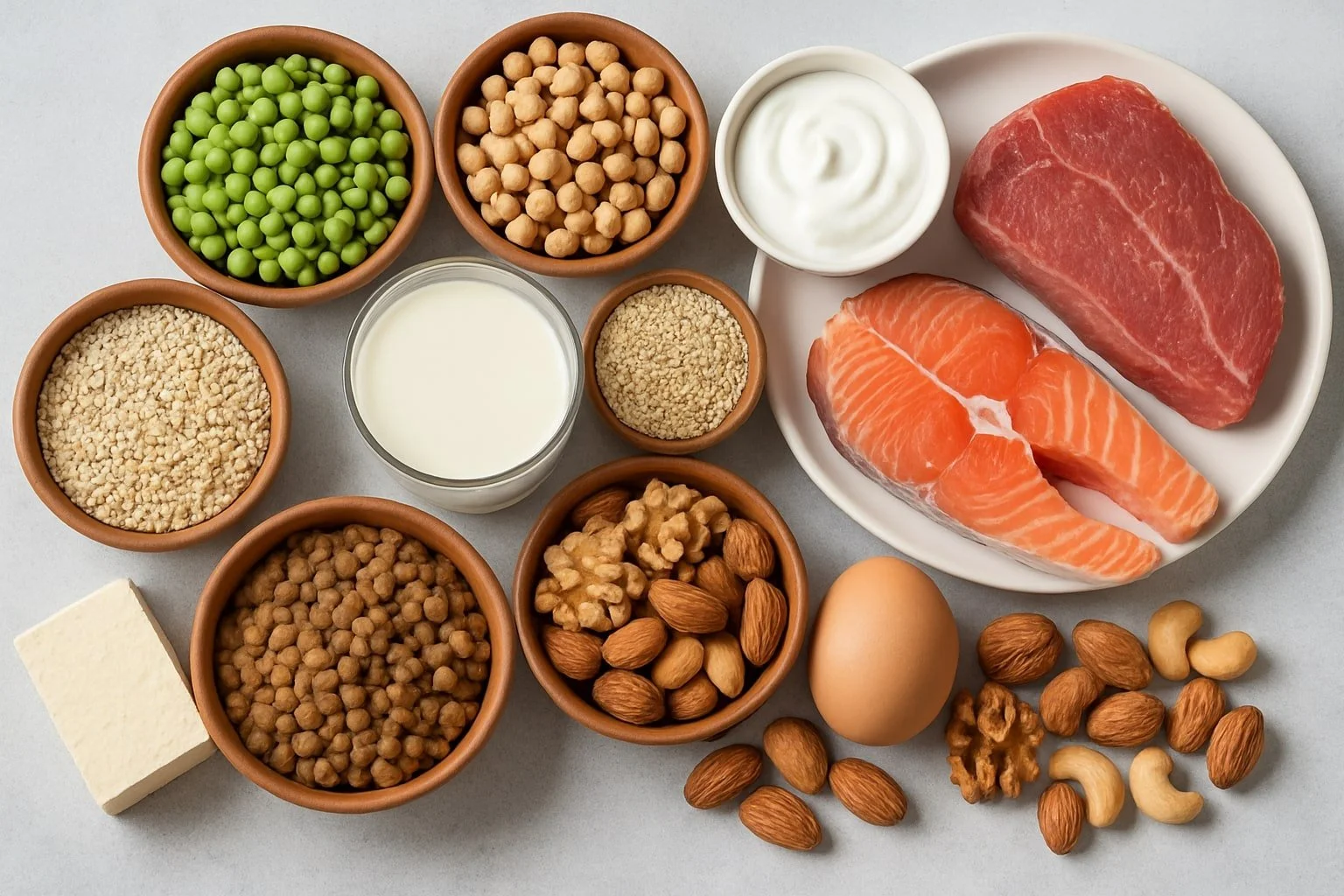
The debate over complete versus incomplete proteins has persisted for decades, raising questions about the quality and variety of protein sources in the diet. A complete protein contains all nine essential amino acids that the human body cannot produce on its own, while an incomplete protein lacks at least one of these amino acids. This distinction often places animal products at the center of nutrition discussions, with plant-based foods sometimes seen as less valuable.
Despite common myths, many plant-based eaters easily meet protein needs by eating a variety of foods throughout the day. The topic remains relevant for anyone interested in nutrition, whether they rely on animal, plant, or mixed sources for their protein intake.
Understanding Complete Proteins
A complete protein contains all nine essential amino acids in sufficient amounts for human health and proper body function. Some foods have a complete amino acid profile, while others are considered incomplete due to missing or low levels of certain essentials.
Definition and Criteria
A complete protein is defined as a protein source that supplies adequate amounts of each of the nine essential amino acids. These amino acids cannot be produced by the body and must be obtained from food.
Animal-based proteins such as meat, fish, eggs, and dairy typically meet the complete protein criteria. Some plant-based foods—like soy and quinoa—are also considered complete.
Foods that lack one or more essential amino acids—or do not supply them in sufficient quantity—are labeled as incomplete proteins. The distinction helps guide dietary choices for adequate nutrition.
Complete Versus Incomplete Proteins
Complete proteins are primarily found in animal products, but a few plant sources qualify as well. Most plant proteins (such as beans, lentils, and grains) are traditionally seen as incomplete because they may be low in one or more essential amino acids.
Recent research shows that many plant proteins do contain all nine essential amino acids, though some may be present in lower amounts. Eating a diverse combination of plant foods, for example pairing beans with rice, can result in a complete amino acid profile across the diet.
This approach is called complementary proteins. By combining different incomplete protein sources, individuals can still meet their amino acid needs without relying solely on animal products.
Amino Acid Profile and Protein Synthesis
The amino acid profile of a protein source determines its usefulness in supporting protein synthesis in the body. Essential amino acids are necessary for building new proteins, maintaining tissues, and supporting metabolic processes.
If a dietary protein lacks even one essential amino acid, it can limit protein synthesis. This is called the limiting amino acid effect; the body cannot make full use of incomplete proteins unless the missing amino acids are provided elsewhere in the diet.
A varied diet that includes both complete and complementary incomplete proteins supports efficient protein synthesis for muscle repair, enzyme production, and hormone regulation.
Common Sources of Complete and Incomplete Proteins
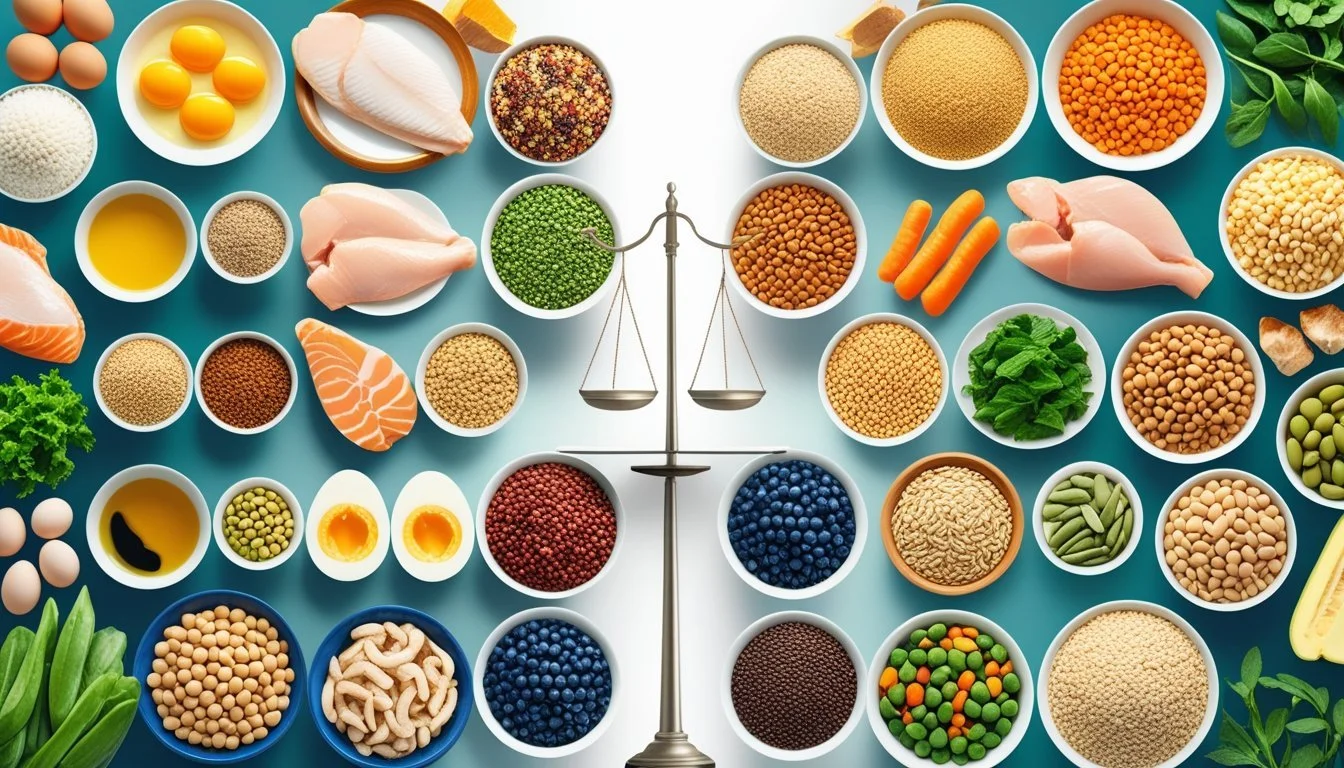
Protein sources can be broadly divided into complete and incomplete types based on their amino acid profile. Understanding which foods offer all essential amino acids and which require combining with others can help with meal planning and nutritional adequacy.
Animal-Based Protein Sources
Animal-derived foods are typically classified as complete proteins because they contain all nine essential amino acids in sufficient amounts. Common examples include:
Fish (such as salmon and tuna)
Poultry (chicken, turkey)
Eggs
Dairy products (milk, cheese, yogurt)
Beef and pork
These sources are highly digestible and provide protein in concentrations that are generally higher than most plant-based foods. Because they deliver a full amino acid profile, animal proteins are often seen as the standard reference for protein quality in nutrition science. People who regularly consume these foods do not usually need to combine them with other sources to meet essential amino acid requirements.
Plant-Based Complete Proteins
Most plant-based foods are incomplete, but several exceptions offer a complete profile. Soy products are the most well-known example, with foods such as:
Complete Plant Source Example Forms Tofu Firm, silken, smoked Edamame Fresh, frozen Tempeh Fermented soybeans
Other plant-based complete proteins include quinoa, buckwheat, chia seeds, and hemp seeds. These items contain all nine essential amino acids, making them excellent choices for vegetarians and vegans seeking to meet protein needs without animal products. While less common than animal based sources, these foods are increasingly available in most grocery stores.
Typical Plant-Based Incomplete Proteins
Many plant proteins are considered "incomplete" because they lack one or more essential amino acids or contain them in low quantities. This group includes most legumes (beans, lentils, peas) and grains (rice, wheat, corn, oats).
For instance, most legumes are low in methionine, while many grains lack lysine. To achieve a complete amino acid profile from plant foods, dietary patterns often require combining different sources. Classic combinations are rice and beans or hummus (chickpeas and sesame seeds) with whole grain bread.
Nuts and seeds (other than chia and hemp) tend to fall into the incomplete category as well. Including a varied array of plant-based foods throughout the day usually ensures sufficient intake of all essential amino acids, even without deliberate protein combining at every meal.
Amino Acids and Dietary Needs
Amino acids are the building blocks of protein, and the body’s protein needs are closely linked to the intake and balance of various essential amino acids. An understanding of these needs is crucial for evaluating both animal-based and plant-based proteins.
Role of Essential Amino Acids
There are twenty amino acids that make up proteins, but nine are considered essential amino acids. The human body cannot manufacture these, so they must be obtained from dietary sources. These include lysine, threonine, leucine, isoleucine, valine, methionine, phenylalanine, tryptophan, and histidine.
A complete protein contains all nine essential amino acids in amounts adequate to support bodily functions, which is common in animal-derived foods. In contrast, many plant-based foods are categorized as incomplete proteins because they lack one or more of these essential amino acids or contain them in lower amounts. For optimal health, it is necessary to ensure all essential amino acids are consumed in adequate amounts through a balanced diet.
Limiting Amino Acids in Plant Proteins
Plant proteins often contain lower levels of certain essential amino acids. For example, cereals like wheat are often low in lysine, while legumes such as beans may lack sufficient methionine. Dietitians refer to the amino acid found in the lowest concentration as the limiting amino acid because it can restrict the rate of protein synthesis in the body.
However, combining different plant protein sources can help overcome this limitation. When foods like beans (rich in lysine, lower in methionine) and grains (rich in methionine, lower in lysine) are eaten together, they complement each other’s amino acid profiles. This approach allows individuals following plant-based diets to meet their amino acid requirements without solely relying on animal products.
Protein Intake Recommendations
Protein intake is often measured in grams per kilogram of body weight per day. Most healthy adults are advised to consume about 0.8 grams of protein per kilogram of body weight. Athletes, older adults, and those with specific health conditions may need more.
Balancing dietary protein sources is especially important for those following plant-based diets, which may require more careful planning. Consuming a variety of protein-rich foods across meals ensures sufficient intake of all essential amino acids. Regularly including legumes, whole grains, nuts, seeds, and soy products supports meeting both overall protein needs and essential amino acid requirements.
Debating the “Complete Protein” Argument
Nutrition scientists have long discussed the necessity of consuming complete proteins for health, yet opinions still differ. This ongoing debate affects how people view animal and plant-based protein sources and their importance for a balanced diet and healthy lifestyle.
Historical Origins and Current Context
The concept of a complete protein comes from early 20th-century research identifying nine essential amino acids that the human body cannot make. If a food contains all nine, it is labeled a complete protein.
Animal-derived foods—such as meat, eggs, fish, and dairy—are widely regarded as complete proteins. In contrast, most plant-based protein sources, like beans and grains, are categorized as incomplete proteins because they may lack one or more essential amino acids.
This distinction has led to persistent beliefs that only animal proteins can fully meet human amino acid needs. However, more recent dietary guidelines and nutrition research suggest that this divide may be less significant than once thought, especially for those who consume a variety of plant-based foods throughout the day.
Scientific Critiques and Perspectives
Modern nutrition science challenges the rigid separation between complete and incomplete proteins. While it is accurate that some foods lack particular essential amino acids, the human body can combine amino acids from different sources over time.
Several studies have shown that consuming a diverse range of plant-based proteins can effectively supply all essential amino acids. The idea that every meal must include complete proteins has been largely discredited.
Below is a comparative summary:
Protein Source Typically Complete? Example Foods Animal Yes Chicken, fish, eggs, milk Plant (some exceptions) No (*) Beans, nuts, whole grains
* Exceptions: Soy, quinoa, and buckwheat (plant-based but complete)
This means that strict adherence to complete proteins at every meal is not required for most healthy individuals.
Balanced Diet Approaches
The focus has shifted to overall dietary patterns rather than the completeness of single foods. Eating a variety of protein sources—both animal and plant-based—encourages dietary balance and supports a healthy lifestyle.
People following plant-based diets can combine foods such as rice and beans or peanut butter and whole wheat bread. This approach ensures sufficient amino acid intake without needing to emphasize complete protein foods exclusively.
A balanced diet includes protein, fiber, vitamins, and minerals—achievable with mindful choices from multiple food groups. The key is regular variety and adequate total protein consumption rather than aiming for a perfect amino acid profile in each item eaten.
Plant-Based Diets and Protein Quality
Plant-based diets can meet daily protein requirements by including a variety of protein sources. While some plant proteins lack certain essential amino acids, practical strategies can ensure adequate intake and high protein quality.
Combining Plant Proteins for Completeness
Not all plant-based protein sources provide all nine essential amino acids in sufficient amounts. Many, such as legumes, tend to be low in methionine, while grains often lack lysine. However, by consuming a mix of foods like beans, lentils, chickpeas, rice, and whole grains, individuals can obtain all the essential amino acids needed for health.
This approach is known as "protein complementation." For example:
Food Group Limiting Amino Acid Complements Well With Legumes Methionine Grains, nuts, seeds Grains Lysine Legumes, soy, pulses Nuts/Seeds Lysine Legumes, lentils
It’s not necessary to combine proteins at every meal. As long as a variety is eaten throughout the day, amino acid needs are met effectively.
Overcoming Common Misconceptions
A frequent misconception is that plant-based diets inherently lack complete proteins and cannot adequately support protein needs. In reality, several plant foods such as soy, quinoa, amaranth, and buckwheat offer complete amino acid profiles.
Another myth is that protein combining must occur within one meal. Research shows total daily intake matters most, not meal-by-meal combinations.
Plant-based proteins can support health and muscle maintenance when consumed as part of a balanced diet including legumes, grains, nuts, and seeds. Proper meal planning and variety address potential gaps in amino acid intake.
Protein and Long-Term Health Outcomes
Long-term health is linked to the amount and type of protein consumed in daily diets. Research connects dietary protein with chronic diseases and weight management, making sources and patterns of intake important for overall well-being.
Protein Intake and Heart Disease
Protein intake from plant and animal sources can have different effects on cardiovascular health. Studies have shown that higher plant protein intake is generally associated with lower risk of heart disease, while high consumption of red or processed meats may increase risk factors such as LDL cholesterol.
Replacing some animal proteins with legumes, nuts, or whole grains can lead to improved lipid profiles. Soy protein, for example, has been shown in clinical trials to lower unhealthy cholesterol levels in certain populations. Choosing lean or plant-based protein sources is a practical approach for people aiming to manage heart disease risk.
Dietary Protein and Obesity
The relationship between dietary protein and obesity is influenced by total calorie intake, protein quality, and distribution throughout the day. High-protein diets are often linked to greater weight loss in short-term studies due to their effect on satiety and lean muscle preservation.
Incorporating more protein can help maintain muscle mass during calorie restriction, which is important for long-term metabolic health. However, excessive reliance on high-protein, high-calorie foods (such as processed meats and cheese) may undermine these benefits and could potentially contribute to weight gain if not carefully managed.
Protein’s Role in Appetite and Satiety
Protein intake influences appetite-regulating hormones, including peptide YY and GLP-1, which promote feelings of fullness. Research suggests that meals richer in protein lead to greater reductions in hunger and may help individuals eat fewer calories throughout the day.
This satiating effect has practical benefits for people seeking weight management or appetite control. Distributing protein evenly across meals may amplify these effects, compared to consuming large amounts in a single sitting. Protein from both animal and plant sources provides these benefits, with some evidence suggesting plant proteins are equally effective for satiety.
Practical Tips for Meeting Daily Protein Needs
Consistently reaching daily protein goals requires careful food selection and meal planning. Both the quality and variety of protein sources contribute to achieving a balanced and healthy lifestyle.
Smart Protein Choices at Breakfast
Breakfast often sets the tone for the day’s nutrition. Including high-quality protein options boosts morning satiety and supports muscle maintenance. Eggs provide a complete amino acid profile and are versatile for different dietary preferences. For those preferring plant-based options, Greek yogurt, cottage cheese, or fortified soy milk offer substantial protein without excess sugar or saturated fat.
Sample protein-rich breakfast ideas:
Food Item Protein (approx., per serving) 2 eggs 12g 1 cup Greek yogurt 17g 1 cup soy milk (fortified) 7g 2 slices whole grain toast 6g
Adding nuts, seeds, or nut butters to oatmeal, or pairing whole grain bread with hummus, increases protein while adding fiber and healthy fats. Prioritizing these foods early in the day helps sustain energy and supports overall protein intake.
Including a Variety of Protein Sources
Relying on a wide range of protein sources throughout the day ensures a more complete amino acid profile, particularly important for those following plant-based diets. Combining grains with legumes—such as rice and beans or whole wheat bread with peanut butter—creates complete proteins without the need for animal products.
Incorporating sources like fish, poultry, tofu, quinoa, lentils, and dairy spreads protein intake over multiple meals and snacks. Rotating protein types lowers the risk of nutrient gaps. Meal planning with mixed dishes—like quinoa salads, bean soups, or stir-fried tofu with vegetables—allows for easy integration of protein into everyday eating patterns. This approach supports both dietary variety and nutritional adequacy.

