
Are Processed Meats Really the Villain?
Examining Health Risks and Nutrition Facts

Processed meats have long been subject to scrutiny, with headlines often labeling them as health risks. Research has linked regular consumption of these foods to increased chances of chronic diseases such as cancer, heart disease, and diabetes. Evidence clearly shows that processed meats are associated with negative health outcomes, though the risk is not equal to more dangerous habits like smoking.
Despite these concerns, not all types of processed meats carry the same level of risk, and occasional consumption may not have the same impact as eating them frequently. Many people are left wondering how much processed meat is truly harmful, and whether all processed meats should be avoided. The real picture is more nuanced than a simple “good” or “bad” label might suggest.
What Are Processed Meats?
Processed meats are widely consumed around the world, with products ranging from bacon and sausages to deli meats and beef jerky. These foods share similar methods of preparation but can differ greatly in nutritional content and health impact.
Definition and Types
Processed meats are meats that have been altered from their original state to enhance flavor, texture, or shelf life. This group usually includes meats that are cured, salted, smoked, or preserved by other chemical or mechanical processes.
Common processed meats include:
Bacon
Ham
Sausages
Hot dogs
Salami
Beef jerky
Canned meats
Corned beef
Both red meats and poultry products can be processed. Some products feature a high amount of minced or fatty tissue, while others are made from whole muscle cuts.
Common Processing Methods
Several techniques are used to process meat. The most common methods include:
Curing: Adding salt, nitrites, or other preservatives to prevent spoilage.
Smoking: Exposing meat to smoke for flavor and longer shelf life.
Salting: Using salt either dry or in brine to inhibit bacteria growth.
Fermentation: Allowing beneficial bacteria to break down sugars, aiding preservation (e.g., in salami).
Canning: Sealing meat in airtight containers and heating to kill microbes.
Mechanical processing: Grinding, mincing, or forming meats into uniform shapes such as hot dogs or some sausages.
These methods extend storage times, improve taste, and alter the texture of the meat. Some also enhance color or aroma, making processed meats more appealing to consumers.
Nutritional Content
The nutrients in processed meats vary based on the type of meat and processing method. Many processed meats are high in protein, iron, and zinc. They also provide B vitamins, especially vitamin B12.
However, these foods often contain high levels of sodium and saturated fat. Some processed meats, such as bacon and salami, are high in cholesterol and fatty acids. The use of preservatives like nitrates and nitrites is common and can increase sodium content.
Below is a quick nutritional overview for common processed meats (per 100g)*:
Item Protein Sodium (mg) Saturated Fat Iron Bacon 37g 1,500 High Moderate Sausage 12g 800 High Low Beef Jerky 33g 2,200 Moderate High Canned Ham 18g 1,000 Moderate Moderate
*Values are averages and may vary.
The combination of high sodium, saturated fat, and preservatives can contribute to certain health concerns, especially when consumed frequently.
How Processed Meats Impact Health
Processed meats have been closely examined due to growing evidence linking their consumption to various chronic diseases. These health issues include increased cancer risk, negative effects on cardiovascular health, and a higher likelihood of metabolic disorders such as diabetes.
Cancer Risk and Research Evidence
A strong association exists between processed meats and certain cancers. The World Health Organization (WHO) and the International Agency for Research on Cancer (IARC) have classified processed meats as “carcinogenic to humans” (Group 1 carcinogen). This classification is based on epidemiological studies and meta-analyses that have consistently shown an increased risk of colorectal cancer with regular consumption.
Relative risk estimates from cohort studies indicate that eating 50 grams of processed meat daily is linked to an 18% higher risk of colorectal cancer. Stomach cancer and possibly prostate cancer are also noted in some studies, although the evidence is strongest for colorectal cancer. The likely causes include carcinogenic compounds such as nitrosamines and polycyclic aromatic hydrocarbons, which form during processing and cooking.
Cardiovascular Health
Numerous cohort and meta-analysis studies have examined the link between processed meat and cardiovascular disease (CVD), including heart disease and stroke. People who eat more processed meat tend to have a higher risk of CVD and all-cause mortality. The sodium, saturated fat, and preservatives in these foods are believed to contribute.
Processed meats can raise blood pressure due to their high salt content. Increased inflammation and negative effects on blood lipids have also been reported. While results sometimes vary between studies, the majority point to a clear association between higher processed meat intake and elevated cardiovascular risk.
Risk Factor Effect Sodium Raises blood pressure Saturated fat Worsens blood lipid profiles Preservatives Linked to inflammation
Metabolic Disorders
Processed meats are also associated with a higher risk of metabolic disorders such as diabetes mellitus and insulin resistance. Large epidemiological studies find that even small increases in processed meat consumption are linked with greater diabetes risk. For example, eating one serving per day has been associated with a 20-32% higher risk of developing type 2 diabetes.
These links likely stem from a combination of high sodium, added sugars, preservatives, and fatty acids present in processed meats. In addition to influencing blood glucose control, regular intake may contribute to obesity and other chronic health conditions through inflammation and metabolic disruption. Public health guidelines often recommend minimizing processed meat to reduce the incidence of these disorders.
Carcinogenic Compounds in Processed Meats
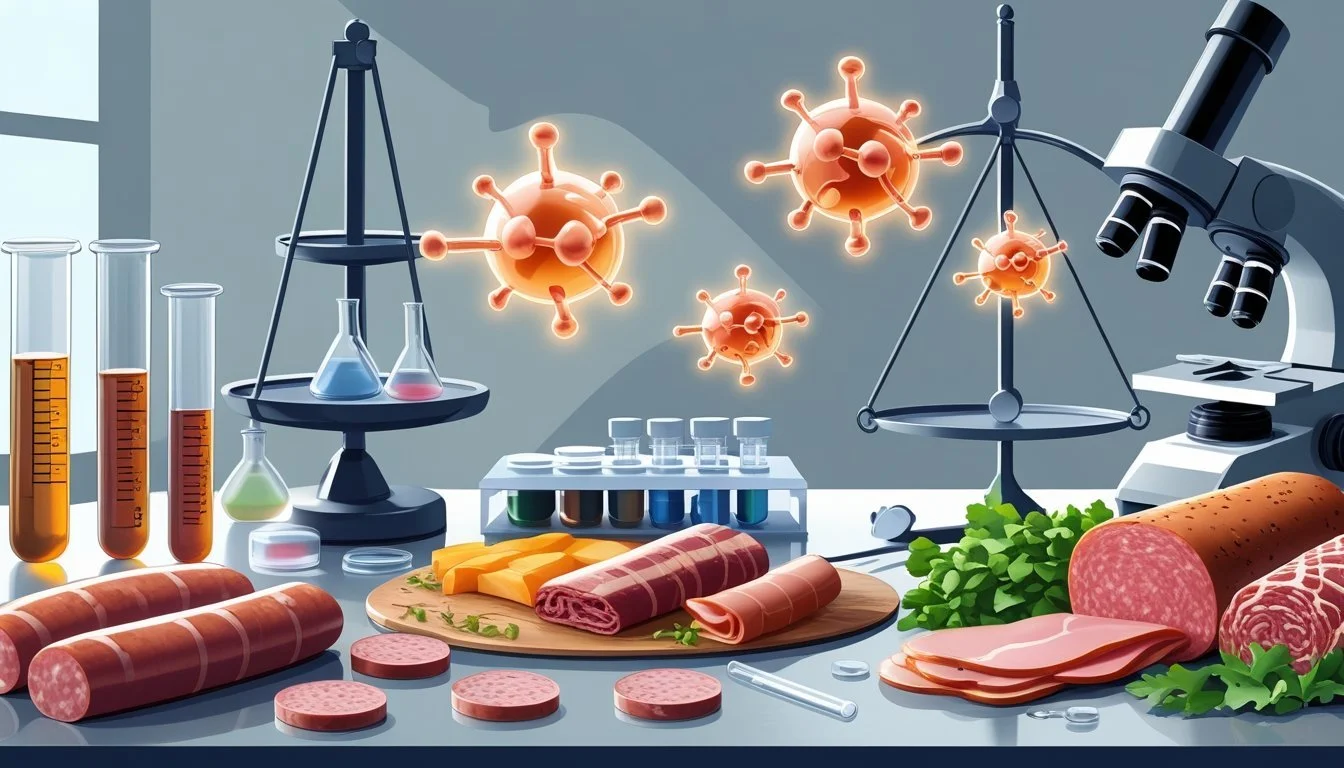
Processed meats contain chemical compounds formed during production and cooking that have been linked to cancer risk in humans. These compounds include certain nitrosamines, heterocyclic amines, polycyclic aromatic hydrocarbons, and preservatives added for flavor and safety.
N-Nitroso Compounds and Nitrosamines
N-nitroso compounds, including nitrosamines, can form when meat is preserved with nitrites or nitrates, especially during curing and cooking at high temperatures. The World Health Organization classifies some of these compounds as carcinogenic to humans.
Nitrosamines are of particular concern because they have been shown to cause cancer in laboratory animals and are considered probable human carcinogens. They are most likely to develop in processed meats like sausages, bacon, and hot dogs, especially when smoked or fried.
The formation of these carcinogenic substances can be influenced by the amount of nitrite preservative added and the cooking method. Lower cooking temperatures and the use of antioxidants like vitamin C may help reduce nitrosamine formation.
Heterocyclic Amines and PAHs
Heterocyclic amines (HCAs) and polycyclic aromatic hydrocarbons (PAHs) are chemicals that form when meat is cooked at high temperatures, such as grilling or pan-frying. These chemicals are not added during processing but are byproducts of cooking.
HCAs are produced when amino acids and creatine in meat react at high heat. PAHs are generated when fat from the meat drips onto hot surfaces, causing flames and smoke that deposit these compounds onto the food.
Both HCAs and PAHs have been found to damage DNA in laboratory studies. Consistent exposure in the diet is associated with a higher risk of colorectal and other types of cancer, though the risk level depends on how often and how the meat is cooked.
Preservatives and Additives
Processed meats commonly contain preservatives like sodium nitrite, sodium nitrate, and salt, which help prevent spoilage and bacterial growth. Sodium nitrite is also responsible for the characteristic color and flavor of cured meats.
Some of these preservatives, particularly nitrites, can react with meat proteins to form carcinogenic nitrosamines during processing or cooking. High sodium intake from processed meats has also been linked to increased risk of hypertension and cardiovascular disease.
Manufacturers sometimes add antioxidants or other additives to inhibit the formation of harmful compounds, but the core methods of preservation—curing, smoking, and salting—can still introduce or promote the formation of carcinogens. Use of preservatives is tightly regulated, but concerns remain about their long-term impact on health.
Comparing Processed and Other Meats
Differences between processed meats and other types of meat have significant implications for health, nutrition, and long-term disease risk. Deciding between processed products, fresh meats, and plant-based alternatives can directly affect nutrient intake and exposure to additives.
Red Meat Versus Processed Meat
Red meat includes beef, lamb, and pork in its natural, unmodified form. It is a notable source of protein, iron (especially heme iron), zinc, and B vitamins. In moderate quantities, red meat can be part of a healthy diet, providing essential nutrients that are sometimes harder to obtain from other sources.
Processed meat, such as ham, bacon, sausages, and salami, undergoes methods like curing, smoking, or adding preservatives. This processing often increases sodium, saturated fat, cholesterol, and the use of compounds like nitrites. These additives have been linked to higher risks of cardiovascular disease, colorectal cancer, and some metabolic disorders.
Table: Key Differences
Type Processing Main Concerns Common Examples Red Meat None/minimal Saturated fat Beef, lamb, pork Processed Meat Curing, smoking, etc. Sodium, additives Bacon, salami, ham
Limiting processed meats and choosing lean, unprocessed red meats more often can help align with dietary guidelines aimed at reducing chronic disease risk.
Unprocessed Meats and Alternatives
Unprocessed meats like skinless poultry, fish, and eggs offer high-quality protein and a range of vitamins and minerals without the added sodium and preservatives found in processed items. For example, chicken and turkey are lower in saturated fat compared to red meats, which can be beneficial for heart health.
Fish, particularly oily varieties, provide long-chain omega-3 fatty acids important for brain and cardiovascular function. Eggs add valuable protein and micronutrients such as choline, vitamin D, and selenium.
Plant-based alternatives such as beans, lentils, nuts, and seeds are also important in a healthy diet. These foods contain fiber, plant protein, and healthy fats, without cholesterol or animal-derived additives. When selecting meat alternatives, choosing options made from whole foods rather than highly processed ingredients is encouraged for optimal nutrition.
Organic meat and minimally processed options can further decrease exposure to unnecessary additives or residues. Rotating between different types of proteins can support variety and nutritional balance in the human diet.
Factors That Influence Health Risks
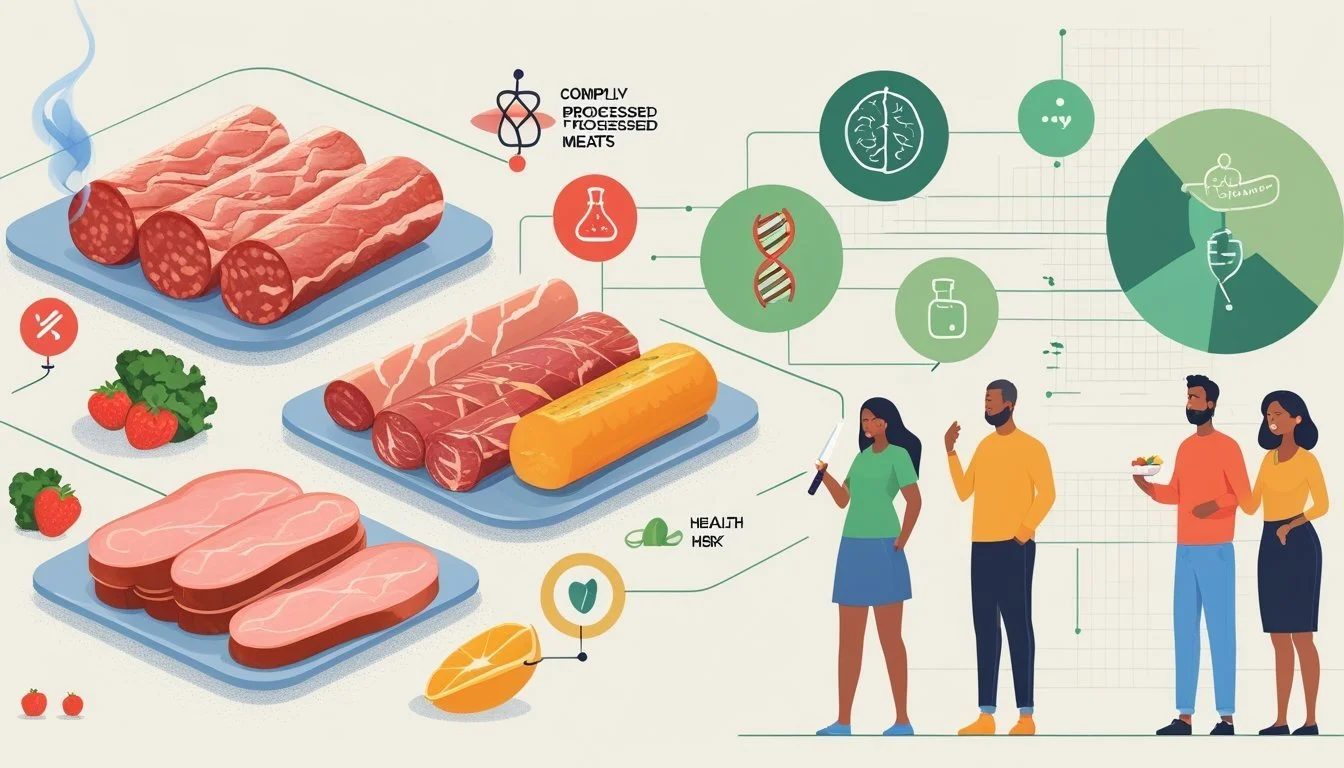
The health risks linked to processed meat depend on several distinct variables. Evidence from cohort studies and meta-analyses highlights the roles of consumption patterns, genetic differences, and broader lifestyle choices.
Consumption Frequency and Quantity
How often and how much processed meat someone consumes directly affects their relative risk for certain health issues. Regular, high intake—especially daily consumption—is associated with increased risks for colorectal cancer and cardiovascular disease, as shown in large-scale cohort studies.
Processed meats often contain high levels of saturated fats, cholesterol, salt, and chemical preservatives like nitrites, which contribute to adverse health outcomes. According to dietary recommendations, limiting processed meat to the smallest possible portion is advised. For example, some guidelines suggest fewer than 50 grams per week to minimize the risk of chronic disease.
A meta-analysis of multiple studies confirms that each additional 50 grams of processed meat eaten per day increases the risk of heart disease and cancer by about 18-20%. Reducing frequency and quantity is a practical strategy for lowering exposure to these risk factors.
Individual Susceptibility
Genetics play a role in how an individual processes and responds to the compounds in processed meat. Some people have genetic variants affecting their metabolism of haem iron and nitrites, which could modify their risk of cancer or cardiovascular issues even at similar levels of consumption.
Mendelian randomisation studies have begun to identify links between genetic markers and disease risk related to meat consumption. People with a family history of heart disease or certain cancers may be more vulnerable to the effects of processed meats.
Age, underlying medical conditions, and other risk factors also shape susceptibility. For example, individuals with pre-existing hypertension or diabetes can be more sensitive to the salt and preservatives commonly found in processed meats.
Combination with Other Lifestyle Factors
Processed meat consumption rarely occurs in isolation. Other lifestyle factors—including tobacco smoke exposure, alcohol intake, physical activity, and overall dietary patterns—interact to influence overall health risks.
Studies comparing different diets find that those following a Mediterranean diet, which emphasizes vegetables, whole grains, and limited processed foods, have lower rates of chronic diseases even when occasional amounts of processed meat are consumed.
A table summarizing combined effects can help clarify:
Lifestyle Factor Impact on Risk High processed meat + Tobacco Multiplicative risk for cancer High processed meat + Sedentary lifestyle Higher risk for CVD and diabetes Mediterranean diet + Low processed meat Reduced overall disease risk
Addressing both diet and broader lifestyle choices is critical for effectively managing risk.
Public Health Perspective and Recommendations
Health authorities have identified processed meats as a potential risk factor for several chronic diseases. Key organizations have issued specific guidelines that aim to protect public health, while consumers and the food industry have responded with a mix of adaptation and debate.
World Health Organization and IARC Guidelines
The World Health Organization (WHO) and its International Agency for Research on Cancer (IARC) have classified processed meats as "carcinogenic to humans" (Group 1). This means there is sufficient evidence that eating processed meats can increase the risk of certain cancers, especially colorectal cancer.
Processed meats include products like ham, bacon, sausages, and some deli meats that have been cured, smoked, salted, or contain added preservatives and chemicals. The IARC recommends limiting the intake of processed and red meats as part of a balanced diet.
WHO provides the following summary recommendation:
Product Type Classification Example Items Key Concern Processed Meat Carcinogenic to humans Sausages, ham, bacon Increased cancer risk Red Meat Probably carcinogenic Beef, pork, lamb Some evidence of risk
These guidelines form the basis for many national dietary recommendations.
Dietary Guidance for Consumers
Public health experts recommend that individuals limit the consumption of processed meats to reduce their risk of chronic diseases, including heart disease, cancer, and type 2 diabetes. Emphasis is placed on adopting a healthy diet that features more fruits, vegetables, legumes, and whole grains.
Many dietary patterns, such as the Mediterranean diet, suggest choosing leaner proteins like poultry, fish, and plant-based options over processed meats. Simple steps include:
Replacing bacon or sausage with eggs, yogurt, or nuts at breakfast
Using fresh or frozen poultry instead of deli meats for sandwiches
Cooking fresh meat at home rather than relying on packaged, cured, or smoked options
Consumers looking for alternatives sometimes opt for organic meat, but it is important to note that "organic" does not remove all risks associated with meat processing methods.
The Food Industry Response
The food industry has responded to public health guidelines with a combination of product reformulation and marketing changes. Some manufacturers now offer reduced-sodium, nitrate-free, or "natural" processed meats.
There is an ongoing debate about the role of preservatives and chemicals used in meat processing. The industry argues that these additives improve shelf life and safety, while critics highlight potential health concerns.
Product labeling and marketing often emphasize terms like "no added nitrates" or "minimally processed." However, public health researchers caution that even such products may not be risk-free, pointing out that curing, smoking, and salting still create compounds linked to cancer and other diseases.
Industry efforts to meet dietary recommendations are ongoing, but significant changes to processing practices are needed to further reduce health risks.
The Debate: Are Processed Meats Truly the Villain?
Research over the past decade has raised questions about the health risks associated with processed meats. Media coverage, scientific studies, and dietary guidelines now constantly revisit the subject as concerns over chronic disease risk become more central in public discussions about nutrition.
Recent Controversies and Media Coverage
News stories and public health campaigns have highlighted links between processed meats and diseases such as cancer, heart disease, and diabetes. Several articles have labeled processed meats like bacon, ham, and sausages as potential health threats. Headlines often describe these foods as "public-health villains," sparking consumer fears.
The World Health Organization reclassified processed meat as a Group 1 carcinogen in 2015. This announcement intensified scrutiny and shaped much of the narrative in popular media. However, coverage sometimes lacks nuance, not distinguishing between levels and frequencies of consumption.
Debate also exists around the definition of processed meats. Many definitions include meats that are cured, salted, or smoked, often to enhance flavor and shelf life. Some reports point out inconsistencies in labeling, such as the use of "uncured" meat where natural nitrates are still added.
Weighing the Evidence
Scientific findings indicate that consuming large amounts of processed meats can slightly increase the risk of certain health issues, especially colorectal cancer. Most studies show a modest but measurable association between processed meat intake and chronic diseases.
Epidemiological data primarily link high, regular consumption to negative outcomes. For most people, moderate, occasional consumption poses much lower risks. Risk is also affected by factors like portion size, overall diet quality, and individual health status.
Table: Risk Association with Processed Meat Intake
Consumption Level Health Risk Increase High, frequent Noticeable Occasional, moderate Minimal
Nuances such as cooking methods, preservative types, and total diet context must also be considered when interpreting research.
Making Informed Choices
Dietary guidelines from many health organizations now recommend limiting processed meats but not necessarily eliminating them. Practical advice focuses on reducing frequency and portion size.
Shoppers should read ingredient labels carefully. Opting for unprocessed or less-processed alternatives, like fresh poultry or beans, can help lower intake of salt and preservatives.
Planning balanced meals and including a wide range of protein sources supports better health outcomes. Individuals with family history of disease or higher risk factors may need further guidance from healthcare providers.
Conclusion
Processed meats have been linked to several health risks, including certain cancers, cardiovascular disease, and, according to some studies, potential effects on mental health.
Scientific evidence shows that regular consumption may increase the risk of colon cancer, especially in people with a family history or genetic predisposition.
Key considerations:
Not all processed meats are the same; processed red meats may have higher risks compared to processed poultry or fish, which often contain less saturated fat.
Factors such as portion size, frequency, and cooking methods also influence health outcomes.
Below is a brief comparison:
Type of Processed Meat Relative Health Risk Processed Red Meat (e.g., salami, ham) Higher Processed Poultry/Fish Lower (but not zero)
People who limit processed meats, choose alternative protein sources, and maintain a balanced diet can reduce potential risks.
Moderation, variety, and awareness of individual health factors remain important when considering processed meats in the diet.

